On election night 2024, when the Associated Press called Pennsylvania and North Carolina for Donald Trump, I knew that he would be our next president, and I went to bed. The next morning, as I came back from a walk, the Harris-Walz bumper stickers on the back of our cars caught my eye.
HARRIS-WALZ 2024 | WE’RE NOT GOING BACK
I immediately thought of the late Willie Lee Rose’s The Port Royal Experiment: Rehearsal for Reconstruction. Rose tells the remarkable story of enslaved and subsequently free Black people living on the South Carolina Sea Islands who gained their freedom—and small plots of land—while the war still raged, and then gained political rights during Reconstruction. That moment ended when a violent white, counter-revolutionary movement took away their rights as citizens and much of their property, returning them to a state of semi-slavery. Written in 1964 at the crest of the civil rights movement, Rose’s last chapter, “Revolutions May Go Backward,” was a cautionary warning to the optimists of her time. Today it seems an epitaph for those of my generation who saw the possibilities of a second Reconstruction that fulfilled the promises of the first.1Willie Lee Rose, Rehearsal for Reconstruction: The Port Royal Experiment (Indianapolis: Bobbs Merrill, 1964), 378–408.
It’s not that I was blindsided by the election results. After President Biden's withdrawal, I became increasingly convinced that the Harris-Walz campaign was in jeopardy. In very close races, polls are unreliable in choosing winners, particularly when it comes to Donald Trump who outperformed almost every major poll in 2016 and 2020, as he would in 2024. But I do think they give some sense of direction. During the last three weeks of the campaign, as Trump became more unhinged in his lies, more threatening to his enemies and more obscene in his rallies, I watched as Harris’s lead slip from 3% to 1%. By election day, I had little confidence that she would win.
I can’t claim to be a prophet. I assumed former President Trump would receive something like his 46 per cent of the vote in 2016 and win because of our archaic and undemocratic eighteenth-century electoral college. I was wrong. He didn’t gain a mandate (49.8 %), but it was more than Harris’s 48.3%. Moreover, by narrow margins in dozens of races, Republicans maintained control of the House and won the Senate. However precarious the majorities, the party of Trump now controls the executive, congressional, judicial branches of government.
Over the next week, I neither read any post-mortems of the election’s outcome nor listened to or watched the news. I knew it would be filled with "what if's?" second-guessing the strategy and tactics of the Harris-Walz/Democratic campaign. The Democratic Party bears some of the blame for this loss. Inhibited by its own wealthy backers and so frightened of the term “socialism” or even “liberalism,” party leaders failed to drive home the economic damage to working- and middle-class voters caused by the neo-liberal policies of the last half century and the dominance of the nation’s new plutocracy.2Elizabeth Popp Berman, Thinking Like an Economist: How Efficiency Replaced Equality in US Policy (Princeton: Princeton University Press, 2023).Despite these failures, there have been substantive policy differences between a Republican Party that has consistently reshaped our tax and economic system to benefit the wealthy and Democratic measures that helped the working and middle-class programs proposed by Democrats. The 2024 election is less about the failures of the Democratic Party than the remarkable success of the wealthy interests and disciplined zealots who have joined hands with Donald Trump to capture the Republican Party.
Historians such as Nancy MacLean (Democracy in Chains), journalists Jane Mayer (Dark Money), and Anne Applebaum (Autocracy, Inc.) as well as other scholars and journalists have described how this anti-government movement has proved successful in carrying out its long-term strategy of promoting libertarian ideas and policies into the mainstream, ideas once dismissed as the work of Ayn Rand cranks and ideologues.3Nancy MacLean, Democracy in Chains: The Deep History of the Radical Right's Stealth Plan for America (New York: Viking Press, 2017); Jane Mayer, Dark Money: The Hidden History of the Billionaires Behind the Rise of the Radical Right (New York: Doubleday, 2016); Anne Applebaum, Autocracy, Inc.: The Dictators Who Want to Run the World (New York: Doubleday, 2024).
Over the last half century, bankrolled by their wealthy backers, this reactionary movement created a broad and effective network of institutions, think tanks, and media mouthpieces that honed dual messages.
The first: money corrupts the poor but elevates the moral character of the rich. Making the lives of marginal and lower middle-class Americans more insecure would lead them to return to the lost work ethic that had made America great. At the same time, making wealthy Americans even richer enabled the super-rich “job creators” to benefit society as a whole.
The second: a contempt for the very concept of “public” in “all its forms (public service, public health and safety agencies, public parks, the protection of public lands, public schools, etc.) and a conviction that the hand of “government” inevitably guarantees inefficiency and corruption. The solution? Replace those critical institutions with the unrestrained market, driven only by profits and freed from the restraints of oversight, regulations, and the demands of labor unions, civil rights activists, feminists, the disabled, and others who struggle for social justice.
The New Right was also able to draw upon a deeply rooted anti-government/“dog-eat-dog”/“everyone for himself and the devil take the hindmost” ethos. While a pittance of charity for widows and orphans has long been considered acceptable, assistance for those who do not succeed (obviously through their own laziness and lack of initiative) designates them as undeserving poor and dependent “takers.”
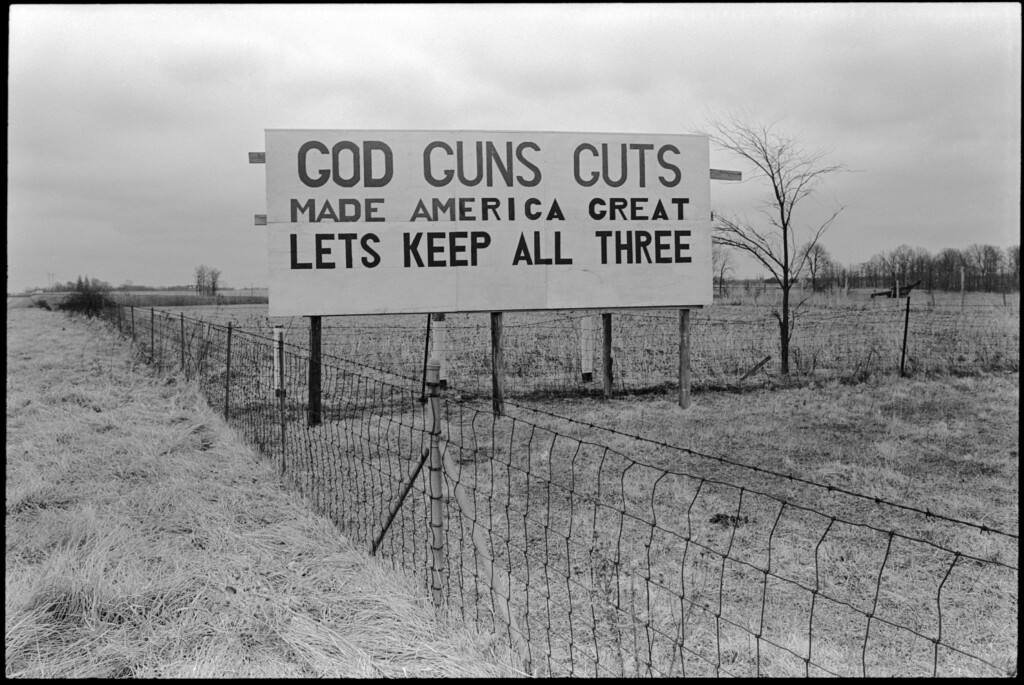
The Social Darwinism of the Gilded Age shifted somewhat in the wake of the late-nineteenth century Populist movement and during the “Progressive Era” of the early twentieth. Bolstered by an emerging “social gospel” movement that emerged within Protestant, Catholic, and, what Rabbi Shaul Magrid, has called the “Jewish social gospel,” when a majority of Americans concluded—in our complex and interdependent economy—only national institutions could offer protection from monopolistic corporate power and reckless actions that threatened citizens’ health and well-being. Then, faced with the devastation of the Great Depression, Americans of that generation learned the hard way that a reliance on rugged individualism proved useless in the face of a collapsing economy.4Christopher H. Evans, The Social Gospel in American Religion (New York: NYU Press, 2017); Rabbi Shaul Magid is professor of Jewish Studies at Dartmouth. His book is The Necessity of Exile: Essays from a Distance (Brooklyn: Ayin Press, 2023).
By the time Dwight Eisenhower took office in 1953, the Roosevelt revolution seemed broadly accepted by both parties. As Eisenhower wrote to his brother in 1954, federal initiatives such as social security, unemployment compensation, labor laws and other government funded programs were essential and the “Texas oil millionaires” and the politicians and businessmen who sought to turn back the clock were “negligible and . . . stupid.”5Dwight D. Eisenhower, “Letter from Dwight D. Eisenhower to Edgar Newton Eisenhower (1954),” Teaching American History, https://teachingamericanhistory.org/document/letter-to-edgar-newton-eisenhower/.
But the political upheavals of the 1950s and 1960s gave an opening to the anti-government reaction of the last fifty years—our backward revolution.
It’s ironic that Richard Nixon took the first steps in this reactionary movement; ironic because he was hardly an anti-government politician. Like Eisenhower, under whom he served for eight years, Nixon had made peace with expansive government under Franklin Roosevelt and Lyndon Johnson. He not only maintained most of the New Deal/Great Society programs, but supported the creation of the Environmental Protection Agency, the Clean Air and Clean Water Acts, expanded federal resources for the CDC and NIH. and signed Title IX, a sweeping measure designed to prevent gender discrimination at colleges and universities. At one point he considered creating a national guaranteed income program. Politically, however, Nixon was always attuned to the shifting currents of public opinion.
You don’t have to be a historian to list the developments that set us on the road to the election of Donald Trump for a second term. White backlash—activated by the civil rights movement and urban unrest—as well as the trauma of the Vietnam War led the way for this right-ward retreat.
In 1968, Nixon ran as a centrist between Hubert Humphrey and third-party segregationist candidate George Wallace. He came within a hair’s breadth of losing the election after Wallace captured fourteen million votes and the electoral votes of five southern states. (According to exit polls, absent Wallace’s “American Party,” at least four of those states would have voted for Nixon.)
Relying upon the advice of his adviser, Kevin Phillips ("The whole secret of politics is knowing who hates who”), Nixon understood the possibilities for political realignment among several groups of voters. White southerners and white northerners opposed to the gains of the civil rights protests and civil rights legislation, suburban voters frightened and angered by the urban violence of the 1960s, and Americans disgusted by an anti-war movement that rejected the patriotic ideology: “My country, right or wrong.”6Garry Wills, “The Politics of Grievance,” New York Review, July 19, 1990, https://www.nybooks.com/articles/1990/07/19/the-politics-of-grievance/.
Thus was born the GOP “Southern Strategy,” a political plan to create a solid Republican South by “blackening” the Democratic Party in the states of the former Confederacy and drawing disgruntled whites across the US into what had once been the party of Lincoln. In the aftermath of the Watergate scandal, Jimmy Carter managed to defeat Gerald Ford in 1976, but his administration was a brief detour.
During the 1950s, middle- and upper-income voters in four southern states had chosen the popular Dwight Eisenhower, but the major growth in Republican support from lower income white voters came over the next two decades. White evangelicals and religious conservatives also played a major role in the political realignment, strongly supporting traditional gender roles, the nuclear family, and male “leadership” while recoiling against the demands of the women’s movement of the 1970s and 1980s as well as the way that a new, wide-open popular culture undermined traditional sexual mores. As Playboy came out from under the drug store counters and onto the magazine racks, it was no accident that third-party candidate George Wallace attacked the Supreme Court for its rulings requiring desegregation and striking down broad obscenity laws.
Today’s white evangelicals point to the 1973 Supreme Court decision, in Roe v. Wade as the critical turning point for devout Christians. But, if that is true, how can we explain the fact that mainline Protestant denominations, including Southern Baptists, praised the decision?
Randall Balmer, Cornell University historian of American religion, argues in Bad Faith: Race and the Religious Right (2021) that the shift among evangelicals was linked directly to racial issues.7Randall Balmer, Bad Faith (Eerdmans Publishing: Grand Rapids, Michigan, 2021). Gerald Ford’s Justice Department first developed a series of legal cases challenging the tax-exempt status of the segregated “academies” (most of them religious) that expanded in the aftermath of the Brown decision. But it was the Carter administration that dramatically increased the number of lawsuits challenging these tax-exempt segregated schools, a policy eventually affirmed by the Supreme Court in Bob Jones v. United States (1983).
Right-wing Republican activists like Paul Weyrich claimed that this was an attack on religious freedom, but such arguments found only limited traction. Instead, skilled conservative organizer (and devout Catholic) Phyllis Schlafly smoothed over long-time tensions between Catholics, Mormons, and Protestant conservatives, bringing them together to create a “right-to-life” and anti-feminist constituency that proved to be a far more “righteous” movement than defending segregation.
White Protestant evangelicals had voted for the “born-again” Carter in 1976, but four years later two thirds of self-identified white evangelicals voted for the divorced and marginally Christian candidate, Ronald Reagan. Republican support increased through the decades that followed. In the 2024 presidential election, 81 per cent of white evangelicals voted for Trump. Between the late 1960s and the end of the 1980s, the Southern Strategy transformed the “solid South” from a Democratic stronghold to the foundation of Republicans’ national strength.
Racism was not the only factor in creating a white Republican South, but it was a major driving force. And the tactics that created the (white) victory for the Republican Party in the South and attracted white northerners, have allowed politicians to exploit different versions of racism on a national level for the last half century. George Wallace pioneered the use of code words that avoided explicit racist language in the 1960s, but Republican operatives and leaders became even more skilled in their exploitation of white Americans’ underlying racial prejudices. As Lee Atwater, a key adviser to Reagan and to George H.W. Bush famously told Vanderbilt political scientist Alexander Lamis, “You start out in 1954 by saying “N--r, n--r, n--r.” By 1968, you can’t say ‘n--r’—that hurts you. Backfires. So you say stuff like forced busing, states’ rights, and all that stuff.”8Lee Atwater (1981): Interview with Alexander P. Lamis, https://www.bradford-delong.com/2017/03/lee-atwater-interview-with-alexander-p-lamis-rough-transcript-weekend-reading.html.
Equally significant in arousing this white backlash was the emergence of Black and, later, Brown Americans into a constant presence on the nation’s television screens that triggered resentment by many white viewers. The emergence of gay men and lesbians prompted a similar response.
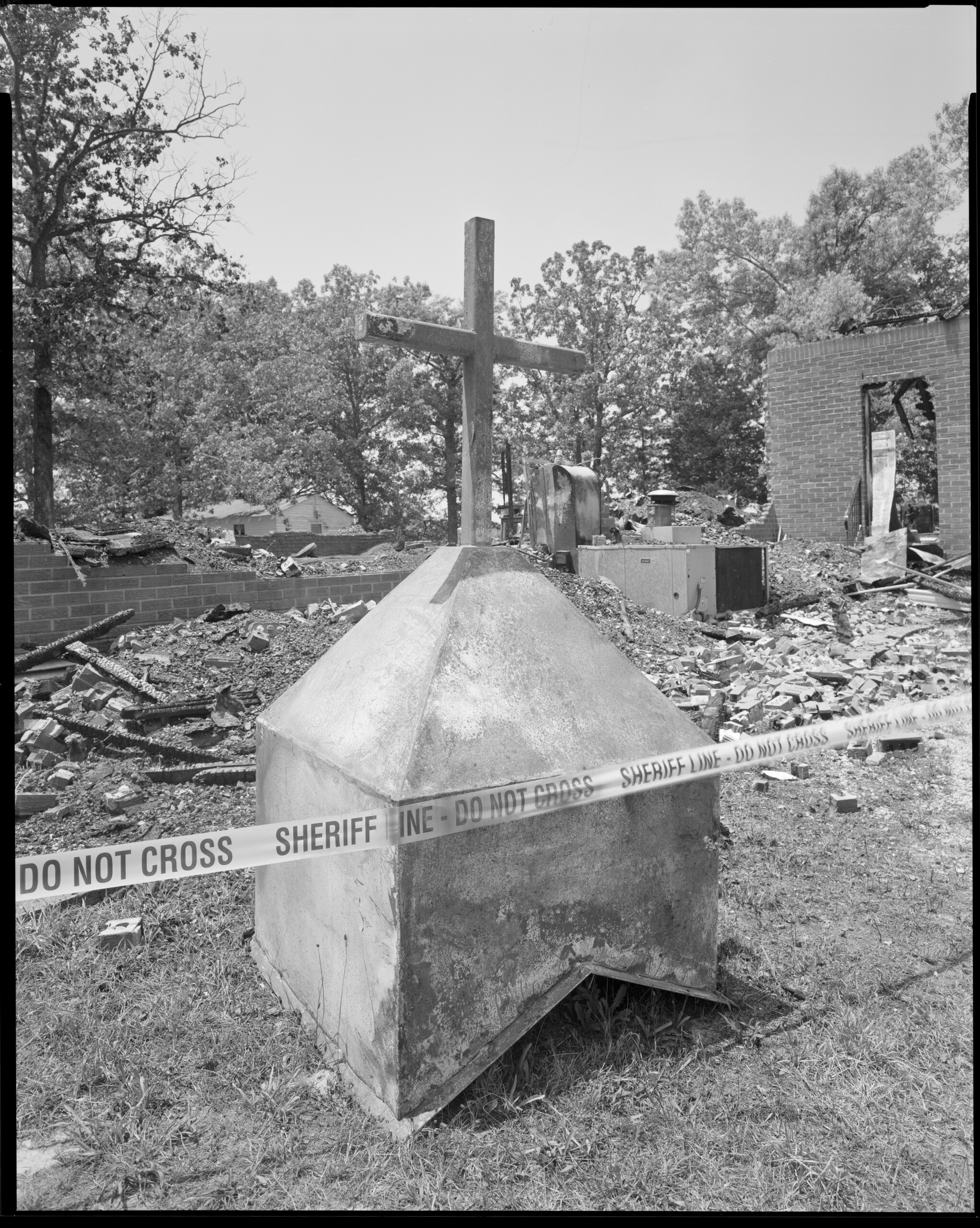
Critics often compare Donald Trumps’ dehumanizing language against his enemies—“vermin,” “garbage,” “scum,” “poisoning the blood of our country,” “traitors,” “diseased,” “bad genes”—to Adolf Hitler.9Gram Slattery, “Trump’s ‘bloodbath’ and other rhetoric inflame his 2024 campaign trail,” Reuters, March 22, 2024, https://www.reuters.com/world/us/bloodbath-vermin-animals-trumps-rhetoric-trail-2024-03-22/. But such rhetoric has deep roots in US history, pitting “us” (true Americans) against “them” (threatening outsiders). From John Higham’s 1955 classic, Strangers in the Land to the more recent publication of Erica Lee’s America for Americans: A History of Xenophobia in the United States, scholars and journalists have described politicians’ exploitation of white/Anglo-Saxon/Protestant Americans’ fear and hatred of Native Americans, Catholics, Jews, Italians, and Hispanics.10John Higham, Strangers in the Land: Patterns of American Nativism, 1860-1925 (Rutgers University Press: New Brunswick University Press, 1955); Erika Lee, America for Americans: A History of Xenophobia in the United States (New York: Basic Books, 2019).
In addition to relying upon such racist and xenophobic appeals, the party that Donald Trump now controls has sought to strengthen its political power by implementing openly undemocratic measures. In Rehearsal for Reconstruction, Willie Lee Rose describes the blunt measures that white Democrats used to disenfranchise (predominantly Black) Republicans. During South Carolina’s 1895 Constitutional Convention the Party stamped out the last handful of Black voters. Whites made no effort to conceal their hand. As one Democrat said, “We don’t propose to have any fair elections.”11Rose, Rehearsal for Reconstruction, 404. Such openly partisan and racist voter suppression measures supported by the modern Republican Party are central to our backward revolution.
When Democrat Bill Clinton won in 1992 and 1996, the Republican Party launched a broad range of measures designed to reduce Democratic voters, particularly Black voters. Despite differences between the disenfranchisement efforts of white Democrats in the late nineteenth century and present-day Republicans, Yogi Berra’s memorable phrase: “It’s déjà vu all over again” seems particularly apt. Political scientists Steven Levitsky and Daniel Ziblatt have shown how this growing anti-democratic movement has exploited weaknesses in our constitutional system to create a “tyranny of the minority,” a process described in detail by scholars like Steve Suitts and Gene Nichols.12Steven Levitsky and Daniel Ziblatt, Tyranny of the Minority: Why American Democracy Reached the Breaking Point (New York: Crown, 2023); Steve Suitts, A War of Sections: How Deep South Political Suppression Shaped Voting Rights in America (Athens, Georgia: New South Books, 2024); Gene R. Nichol, Lessons from North Carolina: Race, Religion, Tribe, and the Future of America (Durham, NC: Blair Publishing, 2023).
Republicans have justified such measures by successfully convincing 88 per cent of Republicans and over 25 percent of Democrats that voter fraud is widespread, despite the fact that every rigorous investigation and analysis has found fraud has been statistically infinitesimal. In a review of such claims over the last twenty-five years, researchers for the Brookings Institution could not find one example of voter fraud that “changed the outcome of a single election.”13Owen Averill, Annabel Hazrati, and Elaine Kamarck, “Widespread election fraud claims by Republicans don’t match the evidence,” Brookings, November 22, 2024, https://www.brookings.edu/articles/widespread-election-fraud-claims-by-republicans-dont-match-the-evidence/.
In 2012, dissatisfied with piecemeal measures to limit Democratic voters, the Republican State Leadership Committee launched its “Redistricting Majority Project” (REDMAP) with the goal of using the decennial redistricting process to gerrymander state and congressional districts to give an advantage to Republican candidates at the state and congressional level. While gerrymandering has long been practiced in American politics, the development of sophisticated computer programs, the heightening of partisan division, and the economic support of dark money by wealthy donors made it possible for the Republican Party to reshape American politics. In 2019, the five-member Republican majority of the Supreme Court gave the green light to such gerrymandering. By 2024, Republicans had created the most distorted electoral system in nine of the ten most gerrymandered states in the nation.14“2012 REDMAP Summary Report,” January 4, 2013, https://www.redistrictingmajorityproject.com/; Nick Wing, “GOP Redmap Memo . . . ,” January 17, 2013, “https://www.huffpost.com/entry/gop-redmap-memo-gerrymandering_n_2498913; “Rucho v. Common Cause," https://en.wikipedia.org/wiki/Rucho_v._Common_Cause; “Most Gerrymandered States,” World Population Review, https://worldpopulationreview.com/state-rankings/most-gerrymandered-states.
Republicans and Democrats argue over whether such measures stem from partisan or racial motives, but it is clear that racism remains one of the key factors in Trump’s personal rise to political prominence. It was his promotion of the “birther lie,” the demonstrably false claim that Barack “Hussein” Obama was born in Kenya and not a “true American” that launched his political career. As a real estate developer with an early history of excluding Black people from his family’s rental properties, Donald Trump learned that traditional anti-Black racism could prove adaptable in politics by exploiting fear and hate against other “outsiders.” Of all his inflammatory and racist claims, none was more successful than his description of a massive (non-existent) crime wave by brown-skinned illegal immigrants spreading chaos, raping and pillaging embattled white Americans.15Slattery, “Trump’s ‘bloodbath’."
Economic inequality grew steadily from the early 1970s onward as members of the middle as well as the working class joined the poor in a struggle from paycheck to paycheck. The New Right didn’t address this increasing wealth gap but kept the emphasis on drawing in religious conservatives by convincing them that Christianity and the family was under attack. Right wing activists and new media outlets spread false but heart-rending accounts of full-term babies ripped from their mother's wombs. As early as 1977, the American singer and anti-gay activist Anita Bryant claimed that homosexuals were seducing children for sexual exploitation, but by 2010, claims of “grooming” were widespread on web sites, promoted by right-wing anti-gay groups and Republican politicians. In a 2023 60 Minute interview, Georgia Congresswoman Marjorie Taylor Greene insisted to interviewer Leslie Stahl that “Democrats are a party of pedophiles. . . . They support grooming children.”16“Anti-gay Organizing on the Right,” PBS Out of the Past, https://www.pbs.org/outofthepast/past/p5/1977.html; “Marjorie Taylor Greene: The 60 Minutes Interview,” https://www.rev.com/transcripts/marjorie-taylor-greene-the-60-minutes-interview-transcript.
Even more astonishing has been the success of the New Right in convincing nearly 60 percent of white Americans that “discrimination against whites is as big a problem as discrimination against blacks and other minorities.”17Ryan Struyk,”Blacks and whites see racism in the United States very, very differently,” CNN, August 18, 2017, https://edition.cnn.com/2017/08/16/politics/blacks-white-racism-united-states-polls/index.html.
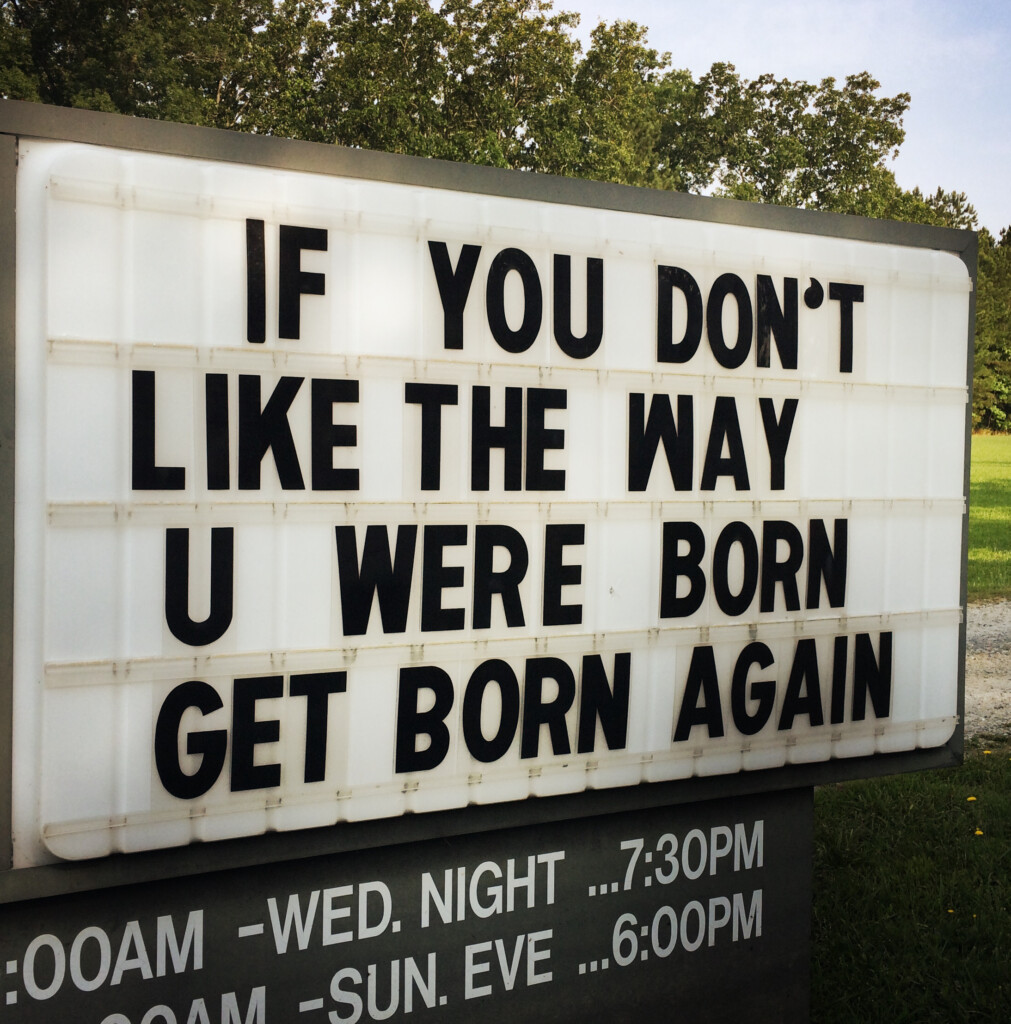
Few examples more clearly illustrate the irrational, but powerful appeal of such success at promoting irrationality than the demonization of transgender people in this country—as though they are somehow an existential threat. When a “Fox and Friends” host asked Trump what he would do to “fix” schools, he responded: “No transgender, no operations. You know, they take your kid. There are some places where your boy leaves the school [and] comes back a girl. Without parental consent.”18Daniel Dale, “Fact Check: Trump revives his lie that schools are secretly sending children for gender-affirming surgeries,” CNN, October 26, 2024, https://www.cnn.com/2024/10/26/politics/fact-check-trump-rogan-children-gender-affirming-surgeries/index.html. During the last three months of the 2024 campaign, the GOP spent more than $215 million on political advertisements attacking transgender individuals.19Zane McNeill, “Republicans Spent Nearly $215M on TV Ads Attacking Trans Rights This Election,” truthout, November 5, 2024, https://truthout.org/articles/republicans-spent-nearly-215m-on-tv-ads-attacking-trans-rights-this-election/.
It is easy to see why special interests such as insurance companies, the pharmaceutical industry, health care monopolies, the fossil fuel industry and libertarian tech billionaires fell in line behind Donald Trump once he gained the enormous powers of the presidency. Given the tax policies enacted during the first Trump administration and those proposed for the second, economic self-interest has also attracted support from the super-rich, the wealthy, and even the moderately well-to-do. While much of the attention has concentrated on the top one percent, between the mid-1970s and 2020, the income of top five percent of America’s taxpayers increased 125 per cent while median family income rose less than fifty per cent.20Eric Schutz to the author, February 17, 2025.
While working-class and struggling middle-class American voters are keenly aware of their growing economic insecurity, they seem oblivious to the role of the wealthy interests that have profited from an economy that has shifted wealth from labor to capital—all reinforced by changes in “tax reform” that lowered taxes on the new plutocracy and led to an explosion of our national debt. This transfer of wealth from the working and middle class to the wealthiest has created in the United States the greatest income inequality in any advanced democracy in the world.
But many of these voters found Donald Trump’s repeated explanation for their plight more persuasive: “The mass migration invasion has crushed wages, crashed school systems . . . wrecked the standard of living and brought crime, drugs, misery and death.”21Linda Qui, “Trump’s Claims That Blame Migrants: False or Misleading,” New York Times, October 18, 2024, https://www.nytimes.com/2024/10/18/us/politics/trump-immigration-fact-check.html.
The Democratic Party is hardly immune from the pressures of big money donors, but promoting the interests of the wealthy has been the explicit policy of the Republican Party since Reagan. Trump’s promise not to reduce the federal government’s most expensive programs—Defense, Social Security and Medicare—mean that the only items on the chopping block are those programs that most affect working-class and poor Americans: SNAP (food stamps), Medicaid, ending student loan forgiveness and loan modifications, dismantling the Education Department, and enacting major tariffs that will be passed on to consumers by higher prices.
Reducing the deficit won’t come from increasing taxes. Since signing the “No New Taxes” pledge in 1986, Republicans have opposed tax increases even though—among the thirty-eight advanced economies—US total federal state and local taxes as a percentage of GDP are lower than all but a handful of countries such as Turkey and Mexico.22“Revenue Statistics 2024, Key Findings for the United States," OECD, https://www.oecd.org/content/dam/oecd/en/topics/policy-sub-issues/global-tax-revenues/revenue-statistics-united-states.pdf.
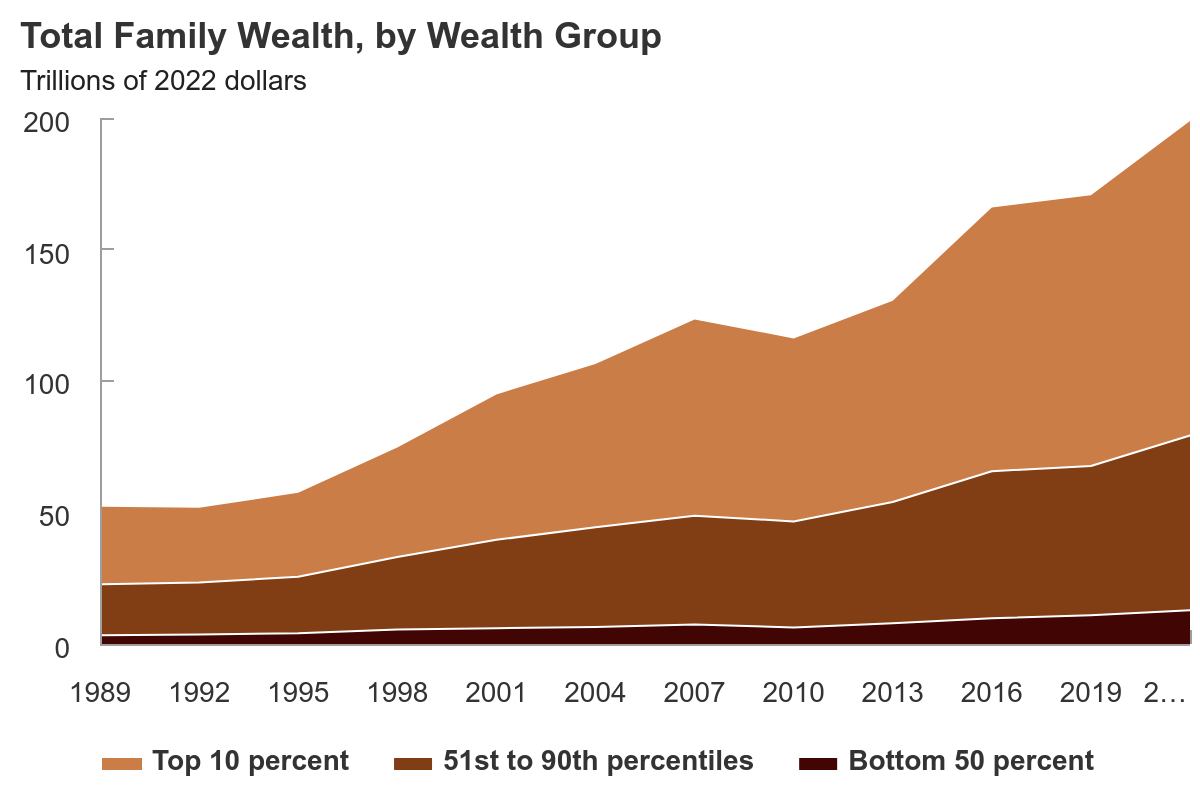
Even as wealth has become more concentrated in the highest income brackets, the tax rates on the upper ten percent and particularly the upper one percent have significantly declined since Ronald Reagan became President in 1981. Over the last forty years, the actual income tax rate paid by the wealthiest one percent of taxpayers has fallen from nearly 40 percent to 26 percent.23Robert McClelland and Nikhita Airi, “Effective Income Tax Rates Have Fallen for the Top One Percent Since World War II,” Tax Policy Center, September 15, 2021, https://taxpolicycenter.org/taxvox/effective-income-tax-rates-have-fallen-top-one-percent-world-war-ii-0. A key provision of the Biden Administration’s 2022 Inflation Reduction was to allocate $80 billion over ten years to the IRS to reduce tax evasion by the wealthiest taxpayers, an amount estimated to be over $600 billion each year.24Natasha Sarin, “The Case for a Robust Attack on the Tax Gap,” U.S. Department of the Treasury Featured Stories, September 7, 2021, https://home.treasury.gov/news/featured-stories/the-case-for-a-robust-attack-on-the-tax-gap; Arianna Fano, “Breaking Down the Federal Tax Gap,” Bipartisan Policy Center, June 27, 2024, https://bipartisanpolicy.org/explainer/breaking-down-the-federal-tax-gap/. Republicans used negotiations over extending the debt ceiling to cut the original $80 billion to $60 billion. Within weeks of Trump’s taking office, he ordered the IRS to lay off 6,000 employees, more than six per cent of the IRS staff, even as he made it clear that this was only the beginning of his assault on the agency. Blocking the IRS from requiring the wealthy to pay their taxes is clearly a cause close to Trump. As he said in his first 2016 debate with Hillary Clinton, “Paying no taxes makes me smart.”25Andrew Duehren and Michael S. Schmidt, “I.R.S. to Begin Laying Off Roughly 6,000 Employees on Thursday,” New York Times, February 19, 2025, https://www.nytimes.com/2025/02/19/us/politics/irs-layoffs.html; Richard Rubin, “Donald Trump on Not Paying Taxes: ‘That Makes Me Smart’,” Wall Street Journal, September 26, 2016, https://www.wsj.com/articles/BL-WB-65659; “September 26, 2016 Debate Transcript,” Commission on Presidential Debates, https://www.debates.org/voter-education/debate-transcripts/september-26-2016-debate-transcript.
In the 2024 campaign, Donald Trump’s unconcealed policies to protect wealthy Americans from paying taxes did not seem to resonate with most Americans who don’t have the advantage of overseas tax havens and creative accountants. Neither did his promise to end clean-energy programs and eviscerate regulations by the Environmental Protection Agency. For decades, the coal, oil, and gas industries have worked to discredit the conclusive evidence that the burning of fossil fuels is the major contributor to global warming. In 2009, Trump signed a full-page New York Times with over one-hundred American business leaders warning that if the United States and other countries failed to act decisively to slow climate change, it was “scientifically irrefutable that there will be catastrophic and irreversible consequences for humanity and our planet.26“Dear President Obama . . .,” New York Times, November 19, 2016, https://static01.nyt.com/packages/pdf/opinion/Dot-Earth/climatead09nyttrumplowrez.pdf. But in 2012, as he began his plans to enter politics, he tweeted that the “concept of global warming was created by and for the Chinese in order to make U.S. manufacturing non-competitive."27Edward Wong, “Trump Has Called Climate Change a Chinese Hoax,” New York Times, November 18, 2016, https://www.nytimes.com/2016/11/19/world/asia/china-trump-climate-change.html.
As in all matters Trump, this was a purely transactional move. Few people were shocked, or even noticed, when he told members of the American Petroleum Industry and over a dozen oil company executives at a private at Mar-a-Lago that they “should donate $1 billion to his presidential campaign.” In return, he said, he would roll back environmental rules.”28Lisa Friedman, Coral Davenport, Jonathan Swan, and Maggie Haberman, “At a Dinner, Trump Assailed Climate Rules and Asked $1 Billion From Big Oil,” New York Times, May 9, 2024, https://www.nytimes.com/2024/05/09/climate/trump-oil-gas-mar-a-lago.html.
Trump knows nothing about economics, science, or history that might guide him as the nation’s President, but his marketing skills honed by years hawking overpriced real estate projects, and his time on television playing the CEO on The Apprentice, created the illusion of him as a brilliant businessman despite his seven bankruptcies and the fact that a jury found his companies guilty of massive tax fraud that led to a $350 million fine. Perhaps many Americans have come to see cheating on taxes by the rich and using bankruptcy laws to stiff those to whom they owe money as simply “good business.”
Above all, Donald Trump discovered what sells in today’s political environment must be saturated with the trappings of entertainment. Our national comedian of cruelty found that the more vulgar, vile and threatening he became, the more millions of Americans adored him.
What initially bewildered me most was the willingness of millions of American voters to accept Trump’s tsunami of transparent lies. In time, I’ve come to believe that Trump sensed the new reality: most Americans believe all politicians lie. By making his lying so brazen and preposterous, he could be seen as somehow more “honest,” and “non-hypocritical” than his opponents.
Even though we can be certain that Trump has never read Hannah Arendt’s Origins of Totalitarianism (1951), he grasped one of her critical insights.
The followers of demagogues, writes Arendt, were “ready at all times to believe the worst, no matter how absurd, and did not particularly object to being deceived because it held every statement to be a lie anyhow.” Such power-obsessed leaders discovered they could “make people believe the most fantastic statements one day, and trust that if the next day they were given irrefutable proof of their falsehood, they would take refuge in cynicism.” They would insist that “they had known all along that the statement was a lie” and would admire their leader for his “tactical intelligence.”29Hannah Arendt, Origins of Totalitarianism (New York: Harcourt, Brace and Company, 1971), 433.
As long as you kept repeating something, “it didn’t really matter if it wasn’t true,” said Stephanie Grisham, Trump’s White House Press Secretary. “Casual dishonesty filtered through the White House as though it were in the air-conditioning system.”30Stephanie Grisham, I’ll Take Your Questions Now: What I Saw at the Trump White House (New York: Harper Collins, 2021), 138; Peter Baker, “In Trump’s Alternate Reality, Lies and Distortions Drive Change,” New York Times, February 23, 2025, https://www.nytimes.com/2025/02/23/us/politics/trump-alternative-reality.html.
Such contempt for the truth is not simply a matter of political tactics. It has demonstrable, and often deadly consequences. In the wake of the COVID epidemic, surveys showed that 75 per cent of Republicans told pollsters they had confidence in Trump’s advice on the epidemic. The result? An analysis published in 2023 in The Journal of American Medicine concluded that, once the COVID vaccine became available, "the excess death rate among Republican voters was 43% higher than the excess death rate among Democratic voters.”31Andrew Greiner, “75% of Republicans trust Trump’s medical advice,” YouGov, April 24, 2020, https://today.yougov.com/politics/articles/29305-75-republicans-trust-trumps-medical-advice; Jacob Wallace, Paul Goldsmith-Pinkham, Jason L. Schwartz, “Excess Death Rates for Republican and Democratic Registered Voters in Florida and Ohio During the COVID-19 Pandemic,” JAMA Internal Medicine, July 24, 2023, https://jamanetwork.com/journals/jamainternalmedicine/fullarticle/2807617; Alyssa Bilinski, Ezekiel J. Emanuel, “COVID-19 and Excess All-Cause Mortality in the US and 18 Comparison Countries,” JAMA Network, October 12, 2020, https://jamanetwork.com/journals/jama/fullarticle/2771841. Lancet, one of the world’s most trusted medical journals, compared America’s COVID response with our European allies during the Trump time in office and estimated that his administration’s inaction and misinformation led to the unnecessary deaths of at least 400,000 Americans.32Steffie Woolhandler, David U. Himmelstein, Sameer Ahmed, Zinzi Bailey, Mary T. Bassett, Michael Bird, et al., “Public Policy and Health in the Trump Era,” The Lancet, February 20, 2021, https://www.thelancet.com/journals/lancet/article/PIIS0140-6736(20)32545-9/abstract.
As I watched his rise to the presidency in 2016 and 2024, I recalled the 1955 book by Milton Mayer, They Thought They Were Free. In 1953, Mayer moved to the small German city of Marburg and came to know a number of local townspeople who looked back on their nation’s journey from the democratic Weimar Republic to Hitler’s Third Reich. None were more perceptive than Heinrich Hildebrandt, a retired teacher of classics and literature. What happened from the beginning of the new German Reich, he said, was the gradual acceptance of the German people to the step-by-step destruction of their democratic institutions, the rise of a dictatorship and the ultimate barbarity: the Holocaust. Each act was worse than the last, but only a little worse, he recalled, and he kept waiting for that one dramatic overreach by Hitler’s regime that would lead decent Germans to rise in resistance.
Then, one evening at dinner, his very young son began talking about “Jew swine”, said Hildebrandt, “and you see that everything, everything, has changed and changed completely under your nose,” recalled Hildebrandt. “The world you live in—your nation, your people—is not the world you were born in at all.”33Milton Mayer, They Thought They Were Free, The Germans, 1933–45 (Chicago: University of Chicago Press, 1955), 171.

Over the last decade a majority of white Americans have come to accept a President who does little to conceal his racism, his contempt for—and abuse of—women, his cruelty toward the displaced and the vulnerable, and his lack of any respect for democratic norms. Donald Trump is no Adolph Hitler, and today’s America is certainly not the Weimar Germany of the Great Depression. But the process of first being appalled by, and then gradually accepting his abnormal words and actions as “normal,” has marked Trump’s rise to power.
Hildebrandt called the response of the German people during the 1930s gewöhnung — "habituation." Social psychologists use the same word to describe the process by which, through repetition, words and behavior once considered unacceptable eventually become dismissed with a shrug. “Just Trump being Trump.” Barring some dramatic shift in the public mood, that process will only continue during a second Trump administration as we are overwhelmed by his incompetence, his merciless cruelty, and his demand for a powerful “unitary executive,” the kind of unlimited authority claimed by monarchs and dictators.
Despite his words and behavior, Trump has gained the passionate support of an overwhelming majority of Republican voters. Their unquestioning embrace has allowed him to achieve something that has never happened in American history: the complete control of one of the nation’s major political parties by a reckless demagogue. Having abandoned integrity and, what earlier generations called a “sense of honor,” his nominees, appointees, and elected Republican officials have prostrated themselves before a President who openly announced that his false claim that the 2020 election was stolen allowed him to “terminate all rules, regulations, and articles, even those found in the Constitution.”34Isaac Arnsdorf and Josh Dawsey, “Trump’s call to suspend Constitution divides Republicans,” Washington Post, December 4, 2022, https://www.washingtonpost.com/national-security/2022/12/04/trump-constitution-republicans/.
Trump’s dismissal of constitutional restraints has been a persistent pattern. Less than a month into his new administration, in a post-midnight post on his “Truth Social” account, he wrote: “He who saves his Country does not violate any law,” a restatement of a quote attributed to Emperor Napoleon Bonaparte. Whether Napoleon actually made such a statement is irrelevant: it reflects Donald Trump’s belief that he is above the law.
Such assertions of unlimited executive power would have discredited any politician a half century ago; a much less extreme claim of presidential authority by Richard Nixon led the Republican Party to abandon the nation’s 37th President and force his resignation in 1974. But the guardrails that help protect our democracy (however flawed) have fallen away during the last thirty to forty years and a crucial element in this process has been the declining confidence of Americans in the institutions that are essential to making informed public policy choices. “Elitists” of all kinds, scientific and medical organizations, professional journalists, social scientists, academics, researchers, colleges and universities, the government agencies that protect our health and safety, judges, prosecutors and legal institutions: all are dismissed as part of the corrupt “Deep State.” While hardly perfect, these social repositories of inquiry and knowledge incorporate ethical guidelines and self-correcting procedures that seek to arrive at some measure of truthfulness, making them infinitely preferable to understand the world as it is rather than what we wish were true, or what feeds our deepest fears.
Is Trump simply a beneficiary of this transformation in our politics? Or is it a moment when an individual’s bizarre and troubling behavior seems matched to our national mood? Since the 1960s, mental health professionals have been wary of diagnosing the mental health of individuals, particularly politicians, but in his 2019 analysis, Diagnosis from a Distance, psychologist John Martin-Joy suggests that, given Donald Trump’s clearly unstable behavior, we may have no choice but to make that assessment.35John Martin-Joy, Diagnosing from a Distance: Debates over Libel Law, Media, and Psychiatric Ethics from Barry Goldwater to Donald Trump (Cambridge: Cambridge University Press, 2019) 224–228.
John Gartner, a nationally recognized psychologist who taught at Johns Hopkins University Medical School for twenty-eight years certainly agrees. He has made a powerful argument that Donald Trump “suffers from malignant narcissism, a diagnosis far more toxic and dangerous than mere narcissistic personality disorder because it combines narcissism with three other severely pathological components: paranoia, sociopathy, and sadism.” In a 2020 essay, Gartner documented Trump’s persistent narcissism (he knows “more about everything than anyone” and his “empathy for no one but himself”). The President’s paranoia was reflected in “his demonization of the press, minorities, immigrants, and anyone who disagrees with him.” Such attributes, concluded Gartner, are classic signs of paranoia. Equally dangerous were the examples of his sociopathy, “a diagnosis that describes people who constantly lie, violate norms and laws, exploit other people, and show no remorse”. Finally, there was his constant sadistic behavior—“He takes gleeful pleasure in harming and humiliating other people. He is undoubtedly the most prolific cyberbully in history.”36John Gartner, “DEFCON 2: Nuclear Risk Is Rising as Donald Trump Goes Downhill,” in Rocket Man: Nuclear Madness and the Mind of Donald Trump, ed. John Gartner, Steven Buser, and Leonard Cruz (Asheville, NC: Chiron Publications, 2018), 29–30.
As it has become more difficult to winnow truth from the torrent of lies, it becomes easier to accept his repeated claim: “I alone can fix it.” Any misgivings can be set aside by finding confirmation of Donald Trump’s lies on conspiracy-affirming social media platforms or Fox News.
Trump also learned much from the internal infighting that marked his first administration. The second time around, he is making certain that every appointment and every candidate who hopes to be re-elected is totally dependent upon his whims. There will be no voices to resist or to ask probing questions. And unlike his first administration, he now has the coordinated support and financial backing of much of America’s plutocracy as well as the right-wing ideologues who produced Project 2025 and have vetted individuals to carry out his wishes.
Indiana Senator Jim Banks (R) described the beginning of the second Trump administration as "shock and awe," but it was essentially Steve Bannon’s recipe: “Flood the zone with shit,” overwhelming critics and the opposition party while insuring that members of his party will approve all his nominees and appointments, even if they are incompetent, convicted criminals, sexual predators, paranoiacs, or xenophobes.37Robert Costa, “Trump ally says first 100 days will be ‘shock and awe’,” CBS Sunday Morning, January 19, 2025, https://www.cbsnews.com/news/trump-ally-says-first-100-days-will-be-shock-and-awe/; Brian Stelter, “This infamous Steve Bannon quote is key to understanding America’s crazy politics,” CNN Business, November 16, 2021, https://www.cnn.com/2021/11/16/media/steve-bannon-reliable-sources/index.html.
As someone who generally votes for Democratic Party candidates, I have been disappointed with election outcomes in the past. However discouraged, I never felt that Ronald Reagan, or the father and son Bushes (or even Richard Nixon) represented a fundamental threat to our democracy. Donald Trump and the extremists, loyalists, and enablers who fill his Administration are that threat and I have no illusion that a subservient Republican congressional majority will stop his abuses of the Constitution. Perhaps the Supreme Court will block his most radical acts, but the Court’s July 2024 decision granting him absolute immunity for actions taken “within his constitutional powers as president” is far from reassuring.38Trump v. United States, 23 U.S. 939 (2024), https://www.supremecourt.gov/opinions/23pdf/23-939_e2pg.pdf.
In all the post-mortems that followed the 2024 election, an interview with Anne Applebaum by the New York Times’ Ezra Klein captured what I had been thinking but couldn’t put into words. As Klein writes:
One of the challenging things about covering Donald Trump is that it is hard to talk about him without sounding unhinged—and that is because he acts in ways that are, by any reasonable standard, unhinged. . . . He makes his opponents look like rabid antagonists by making them respond to a reality that leaves no room for neutrality, no room for a wait-and-see open-mindedness. He creates a wild reality—and then you sound wild simply describing it.39Ezra Klein, “Trump Kicks Down the Guardrails,” New York Times, November 19, 2024, https://www.nytimes.com/2024/11/19/opinion/ezra-klein-podcast-anne-applebaum.html.
In 2018, when the news media uncovered the full extent of the Trump Administration’s deliberate policy of separating children from their mothers and fathers, Joe Biden responded in what would become his refrain over the next six years, “This is not who we are.” He was not referring to policy, but to a code of moral and ethical beliefs that he assumed Americans shared.
Joe Biden was mistaken. On election day, 2024, 61 per cent of white men and 53 percent of white women voted for Donald Trump. This is who the majority of white voters have become.
So, what is to be done? In his 1862 message to Congress as the war for the preservation of the union began, Abraham Lincoln told the nation: “The dogmas of the quiet past are inadequate to the stormy present. The occasion is piled high with difficulty, and we must rise with the occasion,” he said. “As our case is new, we must think anew, and act anew. We must disenthrall ourselves, and then we shall save our country.”40Abraham Lincoln, “December 1, 1862: Second Annual Message,” Miller Center Presidential Speeches, https://millercenter.org/the-presidency/presidential-speeches/december-1-1862-second-annual-message.
More than a century and a half later, Lincoln’s words speak to the present threat to American democracy and the values we once shared. The crisis has been in the making for over half a century. This and future generations now face the long task of reimagining what kind of America, what kind of world, is worth fighting for. 
About the Author and the Photographer
Dan T. Carter is Educational Foundation Emeritus Professor at the University of South Carolina. He is the author of numerous books and articles including The Politics of Rage: George Wallace, the Origins of the New Conservatism, and the Transformation of American Politics (Louisiana State University Press, second edition, 2000) and Unmasking the Klansman: The Double Life of Asa and Forrest Carter (Athens, Georgia: New South Books, 2023)
Tom Rankin is Professor of the Practice of Art and Documentary Studies at Duke University where he directs the MFA in Experimental and Documentary Arts. His books include Sacred Space: Photographs from the Mississippi Delta (1993; Deaf Maggie Lee Sayre: Photographs of a River Life (1995); Faulkner's World: The Photographs of Martin J. Dain (1997); Local Heroes Changing America: Indivisible (2000). He edited and wrote the introductory essay for the book One Place: Paul Kwilecki and Four Decades of Photographs from Decatur County, Georgia (2013). He is a member of the Southern Spaces editorial board.
Cover Image Attribution: Camden, Tennessee Christmas Parade, 1982 Billboard along I-65, Indiana, 1976. Photograph by and courtesy of Tom Rankin.
]]>Introduction
The soil in the Mississippi Delta has everything a planter needs. Rooted in shallow soils, elm, cottonwood, and pecan trees line the hilly landscapes of eastern and southern Mississippi. In the bottomland, where the soil is formed by flooding, the endless striations of light and dark colored sediment create moist, rich, and nutrient-dense dirt in which cash crops like corn, soybeans, and cotton thrive. The Mississippi River and all its branches flow over the boundaries of its own banks, flooding the soil and adding new sediment, giving it new life. On the banks of the Mississippi between Coahoma and Sunflower counties, sits Bolivar County and the city of Mound Bayou. Founded in 1887 near Chickasaw burial grounds by a trio of formerly enslaved cousins, Mound Bayou emerged in the Reconstruction era as a burgeoning example of what African American autonomy could become in the dissolution of slavery.1Joel Nathan Rosen, “Mound Bayou,” Mississippi Encyclopedia, July 11, 2017, https://mississippiencyclopedia.org/entries/mound-bayou/. At its height, Mound Bayou, the “Jewel of the Delta,” housed successful Black businesses, a public school system, and a community-run hospital.2Rosen, “Mound Bayou.” Seen as a safe haven from the physical and political interference of white people and power structures, Mound Bayou fought to maintain its autonomy, eventually succumbing to mismanagement and political in-fighting. By the 1960s, while attention was on the southern United States in the fight for civil rights and political enfranchisement, Mound Bayou, like many other Black towns in the twentieth century, languished under the threat of anti-Black, state-sanctioned violence and economic inequity. While historians often place voting rights at the heart of the civil rights movement, in Mississippi, for Black farmers, sharecroppers, and their families, the gut of the matter was food.
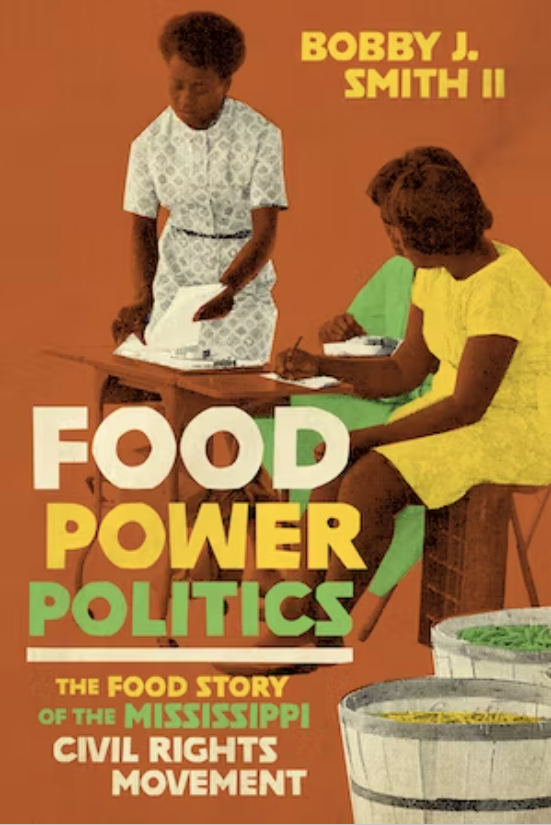
A contribution to critical food studies, Bobby J. Smith II’s 2023 Food Power Politics: The Food Story of the Mississippi Civil Rights Movement, details the role of plantation politics, food scarcity, and Black autonomy across the Delta from the mid-1960s through the early 1980s. In addition to thinking about power, equity, and accessibility, Smith’s work deals specifically with the experiences of Black communities in the Delta—places such as Leflore, Sunflower, and North Bolivar counties—and builds on recent scholarship covering the pinnacles and nadirs of the civil rights movement. According to Smith (a professor of African American Studies at the University of Illinois), the emphasis of scholarship on voting rights and education in the civil rights era neglects the more fundamental problem of subsistence. The primary critical intervention Smith presents in Food Power Politics is his insistence that the subject of food equity allows readers to “identify social, political, and economic blind spots...at the core of social protest and power struggles” both past and present.3Bobby J. Smith, Food Power Politics (Chapel Hill: University of North Carolina Press, 2023), 9. Smith aims to “expand the civil rights story” by illustrating how the lack of access to nutritional food and nourishment motivated sharecroppers, farmers, and rural working-class families on the periphery of Black life in the US to “[pave] the way for new articulations of civil rights activism.”4Smith, Food Power Politics, 142. Examining food access and equity shifts attention to the environmental and psychological vulnerabilities of Black bodies.
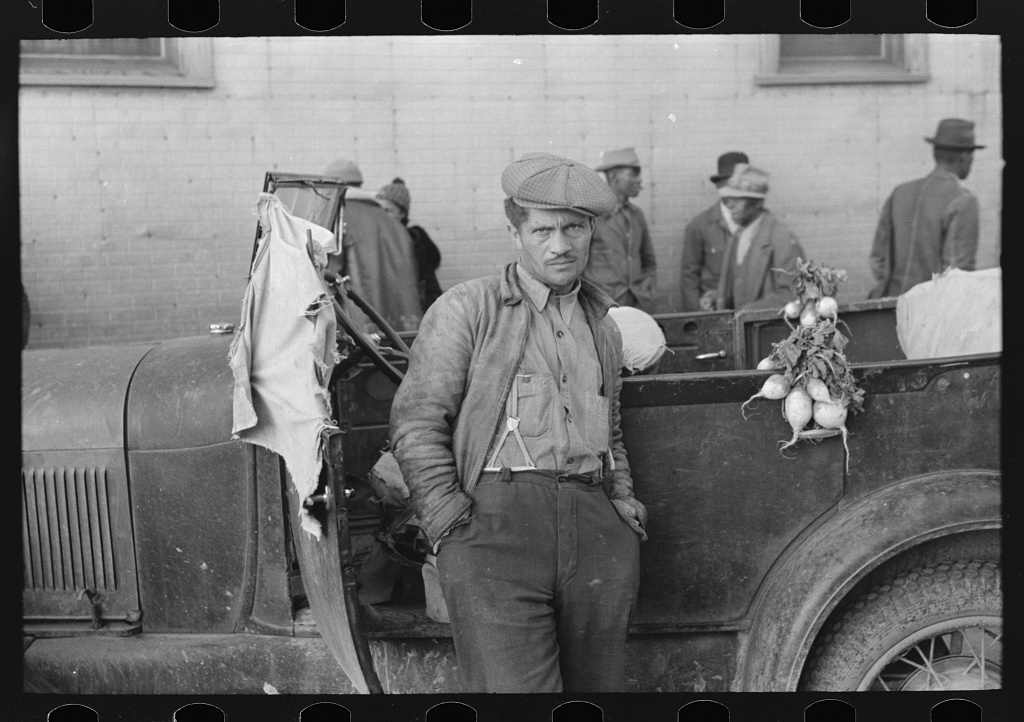
The social, political, and biological aftershocks of the plantation system in and after the era of “King Cotton” are too massive to quantify. As Mikko Saikku reminds us, despite the “great personal fortunes” cultivated across the 19th and 20th centuries through the "biological productivity" of the Mississippi Delta, "[for] most of the people involved in the transformation of the Delta bottomlands, especially black slaves, sharecroppers and agricultural workers, economic gain and social mobility remained severely limited.”5Mikko Saikku, "Bioregional Approach to Southern History: The Yazoo-Mississippi Delta," Southern Spaces, January 28, 2010, https://southernspaces.ecdsdev.org/2010/bioregional-approach-southern-history-yazoo-mississippi-delta/. As a response and challenge to these limitations, Smith constructs the food story of Mississippi by drawing on civil rights era archives and ethnographies. Examining documents from Tougaloo College Civil Rights Collection, the Mississippi Department of Archives and History, and the Mississippi Council on Human Relations, alongside local newspaper reportage, Smith also draws upon a diverse range of print media and correspondence, including personal letters from civil rights activists such as Medgar Evers and Fannie Lou Hamer. He also conducted interviews with activists and agricultural workers active in the 1960s and today in north Bolivar County.
Key to Smith’s analysis are the concepts of food power and emancipatory food power. Food power, most often deployed when describing international wars and political conflict, gestures towards moments where, within “a hierarchical world system” access to food or food related autonomy is “weaponized...as a form of control between nations” to influence outcomes.6Smith, Food Power Politics, 2. Food power guides the first two chapters of Smith’s book through an examination of the 1962 Greenwood Food Blockade and the Lewis Grocer Company’s campaign for a federal food stamps program in Mississippi. State and local government, as well as private corporations, wielded food power against Black farmers, sharecroppers, and working-class people to continue the racist inequities of the antebellum plantation system.
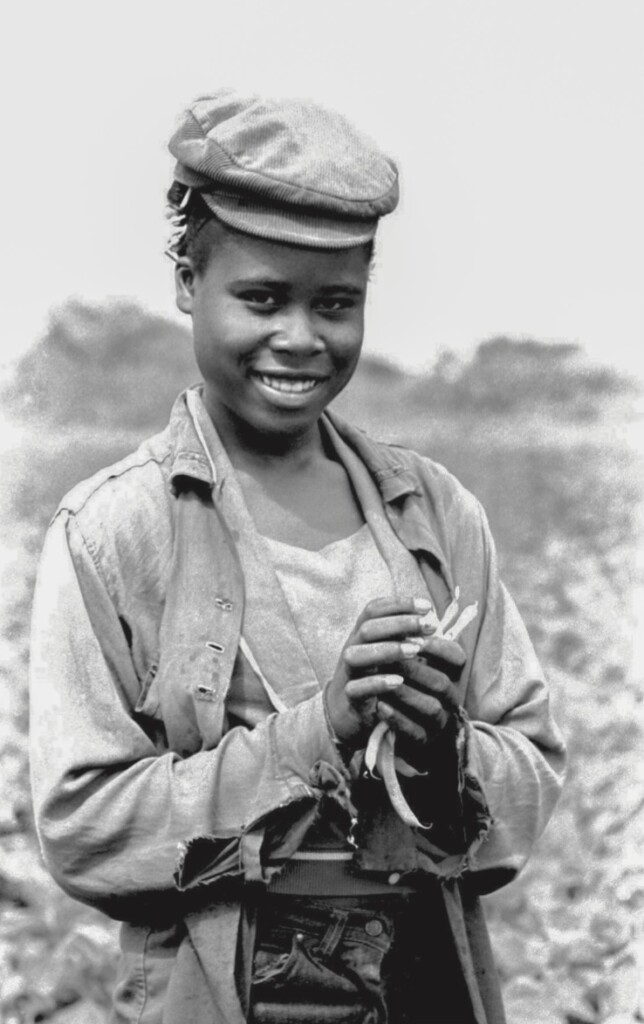
The second half of Food Power Politics illustrates emancipatory food power—ways that Black activists, citizens, and farmers restructured the power dynamics imposed on them by the white plantation class through the creation of an autonomous food economy in service to the needs, desire, and tastes of Black rural people. Smith writes extensively about the North Bolivar County Food Cooperative (NBCFC), founded in 1967, and its contemporary iteration, the North Bolivar County Good Food Revolution (NBCGFR), a predominantly youth-led food justice movement that emerged in 2017. Here, the line between food power and emancipatory food power is not conceptual or theoretical. The emancipatory power of Black food autonomy depends on economic independence fueled, in part, through land ownership, as well as food literacy, agricultural education, and the material labor of Black people. While Smith’s project is rooted in the geographies and spatialities of the Delta, it also surveys other places often minimized or misunderstood through standard histories of the civil rights years.
Food Power Politics asks that we consider the space of the plantation not only as a physical landscape of endless rows of cotton stalks but also as spaces constructed by and in service to white social and economic domination over Black people. The attitude of the plantation can be found in the white-owned grocery store as much as in the field. In considering Black women as mothers, planters, laborers, and activists, Smith asks us to consider Black domestic space, represented iconically in the kitchen table, as the launching pad for political revolution.
Debt, Plantations, and Black Hunger: On Food Power
During and after Reconstruction, the sharecropping system continued to support the hierarchy and politics of the plantation ruling class in the Deep South. While millions of formerly enslaved persons flowed north and west during the Great Migration, those who remained had limited options for employment. Many Black farmers and agricultural workers found themselves working for the descendants of former slave masters on the same plantations where their ancestors labored in bondage. Food access was negotiated through small gardens on plots of land leased from plantation owner. These “truck patches” supplied subsistence nourishment. Additionally, many sharecropper households traded homestead goods with other families, creating networks of care and support. Many also depended upon New Deal era federal food programs. Similar to the exploitative credit system that forced Black farmers to lease land and equipment from plantation owners at outrageous interest rates, access to food in Mississippi during the 1960s was deeply entwined with the afterlife of the plantation system. The fiscal and social politics of the plantation era made itself known through the converged interests of plantation owners and private white grocers such as the Lewis Grocer Company, which conspired to suppress Black political and economic autonomy through the twinned threats of food scarcity and political disenfranchisement.
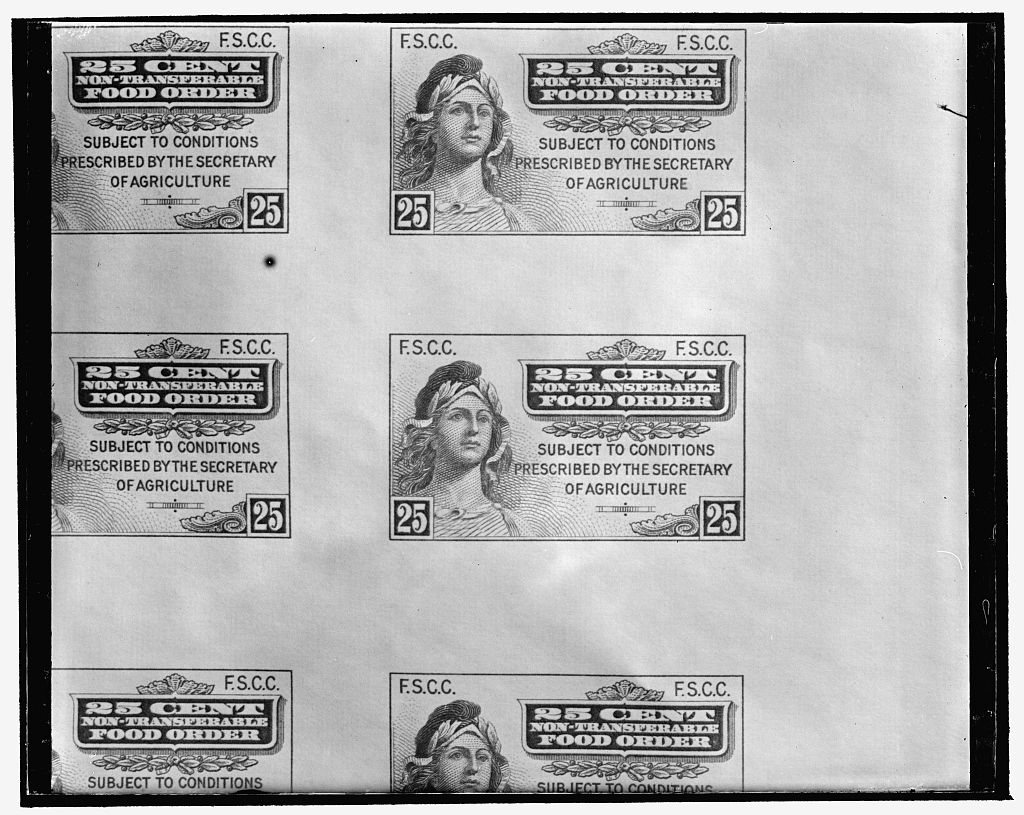
Three factors shaped the proliferation of food-centric oppression for the Black rural and working class in Mississippi during the 1960s: the mechanization of the plantation system, the transition from government-sponsored surplus goods programs to that of the federal Food Stamp Program, and the change in minimum wage laws surrounding farm workers and sharecroppers in the Delta. In the era of “King Cotton,” the means of cultivating and harvesting this cash crop became more dependent on government-leased technology, machinery, and chemicals, and less dependent on manual labor. The sudden decline of job opportunities, the shift from daily to hourly wages for plantation labor, and the emergence of a food stamp system which deepened sharecroppers’ dependence on systems of credit were major forces of oppressive food power wielded over Black farmers and their families by white capitalist elites in the Delta. The triangulation of these events forced sharecroppers and their families into structural over-dependency and debt, creating seemingly inescapable cycles of poverty.
Among these dire systemic restrictions, food scarcity was also strategically deployed by white government officials in LeFlore County through the 1962–1963 Greenwood Food Blockade. The county board of supervisors’ decision to pull out of the federal surplus commodities program, a major food source for Black sharecroppers and farm workers, further spurred food scarcity. Similar strategies of food suppression were deployed in Tennessee in 1960 and in nearby Sunflower County in 1962. These actions aimed not only to starve out the Black rural class and keep them further under the control of credit systems deployed by plantation owners and grocers but also to intimidate the burgeoning rise of Black voter registration taking place across the South. The Food for Freedom program, created by the Student Nonviolent Coordinating Committee (SNCC) and Council of Federated Organizations (COFO) just a few weeks after the start of the blockade, addressed the needs of Black people in Greenwood by providing food, aid, and support through local and regional systems of distribution. With the help of local activists, as well as public figures such as Martin Luther King, Jr. and comedian Dick Gregory, the Food for Freedom program brought attention and material support to those in need and helped to end the blockade in March 1963. In this process, SNCC was able to make a concerted effort to explicitly connect food and activism to highlight the “relationship between food, everyday Black resistance, white supremacy, and state sanctioned violence during the civil rights era.”7Smith, Food Power Politics, 42. Smith illustrates in detail how plantation owners and grocers strategically displaced Black food autonomy with debt-centric practices, which forced Black sharecroppers and farmers to depend on the state for access to food. This history is painfully ironic, given the current political rhetoric in Mississippi that centers public welfare programs as a threat, best exemplified by Mississippi Governor Tate Reeves’s (R) refusal to participate in a federally funded program aimed at supporting food access for children in the summer months. Gov. Reeves's rejection of the program, justified by his dedication to not “expand the welfare state,” illustrates how inequitable practices of food power remain active in Mississippi.8Gloria Oladipo, “Mississippi Quits Child Food Program amid Republican ‘Welfare State’ Attack,” The Guardian, January 13, 2024, https://www.theguardian.com/us-news/2024/jan/13/mississippi-child-school-food-program-welfare-state.
Autonomy and/as Collard Greens: On Emancipatory Food Power
The Food for Freedom program is one of three examples of emancipatory food power that Smith highlights in his book. The most expansive is the NBCFC, a Black-owned and operated food cooperative founded in 1967 with the goal of becoming an autonomous food economy in Mississippi. Spearheaded by activist L.C. Dorsey, with the help of other Black mothers and community members, this cooperative began as a garden project for low-income families. At its peak, the NBCFC operated a farming operation across almost 1,500 acres (owned and leased) to cultivate crops for the poorest families in Bolivar. Pushing against the monocrop culture that had rendered many Black sharecroppers jobless, the NBCFC grew crops that would meet nutritional needs: protein-rich nuts, peas and beans, vitamin-dense greens and okra, as well as staple carbohydrates like rice, potatoes, and corn. During the summer, watermelon vines as well as peach orchards and pecan trees were prioritized for local enjoyment. The NBCFC illustrated how Black autonomy functions beyond the strictures of capitalistic profit.
While land acquisition was central to NBCFC’s vision of food autonomy, so were labor practices and education. The cooperative dedicated over 70% of its labor budget to employing local members, bringing jobs to more than three hundred families. It partnered with the Department of Horticulture at Mississippi University alongside agricultural educators from Atlanta University, Iowa State, and Michigan State to offer courses in farm management, soil conservation, and food production. Food literacy was a primary goal of outreach, instructing Black mothers on how to prepare the foods distributed to them through the cooperative in ways that would support the health and wellbeing of the household. Land acquisition, farm production, and agricultural education centered the NBCFC’s vision of emancipatory food power. That workers were able, even for a short period, to labor in a system that would feed and train them to become more self-sufficient—financially and politically—on the land where they lived, worked, and sought to thrive was a radical feat reshaping what freedom could envision.
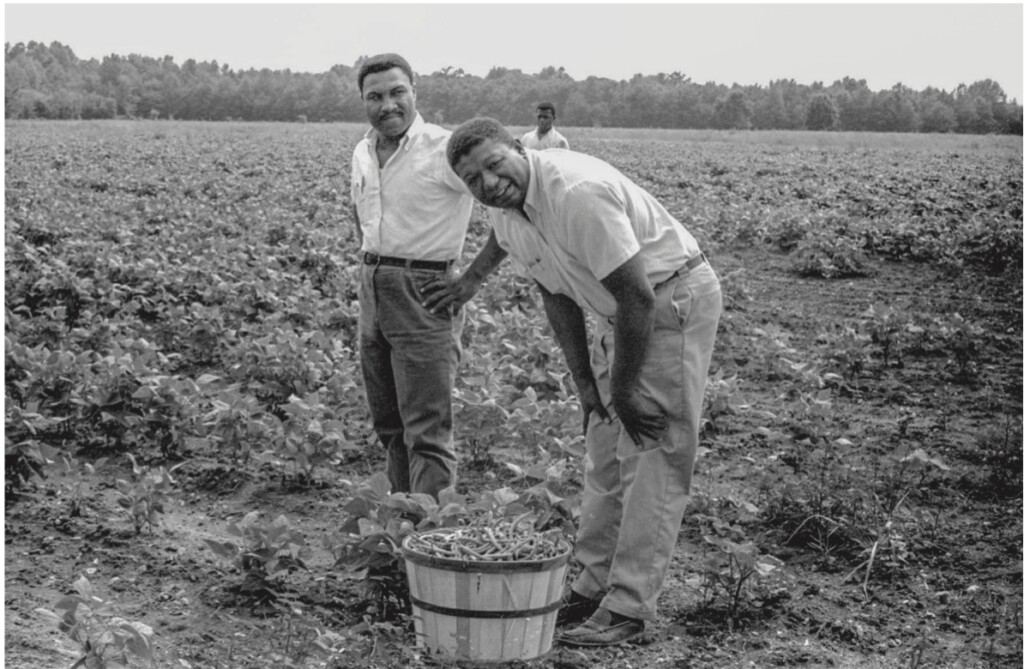
After five years of operation, the NBCFC began a decline in the 1970s due to leadership infighting, disagreements, and the loss of grant funding. The organization was unable to complete its long-term goals of creating an on-site canning operation for national distribution of NBCFC foods and developing a Black-owned and operated farm supply store that might further offer farmers the opportunity to cultivate their own land without interference from white plantation owners. Still, Smith narrates their journey in this unique and palpable moment. The legacy of the NBCFC is alive in the youth-run North Bolivar County Good Food Revolution (NBCGFR).
The joy of Food Power Politics comes in its gesturing towards civil rights beyond voting and government, in expanding understanding of what Black autonomy can be. The most striking cultural memories of the civil rights era, often exemplified by photographic images of Black bodies in pain and duress, contribute to a taste for spectacle that continues. The exploration of hunger as a threat fueled and facilitated by white supremacy is a subject requiring more attention.
Food Power Politics explores spaces and places often overlooked by civil rights historians. Smith explores the Delta from the soil up, balancing a long history of food injustice, narrating the story with an avid appetite for meticulous detail. If any dimension is slighted, it’s the missed opportunity to fully explore the role of Black women activists and their influence on emancipatory food power. Smith is deft to note that, while Black women were and remain active participants in the NBCFC and NBCGFR, the question of how to emancipate Black people from food scarcity, while also emancipating Black women from the invisible labor of the domestic space, remains underdeveloped. While Smith mentions the work of well-known Black food activists such as Fannie Lou Hamer, and other important figures such as Dorsey, Unita Blackwell, and Marian Wright, he and other food studies scholars should further articulate what a Black Feminist approach to food equity might consist of. Such an endeavor would take seriously how Black women’s material and political labor has been intentionally miscategorized and rhetorically devalued within historical narratives. It would also acknowledge the murky history of Black patriarchal structures that relegate, and obscure, the nurturing networks of care constructed by Black women activists to the realm of the domestic and private. In this, we can better understand how a Black Feminist approach to food equity would address an equity of labor and care within the Black domestic space irrespective of gender, class, or sexuality.
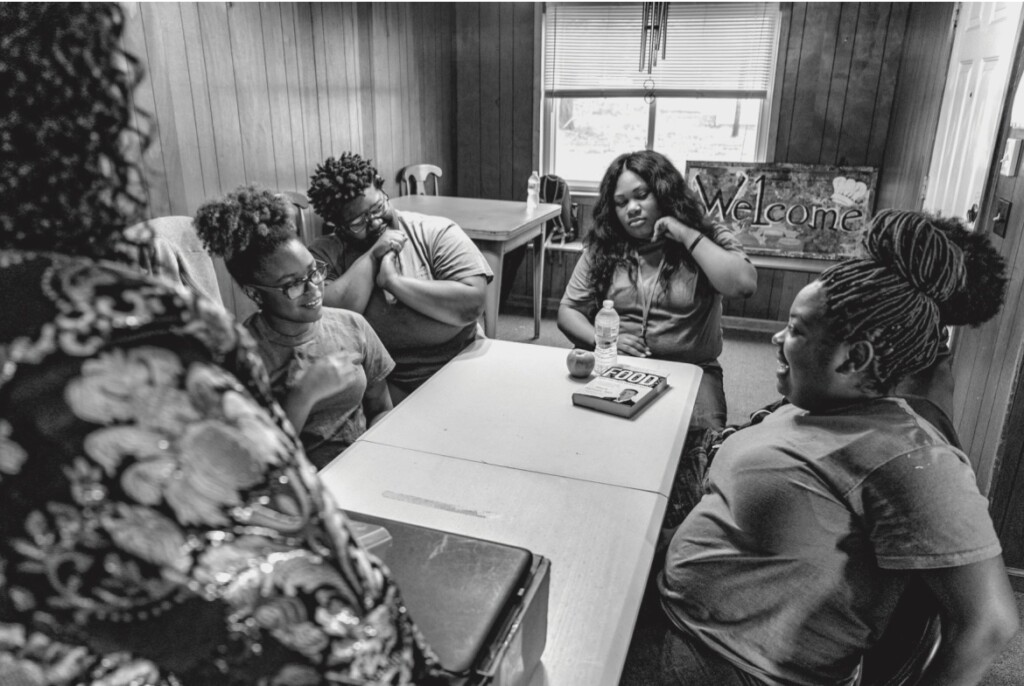
The core aim of Food Power Politics is to construct an alternative history of food power in the Delta, and in that, Smith succeeds. Further, Smith’s text places into perspective the long history of community organizing, direct action, and educational activism that rural and working-class Black Americans have relied on in the face of economic and social dispossession. Instead of debating the legitimacy of trickle-down activism from hyper-visible politicians and celebrities, Smith reminds us that, historically, political victories and social justice reform sprouts from the bottom up.
About the Author
Ariel Lawrence is a PhD candidate in the English Department at Emory University. Her research focuses on Black women-authored lifewriting across multiple genres, and the articulation of ethical reading practices in and beyond the page.
]]>
A turning point was reached fifty years ago. In 1972, the Club of Rome published the report The Limits to Growth, drawing global attention to the fact that economic growth could not continue indefinitely because of resource depletion. This was also the year in which the first Earth Summit in Stockholm brought together world leaders under the aegis of the United Nations to lay the foundation for global environmental governance. Various international gatherings stimulated research on the environment and the origin of ecological problems, a field that played an increasingly important role in the following years. Thanks to the subsequent emergence of ecologically focused "green" political parties and the rise of various ecological forms of militancy, the critique of an economic model based on limitless growth began to be recognized as a legitimate political concern. Yet at first ecological demands did not acquire a central role; they were seen as one demand among many others that a progressive politics had to consider.
Today, the situation is different. The multiplication of weather-related natural disasters has helped raise awareness of the urgent need to stabilize the climate. Moreover, it is now generally admitted that human activity is responsible for the ecological crisis. Many scientific studies have proved that global warming is the consequence of the accumulation of greenhouse gas emissions caused by the fossil fuel industries and that it is necessary to curtail them. Since 2018, thanks to youth movements such as Greta Thunberg's Fridays for Future, the question of climate change has acquired an unexpected salience among wide sections of the public. A growing part of the population is now aware that the preservation of acceptable living conditions on earth will depend on the ability to effectively combat global warming. The crucial question is no longer if we need to decarbonize our economies, but how, and how quickly.
Despite a large consensus among ecologists of all stripes on the necessity to move to renewable energy, the path to follow is far from agreed upon. Even among progressive parties no consensus exists about the strategy to follow.2For a thoughtful discussion of the different approaches, see Amanda Machin, Negotiating Climate Change: Radical Democracy and the Illusion of Consensus (London and New York: Zed Books, 2013). One of the main disagreements concerns the possibility of effectuating the ecological transition without radical systemic change.
Many ecological parties believe in the possibility of reaching a consensus on the policies that need to be implemented to decarbonize the economy. They are convinced that, since this objective is in the interest of everybody, all reasonable citizens should be able to agree on the measures needed. They warn against attempts to politicize climate issues, claiming that it might create artificial divisions and impede the wide collaboration necessary for the implementation of a sustainable model of society.
In line with this position, most ecological parties avoid taking sides in the confrontation between left and right, and declare themselves to be situated beyond such an axis. This explains why some are ready to enter in coalitions with both right and left political parties, as is the case in Germany and Austria.
From a left populist perspective, the more interesting propositions are those that, like the Green New Deal, advocate a radical ecological bifurcation which involves a rupture with financial capitalism. Such a project is often associated with the arguments used in the United States by the Sunrise Movement and Alexandra Ocasio Cortez, who, on 5 February 2019, presented a path-breaking resolution to deal with climate change to the US Congress. The resolution had the following goals: To reach net-zero greenhouse gas emissions through a fair and just transition for all communities and workers. To create millions of good, high-wage jobs and ensure prosperity and economic security for all people of the United States. To invest in the infrastructure and industry of the United States to sustainably meet the challenges of the twenty-first century. To secure clean air and water, climate and community resilience, healthy food, access to nature, and a sustainable environment for all. To promote justice and equity by stopping current, as well as preventing future and repairing historical, oppression of frontline and vulnerable communities.

The idea of a Green New Deal has actually been discussed since 2008 in various circles in the United Kingdom. A group of economists led by Ann Pettifor was scrutinizing the close links between the financial and economic sectors and the ecosystem. They claimed that in order to address the climate crisis it was necessary to have a radical intervention of the state to regulate the financial system. Furthermore, they stressed the urgency of subordinating the financial sector to the interests of society and the future of the planet. Societies, they asserted, should abandon their dependency on the economic system of globalized financial capitalism that produces ecological disasters as well as economic, political, and social inequalities.3Ann Pettifor, The Case for the Green New Deal (London: Verso, 2019).
The American version of the Green New Deal is more comprehensive because it explicitly links the reduction of greenhouse gas emissions with the objective of fixing social problems. It proposes concrete policies to bring solutions to three fundamental problems: the climate crisis, issues of poverty, and racial inequalities. In order to secure the support of the popular sectors whose jobs will be affected, it contains several important proposals which establish strong links between social, economic, and environmental policies, and prioritizes equality. One of its central ideas is to guarantee work to every unemployed American who wants to work in the construction of infrastructures that respect criteria of efficient energy.
In Britain, the Green Industrial Revolution spelled out in the Labour Party programme under Jeremy Corbyn in 2019 also asserted that social and economic justice cannot be separated from environmental justice. The election manifesto announced that Labour would create one million jobs in the UK to transform industry, energy, transportation, agriculture, and construction, while restoring the natural environment. It would promote measures for a rapid decarbonization of the economy, jointly with investment in sustainable, well-paid, and unionized jobs. It would also create new industries to revive the parts of the country that had been neglected, while working in partnership with the workforce and trade unions in every sector of the economy.
The manifesto also announced that Labour would bring energy and water under democratic public ownership and that they would be treated as rights rather than commodities. Any surplus was to be reinvested or used to reduce bills. Emphasis was put on the fact that public ownership secured democratic control over nationally strategic infrastructures and provided collective stewardship for key natural resources. These measures should bring about a radical decentralization of power in order to give local people and communities greater control over their lives and prospects.
All these different proposals call for an ecological bifurcation that articulates demands of both an ecological and social nature. Their objective is to put the ecological struggle in relation with other types of struggles to create a just and more democratic society. By establishing a political frontier and defining an adversary, they contribute to politicizing ecological issues.
The climate movement must be politicized in order to take into consideration the centrality of labour exploitation, while at the same time social struggles must recognize the urgency of global warming. As defenders of the US Green New Deal assert in A Planet to Win:
A Left populism that mobilizes a genuinely multiracial working class is an essential step in the path to creating a more equal and just society—one that can weather climate change and prevent its most catastrophic effects. That kind of politics draws a sharp line between the masses of the excluded and exploited who are likely to suffer the most, and the rich and powerful who benefit from the status quo.4Kate Aronoff, Alyssa Battistoni, Daniel Aldana Cohen, and Thea Riofrancos, A Planet to Win: Why We Need a Green New Deal (London: Verso, 2019), 183.
Although under different labels, other projects also aim at a radical ecological bifurcation. For example, L'avenir en commun of Jean-Luc Mélenchon's party La France Insoumise. In their programme for l'Union Populaire in the 2022 presidential elections examining the major challenges today, the party advocates a radical change of course and proposes a series of measures to implement an ambitious state-led ecological strategy. This includes 200 billion euros in investments for ecological and social programmes and a vast plan to adapt infrastructures to climate change. Key measures consist in enshrining the principle of the "green rule" in the constitution, whereby no more is taken from nature than can be replenished and collectivizing fundamental common goods such as water and air by democratically controlling their use and protection. Other proposals include establishing an ecological and solidarity-based protectionism to produce in France and a re-localized, diversified, and ecological agriculture that would create 300,000 jobs, fighting against precarious contracts, re-establishing a protective unemployment insurance, rolling back privatization, and introducing a tax for financial transactions. L'avenir en commun stresses the democratic character of this ecological bifurcation and declares: "We must reorganise the republican state according to ecological and democratic objectives. Ecological planning must be based on the commune, the vital level of democracy."5Jean-Luc Mélenchon, L'avenir en commun (Paris: Editions du Seuil, 2021), 45, author's translation.
At the difference of proposals, like the Green Deal of the European Union, these projects recognize that a real ecological transition cannot take place without a confrontation with financial capitalism. It demands breaking with the dominant regime of accumulation characterized by unprecedented financialization and the globalization of capital indexed to the growth of polluting industries. Although disagreements exist about the forms it should take, the struggle to end the fossil fuel industry is generally considered to be of uppermost importance. This industry is responsible for most of the greenhouse gas emissions that cause global warming and ocean acidification. Moreover, it leads to serious environmental damage to local communities.

While the fight against fossil fuels is a priority for stopping global warming, it will not be enough to achieve an ecological bifurcation capable of delivering a new model of development that guarantees democratic rights and social justice. As indicated by the Chinese government's recent announcement of a plan to reach carbon neutrality by 2060 at the latest, such an objective is perfectly compatible with an authoritarian model. And various forms of "green capitalism" might also be able to find ways to thrive without exploiting fossil fuels.
Those who promote a Green New Deal are aware of the magnitude of the problem:
For a stable climate and more equal world, we have to simultaneously unmake our fossil-fuelled lifestyles and build infrastructures that equitably distribute renewable energy. We have to dismantle the most powerful industry on earth incredibly fast, or the things that we build to replace it won't matter. This means tackling fossil capital head on.6Mélenchon, L'avenir en commun, 31.
They also state, "A radical Green New Deal leans in to the inevitable intersections of social, economic, and environmental policy, and prioritized equality."7Mélenchon, L'avenir en commun, 19.
While these proposals are vital, a project that aims to address the ecological question in its multiple dimensions cannot be limited to the struggle against capitalism, as if a bifurcation only needed to take place at the level of production. As historian Dipesh Chakrabarty argues:
While there is no denying that climate change has profoundly to do with the history of capital, a critique that is only a critique of capital is not sufficient for addressing questions relating to human history once the crisis of climate change has been acknowledged and the Anthropocene has begun to loom on the horizon of our present.8Dipesh Chakrabarty, "The Climate of History: Four Theses," Critical Inquiry 35 no. 2, (Winter 2009): 212.
The Anthropocene is a term coined in the 1980s and later popularized by the atmospheric chemist Paul J. Crutzen. In 2000, Crutzen used the term to signal the beginning of a new geological age in which humans have become the dominant force shaping the earth's climate. However, there are disagreements concerning the term's beginnings and main features. Some people prefer to speak of the "Capitalocene" to indicate the epoch's links with the development of capitalism, or the "Plantationcene" to take account of the central significance of slavery and the plantation system in the Americas in producing the current environmental crisis. This debate has given rise to extensive and diverse literature.9A good presentation of the literature can be found in Christophe Bonneuil and Jean-Baptiste Fressoz, The Shock of the Anthropocene: The Earth, History and Us (London and New York: Verso, 2016). Nonetheless, I will limit myself here to the insights in the works associated with the Anthropocene that I find important in the political domain.
Far-reaching consequences can be drawn from the recognition that we have entered a new phase of planetary history with a new climatic regime that endangers the very existence of life on earth. The Anthropocene raises a whole series of philosophical and anthropological issues about the relationship between nature and culture, humans and non-humans. To accept that we are part of nature forces us to adopt a different attitude towards the non-human and to challenge some of the basic tenets of modernity.10The best discussion of this challenge is found in Pierre Charbonnier, Affluence and Freedom: An Environmental History of Political Ideas (Cambridge: Polity, 2021).
It could indeed be pointed out that the rationalism defended by the philosophers of the Enlightenment, whose effects in the political field I discussed in chapter 2, is also responsible for the project of domination of Nature that has led to the Anthropocene. Their rationalist ambition to visualize progress as free from both affects and nature is at the origin of the modern project that sees nature as an infinite resource that could, thanks to infinite technical development, be used to carry out infinite growth.
There are those who claim that the critique of this ambition should make us reject the whole modern project. However, I believe that, just as we are able to break the link between the democratic project of the Enlightenment and its foundation in a rationalist epistemology, we should be able to rescue democratic ideals from the Promethean ambition to dominate nature and the capitalist and colonial socio-economic conditions that allowed the pursuit of this ambition. This requires conceiving democracy differently, questioning the privileged place attributed to a certain conception of freedom as emancipation from all forms of constraints, natural and social, and reclaiming the central value of equality that was eclipsed by the hegemony of liberal discourse. The democratic project must be redefined, freeing it from rationalistic biases, and it should make room for the recognition of the needs of non-humans.
In 1985, reflecting on the emergence of new forms of conflict in Hegemony and Socialist Strategy, Ernesto Laclau and I argued in favour of connecting the demands of the working class with those of the "social movements."11Ernesto Laclau and Chantal Mouffe, Hegemony and Socialist Strategy: Towards a Radical Democratic Politics
(London: Verso, 1985). Furthermore, we proposed envisaging socialism as the "radicalization of democracy"—the extension of democratic ideals to a wide range of social relations.

With the ecological crisis, the project of radicalizing democracy has acquired a new dimension. During the twentieth century, the core of the socialist project was the question of inequality and the fight for social justice, conceived in terms of an equal distribution of the fruits of growth. The struggles of the new social movements add new perspectives to the question of social justice but their focus is on autonomy and liberty, and apart from some ecological movements, they do not fundamentally target the nature of growth.
With the new climatic regime, we have entered a phase in which the struggle for social justice requires questioning the productivist and extractivist models. Growth has ceased being considered a source of protection and has become a danger for the material conditions of social reproduction. It is no longer possible to envisage radicalizing democracy without including the end of the model of growth that endangers the existence of society and whose destructive effects are particularly felt by the more vulnerable groups.
Addressing the new climatic regime requires articulating the anti-neoliberal struggle with the ecological one. The democratic project needs to be reformulated in view of the ecological exigency, and this involves struggles both at the level of production and at the level of reproduction—that is, reproduction understood in the wide sense of the totality of life on the planet, not only human reproduction. Therefore, a critique focused exclusively on capitalism is insufficient and needs to be complemented by concerns about the Anthropocene.
There is another issue I need to raise. While I find proposals for a Green New Deal essential to envisage the policies necessary to fight neoliberalism and its deleterious consequences for the climate, I do not think that those proposals have the capacity, on their own, to generate the common affects that the collective will for carrying out an ecological bifurcation requires. As we have seen, for ideas to acquire force, it is necessary that they meet affects. To awaken affects, ideas need to connect with what Cornelius Castoriadis refers to as the "imaginary significations" that institute the social world proper to a society.12Cornelius Castoriadis, World in Fragments: Writing on Politics, Society, Psychoanalysis, and Imagination (Stanford: Stanford University Press, 1997), 10–13.
In many societies, it is the affective force of the democratic imaginary that has provided the significations that motivate people to act. As recent popular mobilizations testify, democratic values, despite their relegation by neoliberalism, still play an important role in the democratic social and political imaginary. This imaginary is constituted by a repertoire of social significations that are transformed through the effects of a plurality of discursive practices. One of its nodal points is the signifier "democracy," but it is a floating signifier whose meaning is only partially fixed and varies according to different types of articulation. In the nineteenth century, under the impact of socialism, the democratic imaginary was profoundly transformed by the incorporation of social demands. And with the new climatic regime, we are now witnessing new forms of articulation of the democratic ideal. For instance, several proposals have been made to re-signify the meaning of "rights," and diverse initiatives to attribute rights to non-human entities like rivers or forests have taken places in different countries. In 2017, three countries assigned rights and legal statutes to rivers: the Atrato in Colombia, the Whanganui in New Zealand and the Ganges, and the Yamuna in India.13María Ximena González Serrano, "Blog Series 'Nature and Its Rights:' Young Researcher's Seminar April 2020," river-ercproject.eu.
To be able to bring about the necessary ecological bifurcation, the articulation of anti-neoliberal and ecological struggles needs to mobilize affects of political and ecological nature whose articulation can result in the construction of a "people." As I have repeatedly clarified, a "people" is not a sociological category but a discursive construction with a symbolic and libidinal dimension. It consists in federating a diversity of democratic demands and its construction necessitates a principle of articulation, a "hegemonic signifier" around which common affects can crystallize. Thanks to this hegemonic signifier, a chain of equivalence can be established among heterogeneous demands to make them coalesce in a "we" that will act towards a common aim, despite the differences among its components.
What is the hegemonic signifier that could activate the political and ecological affects for creating such a people? I propose envisaging the ecological bifurcation advocated by the Green New Deal in terms of a "Green Democratic Revolution" as a new front in the radicalization of democracy that redefines democratic principles and then extends them to new fields and a plurality of social relations. Understood in that way, the Green Democratic Revolution reactivates and enriches the democratic imaginary and procures the hegemonic signifier needed to create a chain of equivalence. It would play the role of a "myth" in the sense of Georges Sorel, an idea whose power to anticipate the future gives a new figure to the present. It is a narrative that conveys affects that could be more powerful and more credible than competing neoliberal discourses and provide the impulse for the creation of a social majority.
The survival of the planet and the conditions that make it habitable is an objective that concerns a great number of people as well as various movements with heterogeneous demands. Besides trade unions and groups organized around socio-economic issues, we find people involved in a variety of feminist, anti-racist, anti-colonial, and LGBTQ+ struggles. In ordinary circumstances, they generally insist on pursuing their own interests, but in view of the seriousness of the ecological crisis, they might become aware of the need to unite to face the forces responsible for the climate emergency and prevent the advent of authoritarian solutions. All their demands are democratic demands, albeit in different ways, and given their shared opposition to autocracy, they can identify with the vision offered by the Green Democratic Revolution. It is a project that could generate powerful affects across a diversity of groups and resonate with the demands of those who are calling for security and protection while also fighting for equality and against different forms of oppression.

For such an identification to take place it is not necessary that the participants share the same world view, and they can have different religious or philosophical convictions. Their concern for the environment can proceed from different sources and they can follow a diversity of approaches, but these differences should not constitute an insurmountable obstacle. Those involved do not have to agree on a fully fledged political programme. Some will define their aims in terms of "eco-socialism," others will prefer thinking in terms of a "citizen revolution."14For an eloquent defence of the eco-socialist vision, see Paul Magnette, La vie large (Paris: La Découverte, 2022). What they share is a common adversary and the will to maintain a habitable planet to secure the future of a democratic society that can give them the opportunity to pursue their specific struggles in a multiplicity of agonistic public spaces.
By advocating a Green Democratic Revolution, I have been delineating how I think the left populist strategy should currently be envisaged. I contend that such a strategy is the most appropriate for articulating the manifold democratic struggles against different forms of domination, exploitation, and discrimination with the defence of the habitability of the planet. The strength of a left populist strategy lies in acknowledging the partisan character of politics and the importance of mobilizing common affects in the construction of a "we" by drawing a political frontier.
The Green Democratic Revolution asserts that, to bring about a real ecological bifurcation, it is imperative to confront the powerful economic forces that resist it and to break with the neoliberal order. But it also accentuates the democratic character of this bifurcation and visualizes this rupture according to the strategy Erik Olin Wright defines as "eroding capitalism."15Erik Olin Wright, How to Be an Anti-capitalist in the Twenty-First Century (London and New York: Verso, 2019). The objective is not to "smash" capitalism but to displace it through the implementation of a series of what André Gorz calls "non-reformist" reforms and the development of alternative institutions such as cooperative and bottom-up civil-society-centred initiatives that promote economic activities embodying egalitarian relations.
The state needs to be a significant actor in a Green Democratic Revolution because, as many economists recognize, it will not be possible to achieve the necessary transition to renewable energies without ecological planning. It is illusory to imagine that the profound transformations the ecological bifurcation requires could be made by social movements alone. Activists and ecological groupings have an important role to play, but without winning elections and reaching state power it will not be possible to create the conditions to successfully confront the power of fossil capital. To be able to exercise influence on the decisions taken at state level, it is necessary to organize politically. All those who are involved in diverse ecological struggles should realize that they will not be able to make decisive advances if they shun electoral politics.
Envisaging the necessary ecological bifurcation as a Green Democratic Revolution could, I believe, provide the strategy that the left needs to successfully thwart the attempts to harness the sense of vulnerability produced by the social, economic, and climatic crises, and the affects it has generated, to promote authoritarian forms of security and protection. These demands can be articulated in a progressive way, and it would be a serious mistake to neglect them. At the moment, when neoliberalism is trying to recuperate these demands for authoritarian purposes, it is imperative for the left to impede such a move by articulating the idea of protection with the defence of the habitability of the planet, conceiving it in line with what Paolo Gerbaudo calls "protectivism," which he defines as follows: "Protectivism encompasses a great variety of policies, including social welfare, workers' representation, environmental protection and other social support mechanisms."16Paolo Gerbaudo, The Great Recoil: Politics after Populism and Pandemic (London: Verso, 2021), 112. A Green Democratic Revolution aims to defend society and its material conditions of existence and provide security and protection in a way that empowers people instead of making them retreat into defensive nationalism or a passive acceptance of algorithmic forms of governmentality.
Such a project could federate a wide variety of democratic demands because it addresses the challenge of the new climatic regime while providing social justice and fostering solidarity. Activating passions that are central to the democratic imaginary should motivate people to get involved in politics with the aim of establishing the conditions for a society where the democratic principles of liberty and equality are redefined and extended to new domains, including humans and non-humans. I contend that, understood in this way, the left populist strategy is more relevant than ever.
About the Author
Chantal Mouffe is the Professor Emeritus of Political Theory at the Center for the Study of Democracy at the University of Westminster. Her books include Gramsci and Marxist Theory (London: Routledge and Kegan Paul, 1979), Hegemony and Socialist Strategy (London: Verso, 1985) with Ernesto Laclau, Dimensions of Radical Democracy (London: Verso, 1992), and For a Left Populism (London: Verso, 2018).
]]>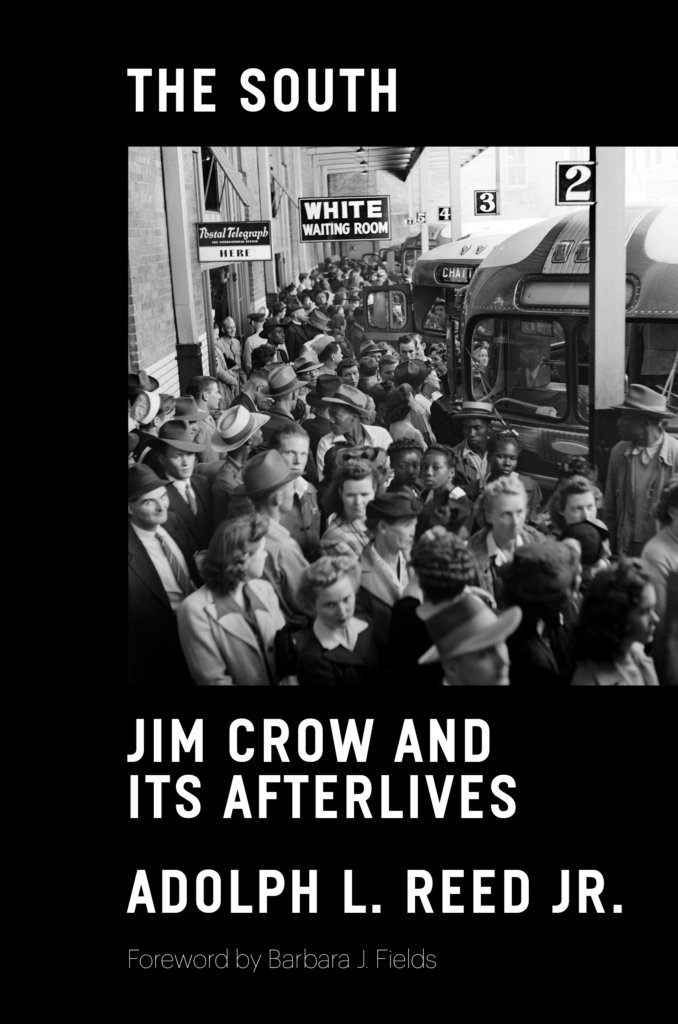
In this short book, distinguished political scientist Adolph L. Reed, Jr. offers remembrances from his early life below the Mason-Dixon line as a member of the last African American generation who came of age during Jim Crow. Reed writes with a purpose—not to chronicle his own pivotal events, hardships, or personal demons, nor to proclaim general truths. Instead, he aims to prevent misconceptions he fears are taking root about the uniform nature of the segregated South and forestall mistaken present-day lessons that ignore the role of class in the racial order of the Jim Crow South.
Reed considers himself a southerner with "a small asterisk."1Reed, Adolph L. Jr., The South: Jim Crow and Its Afterlives (New York: Verso Books, 2022), 9. Born in the Bronx, he was in grammar school in Washington DC, in 1954 when the Supreme Court handed down Brown v. Board of Education. Later, his parents, natives of the Arkansas Delta and New Orleans, moved back to the South where he grew up in Pine Bluff, Arkansas,and the Crescent City. Reed attended college in Chapel Hill, North Carolina and Atlanta and traveled the region while doing summer jobs. He taught at colleges and universities in Atlanta and worked in the city government during the second term of its first Black mayor, Maynard Jackson. He then returned north where he has spent most of the last forty years—primarily at Yale, Northwestern University, and the University of Pennsylvania—teaching and writing about the importance of the working class and the role of class in racial politics.
Although entitled The South, Reed's book illuminates how he and others experienced several different "Souths," where culture, class, ideology, and the laws emerging from segregation varied by geography in practice and form. Reed came to understand that Black people of all ages had to learn differing local white rules of Jim Crow if and when they moved to new places across the southern states—and even in the same city where rules applied differently store-by-store or block-by-block with varying degrees of racial humiliation. For example, one white-owned shop in New Orleans allowed Reed's family to try on clothes before purchase, but in others not shoes or not hats. Some stores permitted no Black person to try the fit of any merchandise. Mistakes in knowing a local "calculus of tolerance" could involve much more than indignity for old or young. "Fourteen-year-old Emmett Till," Reed writes, "was murdered in nearby Mississippi on a family visit from Chicago in 1955 because he unknowingly violated a local rule of subordination in a way that was interpreted as 'getting fresh' with a white woman."2Reed, 12.
"If bristling at Jim Crow's injustices were especially prominent in my consciousness," Reed writes, "it was partly because, as a result of moving around, I was always struggling to learn the local rules and grammar of subordination and how to craft a normal kid's and adolescent's life within them." As the son of well-educated Black teachers, Reed adds, "Where I lived and my family's class position also made it easier to cultivate and express indignation." 3Reed, 13.
The pervasive but varying conditions of white supremacy meant that the places where Black people could be their own free selves, away from everyday racial dangers and indignities, lay within their own segregated communities—especially in Black churches and schools where few whites often entered. As a child living in Pine Bluff, Arkansas, Reed had contact with hardly any white persons because his middle-class father taught at the local historically Black college and his parents kept him close to home near the campus.
Black families deployed a variety of defenses. Traveling on a ferry boat with his grandmother, Reed asked her why chicken wire had been strung between the segregated seating areas. "Well, you see," she stage-whispered, "a lot of crazy people ride this ferry, and they have to sit on the other side."4Reed, 11–12.
Reed's vignette echoes forms of sly resistance, such as that recalled by Mississippi civil rights leader Aaron Henry, growing up under Jim Crow a generation earlier. As a boy, Henry repeatedly complained to his mother that the local white children were able to attend school for seven months but he could only go to school for five. "Aaron," his mother finally responded, "you my boy—and you don't need but five. The rest of them jokers they got to have seven." "Hell, I been cocky ever since," Henry insisted.5Worth Long, "Aaron Henry from Clarksdale," Southern Changes, 5, no. 5 (1983): 9–12. https://southernchanges.digitalscholarship.emory.edu/sc05-5_001/sc05-5_007/.
Passing as white occupies a full chapter as Reed explores the making of racial identities. During his teenage years in New Orleans, passant blanc was often accepted in the Black community as a personal choice, not so much a betrayal of the race. Reed remembers that in the city's Seventh Ward, a family of first cousins with the same surname occupied two sides of a duplex house. "The family on one side lived as black; that on the other side lived as white, and they all acknowledged one another."6Reed, 92–93. In his own family, an adult with light skin color occasionally posed as white to get some prized local delicacy or quicker service from an all-white restaurant, or to momentarily avoid a racial indignity.
Some white leaders openly acknowledged what a large number of various skin complexions meant in the real life of a society where a "one-drop rule" about race-mixing was used to demarcate the presumption of racial inferiority. Reed remembers the legendary Huey Long's brother, Earl, observing in 1960 that a single serving of red beans and rice would be enough to feed all the people in south Louisiana who were truly white (without any mixed ancestry). Alabama's two-term populist governor, James "Big Jim" Folsom, said as much in 1962, after noting the presence of a large number of light-skinned African Americans in his audience. "There's a whole lot of integratin' goin' on at night" in the state's Black Belt, he declared.7Carl Grafton and Anne Permaloff, Big Mules & Branchheads: James E. Folsom and Political Power in Alabama (Athens: University of Georgia Press, 1985), 68.
In concluding his chapter on "The Obsolescence of 'Passing,'" Reed remembers he came to understand at the New Orleans Jazz and Heritage Festival during the 1990s how much the vagaries of race and identity had changed with the end of Jim Crow, especially for young middle class people whose status allowed them to mingle as one at such shared events. "People who may have identified as Cubans and Hondurans, South Asians, Italian (largely Sicilian) Americans, Isleños from the Canary Islands, and other nominal whites formed a physically and behaviorally indistinguishable blur with whoever may have been (Black) Creoles."8Reed, 103.
Throughout The South, Reed investigates continuities and changes in racism and race relations that took place as he experienced the last phases of Jim Crow and the emergence of a second "New South" in Atlanta. His recollections end around 2017 as New Orleans begins removing its most prominent Confederate statues at a time when he was often in the city due to the illness and death of his mother. As if paying tribute to his mother's generation, Reed writes a full-throated analytic attack on the mythology and symbols of the Lost Cause, ripping apart their defenders' rationale for honoring enslavers who undertook a "criminal insurrection."9Reed, 123.
Reed is quick to warn that dwelling on the modern defenders of the erstwhile slave society (touting "heritage not hate") or lingering on "explicit racial hierarchies that defined Jim Crow era" should not replace a "deep examination of the discrete processes that ground and reproduce inequality in the present."10 Reed, 110. The segregationist system of white supremacy not only was more complex and opaque than popularly portrayed today but also was not "merely about white supremacy for its own sake," Reed writes. "It was the instrument of a specific order of political and economic power that was clearly racial but that most fundamentally stabilized and reinforced the dominance of powerful political and economic interests."11Reed, 137. In other words, because "the core of the Jim Crow order was a class system," Reed insists that "a simple racism/antiracism framework isn't adequate for making sense of the segregation era . . . or challenging the forms of inequality and injustice that persist."12 Reed, 140.
This part of Reed's book is not surprising for those who know his career. As a scholar and activist who spent most of his professional life teaching and writing about race and political thought in the United States, Reed has uplifted the importance of class in understanding the dynamics of racial disparities and for dismantling structures of inequality and exploitation. However, most of his remembered experiences with Jim Crow in this book do not directly support his enduring thesis. His argument about the central role of class in The South serves as a coda to his fifty years in advancing the working class as a subject of academic study and political agenda more than a conclusion revealed from the book's remembrances.
In some respects, Reed didn't need to make a case for the importance of class in the life of the South's Jim Crow. It had been done before by himself and others, some of whom he cites in his concluding chapter. One source he did not reference but surely knows is Dr. Martin Luther King, Jr. On March 25, 1965, at the end of the Selma-to-Montgomery march, King delivered a powerful address to the nation—one overshadowed in popular culture by his 1963 Lincoln Memorial "I Have a Dream" speech. In front of the first capitol of the Confederacy, King delivered a speech that included a popular history lesson.
Citing C. Vann Woodward's The Strange Career of Jim Crow, King told the crowd that "the segregation of the races was really a political stratagem" of the South's elite "to keep the southern masses divided and southern labor the cheapest in the land. You see," he explained, "it was a simple thing to keep the poor white masses working for near-starvation wages in the years that followed the Civil War."
King recalled the South's Populist movement when its leaders "began awakening the poor white masses and the former Negro slaves to the fact that they were being fleeced" and "began uniting the Negro and white masses into a voting bloc that threatened" to dislodge elite white control of the South's political power. "To meet this threat, the southern aristocracy began immediately to engineer this development of a segregated society" that became "the roots of racism and the denial of the right to vote," King told thousands who had marched with him for voting rights. "Through their control of mass media, they revised the doctrine of white supremacy. They saturated the thinking of the poor white masses with it." They established segregated laws often making it "a crime for Negroes and whites to come together as equals at any level. And that did it . . ."
"If it may be said of the slavery era," King proclaimed, "that the white man took the world and gave the Negro Jesus, then it may be said … that the southern aristocracy took the world and gave the poor white man Jim Crow."13"Address at the Conclusion of the Selma to Montgomery March," March 25, 1965, The Martin Luther King Jr. Research and Education Institute, Stanford University, Audio, 29:21, https://www.learnoutloud.com/Free-Audio-Video/History/American-History/How-Long-Not-Long/90591.
In remembering the Jim Crow he experienced, Adolph Reed has added nuance and insight to understanding the segregated South as it came to a formal end. In this book and others, Reed has placed himself in the company of southerners who came before him, scholars and activists alike, who devoted their life's work to the search for strategies and means to build a necessary interracial coalition to make democracy work in the nation—and to finally entomb Jim Crow with no chance for an afterlife.
About the Author
An adjunct with Emory University's Institute for the Liberal Arts, Steve Suitts is the author of Hugo Black of Alabama: How His Roots and Early Career Shaped the Great Champion of the Constitution (Montgomery, AL: NewSouth Books, 2017). Earlier in his career, Suitts served as the executive director of the Southern Regional Council, vice president of the Southern Education Foundation, and executive producer and writer of "Will the Circle Be Unbroken," a thirteen-hour public radio series that received a Peabody Award for its history of the civil rights movement in five Deep South cities.
]]>Introduction: Series Editor's Note
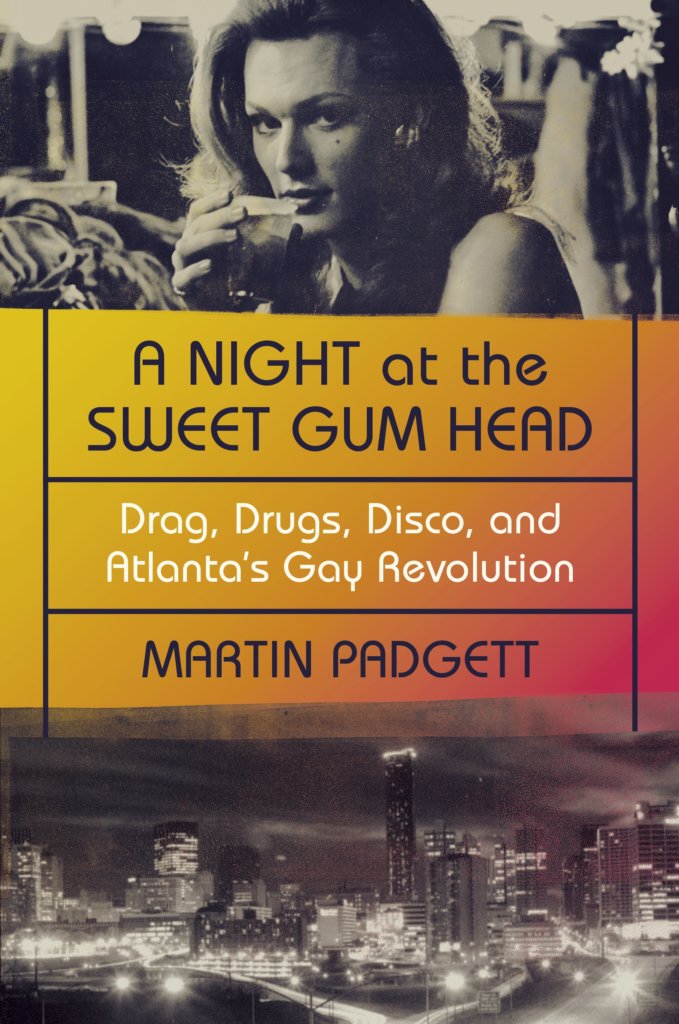
Martin Padgett's A Night at the Sweet Gum Head explores a cast of historical actors who shaped modern LGBTQ+ politics and culture in 1970s Atlanta, Georgia. This cast includes Frank Powell (who owned "more than a dozen gay bars" including the Sweet Gum Head from the late 1960s until his death in 1996), John Greenwell a.k.a. "drag superstar" Rachel Wells, and the activist and trailblazer Bill Smith, who is featured in Padgett's excerpt published here with "Queer Intersections / Southern Spaces." Padgett, too, is central to the narrative he crafts. He writes: "As for me, [the book is] something of a memoir. In many ways, John and Bill and I have lived the same life, in our search for the place we call home, in search of our true selves. . .This isn't my story of Atlanta. It's mine too. It belongs to us" (xiv, emphasis added).
What follows is excerpted from Padgett's "Preface" and a glimpse into Bill Smith's participation in the first Atlanta Pride march on June 27, 1971. This is one of the many entries in Padgett's book that traces the evolution of Bill Smith in 1970s Atlanta until his death in 1980. This exploration of Smith is a brief snapshot of the many nights at the Sweet Gum Head in Padgett's book: pick up your copy to read more about Smith, John Greenwell/Rachel Wells, and the development of LGBTQ+ life across 1970s Atlanta.
From Preface
Today, American lesbians, gays, bisexuals, transgender people, and queers can get married. We can find short-term special friends or life partners on our smartphones. We can venture proudly and safely into the straight world outside the confines of bars and clubs once designated specifically as "gay spaces."
Fifty years ago, none of those things was true. Queer people were shamed and muted, jailed, exiled, and put in danger. Often they were left no choice but to leave home, and to run away to cities where they might be accepted, or at least tolerated.
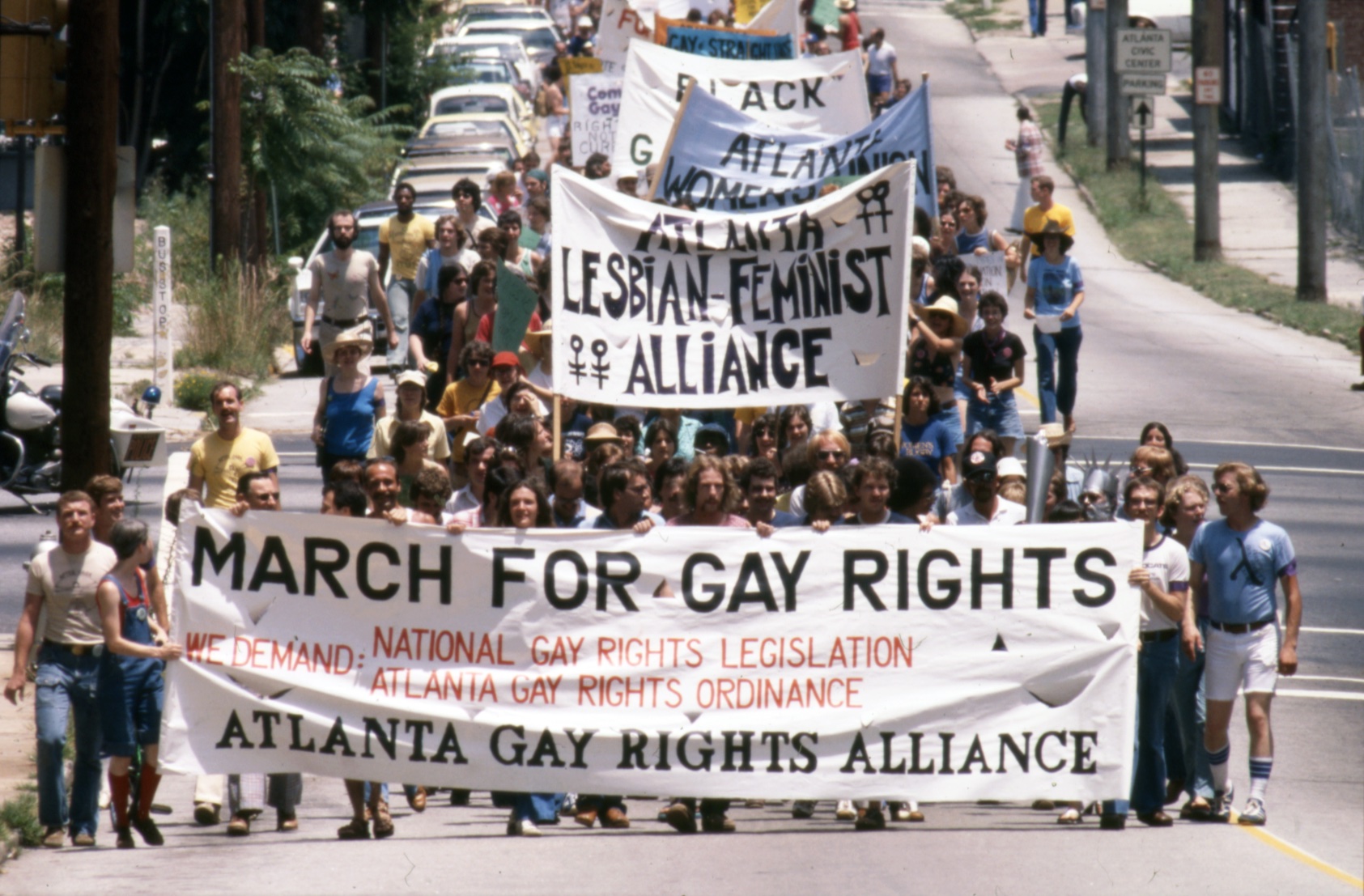
Even in those cities, gay bars were dangerous and illicit places—but they were also the birthplace of the emerging gay rights movement. Queer communities formed, and they demanded equality. It was a time of heady optimism. Many believed anything was possible, even progress. The movement had its most visible roots in New York and San Francisco, but after it flared in the riots at the seedy Stonewall Inn tavern in 1969, it spread quickly to cities such as Atlanta, a relatively progressive oasis surrounded by ultraconservative mores.
In the 1970s, Atlanta's cruisy, electric core was the Sweet Gum Head nightclub, where an intoxicating blend of drag, drugs, disco, and revolution had a pivotal role in uniting Atlanta's gay civil-rights movement—and in turning Stonewall's rebellion into art. The Sweet Gum Head is where Atlanta earned its reputation for top-flight female impersonation. It's where Atlanta's drag came out of the closet.
Before RuPaul Charles, there was John Greenwell, who ran away from Alabama to Atlanta and found a new home at the Sweet Gum Head. John became Rachel Wells—and Rachel became a drag superstar. Along the way, John put the two halves of his life back together.
John left the marches and protests to activists like Bill Smith. A son of devout Baptists, Bill took a seat as a city commissioner, then took over the most influential gay newspaper in the South, The Barb. When his addictions and predilections were revealed, he lost everything.
Then it all died. In the same summer of 1981 when the Sweet Gum Head closed, the New York Times reported on a "rare cancer seen in 41 homosexuals."
Bill Smith, Georgia State Capitol, Summer 1971
The television camera stared at Bill as he strode down the sidewalk. He wore his usual explosion of red-brown hair and goatee, squared-off spectacles, and a white button-down shirt. He clutched protest signs and slung a white purse over his left shoulder as he led more than a hundred protestors from downtown Atlanta to Piedmont Park on June 27, 1971.
He fronted an army of lovers in warpaint and war robes, a Seussian spectacle with signs and bongos and buttons. One marcher hummed through a blue-and-orange kazoo, tootling it beneath a shock of golden hair and gold-rimmed glasses. Another wore a bowl cut, black-rimmed frames, and a mock turtleneck. He sniffed a red carnation and licked his lips luridly.
They marched two by two, animals on an ark, forced by the police onto the sidewalk and to stop for traffic lights and pedestrians. They had asked the ACLU for help with a permit to march, but were told they were not a minority.
People in cars took leaflets and stared as the group tambourined their way to the park and called to motel balconies: "Join us!"
"This is just like the early anti-war marches," one straight-identified protester marveled, "the way passers-by stare at us."
Bill's eyes angled down, dark and serious, as he spoke into the television camera.
"As people find out that you are a homosexual, there's a good chance that you may lose your job," he said with a bit of a lilt in his voice. His bony shoulders shifted while he proceeded with his lecture, part plea, part civic lesson. He told dinner-hour Atlanta how being gay affected every aspect of his life, even outside the bedroom.
"The state will not hire homosexuals," he said. "The schools will not hire homosexuals. The federal government will not hire homosexuals. They consider us a security risk."1Bill Smith, interview by WSB-TV, "Gay Rights Protestors March in Atlanta," The Walter J. Brown Media Archives & Peabody Awards Collection at UGA Libraries, Athens, Georgia, June 27, 1971.
He parsed his words carefully. Atlanta was not San Francisco. He warned Northern friends, half in jest, not to mention General Sherman's name unless they were prepared to be bashed. He worried the Klan would shoot at protestors from the rooftops of nearby buildings. He spoke past that fear, directly to the more than 100,000 gay men and women who lived in Atlanta but had not come to demonstrate, who could lose everything—jobs, churches, family—if they joined the first Gay Pride march in Atlanta history.
Bill had worried that Atlanta still was not ready to mount a successful protest. He knew he could count on seven friends to show up, but on the day of the march more than a hundred had shown up, and some of Bill's closeted friends told him that they had driven around where the marchers had gathered, in silent support.
"Five or 10 years ago nobody would have suspected this," Bill said.2United Press International, "50 in Atlanta Mark Gay Liberation Day," Atlanta Journal Constitution. June 28, 1971. 9A. "It is a new beginning for the gay community."
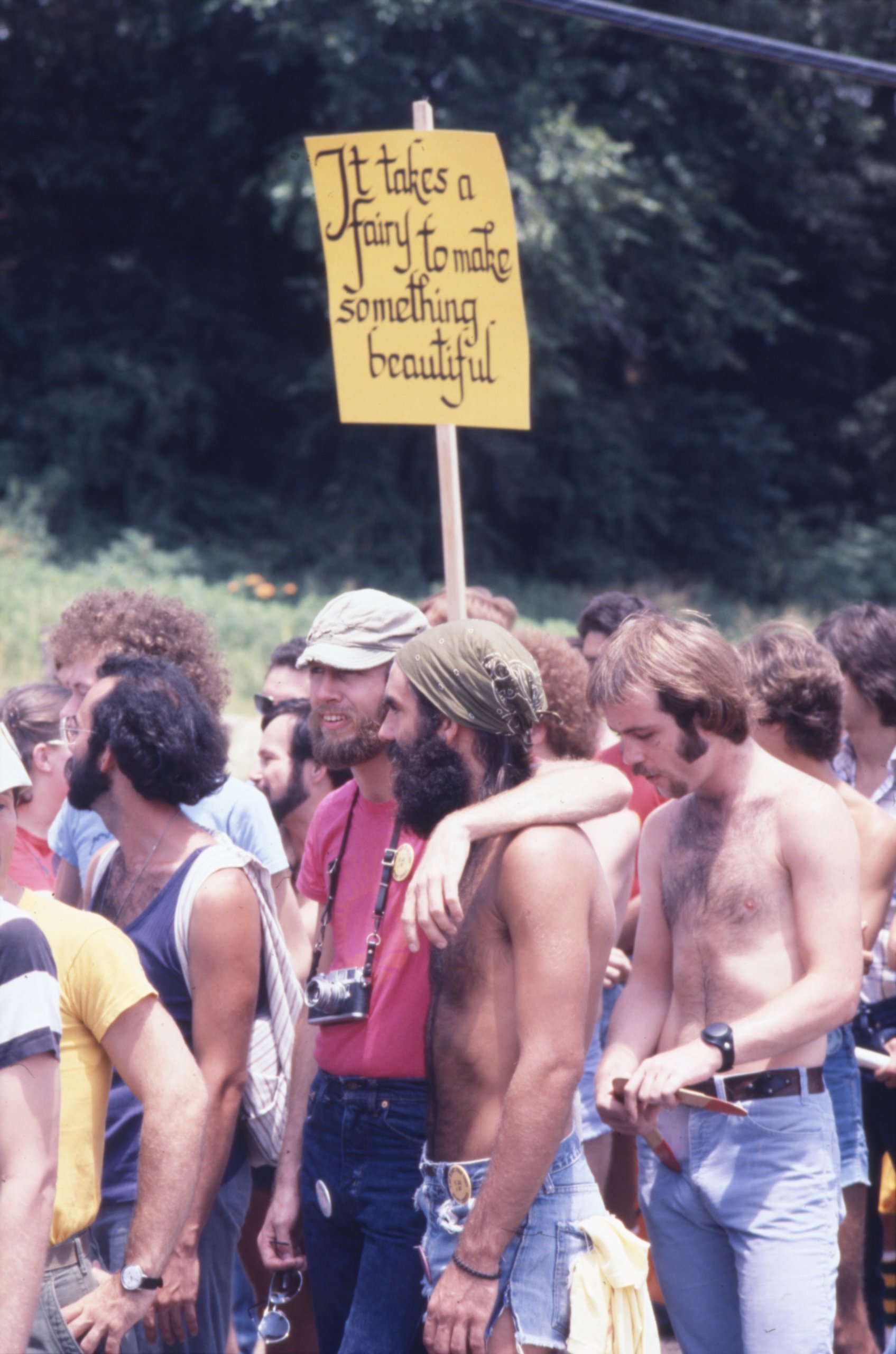
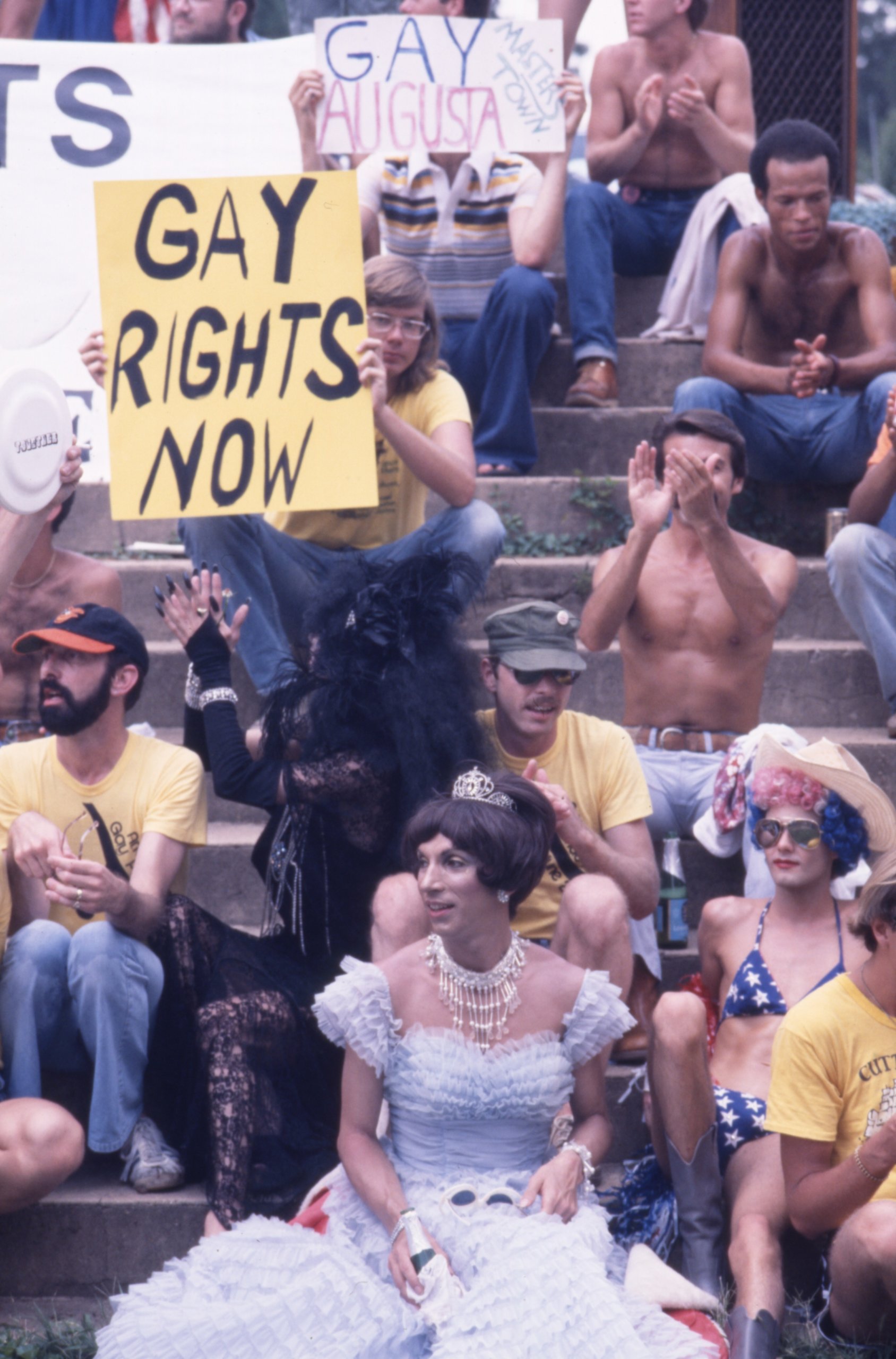
At Piedmont Park, the march re-formed as a rally replete with guerrilla theatre. In the first skit, soldiers shot at Vietnamese peasants under orders, and had their medals ripped off when they questioned why. Next, police threw people to the ground and hurled epithets—"Queer!" "Lezzy!" "Fag!" In the final act, a panel of experts interrogated a straight couple on the Slick Cavett Show: "How long have you been this way?" Atlanta's first Pride ended with promises for bigger, better, and more.3cyclops, "Celebration . . . Very Gay," Great Speckled Bird, July 5, 1971, 2.
Bill went home to see himself on the evening news. He reported for work the next day as usual at the Board of Education's accounting room. His colleagues stared straight ahead and would not speak to him. Bill laughed and got down to work.4Dave Hayward in discussion with author, November 11, 2017.
About the Author
Martin Padgett has an MFA from the University of Georgia's Grady College of Journalism and is working on a new book about Michael Hardwick and the 1986 Supreme Court sexual-privacy decision bearing his name.
]]>I. Introduction

In February 2017, playwright and composer Max Vernon debuted their first Off-Broadway musical The View UpStairs at the Lynn Redgrave Theater in New York City. Following The View's success with another hit musical later that same year, which sold out theaters and nabbed a stack of awards, Vernon firmly established their reputation as a "radical" creative mind known for "gigantic" productions in immersive staging that render an "unexpected and marvelous" audience experience.1Excerpts taken from the following reviews found on Max Vernon's website: Lina Landstroem, "Queer History on Stage: A Review of The View UpStairs by Max Vernon," Public Seminar, March 1, 2017, https://publicseminar.org/2017/03/when-a-bar-was-your-home/; Zackary Stewart, "KPOP," TheaterMania, September 22, 2017, https://www.theatermania.com/off-broadway/reviews/kpop_82533.html; Elisabeth Vincentelli, "Review: A Gay Nightclub Tragedy, Decades Before Orlando, in 'The View UpStairs'," The New York Times, March 7, 2017, https://www.nytimes.com/2017/03/07/theater/the-view-upstairs-review.html. The View UpStairs animates the real life Up Stairs Lounge gay bar environment on the eve of an arson attack on June 24, 1973. The tragedy stands as the deadliest fire on record in New Orleans history, and it once figured as the deadliest US attack on LGBTQ+ people until Orlando's Pulse Nightclub massacre in 2016. Considering the production's immersive staging and use of melodramatic mode, I interpret The View UpStairs as an adaptation in a genealogy of liberatory queer performance tracing back through the "drag reviews" and "deeply interactive, cross-dressing . . . nellydramas" staged at the Lounge in the 1970s.2Robert W. Fieseler, Tinderbox: The Untold Story of the Up Stairs Lounge Fire and the Rise of Gay Liberation (New York: Liveright Publishing, 2018), 227. The View activates a legacy of intersectional coalition that is vital to contemporary social justice activism confronting the racist, nationalist, and anti-LGBTQ+ violence emboldened in a post-Trump America. The View builds new forms of solidarity across impossible limits of time, place, and subjectivity by dissolving distinctions between 2017 and 1973, New York and New Orleans, actors and audience.
II. The Up Stairs Lounge, 1970–1973
As a Los Angeles native and NYU alum, Vernon was drawn to the Up Stairs Lounge fire not so much for its tragedy but because the "fire [had] been erased" from history.3Max Vernon, interview by author, September 8, 2017. Robert W. Fieseler underscores in Tinderbox (2018) that "more stories about the Up Stairs Lounge appeared in major news outlets after the [2016] Pulse shooting than in the previous four decades."4Fieseler, Tinderbox, xix. While Vernon was understandably shocked by the tragedy's erasure, the complexities surrounding the arson, its immediate but mostly local news coverage, and its swift muting from public discourse resist hasty conclusions about the cause or consequence of such silence. On the one hand, the contemporaneous frontpage spread in the Times-Picayune had broken a multigenerational "social compact" whereby New Orleans dominant society had tolerated queer society as long as it remained apolitical and out of sight.5See the front page spread of The Times-Picayune (New Orleans, LA), June 25, 1973, Monday Morning Edition, 1. The Up Stairs Lounge arson and media coverage acknowledged a thriving gay culture within the French Quarter. The arson's silencing became a tragedy suppressed from public consciousness. Media coverage also non-consensually "outed" many closeted survivors for whom employment, housing, and other basic needs depended upon privacy. For them, media silence was more than a welcome salve; it was necessary for survival. This ethical complexity between historical recovery work and guarding survivors' privacy presented a daunting challenge: How to restore cultural visibility when so many victims and survivors would not have wanted public exposure, whose agency to "come out" (or not) was taken from them? This exigency guided Vernon's creative work. It underscores why this musical is decidedly not about the arson but, rather, a dramatic "View" of life from the perspective of "composite" characters adapted from Up Stairs patrons, anonymously recovering the kinds of human connections that the bar made possible before and until June 24, 1973, at 7:53 p.m. when "[f]lames gathered on a front step."6Vernon, interview by author; Fieseler, Tinderbox, 70.
Aside from some library microfiche newspapers and a few Times-Picayune articles online, Vernon primarily referenced Clayton Delery-Edwards's 2014 book The Up Stairs Lounge Arson. Few other resources existed while Vernon was writing.7Clayton Delery-Edwards, The Up Stairs Lounge Arson: Thirty-Two Deaths in a New Orleans Gay Bar, June 24, 1973 (Jefferson, NC: McFarland, 2014); Vernon, interview by author; see also Johnny Townsend, Let the Faggots Burn: The UpStairs Lounge Fire (Bangor, ME: BookLocker, 2011). Townsend's 1989–90 archival work informed Delery-Edwards's research. Delery-Edwards, a native of New Orleans, was drawn to the fire when he "watch[ed] news coverage in 1973."8Delery-Edwards, The Up Stairs Lounge Arson, 2. His book was only the second book about the tragedy after Johnny Townsend's self-published and poorly documented interviews in Let the Faggots Burn (2011).9Townsend, Let the Faggots Burn, vii. Delery-Edwards's work was the clear, better choice for Vernon's research.10It is important to note that some inconsistencies exist in Delery-Edwards's text, as well. Today, Robert W. Fieseler's Tinderbox (2018) is considered a more thorough, accurate record of the fire.
The title of Delery-Edwards's first chapter, "Beer, Prayer and Nellydrama," scans as an early outline for the plot of The View. Delery-Edwards describes the Lounge as a cultural space that sought to insulate patrons from homophobic violence, what Vernon would imagine in a musical number, "The World Outside These Walls."11Max Vernon, The View UpStairs (New York: Samuel French, 2017), 45. The Up Stairs Lounge operated amid tumultuous years (1970–1973) of gender politics: "Roe v. Wade, the Women's Liberation movement, [and] the Gay Liberation movement spurred by the 1969 Stonewall Riots" and its one-year anniversary parade.12Vernon, The View UpStairs, 45. Police brutality and institutional violence compelled LGBTQ+ people to remain closeted for survival, though Delery-Edwards explains that some sought escape via "life in a big city . . . Someplace like San Francisco. Or New York. Or New Orleans."13Delery-Edwards, The Up Stairs Lounge Arson, 10. However, these urban spaces and the gay bars they provided were not reliably safe. "Police would raid gay bars for no real cause," he writes, "beating up the patrons without fear of repercussion, and arresting people for infractions not much more serious than shaking hands."14Delery-Edwards, The Up Stairs Lounge Arson, 10. It was this kind of police raid that precipitated the New York City Stonewall Uprising in the early morning of June 28, 1969, when LGBTQ+ people—particularly those who were Black and Brown—fought back.15Although the most well-known, the Stonewall Uprising was not the first instance of LGBTQ+ resistance. The Cooper Do-Nuts Riot (1959) as well as the Compton's Cafeteria Riot (1966), both in California, precede Stonewall. Many have argued that Stonewall became central to the development of Gay Liberation largely as a result of practices of memory (organized activism) that arose to commemorate the event, such as the Christopher Street Liberation Day (1970), often cited as the first gay pride event in the country.
By 1973, the Gay Liberation movement that had been radicalizing in localized spaces before Stonewall was now galvanizing on a national scale, yet political activism still had not animated New Orleans. Ironically, the city's (and specifically the French Quarter's) deep history as a site of celebrated deviance may have delayed political radicalization.16Ryan Prechter, "Gay New Orleans: A History" (PhD diss, Georgia State University, 2017), https://scholarworks.gsu.edu/history_diss/60/. Fifteen years before the Up Stairs arson, two significant events in New Orleans gay history occurred within seven months of one another, and their ambiguous correlation underscores gay New Orleans apolitical climate at the time. In 1958, the first gay Mardi Gras krewe—"the Krewe of Yuga"—was formed, and later that year, three white Tulane students murdered Fernando Rios, a gay Mexican man, in what would now be called a homophobic hate crime.17The three white Tulane murderers intended to "roll a queer," or assault a gay person, the night they killed Rios. Trial testimony revealed that the murderers bragged about the assault after they left Rios for dead. Clayton Delery-Edwards, Out for Queer Blood: The Murder of Fernando Rios and the Failure of New Orleans Justice (Jefferson, NC: McFarland, 2017), 97. The murderers confessed to the crime but were acquitted. Meanwhile, New Orleans gay society continued to grow and thrive apolitically via the privacy of burgeoning gay Mardi Gras organizations. According to Delery-Edwards, gay society's response to Rios's murder was perhaps only recognizable in social migration toward newly founded gay krewes: "[Rios's] death and the fear it engendered motivated some gay men to join these fledgling organizations."18Delery-Edwards, Out for Queer Blood, 148. The city's cultural climate—Mardi Gras, gay krewes, cross-racial musical and cultural engagement, sex work, bohemian artistry, jazz, and substance-infused revelry—made the Quarter a mecca for gendered and sexual play, so long as participants abided by the social compact of apolitical invisibility and navigated onerous and Janus-faced local mores (e.g., public cross-dressing was allowed, but only on Mardi Gras).19James Karst, "Halloween Cross-Dress Costumes Lead to 21 Arrests in 1952: Our Times," The Times-Picayune, October 18, 2015, https://www.nola.com/news/crime_police/article_4522e6d7-b6bb-5143-a772-ee5712675293.html. LBGTQ+ people could enjoy a fragile sense of stability in the semi-closeted niche of the Quarter's gay bars. This local culture blunted the sense of urgency of a national "Stonewall moment," even after the tragedy at the Up Stairs Lounge.
Tucked away from Bourbon Street, just around the corner at Iberville and Chartres, the Up Stairs Lounge provided its patrons with social engagement, Christian community, and queer performance theater. The Lounge's "out-of-the-way location meant that you had to have a definite reason to go there," explains Delery-Edwards, while a continual schedule of events such as "costume parties, tricycle races . . . and the weekly Beer Bust" kept patrons returning for alcohol, comradery, and escapism.20Delery-Edwards, The Up Stairs Lounge Arson, 29. Up Stairs became a hub for the Metropolitan Community Church (MCC), a Los Angeles based Protestant LGBTQ+ congregation that was founded and led by the openly gay Reverend Troy Perry.21Delery-Edwards, The Up Stairs Lounge Arson, 21. In spring 1971, Reverend David Solomon established the New Orleans branch, and by fall, MCC services were relocated to the Lounge.22Fieseler, Tinderbox, 25, 31–32. Over the year that the Lounge hosted MCC services, congregants became accustomed to continuing "fellowship" at the bar's "Sunday Beer Bust," so much so that even after the MCC moved to another location in 1972, "the congregation kept close ties with the Up Stairs Lounge and maintained the tradition of fellowship."23Fieseler, Tinderbox, 34. The Lounge owners, concludes Delery-Edwards, "had been very successful at creating a warm, welcoming environment."24Delery-Edwards, The Up Stairs Lounge Arson, 29.
Early on, a few Up Stairs regulars built a stage and began to perform "light-hearted melodramas," often casting men as women characters, stylistically to "make the plays funnier" and practically "because the Up Stairs regulars included far more men than women."25Delery-Edwards, The Up Stairs Lounge Arson, 24–25. Given the plays' gender parody and over-acted pathos, the Up Stairs patrons "stopped calling these plays melodramas and started calling them 'nellydramas.'"26Delery-Edwards, The Up Stairs Lounge Arson, 25. Several of these productions were written and directed by Bettye McAnear, and "the Up Stairs Players were known to veer from her script in repeat performances by letting audience members interrupt the action to shout the big lines. In response, casts started ad-libbing to throw off the crowd."27Fieseler, Tinderbox, 33. These highly interactive, gender-playful nellydramas animated the Lounge stage for nearly all of its three years, a fitting performance genre for a gay bar given how melodrama, as Jonathan Goldberg argues, can "work . . . the system against itself, exposing how opposition is possible without imagining the reform of institutions that seem to be impediments to human flourishing."28Jonathan Goldberg, Melodrama: An Aesthetics of Impossibility (Durham, NC: Duke University Press, 2016), 160. Up Stairs patrons and performers would have faced hostility beyond the walls of the bar, but in performing nellydramas, they created oppositional space, even without the capacity to affect systemic change. Plus, they were a lot of fun. Nellydramas were so beloved in the gay Quarter that even after the fire, the performances returned.29Fieseler, Tinderbox, 227.
Although the Lounge celebrated the nellydramas' gay parody, the Lounge owner initially "discouraged drag queens from coming into the bar," perhaps indicating the era's still-nascent articulation of minority gender identities.30Delery-Edwards, The Up Stairs Lounge Arson, 29. The art of drag reviews in the 1970s took gender performance much more seriously than mere gender parody; a drag queen's success was often evaluated by her "performative act of passing" as convincingly feminine.31Bryant Alexander, "Querying Queer Theory Again (Or Queer Theory as Drag Performance)," Journal of Homosexuality 45, no. 2–4 (2003): 351. Acceptance of drag performance was mixed, even among gay communities that had already radicalized politically. Betty Luther Hillman notes of San Francisco's Gay Liberation Movement: "While some liberationists appropriated drag as a symbolic statement against gender norms, others saw drag as exacerbating stereotypes of 'effeminate' homosexuality. Still others aligned with radical feminists who saw female impersonation and drag as an affront to women . . . These debates coalesced into contradictory stances on the political and cultural meanings of drag and drag queens as constituents of gay liberation."32Betty Luther Hillman, "'The most profoundly revolutionary act a homosexual can engage in': Drag and the Politics of Gender Presentation in the San Francisco Gay Liberation Movement, 1964–1972," Journal of the History of Sexuality 20, no. 1 (2011): 158.
When the Up Stairs Lounge welcomed Marcy Marcell (née Marco Sperandeo) as its first drag queen in 1972, it could be argued that the bar was making a bold statement about inclusion in their social community. Or, given that she "was a smash" right from the start, the decision may have just been about boosting beer sales.33Delery-Edwards, The Up Stairs Lounge Arson, 29. Regardless, Marcy "was soon a regular performer . . . her shows took place on Sunday evenings at eight."34Delery-Edwards, The Up Stairs Lounge Arson, 29. The Lounge owner eventually embraced these delightfully subversive "drag reviews," recommencing them at the bar he established after the Up Stairs Lounge burned.35Fieseler, Tinderbox, 227. On the night of the fire, Marcy was scheduled for her regular Sunday performance, but she procrastinated at home, feeling a premonition. She was watching a "Bette Davis movie" when reports of the fire appeared on television.36Delery-Edwards, The Up Stairs Lounge Arson, 50 (ellipses original); See also Townsend, Let the Faggots Burn, 184–185.
Shortly after the Sunday evening Beer Bust on Sunday, June 24, 1973, the patrons inside the Up Stairs Lounge heard the buzzer ringing from the front door of the bar. When a "patron [and] MCC congregant" opened a door to descend the staircase, fire exploded in a backdraft through the stairwell, clawing into the bar.37Fieseler, Tinderbox, 71. In minutes, the fire ripped through the Up Stairs Lounge as patrons and employees attempted to flee for exits in a building that failed to meet New Orleans fire codes.38Fieseler, Tinderbox, 183. When the pandemonium was over, thirty-two victims had perished, either immediately or in the following days as a result of injuries.39Fieseler, Tinderbox, 187. After the fire department turned off their hoses and first responders began sorting through the rubble, rumors arose that a drunken gay patron named Roger Dale Nunez had initiated a fight, been kicked out of the bar, and threatened on his way out "to burn this place to the ground."40Fieseler, Tinderbox, 66.
When historians consider why the Up Stairs fire did not stir pro-gay radicalization in New Orleans, Nunez's identity as a gay man frequently comes up: he was part of the LGBTQ+ patronage, not a hostile anti-gay assailant. But there are other, more systemic factors that played into the arson's erasure from public discourse and memory: mishandlings by police forensics, a foiled criminal investigation, political urgency to diminish public attention to a gay bar, homophobic misrepresentation by local media, and outright public contempt for the victims' sexuality. By August 1973, Nunez had evaded arrest by an apathetic police force. Some parents and families of victims had refused to claim the bodies of their dead sons and brothers. To this day, the bodies of four victims—three unidentified victims and one military veteran—lie in a "city-affiliated cemetery for indigents."41Fieseler, Tinderbox, 191. No protestors stormed City Hall. Few challenged the homophobic culture or city codes. The Up Stairs Lounge arson would not galvanize enduring change or create the organized, "sustained gay activism" that Stonewall's one-year anniversary had inspired nationally.42Delery-Edwards, The Up Stairs Lounge Arson, 164. The Up Stairs Lounge would not become a "Southern Stonewall."43Delery-Edwards, The Up Stairs Lounge Arson, 164.
However, the fire was not altogether ignored. For a small network of LGBTQ+ individuals aware of the Lounge through the MCC, the tragedy compelled support from beyond New Orleans. Both Delery-Edwards's and Fieseler's books document the days after the fire when nonlocal, gay activists arrived in New Orleans, including Los Angeles leaders Troy Perry (MCC founder) and Morris Kight (President of Gay Community Services Center of Los Angeles).44Fieseler, Tinderbox, 111–112. Perry, Kight, and others came to help local survivors and rouse LGBTQ+ support, but people in New Orleans, especially survivors of the fire, were largely resistant to what they perceived as outside meddling by "fairy carpetbaggers."45Delery-Edwards, The Up Stairs Lounge Arson, 63, 146–149. This name-calling queered the Reconstruction-era slur created by unreconstructed white southerners for northerners who descended upon the defeated South supposedly for personal gain.46Delery-Edwards, 63, 146–149. Closeted gay New Orleanians who survived the Up Stairs fire only to be forcibly "outed" as gay in its aftermath desired a private space to heal. The Lounge owner was especially critical of Perry and Kight, suggesting that they were a "divisive force," and that "perhaps there [was] some correlation between the amount of gay activism in other cities and the degree of police harassment."47Fieseler, Tinderbox, 228. It was clear that many of the survivors of the fire were hostile toward these "fairy carpetbaggers."
At the same time, it was the work of MCC members, the Gay Community Service Center of Los Angeles, and a wide range of LGBTQ+ activists and donors from beyond New Orleans who provided financial relief for survivors as well as families and loved ones of those who perished. In January 1974, Kight met with "concerned members of the New Orleans Community" and deployed the "National New Orleans Memorial Fund" to disperse $6,000 to support those impacted by the arson, an amount that would grow to "nearly $18,000."48Delery-Edwards, The Up Stairs Lounge Arson, 147. "[I]n some ways," writes Delery-Edwards, "the most important political activity connected to the fire wasn't local at all; it was a brief, national project intended to provide aid and support to survivors of the Up Stairs."49Delery-Edwards, The Up Stairs Lounge Arson, 146. Through their skills in fundraising and national outreach, the "fairy carpetbaggers" facilitated donations from "all over the country: New York, Boston, Philadelphia, Baltimore, Atlanta, Jacksonville, Detroit, Chicago, Houston, Phoenix, Denver, Boulder, San Jose, Los Angeles, and San Francisco."50Delery-Edwards, The Up Stairs Lounge Arson, 147.
New York, Boston, Baltimore, Atlanta, Chicago, Los Angeles, San Francisco: all of these US cities and six more have staged Max Vernon's The View UpStairs since its debut in 2017. Add to the list a 2018 production at the Hayes Theatre Company in Sydney, a 2019 run at the Soho Theatre in London, and an upcoming 2022 performance at Nippon Seinenkan Hall in Tokyo, and the impact of Vernon's musical underscores the representational power of this local New Orleans narrative for national and international audiences. The View UpStairs immerses its audience in an emotionally powerful depiction of that 1973 French Quarter blaze by engaging melodramatic modes of performance similar to the Lounge's nellydramas and drag shows. Vernon's musical adaptation makes room for relationality across generations and geographies of LGBTQ+ experience.
III: "Possibilities in the Impossible": Immersive Staging, Queer Melodrama, and Adaptation
In January 2017, friend and colleague Dr. Ryan Prechter emailed me an article previewing The View UpStairs. We were both incredulous and ecstatic: Ryan's doctoral research on the Up Stairs arson had appeared in his post-1900 history of gay New Orleans, but circa 2017, very few people in the general public had heard of the fire.51Ryan Prechter, "Gay New Orleans: A History." Googling for tickets, I saw our future. We would attend the production and try to meet the playwright: How did you learn about this occluded event in New Orleans gay history? Why tell the Up Stairs Lounge story now, after all these years? All of these events transpired, and while I was, and remain, awestruck to experience Vernon's production and professional generosity, I could not help but feel apprehensive, too. The scenario that led to the staging of The View UpStairs—whereby an Los Angeles-bred and New York City-based activist/writer imaginatively travels to New Orleans to adapt the closeted Up Stairs patrons into characters engaging a national gay rights discourse—felt eerily similar to the history of the arson's immediate aftermath. I also could not ignore that something about Vernon's production felt different from that history, unexpected.
Walking into the Lynn Redgrave Theater for the 8:00 p.m. performance of The View UpStairs on Saturday, March 27, 2017, Ryan and I pass through double French doors into what looks like a dingy cabaret with a beat-up piano, retro cigarette dispensers, dank velvet curtains, a dildo chandelier, and rafters strung with Mardi Gras beads.52The View UpStairs, written and composed by Max Vernon, dir. Scott Ebersold, chor. Al Blackstone, performed by Jeremy Pope, Taylor Frey, Frenchie Davis, Benjamin Howes, Michael Longoria, Ben Mayne, Randy Red, Nancy Ticotin, Richard E. Waits, and Nathan Lee Graham, New York, Lynn Redgrave Theater, March 25, 2017. Surrounding the cabaret seems to be a compact auditorium with riser seating on three sides. We enter, not into the lobby but, onto the stage, a disarming immersive design with dainty two-top tables and chairs. Some audience members are finding their reserved seats on the set. Ryan and I purchase drinks from the staged and operational Up Stairs bar and find our seats in the front row of the risers. We play Where's Waldo with the queer iconography around the room. Posters of Dolly Parton, Barbara Streisand, and David Bowie cover the walls. A nude Burt Reynolds lounges above velvet curtains. Ryan explains that in a well-known photograph of Up Stairs Lounge's bartender-manager, the same poster adorned the bar wall in 1973.53Delery-Edwards, The Up Stairs Lounge Arson, 20. Our game continues until an attractive blonde man in a mesh shirt and retro-coiffed moustache slides next to my colleague and starts chatting him up: "I've never seen you here before. Are you new?" When the play begins, we recognize him as the Dale character (Ben Mayne)—a nod to the historic arson suspect Roger Dale Nunez.
This intimate dissolution of the fourth wall pulls the audience into a participatory experience that clearly embodies Josephine Machon's definition of "immersive theatre," as The View's production creates a conspicuous confluence of space and time disrupting passive reception, and compelling the audience to actively engage with our bizarre surroundings in a room that is simultaneously 1973 and 2017, stage and audience, New Orleans and New York.54Josephine Machon, Immersive Theatres: Intimacy and Immediacy in Contemporary Performance (New York: Palgrave Macmillan, 2013); See especially "The Scale of Immersivity," 93–102. Vernon explains in their author's notes that the musical "was originally performed in an intimate, immersive setting, casting the audience as patrons in the bar when they walked into the theater. This allowed for actors to ad-lib with audiences in a way that was often hilarious, and also made the fire sequence more immediate and terrifying."55Vernon, The View UpStairs, 7. The act of casting audience members underscores "a pivotal criterion" of Machon's immersive theatre: "Where an event is wholly immersive the audience-immersant is always fundamentally complicit within the concept, content and form of the work. As a consequence, . . . the naming of 'the audience' as such becomes a vexed term in itself . . . the special and active exchange that occurs between the performance and the audience member[] illustrat[es] the breakdown of division between audience and creative crew."56Machon, Immersive Theatres, 98. The orientation of the audience's entrance onto the stage inaugurates their entry into a "contract for participation" in the audience-immersant role, whereby "the structures of the immersive world . . . invite varying levels of agency and participation."57Machon, Immersive Theatres, 99–100. The View's immersive staging compels the audience to assume a participatory role that recalls the The Up Stairs Players' highly-interactive nellydramas.
Vernon's immersive, interactive staging and the emotional intimacy it facilitates between audience-patrons and cast-patrons further reimagines the melodramatic genre of the original Up Stairs nellydramas. However, I interpret The View's use of melodrama not as genre but as mode in Linda Williams's definition; the "melodramatic mode" in theater is "a modality of narrative with a high quotient of pathos and action" deployed to render a moral conclusion.58Linda Williams, "Melodrama Revised," in Refiguring American Film Genres: History and Theory, ed. Nick Browne (Berkeley: University of California Press, 1998), 51. This modality manifests in The View's immersive production and is compatible with Vernon's explicit script instructions that actors should perform their characters in controlled realism, eschewing hyperbolic "melodrama" in the colloquial sense.59Vernon cautions, "While it's important to carve out true emotional beats for the characters, never let the piece veer into melodrama." Vernon, The View UpStairs, 6. Realistic performance by cast-patrons staged in immersive proximity and engaged with audience-patrons produces affective attachment through the immediacy of narrative action, and Vernon most certainly leverages this mode to foster a moral conclusion, as I examine below. As the 1973 cast-patrons assemble on stage, piano man Buddy (Randy Redd) launches into the catchy opening number, and the band "rock[s] the f*ck out."60Vernon, The View UpStairs, 9–11. The lights drop, and enters the protagonist Wes (Jeremy Pope), a gay Black millennial fashion designer. In the present day, he buys the burnt-out former Up Stairs Lounge to launch the "flagship for [his] store."61The View UpStairs, 73; At the time of this publication, the former Up Stairs Lounge now houses office space and the kitchen for The Jimani sports bar.Lamenting the building's condition, especially the "ugly curtain" draped across the blackened windows, Wes "snorts . . . cocaine," inaugurating his drug-induced "trip" back to June 24, 1973.
Wes's future-past presence disrupts the Up Stairs patrons, and the ensuing commotion introduces Vernon's composite characters. The bartender-manager Henri (Frenchie Davis) slings drinks while Willie, played by the indomitable Nathan Lee Graham, struts around the bar stealing the stage, as a "flaming, demented former ballerina" is wont to do.62Vernon, The View UpStairs, 8, 5; Vernon, interview by author. MCC priest Richard (Benjamin Howes) leads a church service attended by all of the aforementioned characters and one "runaway hustler" named Patrick (Taylor Frey) who becomes Wes's love interest.63Vernon, The View UpStairs, 5; For a rich discussion of performance theater that stages LGBT+ engagement in religious liturgy, see Lusie Cuskey, "The Liturgy that Dare Not Speak Its Name: Religious Engagement and Affective Memory as a Site of Queer Activism in Musical Theatre," Ecumenica: Performance and Religion 13, no. 1 (2020): 52–68. Vernon's characters do indeed gesture toward real patrons who were at the bar on the night of the arson, but his adaptation precludes historical reenactment. "Many of these characters are composites of real people who frequented the UpStairs," Vernon writes in their script, "but out of respect and creative license I've changed names and certain details."64Vernon, The View UpStairs, 8; Vernon, interview by author. Adaptation helped Vernon navigate the ethical precarity of depicting people who were largely closeted at the time of the fire and who risked losing everything if outed in 1973 New Orleans.65Vernon explains, "And so, I think in many ways, where they have these anti-sodomy laws in the South, and where regularly, if a gay bar was raided and they took your ID, your name could be printed in the paper, and you could lose your job. You could lose housing. I think they didn't have the same freedoms as New York to be as visible, so they had a different mode of survival of how they had to exist in these spaces like the Up Stairs Lounge." Vernon, interview by author.
Adapting composite characters in melodramatic mode also facilitates The View's stance on intersectional coalition, which nods to the historic Lounge's rare, inclusive history as one of "a few fringe establishments [that were] brazen enough to encourage interracial mingling"; the bartender-manager "even let[] women into the bar at a time when gays and lesbians were strictly separated."66Robert W. Fieseler, "The UpStairs Lounge Fire Killed 32 People. Its Legacy Still Haunts Black Gay New Orleans," The Daily Beast, May 13, 2019, https://www.thedailybeast.com/the-upstairs-lounge-fire-killed-32-people-its-legacy-still-haunts-black-gay-ne. Gay communities are hardly immune to the racism and sexism that permeates dominant society. For example, in 1973, one of the oldest operating gay bars on Bourbon Street, Café Lafitte in Exile, "had a sign on the door . . . It said 'No Blacks, No Fems, No Women.'"67Fieseler, "The UpStairs Lounge Fire Killed 32 People." However, the Up Stairs Lounge was different, and Vernon emphasizes the bar's unique inclusivity especially in their composite characters. For example, although the bartender-manager was historically a gay white man in "a gay white man's community," he "was known to be especially friendly to all comers," regardless of race or gender identity.68Regina Adams quoted in Fieseler, "The Up Stairs Lounge Fire Killed 32 People." In this spirit, Vernon composes the bartender-manager character Henri, a "[t]ough as nails, no-nonsense, old-school butch lesbian" played in the original production by Grammy-nominated Frenchie Davis, a show-stopping Black woman singer, social activist, and educator.69Vernon, The View UpStairs, 7. While casting a Black performer in Davis was unique to this production, her "old-school butch lesbian" identity is proscribed, as is Willie's Black identity and Inez's and Freddy's Puerto Rican identities (characters who enter the plot later on).70Vernon, The View UpStairs, 5. While the Lounge's inclusivity was certainly progressive for its era, one cautions against overstating the diversity of its patronage, which was still largely white men even as Black, Latino/a/x, and women patrons were welcome. The Lounge owner's initial refusal to allow drag queens into the bar, for example, demonstrates the need for a nuanced understanding of the 1970s Up Stairs Lounge as a site of complex, overlapping, and sometimes contradictory social politics.
These historical complexities further contextualize Vernon's 2017 production, as they intentionally wrote and casted characters from underrepresented backgrounds to promote coalition across complex and intersecting subjectivities, even across distinctions between performer/audience. As José Esteban Muñoz explains, "performance permits the spectator, often a queer who has been locked out of the halls of representation or rendered a static character there, to imagine a world where queer lives, politics, and possibilities are representable in their complexity."71José Muñoz, Disidentifications: Queers of Color and the Performance of Politics, (Minneapolis: University of Minnesota Press, 1999), 1. He further champions that "Queer performance . . . is about transformation, about the powerful and charged transformation of the world, about the world that is born through performance."72Muñoz, Disidentifications, xiv. For the cast- and audience-patrons of The View, the world born through performance creates possibilities for futures even freer than the noteworthy yet limited atmosphere of the 1973 Lounge. Vernon expresses this cautious ethos most clearly in the lyrics of the opening number "Some Kind of Paradise." The playwright explains, "It's not just 'Paradise!' . . . no matter what the time period, the world is always going to be kind of shitty and imperfect and evolving and in-process."73Vernon, interview by author. In fostering relationships across so many "evolving" and overlapping identities, generations, and performance subjectivities, Vernon challenges cast-patrons and audience-patrons together as actor-agents called to realize a more equitable future that was once im/possible in history and has evolved to remain differently im/possible in the present.
The View recasts the subjectivities of and relationships between the 1973 Lounge patrons and contemporary cast- and audience-patrons. Confronting the limits of these impossibilities through melodramatic mode and immersive theatre facilitates new possibilities. "The formal use of melodrama," Goldberg explains, "brings to a point of crisis the ideologies of gender and sexuality."74Goldberg, Melodrama, 21. Escalating these "ideologies" to their dramatic limits, the intense pathos can foster transformation by "imitat[ing] ways past the impasses of the impossible gender/political situation; it discovers new possibilities of relationality": "The indeterminations of the remediated nature of melodrama allow for the possibilities in the impossible."75Goldberg, Melodrama, 156. Indeed, Vernon's goal in writing and composing The View was to "imitate a way past the impasses" that have foreclosed millennial LGBTQ+ access to the experience and wisdom of generations before them, as manifest in The View through Wes's impossible social and romantic intimacy with a pre-AIDS generation of doomed queer characters.
IV. Exposed Seams: Constructing Identity in Performance
The View's plot centers on Wes's character development as he gets to know each of the cast-patrons before his trip back in time ends at 7:53 p.m., one moment before the fire overtakes the bar: the fire never enters the stage, the tragedy never reenacted. In this way, the narrative emphasizes the interpersonal connections across generations rather than spectacularizing trauma. We learn that, characteristic of millennial stereotypes, Wes struggles with anxiety and disillusionment fostered by obsessive relationships to "little white pills," social media, reality television, and fashion labels.76Vernon, The View UpStairs, 58. Spending time with the baby boomer patrons, he learns to appreciate face-to-face human engagement unmitigated by Instagram, even falling in love with Patrick without Grindr or Tinder or texting. Meanwhile, Wes learns how the patrons struggle to survive, rendering visible the ways in which much of 1970s LGBTQ+ life was encumbered by violences that still threaten in the twenty-first century: conversion therapy (Patrick's song "Waltz"), homelessness (Dale's song "Better than Silence"), and immigration (Inez's song "The Most Important Thing"). The exposition builds with these personal encounters until, suddenly, police sirens blare. The bar's beloved Puerto Rican drag queen Freddy/Aurora Whorealis (Michael Longoria) staggers in with his mother Inez (Nancy Ticotin), bloody and beaten. The Cop (Richard E. Waits) barges in, harasses patrons, demands identification, and threatens violence until the patrons pay him off.77Vernon, The View UpStairs, 39–42. The violence began on the street; when the Cop assaulted Freddy and Inez, a suitcase carrying his drag costume fell open. They escape arrest for violating the New Orleans cross-dressing ban, but the drag wardrobe is lost. Freddy laments, "What am I going to wear?"78Vernon, The View UpStairs, 49. Enter Wes—a fashion designer.
The ensuing scene builds to the musical's narrative climax as the characters facilitate Aurora Whorealis's drag performance. Channeling Scarlett O'Hara in the iconic green curtain dress scene from Gone with the Wind, Wes rips down the drapes wilting across the bar windows and seizes a roll of duct tape. In a flash, the entire Lounge mobilizes to help Freddy become Aurora. Again, the immersive staging engages the audience in the excitement and chaos of the moment. Freddy and Inez run stage right into the audience risers where they style Aurora's hair and makeup just two feet from the nearest audience-patron. Stage left and up the risers, Wes and Patrick immerse themselves near the last row to construct Aurora's wardrobe. Audience-patrons twist in their seats, craning their necks to follow the action. The spatial arrangement builds awkwardness and delight in our unexpected eye contact with other audience-patrons—an embodied moment of chaotic pathos that coincides with the character-patrons' experiences.79Mélissa Bertrand, "Performative Theatre: A Queer Theatre?" Whatever 3 (2020): 229. This staging evinces Mélissa Bertrand's concept of "trans-theatre," which I develop more thoroughly later in this essay. Here, Bertrand's emphasis on the body in queer performance implicates not just the performer, but the audience: "the body is given a major role . . . For the audience, it also implies to question the way we position ourselves as viewers of the show. The power of the gaze must be redefined, and queer sequences of theater can help rethink it." The triumphant progression to Aurora Whorealis's drag performance builds as the cast sings "Completely Overdone." Wes shrieks in delights at his frock: "It's like Count Dracula and Miss Whoopi Goldberg in Sister Act having a kiki in outer space!"80Vernon, The View UpStairs, 52.
The staged construction of Aurora Whorealis's overdone look recalls Bryant Alexander's critical affection for the exposed seams of so-called "bad" drag: "Sometimes I like seeing the seams . . . it is the seams that seemingly call my attention to the constructedness of the venture."81Alexander, "Querying Queer Theory Again," 351. He suggests that visible drag "seams" offer a metaphor for resisting a dangerous homogenizing trend that emerged in the early 2000s, one that deployed "queer" as an "inclusive signifier" to unify all manifestations of LGBTQ+ subjectivity.82Alexander, "Querying Queer Theory Again," 349. Alexander warns that "queer" discourses gloss over difference and risk silencing "any discussion that links perception, practice, performance and the politics of sexual identity to race, ethnicity, culture, time, place and the discourses produced within these disparate locations."83Alexander, "Querying Queer Theory Again," 349–50. The View's on-stage construction of Aurora Whorealis's drag look refuses such homogenizing erasure by drawing attention to the character's particularity as Puerto Rican, gay, man, son, and drag queen in pre-radicalized 1973 New Orleans. Revealing the multiple facets of Freddy/Aurora highlights not only individual particularity but also shared experience, as homophobic police brutality keenly resonates with a 2017 pro-LGBTQ+ audience in New York City sitting less than a mile from the Stonewall Inn. Freddy, a Spanish-speaking son of a Puerto Rican immigrant, complicates the Black/white dichotomy that has long falsely characterized the multiethnic, multinational US South. Aurora Whorealis, a blonde drag star with a communally constructed look, rejects singular constructs of identity as she "werks" a wardrobe manufactured from manifold referents across time, place, and subjectivity.
Aurora's multilayered frock in the original production (designed and created by Anita Yavich) evokes generations of pop culture and fashion icons that would have been impossible to assemble in 1973. Evoking Scarlett's curtain dress in/as drag, The View alludes to the season two premiere of RuPaul's Drag Race, "Gone with the Window," wherein contestants create a look from a set of window coverings and compete in drag performance.84"Gone with the Window." RuPaul's Drag Race, season 2, episode 1, "Gone with the Window," produced and hosted by RuPaul, aired February 1, 2010, on Logo. Wes exclaims, "I love this! I feel like I'm on Project Runway," further highlighting the precursor series that influenced RuPaul.85Vernon, The View UpStairs, 50. The curtains are crafted into a "nun's habit" that Aurora wears as she takes the stage to sing "Sex on Legs."86Vernon, The View UpStairs, 66. After the first chorus, she throws off the habit to reveal a frock clearly reminiscent of Madonna's "Vogue" looks, merging the superstar's 1990 music video and subsequent MTV Video Music Awards performance. But Wes's version of the dress uses "knick-knacks taken from the bar": the iconic cone bra fashioned in duct tape (music video), seventeenth-century panniers out of red solo cups (VMAs).87Vernon, The View UpStairs, 67. Though the costume begins with Scarlett's South, the underdress moves to New York City and reclaims "voguing" as an invention of Black and Latina/x queens of ball drag culture in the 1960s–1980s.
Aurora further strips off her panniers and climbs atop the grand piano for the song's climax; her cones explode into party hats with clown heads as confetti shoots out toward the audience. As the song winds down, Aurora relinquishes the clown bra for a final version made from Mardi Gras beads in concentric circles of purple, green, and gold. What stable category of gender identity lies beneath Aurora's cone bra? Clown heads and confetti. Mardi Gras gender play. Absurd constructed spectacle. Vernon's production asserts that a search for one singular, glossing identity misses the point; gender identity is always performative, always performance, indeed is constituted through the performance.88The performativity of Aurora Whorealis's manifold, evolving identifications might also be read through Bertrand: "At the crossroads between the notions of an actor•tress carrying a character's fictional identity through its own body, and that of a performer assuming their personal history and using it as a creative material, a new dynamic emerges, a more dialectical and complex positioning. In shows integrating queer themes, physical identity is located on a breach, on a border. This type of event includes what I would call 'bodies in trans-' or a 'theatre in trans-'." This is understood through the multiple terms that the prefix suggests, "'trance (transe in French), transition, transformation, transidentity, transgression, transfer…" Bertrand, "Performative Theatre," 215, (ellipses original). Exposing the seams of Aurora's constructed look and salvaging icons from disparate histories leverages drag performance as activism that simultaneously constitutes selfhood. Aurora's drag show reclaims these shared histories for the historic Up Stairs patrons and the cast- and audience-patrons participating in her reclamation in the present day.



In constructing Aurora's costume, Wes self-actualizes, too. He creates and manifests the fashion designer facet of his identity: "I forgot how good it feels to actually create . . . This cheap roll of duct tape is giving me life!"89Vernon, The View UpStairs, 53. The act of creation returns to Wes a sense of self, underscoring Katie R. Horowitz's important intervention in gender performativity theory that drag is not merely discursive but constitutive of identity.90Katie R. Horowitz, "The Trouble with 'Queerness': Drag and the Making of Two Cultures," Signs: Journal of Women in Culture and Society 38, no. 2 (2013): 303–326. "[D]rag [is] in fact productive of the identity that [many gender scholars] claim it merely expresses," Horowitz explains, "drag does far more identity work than an argument premised on the distinction between stage performance and the performance of everyday life can convey."91Katie R. Horowitz, "The Trouble with 'Queerness,'" 311. She cites her field research at an LGBTQ+ bar in Cleveland, Ohio, where many of the drag kings and queens expressed that they feel their "drag self is in many ways more real than [their] real (i.e., offstage) self."92Katie R. Horowitz, "The Trouble with 'Queerness,'" 312. This inextricability of staged versus "offstage" identity resonates in Mélissa Bertrand's 2020 concept of "trans-theatre," which extends Josette Féral's "performative theatre" to the role of the body in queer performance. For Bertrand, a trans-theatre "go[es] beyond the dualisms that oppose, among other things, theatricality and performativity, the fictional identity of the character and the physical identity of the performer."93Bertrand, "Performative Theatre," 216. Undermining the distinction between what is "real (i.e., offstage)" and what is performed on stage, both Bertrand's and Horowitz's frameworks explicate why Wes is so enlivened by the staged act of creation; the act (i.e., action and performance) both manifests his character development and moves the plot forward.
V. "We all want the same thing": LGBTQ+ Genealogy, Futurity, Coalition
Importantly, Wes's self-constituting act also necessarily reclaims racial histories of enslavement evoked by the Gone with the Wind allusion, mirroring Aurora's reclamation of voguing. In Margaret Mitchell's scene, also depicted in the 1940 film, Scarlett commands Mammy to make her a costume from "moss-green velvet curtains" to perform southern belle planter-class drag so she can seduce "three hundred dollars" from Rhett Butler.94Margaret Mitchell, Gone with the Wind, 50th Anniversary Commemorative Edition (New York: Avon Books, 1986), 535, 513; Sam Killerman, "Vocabulary Extravaganza," The Safe Zone Project, accessed February 3, 2019, https://thesafezoneproject.com/activities/vocab-extravaganza/; My use of "drag" to characterize Scarlett's performance in the green velvet dress is intentional. As Killermann defines, the term "drag queen" indicates "someone who performs femininity theatrically." Scarlett's embodiment, before donning Mammy's green dress, is marked by hard labor, starvation, and poverty, all which manifest on her body: "breasts . . . so small," a "scrawny neck and hungry cat eyes and raggedy dress" (Mitchell, 534 and 525). In order to seduce Rhett into giving her the money, she must perform a specific form of femininity, the carefree southern belle who is so "bored" from a life of leisure that she decided "to take a trip and have a good time" (Mitchell, 565). This is, of course, a complete lie, and she must conceal the truth by suppressing her fury at him, feigning tears, and hiding her eyes when she feels she has triumphantly hooked him (Mitchell, 564–571). When Rhett discovers the deception, he says, "You wanted something from me and you wanted it badly enough to put on quite a show" (Mitchell, 570). In the same way that drag queens perform a wide range of femininity across race, class, age, and culture, so too does Scarlett perform drag southern belle. Vernon's queer adaptation rewrites the racial logic of labor inherent in Mammy's formerly enslaved status; Wes seizes the challenge of garment creation with agency and self-determination. The inverse of racial obedience to white supremacy, Wes demonstrates his generative power to constitute meaning out of salvaged refuse, a clear metaphor for the reclamation and adaptation of violent, erased histories. As his lover Patrick affirms, "You just made a dress out of nothing."95Vernon, The View UpStairs, 47. The plot's climax in the drag show figures a key moment of Wes's character development; he realizes his own creative power, demonstrating how artistic production can galvanize queer (and) Black agency by reclaiming histories and historic icons as tools of affective change in the present. In creative work, Wes constitutes his identity from a traumatic history, demonstrating agency over his own future. As Patrick and Wes affirm in their lover's duet, "It's our story and the ending's ours to write."96Vernon, The View UpStairs, 82.
Patrick and Wes's ethic mirrors the playwright's own. Perhaps the most important feature of The View's constitutive performance was Vernon's own goal in composing the musical. Vernon explains in our interview that writing The View was motivated by a need for mentorship from a lost LGBTQ+ generation, not only the Up Stairs victims but all who perished in the 1980s AIDS epidemic:
It was about wanting to understand my own history. Growing up I didn't have any queer mentors to help me figure out how to exist in this world. And, you could say maybe that's because of the AIDS epidemic: a link in the chain of mentorship might have been broken. I wanted to go back to the seventies to exist in a pre-AIDS world to kind of understand my lineage as an LGBTQ person and understand where I came from and if that could, at all, help me figure out how to navigate this time period that we're in [today in 2017], which is very fraught and bizarre.97Vernon, interview by author.
For Vernon, composing The View fostered new relationship possibilities across impossible limits of time and space—as well as the ontological divide separating the living and the dead—which helped to constitute their "own history" and queer identity.98Taraneh, "Pop-Culturalist Chats with Max Vernon," Pop-Culturalist, September 18, 2018, http://pop-culturalist.com/pop-culturalist-chats-with-max-vernon/?fbclid=IwAR2EbOmNg5fbr_MtK_sVsnrKuIWRH0_kSHncmNtBrhnxCw4_K6botNev9Dc. By reaching back into history through performance, their creative work taps into a very personal longing and loss.
On World AIDS Day 2018, Vernon posted a public Facebook memorial honoring their uncle who, if not for AIDS, might have been an LGBTQ+ mentor:
I do not know a whole lot about my uncle Robert, the only other queer person from my family history . . . He became addicted to Heroin- not sure if it was the needles or gay sex that caused him to seroconvert, but he became HIV positive and most of my memories of him growing up involve visiting him in hospitals.
Towards the end of his life I know he cleaned up, worked as a janitor, and had a solid community of friends around him in Minneapolis. My uncle Robert died of aids when I was around 10 years old. He left me a package of rainbow socks bc I think in the back of his mind he knew I was also queer. At this point I only have one pair left- the green socks, and they're full of holes. I can't bring myself to throw them out though... Anyway that's my #worldaidsday story. With Prep, etc it's a different era today (at least in this country) but I mourn the collective loss for our community, and I hope my many friends who are + know how much I love and appreciate them.
99Max Vernon, "I do not know," Facebook, December 1, 2018, https://www.facebook.com/MaxVernonMusic/posts/101.


The absence of knowledge about their uncle Robert's life compounds Vernon's grief over his death and orients their relationship to a queer genealogy through the AIDS epidemic. Vernon begins with the pain of not knowing, and they conclude with a metaphor of incompleteness in the gifted "green socks . . . full of holes." Their need for connection underscores a lost intergenerational relationship with "the only other queer person in [their] family history." Denied inheritance of familial queer genealogy, Vernon created The View UpStairs, imitating a mentorship with their uncle's generation that works around the impossibility of time, space, and death.
Likewise, The View brings its cast- and audience-patrons into new modes of relationality with imagined subjectivities of LGBTQ+ people who lived pre-AIDS and were abandoned by their nation in the epidemic. It compels the audience to collectively face the epidemic's "impossible gender/political situation," to use Goldberg's phrase, of a pre-radicalized LGBTQ+ New Orleans alongside the enduring legacy of the Reagan administration's institutional abandonment (1981–1989)—a legacy that would doom the 1973 patrons' future and continue to shape the present for the 2017 cast- and audience-patrons.100During Reagan's two-term presidency, nearly 253,000 new cases were diagnosed, and 230,000 or 91% of those diagnosed died as a result of the disease between 1981 and 1992, "HIV and AIDS---United States, 1981--2000," Morbid and Mortality Weekly Report 50, no. 21 (Atlanta, GA: Center for Disease Control and Prevention, June 1, 2001): 430–434.. https://www.cdc.gov/mmwr/preview/mmwrhtml/mm5021a2.htm. Wes explores this generational tension in "The Future Is Great," which voices queer millennial reflection to subvert belief in the teleological progression of LGBTQ+ rights. Talking to the 1973 patrons, Wes sings, "But I guess you're also lucky / living in the seventies. / There's no need for wearing condoms / you can slut it up guilt-free. / Nowadays we have fancy drugs / to help us all forget… / how the eighties came killed all your friends / you just don't know it yet."101Vernon, The View UpStairs, 58. Wes's simultaneous envy and fear for the Up Stairs generation demonstrates how LGBTQ+ millennials would come to experience HIV/AIDS under vastly less deadly conditions, many through secondhand history (e.g, "With Prep, etc. it's a different era today"). Having lost their uncle to that epidemic, Vernon, a millennial themself, feels the loss keenly and craves historical wisdom to constitute their own selfhood amid another hostile, anti-gay, transphobic, and racist recent presidential administration.
Throughout the musical, dialogue alludes to then recently inaugurated Donald Trump until the post-fire denouement when The View's contemporary intervention reaches fever pitch. Wes grieves the Lounge victims and traces its legacy through Pulse and the 2016 election. "This shit isn't better!" he shouts, "They're killing us. Fifty people just died in Orlando . . . Look at who's running this country! . . . OUR VICE PRESIDENT BELIEVES IN CONVERSION THERAPY!"102Vernon, The View UpStairs, 92. Jeremy Pope's performance of Wes's climactic line is desperate and immediate; he manifests the very real fear that the cast- and audience-patrons feel intimately as we anticipated the first of what would be many racist, nationalist, and anti-LGBTQ+ policies that the Trump/Pence administration would eventually enact.103The first directly anti-LGBTQ policy was announced that following July in 2017, when Trump tweet-announced the so-called "Trans Ban" in the US military that "the Administration began implementing . . . on April 12, 2019." "Transgender Military Service," Human Rights Campaign, last modified October 1, 2019, https://www.hrc.org/resources/transgender-military-service. In the immediacy of Wes's terror, the audience is brought to crisis and shared experience with the 1973 patrons. Wes reminds us that "this shit isn't better," a wake-up call against declining vigilance in a post-Obergefell political moment, and perhaps also a rebuke of guaranteed future betterment idealized in Dan Savage and Terry Miller's It Gets Better Project.104The home page of the It Gets Better Project reads, "The It Gets Better Project inspires people across the globe to share their stories and remind the next generation of LGBTQ+ youth that hope is out there, and it will get better" (emphasis mine); It Gets Better Project, accessed June 25, 2020, https://itgetsbetter.org. In either or both contexts, historic-, cast-, and audience-patrons are experientially united, haunted by dangerous futures. We are compelled to recognize how we constitute an intersectional collective despite the (im)possibilities of time, space, and subjectivity by confronting a national genealogy of hostile anti-LGBTQ+ policy tracing back from Trump, through Clinton, Reagan, Eisenhower, and beyond.105The homophobic policies of Trump and Reagan are outlined above. Importantly, anti-LGBTQ+ policy has been enacted by conservative and liberal administrations; President Bill Clinton instituted the discriminatory "Don't Ask, Don't Tell" military policy in 1993 forcibly closeting LGBTQ+ service people and signed the Defense of Marriage Act into law in 1996, prohibiting federal recognition of gay marriage. Eisenhower famously authorized the McCarthy-era Lavender Scare that terrorized homosexual Americans under anti-communist pretenses.
The View's immersive melodramatic pathos as executed in Pope's captivating performance manifests Goldberg's claim that melodrama can "work[] the system against itself" to foster opposition without necessarily changing the structures that inhibit LGBTQ+ life.106Goldberg, Melodrama, 160. The musical "open[s] a space of irresolution," and in that space, "[m]elodrama remediates [in the] double implication of the verb."107Goldberg, Melodrama, 4, xv. That is, The View confronts the impasse of time-space possibility for LGBTQ+ mentorship, and it thereby enacts the primary and secondary definitions of the verb "remediate." It conceptually remedies, or fixes again, oppressive ideological structures that inhibit "human flourishing" by recovering the erased arson attack and calling for resistance in the present day. The production also acts as a continual intermediary, mediating between what is possible (i.e., intimacy between cast- and audience-patrons) and what is impossible (i.e., mentorship by deceased historic-patrons and AIDS victims). The melodramatic mode in Vernon's adaptation does not simply re-present: it constitutes new possibilities for coalition against impossibility, however limited they may be.
The View UpStairs's immersive, melodramatic adaptation of nellydrama and drag performances that animated the 1973 Up Stairs Lounge subverts potential toward national voyeurism that recoiled local arson survivors at the arrival of those "fairy carpetbaggers." Vernon refuses to stage the fire's carnage, exploit the individual bar patrons, or reduce the event to mere symbol. In adapting the Lounge's performance genres, The View constructs a collective that links the cast and audience back to the generation who drank, prayed, performed, and lived in so many 1970s gay bars around the United States, imagining future possibilities for limitlessly diverse forms of LGBTQ+ subjectivity, relationality, and resistance. Indeed, such possibilities resonate most clearly in the words of Vernon's adapted MCC Reverend Richard: "We have too many people against us to be against each other. Maybe we have different ideas on how to get there, but we all want the same thing."108Vernon, The View UpStairs, 48.
About the Author
Stephanie Rountree is an assistant professor at the University of North Georgia. She is co-editor of Remediating Region: New Media and the U.S. South (Baton Rouge: LSU Press 2021) and Small-Screen Souths: Region, Identity, and the Cultural Politics of Television (Baton Rouge: LSU Press, 2017).
Acknowledgements
This essay manifests years of discussions with Dr. Ryan Prechter on his doctoral research on gay New Orleans and The View UpStairs. He introduced me to both the historic Up Stairs Lounge fire and Vernon's musical. Without his collaboration, this article would not exist. Similarly, I am deeply grateful to the external reviewers and editorial team at Southern Spaces, whose generous feedback helped shape my argument in important ways.
]]>Video
Essay
Jeff Drew, born in 1951, is a lifelong resident of Birmingham, Alabama's North Smithfield neighborhood. In 2013, following the fiftieth anniversary commemoration of the Birmingham campaign of the civil rights movement, Drew was inspired to be his neighborhood's oral historian: "The people who can tell the story are dying off."
Long before Birmingham was a center of 1960s movement protest, the hilly residential street where Drew grew up and still resides was a battleground in the fight against segregation. In the 1940s, Center Street was the dividing line between white and Black property: white residents on the west side and Black residents on the east side. Ignoring Jim Crow, Drew's family and other Black families crossed the color line and built homes on the west side of Center Street. Between 1947 and 1965, Black residences in Birmingham were bombed at least fifty times.
A graduate of Morehouse College in Atlanta, Jeff Drew's father, John (1908–1991), co-founded the Alexander Insurance Agency with the mission of providing affordable insurance to Black customers. While a Morehouse student, John Drew met Alfred Daniel King, Dr. Martin Luther King, Jr.'s brother. Participants in the Montgomery bus boycott in 1955–56 faced a dilemma: retaliating against Black protestors' refusal to ride the busses, the city imposed higher car insurance fees. When Dr. King asked his brother if he knew anyone who could help, Alfred connected him with John Drew, beginning a relationship that would last until Dr. King's assassination.
John Drew and Dr. King, along with local Birmingham civil rights leaders such as Fred Shuttlesworth and Arthur Shores, worked closely together to tear down Birmingham's segregated zoning ordinances, paving the way for Black families to live on the west side of Center Street—but not without brutal backlash. The area was bombed so frequently it became known as "Dynamite Hill," in a city already dubbed "Bombingham." Led by the Ku Klux Klan, assailants took to the cover of night to throw bombs, burn doors, and shoot into homes.
Atop Dynamite Hill, the Drew household was a high priority target for domestic terrorism because it was also a safehouse for civil rights organizing. Addine Drew (1916–2003), Jeff's mother, was known as the "Den Mother" of the movement. The trust between the Drews and Dr. King was so strong that he would stay with the family when in Birmingham. Local Black leaders would meet at 1108 Dynamite Hill to plan the next moves for equality. Jeff Drew tells of his childhood in this space, how he spent nights listening in on strategic conversations and woke up to find Dr. King sleeping on the couch. Given the profiles of those in attendance, these meetings were difficult to keep secret, so they were constantly under assault.

The original street-facing window of 1108 was a grand, cathedral-style frame—a colossal opening into a living room where the organizers met. Shot at and shattered countless times, the scenic window now only exists in photographs. After sustaining several bombings and much gunfire, the Drews had the home rebuilt with a new structure designed to endure bomb blasts. They constructed eight-foot tall brick walls that encased the perimeter of 1108 and reconfigured the interior so that the bedrooms were the furthest away from the street. The walls held and have endured, with the scars of attempted murders visible on the bricks.
The opportunity to hear Jeff Drew's story is a recent development. After Birmingham's 2013 commemoration, Drew told reporters that his parents asked him to never give interviews about "Uncle Mike" for fear that the white press would seek to tarnish his legacy and that of other local Black activists. With time, and the passing of many 1960s movement participants, Drew decided that he would talk more about this history. Seeing Drew outside 1108 talking to whoever will listen is as ordinary as seeing the mail being delivered. The only time he might turn down a conversation would be under similar circumstances to when he had us reschedule: he had a lunch date with childhood neighbor Angela Davis.
Acknowledgements
Special thanks to Jeff Drew for treating strangers like neighbors and taking the time to share his essential story.
About the Authors
Joseph Quintana earned his MA in Communication Studies from the University of Alabama in 2019. He recently received a screenwriting certificate from NYU Tisch School of the Arts and is currently pitching prospective screenplays and researching documentary subjects.
Mary Campbell Kitchens is a graduate from the University of Alabama and works as a secondary math special education instructor in New Orleans, Louisiana.
]]>Blog Post
I recently bought a crumbling old house in a historically gay neighborhood in Roanoke, Virginia. I met my ex-lover in this house five years ago. At the time they lived with a coterie of other young people. They threw raucous queer parties and housed folks who didn't have anywhere else to go.
A few blocks down the street is another building. There, in 1971, a group of young men and women founded the Gay Alliance of the Roanoke Valley (GARV), the region's first gay liberation organization. This building is now a medical office. I come here once a year to see my endocrinologist. He prescribes spironolactone and estradiol to help my body transform into something approximating that of a woman.
The local neighborhood association puts up signs that read, "A Past with a Future." As I see it, the neighborhood's past is rich with gay history, and the future is my transitioning body and the pink, white, and blue flag I fly in the driveway.
Queer history lives here. It's overlapping in the spaces of my neighborhood. It's in the bones of the buildings. Queer ghosts inhabit the walls. Archaeological troves are remnant in the yards. My dog June digs them up with her ready paws and pearl-white fangs. My gender transformation is hitched to the woodwork and to the water pipes of all the apartment buildings where I have lived. People have lived queerly in these spaces. I have bought a home that not only holds the past but makes space for the future—for my womanhood, my motherhood, and for the chosen family I will assemble underneath this roof.
LGBTQ people have long known that our stories are not to be found in the so-called annals of history, and that we have to look in unexpected places to find our past. Lesbians in Roanoke in the 1980s devoted an entire issue of their newsletter, Skip Two Periods, to "Discovering Our Heritage." The writer, "B. F.," wrote about finding her heritage at the Lesbian Herstory Archives in Brooklyn, in Jonathan Ned Katz's book Gay American History, through the National Women's History Project, and in the published letters shared among nineteenth-century women. She also suggested that lesbian history is found in our families. "Write to your grandmother and ask her about her grandmother," she pleaded. Indeed, queer history is present in the way my parents reacted when I first came out, as they referenced a family member who died of AIDS in 1989 and hinted that I might face a similar fate. We carry queer trauma in our bodies. All of us—straight, gay, cis, trans—live in a world shaped by the queer past.
We have the tools to probe this history on the local level. Since the 1970s, queer history projects have flourished across the United States. New archives are forged from the remains stowed away in activists' attics and closets. Oral history collections are assembled from the stories of our elders, talking about what it was like growing up as a trans person in Appalachia in the 1960s, for example. Doing queer history work provides us with the opportunity to bring LGBTQ people together across generations, to talk about what was and what can be, to find new meaning in the spaces of our lives.
Six years ago, I helped found the Southwest Virginia LGBTQ+ History Project, a community history project that has since engaged hundreds of local people in the process of researching and interpreting queer pasts. This has involved creating a permanent archive in partnership with the local public library system, developing an oral history collection through interviews with our elders, leading monthly walking tours, unveiling digital exhibits, releasing podcasts, and working with local youth on interactive theater and zine-making workshops. This project is how I ended up spending time in this house; it's where I fell in love with a project member who lived here. It's how we know the geography of bars and cruising spaces that once littered the neighborhood, and the all-queer and all-trans houses that still stand. It's how I discovered my gender. Interviewing trans women about their lives, I realized this was also my story. So I came out into the spaces of the project, into the spaces of our city, into a new relationship with queer history. A past with a future.
Every October we celebrate LGBTQ History Month. To me, this month is a reminder that we are still fighting, especially here in the South, for students' right to learn basic LGBTQ history in the classroom. But beyond the metanarrative of what should be taught in school, there are thousands of local queer histories still waiting to be uncovered. This work takes all of us—students, elders, volunteers, professionals. Do you know when the first gay organization was founded in your community? Have you met your trans elders? The work of doing queer history has the power to transform lives. It has the power to give new meaning to the places we call home.
About the Author
Gregory Samantha Rosenthal is the author of Living Queer History: Remembrance and Belonging in a Southern City (Chapel Hill: University of North Carolina Press, 2021).
]]>Preface
Digging Our Own Graves, first published in 1987, concluded with an ominous prediction: "Black lung disease awaits the younger generation of coal miners who are now at work underground." Would that I had been wrong! Today, not only do coal miners still suffer from this lethal but preventable lung disease, they do so at younger ages, some even in their thirties, and they are contracting the most advanced form of black lung at the highest rates ever recorded. More than fifty years after the US Coal Mine Health and Safety Act of 1969 imposed a respirable dust standard on the coal industry, designed to prevent black lung, why do such carnage and suffering persist? This updated version of the original book seeks answers to that question.
My own introduction to black lung began in the winter of 1971–1972, when I came to West Virginia to work for the Black Lung Association. I was barely twenty years old. Extraordinary political transformations were in the making: coal miners, miners' wives, and widows were challenging powerful institutions that had once commanded their acquiescence—the hierarchy of the United Mine Workers, the coal operators' association, county political machines, and the Social Security Administration.1The language of "miners' wives and widows" implies that all miners are male. However, since at the least the 1970s, women have worked in the mines, including underground, albeit in small numbers. I use the language of "wives and widows" because most black lung activists use this language in their organizing and their discussion of black lung compensation (e.g., "widows' claims"). For a young college student from the Midwest, these developments in the mountains of West Virginia beckoned with a romantic excitement. Besides, the mountains were my ancestral homeplace; now I could return to them, not on a summer vacation in the backseat of the family car, but on my own.
Working with the older coal miners and impatient young organizers who made up the Black Lung Association at that time was a formative political experience for me. Coming from a long line of southern subsistence farmers and circuit-riding preachers, I was instilled with a righteous, if vague, sense of populism that made me eager to join the struggles of "working people." But neither my political heritage nor my exposure to campus radicals prepared me for what I found in the coalfields of West Virginia: above all, the stark boundaries and clear perceptions of class antagonism. Virtually every coal miner over the age of sixty-five proudly claimed to have "fought in the battle of Blair Mountain with a machine gun" in 1921 to bring the union into southern West Virginia. They were up against the combined forces of coal company guards, the state police, county sheriffs and their deputies, aerial bombers, and, ultimately, the US Army. I was dumbfounded.
Fortunately, it didn't occur to me to write about any of these experiences until my age and the changing times helped to deepen my understanding of what they might mean. In 1978, more than six years after I had first worked for the Black Lung Association, I began the research for a dissertation on the black lung movement. The political atmosphere was altogether different. A reform movement in the United Mine Workers of America (UMWA) had arisen, succeeded in a special election for leadership of the union, then disintegrated; the black lung movement had seemingly disappeared; and a storm of reaction was sweeping the Appalachian coalfields. The setbacks were frightening, but they made possible a more sober and critical perspective on the earlier period of upheaval.
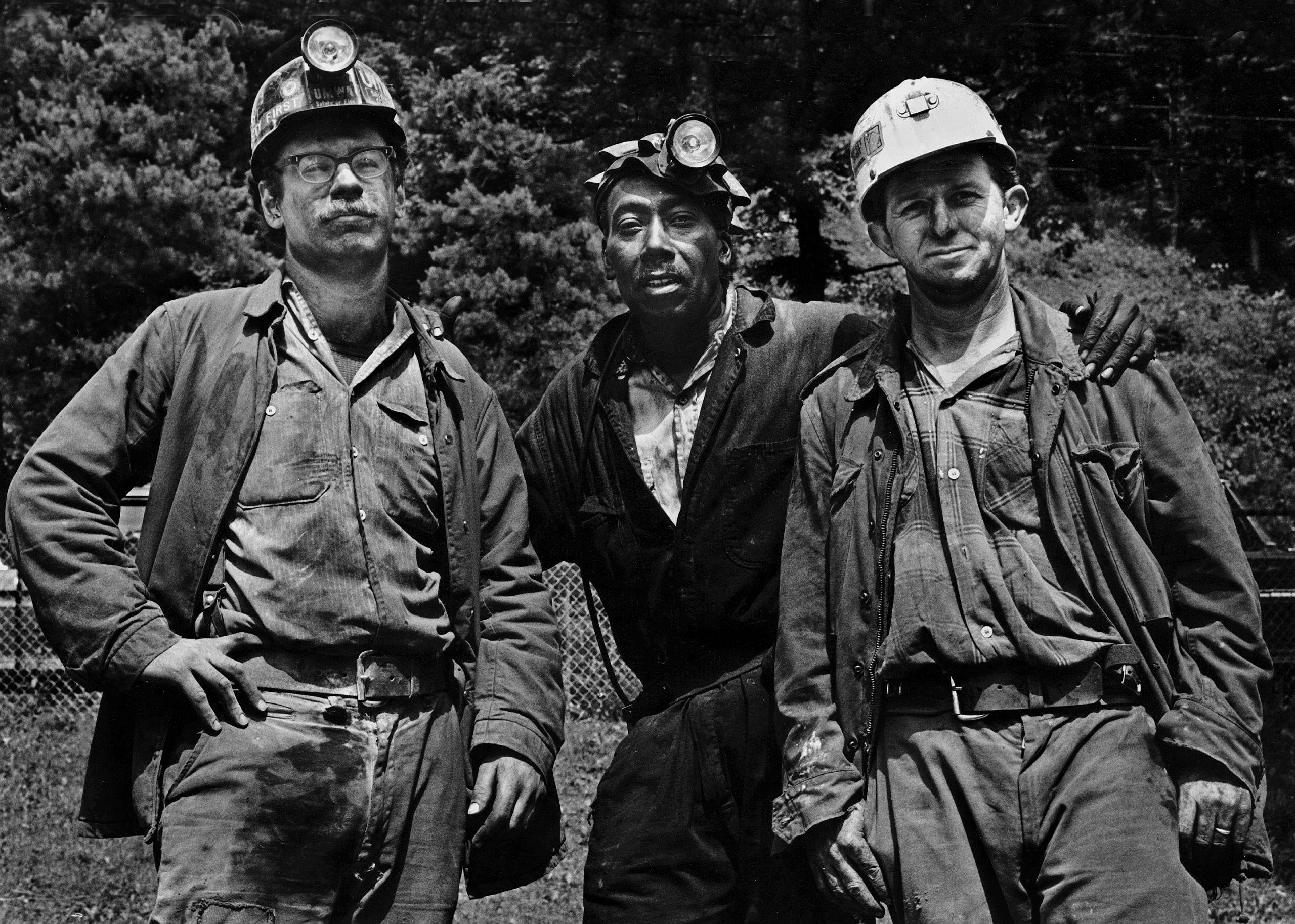
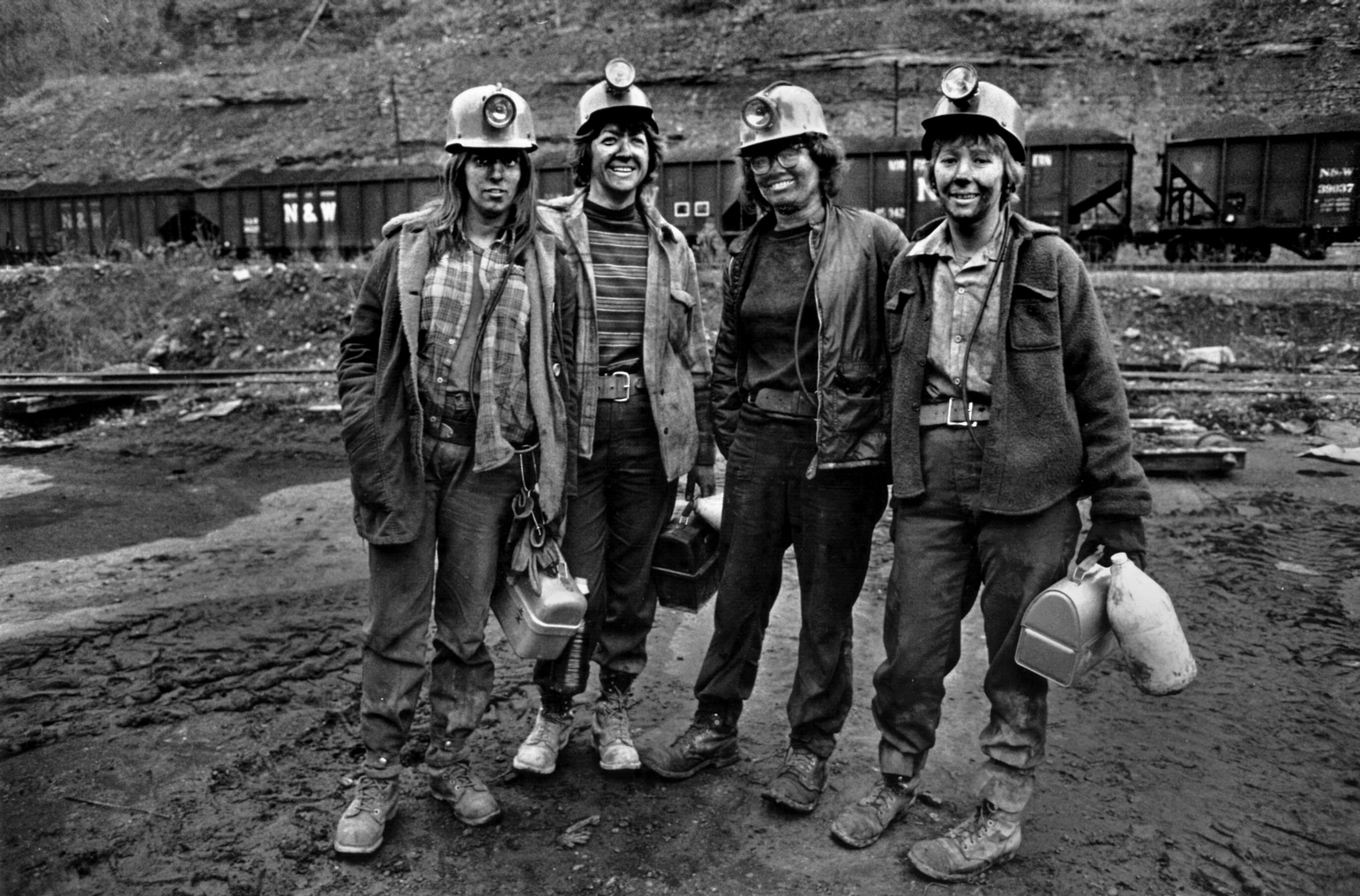



I began this book as a labor history, asking obvious questions that seemed most important at the time: Why did the movement end this way? What did it accomplish? How did it fail? Who or what was to blame? As I dug deeper into the history of the black lung movement, however, these apparently clear-cut questions about victories and defeats began to seem ambiguous, even misleading. The assessment of whether the movement had succeeded or failed depended a great deal on whose goals were used as the standard of measurement—and goals varied considerably among different participants. Moreover, what the larger political culture defined as the movement's greatest accomplishments often turned out to be mainly symbolic; they represented the visible outcomes of formal processes of reform (the passage of legislation, for example), but in and of themselves did not necessarily signify substantial and lasting change. The simplicity of my original questions faded as the labels of victory and defeat, success and failure, appeared more and more ephemeral. The central analytical problems increasingly seemed to involve the maddening complexity of social change itself, which prevented any person or group from controlling the course or outcomes of this movement.
As I delved further into the reforms sought and controversies engendered by the black lung movement, it became apparent that the movement was more than an important episode of labor resistance. At issue in the struggles over black lung, which have reemerged today, is not only how to prevent the disease or compensate those affected by it but also the very definition of black lung. Frequently, the most ideologically powerful opponents that miners have faced in their successive surges of activism are not coal operators or conservative politicians but physicians. At the center of the black lung controversy has been a profound power struggle between miners and physicians over who will control the definition of this disease.2See Daniel M. Fox and Judith F. Stone, "Black Lung: Miners' Militancy and Medical Uncertainty, 1968–1972," Bulletin of the History of Medicine 54, no. 1 (1980): 43–63, for an early framing of the black lung struggle as between miners and physicians over the definition of disease. Their emphasis on medical uncertainty differs from the analysis in my own article, which came out during the same time period: Barbara Ellen Smith, "Black Lung: The Social Production of Disease," International Journal of Health Services 11, no. 3 (1981): 343–359.
As a result of these and other shifts in emphasis, this book is a hybrid. It draws on diverse theoretical traditions in order to analyze not only the organization and development of the black lung movement, but also the history and conflict that underlie the brutal fact of coal miners' diseased bodies. Beginning with how and why black lung originates in the workplace, this book also explores the medical history of the disease and the conflicting meanings that miners and certain physicians, lawyers, and government administrators invest in black lung.
After moving away to a self-imposed exile some twenty-five years ago, I live once again in West Virginia. Contrasts with the 1970s heyday of working-class activism are evident throughout the rural landscape of abandoned gas stations, rusted coal tipples, and boarded-up union halls. The differences are personal as well: when I interviewed black lung activists in the 1970s, I was the age of their daughters and granddaughters; today, I am eligible for Medicare. As I conducted additional interviews in 2019, mostly with retired coal miners close to my age, their bodies as well as their words spoke the story of black lung disease and the physical toll of hard-labor jobs. Conditioned as a white woman to thinking of my embodiment primarily in terms of gender, I was struck again and again by how the privileges of class have shielded me from harm and become subsumed into my body. This updated and revised book, which includes two new chapters and a moving, evocative photo gallery by Earl Dotter, thus entails not only additional research into medical, legal, and economic materials relevant to black lung, but also historical reckonings both political and personal.
Today, as I write this preface, the power relations that miners experience on the job are dangerously asymmetrical, and their outcomes grim. Coal miners in southern West Virginia, once the stronghold of the UMWA in central Appalachia, where those who crossed a picket line invited ostracism if not assault, now work nonunion. Coal companies, facing shrinking domestic markets and in many instances bankruptcy, force workers, coal communities, and American taxpayers to bear the costs of their decline. Black lung can only be fully understood as part of this historical moment, when resistance, remarkably, persists. Digging Our Own Graves analyzes the dreadful resurgence of black lung within the long history of efforts to legitimate this disease and make it visible, prevent black lung in the workplaces where it is produced, and extend dignity and a measure of justice to those for whom prevention comes too late.
Conclusion: Class Power, Scientific Authority, and State Regulation
Nearly two centuries have passed since Dr. James Gregory opened up the lifeless body of John Hogg and hypothesized a connection between the miner's blackened lungs, his respiratory disability in later life, his occupation, and his death. For a time, physicians in Britain and the United States continued to investigate the relationship between occupational exposures and miners' respiratory distress. Toward the end of the nineteenth century, however, during a period of tight corporate control in the Appalachian coalfields and an increasingly restrictive scientific understanding of disease, black lung began to disappear from the medical literature of both countries. In the United States, coal miners eventually precipitated renewed medical attention to black lung by winning a union-controlled health care plan for themselves and their families. Even so, coal workers' pneumoconiosis—much less the broader ensemble of illnesses called black lung—was not accepted as a legitimate, occupationally related disease by the medical profession as a whole.3Journalistic and some scientific accounts equate coal workers' pneumoconiosis (CWP) with black lung. However, an essential component of the black lung movement was miners' and their families' struggle to broaden the definition, beyond CWP, of miners' disabling, occupationally related lung disease. Research by physicians and other scientists familiar with and sympathetic to miners and their health has validated this broader definition. See, for example, Edward L. Petsonk, Cecile Rose, and Robert Cohen, "Coal Mine Dust Lung Disease: New Lessons from an Old Exposure," American Journal of Respiratory and Critical Care Medicine 187, no. 11 (2013): 1178–85. Formal recognition required collective political intervention by coal miners themselves.
Even as social and economic factors have impinged on the medical construction of black lung, so have they shaped the actual production of disease. Black lung originates not simply from the physical presence of dust in coal mines, but from the relative power and respective actions of miners and operators, which influence conditions in the workplace. Miners' eventual success in unionization enhanced their collective power in the workplace, but, depending on UMWA leaders' priorities, unionism at times paradoxically undermined miners' capacity to make that workplace healthy and safe. In the years after World War II, the pact between larger operators and the UMWA produced unimpeded mechanization of the production process, high levels of unemployment, forced migration, and occupational death and disability from black lung. However, that industrial collaboration also produced massive rank-and-file upheaval and a successful effort to reform the union. In the present moment, union weakness and miners' lack of bargaining leverage in the workplace, combined with certain operators' endgame maneuvers to extract coal from thinner seams even while pressing for high levels of labor productivity, once again intensify the extent and severity of the disease.
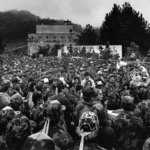
The virulence of black lung today—fifty years after it was supposedly destined for elimination—does not diminish what coal miners, their families, and their allies accomplished in the past. Rather, it attests to the enduring realities of labor exploitation that the black lung movement episodically managed to contest. For its constituents, the movement achieved a unique and unprecedented federal compensation program. Approximately half a million miners and widows have received compensation under the federal black lung program; especially for those ineligible for a pension or other benefits, the monthly payments can mean the difference between destitution and modest survival.4This estimate of the number of black lung beneficiaries is extrapolated from data on the number of claims filed each year, changing approval rates, the annual total cost of claims, and, for some years, reports from the administering federal agency. See, for example, Social Security Administration, Annual Statistical Supplement to the Social Security Bulletin, 2016 (Washington, DC, 2017), Table 9. Beneficiaries who are miners and those who are widows, added together, do not equal the total number of miners judged disabled by black lung, as a widow may receive her husband's benefits after his death. Further, the number of beneficiaries is reported each year as a rolling total, and thus cannot be summed. The coronavirus interrupted my efforts to obtain more precise data. As of December 2018, an individual beneficiary is entitled to receive $660/month, which increases up to a maximum of $1,320 for those with three or more dependents. US Department of Labor, Division of Coal Mine Workers' Compensation, "Benefit Rates Under Part C, 1973–2018," accessed August 16, 2019, https://www.dol.gov/owcp/dcmwc/statistics/PastPartCBenefitRates.htm. The respirable dust standard and other disease prevention measures in the US Coal Mine Health and Safety Act of 1969 are also attributable to the black lung movement. As one element in a larger upheaval throughout the coalfields, the movement contributed as well to the rank-and-file takeover of the United Mine Workers of America and renewal of union leaders' critical attention to occupational safety and health.
Originally and essentially, however, the black lung movement was a struggle over the recognition and, more implicitly, causation of an occupational disease. What seemed at first a straightforward task— achieving legal inclusion of a "new" dust disease under the workers' compensation system—turned out to be a far more complex undertaking. Miners and other activists learned early on that "black lung," as refracted through the lens of scientific medicine, was quite different from the disease for which they sought recognition, compensation, and prevention. In a struggle that has lasted more than fifty years, activists have persistently challenged physicians, lawyers, and policymakers over the meaning of this disease; at different times, they have been able to replace the restrictive scientific construction of a rarely disabling coal workers' pneumoconiosis with their own definition of "black lung." Although focused on arcane disputes over diagnostic methods, disability standards, legal presumptions, and other issues, this conflict over the definition and causation of black lung is intensely political: it involves the ideological content of medicine's view of disease, including the technical perspective that narrows causation to the inhalation of dust, and the powerful role of physicians in labeling work-related disability as legitimate. On the outcome of such conflict rests financial liability for the coal industry that potentially ranges into billions of dollars. The legacy of black lung activism thus entails unsettling questions about the relationship between scientific and technical knowledge, state regulation, and the exercise of class power.
It should be stressed at the outset that not all physicians subscribe to a narrow or purely technical understanding of black lung: recall the role of three doctors (Buff, Rasmussen, and Wells) in the first black lung mobilization during 1968 to 1969 in West Virginia. Dr. Donald Rasmussen continued to work with and advocate for coal miner patients out of his pulmonary lab in Beckley, West Virginia, for five decades, up until his death in 2015.5Sam Roberts, "Dr. Donald L. Rasmussen, Crusader for Miners' Health, Dies at 87," New York Times, August 2, 2015, accessed September 29, 2019, https://www.nytimes.com/2015/08/03/health/research/dr-donald-l-rasmussen-crusader-for-coal-miners-health-dies-at-87.html. Rasmussen's mantle now falls on Dr. Robert Cohen, a pulmonologist who directs the occupational lung disease unit at Northwestern University and frequently testifies before Congress on miners' behalf.6Dr. Cohen testified during the hearings on black lung, "Breathless and Betrayed." See "What is MHSA Doing to Protect Miners from the Resurgence of Black Lung Disease?" YouTube video, 2:58:39, June 20, 2019, House Committee on Education and Labor, https://www.youtube.com/watch?v=sJUDcTf0a_g. Other physicians in the coalfields, such as Drs. Gregory Wagner and Brandon Crum, have devoted much of their professional lives to caring for coal miners with lung disease. After practicing medicine at a clinic on Cabin Creek (West Virginia), Wagner eventually came to direct Respiratory Disease Studies at NIOSH when that agency issued the criteria document that legitimated a broad definition of black lung, inclusive of COPD (chronic obstructive pulmonary disease), and recommended much lower limits on miners' exposure to coal dust and silica.7NIOSH, Criteria for a Recommended Standard: Occupational Exposure to Respirable Coal Mine Dust, publication no. 95–106 (Washington, DC: US Government Printing Office, 1995), xxii, https:// www.cdc.gov/niosh/docs/95-106/default.html. Crum, a radiologist—and, not coincidentally, former coal miner—was first to sound the alarm over black lung's escalating severity, which in 2014 he began detecting among his patients in eastern Kentucky. Four years later, the coal-industry-beholden state legislature responded by disqualifying him from reading X-rays for miners' workers' compensation claims.8Austyn Gaffney, "As Black Lung Strikes Younger Coal Miners, Kentucky Restricts Medical Benefits," NRDC, September 24, 2018, accessed September 29, 2018, https://www.nrdc.org/stories/black-lung-strikes-younger-coal-miners-kentucky-restricts-medical-benefits.
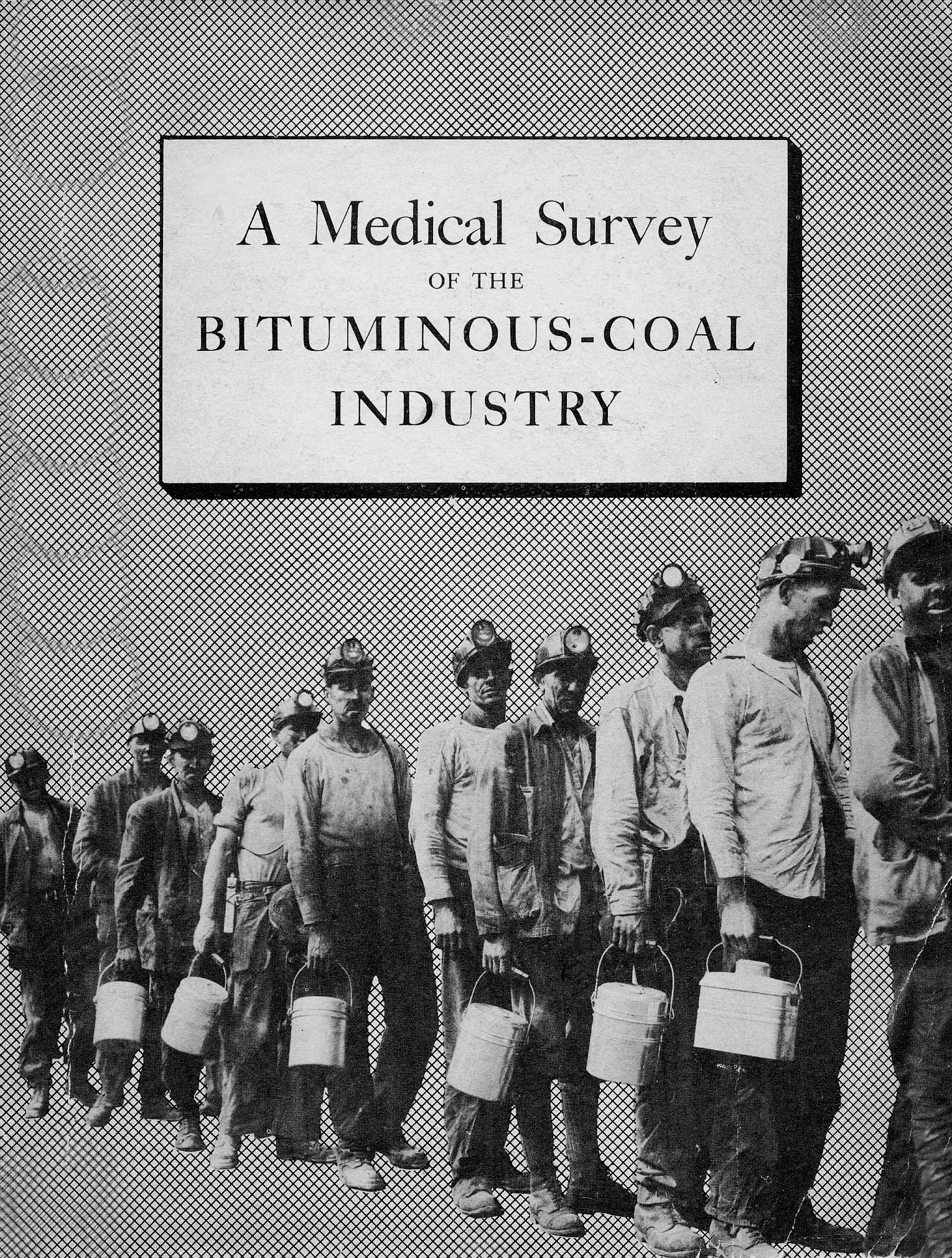
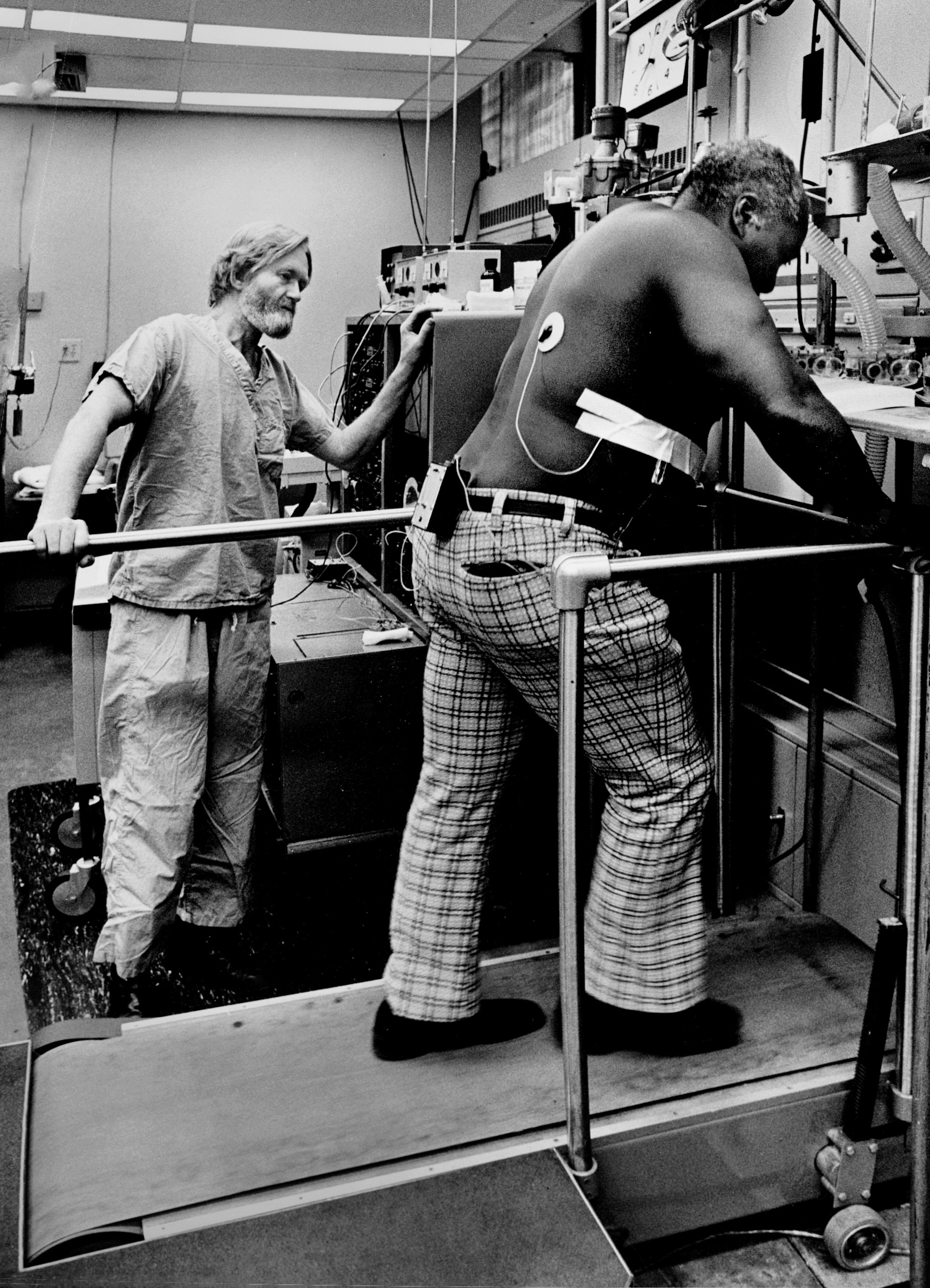


Apart from such individual physicians' political and medical predispositions, however, there remain epistemological tendencies within scientific medicine that militate against the understanding of disease advanced by black lung activists.9This summary of miners' perspectives on the origins of black lung and the role of physicians in advocating a restrictive view of work-related, compensable disease is based on the author's interviews and observations in southern West Virginia at different moments during the past five decades. Within the restrictive medical viewpoint that requires conclusive, scientific proof of occupational causation, black lung is in fact coal workers' pneumoconiosis, a single clinical entity, disabling only in advanced and, even today, relatively rare stages. The disease acquires legitimacy—indeed, effectively comes into existence—only when visible to trained personnel viewing objective diagnostic evidence, that is, X-rays, of an individual miner's lungs. The thousands of miners who believe themselves disabled by black lung yet exhibit no X-ray evidence of advanced CWP might legitimately be considered "disabled"—if the quantitative results of certain tests confirm such a condition. However, the origin of their disability is nonoccupational, above all their own cigarette smoking, or, if nonsmokers, other sources outside the workplace. Although this scientific definition of disease is quite different from physicians' earlier construction of a benign "miners' asthma," the result, in the eyes of many victims, is the same: black lung is trivialized. What many miners view as a collective problem becomes, from the perspective of scientific medicine, individual, quantifiable cases. What they experience as part of the shared social world of coal mining becomes occasional, biological events. What they attribute to their class relationship with the coal operators becomes the product of a single physical agent, dust. In sum, what is collective becomes individual, what is social becomes biological, what is produced by human action becomes the outcome of inert material.
Certain tendencies intrinsic to clinical medical practice are also at stake in the seemingly incommensurable perspectives of miners and certain physicians. Scientific medicine situates disease spatially, within the individual body, and temporally, at the point when signs, symptoms, or other physical alterations develop. Disease is ahistorical as well as asocial; it has no history except a "natural," that is, physical, history. It is said to exist when experienced by the individual and diagnosed by the physician, not at the point when it is being produced. The possibilities for prevention are thus constrained within the very definition of disease.10Howard S. Berliner and J. Warren Salmon, "The Holistic Health Movement and Scientific Medicine: The Naked and the Dead," Socialist Review 9, no. 1 (January–February 1979): 31–52.
Clinical medicine reflects this understanding of disease on a practical level: individual patients present the physician with their distinctive symptoms and complaints; they appear as random, disconnected "cases," and they are granted therapeutic treatment as individuals. There is no social meaning to disease in the sense of an internal relationship between social relations and the individual experience of ill health; primarily individual behaviors, such as diet, exercise, and smoking habits, command attention. Yet, in quantifying disability and allocating it to occupational or nonoccupational sources, physicians implicitly assess the conditions in which miners have lived and worked all their lives. That most physicians have never been in a coal mine (much less worked in one), and that some have never even been in the coalfields, serves to intensify the conflict between physicians and coal miners, who experience the superior legitimacy automatically granted scientific medical knowledge as a complex and powerful form of social control.
The authority of physicians to pronounce miners "healthy" or "disabled" carries important financial consequences. In the context of federal black lung compensation, doctors' assessments of coal miners' health can be decisive in the award or denial of financial benefits that are allocated in large part according to medical eligibility criteria. Doctors act as gatekeepers in a more generic sense as well: they control access to the "sick role," the sole avenue by which adults may legitimately escape the daily responsibilities of their class, race, and gender.11See Talcott Parsons, The Social System (New York: Free Press, 1951). Parsons's conceptualization of the sick role was neither class nor historically specific. For coal miners, as for other workers, the preeminent requirement of their class position is to perform wage labor. Medical criteria for assessing disability (and determining compensation eligibility) that take as the standard for health the functional capacity to work explicitly enforce this requirement. Even if damaged by work, coal miners still must provide medically sanctioned evidence of their "total disability"—i.e., complete inability to continue working—in order to receive financial compensation and legitimate relief from wage labor. In pushing against the limits of this compensation policy, miners and their families implicitly contest not only the ideological authority of physicians to define disease and assess disability; they ultimately threaten the economic power of coal operators by pressing for a broad definition of black lung and relaxed standard of disability that would provide unhealthy miners an alternative to labor in the mines.
This convergence between the restrictive scientific view of black lung and the economic interests of the coal industry is, for many miners and their families, an ultimate source of distrust and conflict with physicians. The narrow definition of disabling black lung as a relatively rare, complicated pneumoconiosis is highly functional to the industry: it circumscribes the scope of occupational lung disease and correspondingly diminishes both the cost of compensation benefits and the importance of prevention. In the context of policy formation, scientific medicine plays a mediating role between the interests of the coal industry and the actions of the state. It facilitates apparent distance between corporate power and public policy, and seems to ground political decision-making in the neutral, technical knowledge of a third party.
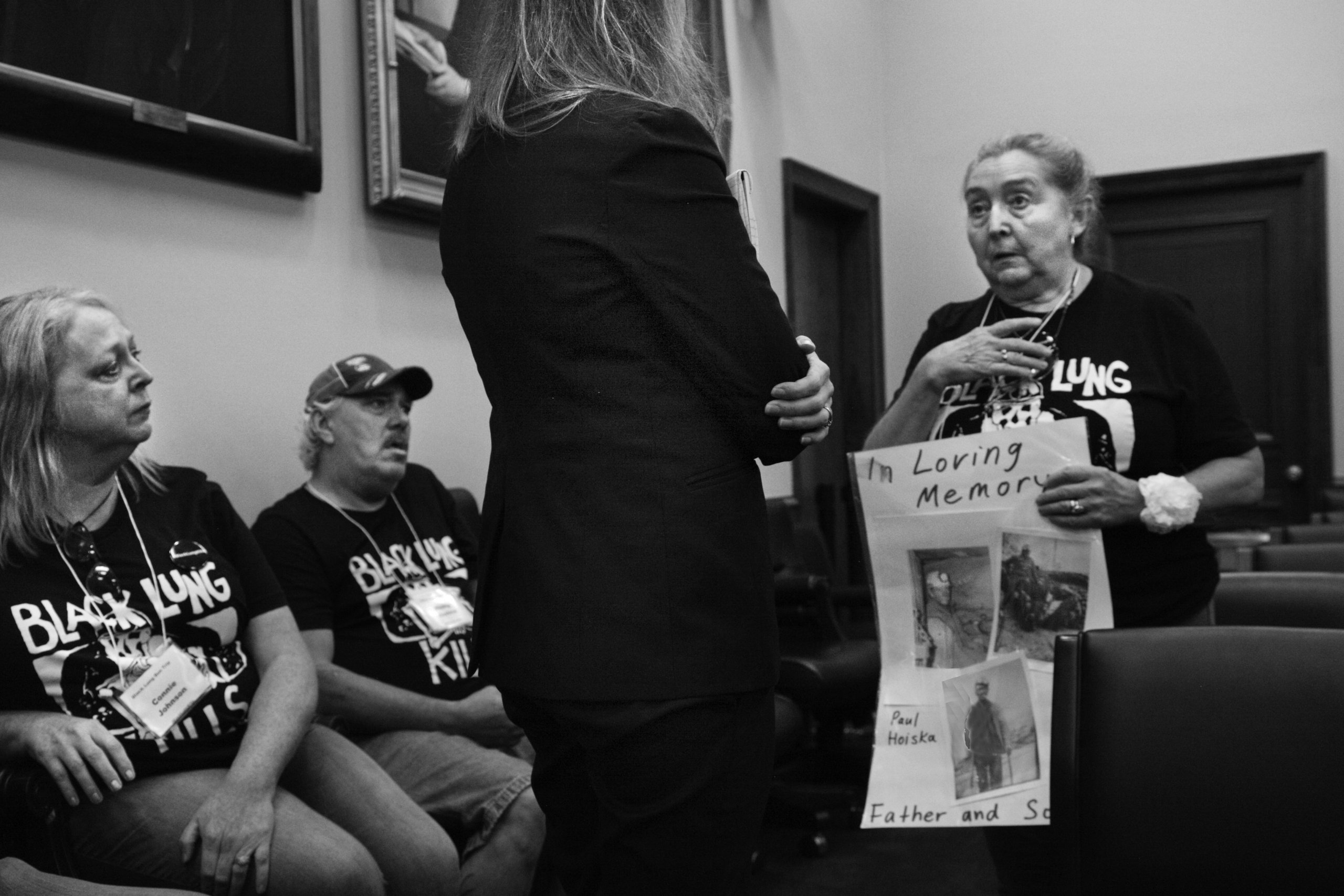
The lessons of the protracted struggle over black lung disease encompass both caution and inspiration, loss and hope. In an era of science denialism, when defense of factual truths and scientific knowledge seems obviously necessary, the case of black lung still stands as a warning about the presumed neutrality and appropriate scope of scientific and technical solutions: beware of technical fixes for problems that ultimately derive from economic exploitation and grossly unequal political power. Activists' original quest for redress through the workers' compensation system offers a related caution: the sprawling administrative machinery of the state, which presents the customary, sanctioned route for institutionalizing reform, entails embedded interests that can thwart activists' aims even as it seems to grant their demands. Finally, the long history of black lung suggests that effective prevention of occupational disease, injury, and death ultimately resides in the ever-changing power relations of the workplace and workers' collective, organized capacity to defend themselves. For these and many other reasons, victories are never secure, achieved once and for all; they must be defended, expanded, critiqued, and revised, as black lung activists have doggedly done for some five decades now.
Today, the industry that for more than a century has defined central Appalachia is dying. Those who would chart a post-coal future must grapple with the industry's legacy of incalculable human and environmental destruction, but they would do well to learn from the additional legacy of coal mining families' solidarity and resistance. Ever since the first investors laid claim to the coal of Appalachia, the people of this region have been revolting in various forms against the appropriation of their land, their labor, and even their lives. Those who fought in the black lung movement are both heirs and contributors to this long history of resistance. Today, many miners pay the cost of coal production in the currency of their very breath, but they also continue to resist. Danny Whitt: "We don't never give up. You know when I'll stop? When the last breath leaves my body."12Author's interview with Danny Whitt, Matewan, WV, September 4, 2019.
About the Author
Barbara Ellen Smith is professor emerita of women's and gender studies in the Department of Sociology at Virginia Tech. She has been active in and writing about movements for social and economic justice in Appalachia and the US South for more than 45 years. Her recent publications include a co-edited book with Stephen L. Fisher, Transforming Places: Lessons from Appalachia (University of Illinois, 2012) and Digging Our Own Graves: Coal Miners and the Struggle over Black Lung Disease (Haymarket Books, 2020).
]]>Review
For more than twenty years, scholars have sought in article after book after conference paper to expand the timeline, reach, and definition of environmental concern and activism. This uncoordinated but multi-pronged effort has given us a fuller sense of activism that emerges from and addresses larger social and economic inequalities. What we call environmental justice is finally getting a full and complete history.
What has yet to be done, until now, is to bring that broader story together with the more traditional history of the environmental movement. Ellen Griffith Spears has accomplished that in her important new history, Rethinking the American Environmental Movement post-1945. In this tightly argued volume, Spears provides the first work that truly synthesizes the different strands of environmentalism, giving them equal narrative and analytical weight. This book represents the culmination of a generation of scholarship on environmentalism that sought to expand our narrative in order to consider environmentalism as a "field of movements" (5) that brings together actors, organizations and institutions from a variety of backgrounds at the local, regional, and national level. The field of movements concept allows Spears to consider the mainstream organizations such as the Sierra Club or the Natural Resources Defense Council on comparable footing with grassroots movements, working to weave all strands of activism into the synthesis. She also includes developments in the history of science and public health, especially in ecology and toxicology, as well as the regulatory responses by the federal government. These are important not only to provide background and context, but also because the often-contested terrain of scientific knowledge and expertise is so central to understanding the movement. Rethinking the American Environmental Movement also engages larger structural changes within the US economy and society, such as mass suburbanization in the 1950s and deindustrialization in the 1970s and 1980s.
Although the title of the book promises an emphasis on the post-World War II era, the first chapter is a robust examination of "Antecedents" to the modern movement. Where, for instance, traditional histories examined conservationism and perhaps Progressive Era smokestack regulation, Spears discusses resistance to slavery, and pre-Civil War public health debates, in addition to the emergence of nature preservation. This builds on important recent work in nineteenth-century environmental history, such as Catherine McNeur's Taming Manhattan and Carl Zimring's Clean and White, and buttresses the argument for long durée connections between social justice and the environment.1Catherine McNeur, Taming Manhattan: Environmental Battles in the Antebellum City, Reprint edition (Harvard University Press, 2017); Carl A. Zimring, Clean and White: A History of Environmental Racism in the United States (New York: New York University Press, 2015); Mark Fiege, The Republic of Nature: An Environmental History of the United States (Seattle: University of Washington Press, 2012).
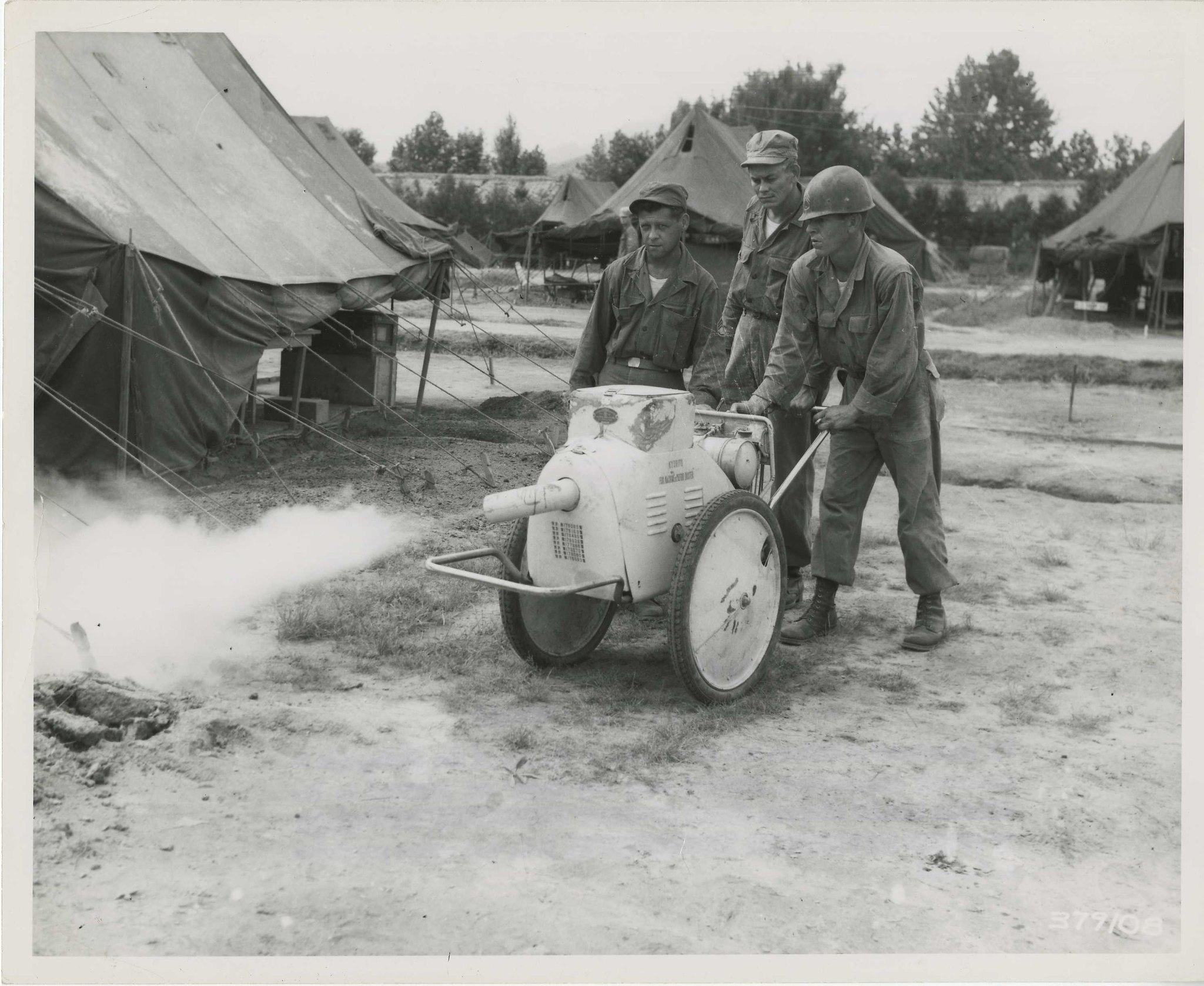
The core of Spears's book centers on the postwar period, which she ably covers while also introducing lesser known developments. For example, any book of this nature has to discuss Rachel Carson, and Rethinking devotes one of its largest section to this groundbreaking author. But instead of putting Carson on a pedestal, where she often sits in public memory, Spears places her in context, showing how she was building on and amplifying the work of grassroots activists and scientists. Americans had been raising concerns about the ecological and public health effects of dichlorodiphenyltrichloroethane (DDT) soon after World War II. This accelerated into a series of lawsuits filed by New York based conservationists protesting the indiscriminate spraying of DDT in the late 1950s. The legal action failed, but the activists caught the attention of Carson, who began investigating the impact of DDT across the country. That research culminated in the publication of Silent Spring in 1962, and Spears ably delineates how and why this book was so important. It was not just an expose about the dangers of chemical spraying; Carson helped bridge the old conservation era to more contemporary concerns about human health, and she "crystallized the recognition that humans were fundamentally altering the environment" (83).
Just as significant as this rethinking of Silent Spring and pesticide activism is what comes before it: a short but important consideration of urban environmental concerns during the 1950s—especially the National Urban League's "fight blight" and block club campaigns that targeted neighborhood cleanup, rats, empty lots, and community health. Spears examines urban activism by African American and other minority populations in more detail later, but by putting this section right before the discussion of Carson, she makes a valuable narrative intervention. Justice-focused activism by minority communities was occurring at the same time that more well-known parts of the movement were emerging, buttressing the argument that these strands of environmentalism are deserving of a longer history, and were not just a product of the environmental justice movement of the 1980s.
In addition to making sure that urban and minority neighborhoods and populations are firmly part of the narrative, Spears gives significant weight to the decades after 1980. This allows her to cover the conservative reaction to environmentalism during the Reagan administration and afterwards, but also climate activism, and recent environmental justice conflicts such as poisoned water in Flint, Michigan, and the Dakota Access Pipeline protests. Rethinking is especially strong on climate activism, representing an important shift over the past decade. The final chapter provides background on concerns over anthropogenic climate change (a subject that has figured in every United Nations environmental since 1972) and the international negotiations and treaties over the limitations of carbon and greenhouse gases in the 1990s. Spears includes a special section on the Dakota Access Pipeline protests in 2016. Because the pipeline violated indigenous rights, was a threat to the water supply of the Standing Rock Reservation, and would also allow for the cheaper transportation of fossil fuels, Spears argues that the NO DAPL protests were a great example of "an intersectional grassroots movement linking indigenous rights, climate change, and water protection" (213).
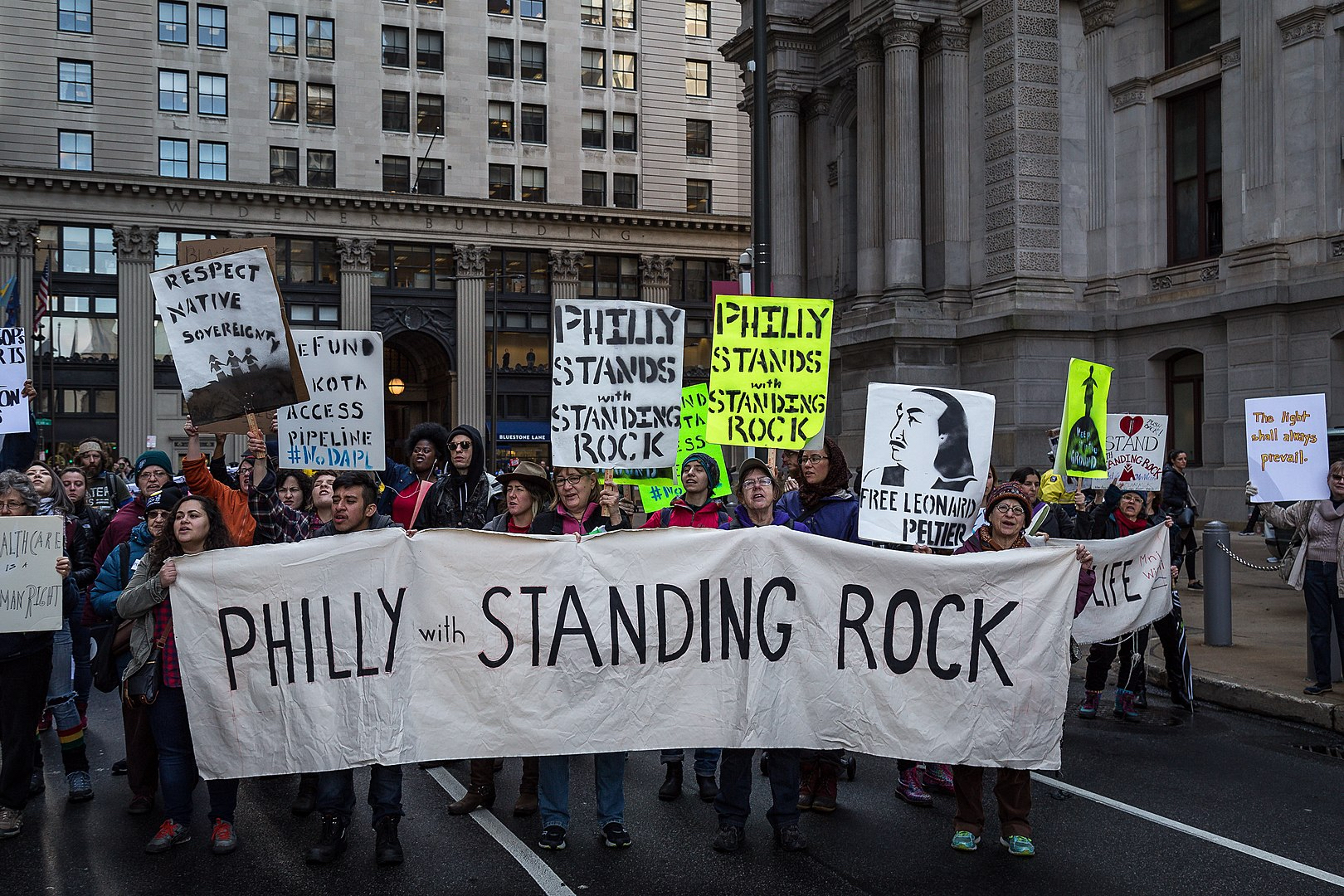
By the end of the Rethinking, readers may feel a little overwhelmed by the field of movements approach, as Spears jumps, for example, from climate activism, to green jobs, food justice, religious work on climate change, and to standalone discussions of Flint and Standing Rock, all in the second half of the last chapter. Critics could argue that this "big-tent" conceptualization risks diluting what they would classify as an environmental movement, but this is the value of Spears's approach. She convincingly shows how environmentalism has never been one particular set of activists or institutions, but a diverse set of organizations, scientists, firebrands and regulatory bodies that have always been in conversation, conflict or coalition with each other. This broad coverage helps readers understand many implicit and explicit connections. And coverage is one of the goals of this kind of book, which seeks to introduce a topic to a broader audience. This makes Rethinking especially admirable. It places activism centered upon injustice and inequality on equal footing with more commonly known parts of the movement. As someone who teaches the history of environmentalism, I believe this is vitally important. Most students begin with strong preconceived notions about environmentalism (Birkenstocks, tofu) that prove tough to dislodge.
This field-of-movements framework does raise a broader question within environmentalist writing and the narrative we tend to tell. Lurking beneath the surface of many histories of environmentalism is the conflict between the movement's different strands, particularly between environmental justice organizations, radical wilderness groups, and the mainstream "nationals." Spears does not shy away from these tensions, showing how radical factions emerged partly in opposition to the perceived "business friendly" policies of groups such as the Environmental Defense Fund, and how grassroots organizations have long been critical of the overwhelming white, middle-class staffing and policy orientation of well-funded national groups based in Washington, DC.
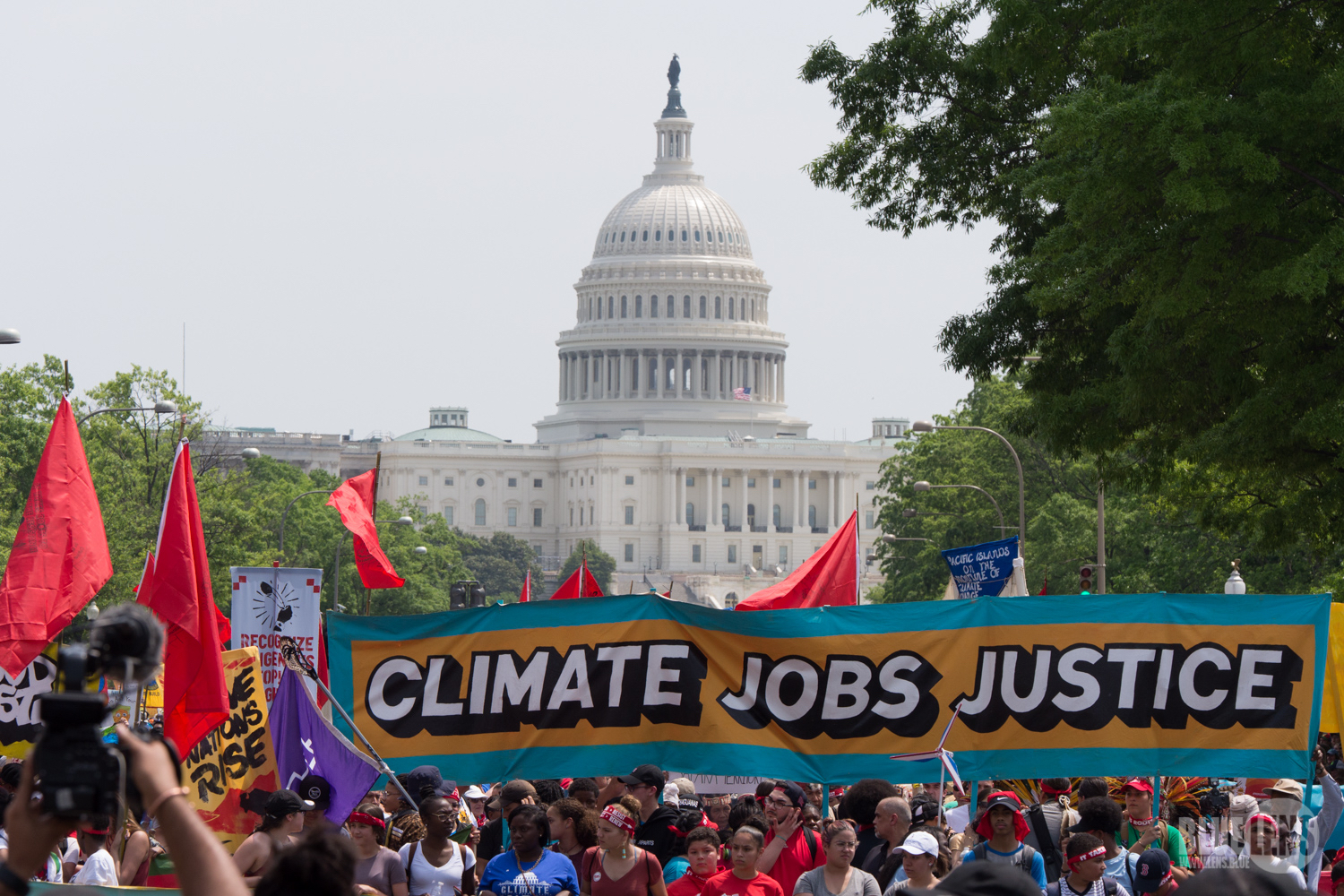
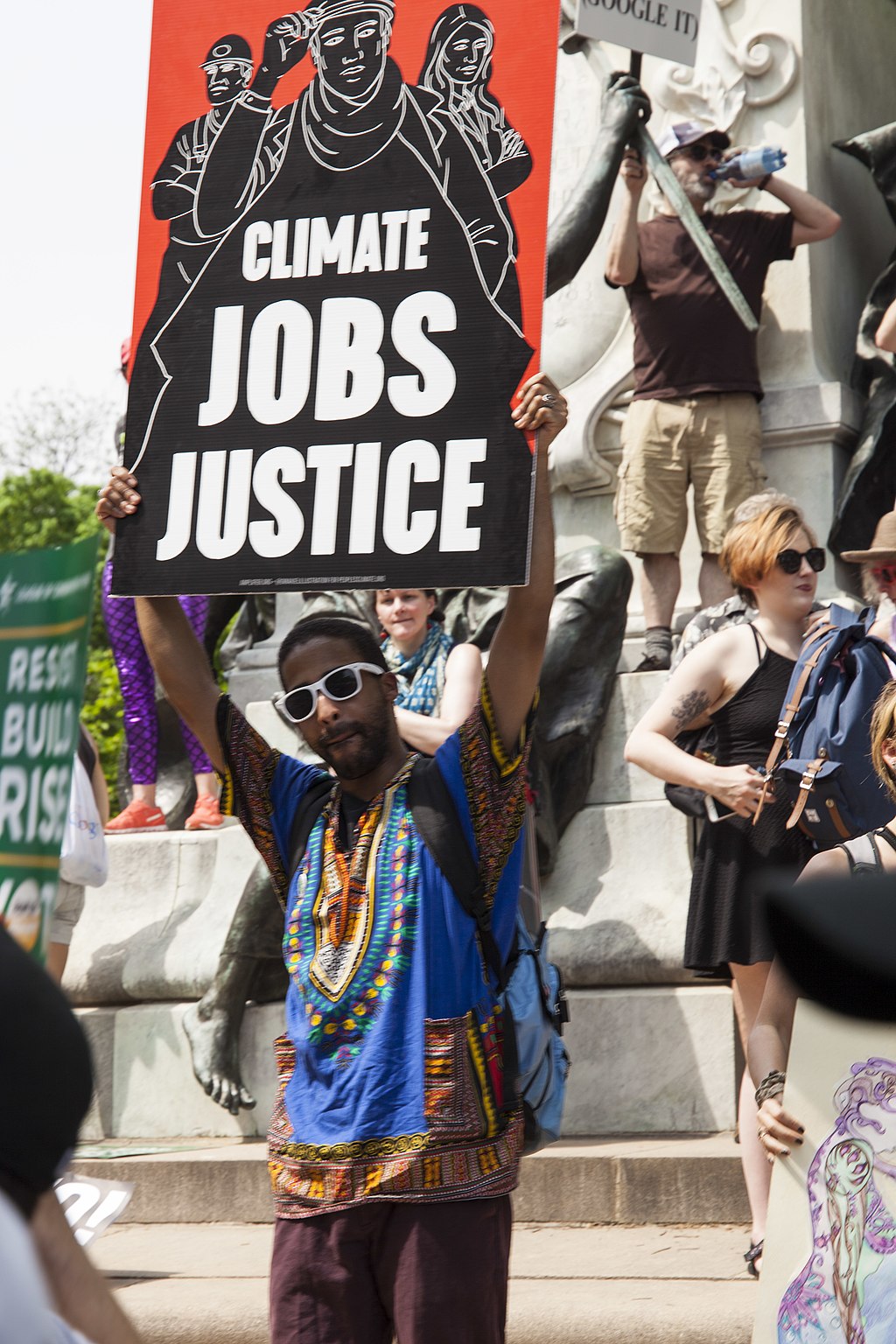
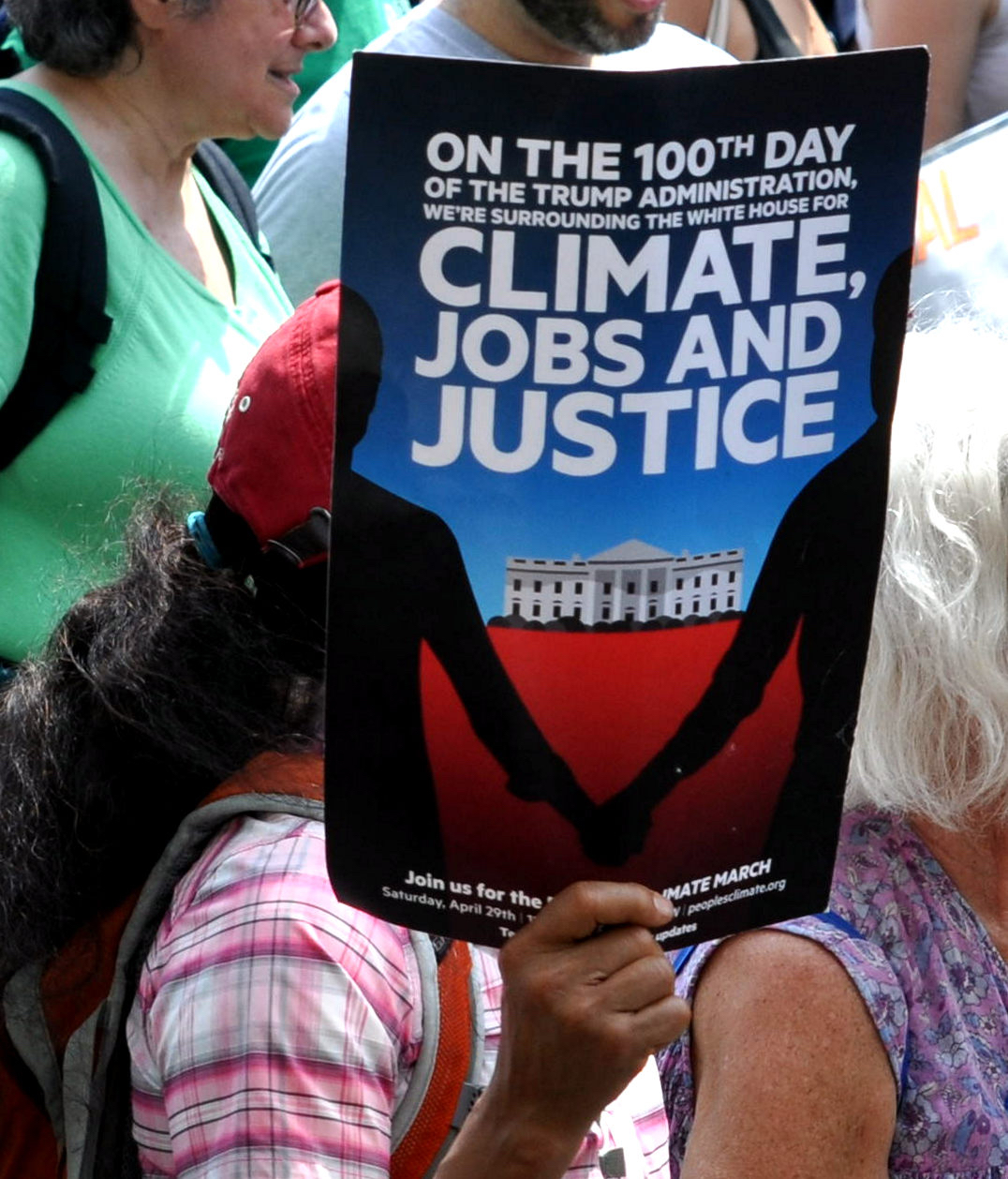
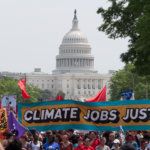
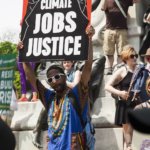
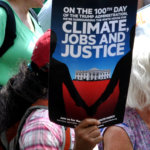
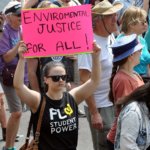

Rethinking lacks an exploration of the roots of these tensions. This is primarily because of the strictures on the length of such a synthetic book—and that there are not yet enough strong critical histories of the mainstream strands of environmentalism. The discussions of the close relationship between corporations and large national groups are a case in point. Spears draws on the work of journalist Mark Dowie, especially his groundbreaking 1995 book, Losing Ground: American Environmentalism at the Close of the Twentieth Century. Dowie was one of the first vocal critics of this relationship, but this book is now a quarter-century old, and there really hasn't been any work that goes beyond his primarily surface level, muckraking analysis.2Mark Dowie, Losing Ground: American Environmentalism at the Close of the Twentieth Century (Cambridge, Mass.: The MIT Press, 1996).
We need more work that takes the connections between corporations and major, national environmental groups at face value, and attempts to understand their roots and trajectories—and their lack of attention to people and geographies of color. One of Spears's primary concerns is the "multiple ways in which the color lines drawn in U.S. society have hampered environmental reform movements" (4). But as strong as it is in exploring the grassroots activism by people of color, Rethinking doesn't explore the color lines that existed in environmental organizations; why they were reluctant, for decades, to address the concerns of marginalized groups, or even make their professional staffs more diverse. This is not because Spears does not want to explore these problems. It's simply that the literature is not there. The white privilege of US environmentalism has only really been critiqued at the margins. We lack a full accounting of its development and impact, particularly on the continual escalation of environmental injustice and inequality.
What are the reasons for these deficiencies, at least within US environmental history? The most obvious arguments would be that the field, or at least the powerful and influential within the field, were for decades overwhelmingly white, male, and middle class, and had a vested interest in a set of narratives about American environmental reform. Perhaps more importantly, there was also a reluctance to attack or even critique these narratives. Not only did generations of scholars have so much invested in these heroes, but also because to many of us, environmentalism has maintained a certain moral certitude as a progressive politics.3The core "heroes" come from the wilderness and early conservation movements. See, for example, Roderick Nash, Wilderness and the American Mind (New Haven: Yale University, 1996 [1965]); Aldo Leopold A Sand County Almanac and Sketches Here and There (London: Oxford University Press, 1949). To tar it with racism, and corporate greed, especially in a post-Civil Rights, neoliberal America, could undermine the whole project.
Finally, scholars are beginning to get over that reluctance. New work by Jennifer Thomson, Paul Sabin and Keith Woodhouse, for example, digs into environmentalism to understand its flaws, contradictions and their ramifications.4Paul Sabin, "Environmental Law and the End of the New Deal Order," Law and History Review 33, no. 4 (November 2015): 965–1003; Jennifer Thomson, The Wild and the Toxic: American Environmentalism and the Politics of Health. (University of North Carolina Press, 2019); Keith Makoto Woodhouse, The Ecocentrists: A History of Radical Environmentalism. (New York: Columbia University Press, 2020). They move beyond a celebratory narrative to embed the environmental movement within the larger political and social developments of the past half-century. Outside the discipline of history, scholars such as David Pellow, Lisa Sun-Hee Park, and Dorceta Taylor have cast critical judgment on the movement, especially when understanding race in environmental politics.5Lisa Sun-Hee Park and David N. Pellow, The Slums of Aspen: Immigrants vs. the Environment in America's Eden, (New York: New York University Press, 2011); Dorceta E. Taylor, The Rise of the American Conservation Movement: Power, Privilege, and Environmental Protection (Durham, NC: Duke University Books, 2016). All of this work is important, but we need more.
Telling a more critical, less rosy story is important because a strong, inclusive and self-reflective, environmental movement is more important now than ever. Writing movement history is always political, especially when the social movements remain ongoing and their success more urgent. With Rethinking the American Environmental Movement post-1945, Ellen Spears has done admirable work in expanding our conception and understanding of the movement's varied streams.
About the Author
Robert Gioielli is an associate professor of History at the University of Cincinnati and the author of Environmental Activism and the Urban Crisis: Baltimore, St. Louis, Chicago (Philadelphia: Temple University Press, 2014). Find him on Twitter at @robgioielli.
]]>