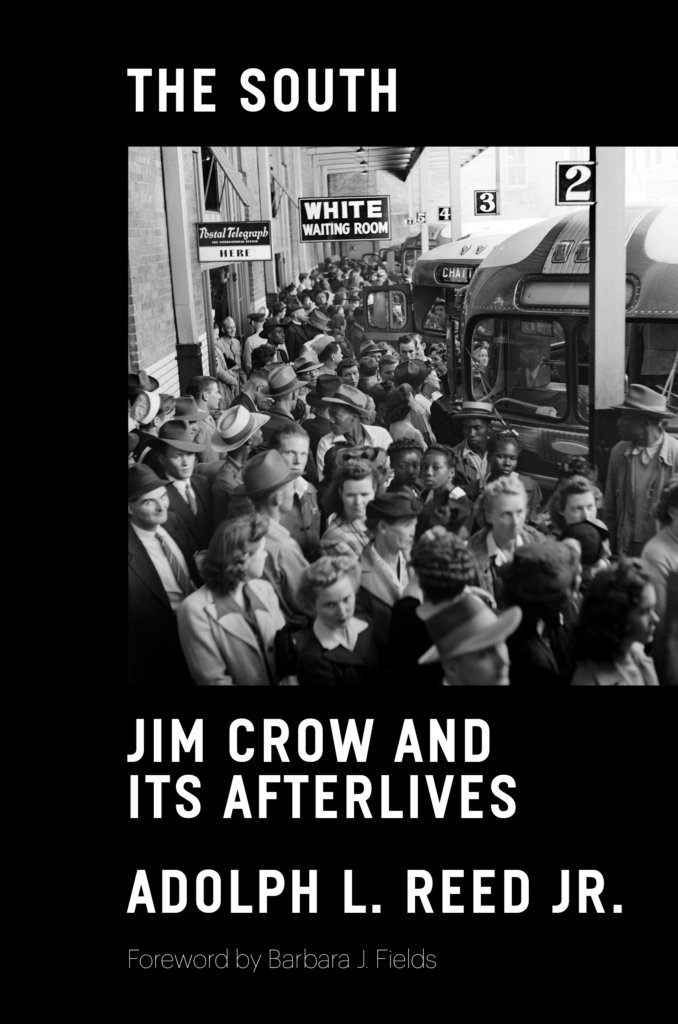
In this short book, distinguished political scientist Adolph L. Reed, Jr. offers remembrances from his early life below the Mason-Dixon line as a member of the last African American generation who came of age during Jim Crow. Reed writes with a purpose—not to chronicle his own pivotal events, hardships, or personal demons, nor to proclaim general truths. Instead, he aims to prevent misconceptions he fears are taking root about the uniform nature of the segregated South and forestall mistaken present-day lessons that ignore the role of class in the racial order of the Jim Crow South.
Reed considers himself a southerner with "a small asterisk."1Reed, Adolph L. Jr., The South: Jim Crow and Its Afterlives (New York: Verso Books, 2022), 9. Born in the Bronx, he was in grammar school in Washington DC, in 1954 when the Supreme Court handed down Brown v. Board of Education. Later, his parents, natives of the Arkansas Delta and New Orleans, moved back to the South where he grew up in Pine Bluff, Arkansas,and the Crescent City. Reed attended college in Chapel Hill, North Carolina and Atlanta and traveled the region while doing summer jobs. He taught at colleges and universities in Atlanta and worked in the city government during the second term of its first Black mayor, Maynard Jackson. He then returned north where he has spent most of the last forty years—primarily at Yale, Northwestern University, and the University of Pennsylvania—teaching and writing about the importance of the working class and the role of class in racial politics.
Although entitled The South, Reed's book illuminates how he and others experienced several different "Souths," where culture, class, ideology, and the laws emerging from segregation varied by geography in practice and form. Reed came to understand that Black people of all ages had to learn differing local white rules of Jim Crow if and when they moved to new places across the southern states—and even in the same city where rules applied differently store-by-store or block-by-block with varying degrees of racial humiliation. For example, one white-owned shop in New Orleans allowed Reed's family to try on clothes before purchase, but in others not shoes or not hats. Some stores permitted no Black person to try the fit of any merchandise. Mistakes in knowing a local "calculus of tolerance" could involve much more than indignity for old or young. "Fourteen-year-old Emmett Till," Reed writes, "was murdered in nearby Mississippi on a family visit from Chicago in 1955 because he unknowingly violated a local rule of subordination in a way that was interpreted as 'getting fresh' with a white woman."2Reed, 12.
"If bristling at Jim Crow's injustices were especially prominent in my consciousness," Reed writes, "it was partly because, as a result of moving around, I was always struggling to learn the local rules and grammar of subordination and how to craft a normal kid's and adolescent's life within them." As the son of well-educated Black teachers, Reed adds, "Where I lived and my family's class position also made it easier to cultivate and express indignation." 3Reed, 13.
The pervasive but varying conditions of white supremacy meant that the places where Black people could be their own free selves, away from everyday racial dangers and indignities, lay within their own segregated communities—especially in Black churches and schools where few whites often entered. As a child living in Pine Bluff, Arkansas, Reed had contact with hardly any white persons because his middle-class father taught at the local historically Black college and his parents kept him close to home near the campus.
Black families deployed a variety of defenses. Traveling on a ferry boat with his grandmother, Reed asked her why chicken wire had been strung between the segregated seating areas. "Well, you see," she stage-whispered, "a lot of crazy people ride this ferry, and they have to sit on the other side."4Reed, 11–12.
Reed's vignette echoes forms of sly resistance, such as that recalled by Mississippi civil rights leader Aaron Henry, growing up under Jim Crow a generation earlier. As a boy, Henry repeatedly complained to his mother that the local white children were able to attend school for seven months but he could only go to school for five. "Aaron," his mother finally responded, "you my boy—and you don't need but five. The rest of them jokers they got to have seven." "Hell, I been cocky ever since," Henry insisted.5Worth Long, "Aaron Henry from Clarksdale," Southern Changes, 5, no. 5 (1983): 9–12. https://southernchanges.digitalscholarship.emory.edu/sc05-5_001/sc05-5_007/.
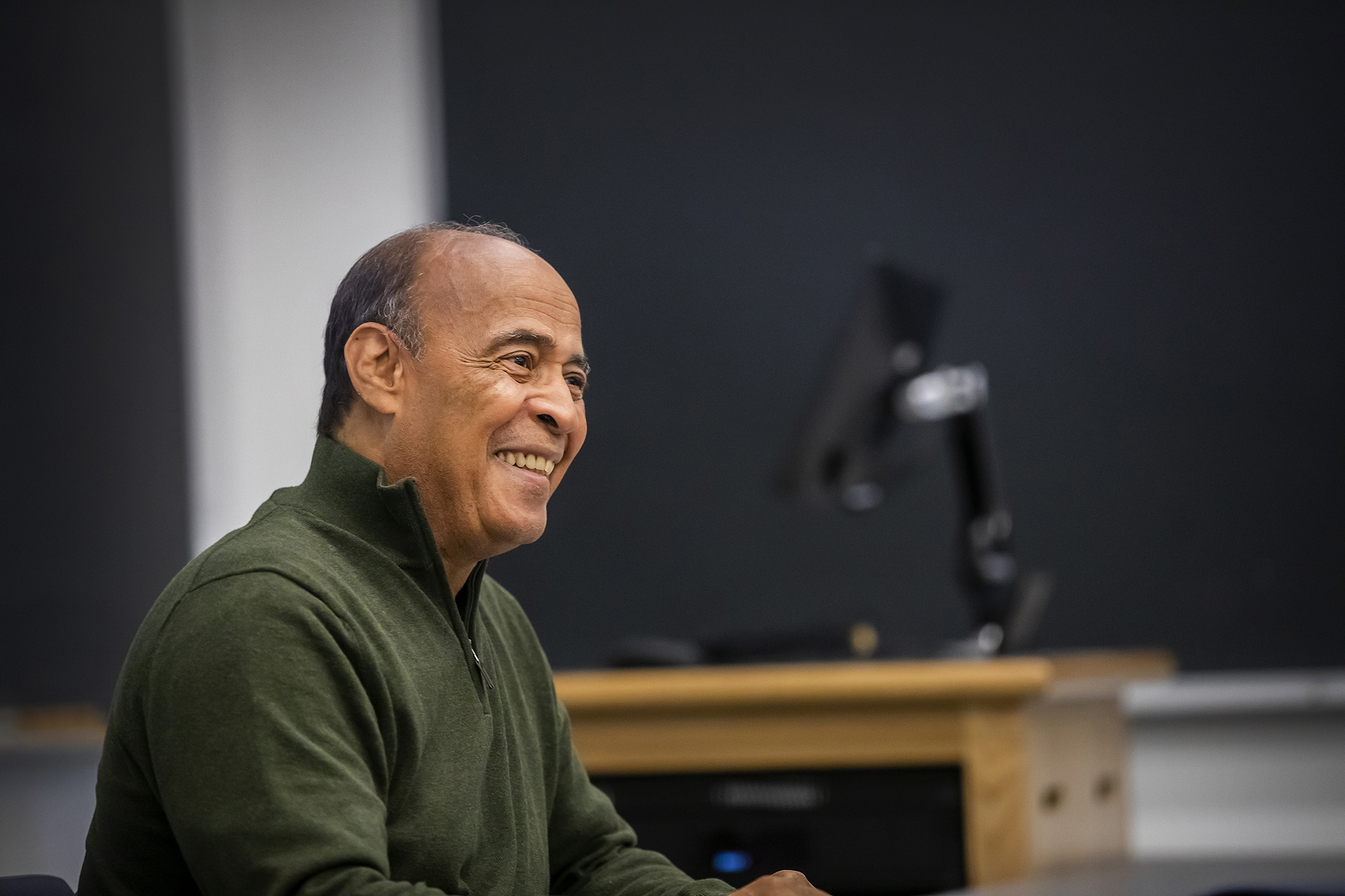
Passing as white occupies a full chapter as Reed explores the making of racial identities. During his teenage years in New Orleans, passant blanc was often accepted in the Black community as a personal choice, not so much a betrayal of the race. Reed remembers that in the city's Seventh Ward, a family of first cousins with the same surname occupied two sides of a duplex house. "The family on one side lived as black; that on the other side lived as white, and they all acknowledged one another."6Reed, 92–93. In his own family, an adult with light skin color occasionally posed as white to get some prized local delicacy or quicker service from an all-white restaurant, or to momentarily avoid a racial indignity.
Some white leaders openly acknowledged what a large number of various skin complexions meant in the real life of a society where a "one-drop rule" about race-mixing was used to demarcate the presumption of racial inferiority. Reed remembers the legendary Huey Long's brother, Earl, observing in 1960 that a single serving of red beans and rice would be enough to feed all the people in south Louisiana who were truly white (without any mixed ancestry). Alabama's two-term populist governor, James "Big Jim" Folsom, said as much in 1962, after noting the presence of a large number of light-skinned African Americans in his audience. "There's a whole lot of integratin' goin' on at night" in the state's Black Belt, he declared.7Carl Grafton and Anne Permaloff, Big Mules & Branchheads: James E. Folsom and Political Power in Alabama (Athens: University of Georgia Press, 1985), 68.
In concluding his chapter on "The Obsolescence of 'Passing,'" Reed remembers he came to understand at the New Orleans Jazz and Heritage Festival during the 1990s how much the vagaries of race and identity had changed with the end of Jim Crow, especially for young middle class people whose status allowed them to mingle as one at such shared events. "People who may have identified as Cubans and Hondurans, South Asians, Italian (largely Sicilian) Americans, Isleños from the Canary Islands, and other nominal whites formed a physically and behaviorally indistinguishable blur with whoever may have been (Black) Creoles."8Reed, 103.
Throughout The South, Reed investigates continuities and changes in racism and race relations that took place as he experienced the last phases of Jim Crow and the emergence of a second "New South" in Atlanta. His recollections end around 2017 as New Orleans begins removing its most prominent Confederate statues at a time when he was often in the city due to the illness and death of his mother. As if paying tribute to his mother's generation, Reed writes a full-throated analytic attack on the mythology and symbols of the Lost Cause, ripping apart their defenders' rationale for honoring enslavers who undertook a "criminal insurrection."9Reed, 123.
Reed is quick to warn that dwelling on the modern defenders of the erstwhile slave society (touting "heritage not hate") or lingering on "explicit racial hierarchies that defined Jim Crow era" should not replace a "deep examination of the discrete processes that ground and reproduce inequality in the present."10 Reed, 110. The segregationist system of white supremacy not only was more complex and opaque than popularly portrayed today but also was not "merely about white supremacy for its own sake," Reed writes. "It was the instrument of a specific order of political and economic power that was clearly racial but that most fundamentally stabilized and reinforced the dominance of powerful political and economic interests."11Reed, 137. In other words, because "the core of the Jim Crow order was a class system," Reed insists that "a simple racism/antiracism framework isn't adequate for making sense of the segregation era . . . or challenging the forms of inequality and injustice that persist."12 Reed, 140.
This part of Reed's book is not surprising for those who know his career. As a scholar and activist who spent most of his professional life teaching and writing about race and political thought in the United States, Reed has uplifted the importance of class in understanding the dynamics of racial disparities and for dismantling structures of inequality and exploitation. However, most of his remembered experiences with Jim Crow in this book do not directly support his enduring thesis. His argument about the central role of class in The South serves as a coda to his fifty years in advancing the working class as a subject of academic study and political agenda more than a conclusion revealed from the book's remembrances.
In some respects, Reed didn't need to make a case for the importance of class in the life of the South's Jim Crow. It had been done before by himself and others, some of whom he cites in his concluding chapter. One source he did not reference but surely knows is Dr. Martin Luther King, Jr. On March 25, 1965, at the end of the Selma-to-Montgomery march, King delivered a powerful address to the nation—one overshadowed in popular culture by his 1963 Lincoln Memorial "I Have a Dream" speech. In front of the first capitol of the Confederacy, King delivered a speech that included a popular history lesson.
Citing C. Vann Woodward's The Strange Career of Jim Crow, King told the crowd that "the segregation of the races was really a political stratagem" of the South's elite "to keep the southern masses divided and southern labor the cheapest in the land. You see," he explained, "it was a simple thing to keep the poor white masses working for near-starvation wages in the years that followed the Civil War."
King recalled the South's Populist movement when its leaders "began awakening the poor white masses and the former Negro slaves to the fact that they were being fleeced" and "began uniting the Negro and white masses into a voting bloc that threatened" to dislodge elite white control of the South's political power. "To meet this threat, the southern aristocracy began immediately to engineer this development of a segregated society" that became "the roots of racism and the denial of the right to vote," King told thousands who had marched with him for voting rights. "Through their control of mass media, they revised the doctrine of white supremacy. They saturated the thinking of the poor white masses with it." They established segregated laws often making it "a crime for Negroes and whites to come together as equals at any level. And that did it . . ."
"If it may be said of the slavery era," King proclaimed, "that the white man took the world and gave the Negro Jesus, then it may be said … that the southern aristocracy took the world and gave the poor white man Jim Crow."13"Address at the Conclusion of the Selma to Montgomery March," March 25, 1965, The Martin Luther King Jr. Research and Education Institute, Stanford University, Audio, 29:21, https://www.learnoutloud.com/Free-Audio-Video/History/American-History/How-Long-Not-Long/90591.
In remembering the Jim Crow he experienced, Adolph Reed has added nuance and insight to understanding the segregated South as it came to a formal end. In this book and others, Reed has placed himself in the company of southerners who came before him, scholars and activists alike, who devoted their life's work to the search for strategies and means to build a necessary interracial coalition to make democracy work in the nation—and to finally entomb Jim Crow with no chance for an afterlife. 
About the Author
An adjunct with Emory University's Institute for the Liberal Arts, Steve Suitts is the author of Hugo Black of Alabama: How His Roots and Early Career Shaped the Great Champion of the Constitution (Montgomery, AL: NewSouth Books, 2017). Earlier in his career, Suitts served as the executive director of the Southern Regional Council, vice president of the Southern Education Foundation, and executive producer and writer of "Will the Circle Be Unbroken," a thirteen-hour public radio series that received a Peabody Award for its history of the civil rights movement in five Deep South cities.
]]>Preface

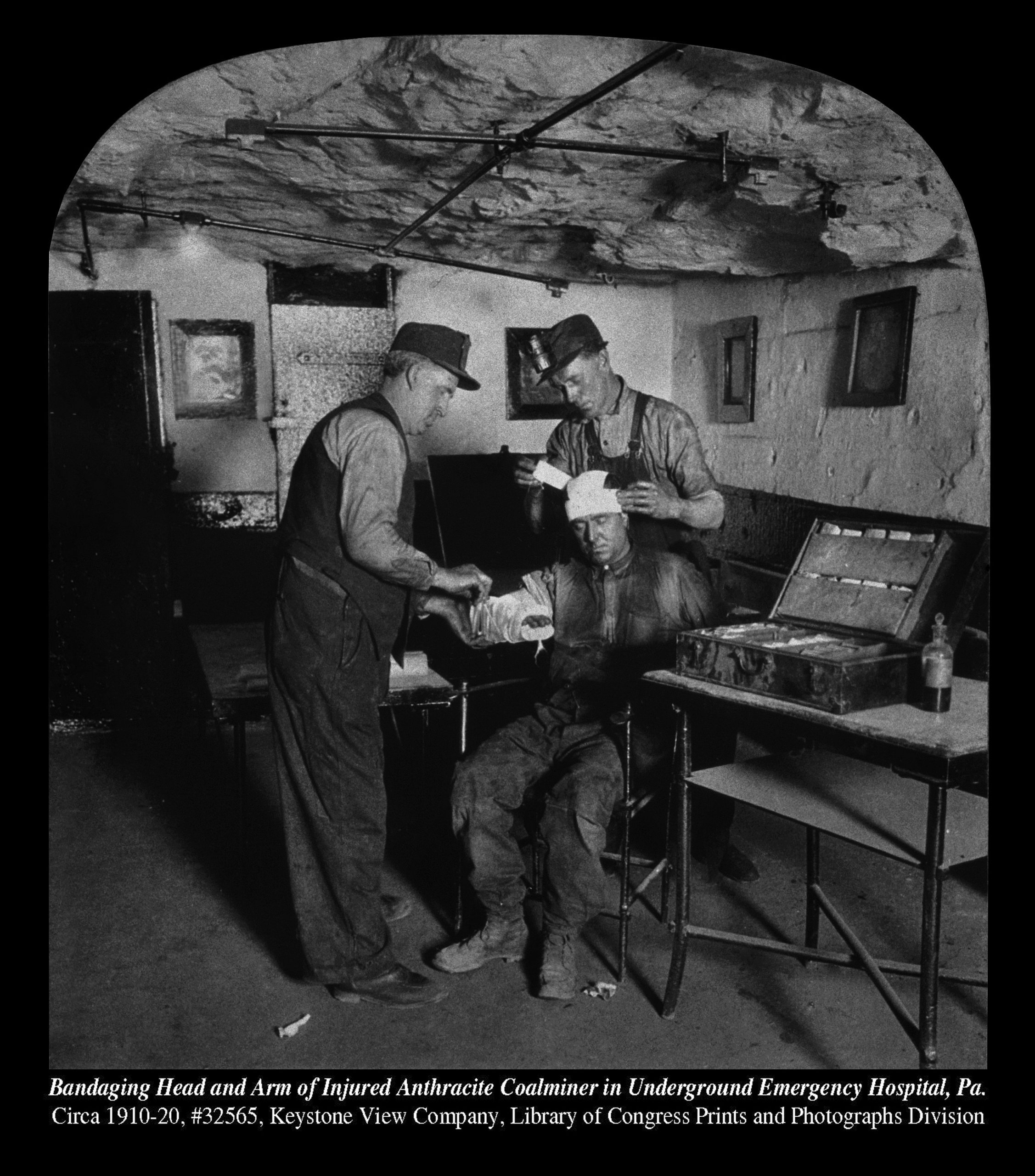
Digging Our Own Graves, first published in 1987, concluded with an ominous prediction: "Black lung disease awaits the younger generation of coal miners who are now at work underground." Would that I had been wrong! Today, not only do coal miners still suffer from this lethal but preventable lung disease, they do so at younger ages, some even in their thirties, and they are contracting the most advanced form of black lung at the highest rates ever recorded. More than fifty years after the US Coal Mine Health and Safety Act of 1969 imposed a respirable dust standard on the coal industry, designed to prevent black lung, why do such carnage and suffering persist? This updated version of the original book seeks answers to that question.
My own introduction to black lung began in the winter of 1971–1972, when I came to West Virginia to work for the Black Lung Association. I was barely twenty years old. Extraordinary political transformations were in the making: coal miners, miners' wives, and widows were challenging powerful institutions that had once commanded their acquiescence—the hierarchy of the United Mine Workers, the coal operators' association, county political machines, and the Social Security Administration.1The language of "miners' wives and widows" implies that all miners are male. However, since at the least the 1970s, women have worked in the mines, including underground, albeit in small numbers. I use the language of "wives and widows" because most black lung activists use this language in their organizing and their discussion of black lung compensation (e.g., "widows' claims"). For a young college student from the Midwest, these developments in the mountains of West Virginia beckoned with a romantic excitement. Besides, the mountains were my ancestral homeplace; now I could return to them, not on a summer vacation in the backseat of the family car, but on my own.
Working with the older coal miners and impatient young organizers who made up the Black Lung Association at that time was a formative political experience for me. Coming from a long line of southern subsistence farmers and circuit-riding preachers, I was instilled with a righteous, if vague, sense of populism that made me eager to join the struggles of "working people." But neither my political heritage nor my exposure to campus radicals prepared me for what I found in the coalfields of West Virginia: above all, the stark boundaries and clear perceptions of class antagonism. Virtually every coal miner over the age of sixty-five proudly claimed to have "fought in the battle of Blair Mountain with a machine gun" in 1921 to bring the union into southern West Virginia. They were up against the combined forces of coal company guards, the state police, county sheriffs and their deputies, aerial bombers, and, ultimately, the US Army. I was dumbfounded.
Fortunately, it didn't occur to me to write about any of these experiences until my age and the changing times helped to deepen my understanding of what they might mean. In 1978, more than six years after I had first worked for the Black Lung Association, I began the research for a dissertation on the black lung movement. The political atmosphere was altogether different. A reform movement in the United Mine Workers of America (UMWA) had arisen, succeeded in a special election for leadership of the union, then disintegrated; the black lung movement had seemingly disappeared; and a storm of reaction was sweeping the Appalachian coalfields. The setbacks were frightening, but they made possible a more sober and critical perspective on the earlier period of upheaval.
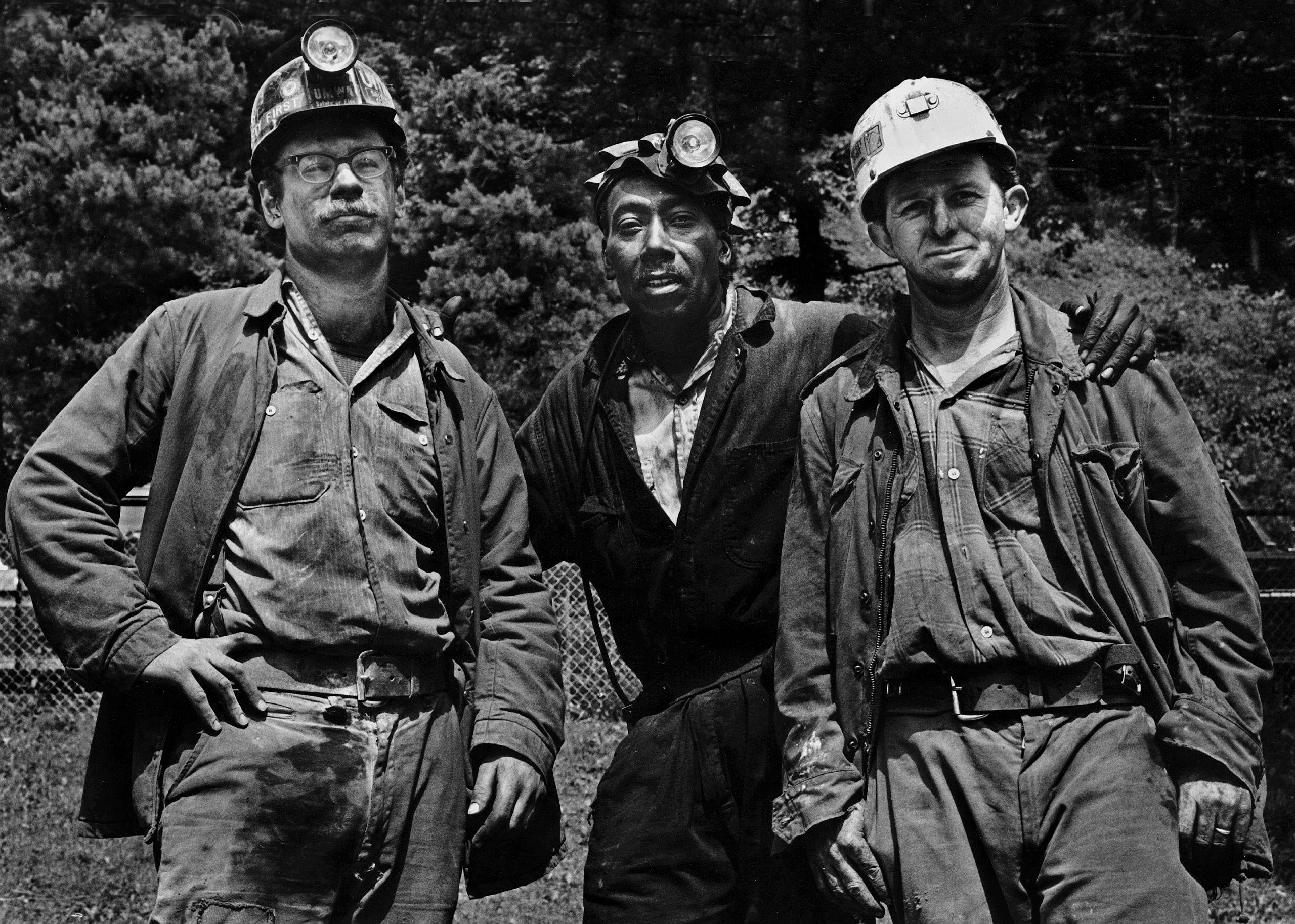
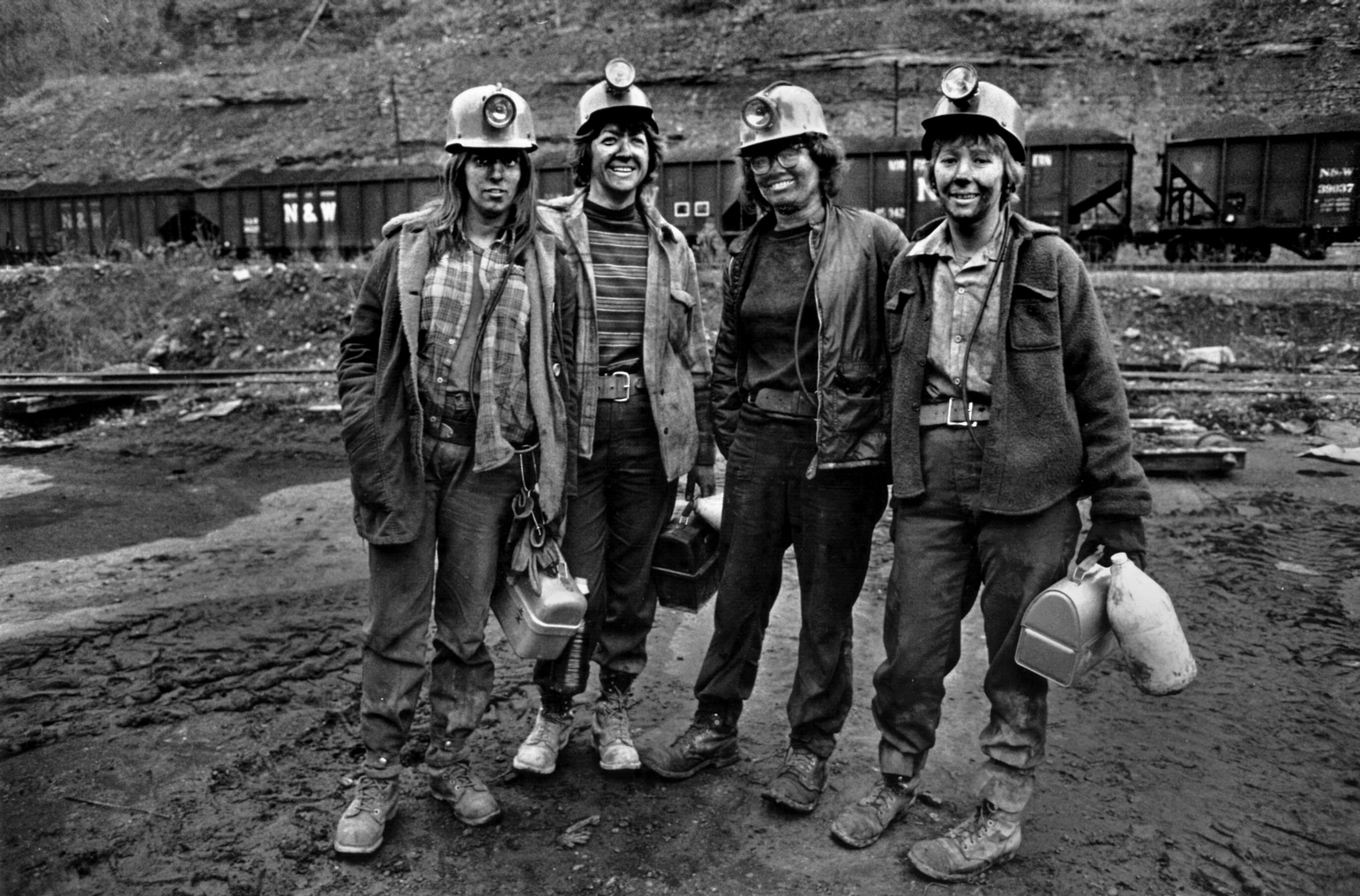
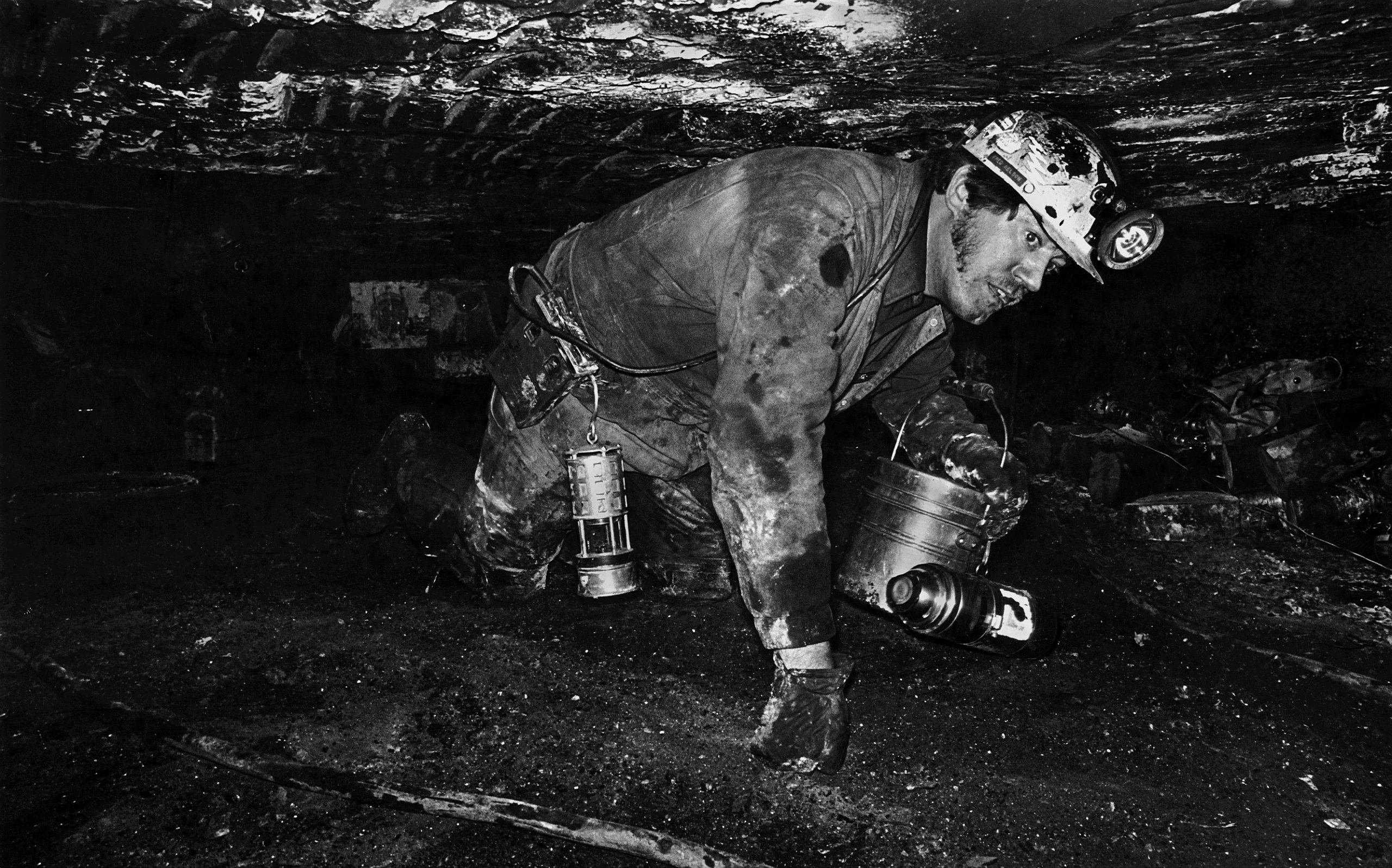
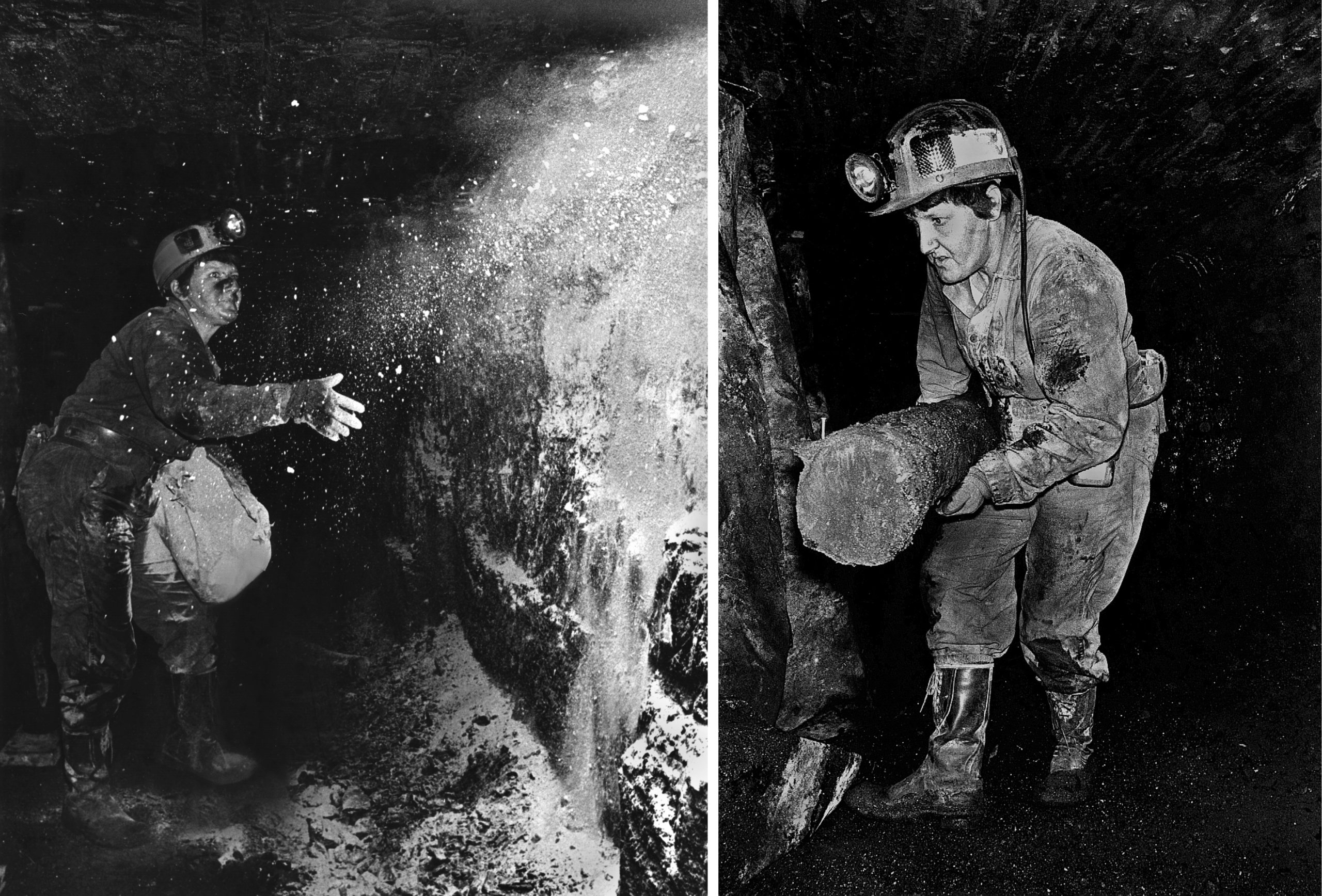
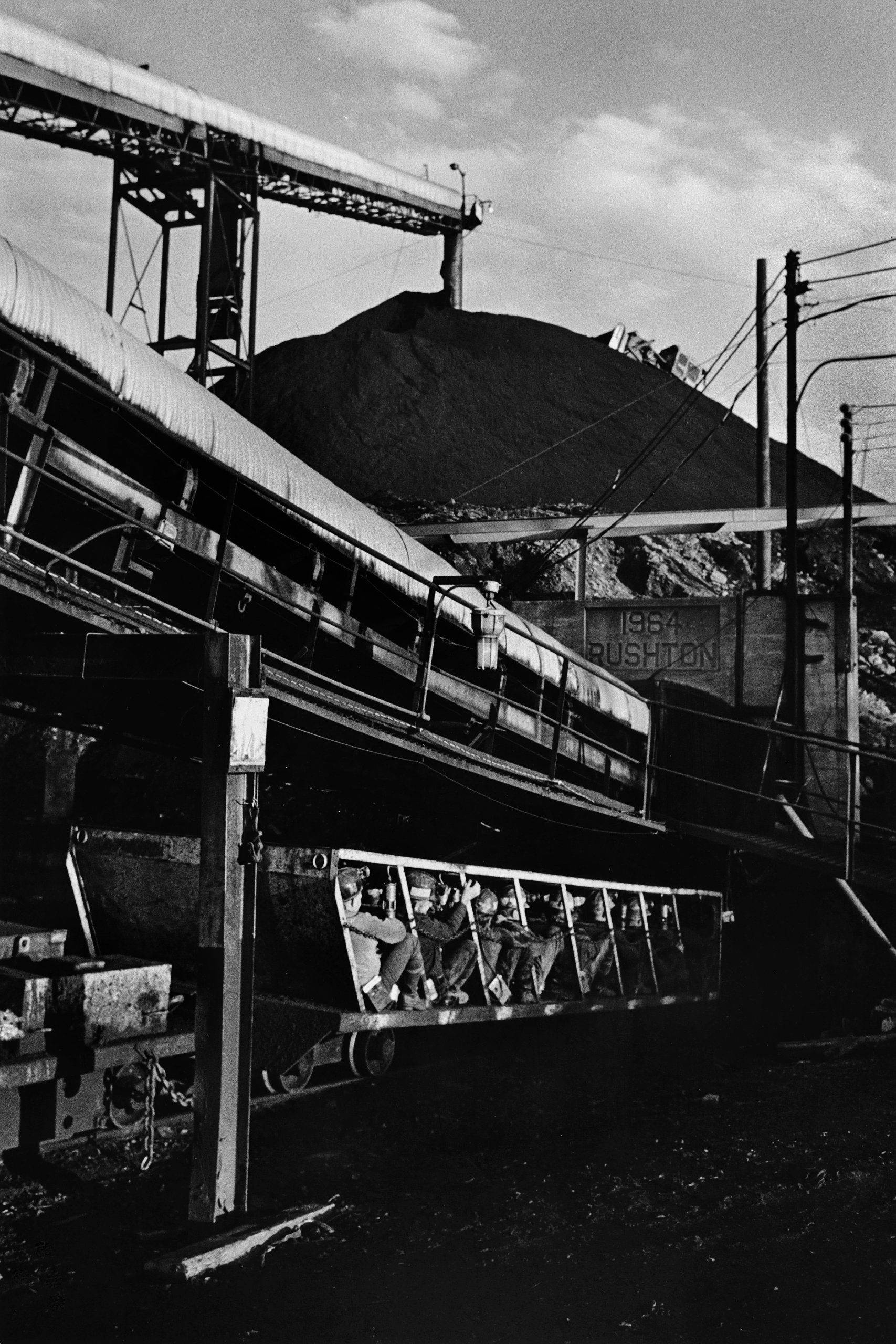
I began this book as a labor history, asking obvious questions that seemed most important at the time: Why did the movement end this way? What did it accomplish? How did it fail? Who or what was to blame? As I dug deeper into the history of the black lung movement, however, these apparently clear-cut questions about victories and defeats began to seem ambiguous, even misleading. The assessment of whether the movement had succeeded or failed depended a great deal on whose goals were used as the standard of measurement—and goals varied considerably among different participants. Moreover, what the larger political culture defined as the movement's greatest accomplishments often turned out to be mainly symbolic; they represented the visible outcomes of formal processes of reform (the passage of legislation, for example), but in and of themselves did not necessarily signify substantial and lasting change. The simplicity of my original questions faded as the labels of victory and defeat, success and failure, appeared more and more ephemeral. The central analytical problems increasingly seemed to involve the maddening complexity of social change itself, which prevented any person or group from controlling the course or outcomes of this movement.
As I delved further into the reforms sought and controversies engendered by the black lung movement, it became apparent that the movement was more than an important episode of labor resistance. At issue in the struggles over black lung, which have reemerged today, is not only how to prevent the disease or compensate those affected by it but also the very definition of black lung. Frequently, the most ideologically powerful opponents that miners have faced in their successive surges of activism are not coal operators or conservative politicians but physicians. At the center of the black lung controversy has been a profound power struggle between miners and physicians over who will control the definition of this disease.2See Daniel M. Fox and Judith F. Stone, "Black Lung: Miners' Militancy and Medical Uncertainty, 1968–1972," Bulletin of the History of Medicine 54, no. 1 (1980): 43–63, for an early framing of the black lung struggle as between miners and physicians over the definition of disease. Their emphasis on medical uncertainty differs from the analysis in my own article, which came out during the same time period: Barbara Ellen Smith, "Black Lung: The Social Production of Disease," International Journal of Health Services 11, no. 3 (1981): 343–359.
As a result of these and other shifts in emphasis, this book is a hybrid. It draws on diverse theoretical traditions in order to analyze not only the organization and development of the black lung movement, but also the history and conflict that underlie the brutal fact of coal miners' diseased bodies. Beginning with how and why black lung originates in the workplace, this book also explores the medical history of the disease and the conflicting meanings that miners and certain physicians, lawyers, and government administrators invest in black lung.
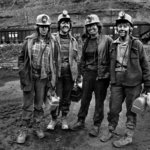
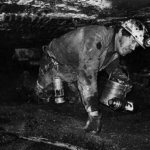
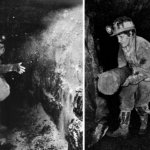
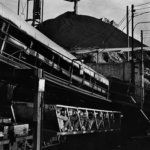
After moving away to a self-imposed exile some twenty-five years ago, I live once again in West Virginia. Contrasts with the 1970s heyday of working-class activism are evident throughout the rural landscape of abandoned gas stations, rusted coal tipples, and boarded-up union halls. The differences are personal as well: when I interviewed black lung activists in the 1970s, I was the age of their daughters and granddaughters; today, I am eligible for Medicare. As I conducted additional interviews in 2019, mostly with retired coal miners close to my age, their bodies as well as their words spoke the story of black lung disease and the physical toll of hard-labor jobs. Conditioned as a white woman to thinking of my embodiment primarily in terms of gender, I was struck again and again by how the privileges of class have shielded me from harm and become subsumed into my body. This updated and revised book, which includes two new chapters and a moving, evocative photo gallery by Earl Dotter, thus entails not only additional research into medical, legal, and economic materials relevant to black lung, but also historical reckonings both political and personal.
Today, as I write this preface, the power relations that miners experience on the job are dangerously asymmetrical, and their outcomes grim. Coal miners in southern West Virginia, once the stronghold of the UMWA in central Appalachia, where those who crossed a picket line invited ostracism if not assault, now work nonunion. Coal companies, facing shrinking domestic markets and in many instances bankruptcy, force workers, coal communities, and American taxpayers to bear the costs of their decline. Black lung can only be fully understood as part of this historical moment, when resistance, remarkably, persists. Digging Our Own Graves analyzes the dreadful resurgence of black lung within the long history of efforts to legitimate this disease and make it visible, prevent black lung in the workplaces where it is produced, and extend dignity and a measure of justice to those for whom prevention comes too late.
Conclusion: Class Power, Scientific Authority, and State Regulation
Nearly two centuries have passed since Dr. James Gregory opened up the lifeless body of John Hogg and hypothesized a connection between the miner's blackened lungs, his respiratory disability in later life, his occupation, and his death. For a time, physicians in Britain and the United States continued to investigate the relationship between occupational exposures and miners' respiratory distress. Toward the end of the nineteenth century, however, during a period of tight corporate control in the Appalachian coalfields and an increasingly restrictive scientific understanding of disease, black lung began to disappear from the medical literature of both countries. In the United States, coal miners eventually precipitated renewed medical attention to black lung by winning a union-controlled health care plan for themselves and their families. Even so, coal workers' pneumoconiosis—much less the broader ensemble of illnesses called black lung—was not accepted as a legitimate, occupationally related disease by the medical profession as a whole.3Journalistic and some scientific accounts equate coal workers' pneumoconiosis (CWP) with black lung. However, an essential component of the black lung movement was miners' and their families' struggle to broaden the definition, beyond CWP, of miners' disabling, occupationally related lung disease. Research by physicians and other scientists familiar with and sympathetic to miners and their health has validated this broader definition. See, for example, Edward L. Petsonk, Cecile Rose, and Robert Cohen, "Coal Mine Dust Lung Disease: New Lessons from an Old Exposure," American Journal of Respiratory and Critical Care Medicine 187, no. 11 (2013): 1178–85. Formal recognition required collective political intervention by coal miners themselves.
Even as social and economic factors have impinged on the medical construction of black lung, so have they shaped the actual production of disease. Black lung originates not simply from the physical presence of dust in coal mines, but from the relative power and respective actions of miners and operators, which influence conditions in the workplace. Miners' eventual success in unionization enhanced their collective power in the workplace, but, depending on UMWA leaders' priorities, unionism at times paradoxically undermined miners' capacity to make that workplace healthy and safe. In the years after World War II, the pact between larger operators and the UMWA produced unimpeded mechanization of the production process, high levels of unemployment, forced migration, and occupational death and disability from black lung. However, that industrial collaboration also produced massive rank-and-file upheaval and a successful effort to reform the union. In the present moment, union weakness and miners' lack of bargaining leverage in the workplace, combined with certain operators' endgame maneuvers to extract coal from thinner seams even while pressing for high levels of labor productivity, once again intensify the extent and severity of the disease.
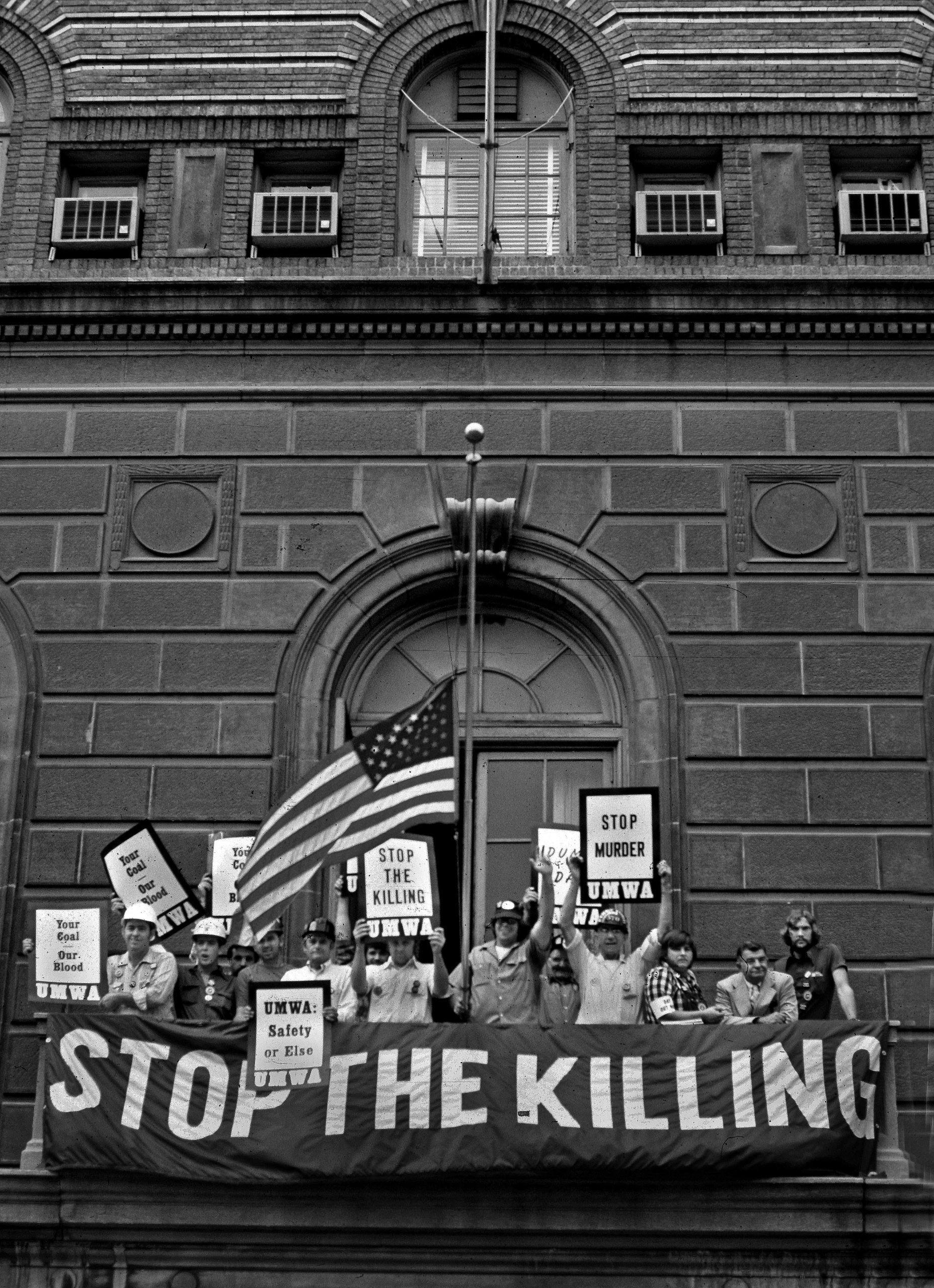
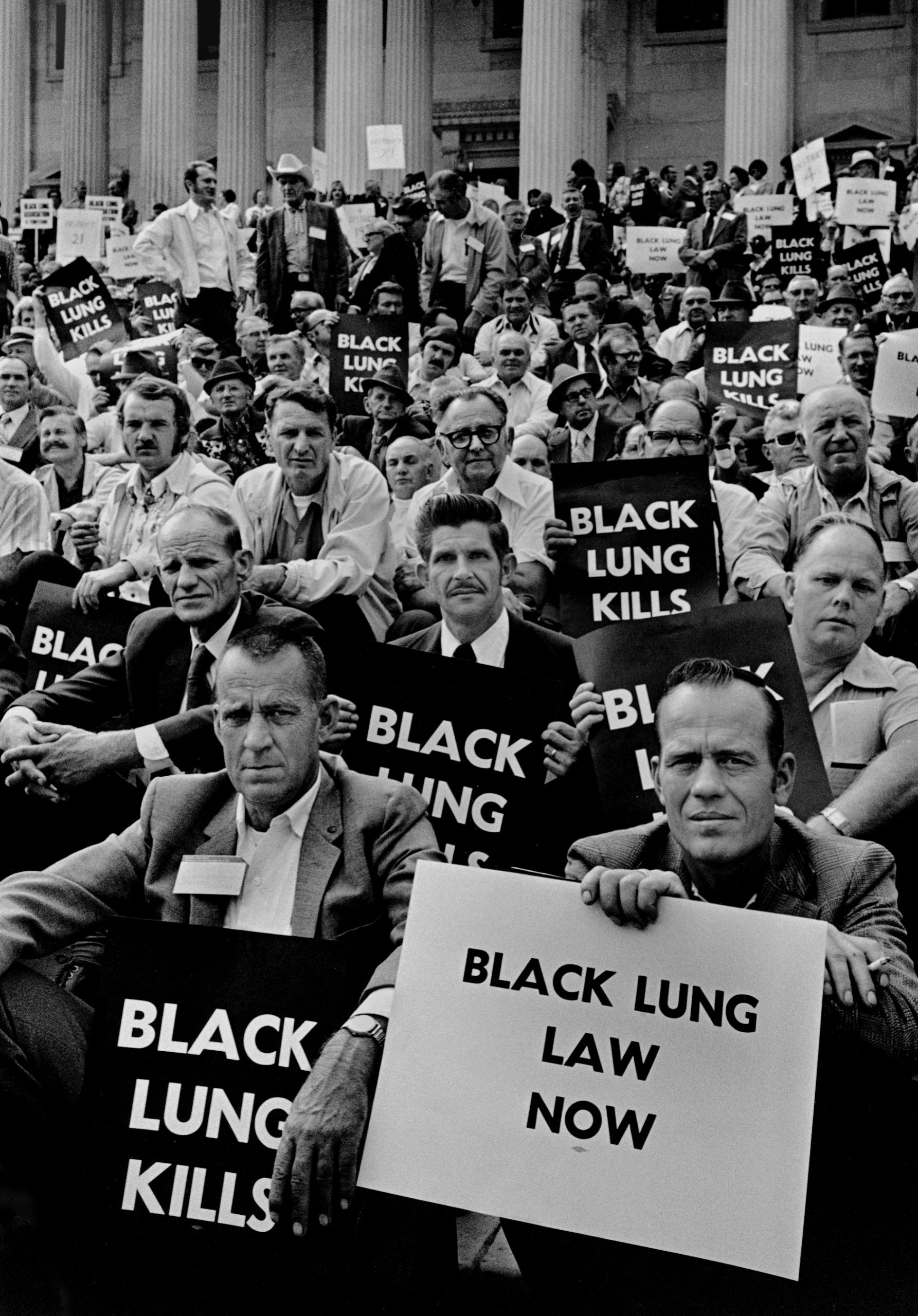
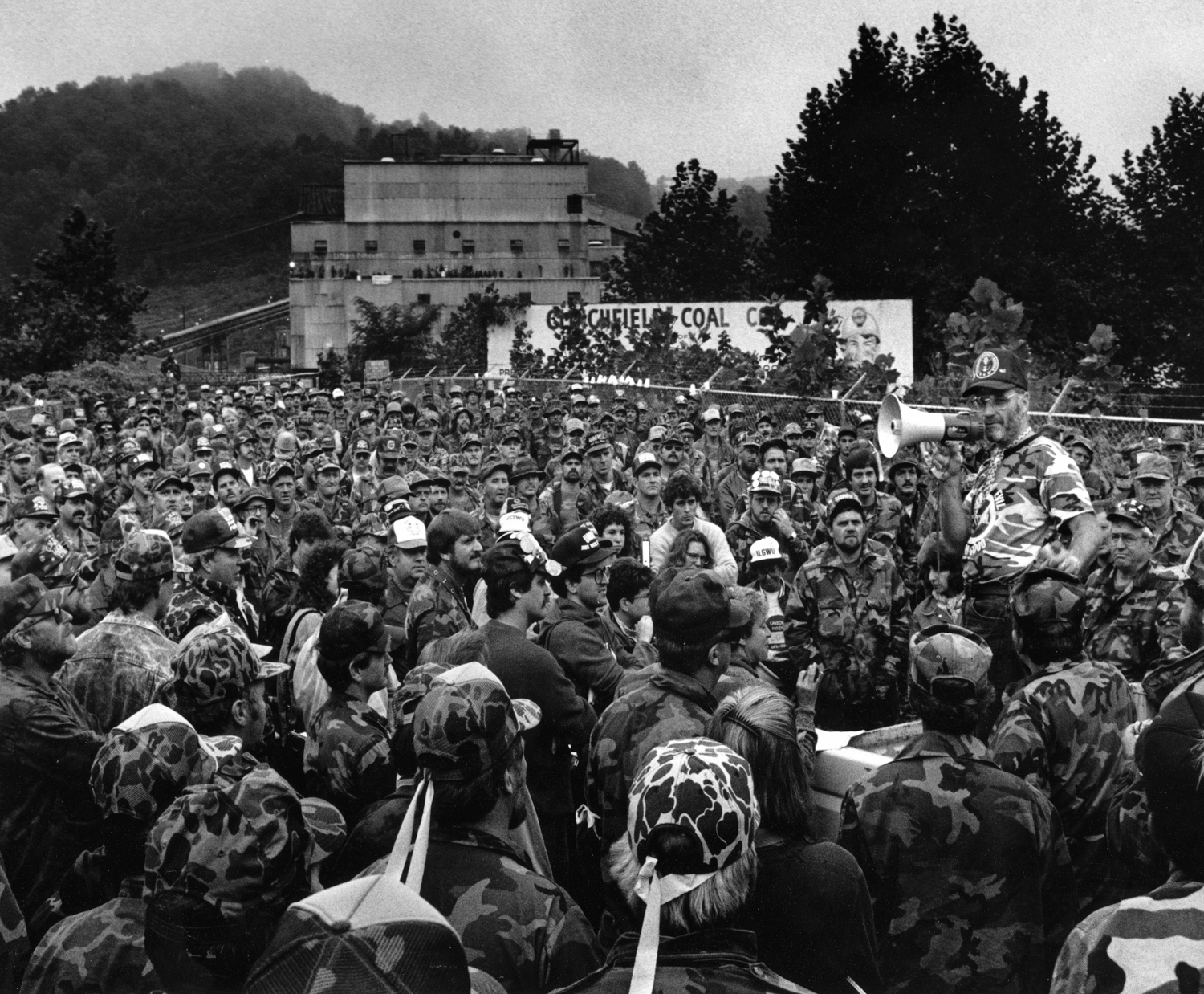
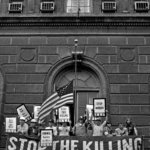
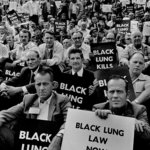
The virulence of black lung today—fifty years after it was supposedly destined for elimination—does not diminish what coal miners, their families, and their allies accomplished in the past. Rather, it attests to the enduring realities of labor exploitation that the black lung movement episodically managed to contest. For its constituents, the movement achieved a unique and unprecedented federal compensation program. Approximately half a million miners and widows have received compensation under the federal black lung program; especially for those ineligible for a pension or other benefits, the monthly payments can mean the difference between destitution and modest survival.4This estimate of the number of black lung beneficiaries is extrapolated from data on the number of claims filed each year, changing approval rates, the annual total cost of claims, and, for some years, reports from the administering federal agency. See, for example, Social Security Administration, Annual Statistical Supplement to the Social Security Bulletin, 2016 (Washington, DC, 2017), Table 9. Beneficiaries who are miners and those who are widows, added together, do not equal the total number of miners judged disabled by black lung, as a widow may receive her husband's benefits after his death. Further, the number of beneficiaries is reported each year as a rolling total, and thus cannot be summed. The coronavirus interrupted my efforts to obtain more precise data. As of December 2018, an individual beneficiary is entitled to receive $660/month, which increases up to a maximum of $1,320 for those with three or more dependents. US Department of Labor, Division of Coal Mine Workers' Compensation, "Benefit Rates Under Part C, 1973–2018," accessed August 16, 2019, https://www.dol.gov/owcp/dcmwc/statistics/PastPartCBenefitRates.htm. The respirable dust standard and other disease prevention measures in the US Coal Mine Health and Safety Act of 1969 are also attributable to the black lung movement. As one element in a larger upheaval throughout the coalfields, the movement contributed as well to the rank-and-file takeover of the United Mine Workers of America and renewal of union leaders' critical attention to occupational safety and health.
Originally and essentially, however, the black lung movement was a struggle over the recognition and, more implicitly, causation of an occupational disease. What seemed at first a straightforward task— achieving legal inclusion of a "new" dust disease under the workers' compensation system—turned out to be a far more complex undertaking. Miners and other activists learned early on that "black lung," as refracted through the lens of scientific medicine, was quite different from the disease for which they sought recognition, compensation, and prevention. In a struggle that has lasted more than fifty years, activists have persistently challenged physicians, lawyers, and policymakers over the meaning of this disease; at different times, they have been able to replace the restrictive scientific construction of a rarely disabling coal workers' pneumoconiosis with their own definition of "black lung." Although focused on arcane disputes over diagnostic methods, disability standards, legal presumptions, and other issues, this conflict over the definition and causation of black lung is intensely political: it involves the ideological content of medicine's view of disease, including the technical perspective that narrows causation to the inhalation of dust, and the powerful role of physicians in labeling work-related disability as legitimate. On the outcome of such conflict rests financial liability for the coal industry that potentially ranges into billions of dollars. The legacy of black lung activism thus entails unsettling questions about the relationship between scientific and technical knowledge, state regulation, and the exercise of class power.
It should be stressed at the outset that not all physicians subscribe to a narrow or purely technical understanding of black lung: recall the role of three doctors (Buff, Rasmussen, and Wells) in the first black lung mobilization during 1968 to 1969 in West Virginia. Dr. Donald Rasmussen continued to work with and advocate for coal miner patients out of his pulmonary lab in Beckley, West Virginia, for five decades, up until his death in 2015.5Sam Roberts, "Dr. Donald L. Rasmussen, Crusader for Miners' Health, Dies at 87," New York Times, August 2, 2015, accessed September 29, 2019, https://www.nytimes.com/2015/08/03/health/research/dr-donald-l-rasmussen-crusader-for-coal-miners-health-dies-at-87.html. Rasmussen's mantle now falls on Dr. Robert Cohen, a pulmonologist who directs the occupational lung disease unit at Northwestern University and frequently testifies before Congress on miners' behalf.6Dr. Cohen testified during the hearings on black lung, "Breathless and Betrayed." See "What is MHSA Doing to Protect Miners from the Resurgence of Black Lung Disease?" YouTube video, 2:58:39, June 20, 2019, House Committee on Education and Labor, https://www.youtube.com/watch?v=sJUDcTf0a_g. Other physicians in the coalfields, such as Drs. Gregory Wagner and Brandon Crum, have devoted much of their professional lives to caring for coal miners with lung disease. After practicing medicine at a clinic on Cabin Creek (West Virginia), Wagner eventually came to direct Respiratory Disease Studies at NIOSH when that agency issued the criteria document that legitimated a broad definition of black lung, inclusive of COPD (chronic obstructive pulmonary disease), and recommended much lower limits on miners' exposure to coal dust and silica.7NIOSH, Criteria for a Recommended Standard: Occupational Exposure to Respirable Coal Mine Dust, publication no. 95–106 (Washington, DC: US Government Printing Office, 1995), xxii, https:// www.cdc.gov/niosh/docs/95-106/default.html. Crum, a radiologist—and, not coincidentally, former coal miner—was first to sound the alarm over black lung's escalating severity, which in 2014 he began detecting among his patients in eastern Kentucky. Four years later, the coal-industry-beholden state legislature responded by disqualifying him from reading X-rays for miners' workers' compensation claims.8Austyn Gaffney, "As Black Lung Strikes Younger Coal Miners, Kentucky Restricts Medical Benefits," NRDC, September 24, 2018, accessed September 29, 2018, https://www.nrdc.org/stories/black-lung-strikes-younger-coal-miners-kentucky-restricts-medical-benefits.
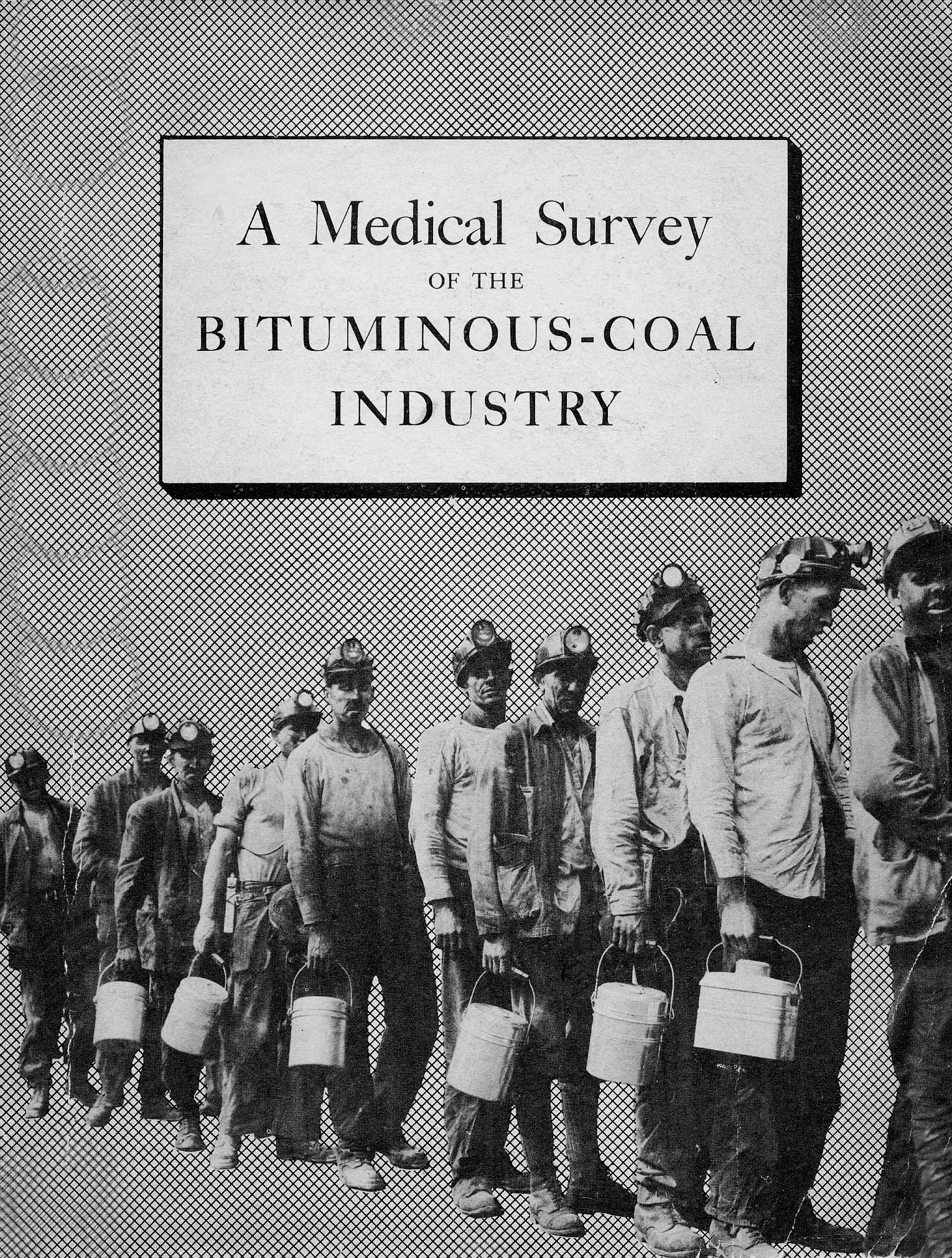
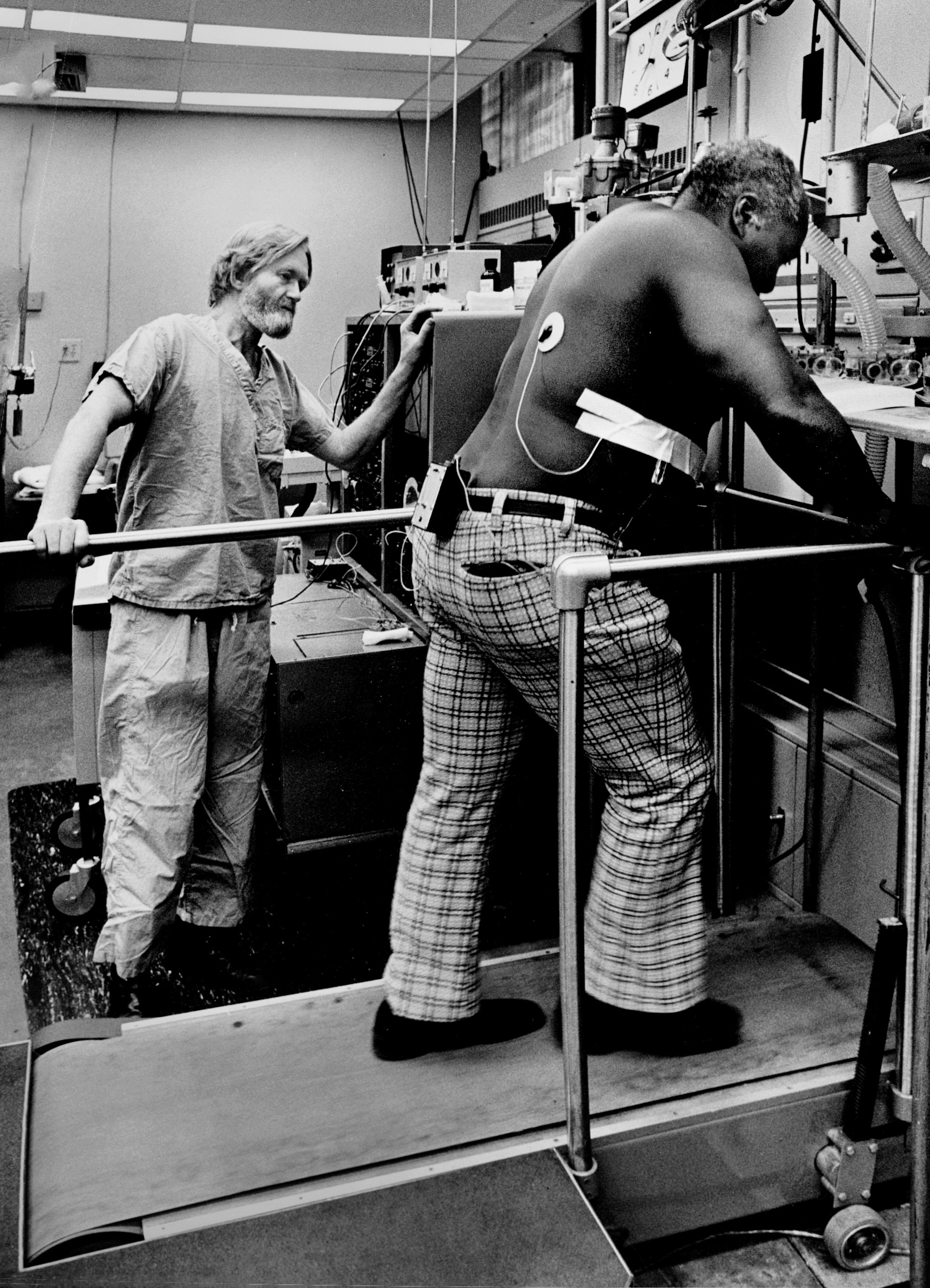


Apart from such individual physicians' political and medical predispositions, however, there remain epistemological tendencies within scientific medicine that militate against the understanding of disease advanced by black lung activists.9This summary of miners' perspectives on the origins of black lung and the role of physicians in advocating a restrictive view of work-related, compensable disease is based on the author's interviews and observations in southern West Virginia at different moments during the past five decades. Within the restrictive medical viewpoint that requires conclusive, scientific proof of occupational causation, black lung is in fact coal workers' pneumoconiosis, a single clinical entity, disabling only in advanced and, even today, relatively rare stages. The disease acquires legitimacy—indeed, effectively comes into existence—only when visible to trained personnel viewing objective diagnostic evidence, that is, X-rays, of an individual miner's lungs. The thousands of miners who believe themselves disabled by black lung yet exhibit no X-ray evidence of advanced CWP might legitimately be considered "disabled"—if the quantitative results of certain tests confirm such a condition. However, the origin of their disability is nonoccupational, above all their own cigarette smoking, or, if nonsmokers, other sources outside the workplace. Although this scientific definition of disease is quite different from physicians' earlier construction of a benign "miners' asthma," the result, in the eyes of many victims, is the same: black lung is trivialized. What many miners view as a collective problem becomes, from the perspective of scientific medicine, individual, quantifiable cases. What they experience as part of the shared social world of coal mining becomes occasional, biological events. What they attribute to their class relationship with the coal operators becomes the product of a single physical agent, dust. In sum, what is collective becomes individual, what is social becomes biological, what is produced by human action becomes the outcome of inert material.
Certain tendencies intrinsic to clinical medical practice are also at stake in the seemingly incommensurable perspectives of miners and certain physicians. Scientific medicine situates disease spatially, within the individual body, and temporally, at the point when signs, symptoms, or other physical alterations develop. Disease is ahistorical as well as asocial; it has no history except a "natural," that is, physical, history. It is said to exist when experienced by the individual and diagnosed by the physician, not at the point when it is being produced. The possibilities for prevention are thus constrained within the very definition of disease.10Howard S. Berliner and J. Warren Salmon, "The Holistic Health Movement and Scientific Medicine: The Naked and the Dead," Socialist Review 9, no. 1 (January–February 1979): 31–52.
Clinical medicine reflects this understanding of disease on a practical level: individual patients present the physician with their distinctive symptoms and complaints; they appear as random, disconnected "cases," and they are granted therapeutic treatment as individuals. There is no social meaning to disease in the sense of an internal relationship between social relations and the individual experience of ill health; primarily individual behaviors, such as diet, exercise, and smoking habits, command attention. Yet, in quantifying disability and allocating it to occupational or nonoccupational sources, physicians implicitly assess the conditions in which miners have lived and worked all their lives. That most physicians have never been in a coal mine (much less worked in one), and that some have never even been in the coalfields, serves to intensify the conflict between physicians and coal miners, who experience the superior legitimacy automatically granted scientific medical knowledge as a complex and powerful form of social control.
The authority of physicians to pronounce miners "healthy" or "disabled" carries important financial consequences. In the context of federal black lung compensation, doctors' assessments of coal miners' health can be decisive in the award or denial of financial benefits that are allocated in large part according to medical eligibility criteria. Doctors act as gatekeepers in a more generic sense as well: they control access to the "sick role," the sole avenue by which adults may legitimately escape the daily responsibilities of their class, race, and gender.11See Talcott Parsons, The Social System (New York: Free Press, 1951). Parsons's conceptualization of the sick role was neither class nor historically specific. For coal miners, as for other workers, the preeminent requirement of their class position is to perform wage labor. Medical criteria for assessing disability (and determining compensation eligibility) that take as the standard for health the functional capacity to work explicitly enforce this requirement. Even if damaged by work, coal miners still must provide medically sanctioned evidence of their "total disability"—i.e., complete inability to continue working—in order to receive financial compensation and legitimate relief from wage labor. In pushing against the limits of this compensation policy, miners and their families implicitly contest not only the ideological authority of physicians to define disease and assess disability; they ultimately threaten the economic power of coal operators by pressing for a broad definition of black lung and relaxed standard of disability that would provide unhealthy miners an alternative to labor in the mines.
This convergence between the restrictive scientific view of black lung and the economic interests of the coal industry is, for many miners and their families, an ultimate source of distrust and conflict with physicians. The narrow definition of disabling black lung as a relatively rare, complicated pneumoconiosis is highly functional to the industry: it circumscribes the scope of occupational lung disease and correspondingly diminishes both the cost of compensation benefits and the importance of prevention. In the context of policy formation, scientific medicine plays a mediating role between the interests of the coal industry and the actions of the state. It facilitates apparent distance between corporate power and public policy, and seems to ground political decision-making in the neutral, technical knowledge of a third party.
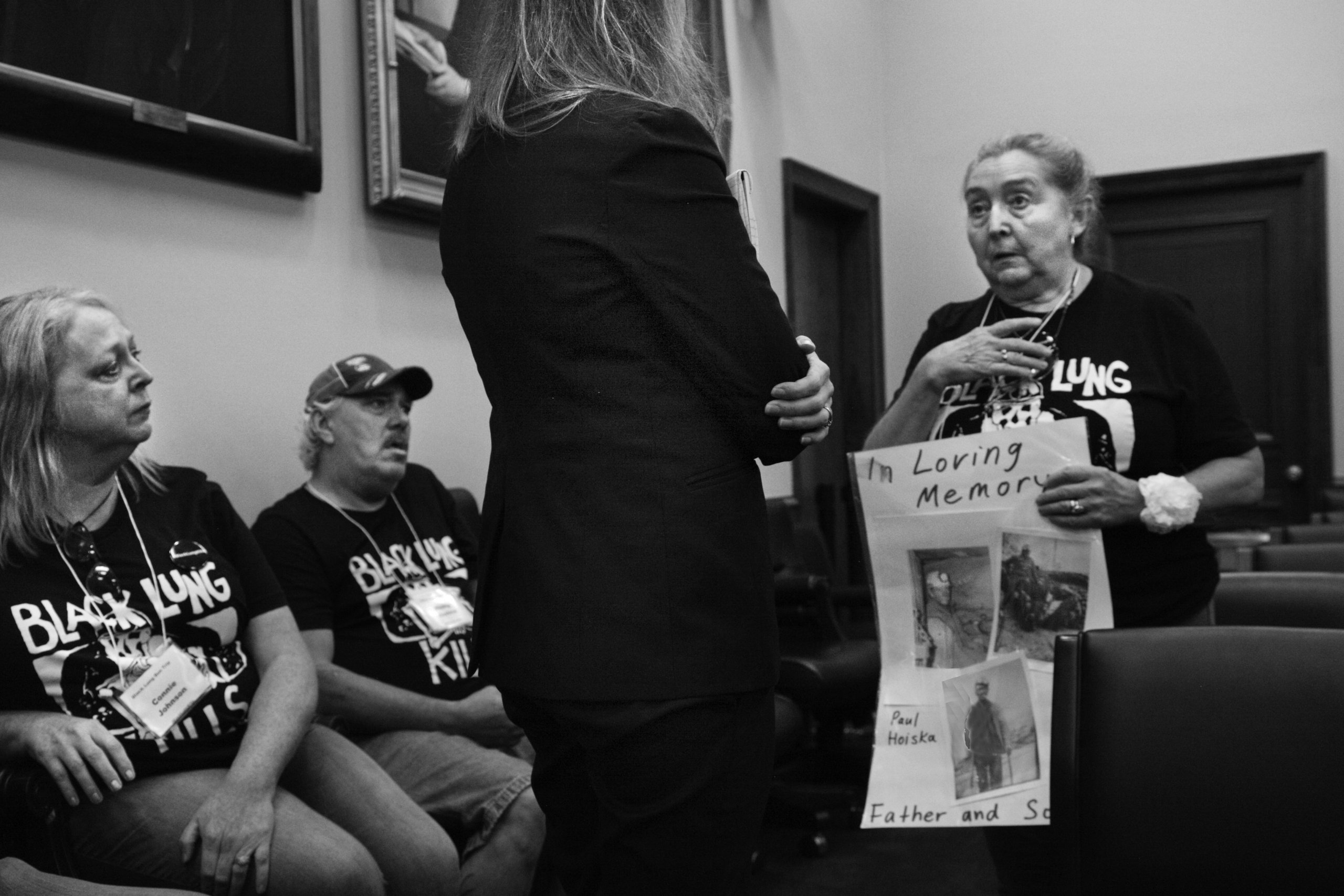
The lessons of the protracted struggle over black lung disease encompass both caution and inspiration, loss and hope. In an era of science denialism, when defense of factual truths and scientific knowledge seems obviously necessary, the case of black lung still stands as a warning about the presumed neutrality and appropriate scope of scientific and technical solutions: beware of technical fixes for problems that ultimately derive from economic exploitation and grossly unequal political power. Activists' original quest for redress through the workers' compensation system offers a related caution: the sprawling administrative machinery of the state, which presents the customary, sanctioned route for institutionalizing reform, entails embedded interests that can thwart activists' aims even as it seems to grant their demands. Finally, the long history of black lung suggests that effective prevention of occupational disease, injury, and death ultimately resides in the ever-changing power relations of the workplace and workers' collective, organized capacity to defend themselves. For these and many other reasons, victories are never secure, achieved once and for all; they must be defended, expanded, critiqued, and revised, as black lung activists have doggedly done for some five decades now.
Today, the industry that for more than a century has defined central Appalachia is dying. Those who would chart a post-coal future must grapple with the industry's legacy of incalculable human and environmental destruction, but they would do well to learn from the additional legacy of coal mining families' solidarity and resistance. Ever since the first investors laid claim to the coal of Appalachia, the people of this region have been revolting in various forms against the appropriation of their land, their labor, and even their lives. Those who fought in the black lung movement are both heirs and contributors to this long history of resistance. Today, many miners pay the cost of coal production in the currency of their very breath, but they also continue to resist. Danny Whitt: "We don't never give up. You know when I'll stop? When the last breath leaves my body."12Author's interview with Danny Whitt, Matewan, WV, September 4, 2019.
About the Author
Barbara Ellen Smith is professor emerita of women's and gender studies in the Department of Sociology at Virginia Tech. She has been active in and writing about movements for social and economic justice in Appalachia and the US South for more than 45 years. Her recent publications include a co-edited book with Stephen L. Fisher, Transforming Places: Lessons from Appalachia (University of Illinois, 2012) and Digging Our Own Graves: Coal Miners and the Struggle over Black Lung Disease (Haymarket Books, 2020).
]]>Blog Post
The activism of Appalachian women who took up the fight for justice in the 1960s and 1970s pulsed outward from a core ethic of care. Caregiving animated their understanding of politics and activism and infused their movements.1Berenice Fisher and Joan C. Tronto, "Toward a Feminist Theory of Caring" in Circles of Care: Work and Identity in Women's Lives, eds. Emily Abel and Margaret K. Nelson (Albany: State University of New York Press, 1990), 40. Historically, Appalachian women had tended to the broken bodies of miners and industrial workers, mourned the dead, raised children, and negotiated a subsistence economy. They did so not because women are inherently more nurturing than men but because culture, society, and law carved out these positions. Most caregivers do not become activists. The merging of an ethic of care with democratic struggle provided a powerful argument that caring is central to the fight for justice, fairness, rights, and democracy. Women drew upon their experiences in shaping movements for labor and welfare rights, environmental justice, access to healthcare, and women's rights.
In the last thirty years, working-class caregivers have faced a US political economy ever more hostile to their needs and concerns and increasingly demanding of their time and energy. Although overall poverty has decreased since the 1960s, many locations in the Appalachian South, like rural and working-class communities across the nation, have experienced the rise of extreme economic inequality, and a growing divide between rural and metropolitan residents.2See Ronald D. Eller, Uneven Ground: Appalachia since 1945 (Lexington: University Press of Kentucky, 2008), 232–233. In the Appalachian coalfields, the last decades of the twentieth century ushered in the final and most precipitous decline of that industry. Although mine owners and operators had long exploited workers, mining was for many years the best paying work around. When those jobs disappeared, no other industry filled the gap and more people entered the low-wage service economy, surviving with little in the way of workplace benefits or economic security.
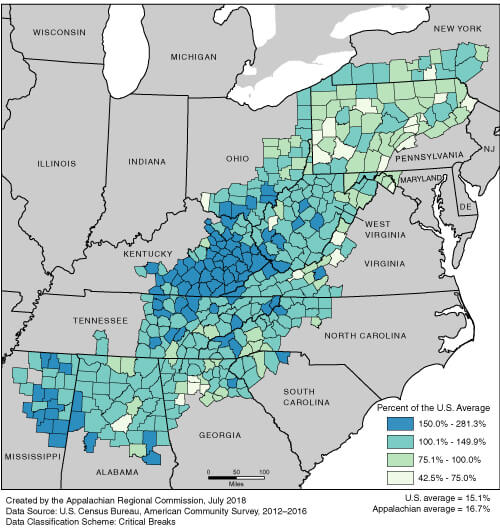
Relative Poverty Rates in Appalachia, 2012–2016 (County Rates as a Percentage of the US Average), July 2018. Map by the Appalachian Regional Commission. Courtesy of the Appalachian Regional Commission.
The loss of mining jobs and the transition to a global market and service economy paralleled the unraveling of the social safety net. In the 1990s, the bipartisan dismantling of Aid to Families with Dependent Children left poor families, and in particular women, on shaky ground and delivered a severe blow to decades of activism to guarantee welfare rights.3Deborah Thorne, Ann Tickamyer, and Mark Thorne, "Poverty and Income in Appalachia," Journal of Appalachian Studies 10, no. 3 (2004): 341–357. See also Debra A. Henderson and Ann R. Tickamyer, "Lost in Appalachia: The Unexpected Impact of Welfare Reform on Older Women in Rural Communities," Journal of Sociology and Social Welfare 35, no. 3 (2008): 153–171. Health clinics, legal aid services, and local organizations—the legacies of 1960s activism—stood as the only buffers in a political economy increasingly hostile to poor and working people.
In the popular imagination, "Appalachia" functions as shorthand for a white working class—coded as male industrial workers. For months before and after the 2016 election, journalists reported on various Trump Countries, as they were dubbed—Appalachian communities supposedly serving as ground zero for understanding working-class support for a billionaire who claimed to care about the "forgotten people" of America. This signposting allowed for an evasion of any deep analysis of racism or growing economic disparity, generations in the making and never contained to one region.4Roger Cohen, "We Need 'Somebody Spectacular': Views from Trump Country," The New York Times, September 9, 2016, accessed March 8, 2017, https://www.nytimes.com/2016/09/11/opinion/sunday/we-need-somebody-spectacular-views-from-trump-country.html; John Saward, "Welcome to Trump County, USA," Vanity Fair, February 24, 2016, accessed March 8, 2017, http://www.vanityfair.com/news/2016/02/donald-trump-supporters-west-virginia; Larissa MacFarquhar, "In the Heart of Trump Country," The New Yorker, October 10, 2016, accessed March 8, 2017, http://www.newyorker.com/magazine/2016/10/10/in-the-heart-of-trump-country. For a full list and analysis of this coverage see Elizabeth Catte, "There is No Neutral There: Appalachia as Mythic 'Trump Country,'" October 16, 2016, https://elizabethcatte.com/2016/10/16/appalachia-as-trump-country/.
Such portraits rely on exhausted tropes that erase the voices and experiences of working-class women, a multi-racial and -ethnic group, from history while wiping from historical memory the progressive activism long central to Appalachia's history. Such a narrative ignores the experiences of the vast majority of the region's workers (many of them women) who are not employed in heavy industry, but in the work of caring: health care support, education, and social services.
Conceptions of "workers" that exclude and marginalize caregiving, or cast Appalachia as an isolated, out-of-step place, have little chance of generating the kind of diverse, hopeful coalitional work that emerged in the late 1960s and 1970s.
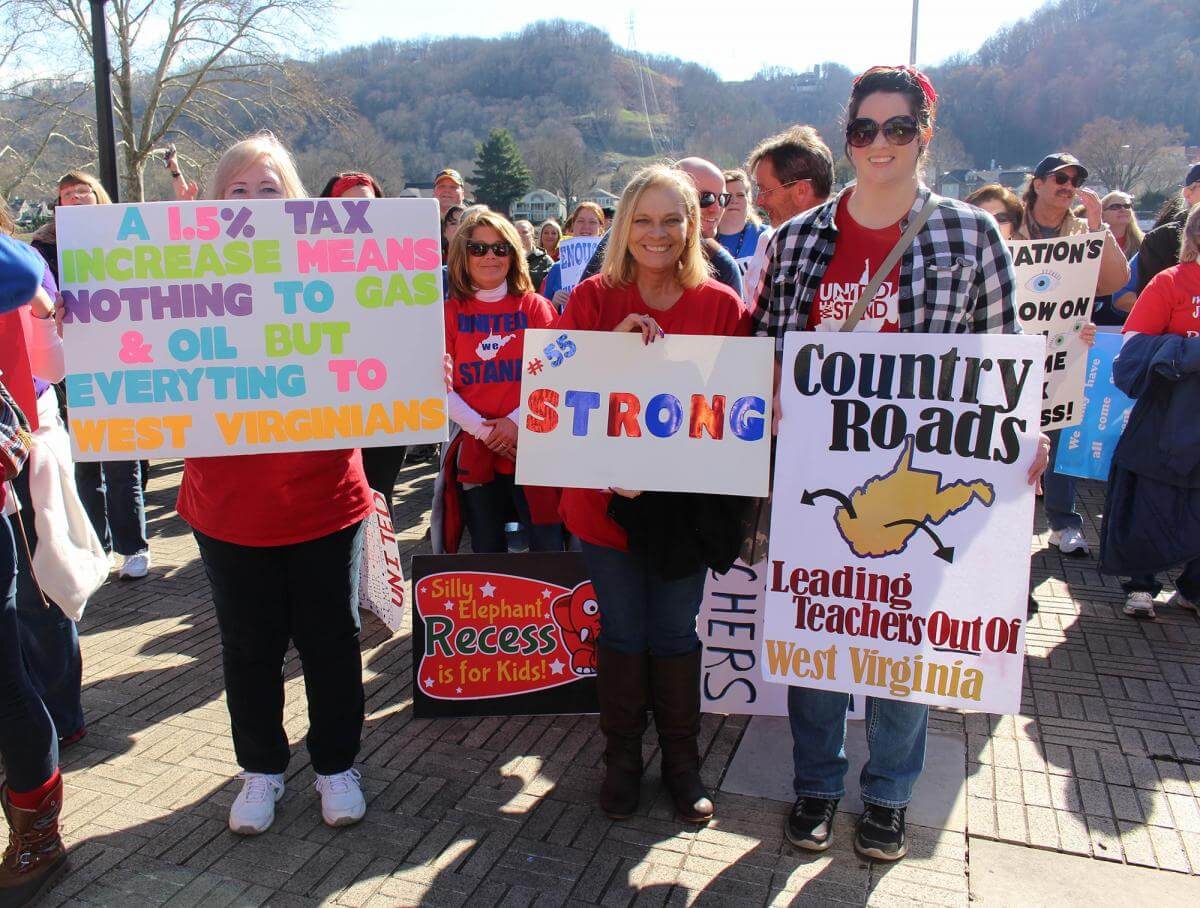
Women activists in Appalachia and their allies—civil rights activists, lawyers, doctors, union organizers, feminists, and students—worked for what they believed was possible: the common good in their communities, region, and nation. Their most potent tool was the knowledge that they carried from a lifetime of tending to families, surviving tragedies, bearing witness to the disasters of unregulated capitalism, advocating for their communities, and taking stands for fairness and justice. Their stories are tools for the present, charting a path to a society that centers and values life-sustaining labor.
About the Author
Jessica Wilkerson is assistant professor of history and southern studies at the University of Mississippi.
]]>Review
In the aftermath of the Great Recession, cities and metropolitan regions were often portrayed as (and often were) spaces of economic turmoil and social upheaval. From December 2007 to June 2009, “more than eight million Americans lost their jobs, nearly four million were foreclosed each year, and 2.5 million businesses were shuttered.”1Diane Whitmore Schanzenbach, “The Great Recession: Over but not Gone?” Northwestern Institute for Policy Research, accessed October 23, 2017. http://www.ipr.northwestern.edu/about/news/2014/IPR-research-Great-Recession-unemployment-foreclosures-safety-net-fertility-public-opinion.html. Foreclosures and underwater mortgages decimated real estate markets from Los Angeles to Orlando. Housing starts evaporated. Underfunded and overburdened state governments cracked under the pressure generated by millions of newly unemployed workers, many in cities and suburbs. Businesses contracted or closed and municipal governments faced layoffs and cut programs because of declining tax revenues.
In Austin, Texas, though, growth had rarely been stronger or more dynamic. Its population grew by 30 percent from 2000 to 2013—when it became the fastest growing city in the United States. Popular publications lauded its economic resiliency; Forbes and Time named it the top city for small business and economic growth in 2011. In 2012, Austin experienced a 6.3 percent growth in its economy, easily the best among the 102 largest US markets. The city’s success became a model others sought to emulate. Eliot Tretter, quoting Andrew Park, observes in the opening pages of Shadows of a Sunbelt City that “everywhere you look, cities big and small are trying to get in touch with their inner Austin" (2).
Yet as Tretter forcefully argues, the sunny portrayals of Austin’s economy, cultural vibrancy, creativity, environmental progressivism, and overall quality of life obscure the race and class discrimination below the surface that is closely tied to the city’s history and contemporary landscape. Understanding structural dimensions of this discrimination is paramount to creating cities where resources are shared more equitably. Austin, imagined as a liberal anomaly in a state long defined by conservativism, is quite similar to other more conservative cities throughout the US South in terms of its urban planning, elites’ desire for economic growth and political power, and race relations.2See for example, Joe Feagin, Free Enterprise City: Houston in Political Economic Perspective (Camden, NJ: Rutgers University Press, 1988); Christopher Silver, Twentieth Century Richmond: Planning, Politics, and Race (Knoxville: University of Tennessee Press, 1984); Christopher MacGregor Scribner, Renewing Birmingham: Federal Funding and the Promise of Change, 1929–1979 (Athens: University of Georgia Press, 2002); Kevin M. Kruse, White Flight: Atlanta and the Making of Modern Conservatism (Princeton, NJ: Princeton University Press, 2005); David R. Goldfield, Race, Region, and Cities: Interpreting the Urban South (Baton Rouge: Louisiana State University, 1997).
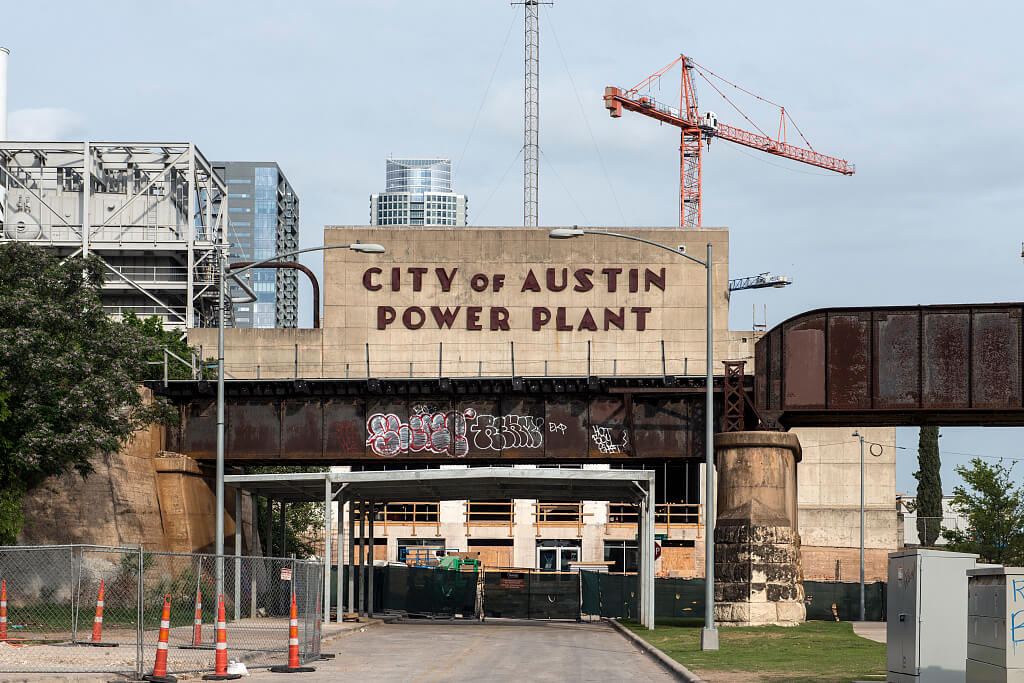
But Austin stands out in its approach to growth. The uniqueness of Tretter’s argument lies in the local circumstances that elites used to transform Austin from a midsized university and state government town to an emergent global hotspot of technology, sustainability, and cultural production. While the city benefited from a migration of people and capital, its leading sectors of development differentiated it from cities of neighboring states. The University of Texas was key because it generated and fostered a knowledge economy that, combined with the state government, allowed elites to pursue a path for growth that eschewed heavy industry. As national and global priorities began to trumpet high technology in the 1970s and 1980s, Austin was in a prime position to prosper. Tretter explains this process using David Harvey’s “tertiary circuit of capital,” in which “the growing significance of technological and knowledge-rent seeking” increasingly drives economic growth in the developed world (18).3The primary circuit consists of the primary production process (transforming natural resources into finished products, for example) and the secondary circuit consists of investments in infrastructure that facilitates the production process. The tertiary circuit consists of “social infrastructure,” the increased application of science to production to maximize the productive power of labor. Also see David Harvey, The Limits to Capital (London, UK: Verso, 1999). To Tretter, “cities of knowledge such as Austin, and their growth coalitions, strongly supported by federal policy, succeed because they are able to switch capital into the tertiary circuit and expand infrastructure that supports knowledge-rent taking” (19). Research universities, with their wealth of knowledge labor, scientific infrastructure, and public-supported capital, are central to this process, generating private wealth through patenting, technology transfer, and spinoff companies.4For academic capitalism and the role of the university in generating economic growth, see Margaret Pugh O’Mara, Cities of Knowledge: Cold War Science and the Search for the Next Silicon Valley (Princeton, NJ: Princeton University Press, 2005); Roger L. Geiger, Research and Relevant Knowledge: American Research Universities since World War II (New York: Oxford University Press, 1993); Sheila Slaughter and Larry L. Leslie, Academic Capitalism: Politics, Policy, and the Entrepreneurial University (Baltimore, MD: Johns Hopkins University Press, 1997). In his first chapter, “The Making of a Globalized Austin,” Tretter unpacks this technical argument and relates it to broad changes in global capitalism since the 1970s.
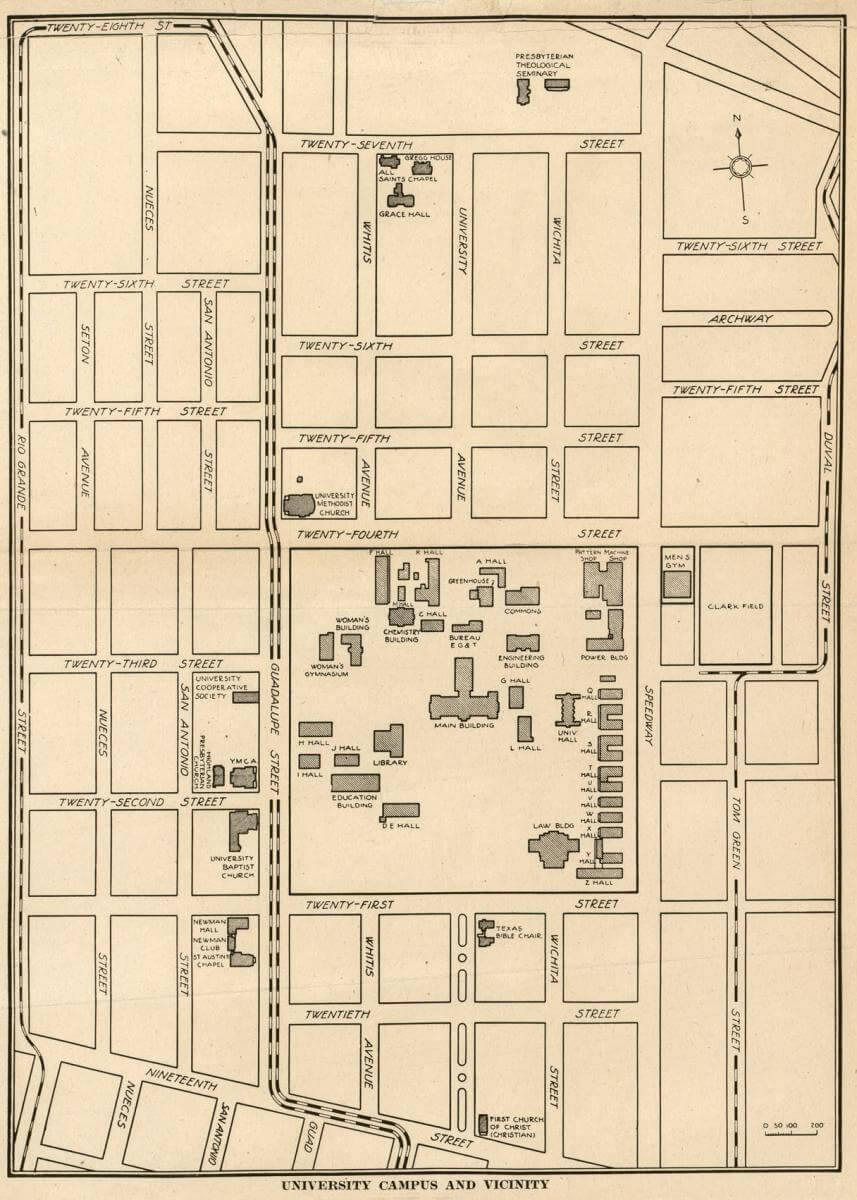
Central to Austin’s growth, the University of Texas has acted as the primary force in transforming the city’s urban space, with consequences that reveal a consistent pattern of historical racial discrimination. Tretter examines the role of the university in developing land and shaping geography to facilitate the type of growth desired by political, economic, and university elites—who were often the same people. He gives a broad account of the university’s expansion efforts during the early and mid-twentieth century, emphasizing the conscious effort to improve its research capacity and capture federal research and development dollars in the 1950s. The university used federal urban renewal funds as well as eminent domain laws to enlarge the campus by roughly a hundred acres. The choice to expand into predominantly African American neighborhoods to the east, rather than the white neighborhoods to the north and west, reveals discrimination most clearly. Tretter argues university administrators employed a “racist theory of value,” which assumes “that African American neighborhoods, households, and bodies were simply less valuable and desirable than those of whites” when deciding which neighborhoods to eviscerate (49). Predictably, the outcome was terrible for the already marginalized African American community. Around a thousand people were displaced, dozens of businesses shuttered, and overall racial segregation was intensified as most African Americans resettled in areas further east heavily populated by African Americans. Tretter’s use of University of Texas archival documents is effective here; he demonstrates the racist and often contradictory logic used by University of Texas administrators to justify dispossession of vulnerable residents.
Tretter pursues a similar theme in the 1970s and 1980s, but expands the scope to include the state of Texas as part of the growth machine. Following Harvey and other critics of neoliberalism, Tretter argues that a new era of competitiveness emerged in the 1980s in which universities, as well as cities and states, became more entrepreneurial in attracting investment and generating revenues.5David Harvey, “From Managerialism to Entrepreneurialism: The Transformation in Urban Governance in Late Capitalism,” Geografiska Annaler B 71.1 (1989): 3–17. Texas, looking to diversify its economy, viewed the university as an entity capable of supporting high levels of industrialization because of its research and development capacity. Federal and state liberalization of patent and technology laws incentivized this “academic capitalism” by making it possible for both researchers and universities to profit from high tech patents and licensing. Universities became more profit-oriented. In an original and important argument, Tretter emphasizes how universities, with their quasi-public status, were also lucrative assets because of their ability to develop land that could provide incentives for outside investment. This strategy paid off when the state, city, and university partnered to attract two major research consortia, Microelectronic and Computer Corporation in 1983 and SEMATECH in 1987, largely by offering university assets: space, labor, capital, and land. Along with other branch facilities and a growing sector related to the defense industry, high tech formed the core of Austin’s growth in the 1980s and established the city as an important technological hub and emergent global city.
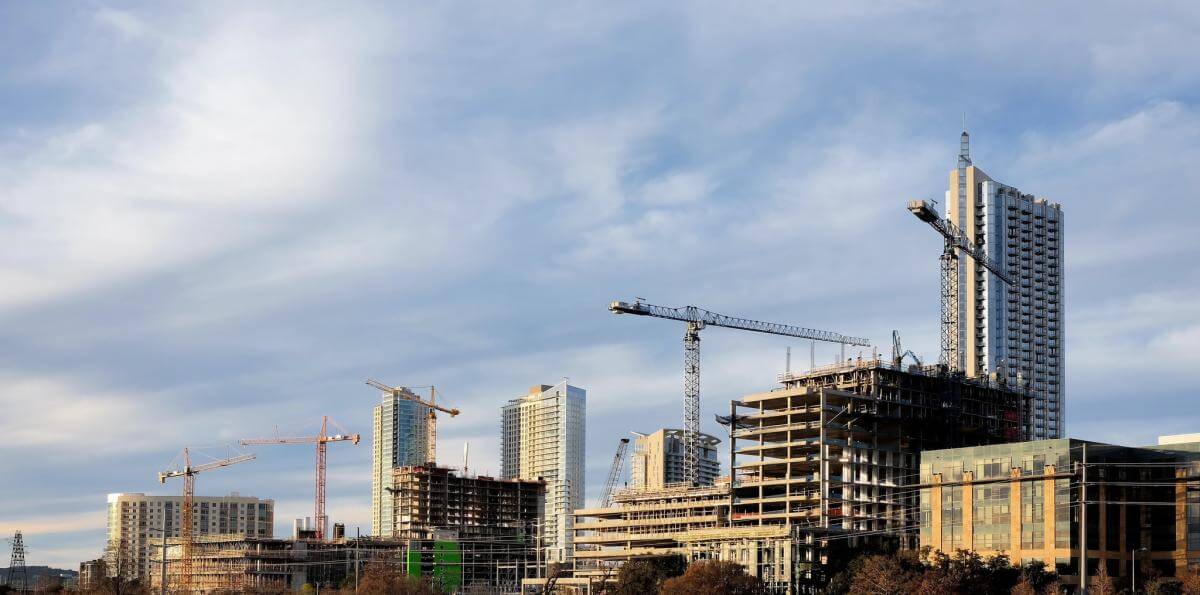
“Urban Transformations,” the second half of Shadows of a Sunbelt City, emphasizes the role of urban planning (particularly Smart Growth and urban sustainability) and its relationship to municipal governance in contemporary Austin. Why did sustainable planning emerge so forcefully here? How did it affect vulnerable residents, homeless people and minorities? Tretter chronicles how sustainability and environmental quality became central to Austin’s growth in the 1990s. After decades of bitter confrontation, the city’s pro-development and anti-development coalitions struck a deal where the city’s pristine western hinterland, long the concern of environmentalists, would be protected from intensive development. In return, environmentalists supported bonds and zoning changes that incentivized development in Austin’s urban core, effectively transferring the city’s geography of development from suburban to urban. The city council adopted Smart Growth policies, which encouraged higher density, environmental protections, and other New Urbanist ideals. These changes, Tretter argues, increased Austin’s competitiveness but necessitated increased policing of the homeless who were seen as impediments to the livability of downtown. Austin’s growth advocates came to understand environmental amenities and quality of life as marketable features that could further their interests.6John R. Logan and Harvey L. Molotch, Urban Fortunes: The Political Economy of Place (Berkeley: University of California Press, 1987).
Tretter assesses the outcomes of sustainability on Austin’s populations of color, concentrating on the chasm between mainstream environmentalists and the Latino environmental justice group People Organized in Defense of Earth and her Resources (PODER). He concludes that minorities bore the burden of sustainability because the growth coalition saw their neighborhoods as potentially lucrative to redevelop but also because PODER couldn’t convince mainstream environmentalists that minority displacement was an environmental concern. Improvement in the lives of vulnerable minorities, writes Tretter, will only be possible through an inclusive redefinition of the “environment.”
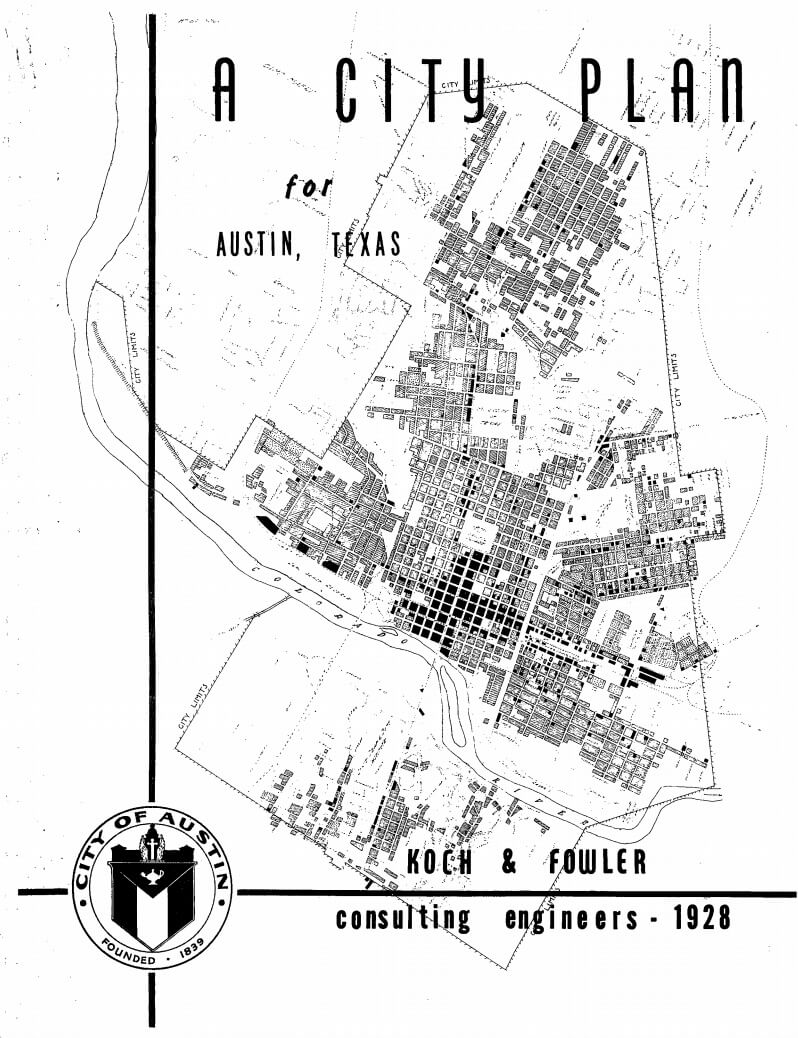
Examining the historical relationship between urban governance and urban planning in Austin, Tretter charts the major changes in the structure of the city’s government (from a ward system to a commission to a city manager system from 1900 to 1924, and the adoption of at-large voting) and correlates them with large-scale urban planning initiatives (e.g., the 1928 Austin City Plan). He follows this line of inquiry through to the present, with business elites still the leading actors in urban planning.
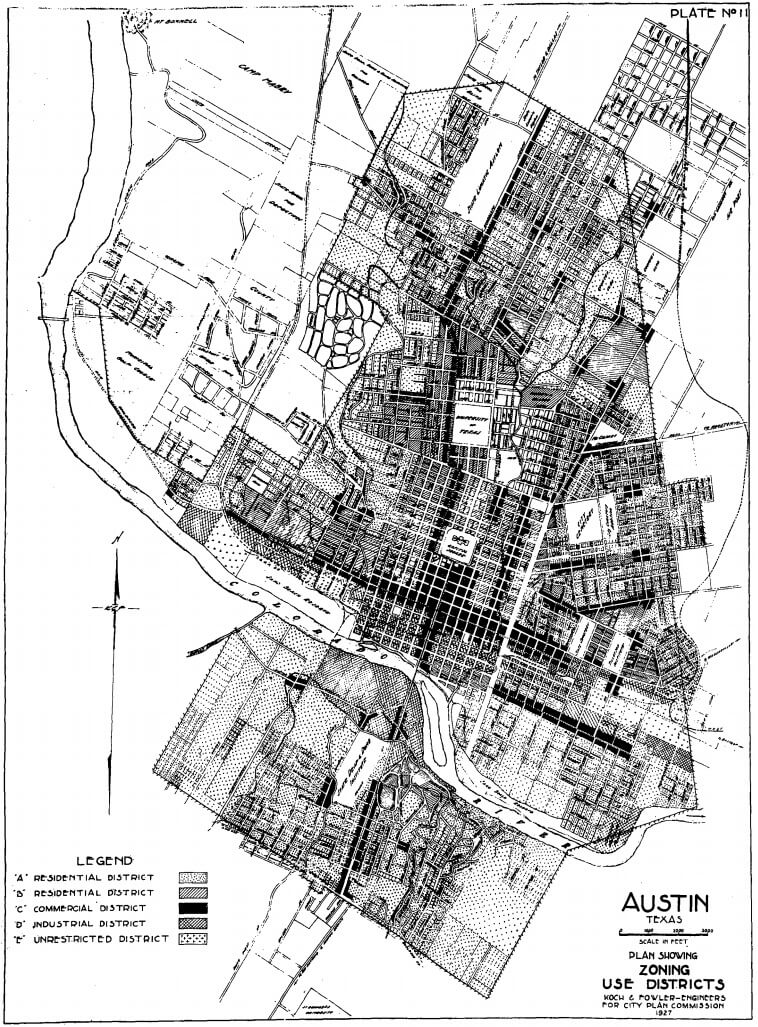
Supported by much research—interviews, archival materials, and interdisciplinary secondary source material—Shadows of a Sunbelt City is effective in its theoretical intervention (though as a geographer, Tretter’s major conversations also engage that field). Emphasizing the university as land developer is the book’s most important contribution to urban studies; this aspect has long been overlooked in favor of research universities’ knowledge production and patenting, production of skilled labor, and ability to generate private firms. Tretter complicates our understanding of the relationship among sustainability, growth, and uneven social and spatial relations. Numerous maps and graphs enhance his arguments. Tretter’s engagement with David Harvey and the tradition of materialist geography demonstrates a commitment to principles of justice, as does his concern with uneven power relations and the myriad ways that growth paradigms undermine the rights and autonomy of vulnerable populations. Shadows of a Sunbelt City is a theoretically sophisticated and critically thoughtful book that improves our understanding of the knowledge economy, sustainable urban practice, racial discrimination, and urban governance and power.
A more developed introduction could have identified a stronger central theme tying the book together. But to his credit, Tretter points out that Shadows of a Sunbelt City is “not written to reflect a straightforward historical narrative,” and offers multiple reasons why Austin is important to study (5). Each chapter intervenes in different discussions and contains several claims. Tretter’s chapter that follows changes in urban governance throughout the entire twentieth century, while richly detailed and convincing, could have been more strongly connected to the rest of the book.
Although the “Sunbelt” of the book’s title is offered as a unifying concept, it is neither defined nor explained, nor does Tretter does contextualize Austin in relation to other “Sunbelt” writing. Tellingly, the term does not appear in the index. This is a glaring omission given the long-standing arguments over what constitutes the Sunbelt. Neither is “Environment,” also in the title, analyzed in the manner readers might expect. Tretter offers an insightful analysis of how the environmental movement and environmental politics unfolded in Austin, but very little about how the natural world was augmented as Austin grew. As urban environmental studies are documenting, environmental improvements, policies, and ideology are often active components in the oppression of minorities during urbanization.
Shadows of a Sunbelt City offers a compelling analysis of the power that universities wield in regional development and their complicity in reshaping the urban form to benefit powerful actors, often at the expense of vulnerable residents. As he examines how policy and social relations transform cities, Tretter challenges the narrative that sustainable urban policy, and the knowledge economy that undergirds it, is universally beneficial.
About the Author
Andrew M. Busch is an assistant professor in the Honors Program at Coastal Carolina University where he teaches interdisciplinary courses on urbanism, environmental studies, globalization, and US History. His first book, City in a Garden: Environmental Transformations and Racial Justice in Twentieth-Century Austin, Texas was published by the University of North Carolina Press in 2017.
]]>Introduction
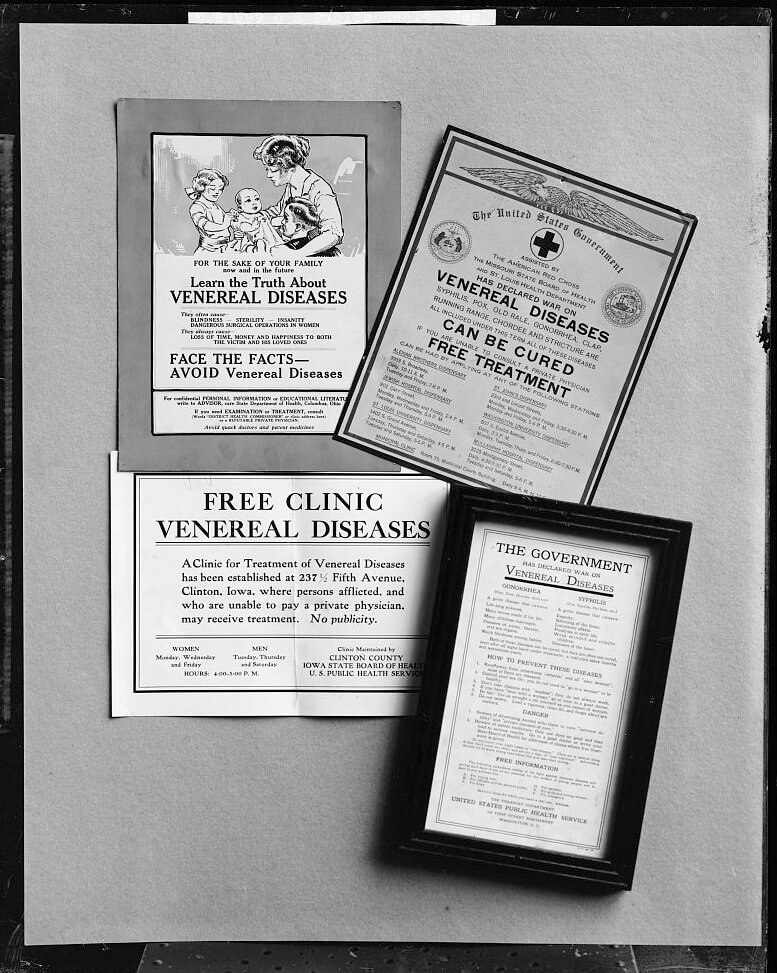
In the winter of 1936, Minnie Lee Ishcomer left home in Idabel, Oklahoma, and journeyed to Hot Springs, Arkansas. Thirty years old, white, poor, and the victim of a long-standing venereal infection, Ishcomer came to Hot Springs hoping to obtain treatment at the VD clinic operated there by the United States Public Health Service (PHS). Her experience was less than satisfactory. Because the clinic officially admitted only acute, infectious VD cases, Ishcomer was initially denied entrance—on the grounds that she was "not a danger to the public health." She passed her first few days in Hot Springs in search of food and shelter. Without money, she made her way to a bus station where a police officer found her "in a very serious condition." Taken back to the clinic, she received a few days' treatment. Soon after her release, a PHS official angrily wired the health officer in Ishcomer's home county that "such cases will not be treated in the future."1H.S. Cumming, Surgeon General, to Charles M. Pearce, State Health Commissioner, Oklahoma, January 29, 1936, General Records of the Venereal Disease Division, 1918–1936, 203.4, in RG 90, Records of the Public Health Service, 1912–1968, National Archives, College Park, Maryland. Hereafter VD Division Records.
The treatment Minnie Lee Ishcomer received likely did little to improve her health.2Available federal census information indicates that in 1930, Ishcomer was married and had a least one son. Her husband appears to have been a mill hand but no occupation is listed for her. Exactly which of her conditions triggered resentment by clinic doctors is not clear. Nevertheless, her story sheds light on a relatively unexplored site of public health work in the early twentieth-century US South.3For a brief overview of the Hot Springs VD clinic, see Edwina Walls, "Hot Springs Waters and the Treatment of Venereal Diseases: The U.S. Public Health Service Clinic and Camp Garraday," Journal of the Arkansas Medical Society 91, no. 9 (1995): 430–7. The opening of the Hot Springs VD clinic in 1921 followed upon extensive anti-venereal initiatives carried out by the U.S. military during World War I. Closing in the 1940s, the clinic marked a transition in the federal government's campaign against syphilis and gonorrhea—including the Tuskegee Syphilis Study (1932–72) and the Chicago Syphilis Control Project (1937–40). Throughout the interwar period, Hot Springs sat on the front lines of the PHS's war against VD, and although its efforts were largely unsuccessful, the clinic's history points toward a more complex understanding of this moment of "venereal peril."4The term "venereal peril" was a staple of turn-of-the-century discourse around syphilis and gonorrhea. For a particularly good example of this, see William Leland Holt,The Venereal Peril: A Popular Treatise on the Venereal Diseases, ed. William Josephus Robinson (New York: The Altrurians, 1909). For historical studies on this, see Theodor Rosebury, Microbes and Morals: The Strange Story of Venereal Disease (New York: Viking Press, 1971); Allan Brandt, No Magic Bullet: Venereal Disease and American Society since 1880 (New York: Oxford University Press, 1987); Suzanne Poirier, Chicago's War on Syphilis, 1937–40: The Times, the Trib, and the Clap Doctor (Urbana: University of Illinois Press, 1995); Nancy K. Bristow, Making Men Moral: Social Engineering during the Great War (New York: New York University Press, 1996); Andrea Tone, Devices and Desires: A History of Contraceptives in America (New York: Hill and Wang, 2001); Marilyn Hegarty, Victory Girls, Khaki-Wackies, and Patriotutes: The Regulation of Female Sexuality during World War Two (New York: New York University Press, 2008); John Parascandola, Sex, Sin, and Science: A History of Syphilis in America (Westport, CT: Praeger, 2008).
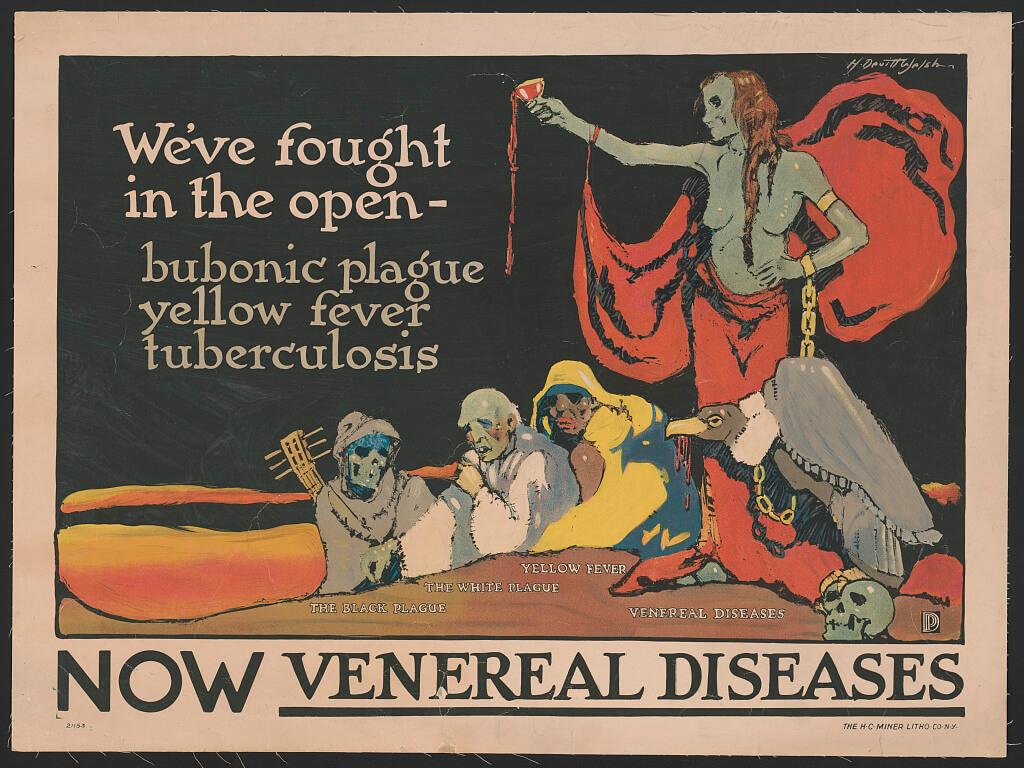
The history of the Hot Springs clinic offers insights into racial, gendered, and class-based aspects of the federal government's campaign against syphilis and gonorrhea. The clinic treated all manner of patients—black as well as white, male as well as female. Some patients were chronically poor, and others—particularly with the onset of the Great Depression—had only recently fallen on hard times. How similar were the experiences of these different groups, and to what extent did their treatment reflect prejudices against the various "others" (such as prostitutes and African Americans) popularly associated with VD? While many historical VD studies examine population subsets, this article about Hot Springs offers a more comprehensive analysis, comparing the experiences of stigmatized groups along with those of Hot Springs's prototypical health-seekers: syphilitic white males. Although they accounted for the vast majority of the clinic's caseload, white men have not received significant attention in VD historiography. Including their experiences adds new depth to our understanding of the "venereal peril" while illustrating how forcefully eugenics pervaded the PHS's campaigns against syphilis and gonorrhea.
Eugenics, of course, figures prominently in scholarship on the infamous Tuskegee Study. This experiment, in which the PHS deliberately withheld treatment from four hundred syphilitic Alabama black men in order to study the disease's "natural" progression, was designed to provide evidence for the theory that (as the Johns Hopkins syphilologist Joseph Moore put it) "syphilis in the negro is in many respects almost a different disease from syphilis in the white."5Susan Reverby, Examining Tuskegee: The Infamous Syphilis Study and Its Legacy (Chapel Hill: University of North Carolina Press, 2009), 136. From 1932 to 1972 white PHS doctors attempted to prove that black syphilitics almost never progressed to the late, advanced stage of the disease characterized by disorders of the nervous system–including tabes (syphilis of the spinal cord) and paresis (syphilis of the brain). Blacks were seen as belonging to an uncivilized race with smaller, less developed brains that equipped them with a "racial resistance" to neurosyphilis; as a result, they were more likely to suffer from the disease's cardiovascular symptoms—including syphilis of the heart.6Christopher Crenner, "The Tuskegee Syphilis Study and the Scientific Concept of Racial Nervous Resistance," Journal of the History of Medicine and Allied Sciences 67, no. 2 (2012): 244–80. Doctors believed that this partial immunity to neurosyphilis was a hereditary trait. As the authors of a recent article on Tuskegee observe, the experiment's goal was to "prove the biological basis of racial difference by documenting race-linked pathology, consistent with prevailing eugenic theory."7Paul A. Lombardo and Gregory M. Dorr, "Eugenics, Medical Education, and the Public Health Service: Another Perspective on the Tuskegee Syphilis Experiment," Bulletin of the History of Medicine 80, no. 2 (2006): 313.
In providing an assessment of intellectual undercurrents circulating through the PHS in the 1920s and 1930s, this new literature successfully rebuts the claim that Tuskegee had little to do with scientific racism or eugenics.8For a recent article in the revisionist vein, see Thomas G. Benedek and Jonathon Erlen, "The Scientific Environment of the Tuskegee Study of Syphilis, 1920–1960," Perspectives in Biology and Medicine 43, no. 1 (1999): 1–30. Unanswered, however, is how eugenic theories informed aspects of the agency's anti-venereal work involving non-blacks. At Hot Springs, these theories found expression in a campaign designed to prevent the clinic's mostly white male patients from succumbing to the "racial poison" that was VD. Comprising traditional medical services and a variety of extra-medical measures (including financial assistance for food, shelter, and basic care), this campaign cost hundreds of thousands of dollars, with its budget increasing dramatically during the early years of the Great Depression—just as the PHS dismantled a number of pilot projects designed to provide mass treatment to syphilitic blacks. Although many of the initiatives undertaken in Hot Springs benefited patients regardless of race or sex, the clinic's white male health-seekers experienced a level of preferential treatment denied to both women and African Americans. Further, for the latter group, discrimination and hostility were part and parcel of the Hot Springs experience—both inside and outside the clinic. All of this represented the eugenic impulses coursing through the PHS facility, whose director—Oliver C. Wenger—declared syphilis and gonorrhea important "from the standpoint of race conservation."9O.C. Wenger, "The Need for Social Hygiene," Oliver C. Wenger Papers, Box 1, University of Arkansas for Medical Sciences Archives.
Hot Springs reveals a significant instance of the federal government's racist approach to public health policy. When dealing with white patients, Washington extended a taxpayer-supported hand. Because such a sizable gap existed between the experiences of Hot Springs's black and white health-seekers, the story of the city's VD clinic provides a further context for understanding the Tuskegee Study. But first, a more elementary question: why did the PHS decide to create a VD clinic at Hot Springs, Arkansas?
"Mecca for Syphilitics"
Hot Springs's selection as the site of the federal government's "model" VD clinic would not have surprised early twentieth-century Americans.10C.N. Myers, "Hot Springs and the Model Federal Venereal Disease Clinic," Medical Review of Reviews 28 (1922): 86. In 1832, Congress declared that the boiling waters of the Ouachita Mountains were to be forever set aside for the "benefit and enjoyment" of the general public.11For more on the city's early history and the role of the Hot Springs Reservation, see Janis Kent Percefull, Ouachita Springs Region: A Curiosity of Nature (Hot Springs, AR: Ouachita Springs Region Historical Research Center, 2007). In 1877, Congress created the Hot Springs Reservation (HSR). Initially consisting of 2,529 acres, the HSR was public land managed by a federally-appointed commission, whose task was to maintain and control access to the 826,000 gallons of water that daily coursed through the site.12J.K. Haywood, Analyses of the Waters of the Hot Springs of Arkansas (Washington, D.C.: Government Printing Office, 1912), 5. Word of the area's therapeutic prowess spread across the country, and as the city began welcoming hundreds of health-seekers every year, its waters acquired a reputation for curing syphilis.13For evidence of this, see A.J. Wright, "Some Account of the Hot Springs of Arkansas," The New Orleans Medical and Surgical Journal (1860): 798–9, 801; R.M. Lackey, "The Hot Springs of Arkansas," Chicago Medical Journal 23 (1866): 9; J.L. White, "The Hot Springs of Arkansas," Chicago Medical Recorder 36 (1878): 311. During the late nineteenth-century, a growing belief in the springs' ability to "drive out syphilis completely" spurred a "Hot Springs craze" among venereal sufferers. Contemporaries began referring to the city as the "Mecca for syphilitics in America."14S.B. Houts, "Cases in Practice," The Medical World 5 (1887): 248–52; Edward L. Keyes, The Venereal Diseases, Including Stricture of the Male Urethra (New York: William Wood & Company, 1880), 107–8; E.R. Lewis, "The Hot Springs of Arkansas," The Kansas City Medical Index-Lancet 10, no. 7 (1889): 249. For references to Hot Springs as a "Mecca" for syphilitics during the late-nineteenth and early-twentieth centuries, see "Editorial: Syphilis of the Nervous System," The Hot Springs Medical Journal 3, no. 2 (1894): 51; A. Ravogli, "The Thermomineral Cure in the Treatment of Syphilis," The Medical Era 6, no. 8 (1897): 276; Bukk G. Carleton, A Treatise on Urological and Venereal Diseases (New York: Bukk G. Carleton, 1905), 741; Loyd Thompson, Syphilis (Philadelphia, PA: Lea and Febiger, 1920), 212.
While some of Hot Springs's health-seekers received treatment at the Free Government Bathhouse created by the HSR in 1878, increasing numbers did so at private enterprises.15Haywood, Analyses of the Waters, 5. Hot Springs was "fast becoming a fashionable resort."16J.L. Gebhart, "On the Therapy of the Waters of Hot Springs, Arkansas, and Their Relation to the Medical Profession at Large," St. Louis Medical and Surgical Journal 38 (1880): 634. Leasing land and water from the HSR, local developers began replacing the city's "miserable board shanties" with "palatial hotels."17Robert Heriot, "Letter to the Editor," Locomotive Engineers Journal 25 (1891): 919. The resort's clientele shifted: earlier the preserve of "poor, miserable paupers," it was increasingly visited by "very wealthy people from the Northern states."18E.B. Stevens, "Hot Springs, Arkansas," Transactions of the Ohio Medical Society 31 (1875): 197; Heriot, "Letter to the Editor," 919. See also H.M. Rector, "Then and Now," Hot Springs Medical Journal 4 (1895): 225; Henry Durand, "Uncle Sam, M.D., and His Great Sanitarium," The American Monthly Review of Reviews 16 (1897): 75–9. To ensure that its visitors remained a "people of leisure, with an abundance of money to spend," local officials forcibly uprooted the city's poorer health-seekers—those living in "shanties or tents" or found "encamped under the trees with no other shelter."19"Hot Springs, Arkansas," The Medical Visitor 20 (1904): 140; "Hot Springs, Arkansas, as a Health Resort," Hot Springs Medical Journal 3, no. 6 (1894): 173; William H. Deaderick, "The Development of the Hot Springs of Arkansas as a Health Resort," The Medical Pickwick 2 (1916): 265–6. One turn-of-the-century visitor reported on how "it was the policy of the municipality of Hot Springs to discourage the coming of the poor people to that place," which it did "by withholding all of the usual eleemosynary institutions from their use." Hal C. Wyman, "A Surgical Pilgrimage to Arkansas," Physician and Surgeon 28 (1906): 207. Medical authorities in other locales came to believe that "only the rich" could afford the "costly excursion" to Hot Springs.20"Syphilitic Paresis," The Eclectic Medical Journal 50 (1890): 562. As a Chicago physician said of his city's syphilitic patients: "our rich people go to the great Mecca of medical wisdom, to Hot Springs," while "our poor people may go to—where they please."21Joseph Zeisler, "The Social Evil," Year Book (Chicago: The Sunset Club, 1894), 218.
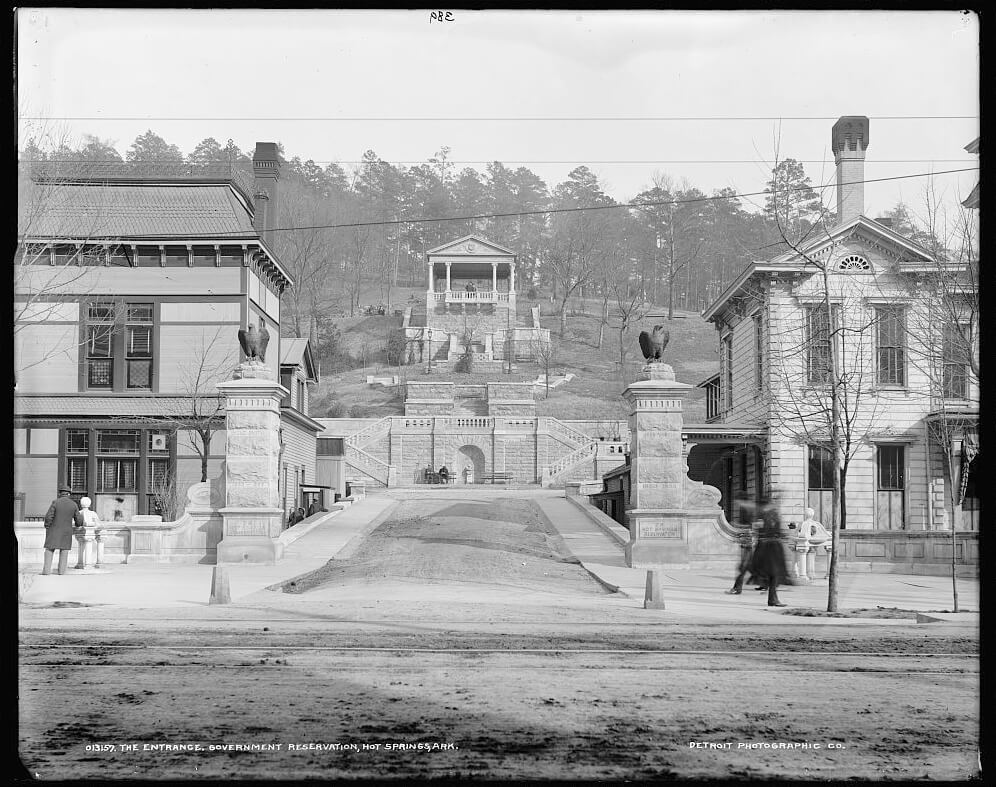
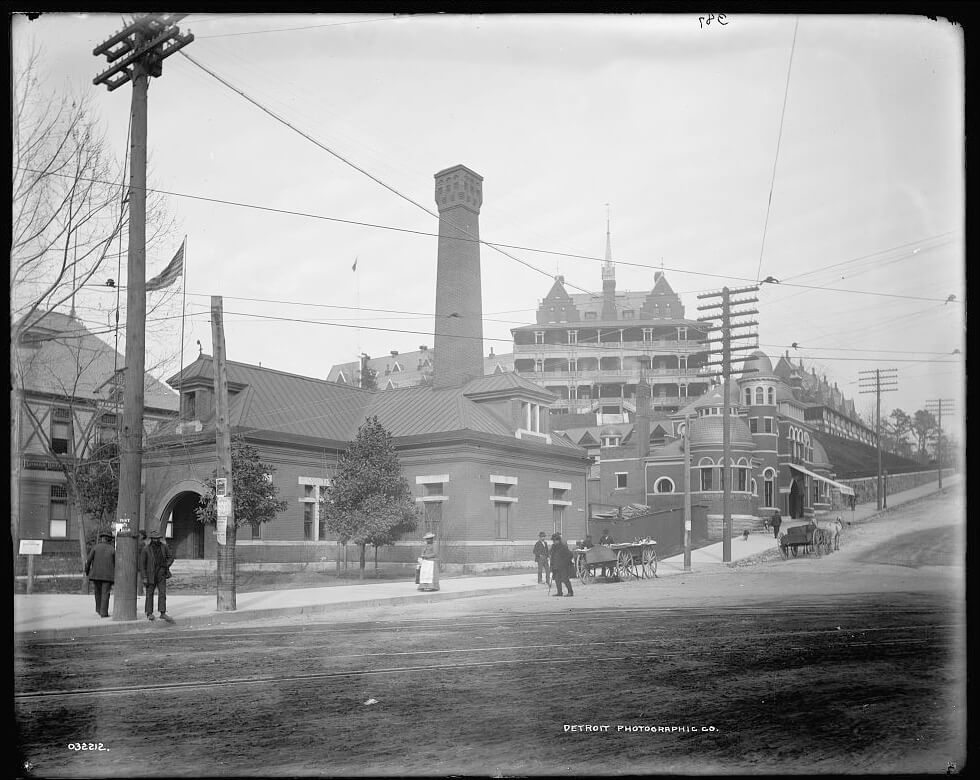
The invention of Salvarsan (1910), a more effective drug, also prompted a decline in the city's voluminous traffic in syphilitic health-seekers.22"Since the arsphenamines have justly become popular," the director of the Hot Springs VD clinic observed in 1921, "the number of syphilitics coming to Hot Springs has been decreased year by year." O.C. Wenger, "The Early Days of Hot Springs, Arkansas (1850–1900)," Oliver C. Wenger Papers, Box 1, University of Arkansas for Medical Sciences Archives. Nevertheless, neither new drugs nor the discrimination against impoverished health-seekers succeeded in severing the city's association with VD.23"We see every day, here in Hot Springs," one local physician noted in a 1913 treatise, "from ten to a hundred persons" suffering from the "terrible disease" that was syphilis. Albert J. Whitworth and John M. Byrd, The Hot Springs Specialist (Memphis, TN: B.C. Toof & Company, 1913), 164. For more about Salvarsan, see Patricia Spain Ward, "The American Reception of Salvarsan," Journal of the History of Medicine & Allied Sciences 36, no. 1 (1981): 44–62. In 1920, the HSR created a new, expanded Free Government Bathhouse; its lower floor would soon become home to the PHS's VD clinic.24Oliver C. Wenger, "The Early Days in Hot Springs, Arkansas (1850–1900)." Oliver C. Wenger Papers, Box 1, University of Arkansas for Medical Sciences Archives. As its director put it upon entering the city that same year: "to the average layman, Hot Springs, Arkansas, means VD, and VD means Hot Springs."25Oliver C. Wenger, "Results of a Study and Investigation of Venereal Disease at the United States Public Health Service Clinic at Hot Springs, Arkansas," Oliver C. Wenger Papers, Box 1, University of Arkansas for Medical Sciences Archives.
Hot Springs's status as federal land and as a "mecca" for syphilitics made the city an ideal site for the PHS's "model" VD clinic. But why would the government create such a clinic? The early twentieth-century was a time of profound anxiety over syphilis and gonorrhea, diseases said to be "undoubtedly on the increase."26George P. Dale, "Moral Prophylaxis," The American Journal of Nursing 11, no. 9 (1911): 689. It is unknown whether the general prevalence of VD increased during the late nineteenth and early twentieth centuries. What changed was likely not the percentage of the population infected by syphilis or gonorrhea, but instead, the medical profession's awareness of how many illnesses originated in one of these two diseases. Medical authorities proclaimed that 80 percent of adult males living in large cities contracted syphilis or gonorrhea before the age of thirty, and that 80 percent of all operations performed on women for diseases of the womb and ovaries were the result of one of these conditions. Such figures, though highly suspect, engendered fears of a looming VD epidemic across the country.27For these estimates, see G. Shearman Peterkin, "A System of Venereal Prophylaxis That is Producing Results," American Medicine 10 (1906): 328. A colleague named John Cunningham declared that "it is a fact worthy of consideration that every year in this country 770,000 males reach the age of maturity. It may be affirmed that under existing conditions at least 60 percent, or over 450,000 of these young men will sometime during life become infected with venereal disease, if the experience of the past is to be accepted as a criterion of the future." John C. Cunningham, "The Importance of Venereal Disease," The New England Journal of Medicine 168, no. 3 (1913): 77–8.
The sense that venereal diseases constituted "a menace to the national welfare" stemmed less from epidemiology than from social and cultural concerns—of "race suicide" attendant upon the declining fertility of native, white-born women and the influx of "new immigrants," of urbanization and its impact on sexual mores, of a "family crisis" prompted by the emergence of the "new woman," and of eugenic concerns tied to the rhetoric of social Darwinism and racial degeneration.28Abraham L. Wolbarst, "The Venereal Diseases: A Menace to the National Welfare," Medical Review 62 (1913): 327–80. Reformers clamored for an attack on prostitution, artists luridly illustrated the consequences of untreated syphilitic and gonorrheal infections, and anxious legislators passed laws that ranged from the reporting of all professionally-handled VD cases to the bacteriological examination of immigrants and prospective spouses.29For more on this, see Brandt, No Magic Bullet.
The climax of these fears came during World War I. With scientific diagnoses, doctors found that a surprisingly high number of prospective US military recruits suffered from VD. Hoping to head off a manpower shortage, in 1917 Congress created the Committee on Training Camp Activities—an organization that sought to curb the venereal scourge through the forced incarceration of prostitutes, the provision of medical services for infected soldiers, and the establishment of "wholesome" alternatives to the vice-ridden recreational opportunities commonly found in cantonment zones.30See Bristow, Making Men Moral. See also Alexandra M. Lord, "Models of Masculinity: Sex Education, the United States Public Health Service, and the YMCA, 1919–24," Journal of the History of Medicine and Allied Sciences 58, no. 2 (2003): 123–52. The following year Congress passed the Chamberlain-Kahn Act, which created the PHS's Division of Venereal Diseases and allocated two million dollars for the establishment of free VD clinics across the country.31For the Chamberlain-Kahn Act, see Alexandra M. Lord, "'Naturally Clean and Wholesome': Women, Sex Education, and the United States Public Health Service, 1918–1928," Social History of Medicine 17, no. 3 (2004): 423–41. As the war came to a close, Washington followed up on these efforts by conducting a nationwide VD survey.
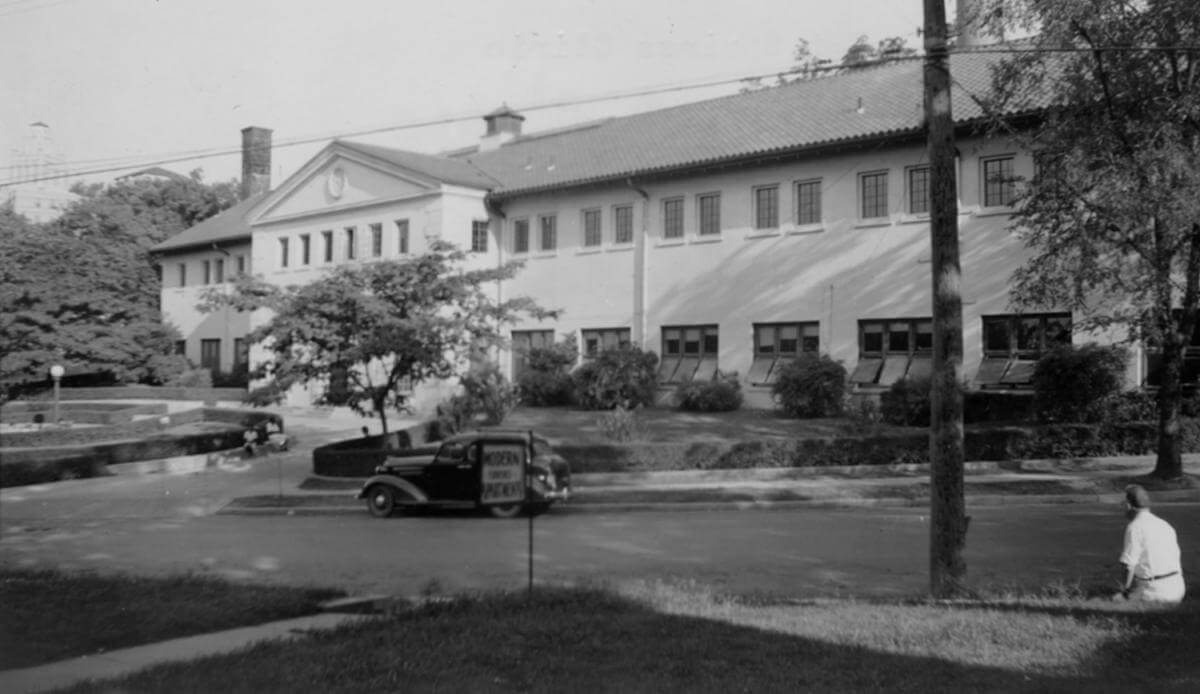
Each of these actions drew attention to Hot Springs. Throughout the war, military authorities fretted over Little Rock's Camp Pike, a training facility whose VD rates were reportedly "the [highest] by far of any camp or cantonment in the United States."32Victor C. Vaughan, "Protection of American Army Against Social Diseases by More Rigid Health Laws," The Pennsylvania Medical Journal 22 (1918): 26. According to Vaughan, the venereal disease rate at Camp Pike was 568.7 per 1,000 soldiers. See also, "Disease Conditions among Troops in the United States: Extracts from Telegraphic Reports Received in the Office of the Surgeon-General for the Week Ending October 19, 1917," Journal of the American Medical Association 69 (1917): 1535–6; "Venereal Disease and Birth Control," Journal of the Switchmen's Union 20 (1918): 756. According to local commanders, Camp Pike's reputation as a hotbed of sexual sickness owed to its proximity to Hot Springs, where prostitution had been legal since the late nineteenth-century and where brothels enjoyed a reputation as home to the profession's "aristocrats."33For evidence of this, see the letters of Archie C. Cowles, a syphilitic health-seeker who traveled to Hot Springs in 1905. In a letter dated December 10, 1905, Cowles wrote that "many of the women here seem to be on the courtesan order. Of course, it would not do to call them prostitutes," Cowles remarked, "for they are aristocrats in their profession." For Cowles' correspondence, see the Archie C. Cowles Papers, Garland County Historical Society Archives, Hot Springs, Arkansas. In August 1918, Camp Pike's commanders ordered the closure of Hot Springs's numerous "houses of immorality."34"Commissioners Issue Order to the City Manager to Close the Houses of Immorality, Which Goes into Effect at Once," Hot Springs Sentinel-Record, August 2, 1918. Local businessmen and religious leaders rejected the association the military made between Camp Pike's high venereal disease rate and the "terrible conditions" in Hot Springs. See "Ministerial Men to Discuss Morals: Report from Washington of Bad Conditions Here Stirs some Enthusiasts," Hot Springs Sentinel-Record, August 9, 1918; "The Moral Condition," Hot Springs Sentinel-Record, August 10, 1918. Municipal authorities reluctantly complied, but the federal government's interest in Hot Springs did not end. While conducting their post-war VD survey, government officials grew increasingly anxious about the city's "serious medical and social problems," observing that Hot Springs was home to an increasing population of venereally afflicted "indigents" and an entirely "inadequate" public health infrastructure.35Audrey Wenger McCully, "The United States Public Health Service Venereal Disease Clinic and Government Free Bathhouse, 1919–1936," Oliver C. Wenger Papers, Box 1, University of Arkansas for Medical Sciences Archives.
From the federal perspective, syphilitic health-seekers represented an "interstate menace."36"Proceedings of the Minnesota Academy of Medicine," Minnesota Medicine 5 (1922): 61. The PHS determined to "protect the rest of the country" from those who traversed it with a venereal infection.37First Deficiency Appropriation Bill, 1921; Hearings before Subcommittee of House Committee on Appropriations, 66th Congress, 3rd Session (Washington, D.C.: Government Printing Office, 1921), 588. Opening a clinic in Hot Springs devoted to rendering the afflicted non-infectious seemed the best means of accomplishing this goal. Because patients traveled here from all parts of the country, constituted a diverse racial and socioeconomic makeup, and encompassed the full range of syphilitic infections, the PHS also found in Hot Springs an unprecedented opportunity for research. Establishing a long-term presence here would also allow the government to continue its wartime campaign against "houses of immorality," while transforming a parochial medical culture.38This last point holds for all of the public health campaigns undertaken in the early twentieth-century US South. In the case of Hot Springs, the city was seen as a center of quackery, and in particular, of the country's VD patent medicine industry. See Excluding Advertisements of Cures for Venereal Diseases from the Mails; Hearings before the Committee on the Post Office and Post Roads of the House of Representatives, 66th Congress, 1st Session (Washington, D.C.: Government Printing Office, 1921).
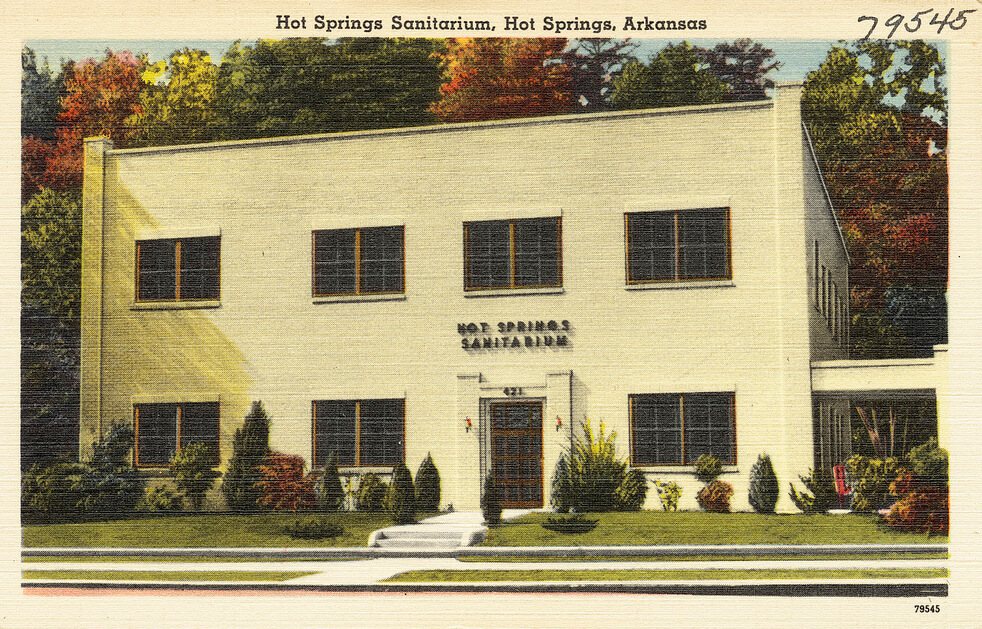
In late 1920 the PHS drew up plans for the facility, obtained $300,000 in construction funds and selected Oliver C. Wenger, one of the country's leading venereologists, as director.39During the war, Wenger—a native of St. Louis—served in the Medical Corps of the Missouri National Guard, and later focused his efforts on "venereal disease prophylaxis" as a member of Sanitary Squad #18, stationed in Camp Mills, a military camp in Long Island, New York. Afterwards, Wenger sought and obtained appointment as a "regional consultant" in the PHS, whereupon he assisted in the nationwide venereal disease survey (1919–20). See McCully, "The United States Public Health Service." Born in St. Louis in 1884, Wenger obtained his MD from St. Louis University in 1908. During the First World War, he served in the Medical Corps of the Missouri National Guard, later traveling to England and France as part of a sanitary squad involved in VD control.40For more on Wenger's biography, see McCully, "The United States Public Health Service." His time in Europe convinced Wenger to devote all his efforts to venereology. According to a contemporary, Wenger's idea of heaven was a place containing "unlimited syphilis," and of course, "unlimited facilities to treat it."41Reverby, Examining Tuskegee, 141. In 1919, Wenger joined the PHS Division of Venereal Disease. Before becoming director at Hot Springs, his first assignment was the national VD survey.
Inside the Clinic
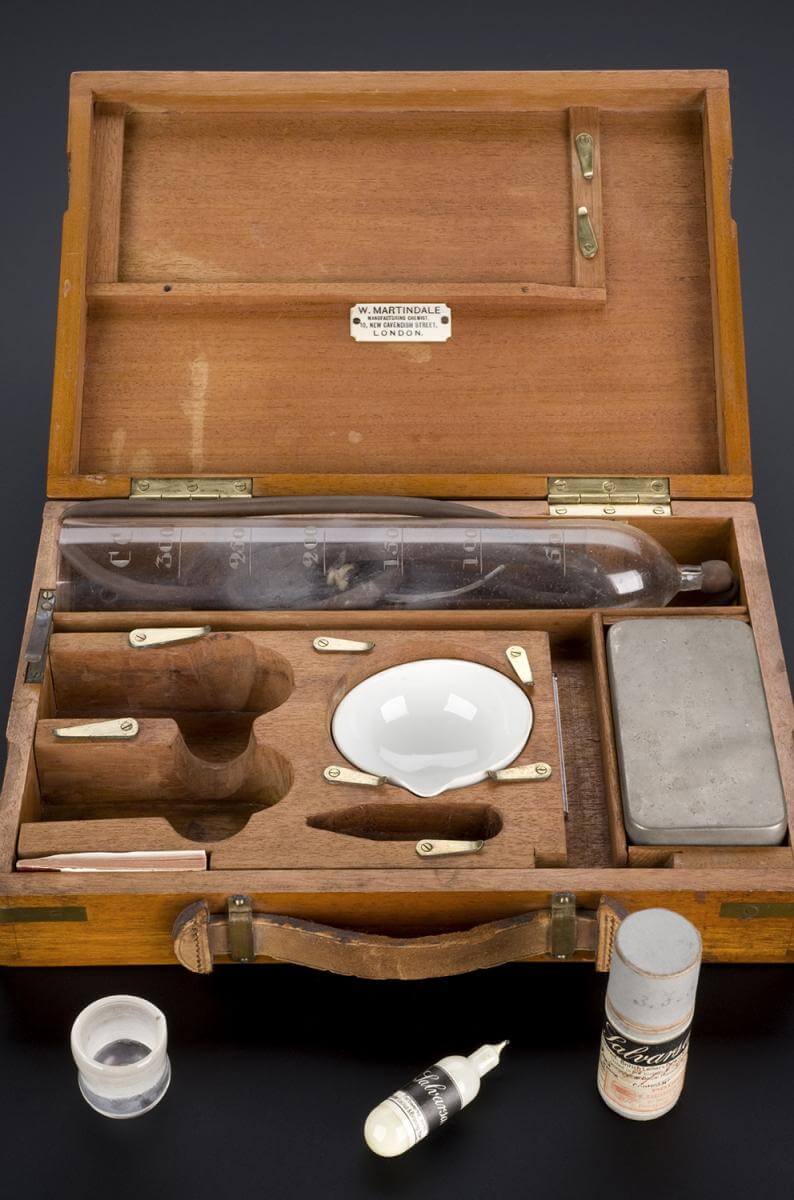
With an inaugural budget of $40,000, the clinic opened in August 1921.42Oliver C. Wenger to C.C. Pierce, March 16, 1921, Hot Springs National Park Administrative Archives, Subseries 25.1.4, File A7615[04]. Hereafter NPS Archives. In its first year, five hundred patients received treatment; a total of 61,930 patients—male and female, black and white—had wound their way through by 1936, receiving 1.2 million injections of mercury and Salvarsan. Who were these individuals? How did their circumstances, needs, and experiences differ? How did prevailing ideas about VD actions influence Hot Springs's response to syphilis? And how did the clinic's campaign develop over the course of the 1920s and 1930s?
On one level, the PHS's day-to-day work reflected the widespread belief that VD constituted the "wages of sin"—a sign of sexual immorality. In lectures given by clinic personnel, patients learned that their illnesses were the result of "ignorance and your own misconduct." This message of personal irresponsibility also extended to the clinic's official instructions, which warned patients not to "loaf downtown" between treatments. Above all other commandments stood one: "DON'T GET INTO TROUBLE." And because the minimum course of therapy lasted between twenty and thirty weeks, patients were "expected to make arrangements to pay [their] own room and board."43Oliver Wenger, "Instructions" (1921), Oliver C. Wenger Papers, Box 1, University of Arkansas for Medical Sciences Archives.
Figure 1: VD Cases Admitted to the Hot Springs Clinic, 1922–1936
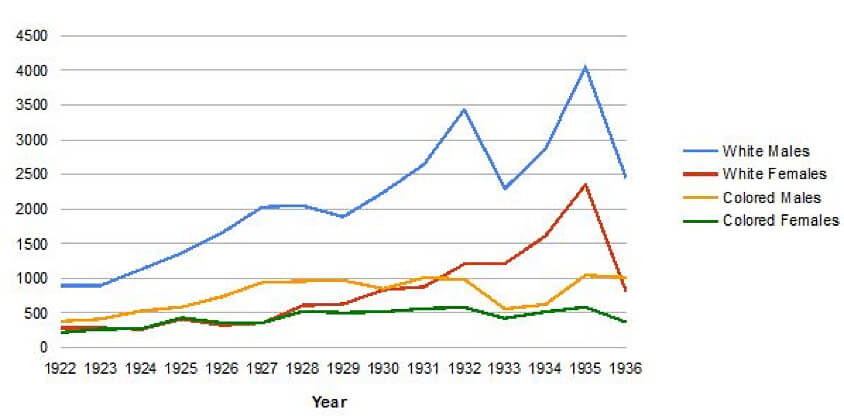
The PHS advised that "no patient should go to Hot Springs without at least a return ticket and $100 in cash." Such expectations clashed with reality. Wenger observed that "less than five percent of these indigent persons had funds with which to maintain themselves while receiving free treatment."44McCully, "The United States Public Health Service." Many arrived "without one cent of money."45O.C. Wenger, "The United States Public Health Service Clinic at Hot Springs National Park, Arkansas," Oliver C. Wenger Papers, Box 1, University of Arkansas for Medical Sciences Archives. In 1931, the average applicant carried not "$100 in cash" but $15.43. The following year, $8.76.46Oliver C. Wenger, "A Comparative Study of the Amount of Money Each Applicant Declared Under Oath at the U.S. Government Bath House for the Years 1931–32," Oliver C. Wenger Papers, Box 1, University of Arkansas for Medical Sciences Archives. Resembling a "dumping ground of many indigents" during the 1920s and 30s, Hot Springs became the preserve of all sorts of "unfortunate people" who "slept out on the hillside or in alleys, begging food from door to door...or looking for food in garbage cans."47 O.C. Wenger, "United States Conducts Clinics for Venereal Diseases," Nation's Health 8 (1926): 103; McCully, "The United States Public Health Service." As the clinic's director admitted, "the great majority left…before they could receive enough treatment to give them any real benefit."48McCully, "The United States Public Health Service."
One of this "great majority" was Virgil Oren Adams. A native of Clovis, New Mexico, during the early 1930s Adams made several visits to the Hot Springs VD clinic. Each time, he "ran out of funds" after only a few weeks, and being "sick and weak from lack of food and sleep," was forced to leave. In 1934 he wrote to President Roosevelt seeking assistance for yet another clinic trip. "I have been fighting syphilis since 1927," Adams wrote, adding that he was "very much interested in…getting rid of this terrible disease." "[A]bsolutely broke," Adams entreated Roosevelt for a letter to take "as a recommendation for treatments at Hot Springs." "Anything you can do in my behalf," he pleaded, would be "highly appreciated."49Virgil Oren Adams to President Franklin D. Roosevelt, September 27, 1934. Part of Adams's story also derives from a letter he sent to Captain Geoffrey, an officer at the Hot Springs clinic. For full texts, see VD Division Records.
Cases like Adams's were of "daily occurrence."50Oliver C. Wenger to the Surgeon General, October 18, 1934, VD Division Records. While poverty hampered patients' chances of recovery, so did the advanced state of their ailments. Most venereal sufferers came to Hot Springs long after contracting syphilis or gonorrhea. Most had not received more than a few shots of mercury or Salvarsan, and many relied only on cheap, ineffective patent medicines.51For evidence of this, consider the case of James Gordon. A Michigan man, in 1926 Gordon wrote the PHS asking for help in getting to Hot Springs. "I have tried [sic] all kinds of medicines, which you know that it [sic] takes money." From a book he had read, Gordon surmised that "there is not mutch [sic] chance for a poor man there," but still he pleaded: Hot Springs was "the last chance I have got—I have every thing [sic] else until my money is gone." For this letter, see James R. Gordon to United States Public Health Service, August 17, 1926, VD Division Records. Their illnesses were chronic, and generally immune to existing remedies. With disease burrowed deep in their bodies, few had any hope of ever being free from VD.
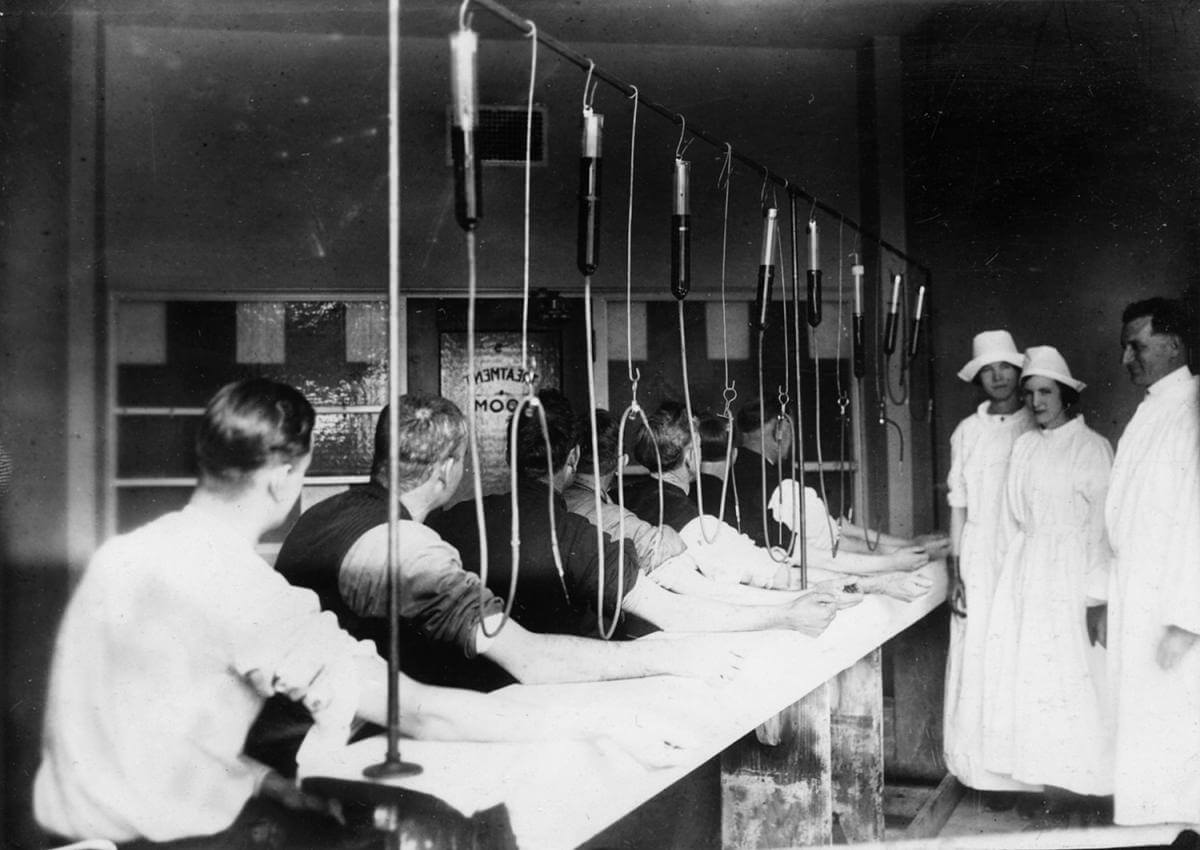
Realities such as these inspired a modicum of sympathy among clinic doctors. Particularly worrying to Wenger was the fate of ex-servicemen. Disappointed by the fact that during World War I, "our young American manhood" was often "unable to serve because of venereal diseases," Wenger observed hundreds of infected former soldiers seeking admittance to the Hot Springs clinic during the early 1920s. Like most patients, they were "nomads, seeking treatment here and there." Particularly troubling was the fact that these veterans were beginning to form families, and had entered "the best years [of their lives] from an economic standpoint." All of them needed medical attention; none were in a position to pay. Such matters made the treatment and control of syphilis and gonorrhea a national priority, he urged, especially "from the standpoint of race conservation."52Wenger, "The Need for Social Hygiene."
Language such as this dovetailed with contemporary eugenic discourse. Like other eugenicists, Wenger's interest in "race conservation" stemmed from anxieties over white racial purity and integrity. Over the course of the nineteenth and early twentieth centuries, birth rates among native-born white women declined by approximately 45 percent, and this, coupled with the simultaneous arrival of millions of "new immigrants" from southern and eastern Europe, prompted fears of "race suicide" among the nation's political and cultural elite.53For more on America's fertility transition, see J. David Hacker, "Rethinking the 'Early' Decline of Marital Fertility in the United States," Demography 40, no. 4 (2003): 605–20. Speaking to these fears, New York City gynecologist Abraham Wolbarst opined that "the flower of our land, the mothers of our future citizenship, are being mutilated and unsexed by surgical life-saving diseases, particularly gonorrhea."54Wolbarst, "The Venereal Diseases," 373. Sentiments such as Wolbarst's were widely held by PHS officials, including Oliver Wenger—whose eugenic beliefs scholars have also observed in his later work in Tuskegee and Chicago.55For more on this, see Reverby, Examining Tuskegee, 139–44.
The PHS sought means of accelerating the therapeutic process. Among the myriad venereological experiments conducted at Hot Springs, none loomed larger than those undertaken within the Salvarsan room. During the early 1920s clinic personnel began "the intensive and continuous plan of treatment."56McCully, "The United States Public Health Service." In the typical VD clinic, patients received one dose of Salvarsan per week; in Hot Springs, they would receive twice that amount.57J.R. Waugh and Elizabeth Milovich, "Severe Reactions to Arsphenamine among 3,050 Previously Untreated Patients," Journal of Venereal Disease Information 21, no. 12 (1940): 391. The Hot Springs clinic, it bears noting, was far from the only site where this experimental use of Salvarsan took place. In the medical literature of the time, many physicians reported success with an accelerated treatment regimen, and some recommended giving as many as three doses in a twenty-four hour period. One advocate advised colleagues to "give the largest possible amount of salvarsan in the shortest possible time." Faxton E. Gardner, "The Treatment of Syphilis," Medical Times 45 (1917): 63. For more discussions of the intensive and continuous treatment of syphilis with Salvarsan, see Frederick W. Smith, "The Modern Diagnosis and Treatment of Syphilis," Medical Record 91 (1919): 186–91; B.C. Corbus, "Prophylaxis in Cerebrospinal Syphilis," Journal of the American Medical Association 69, no. 25 (1917): 2087–9; Carlyle N. Haines, "Salvarsan in Syphilis," Pennsylvania Medical Journal 24 (1921): 839–41.
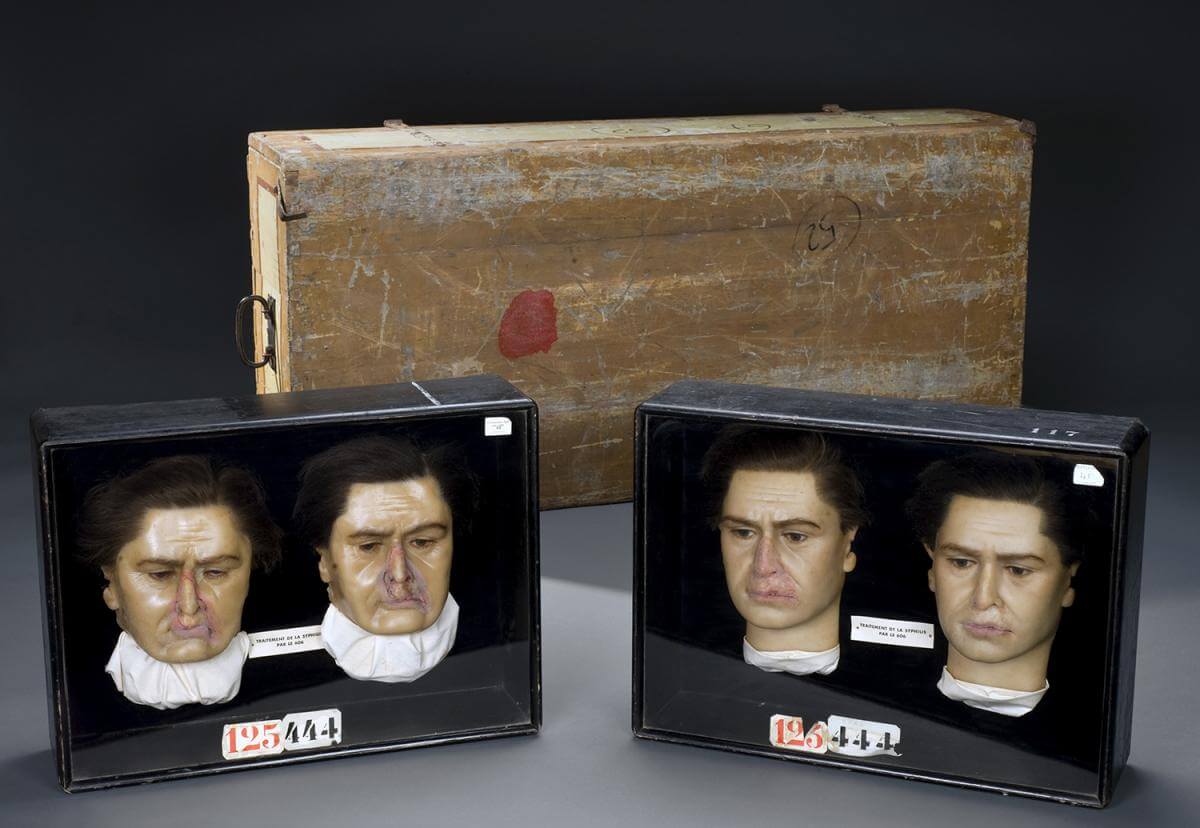
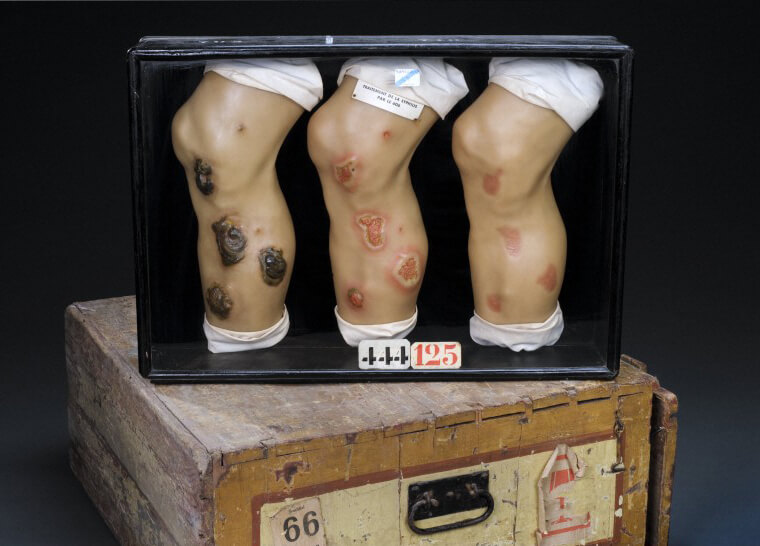
Derived largely from arsenic, a highly toxic substance, Salvarsan was a frightening remedy. While more effective than mercury, its use was accompanied by a panoply of side effects—from the mild (dermatitis, gastro-intestinal distress) to the severe (ocular damage, cardiac distress, edema). In rare cases, death resulted. In a review of 6,308 syphilis patients admitted between 1922 and 1932, Wenger counted a total of 225 adverse reactions to Salvarsan—including three fatalities from arsenical poisoning.58O.C. Wenger and Lida J. Usilton, "Notes on the Syphilis Clinic, United States Public Health Service, Hot Springs, Arkansas," Journal of Venereal Disease Information 15, no. 6 (1934): 210. It is impossible to verify these morbidity and mortality figures, as the clinic operated free from federal oversight. Because of this, and also because of the clinic's generally poor record-keeping practices, the number of "adverse reactions" may be higher than what Wenger reported. For more on the latter problem, see C.H. Waring to the Surgeon General, January 23, 1923, VD Division Records. It appears that severe reactions to Salvarsan were more common here than elsewhere.59In a 1940 study, clinic personnel revealed that nearly 2.5 patients per thousand experienced "severe reactions" to Salvarsan—a rate higher than the 1.99 per thousand reported by the Cooperative Clinical Group's studies of syphilis. Waugh and Milosivic, "Severe Reactions." Cognizant of the fact that "the duration of anti-syphilitic treatment at the Hot Springs clinic is for a relatively short time," Wenger's staff rushed to experiment with untested modes of therapy. The adoption of an "intensive and continuous plan of treatment" contributed to the clinic's high rate of serious complications.60Wenger and Usilton, "Notes on the Syphilis Clinic," 209. For further evidence of serious medical complications following upon the clinic's intensive plan of syphilis treatment, see George E. Tarkington, "Value of Liver Function Test in Arsenical Therapy," Journal of Venereal Disease Information 7, no. 1 (1926): 24–5. For details of a specific injury, see Paul S. Carley, "Infarction of Buttock from Intra-Muscular Injections of Mercury Benzoate," Journal of Venereal Disease Information 17, no. 10 (1936): 281–3. It bears noting here that during the 1920s and 1930s, the idea of "informed consent" had not become a universally recognized principle within medical ethics. Because of this, scientific investigators were not required to obtain patient permission before proceeding with experiments. Those housed within custodial institutions (public hospitals and clinics, asylums, prisons, orphanages, etc.) were especially targeted for human subjects research, with the justification often being that they owed society a debt in exchange for the free treatment they received. For more on this, see Susan Lederer, Subjected to Science: Human Experimentation in America before the Second World War (Baltimore, MD: Johns Hopkins University Press, 1997).
Such was certainly the case for Forrest LaPrade. A twenty-four-year-old Texan who arrived in Hot Springs in March 1930, LaPrade's original intention was to "boil out nicotine and malaria" through the city's "healing waters." Directed to Wenger's clinic for a physical, LaPrade was found to be syphilitic. Over the next few weeks he received seven shots of Salvarsan and eleven of mercury. His condition then worsened.61For the details of LaPrade's case, see G.L. Collins to the Surgeon General, October 11, 1932, VD Division Records.
On May 2, 1930, LaPrade complained of a "slight oedma" of the face, which his physician noted was "characteristic of arsenical poisoning." By the next day, he displayed a "face intensely swollen," along with a fever and an accelerated heart rate. After being diagnosed with erysipelas, LaPrade was transferred by a friend to a nearby hospital, where for twenty-eight days he experienced "untold agonies." Hoping to heal his swollen face, from which dripped "large drops of yellow corruption," LaPrade's doctors covered him with a white, glue-like paste, a remedy that produced a constant itching sensation that left the Texan "at the point of death." "I was actually skinned alive," LaPrade later said, describing how the itching left him "scaled like a fish." Unable to sleep, LaPrade's condition was so bad that his body "trembled like a leaf and even shook or quivered the bed." "I suffered, cried, and prayed as one who was in the doorway of Hell," he recalled with horror. "But for the Lord, I would have been six feet of earth."62Forrest D. LaPrade to Mr. Wright Patman, June 10, 1930, VD Division Records.
Although few patients faced an ordeal like Forrest LaPrade's, the clinic's experiments failed to produce "new and better methods to fight venereal diseases."63M.J. White, "Next Steps in the Field of VD Control from the Standpoint of the United States Public Health Service," Journal of Venereal Disease Information 7, no. 1 (1926): 173. A report from the PHS's Division of Venereal Diseases spoke in disappointed terms: "It was hoped that this clinic would prove useful from a research standpoint, but because of the transient character of the patients, results thus far have not been up to expectations."64"Meeting of the Advisory Committee to the Division of Venereal Diseases, United States Public Health Service, May 16, 1927," Journal of Venereal Disease Information 8, no. 8 (1927): 303. And as late as 1936, clinic personnel were still reporting on the "comparatively small number of treatments given" to patients—a reference to how few individuals completed a full course of anti-venereal treatment.
Figure 2: Sex Differentials in Syphilis by Stage of Disease upon Arrival in Hot Springs, 1922–1932
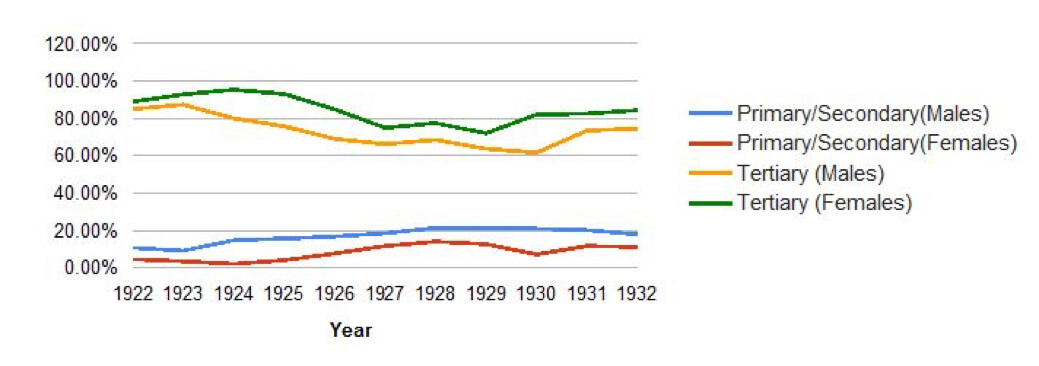
Healing the "Other": Women and African Americans at the Hot Springs VD Clinic
Because their attempts to accelerate the curative process largely failed, Wenger's staff also investigated ways of keeping patients within Hot Springs for longer periods of time. This search for extra-medical means of disease control had a racial foundation, one that becomes clear through an examination of doctors' experiences with female patients. Initially, Wenger and his staff harbored quite negative attitudes toward women, who were seen as "uncontrolled spreaders of infection" and a "menace to the community at large."65Wenger, "The Need for Social Hygiene"; Oliver C. Wenger, Annual Report for 1923, Oliver C. Wenger Papers, Box 1, University of Arkansas for Medical Sciences Archives. With the passage of time, however, clinic personnel became increasingly sympathetic to the plight of female health-seekers—even those who supported themselves through prostitution while receiving treatment. From these sentiments (which extended only to whites) emerged a non-traditional disease control program, one rooted not only in testing and treatment, but also in socioeconomic measures—including financial aid for food and housing.
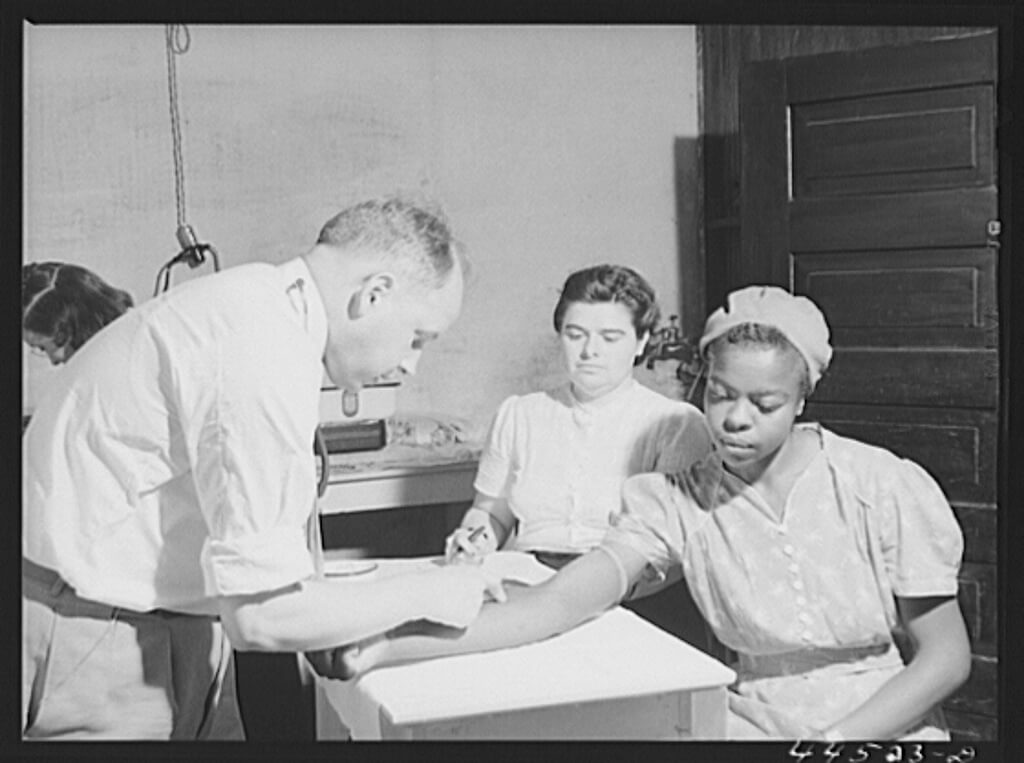
Wenger's first few years in Hot Springs were characterized by an intensive crackdown on the city's red-light districts, which had re-opened in the aftermath of World War I. Hoping to prevent local brothels from recovering their former strength, in January 1921 the PHS presented an ultimatum to municipal authorities, explaining that unless the city abolished its regulated district the agency would quarantine all individuals who came to Hot Springs seeking treatment for disease—venereal or otherwise. Recognizing that it would "prove a great financial blow to the city if this patronage were lost," the PHS argued that it was "absolutely inconsistent to permit men to go there for the cure and, at the same time be exposed to reinfection through the agency of an open red-light district." Women too would be subject to these measures, as some of the female patients in Hot Springs were prostitutes who "carry on their profession while under treatment."66"Hot Springs Threatened With Loss of Patronage: Health Resort Must Eliminate Red-light District," The Social Hygiene Bulletin 8, no. 1 (1921): 8.
This seemed clear from a report Wenger received from the Interdepartmental Social Hygiene Department (ISHD) in 1922. A governmental entity tasked with investigating the relationship between prostitution and VD, the ISHD in 1921 sent an agent named Blanche Young to Hot Springs. Upon questioning a few girls "of the prostitute type" found within the city's public dance halls, she concluded that no progress against VD would be forthcoming unless the federal government abolished its system of regulated prostitution. One of the prostitutes Young met with informed her that "she had gone to the city for medical treatment and was under the care of a private physician." On another occasion, Young encountered a "very fast looking girl enter[ing] an automobile occupied by three young men who were obviously under the influence of liquor." "A little later," Young continued,
I saw this automobile stop and the men 'pick up' two girls. This was about 11:43 PM. The men talked to the girls on the street, inducing them to enter the car, immediately driving off. The next day I recognized in both the G.U. [genito-urinary] and syphilis clinics one of the girls who was present in the dance hall.67L. Blance Young to O.C. Wenger, February 8, 1932, Oliver C. Wenger Papers, Box 1, University of Arkansas for Medical Sciences Archives.
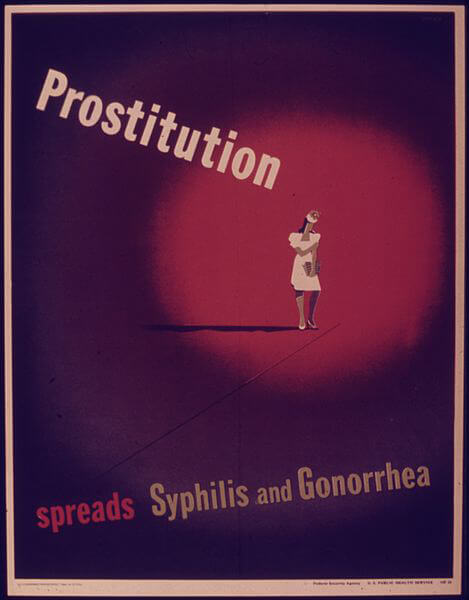
Reports such as these inclined Wenger toward an all-out assault on the city's red-light district. As during wartime, Hot Springs's response to this federal ultimatum was regretful compliance. The death of the city's physician-mayor J.W. McClendon—"the leader of the wide-open town policy"—eased Washington's task. With the removal of this "obstacle," the PHS convinced local law enforcement officials to fall in line.68O.C. Wenger to David Robinson, April 18, 1921, Oliver C. Wenger Papers, Box 1, University of Arkansas for Medical Sciences Archives. By the summer of 1922, five brothels had been shut down; by 1923, their number had been reduced by half.69 Information on brothel closures comes from my own analysis of police dockets from the City of Hot Springs, 1920–1923. These documents can be found in the Garland County Historical Society Archives, Police Department Records, Vertical Files, Garland County Historical Society, Hot Springs, Arkansas. In 1918, before the initial crackdown on prostitution, sex-workers accounted for almost one-fifth of all criminal arrests in the city. These results bore out the federal government's conclusion that local personnel had been "very successful" in "eliminating houses of prostitution" in Hot Springs.70First Deficiency Appropriation Bill, 1921: Hearing before Subcommittee of the House Committee on Appropriations (Washington, D.C.: Government Printing Office, 1921), 568.
This assessment proved premature. The interwar years brought new life to prostitution. While initially complying with the PHS, steep declines in revenue from saloons and bawdy houses prompted municipal officials to change their minds.71"Hard Sledding for Bankrupt City," Yearbook of the City Managers' Association 6 (1920): 85–6. In the late 1920s, the city's mayor "[threw] the town wide open" to prostitution, and in the next decade, cases of "female patients street-walking or soliciting" were "almost of daily occurrence."72Oliver C. Wenger, "The Transient-Indigent-Medical Problem at Hot Springs National Park, Arkansas," Oliver C. Wenger Papers, Box 1, University of Arkansas for Medical Sciences Archives. The clinic did little to oppose this challenge to federal authority. A 1934 visitor to the city remarked that Hot Springs was "the only national park where gambling, imbibing, and prostitution go unmolested."73Ray Hanley, A Place Apart: A Pictorial History of Hot Springs, Arkansas (Fayetteville: University of Arkansas Press, 2011), 81; "Hot Springs Would Secede," Today 3 (1934): 23.
What explains this reversal? For one, it appears that clinic personnel had little appetite for prolonged conflict with the array of local forces (officials, doctors, and brothel owners) opposed to the abolition of prostitution. More important, however, were the interactions clinic personnel had with female patients—many of whom sold their bodies for sex while seeking VD treatment.
Consider the experience of a "young white woman" from Tennessee named "O.J." Orphaned since childhood, O.J. had grown up at the House of the Good Shepherd in Memphis. With "limited" opportunities, she then supported herself largely through prostitution—by which she contracted both syphilis and gonorrhea. Upon arriving in Hot Springs, O.J. found work as a boarding house maid. Subsequently accused by her landlady of "running around with men," O.J. found herself back on the streets. For the remainder of her stay, she supported herself through prostitution, a decision defended with three words: "I must eat." While concerned over the number of "boy friends" this "more than ordinarily attractive" woman had infected, Wenger sympathized with O.J.'s plight, explaining to his superiors that "she was a good patient and reported regularly for treatment." Summarizing her case, the PHS agent conceded that "it is hard to be chaste and hungry."74Wenger, "The Transient-Indigent-Medical Problem."
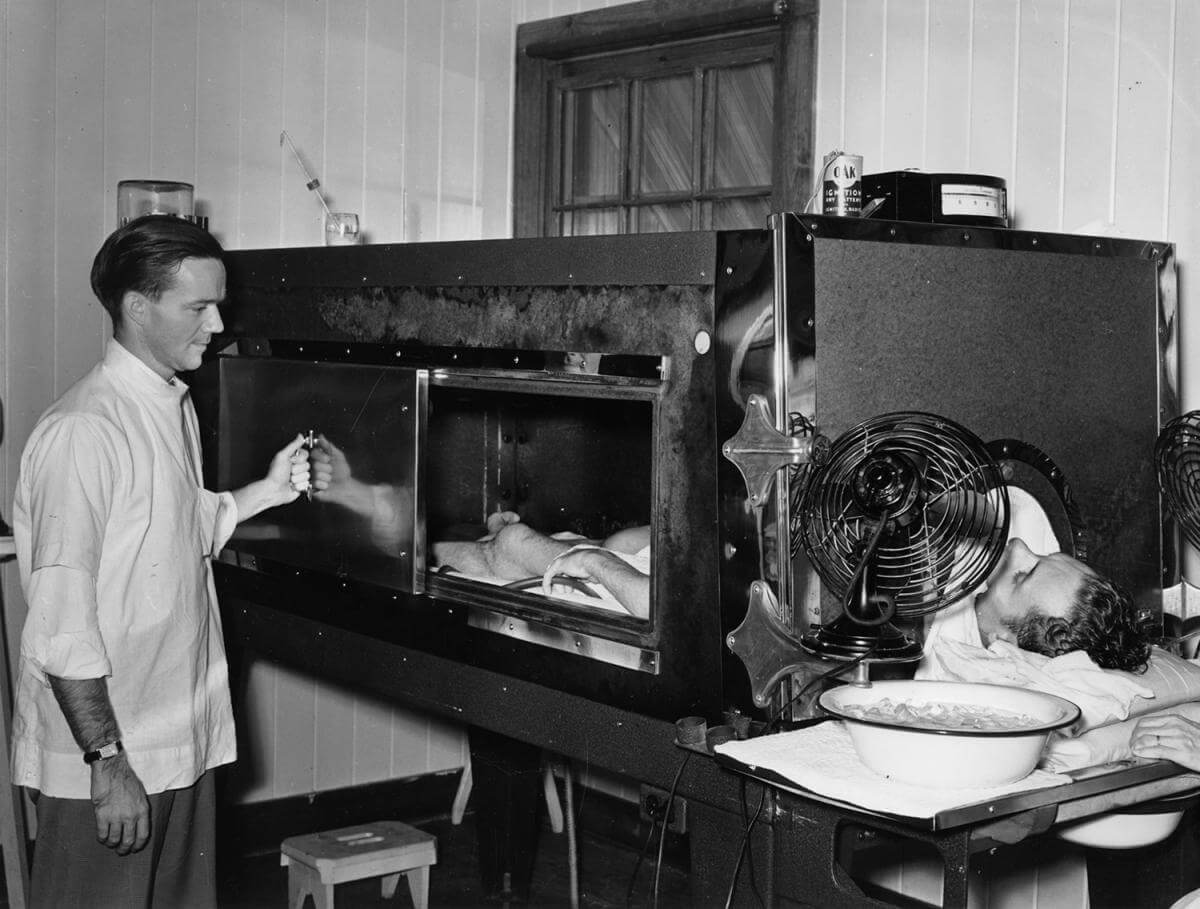
Interactions with patients like O.J. had a dramatic impact on clinicians, who came to accept prostitution not as an indication of immorality, but as a consequence of the adverse circumstances many female patients faced.75Wenger, Annual Report for 1923. In one of his earliest reports, Wenger spoke of the "large number of female patients" who arrived in Hot Springs with "no funds" and "no friends." With work "scarce" in the city, many of these women—in a "much discouraged" state—were "forced by dire necessity to support [themselves] by prostitution."76Oliver C. Wenger, "History of United States Public Health Clinic, Hot Springs, Arkansas," Oliver C. Wenger Papers, Box 1, University of Arkansas for Medical Sciences Archives. The experiences of patients like O.J. were "not unique nor unusual, but exactly what goes on as these transients move across the country in their efforts to receive free medical service."77 "Any person who engages in travel," Wenger maintained, "may be the carrier of a communicable disease." "Every health officer knows," he reminded his superiors, "of instances, when, from one single source, hundreds and thousands of new cases have developed." Oliver C. Wenger, "The Indigent, Transient Problem and Its Relation to Public Health," Oliver C. Wenger Papers, Box 1, University of Arkansas for Medical Sciences Archives. Criticizing those who argued that prostitution could not be tolerated, Wenger explained that "as social workers and health officers, we must change our own attitude and remember that we ourselves would become transients seeking medical services if they were not available at home. This is only natural."78Ibid. In connection with Wenger's apparent acceptance of prostitution in Hot Springs, it is interesting to note that while overseeing a VD control program in Puerto Rico during the Second World War, the PHS official was privately reprimanded for proposing "methods of registration and identification of prostitutes which seem quite out of line" with the federal government's official policy of repression. For more on this, see Surgeon General Parran to Senior Surgeon O.C. Wenger, March 23, 1942, Thomas Parran Papers, Series 1, Box 5, University of Pittsburgh, Pennsylvania. Hereafter, Parran Papers.
Consistent with his new understanding of prostitution, Wenger's interactions with female patients displayed a lack of moralizing. In lectures on how to "prevent a second infection," he endorsed the use of condoms and taught women "the value of prophylaxis and also contraceptives, or birth control methods." A typical lesson began with a discussion of female anatomy and concluded with demonstrations of birth control techniques.79In educating his patients on the use of contraceptives, Wenger was taking a risk. As he noted in a 1926 letter sent to Thomas Parran (the recently-appointed director of the PHS's Division of Venereal Diseases), "the whole subject of prophylaxis is T.N.T. at this stage of the game," and as such, advocating too forcefully on behalf of birth control measures "might innocently start some unwelcome comment"—particularly in the South. On account of this, Wenger generally advised that the PHS "let the State V.D. men do as they please"—another sign of the impact local forces had on the federal government's efforts. For more, see Oliver C. Wenger to Thomas Parran, October 23, 1926, Parran Papers. While initially concerned about how female patients would react to these frank methods, Wenger reported that "there has been no embarrassment on the part of the volunteer subjects or the patients looking on. The remarks and questions asked during the demonstrations are amazing."80O.C. Wenger to Dr. White, January 13, 1925, VD Division Records.
The clinic's female patients also encouraged Wenger to search for economic solutions to the country's VD epidemic. Consider the 1933 case of "Mrs. W." A white, college-educated woman who "came here all the way from old Mexico" after having been deserted by her husband (who infected her with syphilis) and having "suffered losses in the general depression." Upon arriving in Hot Springs, Mrs. W. initially stayed with a "colored friend." When this woman's relatives moved in, Mrs. W. informed clinic personnel that she was "planning to 'hitchhike' her way back to Nogales, Arizona," where friends would take her home. Believing such a trip would be "practically impossible," Wenger turned to local welfare agencies, "who agreed to pay half of her fare." The remainder was "made up by clinic personnel." Discussing her case in a report to his superiors, Wenger noted that "this is just another instance, in which, if maintenance could have been arranged for a longer period of time, the patient could have probably improved sufficiently to take her place again among her friends and be self-supporting."81Wenger, "The Transient-Indigent-Medical Problem."
Like O.J. and Mrs. W., most of the women who made their way to the Hot Springs clinic in the 1930s were white.82During the clinic's formative years, white women never accounted for more than one-fifth of the clinic's annual caseload. Between 1928 and 1936, however, their numbers steadily grew, reaching a peak of 2,353 in 1935—a year in which they represented nearly one-third of all patients treated. During the same period, African Americans' share of the clinic's annual caseload declined from 36.9 percent to 20.3 percent—a trend especially evident among females. O.C. Wenger, "Summary Statistical Data," Oliver C. Wenger Papers, Box 1, University of Arkansas for Medical Sciences Archives. They received a much more sympathetic response than did the city's black health-seekers. Consider the case of Charley Wade Bradshaw. Shortly after entering the clinic on September 3, 1927, Bradshaw—a twenty-five year old black man employed as a porter by the Oklahoma City Railway Power House—was diagnosed with neurosyphilis and placed on a regimen of mercury. For six weeks, Bradshaw's savings enabled him to rent a room at a colored hotel, but on October 19, he was reported "AWOL." One year later, an Oklahoma City law firm supplied the reason for this abrupt departure. Coming to Hot Springs after company doctors "advised him that he had bad blood," Bradshaw left after running out of money for room and board. As an attorney informed Wenger, Bradshaw was "in a bad condition physically," and because he had "no means whatever," anyone who tried to help him "will have to do so at their expense."83Walter Martin to O.C. Wenger, March 2, 1928, VD Division Records.
Wenger apparently made no effort to pay for Bradshaw's expenses, despite his recognition of the socioeconomic inequalities that imperiled black health.84Between 1922 and 1932, the number of African American visitors listed in the "unskilled labor" category was "nearly twice as high" as the comparable figure for whites. O.C. Wenger, "An Analysis of 10,000 Cases of Syphilis," Oliver C. Wenger Papers, Box 1, University of Arkansas for Medical Sciences Archives. While concurring that venereal diseases were "playing havoc within the Negro population of the country," he criticized those who interpreted these findings as evidence of African Americans' "absolute lack of morality." The observed differential between whites and blacks, commented Wenger, "does not mean that there is a considerable difference in the morals of these different groups." The critical variable was African Americans' "social economic status"—in particular, their "more limited" educational and employment opportunities. "When the social and economic backgrounds of the two races are considered," he concluded, "there seems to be little difference in the incidence of infection."85Oliver C. Wenger, "Analysis of 10,000 Cases of Syphilis," Oliver C. Wenger Papers, Box 1, University of Arkansas for Medical Sciences Archives.
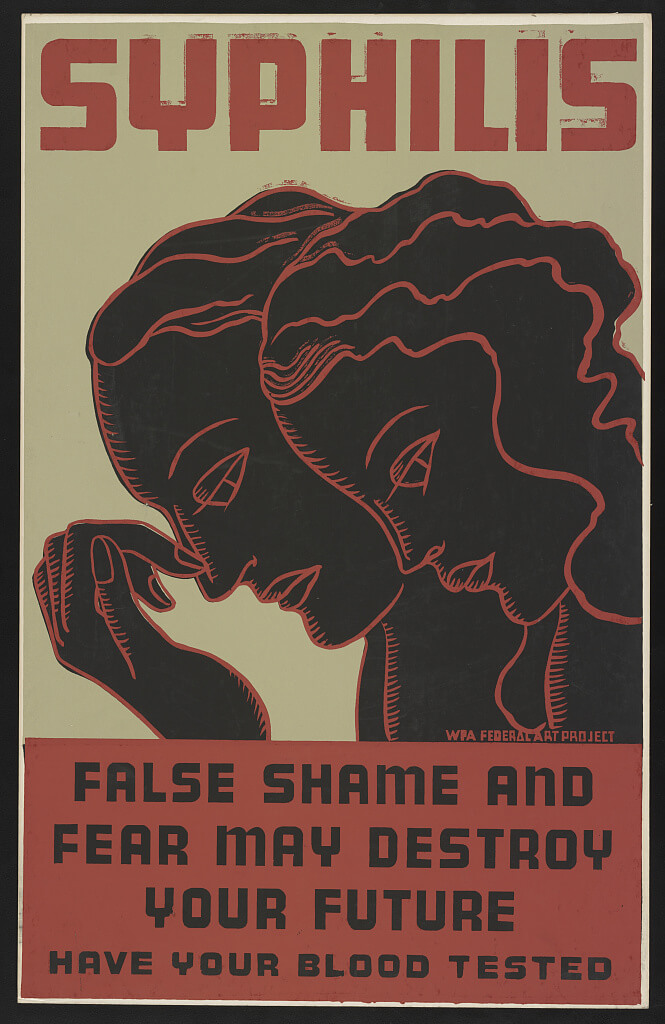
Improving black health-seekers' access to treatment required more than a rejection of the "syphilis-soaked negro" stereotype. When it came to removing institutional and economic barriers confronting African American VD patients, Wenger did little. He refused to challenge Hot Springs's adherence to Jim Crow, which confined African Americans to an "exterior observation" of all but two of the city's bathhouses. In addition to the "great disadvantage" they faced due to the "lack of proper accommodations in hotels and bathhouses," black patrons had fewer opportunities for securing therapeutic services than did whites. The Depression felled the one institution—the Woodmen of the Union Hospital—specifically catering to blacks.86 A.W. Hunton, "The American Carlsbad," The Voice of the Negro 3, no. 5 (1906–7): 331; C. Melnotte Wade, "Hot Springs—Its People," Colored American Magazine 10, no. 1 (1906): xviii; O.C. Wenger, "The United States Public Health Service Clinic at Hot Springs National Park, Arkansas," Oliver C. Wenger Papers, Box 1, University of Arkansas for Medical Sciences Archives; O.C. Wenger to Surgeon General, July 27, 1934, VD Division Records.
Black patients also faced the racial hostility of local physicians—some of whom worked in the PHS clinic. Believing that their higher rates of syphilis and gonorrhea stemmed from "the negro's almost absolute lack of morality and cleanliness," the resort's white doctors contended that southern blacks were "little better than animals with strong sexual passions."87 Thompson, Syphilis, 52. Some believed that emancipation constituted the primary cause of syphilis's spread "among the negro population of the South," as rampant promiscuity created a situation in which "the very existence of the race is threatened."88L.R. Ellis, "Address of the Chairman of the Section on Dermatology and Syphilology," Journal of the Arkansas Medical Society 6 (1909): 44; Loyd Thompson and Lyle B. Kingerly, "Syphilis in the Negro," American Journal of Syphilis 3 (1919): 396.
Racist attitudes were on display within the Hot Springs VD clinic. Admitted in July 1925, George Smith was a black man who came to the attention of local authorities after his arrest for "night prowling." While a judge ordered his release on the condition that he leave town, a Wassermann test revealed that Smith was infected with syphilis. Shortly after Wenger prevailed upon the city to permit his entrance into the PHS facility, trouble began. One day while receiving an injection of mercury, Smith reportedly became "impudent," and the doctor treating him "lost his temper and threatened to ruin" the man. Upon hearing of the incident, Wenger informed Smith to "remain away" from the clinic until the physician in question—a Dr. Abington—left. Though not expelling him, Wenger warned the doctor not to "cuss" the patients, and in his review of the case, the PHS official observed that Abington "was born and raised in the South, and [was] prejudiced toward all aggressive negroes."89O.C. Wenger to the Surgeon General, July 20, 1925, VD Division Records .
With the advent of the Great Depression, fewer and fewer men such as Charley Bradshaw and George Smith entered the Hot Springs clinic. As the economic misery of the 1930s increased, the proportion of black men and women admitted to the clinic declined precipitously; whereas in the 1920s, roughly one-third of the city's health-seekers were African American, by the middle part of the 1930s, this figure had fallen to about one-fifth. Those able to pay for a stay came later in the course of their infections than did whites, and in addition to presenting less curable forms of illness, they left Wenger's clinic much earlier than did white men and women.90On average, between 1922 and 1936, African American rates for tertiary syphilis were ten percentage points higher than those of their white counterparts, who also presented 8 percent more primary and secondary cases than did black syphilitics. O.C. Wenger, "Classification of Syphilis Cases, U.S. Public Health Service Clinic," Oliver C. Wenger Papers, Box 1, University of Arkansas for Medical Sciences Archives. A 1940 study revealed that the average white syphilitic received twelve shots of Salvarsan, and blacks only nine.91Waugh and Milovich, "Severe Reactions," 390. For further evidence of the unfavorable therapeutic outcomes for black patients, see J.R. Waugh and W. Burns Jones, "Genito-Urinary Survey of 1,625 Male Patients, United States Public Health Service Venereal Disease Clinic, Hot Springs, Ark.," Journal of Venereal Disease Information 13, no. 1 (1932): 9.
Instances of racial discrimination continued. In 1941, a PHS officer reportedly entered a number of "reputable Negro business places" in nearby Texarkana, arresting several "young ladies," and then transporting them to Hot Springs for treatment—all without testing them for venereal disease.92"Officer Uses 'Gestapo' Methods: Texarkanians Terrorized, Business Houses Molested," Arkansas State Press, July 25, 1941, 1. Such tactics soured many black syphilitics on Hot Springs.93For likely racial discrimination, see Paul Carley, "Infection with Syphilis Masked by Gonorrhea," Journal of Venereal Disease Information 18, no. 2 (1937): 21–4. For their part, black newspapers discouraged readers from journeying into central Arkansas, noting that northern health resorts and spas were "more attractive than Hot Springs" on account of the latter's "awful...Jim Crow cars and other uncivilized offerings to the colored visitor."94"Negroes Can Bathe at French Lick Springs," The Michigan State News, Tuskegee Institute News Clippings File.
Clinic to Camp
From the beginning, clinic personnel were wary of attracting local citizens' ire. Hot Springs's patients frequently "[ran] into trouble with the police for housebreaking and robbing. " Local residents resoundingly objected to "the presence of such large numbers of indigent VD cases on the city streets."95"Hot Springs Judge Wroth over 'Dumping' of Indigent Diseased Transients in City," Oliver C. Wenger Papers, Box 1, University of Arkansas for Medical Sciences Archives; Wenger, "The Transient-Indigent-Medical Problem"; O.C. Wenger to Surgeon General, July 27, 1934, VD Division Records. As early as the mid-1920s, Wenger called on the federal government to provide "some means of housing these indigent patients, or at least of providing them with sufficient food while they are under our care."96O.C. Wenger, "United States Conducts Clinic for Venereal Diseases," 103. Such aid never came.
During the Depression—as the city was "swamped with applicants seeking medical aid"—"begging, borrowing, and stealing" intensified.97Oliver C. Wenger to Taliaferro Clark, August 29, 1931, NPS Archives. Many of these applicants, wrote Wagner, belonged to a "much higher type group," individuals who in normal times would not have had to avail themselves of free, government-provided services.98O.C. Wenger, "The Transient-Indigent-Medical Program," Oliver C. Wenger Papers, Box 1, University of Arkansas for Medical Sciences Archives. Aware of the ways his clinic was "causing objection and criticism from certain groups of citizens," in 1933 Wenger again asked for federal housing of indigent patients. His next budget included monies courtesy of the Arkansas Transient Bureau (ATB), a branch of the Federal Transient Bureau, to provide "free room and board" at "$1.00 per day per patient," as well as funds for hospitalization, telegrams, minor emergencies, and transportation home.99Ibid.
During its first month in operation, the ATB provided shelter, clothing, food, and medical attention to over 2,300 VD patients—black as well as white, female as well as male. The program reaped immediate dividends: according to state officials, only one year after implementing Wenger's "maintenance" plans, the number of venereal health-seekers leaving Hot Springs non-infectious increased by 38 percent.100R.O. Brunk, "Some Interesting Facts," Oliver C. Wenger Papers, Box 1, University of Arkansas for Medical Sciences Archives. Echoing these sentiments, in January 1934, Wenger wired Washington praising the ATB for "giving out free room and board," noting that as a result of this "most of the old patients are remaining because they are getting free room and board and are taking more treatment."101Oliver C. Wenger to Dr. Vonderlehr, January 10, 1934, NPS Archives.
Figure 3: Salvarsan Injections Per Patient, 1922–1936
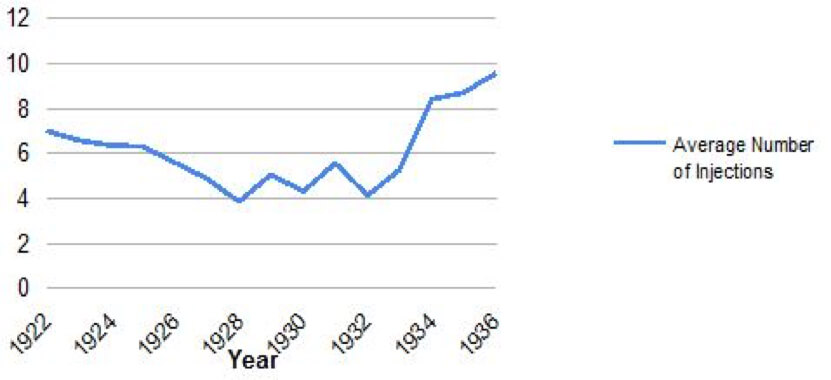
As diseased men and women descended onto Hot Springs, by early 1935 the ATB was providing for 4,000 diseased indigents.102McCully, "The United States Public Health Service." City officials claimed that many patients were "irresponsible as to their personal conduct"; every day, one local paper reported, twenty-five health-seekers faced arrest on charges of drunkenness and disturbing the peace.103Brunk, "Some Interesting Facts," Oliver C. Wenger Papers, Box 1, University of Arkansas for Medical Sciences Archives; "Hot Springs Judge Wroth over 'Dumping' of Indigent Diseased Transients in City," Oliver C. Wenger Papers, Box 1, University of Arkansas for Medical Sciences Archives. "If the federal government continues to invite the scum of the earth here," complained a judge to the PHS, "I guess we'll just have to move out and give the town to you."104"Hot Springs Judge," Oliver C. Wenger Papers, Box 1, University of Arkansas for Medical Sciences Archives.
Hot Springs officials began resisting calls for assistance, even refusing to admit dozens of children whose parents were receiving treatment into the public school system. Despite Wenger's "most vehement protests," and despite repeated assurances that it was "perfectly safe" for these children to mingle with local children, municipal leaders were adamant.105Oliver C. Wenger, "A Plan for the Consolidation of all Medical Measures for Transient Relief in Hot Springs, Arkansas," Oliver C. Wenger Papers, Box 1, University of Arkansas for Medical Sciences Archives. They began to push for the removal of the clinic's "undesirable" indigent transients.106"Council Approves New Transient Plan," Oliver C. Wenger Papers, Box 1, University of Arkansas for Medical Sciences Archives.
Conceding that patients "cannot be left to roam at will and get into difficulties on the streets of Hot Springs," federal officials and the ATB considered construction of a camp on the city outskirts to house clinic patients and "give them wholesome occupation and recreation."107Antoinette Cannon, "Hot Springs Transient Program," Oliver C. Wenger Papers, Box 1, University of Arkansas for Medical Sciences Archives. Initially, Wenger opposed these plans, but in order to "meet the needs of patients and the community," in 1934 the ATB began building a camp "for lone men who are under care in the United States Public Health Service clinic.108Ibid.
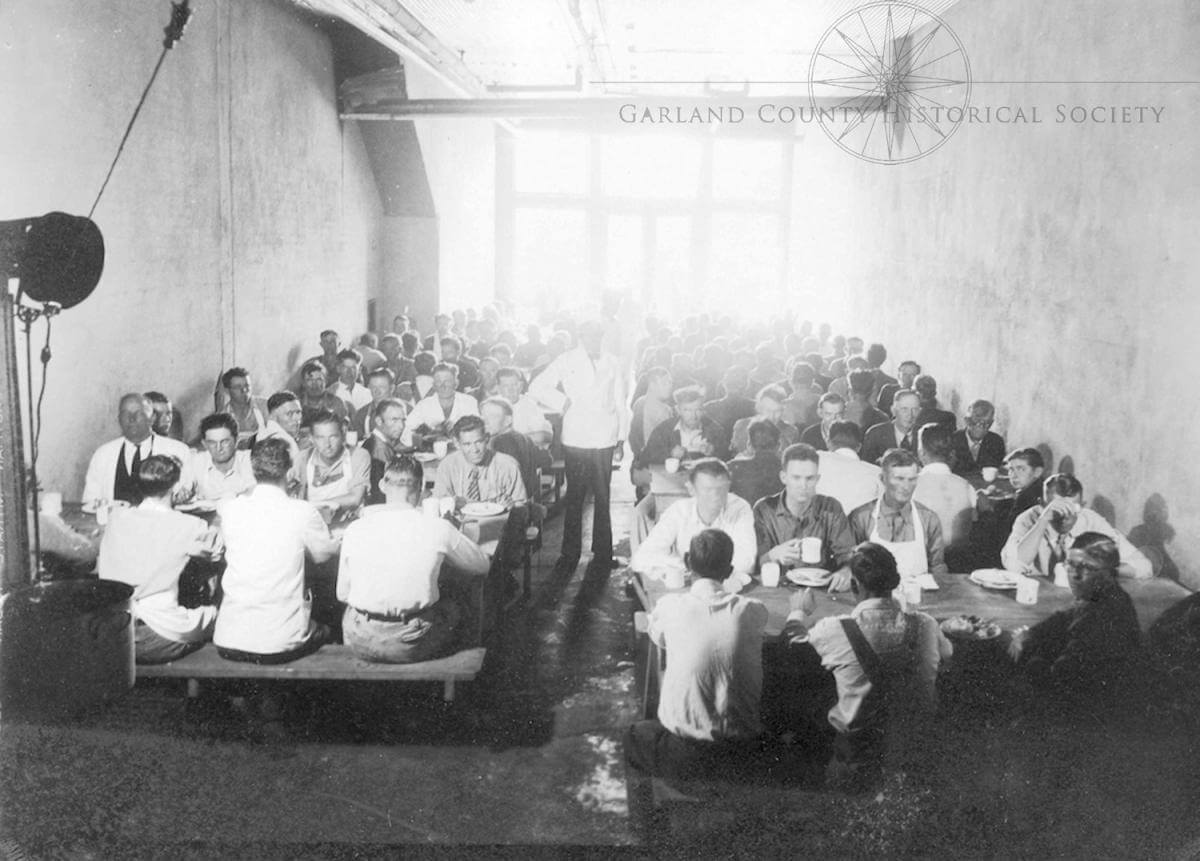
A year later, Camp Garraday opened on a thirty-three acre tract with a sixty-bed infirmary, nine barracks, kitchen, dining hall, and recreation building. During its first year, the ATB facility quartered five hundred white male transients.109O.C. Wenger, "A Plan for the Consolidation of all Medical Measures for Transient Relief in Hot Springs, Arkansas," September 5, 1935, NPS Archives. While these men—whom Wenger labeled the clinic's "hardest problem"—benefited from the "good food," shelter, immediate medical attention, and recreational opportunities provided directly by the federal government, white women and African Americans of both sexes continued to subsist under the old plan, by which they were "maintained in rooming and boarding houses throughout the city."110O.C. Wenger, "The United States Public Health Service Clinic at Hot Springs National Park, Arkansas," Oliver C. Wenger Papers, Box 1, University of Arkansas for Medical Sciences Archives.
Camp Garraday embodied the PHS's eugenic understanding of VD. While Wenger labeled white male patients a "problem," they were central to his ideology of "race conservation" and thereby worthy of privileges. Other patients might receive very modest financial aid, but they had to find sources of food and shelter, and felt the full force of the city's loathing. By contrast, white male patients received care on site, in a domiciliary setting. And Wenger sought to expand the camp's capabilities. In his 1936 budget, he recommended $55,320 for additional forms of support—including a butcher, a recreational supervisor, a housing director, a nursery, and a children's school (with principle and one teacher)—for Camp Garraday's residents.111Oliver C. Wenger, "A Plan for the Consolidation of All Medical Measures for Transient Relief in Hot Springs, Arkansas" (September 5, 1935), NPS Archives.
Wenger's plans never came to fruition. Local white citizens quickly and vehemently complained that Camp Garraday, "a Frankenstein monster," restored the "old stigma that Hot Springs is a place only for the treatment of venereal diseases." As the director of the Hot Springs Reservation explained, the PHS's efforts threatened to "ruin the results of the past hundred years of our history, to say nothing of the millions of dollars invested in the resort by private capital." The existence of Camp Garraday functioned to "make the place undesirable for pay patients."112As one local authority put it, developments of the early 1930s had given the health resort's more wealthy visitors the impression that "the transients being treated here were so numerous that [they] would overrun everything," and on account of this, the city had become "undesirable for pay patients." Thomas J. Allen to Arno B. Cammerer, July 23, 1934, NPS Archives.
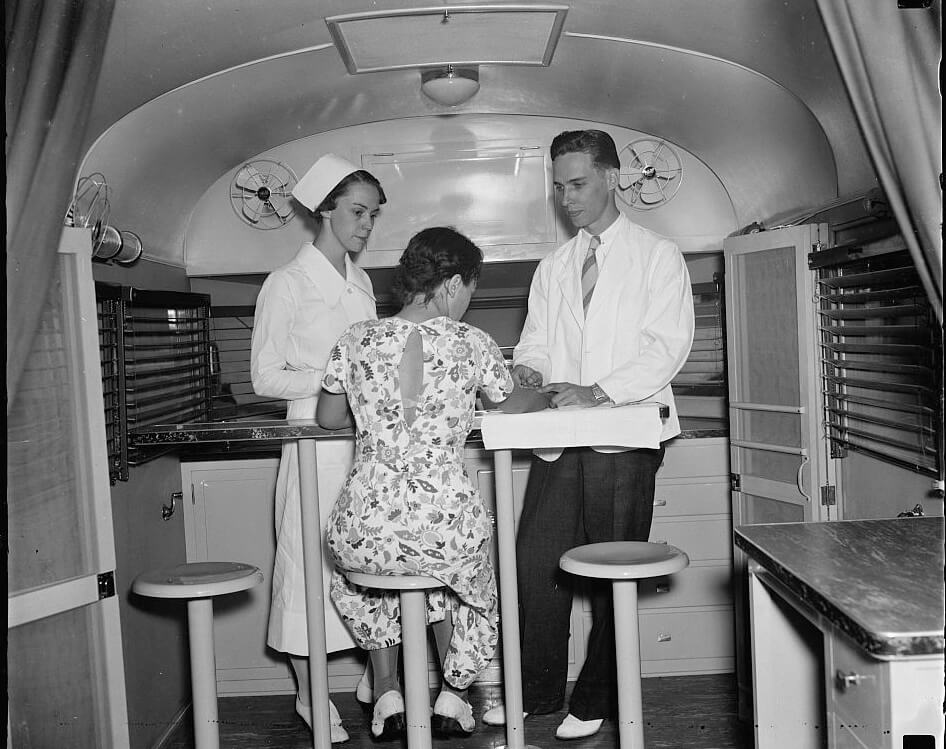
Unable to overcome residents' objections to Wenger's maintenance program and the ATB's camp plan, the federal government terminated the Transient Bureau in 1936 and Camp Garraday ceased to house patients. Venereal health-seekers wishing treatment in Hot Springs were required to bring "sufficient funds available to pay their room and board over a period of at least ninety days."113John J. McShane to All Local Health Authorities, March 10, 1936, VD Division Records. For Oliver Wenger, who left Hot Springs in 1937 to take part in Chicago's Syphilis Control Program, it was a bitter ending. It appeared to him that Hot Springs was in no better shape than when he first arrived fifteen years earlier.
The same year Wenger left Hot Springs, Congress passed the National Venereal Disease Control Act. Allotting funds to the states, this legislation enabled a dramatic expansion in the nation's anti-venereal infrastructure. Arkansas soon felt the act's effects: prior to 1937 there were no state-run VD clinics here; by 1943, there were eighty-three. These new medical facilities treated fifteen thousand patients per year, far exceeding the heyday of the Hot Springs VD clinic.114"Venereal Disease Control," Arkansas Health Bulletin 1, no. 3 (1944): 6–9. In tandem with the mass production of penicillin in the 1940s, these developments led to a precipitous decline in the nationwide incidence of syphilis and gonorrhea. By the early 1950s, the country's VD "epidemic" had ended, and although rates for both syphilis and gonorrhea rose in subsequent decades, the government's model VD clinic would play no part in post-war developments.
Conclusion: Race, Hot Springs, and Tuskegee
The history of the Hot Springs VD clinic reveals how eugenics shaped the federal government's response to syphilis and gonorrhea. The facility's day-to-day operations show how the goal of "race conservation" structured patient experiences and outcomes. On account of the high volume of white syphilitics seeking admittance, clinic personnel became increasingly sympathetic to patients' circumstances and needs, and eventually, this sympathy manifested itself in a medical program that included free treatments as well as stipends for housing and food. While patients, regardless of race or sex, benefited from these extra-medical measures, it is unlikely the PHS would have launched such an approach to VD had not the primary beneficiaries been white males. The Camp Garraday transient center doled out special services to clinic patients because they were white men.

How did eugenics and scientific racism unfold at Hot Springs as compared with Tuskegee? As the failure of its venereological research program suggests, Hot Springs is a story about subjects becoming patients. In Tuskegee, the opposite occurred. What began as a series of mass treatment campaigns ended up as a horrific forty-year research program revolving around the denial of medical services. Tuskegee's creators tried to explain their complicity by invoking the Great Depression, claiming that their actions resulted from agency budget cuts that rendered additional funding for VD treatment impractical. However, just as the Depression deepened its hold, the PHS began pouring money into the Hot Springs clinic, whose patients were provided with drugs as well as with funds for food and shelter. The clientele at Wenger's clinic were primarily white; those enrolled in the Tuskegee study were black.
Race played a determining role in the PHS's attack on syphilis and gonorrhea. In broadening the scope of historical study beyond Tuskegee, and in particular by looking at the agency's policies toward white patients, the extent of the government's racialized response to VD becomes clearer.
About the Author
Elliott Bowen is a professor of history at Nazarbayev University and a historian of medicine and public health in the modern United States. His research explores the history of sexually transmitted diseases. Bowen is currently working on a book-length project about the history of Hot Springs, Arkansas.
]]>Review
Toby L. Parcel and Andrew J. Taylor's The End of Consensus is a thoroughly researched, multidimensional look at popular support for student assignment policies in the Wake County, North Carolina, Public School System (WCPSS). The district, which educates nearly 150,000 children in 171 schools, is one of the nation's largest. (Private schools only educate about one-tenth of the county's school-aged children.) WCPSS is a rare example of a large school district that is racially and economically diverse and is "alone among large districts across the nation in persisting with a diversity policy as a central feature" (106). Student assignments—either parent-initiated ones (applying to district magnet schools) or district-mandated ones (requiring attendance at a school to balance student populations along racial or economic lines)—form the heart of this policy. The authors, both professors at North Carolina State University, describe the evolution of this policy, noting how dramatic population shifts within the county, increasingly strained school district resources and buildings, and the national politicization of school-related issues appeared to end residents' long-standing support for it. This led to a dramatic school-board shake-up in 2009, when Republican candidates unseated four Democratic incumbents.

Student diversity assignment strategies have been a mainstay in Wake County since 1976, when WCPSS was formed through the merger of a district serving Raleigh and another serving suburban Wake County (14–17). Legislation passed by the North Carolina General Assembly and approved by both school boards made the merger possible. The contentious debates that initially surrounded unification—centering on how to redistribute resources and students in the new district—would ultimately fade as public officials, business leaders, and area residents "generally supported the board's policies" and approved the schools' performance through the 1980s and into 1990s (22). However, as the county's surging population growth in the 1990s and early 2000s increasingly strained district resources, schools' performances declined and political conversations became more polarized. Recurring disagreements reprised those of the 1970s and, writes Parcel and Taylor, "are central to the story of Wake County's dramatic fracturing in 2009" (18). A Republican majority elected to the school board immediately "set to work dismantling and replacing the socioeconomic diversity mandate" behind school reassignments (83).
The End of Consensus explores the rekindling of this public school debate. Parcel and Taylor interviewed current and former members of the school board, business leaders, and local activists, surveyed over seventeen-hundred Wake County residents, and reviewed news accounts and census data to determine the degree to which school board policies, overall school performance, and "ostensibly unrelated" issues such as population growth and the Great Recession "brought about a change in public attitudes on school assignments" and a challenge to the incumbent school board members and the existing consensus (xiv).
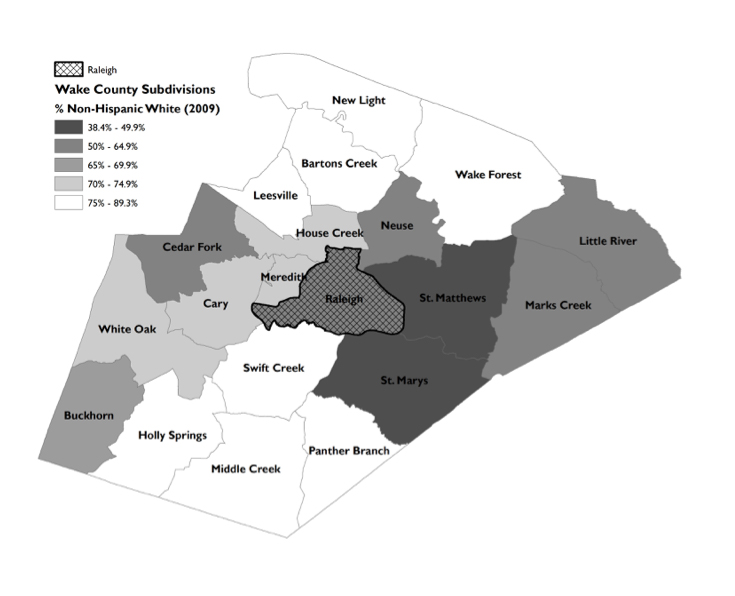
While the district did experience more public discussion around policies designed to keep Wake County schools economically and racially diverse, it remains an open question whether the 2009 election marked the end of widespread support for the district's goal of keeping schools balanced and representative of the district as a whole. This is largely because it is nearly impossible to untangle this apparently growing unease—and the adjustments to student assignment approaches that inflamed the debate—from the dramatic population shifts occurring in Wake County at this time. Between the 1980 Census and the 2009 American Community Survey, the county's population increased from just over 300,000 to nearly 900,000. Three-quarters of this growth occurred between 1990 and 2009. Approximately 275,000 people were added to the county in the 2000s. This "massive influx of people" primarily went into the county's western suburbs, areas that had historically been and had remained largely white. New residents "placed tremendous strains on [school] facilities" (29, 20). This required building new schools at an astonishing rate. Even with 44 elementary schools, fifteen middle schools, and twelve high schools constructed between 1991 and 2010, the board failed to keep pace (51). As land prices rose, so did the cost of each new school.
By the mid-1990s, the district's operating and capital needs exceeded what Wake's county commissioners—"charged by state law to provide schools with much of their funding" (23)—and residents were willing to give. After approving earlier (less costly) bond issuances in 1993 and 1996, Wake residents rejected bond funding for school construction and renovation in 1999 (24). Because the district's physical facilities failed to keep up with the burgeoning student population, more students had to travel further—sometimes ten miles or more (11).
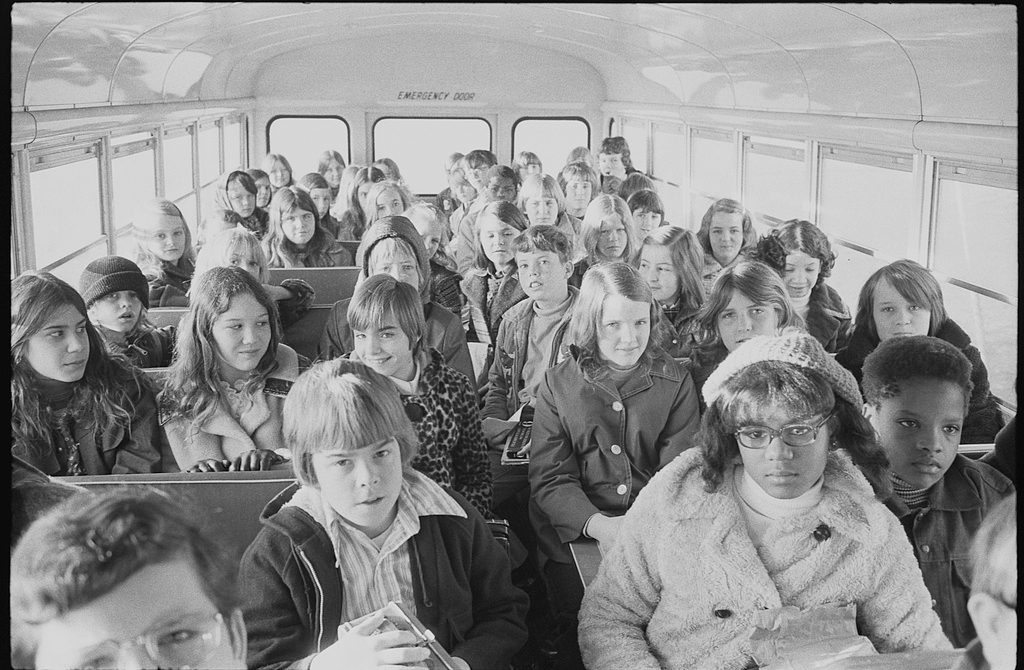
As new schools opened, the school board reassigned students—particularly those living in areas experiencing the most population growth—to maintain the district's racial and economic diversity goals (52). Such reassignments "created a pervasive sense of uncertainty and instability about schooling" and proved "extremely controversial" especially among the county's newest residents, who were least familiar with the district's diversity policy and who would also be called upon to cast ballots for school board members in 2009 (25).
In addition to reassigning students to different schools, the school board also sought to accommodate its growing student body and ensure schools' diversity by increasing its use of year-round schooling (26). This all but mandatory schedule now facing parents in the county's suburbs—again, parents newer to Wake County and less likely than long-term residents to be familiar with a year-round schooling model—was met with "significant resistance": "All these folks had moved here since 1999 [and] did not understand why we had year-round schools" (resident, quoted on page 69). Parents in affected areas did not like the two options the board provided to their children: "to either send their children to a year-round school [closer to home] or have them go to a traditional one, often with an unattractive starting time and long commute" (68). Neither conformed to the model of public education that these parents (typically white, higher-income, and more conservative than those living elsewhere in the county) tended to prefer: neighborhood schools (33, 45).


Frequent reassignments and year-round schooling (results of the diversity commitment) were the policies most at odds with the neighborhood school model and most disliked by Wake County's newest residents (42, 47). As the numbers and voices of newer residents surpassed those of long-time residents, the diversity policy long understood as "fair and beneficial to children of all backgrounds" became "increasingly criticized for undermining performance, forcing long bus rides on children, and limiting parental and community involvement in school" (49).
As the debate shifted to the ballot box in 2009, Parcel and Taylor point out that "the heightened partisanship and polarization that was taking place in national, state, and county politics" coincided with the controversy over Wake's school policies: "Events in Wake County developed as the public's trust in governmental and political institutions across the United States was declining markedly" (80). A significant portion of what appeared to be the faltering consensus on school diversity, then, may instead be more a function of the Great Recession having increased parents' anxieties about their children's education and future rather than a statement on specific actions or policies of the school board (79).
This occurred, too, alongside Wake County's own political revolution (27). The county had consistently backed Democratic gubernatorial and presidential candidates in preceding years, but between the early 1990s and the end of the decade, Wake County was "washed over by a Republican tide that had swept much of the South" (28). By the 2009 elections, "Wake County Republicans were organized, funded, and motivated enough to take on what they perceived as a liberal [school] board and its harmful policies" (31). New associations such as Assignment by Choice (ABC), Take Wake Schools Back, Wake Cares, and Wake Schools Community Alliance formed in the 1990s to resist the school assignment policy (37). In years past, conservative school board candidates had "only tangentially" taken on the district's diversity policy (37). Suburban mayors joined parents in the push to reduce the number of annual reassignments. By 2009 "numerous officeholders in suburban Wake municipalities were involved in a broad lobbying effort to reduce the movement of their residents' children between schools" (54).

Cover of the Independent Weekly vol. 27, no.3, January 20–27, 2010. Featuring Bob Geary's "Rich kid, poor kid: Diversity takes a backseat in Wake schools."
Ultimately, in the 2009 election that is the subject of The End of Consensus, all four of the contested school board seats represented "somewhat conservative-friendly territory" (77). Although, in each case, the incumbents were "associated with the status quo and the Democrats" (77) while the challengers opposed existing school board policies, in each case, too, the larger forces of in-migration (of high-income, white, conservative-leaning individuals), political polarization (on the national stage) and political mobilization were most intense and threatened these incumbents.
At the same time, the school board's new Republican majority was elected by less than 12% of eligible voters, a low turnout (although slightly higher than in prior years) and far from a groundswell of support for a regime change (82). It is not surprising that the new board's efforts to dismantle and replace the district's socioeconomic diversity mandate were quickly rescinded (83, 87). In the 2011 election, residents in the districts that did not vote in 2009 voted out the Republican majority. Partisan disputes continued, but signs of the old consensus returned: voters approved an $810 million construction bond in 2013 (the local Republican Party was one of only a few groups that opposed it, suggesting that its clout in the county had declined) and the new Democratic majority had returned some elements of the district's policy (112).
"There is no doubt," write Parcel and Taylor, "that 2009 marked a significant change in Wake County public schools politics" (89, emphasis added). Yet these political changes, in the end, were not accompanied by a comparable change in Wake County public school policies. At its core, The End of Consensus tells of a countywide school district that, as it boomed, had an increasingly hard time presenting itself as a "single community" around which all residents could rally and with which all residents identified (121). Residents instead sought out smaller "communities" in neighborhood-level schools. Such is the inherent challenge of desegregation's heterogeneity: as students and households from an array of racial and economic backgrounds are brought together, fewer may identify with the diverse whole. As Wake County's decades of consensus confirm, this is not an insurmountable challenge, but it highlights the key task of managing perceptions.
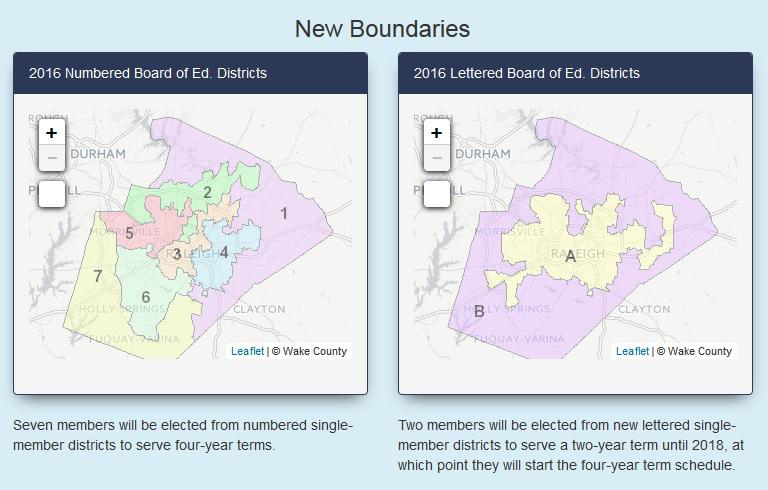
Even with its ups and downs, the Wake County Public School System deserves to be lauded for ongoing efforts to provide a diverse population of students with access to quality education and to each other. According to the Common Core of Data released by the US Department of Education's National Center for Education Statistics, only 5% of American public school students get to attend a district such as Wake's: one that is diverse and yet with a below-average portion of students qualifying for free or reduced-price lunch. Instead, roughly three-out-of-five (63%) white public school students attend schools in largely white and low-poverty districts, while a similar share (57%) of minority public school students attend schools in largely non-white and higher-poverty districts. Neither of these districts can prepare students to succeed in a diverse world or provide students with access to opportunity and upward mobility as well as Wake County's economically and racially diverse schools can.
About the Author
Karen Beck Pooley is a senior associate at czb LLC, a neighborhood planning firm, and teaches in the Department of Political Science and the South Side Initiative at Lehigh University in Bethlehem, Pennsylvania. Pooley received a PhD from the University of Pennsylvania's Department of City and Regional Planning in 2007. Her research focuses on neighborhood revitalization strategies, techniques for measuring housing market conditions, and the evolution of federal, state, and local housing policy.
]]>Review
From colonial founders' initial resistance to slavery to antebellum whites' embrace of it, Watson W. Jennison's Cultivating Race charts the first hundred years of Georgia's Anglo, African, and Native American shared experience. Beginning with the successes and struggles of Austin Dabney—a Revolutionary War hero of mixed ethnicity—Jennison draws readers into the complex world of early Georgia. Like other forgotten Georgians of color, Dabney exemplified the nexus of race and class in early America and epitomizes "the trajectory of blacks in Georgia" (2). For Jennison, a bifurcated society of white versus black, or trifurcated white–black–red, did not emerge as definitively or as early as previous scholars (chiefly Edmund S. Morgan) have suggested. It was the rising Cotton Kingdom's market forces—after Native American removal—that fueled a rigid racial order amid changing class alliances. For Jennison, the slide toward the sectional South of white rule, black oppression, and red removal was not inevitable but resulted from an "ideological struggle over the meaning of citizenship and race that played out between the founding of the nation and the rise of the Confederacy" (3).
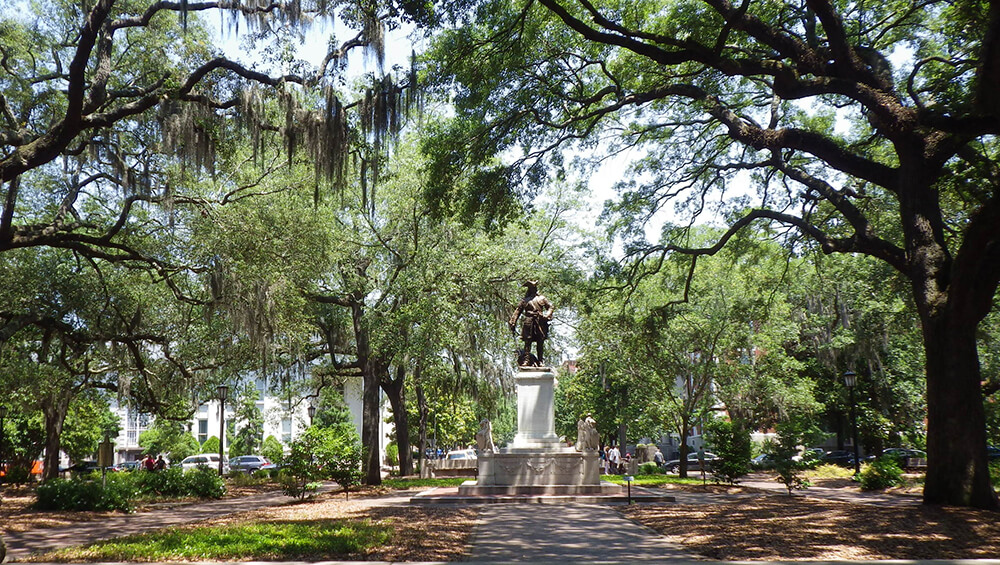
Top, General Oglethorpe Statue in Chippewa Square, Savannah, Georgia, May 22, 2014. Photograph by Flickr user BEV Norton. Creative Commons license CC BY-NC-ND 2.0.
Bottom, Detail of General Oglethorpe Statue, Savannah, Georgia, February 12, 2010. Photograph by Flickr user Jennifer Morrow. Creative Commons license CC BY 2.0.
Reconsidering Georgia's racial dynamics between 1732 and 1803, Jennison depicts the English colony as a place shaped by class, and later, spatial contestations. From the utopian dreams of trustee founder James Edward Oglethorpe, he reasons that Georgia was of imperial as well as philanthropic designs. The prohibition of slavery motivated Oglethorpe and his fellow trustees to create a refuge for the common man, namely white, yeoman farmers. The ban on slave importation did not evince anti-slavery persuasion; rather, the founders of Georgia wished to create an environment conducive to the social-mobility of status-seeking, white Englishmen. By 1751, however, this stance eroded under market pressures and the desire of vocal South Carolinian rice planters for a slave-based plantation economy. Jennison unpacks Georgia's slave codes from 1755, 1765, and 1770 to demonstrate how a Savannah-based, Lowcountry elite eventually seized power. Jennison cautions, however, against allowing the presumed simplicity of white freedom versus black slavery to obscure the "murkiness of race and class relations in colonial Georgia" (39–40).
The age of revolutions abroad as well as internal migrations in the United States would continue to fragment and frustrate the settling of Georgia's backcountry and residents' sense of self and citizenship. In contrast to historian Gary Nash's assertion that American independence should be understood as individual and collective acts of resistance crisscrossing racial, ethnic, class, and gender lines, Jennison remains focused on the experience of white Georgia elites. This narrow frame draws on the legacy of Gordon Wood's 1991 magnum opus, The Radicalism of the American Revolution, that similarly omitted women and nonwhites from the record. Regardless of his singular focus, Jennison makes clear that by 1800, Georgia's conservative revolutionaries could broaden their perspective when confronted by the distressing message, reach, and potential consequences of the sweeping revolutions in France and nearby Haiti.
Meeting of White Men and Indians, General Oglethorpe meeting Creek Nation. Print originally published in John Lossing's An Outline History of the United States (Sheldon & Co, 1881), p. 19. Image uploaded by Flickr user Internet Archive Book Images. Image is in public domain.
In the second half of Cultivating Race, Jennison shares some of his most insightful findings. Using evocative stories of runaway slaves and the betrayal and murders of allied and non-allied Native Americans, he contends that the conflicts that wracked the Georgia frontier throughout the 1810s were "the products of tensions created by continued American expansion, which repeatedly erupted into violence" (158). With few slave rebellions, early race relations in Georgia were dominated by white paranoia and stories of runaway slaves taking up arms with Native Americans, Spaniards and Britons in Florida. As cotton replaced rice as Georgia's staple crop and carried settlers deeper into the upcountry, tensions between whites and blacks spread. Following the removal of Creek and Cherokee nations by 1838, white Georgians spread white supremacy throughout the state.
Slavery's development in Georgia made planters richer than they had ever imagined. Planters' economic and ideological legitimacy drew on South Carolinian James Henry Hammond's mudsill theory of racial divisions: convincing poor whites that enslaving African Americans was in their best interests. Jennison surveys white Georgians' opinions on racial and class divisions to great effect, mining the 1852 and 1853 tours of Frederick Law Olmsted, demographic and migratory data, as well as regional comparisons of slave experiences in Savannah as contrasted with the Georgia upcountry.
McIntosh: A Creek Chief, 1838. Painting by Charles Bird King. Courtesy of Wikimedia Commons. Image is in public domain.
Jennison's closing chapter revisits Georgia's nineteenth-century historians—mostly politicians, judges, and a cadre of proslavery intellectuals—who competed to write Georgia history and legitimize their own contributions to the state. Exploring the cultural politics of Native removal, Jennison compares the works of writers like George White in the 1850s—who produced mostly popular works and "collections" on Alexander McGillivray and William McIntosh—with the sanitized reflections of Governors George Gilmer and Wilson Lumpkin. Each writer asserted his own "version of the past," hoping to claim admiration and votes.
Cultivating Race ends abruptly but significantly, analyzing legal cases and opinions of the influential, mid-nineteenth century Georgia Supreme Court justice Joseph H. Lumpkin, who, along with his protégé Thomas R. R. Cobb, did more than most other Georgians to shape how whites understood the design and purposes of the color line. From "the vanguard of the southern movement promoting proslavery ideology in the legal realm," Lumpkin and Cobb "legitimated the institution in Georgia so that the laws reflected the racial views dominant in the cotton kingdom" (290, 298). By defining all African Americans, enslaved and freed, as non-citizens, their work effected an oppressive legacy in law and in the writing of history. Watson Jennison's corrective helps readers trace the tangled roots of American apartheid to the beginnings of the last colonial venture in British North America.
About the Author
Thomas Chase Hagood is assistant director for faculty development and recognition at The University of Georgia's Center for Teaching and Learning and is co-director of UGA's Reacting to the Past program. His research interests include the cultural and intellectual history of the nineteenth-century US South, frontier migration, and pedagogical innovation in higher education.
]]>The Vanished World of the New Orleans Longshoreman
A popular tourist attraction in New Orleans today is the "Moonwalk," a brick-paved promenade stretching along the Mississippi riverfront from the Covention Center in the city's Central Business Disrict to the Governor Nicholls Wharf at the downriver end of the French Quarter. Along its length, one finds the Aquarium of Americas, the Steamboat Natchez, and grassy Woldenberg Park. Sitting here on a blanket on a sunny April afternoon during French Quarter Fest, it would be easy to miss that only forty years ago this entire recreational complex was an industrial landscape of wharves and warehouses. Other than witnessing the constant parade of cargo vessels plying the river or driving past the looming cranes of the Nashville Avenue terminal, it is almost impossible to come into visual contact with port activity in New Orleans. This is true despite the fact that the American Association of Port Authorities ranks it as the nation's fifth largest port in terms of total tonnage.1Statistics on port volume available at American Association of Port Authorities, accessed March 4, 2014, http://www.aapa-ports.org. Automation has transformed global shipping in the last four decades and divorced port activity from the daily lives of the city's inhabitants, a separation that fundamentally altered the social, economic, and cultural landscape of New Orleans. Life on the docks governed the city's tempo for its first two-and-a-half centuries, yet by the next generation, few people will have firsthand memory of the culture of labor and commerce that once thrived along the water's edge.
 |
| Mississippi River Moonwalk, New Orleans, Louisiana, 2011. Photograph by Derek Bridges. Courtesy of Derek Bridges. |
The scale and speed with which the New Orleans waterfront and its adjacent neighborhoods metamorphosized from blue-collar semi-industrial spaces into upper middle class zones occupied by white-collar professionals, tourists, or self-styled bohemians not only signaled a historical break in New Orleans, it mirrored transformations in modern port cities all over the globe. Ever since humankind began sending bulk goods by sea, the systematic loading and unloading of cargoes depended upon a stable and sizable portside workforce, whether Egyptian laborers in Alexandria stowing sacks of grain bound for fourth-century Rome or New Orleans longshoremen hauling bales of cotton destined for the looms of nineteenth-century England. Automated cargo systems invented in the 1950s ultimately severed this ancient continuum and ushered in what the historian John Lewis Gaddis terms a moment of "punctuated equilibrium" in which "processes that led to particular structures took a distinctive, or abnormal, or unforeseen course."2John Lewis Gaddis, The Landscape of History: How Historians Map the Past (Oxford, New York: Oxford University Press, 2002), 99–100. By 1990, most ports needed only a fraction of their former workforce to handle the growing volume of global seaborne commerce. We live in the dawning of a new era in the way the world sends and receives goods. To document life on the docks as recently as the early 1960s is to record the final chapter of a story that reaches into antiquity. Today's port cities are writing the opening pages of their unknowable future.
Legacy of Labor
Before the first container ship sailed into the port of New Orleans, bringing with it the incipient automation of cargo handling of the 1970s, over eight thousand longshoremen worked along the New Orleans riverfront. Hauling everything from bales of cotton and rubber to armored vehicles, this small army of men ensured the steady flow of commerce between the Mississippi River and the rest of the world. This was the era of "breakbulk" cargo, when goods came in sacks, barrels, and bales. Ships were smaller and built differently, requiring cargoes to be stowed and unloaded by hand in between irregularly shaped bulkheads. This job had to be done quickly and carefully so as to maximize storage capacity and maritime safety. Hundreds of men organized into gangs of twenty often worked day and night to unload a single ship.
Unionization of the port workforce reached back to the late nineteenth century. The market for physical labor in New Orleans had always been biracial, and it was no different along the waterfront, where black and white cargo handling unions competed for work along the busy river. In 1935, during the labor-friendly Roosevelt administration, the International Longshoremen Association built on this segregated, sometimes contentious, but often cooperative past, by establishing Local 1418 for white dockworkers and Local 1919 for their black counterparts. For most of the twentieth century, labor divided equally between the black and white unions, and while they often performed difficult and dangerous work, both black and white longshoremen enjoyed steady employment at a decent wage. Life as a longshoreman also offered a degree of freedom and social status that most wage earners envied. "You're hired and fired every day," explained retired longshoreman Robert Blake. Once a ship was fully loaded or unloaded, it meant finding more work at the hiring offices of shipping lines that used to be located at the foot of Canal Street, where Harrah's Casino now stands. At first blush, this suggests employment uncertainty, but the opposite was true. With over 150 shipping companies operating during the midcentury heyday of breakbulk cargo, work was plentiful.
The population of New Orleans was at its peak in 1960 with just under 630,000 inhabitants, or almost twice that of the present-day total, all contained within a smaller footprint. With large tracts of the Orleans Parish suburb of Lakeview and virtually all of New Orleans East undeveloped at that time, the population density was double that of today. The city's wharves extended upriver from beyond the Jefferson Parish line at Southport to St. Bernard Parish, which lay far downriver, and the oldest residential neighborhoods in the city concentrated along this "sliver by the river." Dockworkers dominated the first several blocks in from the waterfront where they lived in the ubiquitous "shotgun double" house, situated within hailing distance of the ships' horns. All along the streets that run parallel to the Mississippi River, from Tchoupitoulas above Canal Street to New Levee in the Central Business District and Decatur Street in the French Quarter, one could find seaman's bars and corner joints that catered to the around-the-clock work routine of the docks. This working man's seaport atmosphere originated during the city's founding in the Age of Sail and spread up and down the city's waterfront with every advance in waterborne transportation. The city's explosive growth in the 1820s and 1830s followed the introduction of riverine steam power, while its rise as a produce and grain hub emerged with the advent of steel oceangoing screw steamers in the 1880s. Incremental innovations on the docks improved the pace and efficiency of cargo handling.
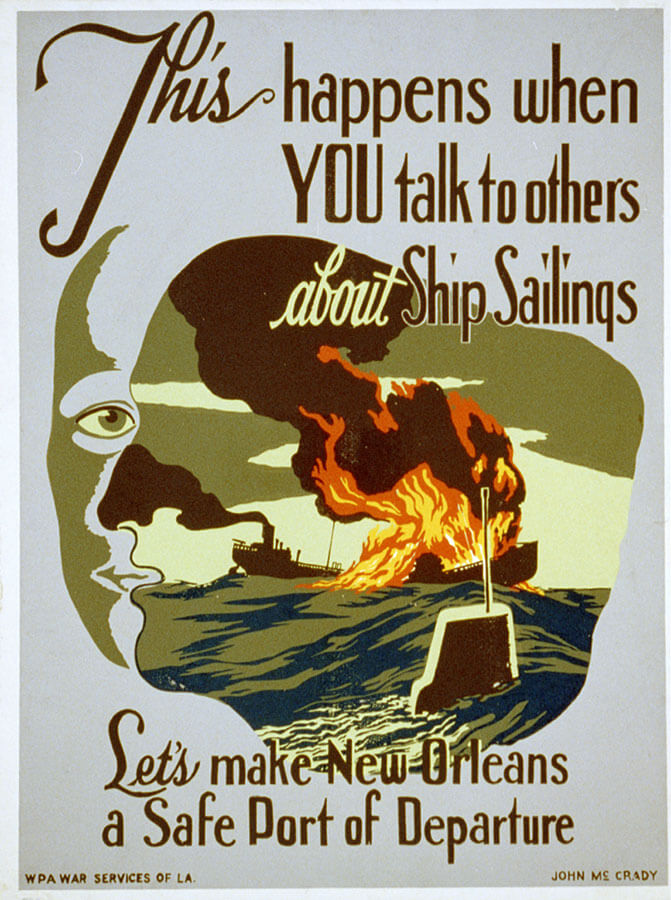 |
| Let's Make New Orleans a Safe Port of Departure, 1941–1943. Poster by John McCrady. Courtesy of the Library of Congress, Prints and Photographs Division, LC-USZC2-1591. |
Motorized conveyor belts replaced human shoulders in the unloading of bananas in the 1920s, just as gas-powered forklifts took the place of mules and carts after World War II. By 1960, the basic guiding logic of loading and unloading cargoes had not changed fundamentally since the late nineteenth century, and it still required a large workforce.
The Sinking Ship
It did not take long for port cities everywhere to feel the impact of the invention of the standardized twenty-foot steel shipping container. Introduced in 1956, this innovation not only rendered much of the world's cargo fleet obsolete, it redefined the basic building block of global commerce. With containers, a crane operator and a dozen skilled loaders might do the job of hundreds of longshoremen in a fraction of the time and cost with substantially less damage to the cargo.3For a detailed treatment of how containerization revolutionized global shipping and commerce see Marc Levinson, The Box: How the Shipping Container Made the World Smaller and the World Economy Bigger (Princeton, NJ: Princeton University Press, 2006). Although competing cities grasped the implications of this new technology and implemented sweeping infrastructure improvements, the Port of New Orleans, hobbled by a dock board populated by political appointees who possessed no useful knowledge of the shipping industry, proved slow to adopt facilities capable of handling "the box," choosing instead to bank on its historical geographical advantages in grain, petrochemicals, coffee, and other bulk commodities.4The New Orleans Times-Picayune ran an influential eight-part series on the decline of the port in 1982. See Christopher Drew, "Flagship of Area's Economy Losing Out to Hustling Rivals," The Times-Picayune, June 13, 1982. Containers first appeared in New Orleans at an inadequate facility built on the Industrial Canal in 1973, but proved an overall failure. Gantry cranes, designed to lift containers from a ship's deck, did not enter service until 1998. Although the net value of shipping continued to increase during this period due to trade in grain and petroleum, the number of people required to operate the port declined sharply. Meanwhile, more valuable cargoes went increasingly to other cities with better rail infrastructure. As geographer Richard Campanella observes, "great ports no longer really needed great port cities."5Richard Campanella, Bienville's Dilemma: a Historical Geography of New Orleans (Lafayette: Center for Louisiana Studies, University of Louisiana at Lafayette, 2008), 232. Even bananas, the most emblematic cargo of the once powerful New Orleans–based United Fruit Company, left for Gulfport, Mississippi in the 1970s. By 1980, the declining Locals 1418 and 1919 finally integrated, forming the ILA Local 3000, due to both the legally untenable nature of segregated memberships and the poor prospect of survival in the face of declining numbers.
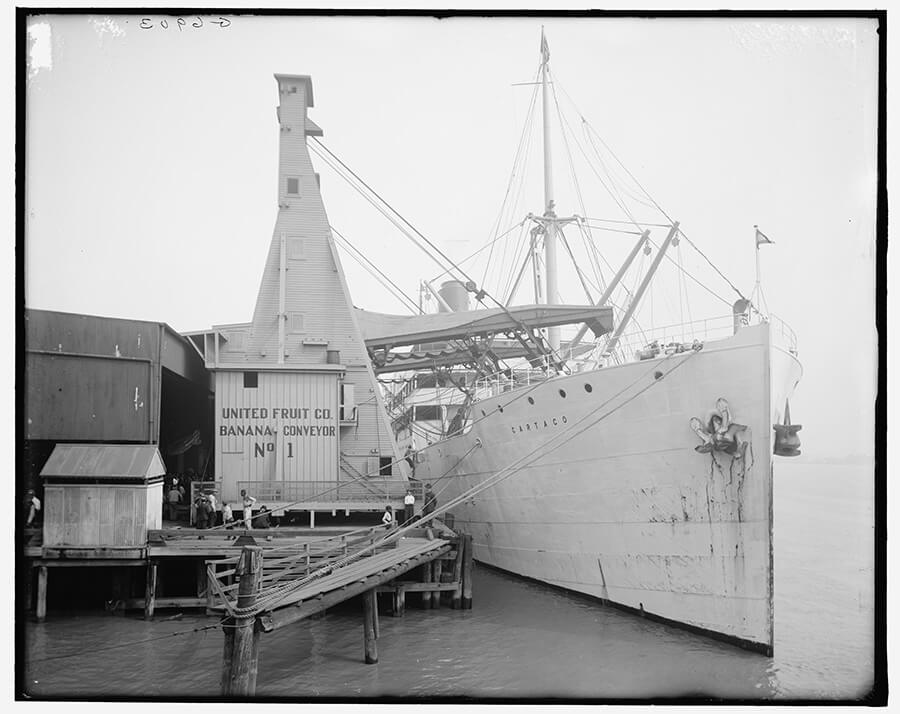 |
| United Fruit Company banana conveyors, New Orleans, Louisiana, 1910. Courtesy of the Library of Congress, Prints and Photographs Division, LC-DIG-det-4a19873. |
"I Just Liked to Be in that Number": The Longshoremen Remember
The transformative impact of the port's automation upon the history, culture, economy, and demographics of New Orleans became a topic of conversation in the spring of 2012 between Justin Nystrom, the director of Loyola University New Orleans's new Documentary and Oral History Studio, and Mark Ellis, who served as the secretary-treasurer of the ILA Local 3000 for twenty-eight years. With the support of union president Kenneth Crier, Nystrom structured an oral history project aimed at recording stories of those men who belonged to the last generation of longshoremen to participate in the centuries-old system of breakbulk cargo. The Loyola Documentary and Oral History Studio fuses traditional oral history methodology with the high production value recording found in modern documentaries. These recording procedures afford flexibility in dissemination. Archived as both transcript and ten-bit digital video, interviews serve as source material for textual scholarship and documentary features.
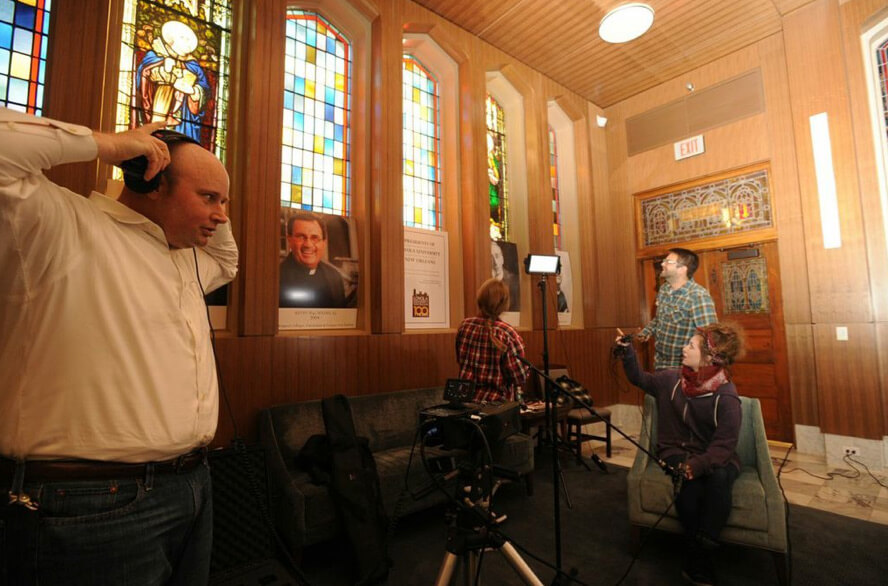 |
| Justin Nystrom and students Kyleah Frederic, Eric Buras, and Kaleigh Macchioand prepare equipment for a recording session, Loyola University, New Orleans, Louisiana, October 29, 2012. Photograph by Harold Baquet. Courtesy of Harold Baquet and Justin Nystrom. |
Longshoremen interviews began in the fall of 2012 as part of Nystrom's senior seminar in oral history taught at Loyola University New Orleans. Nine students each recorded and transcribed one full interview and took turns aiding with technical production during the recording sessions by setting up lighting, microphones, and camera equipment. Successful interviews required students to bridge significant differences in age, economic background, gender, and education between themselves and the interviewees. Students also assembled research folios on the life of New Orleans longshoremen using historical newspapers and other textual sources in order to prepare informed questions for their interview subjects, in addition to more general questions about life on the docks. Other challenges included scheduling. As Mark Ellis observes, longshoremen always worked by the job, not the clock. At the semester's conclusion, the class had recorded six hours of interview footage. A final class project tasked students with identifying themes from the collective body of interviews and editing thematically-linked footage into a focused narrative. This documentary short reflects some of the selections made during their coursework.
A recurring theme in the interviews for On The Waterfront: Conversations with New Orleans Longshoremen is a fond, if nostalgic, memory of life on the docks. "They had a lot of mens, and everything, and I just liked to be in that number," explains longshoreman John McSwain, who came to New Orleans from rural Alabama in 1959 at the age of nineteen to work on the river. James McCleland started at eighteen in 1949, drawn by the atmosphere of the docks where his father spent fifty years. "He wanted me to go to college, and I was hard headed and wouldn't go to college," recalls McCleland, "and he didn't want to bring me on the waterfront, but his boss did, and between them they worked it out." McCleland's father echoes the wishes about college that his son would later express to his own children.
On the Waterfront: Conversations with New Orleans Longshoremen, 2014. Produced by the Loyola Documentary and Oral History Studio.
Stories of accidents also figure prominently in longshoremen's memories. "I mean you can hear a strange noise in the middle of a conversation and hear that noise and everyone knows to just start running," observes Chris Hammond. "Because we know that that noise is something breaking, like a cable snapping." On his first day on the job, John McSwain suffered two broken feet when a crane lowered a "household box" onto them. Later, as a foreman, he witnessed a major collision on the river: "They had a ship collided with a oil barge. And twenty-six mens went down with the ship. Up under the bridge, out there . . . by the Crescent City Connection. . . . Yeah, was Easter Sunday night, we were working out there. Sure was at Julia Street. Julia Street Wharf."
The Longshoremen tell of the tedium of loading 250-pound sacks, the oppressiveness of the heat working inside a ship's hold in the summer, and the relentless pace. But they also tell of the camaraderie of life on the docks, steady work, good wages, and a responsive union. One recalls when Martin Luther King came to speak at the Local 1919 union hall on Claiborne Avenue in 1961, while others remember overcoming fears of snakes and spiders sleeping among the refrigerated bananas. Each expresses keen awareness that the world in which they worked is gone.
The transcribed interviews from this project, along with their accompanying video files, are deposited in the Loyola Archives and Special Collections, to be made available to scholars online through the LOUISiana Digital Library. Additionally, student workers in the Documentary and Oral History Studio are building a Zotero database that will enable other Zotero users to search full-text transcripts and view video files.
The "Sliver by the River"
Today, New Orleans's working riverfront carries on behind a concrete sea wall, cordoned off from the neighborhoods whose rhythms once moved to the steady arrival and departure of cargo ships along the docks. This modern complex has its own rail line and semi-truck express lane, while the cranes and gantries that pluck containers from the decks and hulls of oceangoing vessels employ fewer than five hundred skilled longshoremen. This comparatively compact, efficient, and heavily automated modern port facility replaced the miles of open wharves, which continue to rot and tumble into the river.
 |
| Decaying wharves, Felicity Street, New Orleans, Louisiana, 2010. Photograph by Justin Nystrom. Courtesy of Justin Nystrom. |
Their decay passes unnoticed in a labor market that has shifted toward the service industry, technology, and tourism, while college-educated professionals convert the shotgun doubles lining the streets that radiate perpendicularly from the river's crescent like the ribs of a fan into stylish single-family homes. Located on the historical high ground, a combination of aesthetics, demographics, and FEMA flood map designations have rendered this "sliver by the river" the most expensive real estate in the postdiluvian city. The transition taking place here is not unlike the sort of gentrification unfolding in the urban centers of other US cities, but the architecture and street grid still bear the imprint of the once relationship between land and river.
About the Author
Justin Nystrom is Assistant Professor of History, Co-Director of the Center for the Study of New Orleans, and Director of the Documentary and Oral History Studio at Loyola University New Orleans.
]]>Introduction
 |
| Buenaventura Lakes, Florida. Data from the 2010 Census, Hispanic population according to county. Map courtesy of Southern Spaces. |
One of the largest Puerto Rican enclaves in Greater Orlando, Buenaventura Lakes (BVL), population 26,079, is located in Osceola County, Florida.1Buenaventura Lakes is a Census Designated Place (CDP), identified by the US Census Bureau. CDP's lack separate municipal governments. Osceola County is one of four counties located in the Orlando-Kissimmee-Sanford Metropolitan Statistical Area or "Greater Orlando." According to the 2010 census, Puerto Ricans comprised 44.5 percent (11,618) of the total population, Mexicans were 2.2 percent (585), Cubans 3.1 percent (799), and other Hispanics or Latinos 19.8 percent (5,158). On June 17, 2008 an Internet user by the name of Poodlestix posted an entry on City-Data.com, a website that includes statistical data and conversational forums about US cities, to inquire about the reputation and place-identity of Buenaventura Lakes:
I was looking at homes with the realtor and found a house at the corner of Lakeside and Anhinga that I really liked. I heard some loud music playing a couple of doors down that evening, and it kind of got me concerned about the neighborhood. I also noticed a broken window on the side that faces Lakeside which looked like it could possibly have been made by a bullet. Is that possible? I'm not familiar with whether this is a good neighborhood, but I loved the house.2Poodlestix, original post on "Lakeside subdivision in Buena Ventura Lakes? (Kissimmee: house, neighborhood, income)," City-Data.com, June 17, 2008, http://www.city-data.com/forum/orlando/356547-lakeside-subdivision-buena-ventura-lakes.html. I have not corrected the grammar nor altered the language in any of the following Internet transcripts.
In response, Wilshire81182 warned Poodelstix about the social class position and character of BVL's residents:
Buena Ventura Lakes is a lower income neighborhood in general. I would not recommend the area, but I know it is not the worst area to move to overall. I am sure it has some safety concerns and people may not take the best care of their property or yours given the nature of the area. The area is synonymous with the posts about Kissimmee and the reasons why people advise to avoid it.
The moderator of the forum, Cmj_fla, mentioned overcrowding, community spirit, and safety concerns before directing the potential buyer to a gated community in the vicinity:
I think that if you have a bad feeling about it then you should really trust it. Lakeside is a newer neighborhood for BVL but still has some of the problems associated with the area: Overcrowding and lack of community spirit. If you are interested in the area then you could probably get the same deal on a home in Remington and have a better sense of security and safety.
It was not until NowInGreenville responded that the conversation turned to the ethnic and racial make-up of BVL, "lack of diversity" (meaning a majority of Hispanics instead of non-Hispanic whites), and the presence of the Spanish language:
You're coming from Texas so maybe you speak Spanish. If not than you may want to take lessons. If I'm not mistaken, BVL is about 80-85% Hispanic. That doesn't mean it is a bad area, it just means that area of central florida is not as diverse as others. In most other area of CF, the racial make up is much more evenly distributed.
These responses were enough to persuade Poodlestix to live elsewhere:
Nah, I'm just a white girl with a limited Spanish repertoire. The house was lovely, but I was leery about the neighborhood for sure. Too bad you can't pick up your ideal house and set it down on a lot in a better neighborhood! We're going to go with the other house we had our eye on in what seems to be a better part of Kissimmee. Thanks for the input!
 |
| Buenaventura Lakes, Florida, 2010. Photograph by Simone Delerme. |
In this article I delve into discourses that circulate about the Spanish language and examine ways that language ideologies—ideas, perceptions, and beliefs about the nature and usage of languages—affect racial meanings, categorizations, and responses to Hispanic migration into Greater Orlando. I specifically engage the following questions: How can we understand the self-proclaimed and perceived racial identities of Hispanic migrants in Greater Orlando? Have linguistic differences become a proxy for articulating perceived racial distinctions? Are we witnessing the social construction of a distinct "Hispanic race," internalized by residents and articulated in everyday speech? Conversations with residents and Internet transcripts reveal that this ethnic group of diverse ancestry and national origins is being perceived as neither white nor black, but rather as a distinct non-white racial group due to linguistic practices, national origin, or other "cultural" identifiers. Through this process, the Spanish language is racialized, along with people, spaces, and places. A growing point of contention, the hyper-presence of Spanish is altering the soundscape in parts of metro Orlando. These transformations and the accompanying Latinization made some of my non-Hispanic white interviewees increasingly aware of their own white racial identity and led to the development of a stronger white racial consciousness as they became part of the demographic minority. However, many Hispanics claim a white racial identity as well, while others claim to be part of "some other race," further complicating racial categorizations and identities. These migrants, who hold an ambiguous racial position, are complexifying the US South's deep-rooted racial binary.
Researching Race Talk
In 2010 I began fieldwork in Greater Orlando, an area of Central Florida that has experienced rapid demographic changes due to the large influx of Puerto Ricans, US citizens by birth, and other Hispanics. For two years I lived with a number of residents, documented and undocumented, in four suburban locations (including Buenaventura Lakes). These were the homes of Venezuelan, Colombian, Guatemalan, and Puerto Rican families who rented out spare rooms, and sometimes even couches and spaces on the floor, to family, friends, co-workers, and to unthreatening strangers—like myself—to supplement their income and cover the monthly mortgage payment in an informal housing market similar to the encargado system among El Salvadorians in the suburbs of Long Island, New York.3In Long Island one immigrant or family rents a residential space, and then rents spaces within the home to several people. This system of renting rooms is a way of making money in a low-wage economy, a strategy for paying the mortgage or rent, and a form of entrepreneurship. See Sarah J. Mahler, American Dreaming: Immigrant Life on the Margins (Princeton, NJ: Princeton University Press, 1995). I also attended local cultural, political, and business-related events, and collected information at churches, schools, and businesses. My research combines traditional anthropological methods with textual analysis to interweave data gathered through participant observation, informal and semi-structured interviews, archival research, census results, and new media (internet blogs and forums). These sources allowed me to document the voices and experiences of close to two hundred Central Florida residents.
Virtual spaces and new media are helpful sources for learning how racial subjects and meanings are created and circulate. Users voice ideas and feelings about Hispanic migration and areas with a concentrated Hispanic population without revealing their identity and being labeled racist or politically incorrect. Online conversations reveal thoughts and feelings surrounding everyday encounters with "the other" that are usually more subtle and masked in person. "Race talk," linguistic anthropologist Jane Hill points out, "has largely retreated to occasions where speakers are among trusted intimates . . . or to contexts like radio chat rooms where they can remain anonymous."4Jane Hill, "Language, Race, and White Public Space," American Anthropologist 100, no. 3 (1999): 790.
Language Ideologies and Racialization
Linguistic anthropologists define language ideologies as "the cultural system of ideas about social and linguistic relationships, together with their loading of moral and political interests."5Judith T. Irvine, "When Talk Isn't Cheap: Language and Political Economy," American Ethnologist 16, no. 2 (1989): 255. Ideas about language become naturalized, shared, commonsense understandings, and these ideologies connect language to identities, values, status, citizenship, character, and personhood.6Alan Rumsey, "Wording, Meaning, and Linguistic Ideology," American Anthropologist 92, no. 2 (1990): 346–361; Kathryn A. Woolard and Bambi B. Schieffelin, "Language Ideology," Annual Review of Anthropology 23 (1994): 55–82. In Greater Orlando, for example, language ideologies prejudiced the response to Latinization and the transforming soundscape. Closely connected to the acquisition and maintenance of political, economic, or individualized interests, these ideologies point to power struggles and contestations resulting from demographic shifts, cultural influence, and increasing Hispanic economic and political power. Language ideologies also affected racial categorizations and the process of racialization.
In their classic definition, Michael Omi and Howard Winant describe racialization as the extension of racial meanings to a previously unclassified relationship, social practice, or group.7Michael Omi and Howard Winant, Racial Formation in the United States: From the 1960s to the 1980s (New York: Routledge, 1986). The racialization of the Hispanic population "refers to their definition as a 'racial' group and the denigration of their alleged physical and cultural characteristics such as phenotype, language, or number of children."8Jose Cobas, Jorge Duany, and Joe Feagin, "Introduction," in How the United States Racializes Latinos: White Hegemony and Its Consequences, John Cobas, Jorge Duany, and Joe Feagin, eds. (Boulder, CO: Paradigm Publishers, 2009), 1. The process of racialization "entails their incorporation into a white-created and white-imposed racial hierarchy and continuum, now centuries old, with white Americans at the very top and black Americans at the very bottom."9Ibid. Standards mandated by the US Office of Management and Budget define Hispanics as an ethnic group that can be of any race.10Sharon Ennis, Merarys Rios-Vargas, and Norma Albert, "The Hispanic Population: 2010, US Census Reports," accessed April 9, 2013, http://www.census.gov/prod/cen2010/briefs/c2010br-04.pdf. Race and ethnicity are considered separate and distinct concepts. In everyday life situations, however, monolingual and bilingual Spanish speakers are consistently racialized as non-white or as a distinct "Hispanic race" that is neither black nor white.
 |
| "Holding His End Up," Philadelphia Inquirer, ca. 1899. Political cartoon depicting Puerto Rico, Hawaii, Cuba, the Philippine and Mariana Islands as spoils of the Spanish–American War. |
My research engages with the manifestations of linguistic ideologies in everyday interactions, the moments when language becomes an index for race, and the effects of the changing soundscape on social relationships. However, discourses about the Spanish language represent deeply embedded ideas about the relationship between race, language, and citizenship traceable to colonial encounters and US policy decisions. For example, the Treaty of Guadalupe Hidalgo (1848) ended the Mexican–American War, and ceded a large portion of Mexican territory to the United States (present day California, Arizona, Texas, Nevada, New Mexico, Utah, and parts of Colorado and Wyoming). The perceived "social inferiority" of the Mexican population—based on the theories of social Darwinism, Manifest Destiny, and Anglo-Saxon superiority—negatively affected the inclusion of Mexicans into the US political structure and led to educational policies directed at the Spanish-speakers in the newly acquired territories—policies initiated to repress Spanish and enforce linguistic assimilation.
Similarly, racial assumptions determined how the Constitution was applied to the newly acquired territory of Puerto Rico, and legitimated the subordination of its population.11Christina Burnett and Burke Marshall, eds. Foreign in a Domestic Sense: Puerto Rico, American Expansion, and the Constitution (Durham, NC: Duke University Press, 2001). When the United States took control of Puerto Rico during the Spanish–American War, it instituted a policy of "Americanization." The 1902 Official Languages Act made both English (the imported language) and Spanish the island's official languages.12Helen M. Strauch, "The Compelling Influence of Nonlinguistic Aims in Language Status Policy Planning in Puerto Rico," Working Papers in Educational Linguistics 8, no. 2 (Fall 1992): 107–131, http://www.gse.upenn.edu/wpel/sites/gse.upenn.edu.wpel/files/archives/v8/v8n2_strauch.pdf. A number of policies followed to determine the role of English and Spanish in educational instruction, court proceedings, and legal interpretations. The language ideology that linked US citizenship with English reveals how the language regulation, planning, and policies were used for "extralinguistic purposes" such as political control and national integration.13Robert L. Cooper, Language Planning and Social Change (Cambridge, UK: Cambridge University Press, 1989), 35. In 1937, for instance, President Franklin Roosevelt wrote:
It is an indispensable part of American policy that the coming generation of American citizens in Puerto Rico grow up with a complete facility in the English tongue. It is the language of our Nation. Only through the acquisition of this language will Puerto Rican Americans secure a better understanding of American ideals and principles.14Edith Algren de Gutiérrez, The Movement Against Teaching English in the Schools of Puerto Rico, (Lanham, MD: University Press of America, 1987), 105.
As Ofelia Garcia points out, Spanish was originally the language of the conquered and colonized. Over time, however, Spanish was characterized as the language of immigrants and foreigners, of a racialized non-white minority, and was associated with poverty and educational failure.15Ofelia Garcia, "Racializing the Language Practices of U.S. Latinos: Impact on Their Education," in How the United States Racializes Latinos, 101–115.
The racialization of Latin American and Caribbean migrants is not a new phenomenon. Puerto Rican racialization is well documented in the traditional migratory destinations of New York City and Chicago.16For a discussion of the racialization of Puerto Ricans see Lorrin Thomas, Puerto Rican Citizen: History and Political Identity in Twentieth Century New York City (Chicago: University of Chicago Press, 2010); Juan Flores, From Bomba to Hip-Hop: Puerto Rican Culture and Latino Identity (New York: Columbia University Press, 2000); and Arlene Dávila and Augistín Laó-Montes, eds., Mambo Montage: The Latinization of New York (New York: Columbia University Press, 2001). Ana Ramos-Zayas examines how Puerto Rican enclaves in Chicago became racialized in a way that devalues the population's US citizenship and presents a stigmatized image associated with criminality, poverty, and welfare dependency.17Ana Ramos-Zayas, National Performances: The Politics of Class, Race, and Space in Puerto Rico Chicago (Chicago: University of Chicago Press, 2003). Similarly, in New York City, Puerto Ricans were systematically racialized and subjected to discriminatory practices regardless of their phenotype or citizenship status. Eileen Findlay's interviews with New York-born Puerto Ricans reveal the "homogenizing, oppressive racialization" inflicted upon migrants, the conflicts between different racial and ethnic groups, and the rigid binary racial system that imposed black or white identities on Puerto Ricans during the 1950s and 1960s.18Eileen Findlay, "Slipping and Sliding: The Many Meanings of Race in Life Histories of New York Puerto Rican Return Migrants in San Juan," Centro Journal 24, no. 1 (2012): 38. Many Puerto Ricans negotiated this binary by resisting identification as African American, despite maintaining social relationships with African Americans, and carved out "an uneasy non-white identity."19Ibid., 27.
At times, a strategic embracing of panethnic labels has resisted the black-white binary. Between 1848 and 1870, Chileans and Mexicans in California developed a collective identity and sense of belonging to what they termed "the Hispanic American race" in response to discrimination and Anglo-American racialization as non-white.20Fernando Purcell, "Becoming Dark: The Chilean Experience in California, 1848–1870," in How the United States Racializes Latinos, 54–67. Similarly, Hispanic entrepreneurs in Houston, Texas, employed a strategy of "national self-identification and panethnic other-identification" to negotiate and resist the white/black classification system.21Zulema Valdez, "Agency and Structure in Panethnic Identity Formation: The Case of Latino/a Entrepreneurs," in How the United States Racializes Latinos, 200–213.
"Hispanic" and "Latino" panethnic labels have been critiqued for homogenizing a variety of racial and ethnic groups, social classes, cultural traditions, languages, dialects, colonial legacies, and immigrant histories. The "Hispanic" identifier emerged from political conversations and federal legislation that required accurate statistical documentation at a historical moment when Latin American and Caribbean migration was increasing, civil rights activism was on the rise, and there was growing concern about minority groups' disadvantages.22Rubén Rumbaut, "Pigments of Our Imagination: On the Racialization and Racial Identities of 'Hispanics' and 'Latinos,'" in How the United States Racializes Latinos, 23. In 1976 the US Congress passed Public Law 94-311, the only law in the country's history that mandated the collection, analysis, and publication of data about a specific ethnic group—"Americans of Spanish origin or descent"—and defined the population to be enumerated.23Ibid. Grace Flores-Hughes, who served in the administration of three presidents and helped coin the "Hispanic" label for the government, describes her participation in a Hispanic Task Force that met for almost six months in the 1970s to discuss which term should be adopted to uniformly collect data about the population.24Grace Flores-Hughes, A Tale of Survival: Memoir of an Hispanic Woman (Bloomington, IN: AuthorHouse, 2011). The participants entertained the terms "Spanish-speaking," "Spanish-surnamed," "Latin American," "Hispanic," and "Latino." But, it was not until the late 1990s that the term "Latino," derived from the Spanish word for Latin America (latinoamerica), was officially adopted by the US Census Bureau to be used alongside "Hispanic" in the 2000 Census. "Latino" is a grassroots alternative to "Hispanic" that was included as a result of criticism from community activists, academics, and other individuals that rejected the government-imposed label. "Latino" describes a geographically derived national origin group, and is "an attempt to embrace all Latin American nationalities, including those which neither have ties to Spain nor are necessarily Spanish-dominant groups."25Suzanne Obler, Ethnic Labels, Latino Lives: Identity and the Politics of (Re)Presentation in the United States (Minneapolis: University of Minnesota Press, 1995).
I use the panethnic label "Hispanic" to remain consistent when transitioning from a discussion of the aggregated statistical data to ethnographic vignettes that describe interactions between "non-Hispanic whites" and a diverse population of Hispanics with ties to different parts of Latin America and the Spanish-speaking Caribbean. The subjects of my study preferred to self-identify based on national origin or place-specific ethnic identifiers—Chicano, Mexican, Puerto Rican, Nuyorican, Colombian—instead of the panethnic labels "Hispanic" or "Latino." However, when they did use panethnic labels they used "Hispanic" more frequently than "Latino." A nationwide Pew Hispanic Center survey revealed similar results. 51 percent of respondents preferred to use their family's country of origin to describe their identity in comparison to 24 percent that used "Hispanic" or "Latino" most often. Half the respondents claimed to have no preference for either "Latino" or "Hispanic," but of those that did express a preference, 33 percent preferred "Hispanic" and 14 percent "Latino."26Paul Taylor, Mark Hugo Lopez, Jessica Martínez, and Gabriel Velasco, "When Labels Don't Fit: Hispanics and Their Views of Identity," Pew Research Hispanic Trends Project, April 4, 2012, accessed November 9, 2013, http://www.pewhispanic.org/2012/04/04/when-labels-dont-fit-hispanics-and-their-views-of-identity/.
While some academics and activists critique the term "Hispanic" for its denial of African and indigenous ancestry, the prevalence, preference, and internalization of the term was evident in many of the professional and social spaces I studied.27These include the Hispanic Chamber of Commerce of Metro Orlando, Hispanic Bar Association of Central Florida, Hispanic Business Initiative Fund (HBIF), Hispanic Young Professionals & Entrepreneurs (HYPE), and Hispanosphere blog (http://www.orlandosentinel.com/elsentinel/blogs/hispanosphere/). According to Flores-Hughes, many Hispanic activists were "holding this anger that some nasty Anglo named them. Well, no, it wasn't. It was this little Hispanic bureaucrat."28"Grace Flores-Hughes Interview—She Made 'Hispanic' Official," The Washington Post, July 26, 2009, http://www.washingtonpost.com/wp-dyn/content/article/2009/07/24/AR2009072402091.html. Complexity surrounds both racial and ethnic labels and categorizations because they are simultaneously self-determined, imposed, place-specific, and situational. I, for example, use a variety of terms to describe myself—Puerto Rican and Haitian, Hispanic, and/or black—depending on who is asking and the type of information being elicited. However, during my research I began to alter my response to be more specific about my place of birth and family ancestry. Because I'm from East Harlem, a US citizen, and was perceived as having assimilated to mainstream American culture, my closest Hispanic informants often referred to me as a Nuyorican (a combination of the words New York and Puerto Rican),29The term Nuyorican is used to refer to members of the Puerto Rican diaspora and differentiates those born on the island of Puerto Rico; however, the term often carries a negative connotation and implies a lack of cultural capital, ignorance of island life, and a lower social class status. and I received looks of confusion when I claimed that I was black.
New Destinations, Great Expectations
In the 1990s, Orange and Osceola, two of the four counties that comprise the Orlando-Kissimmee-Sanford Metropolitan Statistical Area, became the leading destinations for Puerto Rican migrants, as Florida displaced New Jersey to become the state with the second largest concentration of Puerto Ricans. The largest concentration is found in the New York Metropolitan Area. County officials describe Osceola County, a 1,506 square mile area, as the "gateway to Walt Disney World and other Central Florida attractions."30Osceola County Public Information Office, "Citizen's Handbook: Honoring the Past, Shaping the Future," Osceola County Government, 1, http://www.osceola.org/Files/Websites/press_room/00000000_Imported/2008CitizenHanbdookHiRes.pdf. The northwest quadrant includes most of the residential population and encompasses Poinciana, Buenaventura Lakes, and Celebration (the master-planned development created by Disney). Ranch lands, undeveloped prairies, woods, and marshes dominate the southern and eastern quadrants of the county, with the exception of small, rural towns such as Kenansville and Yeehaw Junction. Hispanic residents in Osceola County, the center of my fieldwork, rose from 2 percent of the total population in 1980, to 12 percent in 1990, 29 percent in 2000, and 45.5 percent in 2010 (Figure 1).
| Hispanic Population and % of the Total Population | Puerto Rican Population and % of the Total Population | Total Population | |
|---|---|---|---|
| Seminole County | 72,457 (17.1%) | 34,378 (8.1%) | 422,718 |
| Lake County | 36,009 (12.1%) | 12,960 (4.4%) | 297, 052 |
| Orange County | 308, 244 (26.9%) | 149,457 (13%) | 1,145,956 |
| Osceola County | 122,146 (45.5%) | 72,986 (27.2%) | 268,685 |
| Buenaventura Lakes | 18,160 (69%) | 11,618 (44.5%) | 26,079 |
In comparison to past migrations, the recent Puerto Rican migration to Greater Orlando is distinctive in several ways. As anthropologist Jorge Duany notes, there is the presence of "a large number of well-educated professionals and managers, most of whom define themselves as white in the census."31Jorge Duany, "The Orlando Ricans: Overlapping Identity Discourses Among Middle-Class Puerto Rican Immigrants," Centro Journal 22, no. 1 (Spring 2010): 3. Puerto Ricans in Greater Orlando are also more likely to be homeowners and live in the suburbs.32 In 1980, Puerto Rican households had the lowest national homeownership rate (21 percent) compared to Cuban (44 percent), Mexican (50 percent), and other Hispanic households (46 percent). The national Puerto Rican homeownership rate increased to 25 percent in 1990 and 34.9 percent in 2000. The homeownership rate amongst Puerto Ricans in Florida (56 percent) is significantly higher than national averages. See Alvaro Cortes, Christopher E. Herbert, Erin Wilson, and Elizabeth Clay, Improving Homeownership Opportunities for Hispanic Families: A Review of the Literature, (Cambridge, MA: Abt Associates Inc., 2006), http://www.huduser.org/Publications/PDF/hisp_homeown1.pdf. Finally, the Puerto Rican population is not as isolated residentially from non-Hispanic whites. Service sector workers, as well as upwardly mobile professionals and wealthy entrepreneurs, were attracted to Greater Orlando because of its bifurcated economy and the dominance of the tourism industry. Although I do not go into detail here, one of the important distinctive features of the migration of Puerto Ricans to Florida is the class diversity of the population. However, there is a very conscious attempt to portray the Puerto Rican population as well educated, wealthy, and professional to disprove existing stereotypes, and differentiate the Florida migrants from earlier waves of Puerto Ricans that arrived in northern cities. These efforts become evident in the representations that circulated on the Internet and in the press. For instance, in a November 1993 Orlando Sentinel article journalist Sean Holton claims,
Unlike the waves of destitute farmers who left for New York and Chicago in the 1950s, most of these Puerto Ricans have money and education. The Puerto Rican migrants of the 1980s and 1990s are looking for a place to buy homes, find jobs, raise families and enjoy weather and an overall pace that makes them feel closer to home.33Sean Holton, "Many Seek A New Life In Orlando," Orlando Sentinel, November 14, 1993.
The US occupation of Puerto Rico in 1898 led to social, political, and economic transformations that triggered the out-migration of Puerto Ricans that continues to the present day.34Between the early sixteenth century and late nineteenth century Puerto Rico was a Spanish colony. The island was annexed to the United States in 1898 following the Spanish–American War. Puerto Rico is neither a state nor an independent country, but a commonwealth associated with the United States. The island has an elected governor and legislature, but no voting representatives in Congress. Additionally, residents of Puerto Rico may not vote in national elections and are exempt from federal taxes. The Jones Act of 1917 granted Puerto Ricans US citizenship, and by 1920 forty-five states reported the presence of island-born Puerto Ricans.35Virginia Sanchez Korrol, From Colonia to Community: The History of Puerto Ricans in New York City, 1917–1948 (Berkeley: University of California Press, 1994). While an identifiable Puerto Rican community did develop in New York City during the early decades of the twentieth century, the Puerto Rican exodus intensified in the 1950s and 1960s.
This migratory phase, referred to as the "Great Migration," led to the growth of the already established New York communities. Additionally, new Puerto Rican settlements appeared in New Jersey, Connecticut, Illinois, and other parts of the country like Lorain, Ohio or Philadelphia, Pennsylvania.36Teresa Whalen and Victor Vazquez-Hernandez, eds., The Puerto Rican Diaspora: Historical Perspectives (Philadelphia, PA: Temple University Press, 2005). This migration coincided with Operation Bootstrap, a Puerto Rican development strategy lasting from 1947 to the early 1960s. Operation Bootstrap was a set of government policies and incentives intended to industrialize the island by attracting companies from off the island, primarily from the United States, through tax exemptions, industrial services, the provision of factory buildings, loans, lower labor costs, waiving import duties, and offering special assistance.37Francisco Rivera-Batiz and Carlos Santiago, Island Paradox: Puerto Rico in the 1990s (New York: Russell Sage Foundation, 1996), 12. Harvey S. Perloff, Puerto Rico's Economic Future: A Study of Planned Development, (Chicago: University of Chicago Press, 1950). In search of factory work, thousands of Puerto Ricans left the rural areas of the island for the cities, and many later migrated to the United States when the development programs failed to reduce unemployment.38Julio Morales, Puerto Rican Poverty and Migration: We Just Had to Try Elsewhere (New York: Praeger, 1986), 35. To reduce the number of surplus laborers, government agencies helped employers recruit Puerto Ricans for low-paid jobs in New York City.
The last period of migration, from 1965 to the present, has been marked by dispersion to other areas of the United States and greater fluctuations of net migration. Known as "the revolving-door migration," during this period Puerto Ricans migrated to the mainland, but returned to the island as well.39Korrol, From Colonia to Community: the History of Puerto Ricans in New York City. In more recent years, states with the largest numbers of Puerto Ricans—New York, New Jersey, and Illinois—began to see a decline in the rates of growth, and by 2008 the Puerto Rican population was concentrated in Florida and the New York Metropolitan Area.
Mexican Millionaires and the Formation of a Puerto Rican Suburb
Many of Osceola County's long-time residents remember a time when orange groves dominated the landscape and cows outnumbered people, prior to the development of the sprawling suburbs, the area's globalization, and its Latinization. Central Florida underwent rapid transformations following Disney's arrival in 1971 and many expansions, and in the mid-1990s the massive influx of Puerto Ricans once again transformed the landscape as a county-sized ethnic enclave began forming. A 2006 Orlando Sentinel article recounts the story of German Colon, a maintenance worker at New York City's East River public-housing projects.40Victor Manuel Ramos, "1986: Couple escape New York for Central Florida retirement," Orlando Sentinel, February 5, 2006. One of its pioneers, Colon discovered the Buenaventura Lakes (BVL) suburb in 1985. He was in a break room with the maintenance crew browsing through the New York Times when he saw an advertisement for beautiful model homes in a new community called Poinciana. The advertisement highlighted the close proximity to Disney World, where Colon was planning a vacation. His co-workers, tired of New York's fast pace of life and high cost of living, commissioned Colon to check out the property for them; but he was disappointed to find vacant swampland when he arrived at the site. Then, on his way back to the hotel he discovered a secluded area where new houses were being constructed: Buenaventura Lakes. Landstar Homes promised "a country lifestyle in a palm-tree paradise," a sales pitch that persuaded Colon to secure a $52,000 home with a $500 deposit.41Ibid. He later convinced some of his colleagues at the East River housing projects to do the same. The following year he and his wife retired in BVL and in 2006, at the age of seventy-six, he remained in that same house.
Like Colon, Osvaldo Berberena, a religious man, was on vacation in Orlando when he discovered Landstar Homes. Berberena told an Orlando Sentinel reporter that he prayed for a sign that would help him decide if he and his wife should stay.42Victor Manuel Ramos, "Between 2 Worlds: Puerto Ricans remember roots as they sink new ones," Orlando Sentinel, February 5, 2006. That sign came, quite literally, as he passed a billboard on Interstate 4 advertising affordable homes. "'We weren't desperate in Puerto Rico. We had jobs, but we felt we were not going anywhere,'" said fifty-year-old Berberena.43Ibid. In the mid-1980s Berberena founded the Centro Cristiano Genesis church from his home, which has since grown to a 20,000-square-foot hall with hundreds of members.
 |
| "The Landstar Lifestyle," Landstar Homes advertisement, Home Finder, 1979. |
Colon and Berberena, like many other Puerto Ricans, were lured to Central Florida by a real estate advertisement and the chance for a better quality of life. In 1984 Sandra Lopez left the South Bronx and moved with her husband and children to BVL. In 1991, she told an Orlando Sentinel reporter, "'I lived in the South Bronx . . . I needed to get them out of there. Then you see ads about the sunshine, the attractions, the beach—all the wonderful things you want to hear about when you're in the inner city.'"44Phil Fernandez, "Family Born In America, Still Faithful To Puerto Rican Roots," Orlando Sentinel, May 12, 1991.
When I spoke with Sandra twenty years after the publication of the Orlando Sentinel article she explained that she purchased her home in BVL because of a 1982 New York Post advertisement promising to pay potential buyers' hotel expenses and meals. Landstar Homes and TIRI Real Estate, located in San Juan, Puerto Rico, would offer $500 towards a plane ticket, a three-night hotel stay, and sometimes even Disney tickets. A bus or van would pick up the prospective buyers at the airport and shuttle them to the site. "Ask any of the old-timers why they picked BVL," Sandra said, "and they will say it's because of that New York Post advertisement. They advertised in Puerto Rico as well."
For those arriving in the early 1980s, the promise of a "Landstar lifestyle"—affordable luxury and country club living—was enough to leave New York or Puerto Rico for an undeveloped, secluded "paradise" in Central Florida. When Sandra first relocated, she was the only Hispanic on her street and there were very few Hispanics elsewhere in the development. By the 1990s many more had followed. As I drove through the streets of BVL passing Oaxaca Lane, Guadalajara Drive, and Vera Cruz Avenue, I wondered how this Puerto Rican enclave ended up with street names derived from places in Mexico.
From John Smith, a former Landstar executive, I learned about the Mexican millionaires responsible for BVL. According to a 1974 newspaper article from his personal archive, "An international consortium of real estate interests, headed by the leading development firms of Mexico has begun work on a new community . . . The principals are Gaspar Rivera Torres, Mexico's largest land developer; Bernardo Eckstein and Manolo Stern, partners in the second largest land development firm in that country, and Juan Aja Gomez."45"Mexican Millionaires Build City: Mickey Mouse Gets Neighbors," Fort Lauderdale News and Sun-Sentinel, November 23, 1974. The article went on to describe Rivera Torres as one of the wealthiest men in Mexico with a net worth exceeding $100 million and over seventy-eight projects underway in Mexico." With help from Stanley Lane, a Miami resident and retired New York manufacturer who had invested with Mexican enterprises for over twenty years, the four principal investors—fearing that Mexico would "nationalize"—planned to move some of their investments to the United States.46During the 1970s economic activity in Mexico fluctuated with spurts of rapid growth followed by depressions in 1976 and 1982. President Luis Echeverría Álvarez's (1970–1976) leftist rhetoric and actions—for instance his support of illegal land seizures by peasants—diminished the confidence of investors and alienated private sector developers. The economic crisis—falling oil prices, higher world interest rates, rising inflation, the overvaluation of the peso, and the deterioration of the balance of payment accounts (BOP)—continued into the 1980s, and resulted in massive capital flight. In August of 1982 President José López Portillo y Pacheco (1976–1982) declared an involuntary moratorium on debt payments, and announced the nationalization of the private banking system a month later. BVL's 2,350 acre design included sixty-five acres of lakes and streams, one hundred acres of commercial development, six thousand single family residences, six thousand multi-family dwellings, park sites, church and school sites, a country club, swimming pool, tennis courts, an executive golf course, and a championship golf course.
 |
| "Mickey Mouse Gets Neighbors," Fort Lauderdale News and Sun-Sentinel, November 23, 1974. |
According to Lee Kingerly, who handled publicity for Landstar Homes and worked for a Chicago-based marketing firm, initially many of those who moved into the development were local.47Harry Straight, "Landstar lures northern buyers," This Week, February 11, 1979. However, in December of 1978, Landstar began a major marketing push in Ohio, Pennsylvania, New Jersey, Boston, Chicago, and New York. Brokerage offices were later established in London and West Germany; meanwhile, similar marketing efforts were underway in Venezuela, Mexico, Colombia, France, and Kuwait. Until the 1990s John Smith lived on Bit Court, a street in BVL. Between 1978 and 1986 he recalls having a neighbor to his left from Holland, a neighbor to the right from Venezuela, while a Cuban and a British family occupied the other two houses on the cul-de-sac. In May of 1991, the Orlando Sentinel described another street in BVL that housed "New Yoricans, Italians, Cubans, Filipinos, Indians, Jamaicans, Colombians, Brits, Anglos, and Puerto Ricans."48Phil Fernandez and John Conway, "Osceola Hispanics Blend of Cultures, Traditions, Food," Orlando Sentinel, May 14, 1991. Through its marketing initiatives, Landstar helped transform rural Osceola County into a global metropolitan space. Sales eventually slowed in the international market, however, and by 1994 Landstar's only full sales office outside the state of Florida was in San Juan.
By the time I moved to Buenaventura Lakes, the suburb had the alias "Boricuas Viven Libres" (Puerto Ricans Live Free), the two golf courses had been shut down, the country club had been demolished, and the talk circulating about BVL mirrored the Internet posts I mentioned at the beginning of this essay.49"Boricua" is a term used to describe Puerto Ricans, and is derived from the indigenous Taíno population's name for the island: Borikén. Nevertheless, over the years additional factors fueled and sustained the migration to metro Orlando: Puerto Rico's economic instability and its social consequences—growing incidents of crime and the fear of violence. Orlando's appeal was connected to labor recruitment, powerful social networks, or chain migration, and the perception of a "better quality of life" based on Florida's tropicality, frontier nature, and the powerful imagery resulting from Disney's dominating presence.
"This is America, Speak English"
 |
| Buenaventura Lakes, Florida. Data from the 2010 Census, Hispanic population according to census tract. Map courtesy of Southern Spaces. |
In the early 1990s, when the influx of Puerto Ricans and other Hispanics dramatically increased, the use of Spanish in education, politics, business transactions, and everyday social life became common, transforming the Greater Orlando soundscape. Over the years, the media has highlighted these linguistic transformations with headlines: "Orlando Develops Hispanic Accent," "Latinos at the Helm of Orlando's Public Broadcasting," "Seminole to Offer Ballots in Spanish," "A New Home—One of Every Three Puerto Ricans in the State Calls Central Florida Home, Giving the Region A Bilingual Flair," and "Ever Wonder Why ATMs in Central Florida Speak Spanish?"50Luis Martinez-Fernandez, "Orlando Develops Hispanic Accent," Orlando Sentinel, July 26, 2005; Victor Manuel Ramos, "Latinos at the Helm of Orlando's Public Broadcasting," Orlando Sentinel, December 11, 2008; Luis Martinez-Fernandez, "Ever Wonder Why ATMs in Central Florida Speak Spanish?" Orlando Sentinel, January 1, 2007; Victor Manuel Ramos, "Seminole to Offer Ballots in Spanish," Orlando Sentinel, February 10, 2009; Kelly Brewington, "A New Home: One of Every Three Puerto Ricans in the State Calls Central Florida Home, Giving the Region A Bilingual Flair," Orlando Sentinel, Sunday, July 21, 2002. Journalists warned the public about the "Hispanic boom" and the changing face of Osceola County as early as 1991. One article mentions the conversion of the honky-tonk Frontier Lounge to Images Club Latino, a Walgreens that transferred half of its employees from a company drugstore in Puerto Rico, the presence of translators at parent-teacher meetings, and the BVL Blockbuster video store that began offering Hollywood movies subtitled in Spanish.51Phil Fernandez, "Hispanic Boom Changes The Face Of Osceola: Family takes plunge into new culture, life," Orlando Sentinel, May 12, 1991. In 1993, Orlando Sentinel journalist Michael McLeod visited a local high school and claimed that "the Latin influence at the school is obvious from homeroom to homecoming."52Michael McLeod, "Diversity 101: Variety and Just a Pinch of Trouble is the Spice of Life at Gateway High School, A Cosmopolitan Enclave in the Middle of Once-rural Osceola County," Orlando Sentinel, March 13, 1994. "When Miss Vasquez'[s] English literature class decided to perform scenes from Shakespeare," McLeod writes, "Lady Macbeth had a Spanish accent."53Ibid.
When I arrived bilingualism was already an asset in business. Spanish could be heard as frequently, if not more frequently, than English throughout BVL, and was increasingly present and accommodated in public and private life. A seventy-five-year-old retiree, a resident of BVL for twenty-four years, pointed out the neighboring houses once occupied by "white, English-speaking people." A law enforcement agent and Osceola County native explained, "We went from a rural county to mouse house [a reference to Disney World], Sea World, and the large influx of Hispanics. Businesses had to adapt. This office, for example, had to change. They needed Spanish speakers, Spanish receptionists, and employees that not only could communicate with the people verbally, but that also understood their culture."54Fieldnotes, July 15, 2010. The changing soundscape—the increasing presence of Spanish and bilingual speakers, and the corresponding ethnic and linguistic diversity—was not always perceived as a welcomed change.
Forgetful of Florida's Spanish past and articulated through language ideologies, some non-Hispanic white, English-speaking residents engaged in nativism, "white privilege," and a defense of "white public space." They argued that they, not Spanish-speakers, were the "real" Americans; that the United States was becoming more foreign; and that Hispanics were newcomers to Central Florida.55The written history of Florida begins in 1513 with Juan Ponce de León, a Spanish explorer from Spain. During the sixteenth century Florida was a Spanish colony, and was under colonial rule by both Spain and Great Britain in the eighteenth and nineteenth centuries. It was not until 1822 that Florida became a US territory, and in 1845 Florida became the twenty-seventh US state. Thus, there has been a Spanish presence since the "discovery" of Florida by Europeans. In these discourses, however, Florida is constructed as a space that has always been American and English-speaking. While there were many instances of collaboration between ethnic and racial groups, there were also power struggles, moments of contestation, and negative perceptions of Hispanic people and places with a large Hispanic population.
For example, on November 4, 2009, an Internet user posted an entry on City-Data.com to ask about the "pro's and con's" of relocating to the area from Kansas to open a daycare business. Nberry 7 wrote, "I Found some very nice houses on the internet for cheap, but is there a catch of why they are so cheap? Please tell me more?"56nberry7, "moving to Kissimmee from KS?" City-Data.com Forum, November 4, 2009 , http://www.city-data.com/forum/orlando/807347-moving-kissimmee-ks.html. The Internet user received a number of responses over a three-month period:
I wouldn't put my kids into Osceola schools. If you don't speak Spanish you'll have a hard time opening a day care in Kissimmee. Houses are cheap for a reason. The majority of Kissimmee and Poinciana are NOT a desirable place to live.57annerk, comment on "moving to Kissimmee from KS? (Orlando, Poinciana: foreclosures, day care, squatters)," City-Data.com, November 4, 2009, http://www.city-data.com/forum/orlando/807347-moving-kissimmee-ks.html
Forget Kissimmee, I have been living here 25 years and if you don't speak Spanish, forget it . . . Kissimmee is a "no go" on my list, its going down hill.58Don macauley, comment on ibid., November 20, 2009.
Have to agree with the "don't move to Kissimmee" crowd . . . the area has run its course from good to bad. No area that is largely populated with migrants and illegals will see property values or the quality of schools increase. Areas that were once just average affordable "old Florida" neighborhoods in Kissimmee now have the appearance of "barrios."59lifelongMOgal, comment on "moving to Kissimmee from KS? (Orlando, Sanford: real estate market, foreclosure, rentals)," City-Data.com, November 28, 2009, http://www.city-data.com/forum/orlando/807347-moving-kissimmee-ks-orlando-sanford-real-2.html.
Kissimmee is a city in transition . . . Wikipedia says the Latino pop in Kissimmee is only 40%, I beg to differ. I work in the ER and I am always startled when I see a White person or a Black person, because its almost a rarity . . . Spanish is spoken as frequently, if not more frequently, than English . . . I love that Kissimmee is diverse, but its loosing that now too, as it becomes completely Caribbean Hispanic. Its mainly people form the Northeast and PR.60Duttgal86, comment on ibid., January 2, 2010.
Well First thing is first there are TONS of Spanish, Mexican's, Latin Americans Puerto Ricans u name it barely any white people not being racist but that's all you will see or Hillbilly's/Rednecks but that is more saint cloud area that's one thing u might not be to happy about and all of them speak Spanish mostly. They "Can" speak English but per-fer Spanish . . . Like I said before there are a lot of Spanish and people that kind of race that live there so ur kids will feel kinda awkward being the small amount of white kids that live and go to school here. Not being racist I have many Mexican and Spanish friends I'm just basing it on what I see EVERYDAY. I'm just basing this on if ur kids are white.61Hxrguitar, comment on ibid., January 2, 2010.
In these comments, posters highlight linguistic differences and connect the use of Spanish and Hispanic people to the undesirability of a place. They perceive Spanish-speakers as neither white nor black, but as a distinct race. Language, places, and people are being racialized. In the process these residents are constructing Kissimmee and Osceola County as non-white spaces: uncomfortable, foreign, and unsuitable for whites. But, to whom are these individuals referring when they talk about "white" people? The majority of Hispanics in BVL and Osceola County consider themselves white as well, consistent with research documenting the Hispanic "flight toward Whiteness."62William Darity, Jason Dietrich, and Darrick Hamilton, "Bleach in the Rainbow: Latin Ethnicity and Preference for Whiteness," Transforming Anthropology 13, no. 2 (2005): 103–109. According to the 2010 US Census, in BVL 46 percent of Hispanics identified themselves as white alone, while 3.6 percent identified as black or African American, 15.9 percent identified as some other race alone, and 3.5 percent identified as two or more races.63In Osceola County 30.6 percent of Hispanics identified as white, 2.2 percent as black, 9.8 percent as some other race alone, and 2.4 percent identified as two or more races. Nationally, according to the Pew Hispanic Survey, when asked to state their race 36 percent of Hispanics called themselves white, 26 percent said they are "some other race," and another 25 percent claimed they are Hispanic or Latino, even though the government does not consider these labels to connote a racial group, but rather an ethnic group. Despite Hispanics' claims to a white racial identity, however, in my research non-Hispanic whites often identified as "the authentic whites."
Why do Hispanics claim a white racial identity? Rubén Rumbaut highlights the significance of place in the formation of a white racial identity, pointing out that Hispanics were far more likely to identify as white in Florida than in New York and New Jersey: in Florida 75 percent of Hispanics reported that they were white compared to only 42.1 percent in New York and New Jersey; 66.9 percent of Puerto Ricans in Florida self-reported as white compared to 45.4 percent in New York and New Jersey; Cubans were 92 percent versus 73 percent; Dominicans 46 percent versus 20 percent; Colombians 78 percent versus 46 percent; and Peruvians and Ecuadorians 74 percent versus 43 percent. Rumbaut attributes this spatial influence on racial formations to the "more rigid racial boundaries and 'racial frame' developed in the former Confederate states of Texas and Florida," which can lead to "defensive assertions of whiteness when racial status is ambiguous."64Rumbaut, "Pigments of Our Imagination," 29. Helen Marrow claims the collective social distance from blackness "is at least partially based on the way race is organized in Latin America, where distancing from blackness is frequently encouraged." While the one-drop rule in the United States "blackened" individuals with a combination of black and white ancestry, "legacies of white superiority encourage many Latin Americans to identify as 'whiter.'"65Helen Marrow, "New Immigrant Destinations and the American Colour Line," Ethnic and Racial Studies, 32, no. 6 (2009): 1044.
 |  |  |
| Graffiti, Spanish signage, and For Sale sign, Buenaventura Lakes, Florida, 2010. Photographs by Simone Delerme. | ||
Non-Hispanic white, English-speaking Central Floridians' opposition to the Spanish language and Hispanics' racial ambiguity expand historical discourses about Mexican and Puerto Rican inclusion in the US political structure. Conquest, incorporation, the quality of citizenship, and political participation was impacted by the perceived racial identity of the population in the case of both Puerto Rico and the acquired territories of Mexico. Congress was reluctant to grant full, participatory citizenship to Mexicans and Puerto Ricans who were considered culturally different, racially mixed, non-white persons.66See Ramos-Zayas, National Performances, and Christina Burnett and Burke Marshall, eds., Foreign in a Domestic Sense. So, how are these deeply imbedded ideas about citizenship and inclusion that date back to conquest articulated in present everyday situations?
In Greater Orlando, the hyper-presence of Spanish created tensions and polarization between ethnic and racial groups not only in residential spaces, but in the political sphere. On December 21, 2009, for instance, the Orlando Sentinel posted a story on their Hispanosphere Blog about Orlando congressman Alan Grayson.67Victor Manuel Ramos, "Congressman Grayson Gets Funding for Latino Projects," Orlando Sentinel Hispanosphere, December 21, 2009, accessed May 24, 2010, http://blogs.orlandosentinel.com/news_hispanicaffairs/2009/12/orlando-congressman-alan-grayson-gets-funding-for-latino-projects.html. The congressman had secured $13 million in federal funds for his district. He decided to allocate $700,000 for Spanish language materials for the public libraries and to expand the programs offered by the Hispanic Chamber of Commerce. Commenters posted the following:
Why does any one race require their own projects paid for by American Taxpayers.68Publius, comment on, "Congressman Grayson Gets Funding for Latino Projects," Orlando Sentinel Hispanosphere, December 21, 2009, accessed May 24, 2010, http://blogs.orlandosentinel.com/news_hispanicaffairs/2009/12/orlando-congressman-alan-grayson-gets-funding-for-latino-projects.html.
This is ridiculous. If they want to live the "American Dream", they need to be American. Americans speak English. If we keep catering to these people they will have no reason to learn English. If they don't want to learn English they need to go back to Puerto Rico or the Spanish speaking country of their choice.69Tom Thornburg, comment on "Congressman Grayson Gets Funding for Latino Projects," Orlando Sentinel Hispanosphere, December 22, 2009, accessed May 24, 2010, http://blogs.orlandosentinel.com/news_hispanicaffairs/2009/12/orlando-congressman-alan-grayson-gets-funding-for-latino-projects.html.
Why are they spending American money on books in Spanish?70tim, comment on "Congressman Grayson Gets Funding for Latino Projects," Orlando Sentinel Hispanosphere, December 22, 2009, accessed May 24, 2010, http://blogsorlandosentinel.com/news_hispanicaffairs/2009/12/orlando-congressman-alan-grayson-gets-funding-for-latino-projects.html.
Where is the funding for Caucasian projects? Grayson is a racist nut job!71poor taxpayer, comment on "Congressman Grayson Gets Funding for Latino Projects," Orlando Sentinel Hispanosphere, December 22, 2009, accessed May 24, 2010, http://blogsorlandosentinel.com/news_hispanicaffairs/2009/12/orlando-congressman-alan-grayson-gets-funding-for-latino-projects.html.
Here, respondents are displaying the color-blind ideology that correlates an ethnic-conscious solution with reverse discrimination, and a language ideology that connects being American with speaking English. This commentary also reveals the nativist critique that rejects Hispanic migrants' right to resources, deems this ethnic group inassimilable and un-American, and racializes the population as non-white or as some other race. This positions Puerto Ricans, US citizens by birth, as non-American and a subclass of citizens on the basis of language usage. However, as linguistic anthropologist Bonnie Urciuoli argues, "what seems at first glance a simple classification of language turns out to be fundamentally a classification of people."72Bonnie Urciuoli, Exposing Prejudice: Puerto Rican Experiences of Language, Race, and Class (Boulder, CO: Westview Press, 1996), 2. These language ideologies and the resulting polarization are evident in the spaces of the Internet, and in everyday life encounters.
During an interview, BVL resident Chris Williams claimed the Spanish language had polarized residents: "there are basically two separate communities, the English-speaking and Spanish-speaking. This results in mistrust, it's difficult with the language barrier." This polarization presented itself in BVL when Commissioner John Quiñones introduced a proposal to create a memorial and rename county property located in BVL as the 65th Infantry Veterans Park. The 65th Infantry was an all-volunteer US Army regiment of Puerto Ricans that fought in World War I, World War II, and the Korean War. Following construction of the memorial, thirty BVL residents began weekly meetings in an effort to "recall" or remove the commissioner from office, opposed the renaming of the park in the local press, and challenged the patriotism of the 65th Infantry. In response, local Hispanic leaders held a press conference in BVL to denounce the recall group's racist efforts and read email correspondence from one of the group leaders that said, "An Anglo needs to win this [county] seat and not a Hispanic." Another member of the recall group responded in the press claiming, "I am not a bigot . . . Quiñones has played this [race] card before, and he's doing it again. My son-in-law is Puerto Rican. This is ridiculous."73Jeannette Rivera-Lyles, "Hispanics Gather in Park to Defend 65th Infantry," Orlando Sentinel, May 3, 2011. The controversy continued on the Hispanosphere blog with the articulation of language ideologies, race-talk, and the rights of Hispanic US citizens being challenged. For example, one commentator wrote:
They fought—they were soldiers, let the park be named in their honor. My only gripe is that for the current Puerto Ricans who live in the United States—learn and speak ENGLISH! If I moved to Puerto Rico, I would learn the language. And don't try to turn Florida into Puerto Rico West. If you miss Puerto Rico so much, stay there. Don't fly your flag here—fly the American flag.74Curiouser, comment on "Don't Trash Historic Puerto Rican Regiment," Orlando Sentinel Hispanosphere, April 25, 2011, accessed April 27, 2011, http://www.orlandosentinel.com/news/local/osceola/os-ed-darryl-owens-65th-infantry-042320110423,0,7289179.column.
In November of 2010, I participated in a voluntary teach-in sponsored by the Osceola County school district. I visited two classrooms in a local high school to discuss Hispanic migration, and the racial/ethnic tensions that I observed during my fieldwork. Did these tensions and frustrations exist among the younger generation as well? In the first class, Sean, who claimed to have Cuban ancestry (although the teacher later described him as a "self-identifying redneck") was in constant debate with the Hispanic students sitting on the other side of the room. The Hispanic students made up a clear majority, and the teacher pointed out that the African American and Haitian students were once again the smallest minority. When she first began teaching in the school district her students were predominately non-Hispanic white.
Once the conversation began, Sean insisted that there are appropriate places for English and declared "You are in America, speak English!" If he went to the Bravo, a Dominican-owned supermarket chain, he expected to hear Spanish, but he did not want to hear it in the Wal-Mart. Several Hispanic students responded. Jose raised his hand and mentioned "freedom of speech," "Martin Luther King," and the "I Have A Dream Speech," while Christina angrily declared, "They just don't like us!" The Spanish-speaking students did not apologize for speaking Spanish in public spaces. In fact, Miguel asked, "Why don't they just learn Spanish, after all it's the second most spoken language?" Juan agreed, pointing out that in the Dominican Republic students have to learn Creole, Spanish, and English.
Language ideologies shape ideas about Hispanic people and are applied to policies that have led to the regulation of languages. Consider the English-only rule of Workforce Central Florida (WCF), a non-profit 501(c)3 that helps the unemployed find work. In an April 2009 memo, management reminded Spanish-speaking employees that using a language other than English is not allowed, even during breaks or lunch hour, unless a customer is unable to speak English:
Hey Team!
We have had some recent complaints about staff speaking in Spanish out [in] the offices in lieu of speaking in English. All staff are being advised that while in WCF offices, all staff must speak English. This includes break time, lunch time and/or if you are on the phone at the WCF office. Spanish speaking will only be allowed in the office if a customer is unable to speak English. Please adhere to this policy as this is important that we do not offend and/or exclude non-Spanish speaking customers and/or staff no exception to this policy. Thanks.75Victor Manuel Ramos, "Workforce Central Florida had an English-only policy," Orlando Sentinel Hispanosphere, October 5, 2011.
Workforce Central Florida claimed the English-only policy was in place for two to six weeks, and that no employee was ever reprimanded while the policy was in effect; yet, former employees claimed that some workers did in fact receive warnings that were placed in their personnel file. An agency spokeswoman said the policy was put in place after WCF received complaints from job seekers and non-bilingual employees who felt uncomfortable with staff members speaking Spanish to one another.76Ibid. Although WCF claims to have retracted their policy, during my interviews I learned of other establishments that unofficially prohibited or discouraged the use of Spanish unless employees were servicing Spanish-speaking customers. Language ideologies that deem the Spanish language acceptable in some circumstances, but prohibit usage in other instances, reveal that discrimination on linguistic grounds is more publicly acceptable and often goes unchallenged while the corresponding racial or ethnic discrimination brings more emphatic and predictable denunciation.
Language ideologies racialize speech along with other practices, physical characteristics, and signifiers of identity, what Elizabeth Aranda and Guillermo Rebollo-Gil refer to as "ethnoracism."77Elizabeth Aranda and Guillermo Rebollo-Gil, "Ethnoracism and the "Sandwiched Minorities," American Behavioral Scientist 47, no. 7 (2004): 910–927. In the social spaces where language ideologies are articulated, racial meanings and ideas about difference and belonging in the United States are generated, shared, and refined. The large influx of Puerto Ricans and other Hispanics to Greater Orlando has led to the Latinization of the area and a transforming soundscape. By examining the conversations where language ideologies circulate, we can learn how language becomes an index for racial identities, citizenship, status, character, and belonging. By grappling with the complexity of race relations and racial meanings through drawing attention to the ways that the Spanish language gets contested, this research complicates the black/white racial binary and reveals how Puerto Ricans and other Hispanics get marked as a distinct race of perpetual foreigners during interactions in everyday life. Towards the end of my visit with the Osceola County high school students, a male student who had remained quiet through the discussion timidly raised his hand: "It is not that we are afraid of Spanish, we are afraid of change." With southern states experiencing the greatest increase of the US Hispanic population during the last decade and the Census Bureau projecting further growth (29 percent of the total US population by 2050)—and with the entire nation projected to become majority-minority by 2043—change to spaces, places, and soundscapes appears inevitable.78Ennis, Ríos-Vargas, and Albert, "The Hispanic Population: 2010," United States Census Bureau, May 2011, http://www.census.gov/prod/cen2010/briefs/c2010br-04.pdf. "An Older and More Diverse Nation by Midcentury," United States Census Bureau, August 14, 2008, accessed May 3, 2013, http://www.census.gov/newsroom/releases/archives/population/cb08-123.html.
About the Author
Simone Delerme is the McMullan Assistant Professor of Southern Studies and assistant professor of anthropology at the University of Mississippi.
]]>Introduction
 |
I begin an exploration of the history of prejudice by looking at the process of othering—or social and political distancing—that is a central part of the history of African Americans and Dalits (formerly known as Untouchables), two long subordinated and stigmatized groups in the United States and India, respectively. The juxtaposition of two rather different locations and histories and, within each of them, of very different kinds of public and private narratives of struggle, allows us a view of the workings of prejudice in unlikely forms and places.
To underline the complexities of the inquiry, I propose a rough-and-ready distinction between a "vernacular" and a "universal" prejudice. The former is, in simple terms, local, localizable, relatively visible, and sometimes acknowledged: say, the prejudice against blacks, Untouchables, gays, Muslims, Jews, conquered indigenous populations, recent immigrants, women, and other "minorities." It refers to calculated behavior that we sometimes condemn—when we notice it, or when it is forced on our attention: racism, casteism, patriarchy, heteronormativity, reductive monoculturalism. Vernacular prejudice appears as bias, malice, or inherited structures of discrimination, which the state believes it can measure, define, or contain.
I call such prejudice "vernacular" to distinguish it from another kind that is largely invisible because it is widespread ("universal") and hence perceived as "natural." This "universal" is the language of law and state: and it passes for the common sense of modern society, rarely acknowledged as prejudice. At this level, the history of prejudice becomes even more intractable for it is, simultaneously, everywhere and nowhere.
Prejudice and Public Discourse in the United States and India
What I have attempted to do in A History of Prejudice is to explore some of the circumstances and ways in which the matter of prejudice—"visible" and "invisible"—has shaped the history of African Americans and Dalits (or ex-Untouchables), and by extension the history of the United States and India, over the last century and more. It should be obvious that many of the quandaries and challenges considered here do not apply to these minorities alone, although it will be clear, too, that prejudice and its costs affect different populations, and differently disenfranchised and marginalized groups, in many distinct ways. The proposition is perhaps self-evident. However, its force and its fallout, not always adequately appreciated, may be illustrated simply.
"Hindustanmein rehna hai, to humse milkar rehna hoga / Hindustan mein rehna hai, to bande mataram kehna hoga," as Hindu right-wing political forces have it, in a slogan that has appeared over and over again in attacks against the Muslim minority in India, in the mouths of political agitators, and on city walls, especially since the 1980s. "Those who wish to live in Hindustan will have to live like us / Those who wish to live in Hindustan will have to say 'Bande Mataram'" (Victory to the Mother, i.e., the mother goddess, who is also Mother India). In an echo of the "Jewish question" of the nineteenth and twentieth centuries, Muslims can live in India, as long as they stop being Muslims. Samuel Huntington articulates much the same kind of proposition for immigrants from Mexico who have come to live, work, and die in the United States (in quite significant numbers even in military service, to which the American establishment readily welcomes them). "There is no Americano dream," he writes. "There is only the American dream created by an Anglo-Protestant society. Mexican-Americans will share in that dream and in that society only if they dream in English."1Samuel P. Huntington, "The Hispanic Challenge," Foreign Policy, March 1, 2004, accessed January 4, 2013, http://www.foreignpolicy.com/articles/2004/03/01/the_hispanic_challenge. Here, the suggestion goes, as in the case of Jews ceasing to be Jews, or Muslims Muslims, is another impossibility.
The two slogans just quoted should suffice to indicate some of the demands still being made of minorities, Muslims in India and Latina/Latino migrants to the USA, in these instances, to assimilate, to conform, to change themselves—if indeed they can. Upward social mobility is the presumed route out of conditions of subordination and marginalization the world over. Yet, the implications and rewards of upward social and economic mobility have rarely been as straightforward or smooth as narratives of rags to riches, or fortune favoring the brave (or the enterprising), would have it.
. . .
Early in 2001, a Dalit columnist began writing a weekly column entitled "Samasyaen Daliton Ki" (The Problems of the Dalits) in a major Hindi daily published from New Delhi.2Samasyaen Daliton ki (The Problems of the Dalits), Rashtriya Sahara (New Delhi, India), 2000–2002. The public exchange that followed in the form of letters written to the columnist in 2001–2002 is worth considering.
Some letters warn the columnist of anthrax attacks, if he does not stop abusing his upper-caste readers, that is, if he does not stop criticizing the Hindus and their religion, dividing the nation, forgetting the duties of Indian citizens, forgetting what we have done for you, and forgetting his—inherited—place. Some of the same letter-writers, while abusing and threatening the columnist and his relatives, also demand the publication of their letters, and warn of untoward consequences if publication is refused. This exhibition of unashamed aggression on the part of the "respectable" must give us pause. The threat of open violence, accompanied by the use of lower caste names such as Chamar and Dom as insulting epithets to humiliate the addressee, an act that is now a cognizable offence under Indian law, speaks of the arrogance of power; of groups who believe they are above the law and other requirements of 'civil' society, at least in their dealings with certain kinds of people; and of unshaken belief in the upper castes' right to rule.
Two letters make the point succinctly. One says: "Upar vale ne tumhein banaya hai hamari seva karne ke liye" (The Almighty has made you [precisely] to serve us). The second: "Hamare joothe tukde khane vale, hamare bailon-bhaison ke gobar mein se dane nikal kar khane valon, hamare mare hue jaan var khane vaalon, hamare saamne tumhari himmat kaise hoti hai hamare khilaf baat karne ki" (You who eat the crumbs left over on our plates, who eat the grains you pick out of the shit of our cattle, who eat the remains of our domestic animals that have died, how dare you speak out against us, in our presence)?
I could multiply these examples of abuse and arrogant statement of inherited privilege. Instead, I will conclude by referring to a much more polite intervention that nevertheless re-states the dominant upper-caste and upper-class belief in the appropriate place of the Dalit, or any other minority voice, in the order of things and in the business of development. This particular letter comes from a Brahman male who lives in Delhi, on the eastern (less salubrious) side of the river Jamuna. Addressing the Dalit columnist in the most respectful traditional terms ("honorable Mr.___," "respectful salutations"), he writes that he has been reading the column on "The problems of the Dalits" for some time, and recognizes that "somewhere," in some important way, "what you say is true." However, he asks,
Will you tell me whether you think of yourself first as a Dalit, [a member of] a so-called low caste, or as an Indian? If the answer is 'Indian,' then I plead with you not to divide this nation up further, physically or psychologically. In my view you are capable of lifting up the Dalit community of the entire country through education, thereby contributing to the progress of the nation. You must endeavor to lift them up out of the feeling of being Dalits or so-called low castes, and make them [conscious of being] Indians. Let them know that we are not Brahmans, Kshatriyas, Vaishyas, Shudras, we are nothing but Indians and will remain [nothing but] Indians . . .
The correspondent then expresses his judgment against affirmative action, or constitutional provisions for the reservation of a quota of educational and political positions for people from lower-caste backgrounds. "There are other ways of lifting up [the Dalits]." "Reservations . . . harm the nation."
This 'sympathetic' reader believes in the necessity of the columnist playing the role of the leader, not of course of the country at large, but of his community: "you are capable of lifting up the Dalit community" and thereby "contributing to the progress of the nation." Note the unselfconsciousness of the inquiry, "Are you an Indian first or a Dalit first?," a question periodically posed to Muslims and other minorities as well, but never to upper caste/upper class Hindus. For the latter are the nation, invisibly and axiomatically. In this framework, India (and 'mainstream' Indians) are abstract and unmarked categories, while Dalits emerge as a local, vernacular grouping, with identifiable but manifestly local problems: minorities that must never forget that these are, in the end, sectional matters, minor in comparison with the universal concerns of mainstream India and mainstream humanity.
A parallel invective, not entirely dissimilar from that heaped on Dalit activists, is found in a very large number of right-wing commentaries on the current president of the United States. The canard extends from claims about Barack Obama's supposed foreign birth, suggesting that as someone who is not a native-born American he is ineligible to be president of the country, to accusations that he is a closet Muslim, a traitor, even a supporter of terrorists. Thus Rush Limbaugh stated in August 2010: "I have not [called him] Imam Hussein Obama. . . . Imam Barack Hoover Obama is the correct nomenclature." However, says Limbaugh, the number of Americans who believe he is Muslim is increasing: "Imam Obama is becoming more well-known and the media can't protect him." He offers an explanation: "[W]hy did I start calling him Imam Obama?" It was "the natural thing to do when he came out in favor of the mosque [a proposal to build a private Muslim community center in a building near Ground Zero in New York, which became notorious as the "mosque" controversy]. It's no different than calling it the Hamasque, because Hamasque [Hamas, the militant Palestinian party that currently forms the government in the Gaza strip] has come out in favor of the mosque."3Rush Limbaugh, "Imam Barack Hoover Obama and Fellow Democrats are Living a Lie," The Rush Limbaugh Show, transcript, August 19, 2010, accessed January 4, 2013, http://www.rushlimbaugh.com/daily/2010/08/19/imam_barack_hoover_obama_and_fellow_democrats_are_living_a_lie.
However much leftists, liberals, and other "un-American" types try to hide who they really are, Limbaugh goes on to say, "the truth is eventually gonna surface." But "once you start telling lies and once you start living a lie, you are doomed because you will not be able to remember who you told what. You're gonna get found out, you're gonna get caught at some point." Further: "[W]e are a great country at risk in a dangerous world. We have threats external and internal. And it is not a good sign. It is not something healthy for the American people to not know what religion their president is, . . . where he's been and who he is, it's not healthy, it's not good."4Ibid. The easy assumption of the position of proconsul, of the purveyor of the "good" and the "healthy" and the defender of Americanness, is a mark of mainstream arrogance; more specifically, that of the white, Anglo-Saxon, Protestant, heterosexual male. "It is inconceivable," as a New York Times editorial put it, "that this campaign to portray Mr. Obama as the insidious 'other' would have been conducted against a white president."5"A Certificate of Embarrassment," The New York Times, April 27, 2011, accessed January 4, 2013, http://www.nytimes.com/2011/04/28/opinion/28thu1.html.
Consider just one more example of this common-sense, modernist call to militarism and masculinism, with its singular reason and its singular understanding of the "natural" American and the healthy and good society. Dinesh D'Souza recently published an article in Forbes magazine previewing a longer statement in a book entitled The Roots of Obama's Rage—an article that drew praise from the former Speaker of the US House of Representatives and candidate for the Republican nomination for president in 2012, Newt Gingrich. "Incredibly," writes D'Souza, "the US is being ruled according to the dreams of a Luo tribesman of the 1950s [Luo being the Kenyan tribe Obama's father is said to have come from]. This philandering, inebriated African socialist, who raged against the world for denying him the realization of his anticolonial ambitions, is now setting the nation's agenda through the reincarnation of his dreams in his son." Thus, one can understand the president only "if [one] understands Kenyan, anticolonial behavior." And then we get to the clinching argument about "the Other." Barack Obama was raised "offshore": he spent "his formative years—the first seventeen years of his life—off the American mainland, in Hawaii, Indonesia and Pakistan, with multiple subsequent journeys to Africa."6Dinesh D'Souza, "How Obama Thinks," Forbes, September 9, 2010, accessed January 4, 2013, http://www.forbes.com/forbes/2010/0927/politics-socialism-capitalism-private-enterprises-obama-business-problem.html. Voilà!
The call is this, in other words: "Imam Barack Hussein Obama, take yourself and your crazy, socialist ideas back to where you/they come from—Africa (or Indonesia, not to mention Pakistan)." Not quite on par with the extremist Hindu right wing's demand in India: "Babar ki santan / Jaao Pakistan ya Kabristan" ("Descendants of [the Mughal Emperor] Babar [i.e., Muslims of India], [take your choice]: go to Pakistan or to the grave"). There is no parallel foreign country to which people of African descent in the United States (or of Untouchable descent in India) may be banished, even ideologically. But the attack is not altogether different in its effect. It is a proposition that we have encountered many times over in the annals of American and Indian democracy and nationhood: don't forget how lucky you are; don't forget where you came from (and what you've attained); don't forget what we—the unmarked, natural citizens, the real Americans and Indians, the nation—have done for you.
About the Author
Gyanendra Pandey is Arts and Sciences Distinguished Professor, and Director, Colonial and Postcolonial Studies Workshop, in the Department of History at Emory University. A founding member and leading theorist of the Subaltern Studies project, he has written extensively on marginality and citizenship, violence and history. His book, The Gyanendra Pandey Omnibus, brings together three monographs by Pandey on class, history, and politics in India.
This essay is from A History of Prejudice: Race, Caste, and Difference in India and the United States by Gyanendra Pandey, forthcoming from Cambridge University Press, January 2013. Used by permission of the publisher.
]]>