Introduction
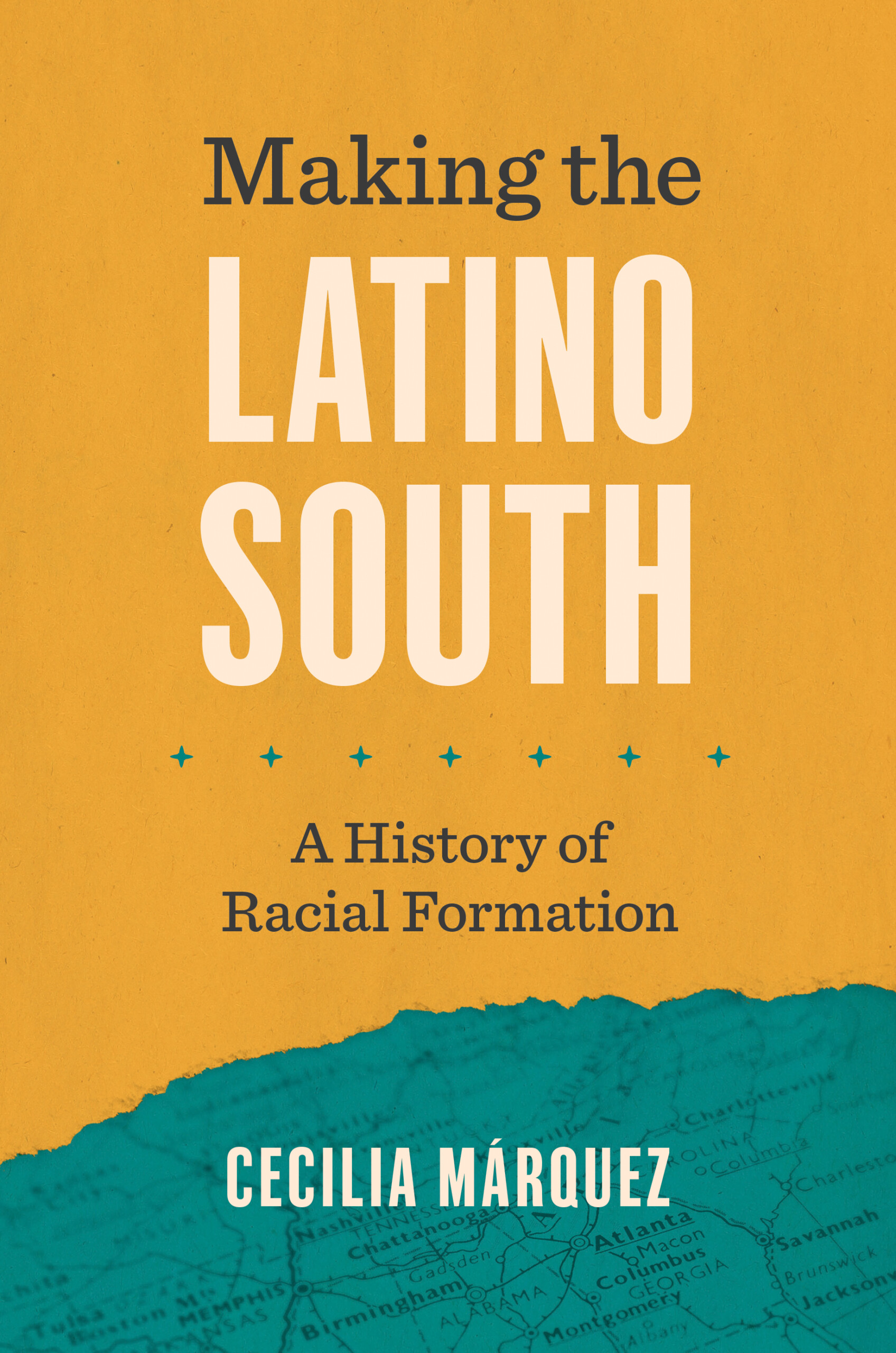
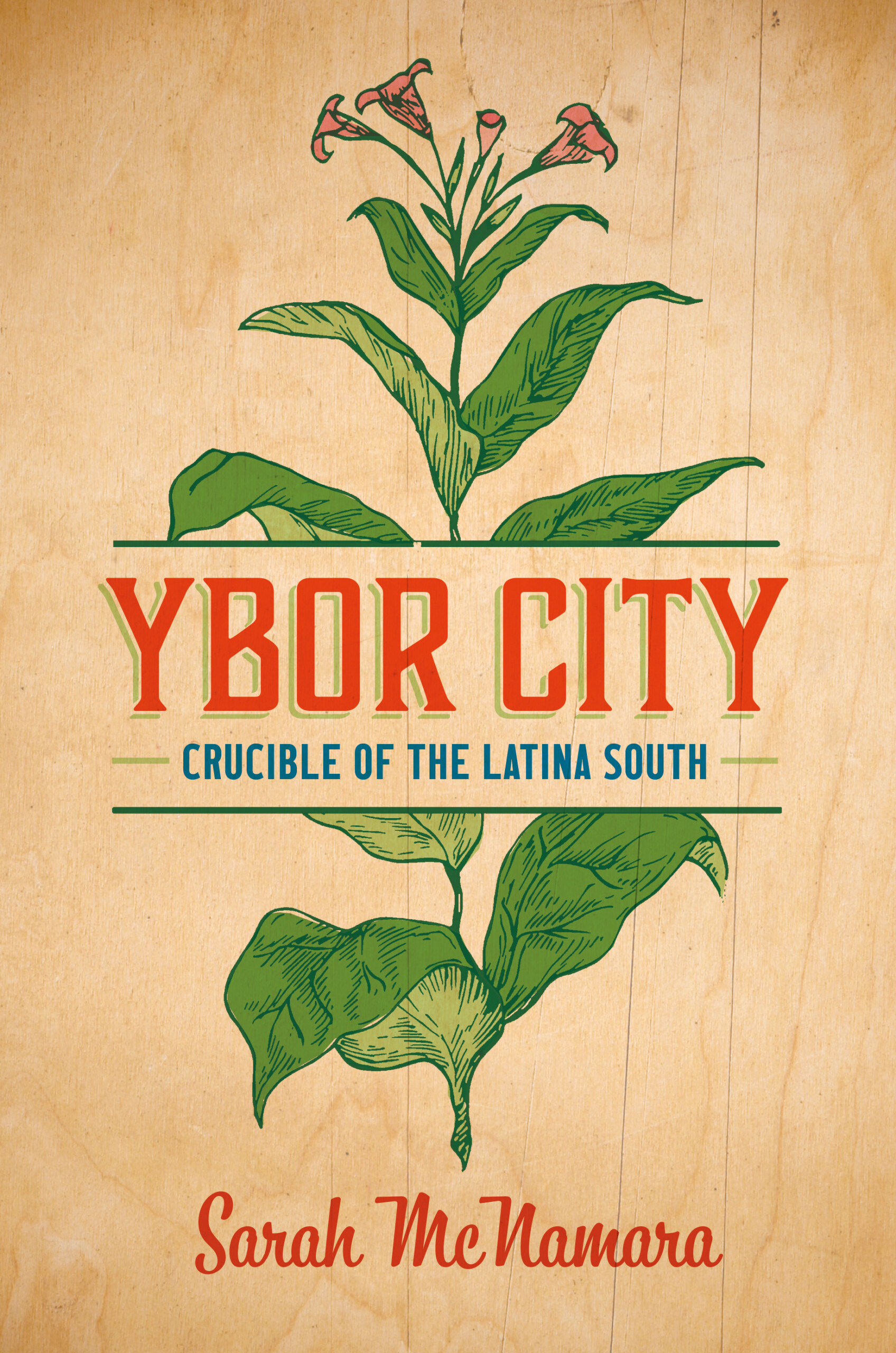
In 2003, Raymond Mohl’s description of the “latinization” of the late twentieth century US South (the “Nuevo New South”) helped set the stage for an expanding body of cross-disciplinary research on Latinx migration, settlement, and everyday experiences.1Raymond Mohl, “Globalization, Latinization, and the Nuevo New South,” Journal of American Ethnic History 22, no. 4 (2003): 31–66. While scholarly writing such as Mohl’s documenting this demographic shift offered important insights into the labor and settlement experiences of migrants, there was often little work done to use the geographical imaginary of a “Nuevo South” critically. Rather, as historian Perla Guerrero would later write: “in many instances the term ‘Nuevo South’ is used as if it were self-explanatory, or, in some of the more egregious cases, the word ‘nuevo’ is used simply in an exoticizing manner—Latinas/os are moving to the South and they speak Spanish, so we can now refer to the South as the ‘Nuevo South.’”2Perla Guerrero, Nuevo South: Latinas/os, Asians, and the Remaking of Place (Austin: University of Texas Press, 2017), 8. Guerrero makes a compelling argument for the use of “Nuevo South” as an important political economy and historical framework for understanding racial formations. As the field has continued to grow, however, new works are bringing a critical and longer historical perspective to southern Latinx populations, communities, and experiences. This includes two recent books by historians Cecilia Márquez—Making the Latino South: A History of Racial Formation (2023)—and Sarah McNamara—Ybor City: Crucible of the Latina South (2023).
Importantly, the idea of “southern” Latinx history being a new phenomenon is not a driving force in either book. Rather, these works contribute a longer understanding of the Latinx migrations to/through US southern spaces that have contributed to shaping racial hierarchies, labor landscapes, and diverse migrant communities. As two books concerned with individual and collective experiences within a shifting racial hierarchy, Making the Latino South and Ybor City significantly historicize and spatialize Latinx presence in the US South prior to the late twentieth century. Together, Márquez and McNamara call on readers to reject a monolithic definition of latinidad, specifically by paying attention to histories and politics of ethnicity, race, gender, labor, geography, and generational cohorts.
Shifting Racial Hierarchies
In Making the Latino South, Márquez places Latinos at the center of a history that lays bare the ways in which anti-blackness and white supremacy have shaped questions about culture, education, identity, and labor as experienced by Latinos living and working in various locations across the US South. “The history of Latino people offers a new and complex way of understanding the history of race in the South,” writes Márquez. “It is not a monolithic past, and it is one that refuses simple narratives about race.”3Cecilia Márquez, Making the Latino South: A History of Racial Formation (University of North Carolina Press, 2023), 17. Between the 1940s through early 2000s, Márquez places questions about Latino racialization at the center of historical investigations into matters of culture, education, identity, and labor. Across five chapters that illuminate localized Latino histories in Alabama, DC, Georgia, Mississippi, North Carolina, and South Carolina, Márquez shows how the racial position of Latinos shifted at the turn of the century. At the center of Making the Latino South is the necessary understanding that “Latino” functions as a constructed category shaped by spatial histories and understandings of race, all of which impact Black and non-Black Latinos in distinct manners.
Marquez’s first three chapters demonstrate how some Latinos benefited from a “provisional whiteness” as they attended white schools, used white facilities, and enjoyed greater overall mobility in the Jim Crow era. She begins in Washington, DC, with Karla Galarza and her family. Galarza’s experiences in seeking education within the city’s segregated school system highlight how “non-Black Latino people were understood through a mosaic of racial categorizations,” with varying characteristics (i.e. skin color, language usage, citizenship status) used to demarcate Latinos’ “proximity or distance from Blackness.”4Márquez, 21.

Next, Marquez moves from individual Latino experiences to the ways white southerners imagined and used “Latinoness” to negotiate their anxieties over a shifting racial landscape amid growing civil rights activism. In telling of the infamous South of the Border roadside attraction in South Carolina, Márquez shows how the tourist destination’s racialized figure—or, rather, mascot—“Pedro” illuminated white imaginations about racial hierarchies that increasingly included Latinos. Even with the absence of Latinos in upcountry South Carolina between 1945 to 1965, a “fantasized mexicanness” proved fruitful for a business class that sought to give an escape to white consumers seeking to “revel in the pleasures of racial subjugation.”5Márquez, 16.
The third chapter of Making the Latino South delves into the Civil Rights Movement, as Márquez excavates the experiences of Latino activists who traveled to the South to work with the Student Nonviolent Coordinating Committee. Between 1960 through 1970, non-Black Latino activists Elizabeth “Betita” Mártinez, Maria Varela, and Luis Zapata lent their support to the movement. As first-time travelers to/through this section of the US, these Latino activists encountered Jim Crow in ways that illuminated their proximity to whiteness. It was, in other words, their “Latinidad” and “non-Blackness” that shaped their experiences with SNCC, including the expulsion of non-Black members in 1966. “The expulsion,” Márquez explains, “recast in light of the history of Latino people in the South, highlights the regional nature of SNCC’s racial vision.” Both white and Black southerners’ understanding of Latino racialization, however, would shift as the 1970s and 1980s saw an increase in migration of working-class, undocumented, darker-skinned Latinos.
Márquez captures the shift that occurred in the late twentieth century as a larger non-white Latino population settled into southern destinations and were racialized both favorably and negatively as “hardworking” and “illegal.” A pivotal point arrives in the 1980s when Latino racialization shifted from a provisional whiteness to a distinct marginalized group that, on the surface, received a warm welcome. Márquez brings important attention to Dalton, Georgia, an industry town known for carpet manufacturing and for its seemingly positive embrace of Mexican arrivals. Here, industry leaders and other local actors cast Latinos as “hardworking,” which allowed white elites to “participate in what they saw as racially progressive ideology” while maintaining an exploitable laboring class.6Márquez, 149. The celebration, and exploitation, of the “hardworking” Latino narrative gave way to a new racial script after 9/11. Márquez traces how anti-immigrant sentiments that began in the 1990s contributed to the casting of Latinos as “illegal” by the early 2000s. While Latino remained a racially diverse category that included Black and non-Black people, “citizenship, race, class, color, and other identities continued to structure how Latino people” were racialized and marginalized.7Márquez, 180.
Racial categorization shifted between the 1940s through 2000s for Latinos, and Márquez reminds us that, “What is shared across the broad time period is a racialization defined, in large part, by Blackness. It is anti-Blackness and white supremacy that have defined the contours of Latinidad in the South.”8Márquez, 184. This is a critical insight that, as the author notes, opens more questions than it offers answers on the experiences of Black Latinos. There is much more work to do in recording and understanding aspects of living and working in southern spaces for Black Latinos. Falling outside the scope of Marquez’s particular project, Making the Latino South also does not contend with the question of indigeneity as it relates to the population and the (re)shaping of racial hierarchies. The book’s strengths lie in its centering of Blackness, an emphasis that will continue to shape the field’s attention to race as it relates to a diverse Latino population.
While Márquez draws readers’ attention to the role that gender plays in shaping Latino experiences, it is not central to her book. For that, we can look to Sarah McNamara’s recent work that not only highlights gender in this southern history, but rather makes it a central framework for understanding community making processes in an unequivocal Latino borderland—Tampa, Florida’s Ybor City.
Gender, Labor, & Generational Politics

McNamara’s Ybor City: Crucible of the Latina South offers an exciting multi-scale history told from a local vantage point that attends to the realities of diasporic life in a southern “transnational, multi-racial borderland” that was shaped, in large part, by Latinas who worked and organized around the cigar industry. Women, she argues, shaped the trajectory of the Latina/o community and the subsequent ways it would be celebrated and remembered well after the cigar companies and families moved out of Ybor City. Across four chapters that examine three generations of Latinas/os “who struggled, worked, and dreamed in Ybor City and Tampa, Florida,” Sarah McNamara introduces individuals and families who built the first sustained Latina/o community in Florida.9Sarah McNamara, Ybor City: Crucible of the Latina South (Chapel Hill: University of North Carolina Press, 2023), 10.
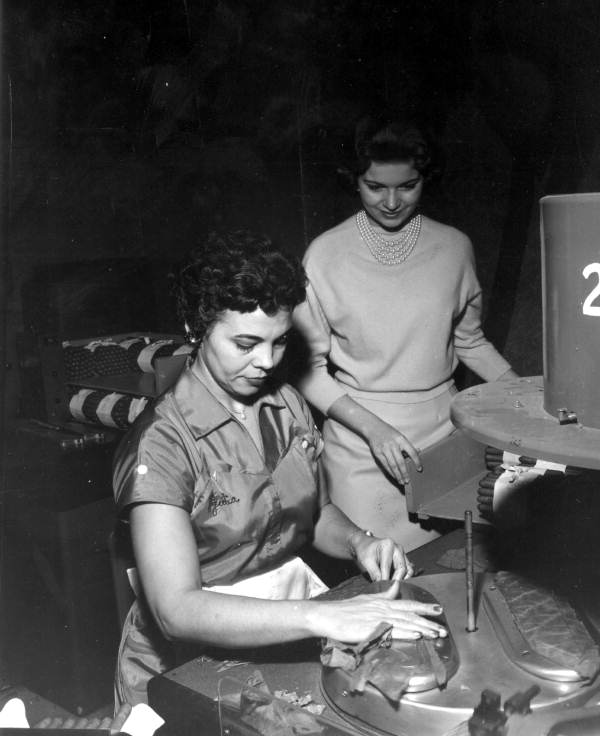
Ybor City begins by attending to the ways that categories of gender and race intersected with Latina and Latino labor, politics, and understandings of community and nation. McNamara situates Tampa as a “an international borderland where people and ideas competed for authority” over the meaning of space and place since the sixteenth century. It was not until the 1880s that Tampa, or the neighborhood of Ybor City, became a truly transnational city with the increased arrival of Latina/o laborers, who were primarily Cuban. Examining these early years of placemaking, McNamara unravels the everyday experiences and relationships that animated the establishment of a Latina/o city and shows how the “cigar factory floor was [both] a refuge and a revolutionary space.”10McNamara, 29.
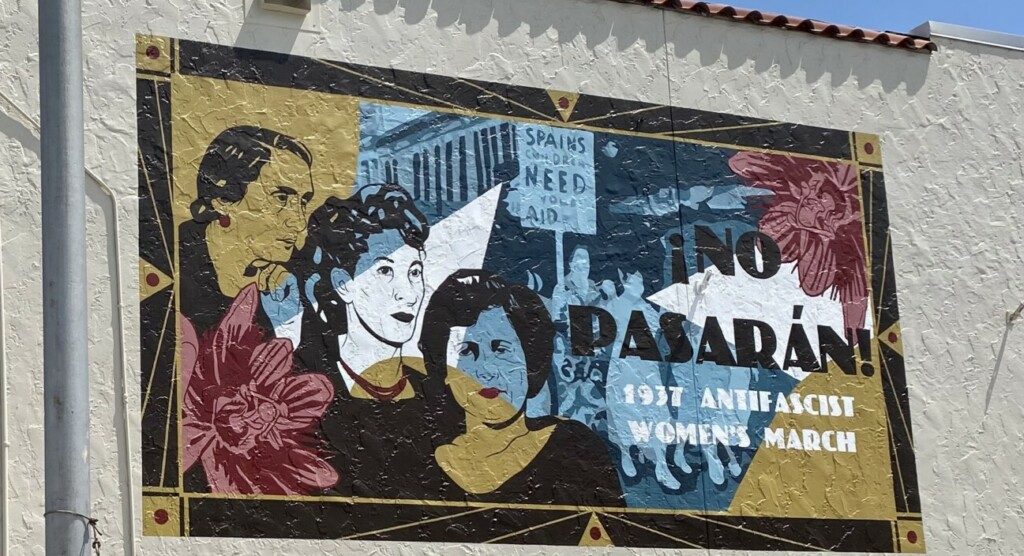
Next, McNamara takes up the leftist, anti-fascist, and transnational revolutionary politics of Latinas who worked and organized within the cigar industry and their communities in the early twentieth century. She expertly weaves renowned labor organizer Luisa Moreno’s work in Florida with the experiences of Latinas who worked and lived in Ybor City, showing how “the women [that Moreno] organized influenced her even more than she influenced them.”11McNamara, 61. Latinas’ fights for labor and human rights, as well as complex questions about ethnic and racial identities, in Ybor City highlighted the struggle of organizing in a place “where one’s sense of self was fluid and in constant negotiation with anti-radical and anti-immigrant powers within the US South and politically leftist ideologies” that animated Latina/o transnational networks of solidarity.12McNamara, 82. Leftist struggles, however, would come increasingly under question as the late 1930s saw the rise of anti-radical sentiments and politics.
Alongside critical attention to gender and the ways it shaped laboring, organizing, and community spaces for Latinas in Ybor City, McNamara points readers to another important social positionality that shaped people’s politics—generational cohorts. She depicts the shift from a leftist radical laboring Latina/o population, to one that “fought to survive in a shifting world where public perception mattered.”13McNamara, 106.While capturing the varying ways Black and white Cubans navigated social, cultural, and educational institutions during the Jim Crow era, McNamara also shows how “Cuban” became a category deemed undesirable (often cast as a group of un-American “foreign subversives”) within Tampa’s Anglo population. US-born Latinas/os who witnessed the marginalization of their elders developed their own practices to demonstrate patriotism (or Americanness), which included Latinos enlisting in the army and Latinas engaging in volunteer and community advocacy work. In the shifting labor and racial landscape of the 1940s, Latinas continued to advocate for themselves, their families and community members “in Anglo-controlled spaces by laying claims to their right…to belong.”14McNamara, 137.
As the war ended and young Latinas/os returned to everyday life, many saw their futures as lying outside of Ybor City’s cigar industry. McNamara follows the ways in which Latinas/os with roots in Ybor City navigated questions about memory, community, and belonging. She argues that the process of “remaking” the community in the postwar era necessitated obscuring the “radical leftist past” of Ybor City, to make way for a “moderate, yet progressive, present” that Latinas/os could use to enter mainstream politics.15McNamara, 140. Delving into three distinct political moments between 1948 through 1970 (the Henry Wallace campaign; the Cuban Revolution; urban renewal), McNamara highlights Latinas’ presence—and, at times, absence—in shaping local political mobilizations and responses to deindustrialization and urban renewal. She shows how, more than just a capital for cigar manufacturing, Ybor City was a place made, and remade, by distinct generations of Latinas/os who had varying approaches to negotiating issues of race, ethnicity, gender, and labor, all of which informed the ways the community would be remembered for years to come, whether through local museums or at family dinner tables.
With her multi-generational analysis that shows change over time through the experiences of those whose lives intersected with and/or shaped Tampa and Ybor City, McNamara asks readers to “rethink what it means to be of Cuban descent, live in Florida, survive in the South, and advocate for visibility and representation within the United States."16McNamara, 13. Like Márquez, she is attentive to the racial diversity of the population, writing that “U.S.-born Latinas and Latinos disavowed radical, leftist politics and defined themselves against Blackness to transform their image from foreign subversives to acceptable U.S. citizens.” She continues by noting that this resulted in a “the creation of a new ethnic, non-Black identity as well as proximity to Anglo society and the gain of political power.”17McNamara, 10. There is some attention to the specific experiences of Afro-Cubans throughout the book, especially as related to the organization of mutual aid societies in the early decades of the twentieth century.
It is McNamara’s specificity that makes Ybor City a key contribution to the postwar, place-based histories of Latinas/os living and working in the various regions of the South. “Too often,” she writes, “Ybor City, and even Florida, is seen as an exception – a place where latinidad is everywhere and has always existed and is therefore unnecessary for inclusion in broader and more expansive understandings of Latinas/os within the South and the nation.”18McNamara, 15. By examining this “exception,” Sarah McNamara offers a hemispheric history that informs how Latinas/o lived experiences are shaped by time and place. Another important dimension of Ybor City is its serious consideration of the individual and familial histories. As more Latinx scholars who are born and/or raised in southern spaces record our own histories, McNamara’s book will serve as a model for how to balance individual, familial, and communal histories with attention to (trans)national historical processes.
When and Where You Are Latinx Matters

With attention to matters of ethnicity, race, migration, transnationalism, class, labor, gender, and generational cohorts, Cecilia Márquez and Sarah McNamara offer us important critical readings. Making the Latino South and Ybor City highlight the intersections of race, gender, and place, constructed categories that have historically informed hierarchies of desirability and belonging. They show the diversity of identities and experiences that shaped Latina/o life between the late nineteenth through early twenty-first centuries.
These scholars also raise important questions about scale. Márquez’s book is less a history of specific Latino communities and more a story of how this diverse group came to be described, or rather racialized, as “Latino.”19Márquez, 4. Geography and racial hierarchies are at the center of her investigations into racialization processes in Alabama, DC, Georgia, and the Carolinas. On the other hand, McNamara begins with her familial roots in Ybor City’s radical Latina history, and extends her analysis to encompass Ybor City as a node within a borderlands where the Caribbean and US South meet and shape each other. These books model balancing of the multitude of voices of everyday Latinx historical actors.
Márquez and McNamara held a roundtable discussion at the 2023 Southern Historical Association meeting in Charlotte about the shifting terrain of Latinx history. Márquez made a key aspect of Latinx history clear: “when and where you are Latino matters.” Later in the same session McNamara added that, along with generational cohorts, “migration patterns matter.” With the various Latinx migrations to/through southern spaces since the late nineteenth at top of mind, the discussion highlighted the nuances of writing Latinx history from a southern vantage point. The conversation illuminated Chicana historian Vicki Ruiz’s argument that “region is intricately tied to Latina identity.” With attention to geographic and temporal specificities, Márquez’s Making the Latino South and McNamara’s Ybor City each demonstrate how Latina/o/x individuals, families, and communities navigated, understood, and claimed southern spaces over time. With their critical attention to the importance of regional racial formations, histories of racial capitalism, and the varied dimensions (racialized, gendered, generational) of Latinx identities and community formations, Márquez and McNamara have each made contributions that enrich more than two decades of scholarship. 
About the Author
Iliana Yamileth Rodriguez (“Yami”) is a historian of US Latinx communities. With a research emphasis on the US South, Rodriguez’s scholarship examines Latinx experiences in relation to culture, race, ethnicity, labor, and migration. Her current book project, “Mexican Atlanta: Migrant Place-Making in the Latinx South,” traces the history of Metro Atlanta’s ethnic Mexican community formation and broader Latinx connections beginning in the mid-twentieth century.
Cover Image Attribution
"A bit of Old Spain as seen at Ybor City, Tampa, Florida," ca. 1930–1945. Postcard. Courtesy of the Tichnor Brothers Postcard Collection, Boston Public Library.
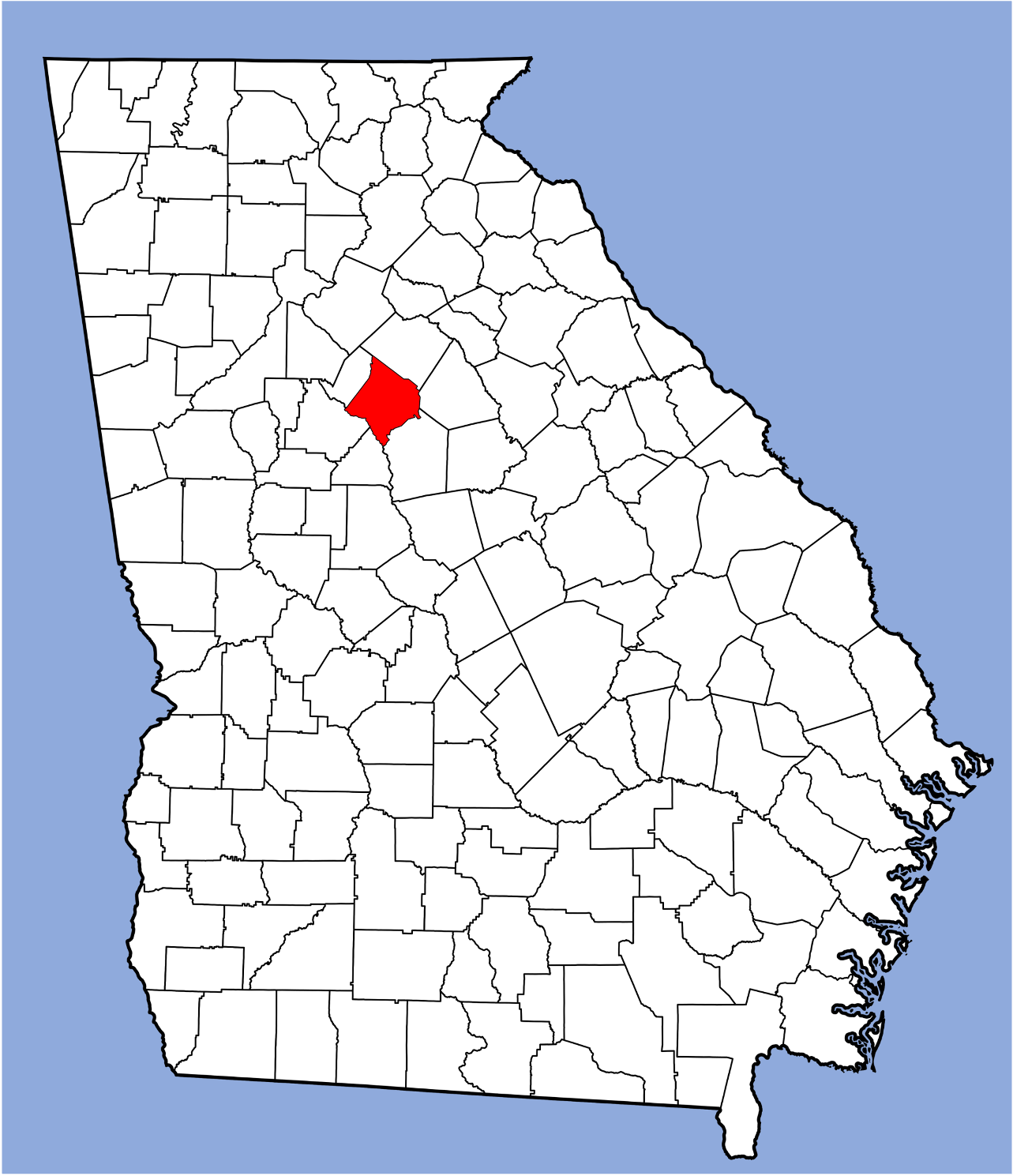
]]>For generations, African American families in Newton County, Georgia have told a haunting story about a tributary of the Yellow River known as "Dried Indian Creek," which meanders about ten miles through the municipalities of Oxford and Covington. The creek passes about a half mile east of the original campus of Emory College—founded in 1836, now known as Oxford College of Emory University—and directly past Bethlehem Baptist Church, the county's oldest African American house of worship. For two centuries the waterway has been a significant site of fishing, trapping, hunting, gathering, reflection, baptism, and recreation for the county's Black residents.
Local Black families are well aware of the white narrative about the name of the creek, published in multiple sources across the decades: when settlers came into the lands that would become Newton County (founded in 1821), they encountered the mummified remains of an individual, whom they assumed to be Native American, and named the waterway "Dried Indian Creek." This version was often told by the segregationist sheriff of Newton County, Henry ("Junior") Odum, (1915–1976), whose grandfather had established "Avon Indian Farm" near the creek. In Sheriff Odum's telling, the mummified Indian was discovered "stretched out under a big old tree."1Odum's account is quoted in a laudatory article about the sheriff in the Atlanta Journal Constitution, 26 May 1968, p. 172.
The African American narrative is different. Elders we have known recalled that when they were children in the 1930s, their elders told them that the creek's name bore witness to a terrible crime. When whites arrived, a courageous Native American leader refused to leave the land his people had long resided on.2We assume this Indigenous leader was Muscogee, but the older African American oral accounts we heard referenced him as "Indian" or "Native American." White settlers seized, beat him, strung him up, and left his body dangling over the water, not allowing anyone to cut him down until his corpse had dried. As the story was told, this early spectacle lynching was staged as a warning to Native and enslaved Black people that any challenge to white rule would be swiftly and violently put down.
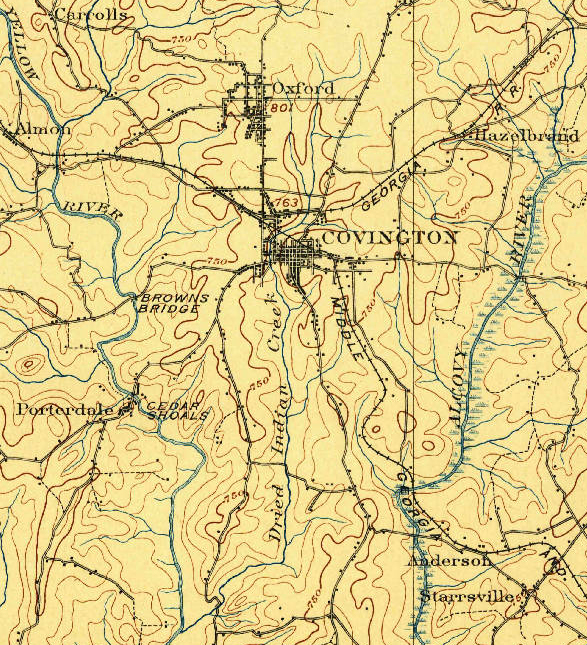
We know of only one white-authored account. The June 4, 1893, Atlanta Constitution reports that a Mr. W.D. Boggus of Covington has a number of curiosities on display in his place of business, including ". . . the leg bone of the Indian chief who was hung in 1795 and left to dry, near the old mill here in town, and from which incident Dried Indian Creek got its name."3Newspaper accounts from the following year state that Boggus wore a ring made from the "bone of an Indian warrior," exhumed from a plundered burial site near Covington (Macon Telegraph, 16 March 1894, p. 4). The individual in question, Woodson D. Boggus (c. 1868–1936), worked in the early twentieth century in Waco, Texas and in Payne, Oklahoma as an oil lease broker before returning to his home state of Georgia. (During the mid-1790s the area that is now Newton County was contested between Muscogee (Creek) inhabitants and encroaching white Georgians.) The Constitution article references the former site of Floyd's Mill, near where Bethlehem Baptist Church now stands, just north of the Clark Street bridge over the creek.
Overlapping Presences: Indigenous and Enslaved
No one we have spoken with recalls the name of this murdered Indigenous man, but the elders shared the belief he was distant kin to many African American families in Oxford. Most of these families trace their descent to two enslaved Native individuals, whom they believe to have been Muscogee (Creek). Cornelius Robinson (born c. 1836) was the enslaved valet of Alexander Means (1801–1883, Emory's professor of natural sciences, who during 1854–1855 was the College's president). Angeline Sims (born c. 1835) was enslaved with her husband George Washington Sims and their children, by Richard Sims, a founding member of Emory College's board of trustees and a founding commissioner of the town of Oxford. Angeline's daughters mainly remained in Oxford and married into local families; nearly every long-term African American family here traces descent back to one of these "Sims" women.
The elders knew that nearly all Muscogee (Creek) had been forced off the local lands around the time of the founding of Newton County, traveling to Alabama and points west, in some cases bringing with them their enslaved people of African descent. Yet they also insisted that not all "Indians" had left, that some intermarried Native and Black families had continued to live in the area.4Newton County, Georgia—created December 24, 1821, from Henry, Jasper, and Walton Counties—was based in three ceded Native territories. Under the terms of the 1805 Treaty of Washington, the 1818 Treaty at Creek Agency, and the 1821–25 Treaty of Indian Springs, all Muscogee lands in Georgia were ceded.
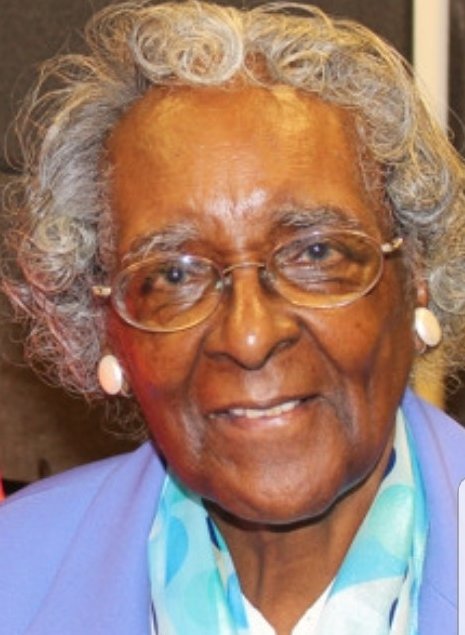
The late educator Emogene Williams (1931–2020), her mother "Miss B," and great-grandmother Sarah Baker Nelson recalled that there was an informal "Indian settlement" to the west of Covington, near Turner Lake, which persisted into the early twentieth century, when the Indigenous people were finally forced off the land. (As they remembered, there were also "gypsies" living in this settlement, who were also forced by whites to leave.) Local historian Johnny Johnson recalls that his grandmother Odessa Smith Gaither, born in 1885, shared stories about Native Americans who passed through Newton County when she was a girl, settling for a while and then "moving on."
A cluster of Afro-Native families continue to reside, semi-autonomously, along the Alcovy (Ulcofauhatchee) River, a couple of miles east of Oxford. (Large Creek villages are known to have been based along this watercourse in the eighteenth century.)5The 1805 Treaty of Washington between the United States and the Creek Nation references the "Ulcofauhatche" river; the term was used through the nineteenth century and was later anglicized to the "Alcovy" River. RaeLynn A. Butler, manager of the Historic and Cultural Preservation Department of the Muscogee Nation, notes that the Mvskoke spelling of the river would be: "orko ofv hvcce," meaning Pawpaw ("Orko," pronounced oth-go), river, or stream. Non-natives, she explains, must have heard "al-co" when mvskoke speakers were saying "oth-go" (RaeLynn A. Butler, personal note to author). See also Jonathan S. Tonge, Ulcofauhatchee: A Guide to Life Along the Alcovy River. Covington: Georgia Wildlife Federation, 2011. This small community of Angeline Sims's collateral descendants, her descendants recall, lived along the Alcovy upstream of the railway trestle, and defined themselves as "Indian" well into the twentieth century.
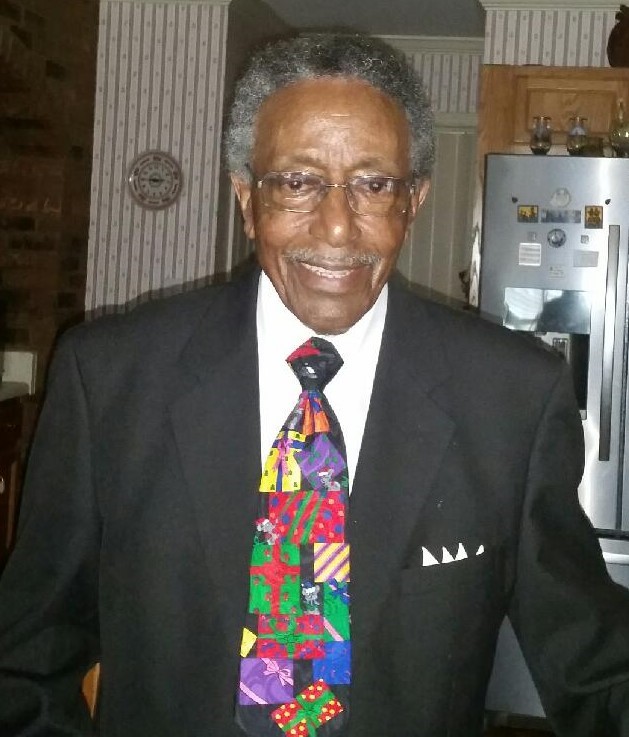
The late John Pliny ("J.P.") Godfrey, Jr. (1936–2020), great-grandson of Angeline, often visited this settlement of his kin when he was a child in the late 1930s and early 1940s. They trapped, fished, and minimized interactions with local whites. He remembered the elders would sing beautiful songs as they gazed out along the water, with words that were a mixture of English and "old Indian." The songs reminded him of "old Negro spirituals," but were somehow different. He sometimes understood them to be singing in remembrance of the ancestor, the old chief, who had been hanged by whites over the nearby stream and left to dry in the sun. Yet, he recalled, he never heard these elders express bitterness. "They just told me they were singing to help keep the waters rolling along." He smiled, "That's what they felt. Singing somehow helped the river, while the river gave them life and shelter."
Years later, J.P. and Mark walked along stretches of the river, but could find no trace of the old settlement he recalled from his childhood. "It's as if they were never here," J.P. sighed.
J.P and his cousins noted that most Black people in Oxford didn't talk much about their Indian relatives, but he did remember a story about his great aunt Minerva, Sallie's sister. "She was very strong willed. One time, she took her whole family down to live in Louisiana, in 'Ouachita' . . . She used to tell her children there was once a great city there, long before white folks ever came to America. They built pyramids there, just like the ancient pyramids." Records suggest that Minerva, her husband Tom Anderson, and their children lived in Ouachita from around 1890 to around 1908, when they returned to live in Oxford.
Years later, we read about archaeological excavations conducted in Ouachita, Louisiana, indicating that middle archaic mounds and earthworks at Watson Brake dated to at least 3400 BC. J.P. wondered just how Minerva could have known what she had known.
Founding Act of Murder
From time to time, the story of the murder at Dried Indian Creek has resurfaced in our conversations about the early history of Emory College and Oxford, where so many ancestors of local African Americans had been enslaved from 1836 until the end of the Civil War. Deacon Forrest Sawyer, Jr.—who had led the movement for desegregation in Newton County in 1970, famously defying Sheriff Junior Odum—said of Dried Indian Creek, "This county was founded with an act of murder. They were demonstrating the price that would be paid by anyone, red or black, who dared oppose white rule."
Emogene Williams, who traced her descent back to early enslaved persons and white slaveowners in Newton County (and who was the mother of this essay's co-author Rev. Avis Williams) concurred, "That is how they kept power in this county, through public demonstrations of violence, going all the way back to Dried Indian Creek. Lynchings, public executions of Black men scheduled as Black people were filing by going to church on Sunday."
J.P. Godfrey, Jr., whose grandfather Israel Godfrey had worked the land around Oxford in slavery and freedom, remarked, "I don't think it was entirely coincidental that Emory was founded right in the shadow of where that Indian chief was murdered . . . They wanted to show that they had taken hold of this land, and what would happen to anyone who opposed them."
These elders drew a direct link from the public desecration of the body of the murdered Indigenous man in the 1820s to the July 1946 mass lynching by about fifteen white Klansmen of two young African American couples at Moore's Ford on the banks of the Apalachee River in Walton County, which sent terrible shockwaves through surrounding Black communities in the early postwar period.
As Deacon Sawyer put it:
Rivers are the life blood, the arteries, of our land here. Rivers and streams were sacred for Indians, and it was those same creeks we'd steal away to, to feel the flow of the Holy Spirit—from the day we were brought to this county in chains. Of course, white folks chose to torture and kill our people along the river bank, reminding them that nothing was sacred. Any bond of family, any tie of love, could be broken in a moment. That's what white power was back then, and it still is.
Distant Kin: Black Oxford and the Creek Freedmen
These elders had long been fascinated by the stories of the Creek Freedmen, descendants of persons enslaved by Creek slaveowners, who had lived in Georgia and Alabama and then been removed to Indian Territory, later known as Oklahoma. Although there is no direct evidence of common ancestry between Oxford's present-day African American residents and the Creek Freedmen of Oklahoma, many local Oxford Black elders have felt a deep sense of moral kinship with the Freedmen. J.P. Godfrey, Jr., noted, "I know in my heart, those are our people. They were taken from these lands, suffered in ways we can't even imagine, but they endured. They're still our kin."
For J.P. and Emogene Williams, the 1979 de-citizenship of Creek Freedmen—descendants of those who had been enslaved by Creek slaveowners—was particularly painful. As J.P. remarked, "So many thousands gone from here. We had hoped our kin, though in bondage to the Creek, would have finally found a safe harbor in Oklahoma. Now we hear they were expelled, for supposedly being 'too African' . . . For our folks, you might say, the trail of tears never ended."6The precise motivations behind the 1979 changes in the Muscogee Constitution remain deeply contested. Defenders of the 1979 Constitution maintain the change in tribal citizenship was motivated by a desire to recognize only those Creek persons with sufficient Creek blood quanta as Creek citizens. Creek Freedman activists, in turn, insist the disenrollment of the Freedmen was motivated by racial animus, and illegitimately expelled many people whose ancestors had been considered Muscogee for multiple generations. Emogene observed, "I don't know how we're related, but I know from my mother and great-grandmother our people were all mixed together. It pains us to see those folks out West treated with such disrespect. Just like it was happening to us here."
Community members watch as leading figures in the Biden administration and the Congressional Black Caucus advocate for full citizenship rights being restored to all the Five Nation Freedmen. Secretary of the Interior Deb Haaland in May 2021 approved a revision in the Cherokee Nation constitution restoring citizenship status to Cherokee persons of African descent, and indicated her expectation that Muscogee (Creek), Choctaw, Chickasaw, and Seminole would recognize their "moral and legal obligations to the Freedmen."
By the Rivers of Babylon
In 2021, Emory University hosted a conference devoted to tracing the legacies of enslavement and the dispossession of Native American lands on the grounds that later became the institutions that comprise the consortium "Universities Studying Slavery," including Emory, University of Virginia, the Virginia Military Institute, Georgetown, Rutgers, UNC Chapel Hill, and Brigham Young University.7"Program Schedule." In the Wake of Slavery and Dispossession: Emory, Racism, and the Journey towards Restorative Justice. Emory Libraries. Accessed February 3, 2022. https://libraries.emory.edu/slavery-symposium/program-schedule.html. The conference opened with a painfully beautiful Muscogee hymn, "Espoketis Omes Kerreskos" ("This may be the last time, we do not know"), sung by Chebon Kernell, a mekko or ritual leader in the Muscogee (Creek) tradition, and a prayer by Rev. Avis Williams, an ordained Baptist preacher and daughter of the late Emogene Williams.8"Acknowledging the Ancestors with Readings, Music, and Prayer." Emory University. October 13, 2021. YouTube video. 1:13:29. The blessing and song by Cherbon Kernell and the blessing by Rev. Avis Williams are found at (00:00–11:30). https://www.youtube.com/watch?v=ELGjnpgdgJE&list=PLDSBylqXf9oGHja1c3mknOqz8JcVYMNfT&index=6. "Espoketis omes," which resonates with an African American spiritual, was sung along the Trail of Tears, as Muscogee families, including enslaved persons of African descent, made their way towards an uncertain future in the Indian Territory (Oklahoma).9The history of the song "Espoketis Omes Kerreskos" is explored in the 2014 film This May Be the Last Time (dir. Sterlin Harjo). More broadly, the film engages with the intertwined histories of Scottish Congregational line song, African American spirituals, and Muscogee (Creek) songs. Black spirituals and Muscogee hymns draw upon congregational line or note singing, part of a long musical and spiritual trajectory to maintain community amid wrenching dislocations.
Hearing Chebon sing, Avis was struck by the many parallels to the "sorrow songs" she grew up with in the Black Baptist tradition.10W.E.B. DuBois, "Of the Sorrow Songs," The Souls of Black Folk. Chicago: A.C. McClurg, 1903. Wikisource. https://en.wikisource.org/wiki/The_Souls_of_Black_Folk/XIV. In the first chapter of African Creeks (Norman: University of Oklahoma Press, 2007), Gary Zellar notes that early Christian missionization and evangelism in the Creek Nation in Georgia and Alabama was primarily associated with persons of African descent enslaved in Muscogee (Creek) communities. Had her ancestors and Chebon's ancestors perhaps sung together in the past, before or during the terrors of enslavement, forced removal, and land alienation? She was reminded in particular of Psalm 137: "By the rivers of Babylon we sat and wept/when we remembered Zion . . . our tormentors demanded songs of joy/they said, Sing us one of the songs of Zion!" Her ancestors, she knows, sang songs of sorrow but also of hope, in a strange land. So too, she thought, would Muscogee, including enslaved and free people of African descent, have sung these hymns, along many waterways, as they were expelled from their homelands.
On October 10, 2018, a Muscogee Methodist delegation gathered at the long-ago site of Standing Peachtree (Pakanahuili), the Muscogee (Creek) village that stood where Peachtree Creek enters the Chattahoochee River near present-day Buckhead, in north Atlanta.
They offered a prayer and hymn over the river. In a concluding commentary, Marilyn Cloud explained that in Muscogee tradition, "You add the prayer to the tobacco, because it is sacred. You put the tobacco in the flowing water. Whatever the prayer is that you make, the flowing river carries it."
Recently, we've held conversations about how these long-separated people might enter into dialogue. There are many unresolved legacies to work through, including the status of the Creek Freedmen, who are denied basic rights of tribal citizenship. Creek scholar and activist Craig Womack suggests music might be an appropriate starting point, to share and learn, and to hear voices of ancestors tied to riverscapes and landscapes that descendants consider sacred. Perhaps Muscogee and Newton County African American family members might gather along the river bank, joining in old hymns to honor the ancestor murdered long ago and left hanging over the waters, even as their voices, raised in song, help to move the river along.
About the Authors
Rev. Avis E. Williams, a community activist based in Newton County, Georgia, holds four degrees from Emory University (AA, BA, Master of Divinity, Doctor of Ministry). She works for the Putnam County Charter Public School System, and currently serves on the Oxford, Georgia, City Council.
Mark Auslander, a former faculty member at Oxford College of Emory University, is a visiting faculty member in anthropology at Boston University and University of Massachusetts-Amherst.
Acknowledgments
We are grateful for detailed comments on earlier versions of this essay from Craig Womack, Professor Emeritus of English at Emory, RaeLynn A. Butler, Manager of the Historic and Cultural Preservation Department, The Muscogee Nation, and Allen Tullos. We have benefited from guidance on Five Nations Freedmen perspectives on this complex history from Eli Grayson and Marilyn Vann. We acknowledge the teachings of many elders from the Newton County African American community, especially the late Emogene Williams, Sarah Mitchell Wise, Sarah Francis Hardeman, Mary Gaither McClurkin, Forest Sawyer, Jr., and John Pliny (J.P.) Godfrey, Jr.
]]>Preface
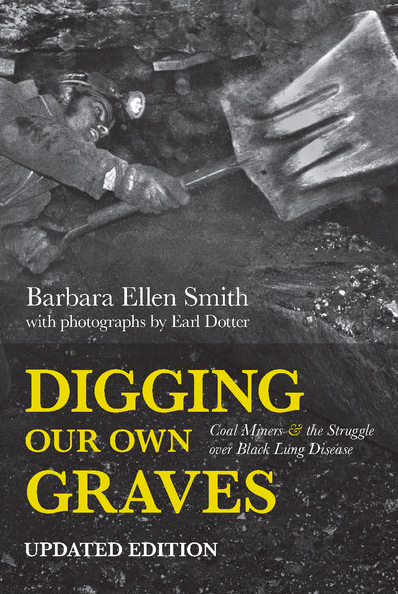
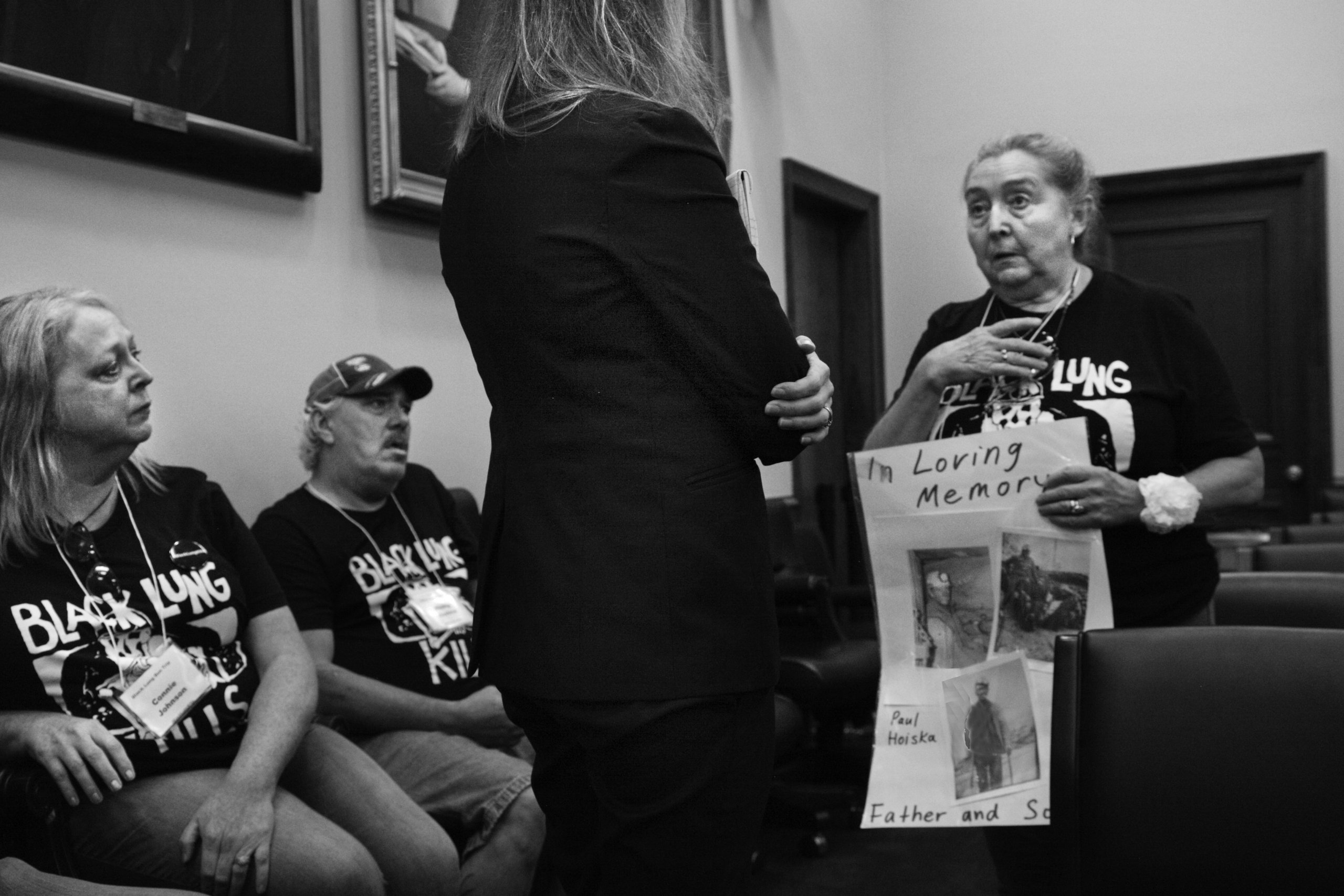
Digging Our Own Graves, first published in 1987, concluded with an ominous prediction: "Black lung disease awaits the younger generation of coal miners who are now at work underground." Would that I had been wrong! Today, not only do coal miners still suffer from this lethal but preventable lung disease, they do so at younger ages, some even in their thirties, and they are contracting the most advanced form of black lung at the highest rates ever recorded. More than fifty years after the US Coal Mine Health and Safety Act of 1969 imposed a respirable dust standard on the coal industry, designed to prevent black lung, why do such carnage and suffering persist? This updated version of the original book seeks answers to that question.
My own introduction to black lung began in the winter of 1971–1972, when I came to West Virginia to work for the Black Lung Association. I was barely twenty years old. Extraordinary political transformations were in the making: coal miners, miners' wives, and widows were challenging powerful institutions that had once commanded their acquiescence—the hierarchy of the United Mine Workers, the coal operators' association, county political machines, and the Social Security Administration.1The language of "miners' wives and widows" implies that all miners are male. However, since at the least the 1970s, women have worked in the mines, including underground, albeit in small numbers. I use the language of "wives and widows" because most black lung activists use this language in their organizing and their discussion of black lung compensation (e.g., "widows' claims"). For a young college student from the Midwest, these developments in the mountains of West Virginia beckoned with a romantic excitement. Besides, the mountains were my ancestral homeplace; now I could return to them, not on a summer vacation in the backseat of the family car, but on my own.
Working with the older coal miners and impatient young organizers who made up the Black Lung Association at that time was a formative political experience for me. Coming from a long line of southern subsistence farmers and circuit-riding preachers, I was instilled with a righteous, if vague, sense of populism that made me eager to join the struggles of "working people." But neither my political heritage nor my exposure to campus radicals prepared me for what I found in the coalfields of West Virginia: above all, the stark boundaries and clear perceptions of class antagonism. Virtually every coal miner over the age of sixty-five proudly claimed to have "fought in the battle of Blair Mountain with a machine gun" in 1921 to bring the union into southern West Virginia. They were up against the combined forces of coal company guards, the state police, county sheriffs and their deputies, aerial bombers, and, ultimately, the US Army. I was dumbfounded.
Fortunately, it didn't occur to me to write about any of these experiences until my age and the changing times helped to deepen my understanding of what they might mean. In 1978, more than six years after I had first worked for the Black Lung Association, I began the research for a dissertation on the black lung movement. The political atmosphere was altogether different. A reform movement in the United Mine Workers of America (UMWA) had arisen, succeeded in a special election for leadership of the union, then disintegrated; the black lung movement had seemingly disappeared; and a storm of reaction was sweeping the Appalachian coalfields. The setbacks were frightening, but they made possible a more sober and critical perspective on the earlier period of upheaval.
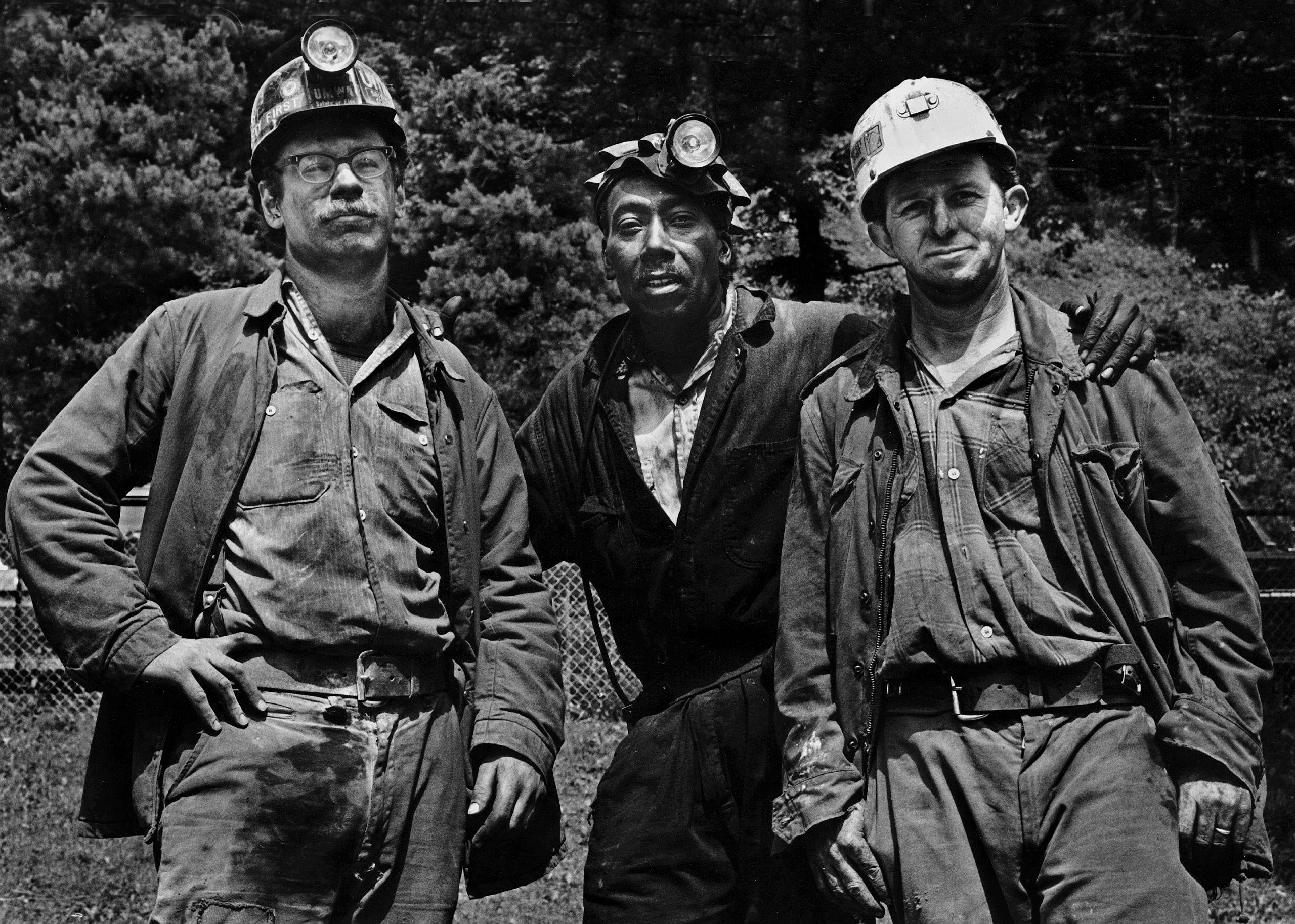
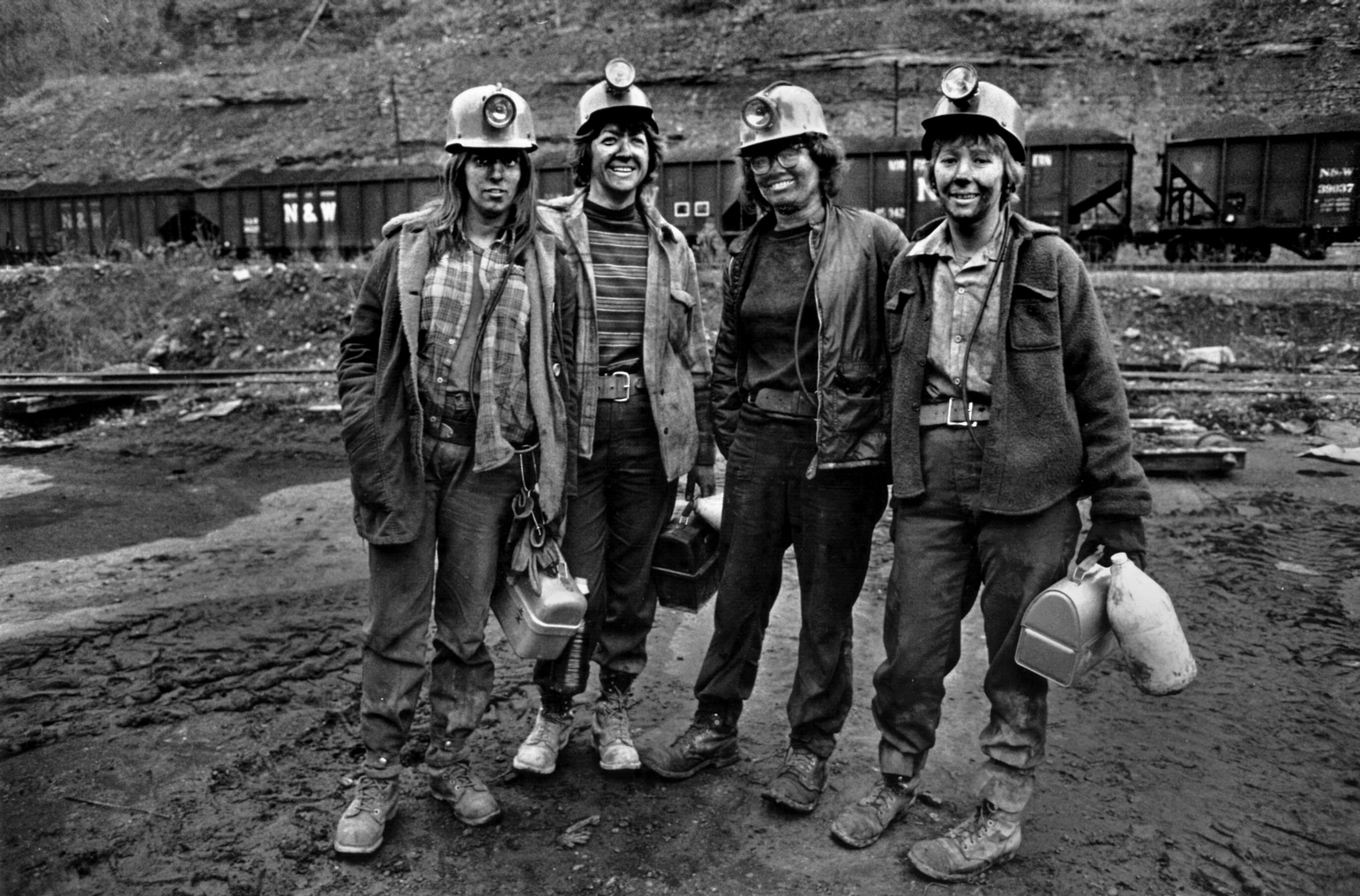
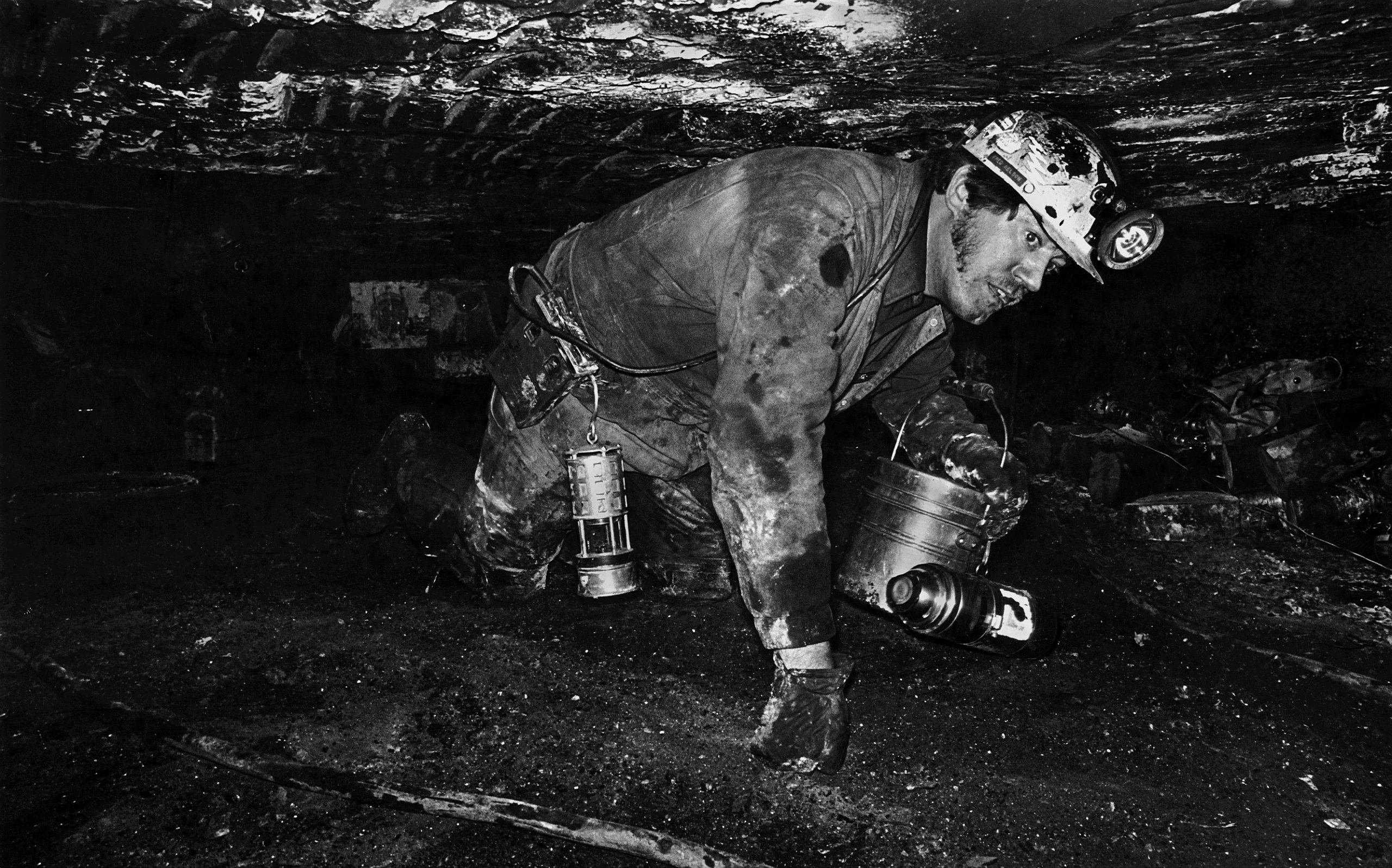
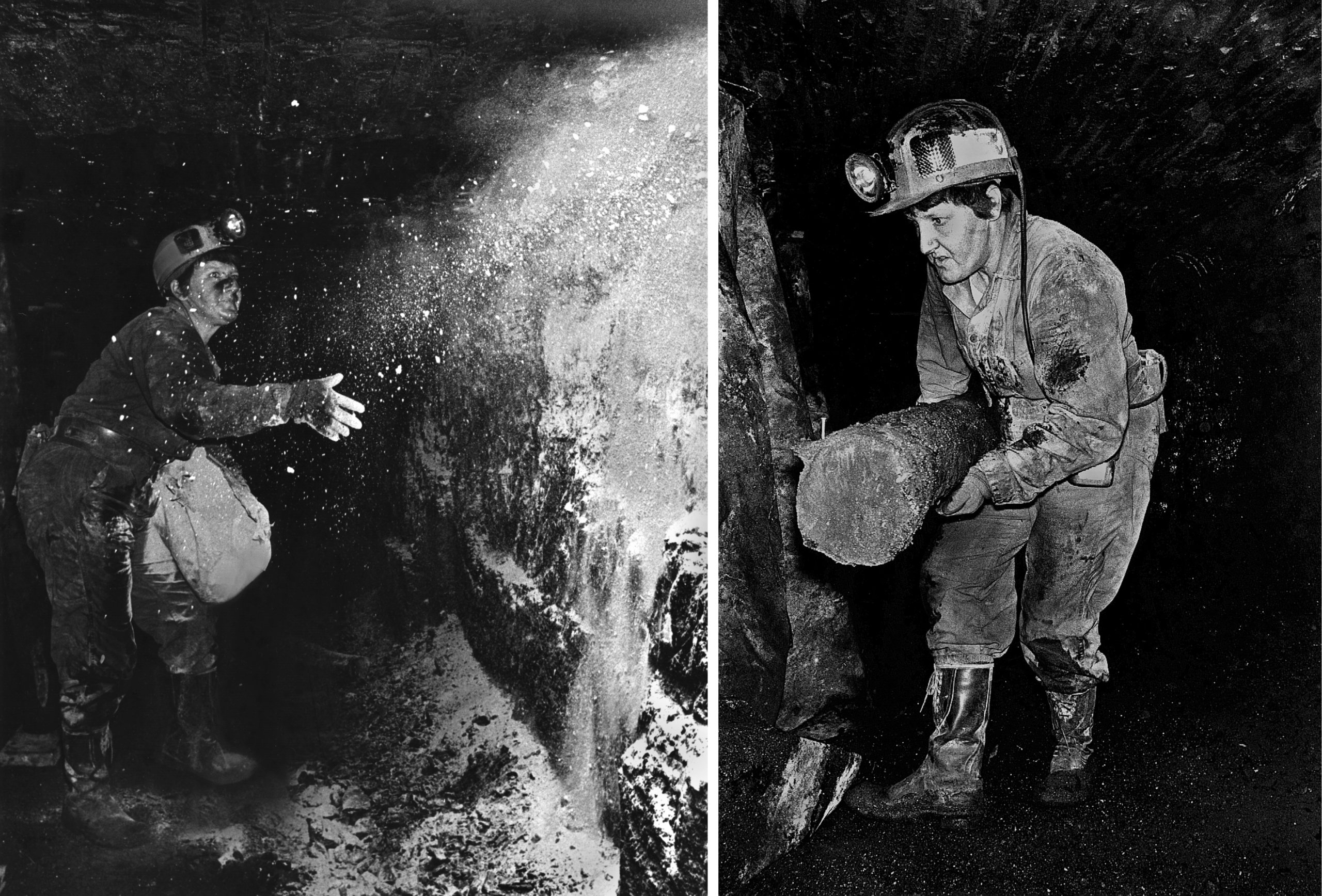
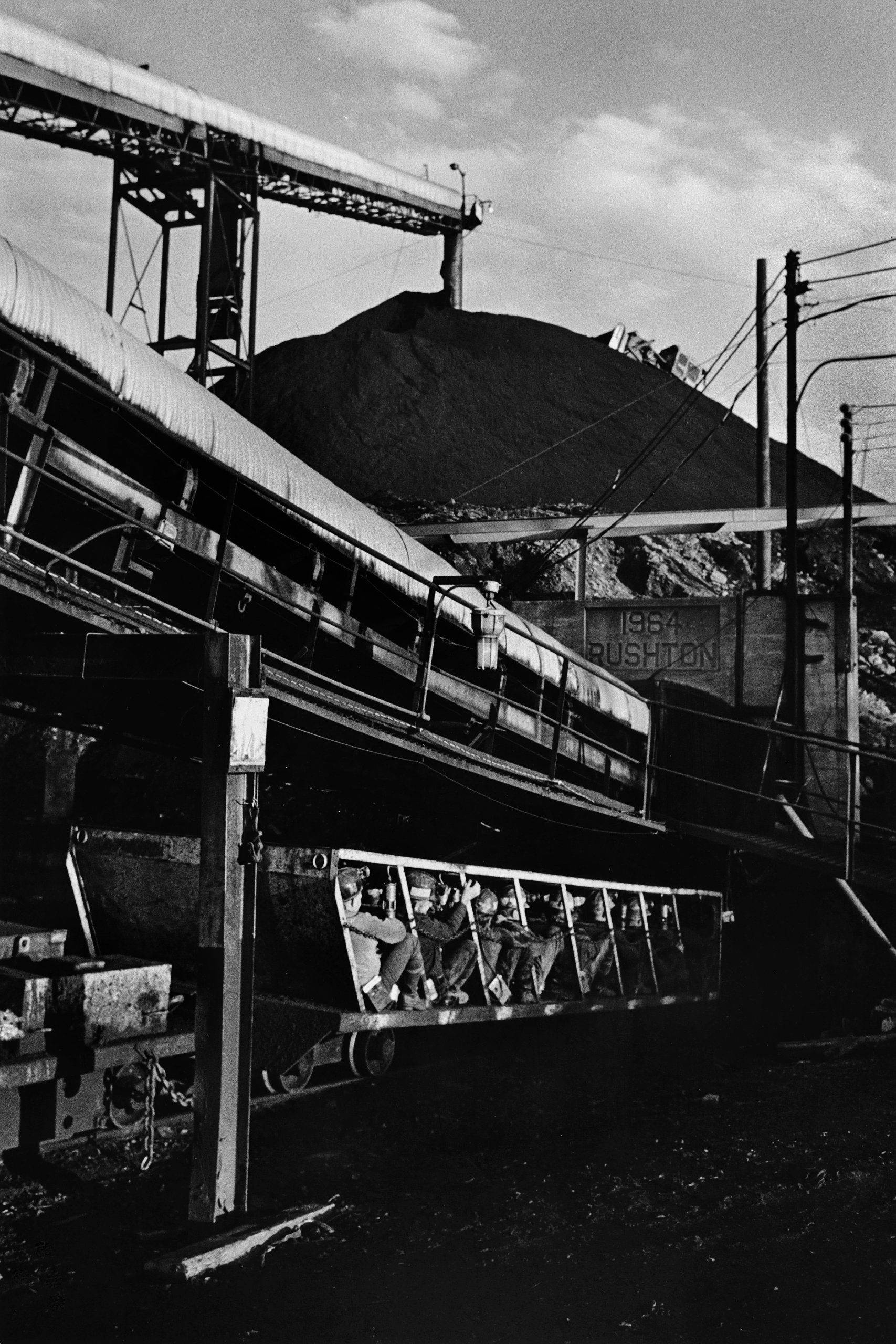



I began this book as a labor history, asking obvious questions that seemed most important at the time: Why did the movement end this way? What did it accomplish? How did it fail? Who or what was to blame? As I dug deeper into the history of the black lung movement, however, these apparently clear-cut questions about victories and defeats began to seem ambiguous, even misleading. The assessment of whether the movement had succeeded or failed depended a great deal on whose goals were used as the standard of measurement—and goals varied considerably among different participants. Moreover, what the larger political culture defined as the movement's greatest accomplishments often turned out to be mainly symbolic; they represented the visible outcomes of formal processes of reform (the passage of legislation, for example), but in and of themselves did not necessarily signify substantial and lasting change. The simplicity of my original questions faded as the labels of victory and defeat, success and failure, appeared more and more ephemeral. The central analytical problems increasingly seemed to involve the maddening complexity of social change itself, which prevented any person or group from controlling the course or outcomes of this movement.
As I delved further into the reforms sought and controversies engendered by the black lung movement, it became apparent that the movement was more than an important episode of labor resistance. At issue in the struggles over black lung, which have reemerged today, is not only how to prevent the disease or compensate those affected by it but also the very definition of black lung. Frequently, the most ideologically powerful opponents that miners have faced in their successive surges of activism are not coal operators or conservative politicians but physicians. At the center of the black lung controversy has been a profound power struggle between miners and physicians over who will control the definition of this disease.2See Daniel M. Fox and Judith F. Stone, "Black Lung: Miners' Militancy and Medical Uncertainty, 1968–1972," Bulletin of the History of Medicine 54, no. 1 (1980): 43–63, for an early framing of the black lung struggle as between miners and physicians over the definition of disease. Their emphasis on medical uncertainty differs from the analysis in my own article, which came out during the same time period: Barbara Ellen Smith, "Black Lung: The Social Production of Disease," International Journal of Health Services 11, no. 3 (1981): 343–359.
As a result of these and other shifts in emphasis, this book is a hybrid. It draws on diverse theoretical traditions in order to analyze not only the organization and development of the black lung movement, but also the history and conflict that underlie the brutal fact of coal miners' diseased bodies. Beginning with how and why black lung originates in the workplace, this book also explores the medical history of the disease and the conflicting meanings that miners and certain physicians, lawyers, and government administrators invest in black lung.
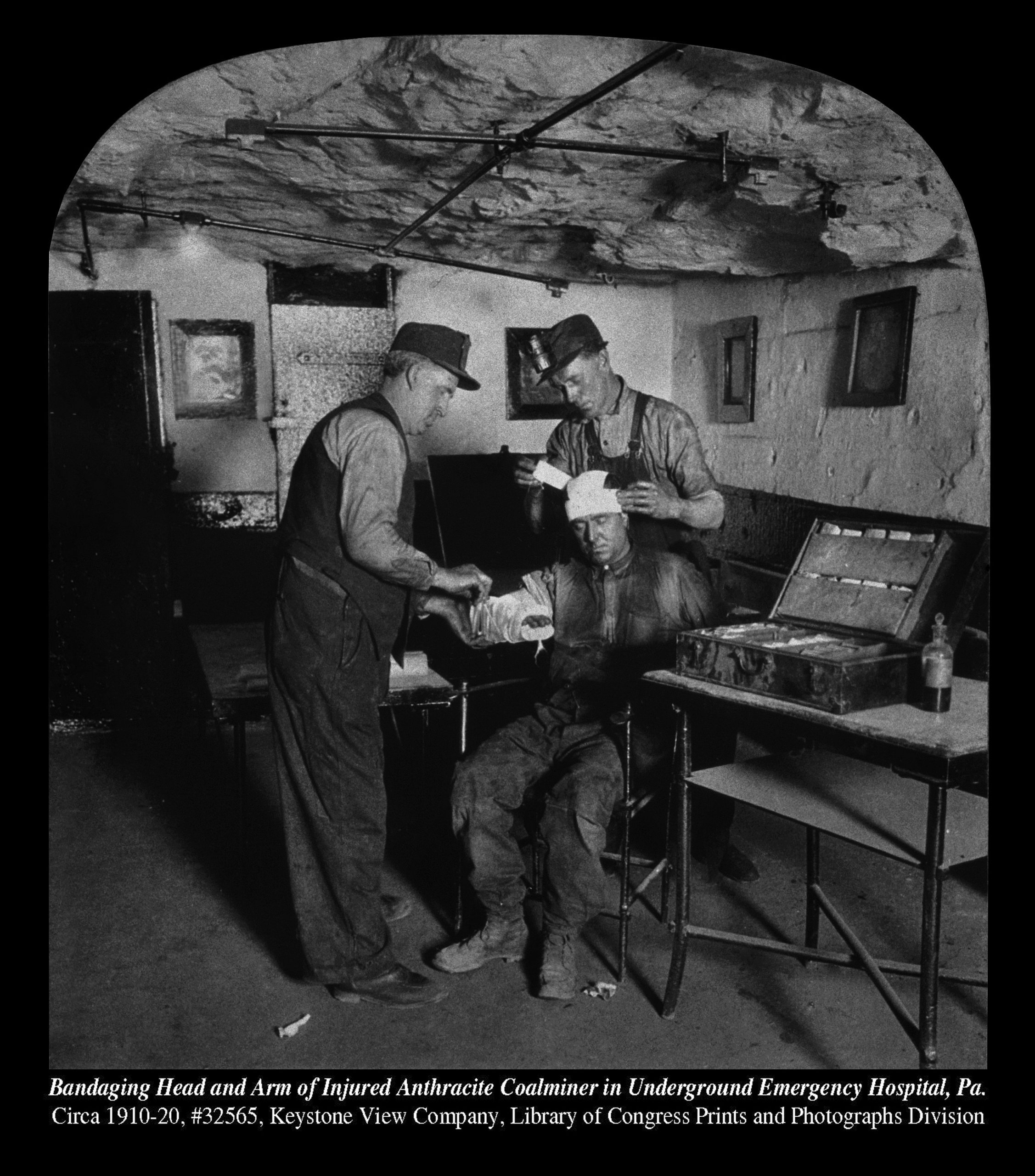
After moving away to a self-imposed exile some twenty-five years ago, I live once again in West Virginia. Contrasts with the 1970s heyday of working-class activism are evident throughout the rural landscape of abandoned gas stations, rusted coal tipples, and boarded-up union halls. The differences are personal as well: when I interviewed black lung activists in the 1970s, I was the age of their daughters and granddaughters; today, I am eligible for Medicare. As I conducted additional interviews in 2019, mostly with retired coal miners close to my age, their bodies as well as their words spoke the story of black lung disease and the physical toll of hard-labor jobs. Conditioned as a white woman to thinking of my embodiment primarily in terms of gender, I was struck again and again by how the privileges of class have shielded me from harm and become subsumed into my body. This updated and revised book, which includes two new chapters and a moving, evocative photo gallery by Earl Dotter, thus entails not only additional research into medical, legal, and economic materials relevant to black lung, but also historical reckonings both political and personal.
Today, as I write this preface, the power relations that miners experience on the job are dangerously asymmetrical, and their outcomes grim. Coal miners in southern West Virginia, once the stronghold of the UMWA in central Appalachia, where those who crossed a picket line invited ostracism if not assault, now work nonunion. Coal companies, facing shrinking domestic markets and in many instances bankruptcy, force workers, coal communities, and American taxpayers to bear the costs of their decline. Black lung can only be fully understood as part of this historical moment, when resistance, remarkably, persists. Digging Our Own Graves analyzes the dreadful resurgence of black lung within the long history of efforts to legitimate this disease and make it visible, prevent black lung in the workplaces where it is produced, and extend dignity and a measure of justice to those for whom prevention comes too late.
Conclusion: Class Power, Scientific Authority, and State Regulation
Nearly two centuries have passed since Dr. James Gregory opened up the lifeless body of John Hogg and hypothesized a connection between the miner's blackened lungs, his respiratory disability in later life, his occupation, and his death. For a time, physicians in Britain and the United States continued to investigate the relationship between occupational exposures and miners' respiratory distress. Toward the end of the nineteenth century, however, during a period of tight corporate control in the Appalachian coalfields and an increasingly restrictive scientific understanding of disease, black lung began to disappear from the medical literature of both countries. In the United States, coal miners eventually precipitated renewed medical attention to black lung by winning a union-controlled health care plan for themselves and their families. Even so, coal workers' pneumoconiosis—much less the broader ensemble of illnesses called black lung—was not accepted as a legitimate, occupationally related disease by the medical profession as a whole.3Journalistic and some scientific accounts equate coal workers' pneumoconiosis (CWP) with black lung. However, an essential component of the black lung movement was miners' and their families' struggle to broaden the definition, beyond CWP, of miners' disabling, occupationally related lung disease. Research by physicians and other scientists familiar with and sympathetic to miners and their health has validated this broader definition. See, for example, Edward L. Petsonk, Cecile Rose, and Robert Cohen, "Coal Mine Dust Lung Disease: New Lessons from an Old Exposure," American Journal of Respiratory and Critical Care Medicine 187, no. 11 (2013): 1178–85. Formal recognition required collective political intervention by coal miners themselves.
Even as social and economic factors have impinged on the medical construction of black lung, so have they shaped the actual production of disease. Black lung originates not simply from the physical presence of dust in coal mines, but from the relative power and respective actions of miners and operators, which influence conditions in the workplace. Miners' eventual success in unionization enhanced their collective power in the workplace, but, depending on UMWA leaders' priorities, unionism at times paradoxically undermined miners' capacity to make that workplace healthy and safe. In the years after World War II, the pact between larger operators and the UMWA produced unimpeded mechanization of the production process, high levels of unemployment, forced migration, and occupational death and disability from black lung. However, that industrial collaboration also produced massive rank-and-file upheaval and a successful effort to reform the union. In the present moment, union weakness and miners' lack of bargaining leverage in the workplace, combined with certain operators' endgame maneuvers to extract coal from thinner seams even while pressing for high levels of labor productivity, once again intensify the extent and severity of the disease.
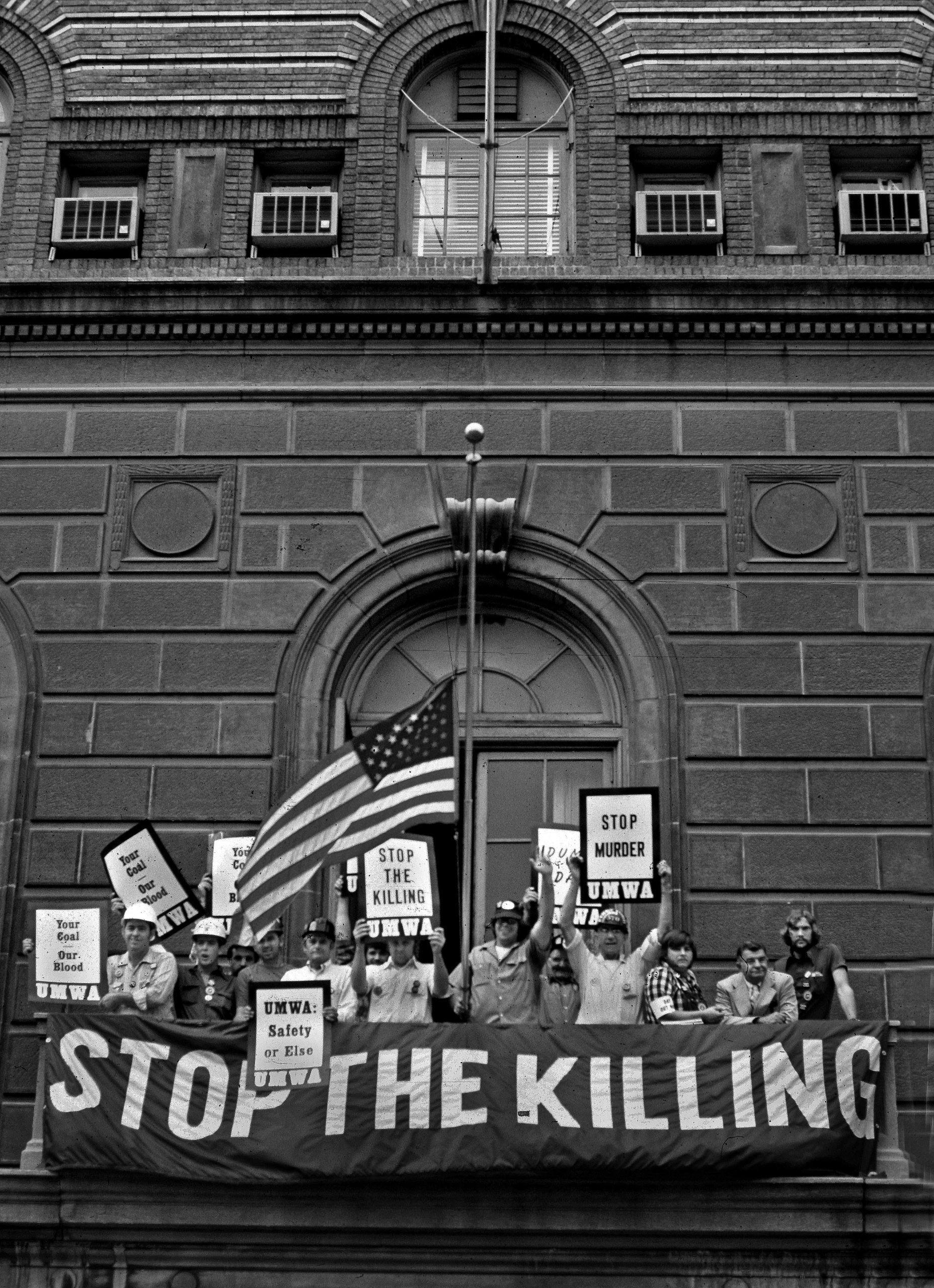
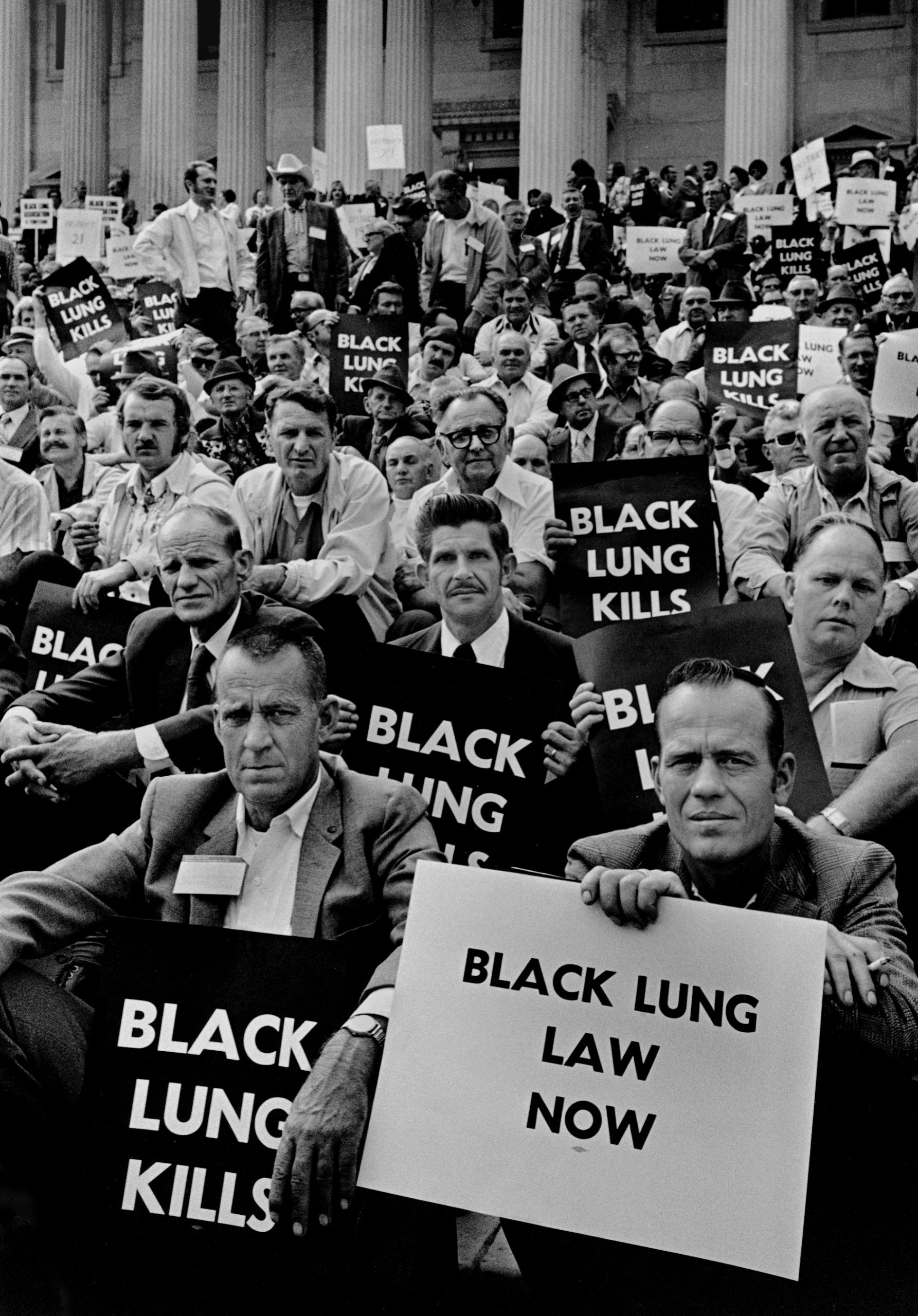
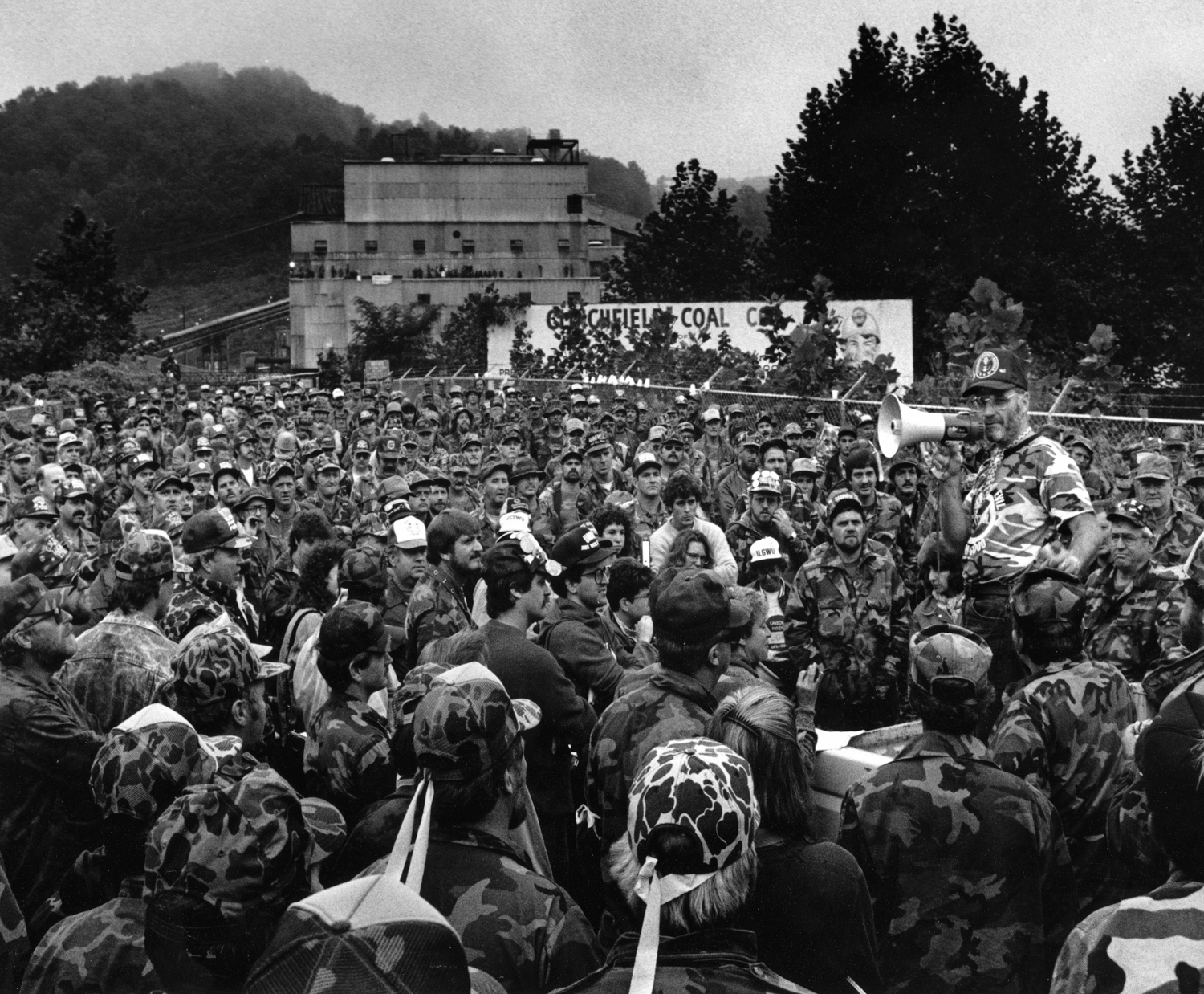

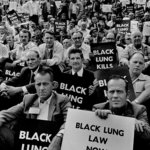

The virulence of black lung today—fifty years after it was supposedly destined for elimination—does not diminish what coal miners, their families, and their allies accomplished in the past. Rather, it attests to the enduring realities of labor exploitation that the black lung movement episodically managed to contest. For its constituents, the movement achieved a unique and unprecedented federal compensation program. Approximately half a million miners and widows have received compensation under the federal black lung program; especially for those ineligible for a pension or other benefits, the monthly payments can mean the difference between destitution and modest survival.4This estimate of the number of black lung beneficiaries is extrapolated from data on the number of claims filed each year, changing approval rates, the annual total cost of claims, and, for some years, reports from the administering federal agency. See, for example, Social Security Administration, Annual Statistical Supplement to the Social Security Bulletin, 2016 (Washington, DC, 2017), Table 9. Beneficiaries who are miners and those who are widows, added together, do not equal the total number of miners judged disabled by black lung, as a widow may receive her husband's benefits after his death. Further, the number of beneficiaries is reported each year as a rolling total, and thus cannot be summed. The coronavirus interrupted my efforts to obtain more precise data. As of December 2018, an individual beneficiary is entitled to receive $660/month, which increases up to a maximum of $1,320 for those with three or more dependents. US Department of Labor, Division of Coal Mine Workers' Compensation, "Benefit Rates Under Part C, 1973–2018," accessed August 16, 2019, https://www.dol.gov/owcp/dcmwc/statistics/PastPartCBenefitRates.htm. The respirable dust standard and other disease prevention measures in the US Coal Mine Health and Safety Act of 1969 are also attributable to the black lung movement. As one element in a larger upheaval throughout the coalfields, the movement contributed as well to the rank-and-file takeover of the United Mine Workers of America and renewal of union leaders' critical attention to occupational safety and health.
Originally and essentially, however, the black lung movement was a struggle over the recognition and, more implicitly, causation of an occupational disease. What seemed at first a straightforward task— achieving legal inclusion of a "new" dust disease under the workers' compensation system—turned out to be a far more complex undertaking. Miners and other activists learned early on that "black lung," as refracted through the lens of scientific medicine, was quite different from the disease for which they sought recognition, compensation, and prevention. In a struggle that has lasted more than fifty years, activists have persistently challenged physicians, lawyers, and policymakers over the meaning of this disease; at different times, they have been able to replace the restrictive scientific construction of a rarely disabling coal workers' pneumoconiosis with their own definition of "black lung." Although focused on arcane disputes over diagnostic methods, disability standards, legal presumptions, and other issues, this conflict over the definition and causation of black lung is intensely political: it involves the ideological content of medicine's view of disease, including the technical perspective that narrows causation to the inhalation of dust, and the powerful role of physicians in labeling work-related disability as legitimate. On the outcome of such conflict rests financial liability for the coal industry that potentially ranges into billions of dollars. The legacy of black lung activism thus entails unsettling questions about the relationship between scientific and technical knowledge, state regulation, and the exercise of class power.
It should be stressed at the outset that not all physicians subscribe to a narrow or purely technical understanding of black lung: recall the role of three doctors (Buff, Rasmussen, and Wells) in the first black lung mobilization during 1968 to 1969 in West Virginia. Dr. Donald Rasmussen continued to work with and advocate for coal miner patients out of his pulmonary lab in Beckley, West Virginia, for five decades, up until his death in 2015.5Sam Roberts, "Dr. Donald L. Rasmussen, Crusader for Miners' Health, Dies at 87," New York Times, August 2, 2015, accessed September 29, 2019, https://www.nytimes.com/2015/08/03/health/research/dr-donald-l-rasmussen-crusader-for-coal-miners-health-dies-at-87.html. Rasmussen's mantle now falls on Dr. Robert Cohen, a pulmonologist who directs the occupational lung disease unit at Northwestern University and frequently testifies before Congress on miners' behalf.6Dr. Cohen testified during the hearings on black lung, "Breathless and Betrayed." See "What is MHSA Doing to Protect Miners from the Resurgence of Black Lung Disease?" YouTube video, 2:58:39, June 20, 2019, House Committee on Education and Labor, https://www.youtube.com/watch?v=sJUDcTf0a_g. Other physicians in the coalfields, such as Drs. Gregory Wagner and Brandon Crum, have devoted much of their professional lives to caring for coal miners with lung disease. After practicing medicine at a clinic on Cabin Creek (West Virginia), Wagner eventually came to direct Respiratory Disease Studies at NIOSH when that agency issued the criteria document that legitimated a broad definition of black lung, inclusive of COPD (chronic obstructive pulmonary disease), and recommended much lower limits on miners' exposure to coal dust and silica.7NIOSH, Criteria for a Recommended Standard: Occupational Exposure to Respirable Coal Mine Dust, publication no. 95–106 (Washington, DC: US Government Printing Office, 1995), xxii, https:// www.cdc.gov/niosh/docs/95-106/default.html. Crum, a radiologist—and, not coincidentally, former coal miner—was first to sound the alarm over black lung's escalating severity, which in 2014 he began detecting among his patients in eastern Kentucky. Four years later, the coal-industry-beholden state legislature responded by disqualifying him from reading X-rays for miners' workers' compensation claims.8Austyn Gaffney, "As Black Lung Strikes Younger Coal Miners, Kentucky Restricts Medical Benefits," NRDC, September 24, 2018, accessed September 29, 2018, https://www.nrdc.org/stories/black-lung-strikes-younger-coal-miners-kentucky-restricts-medical-benefits.
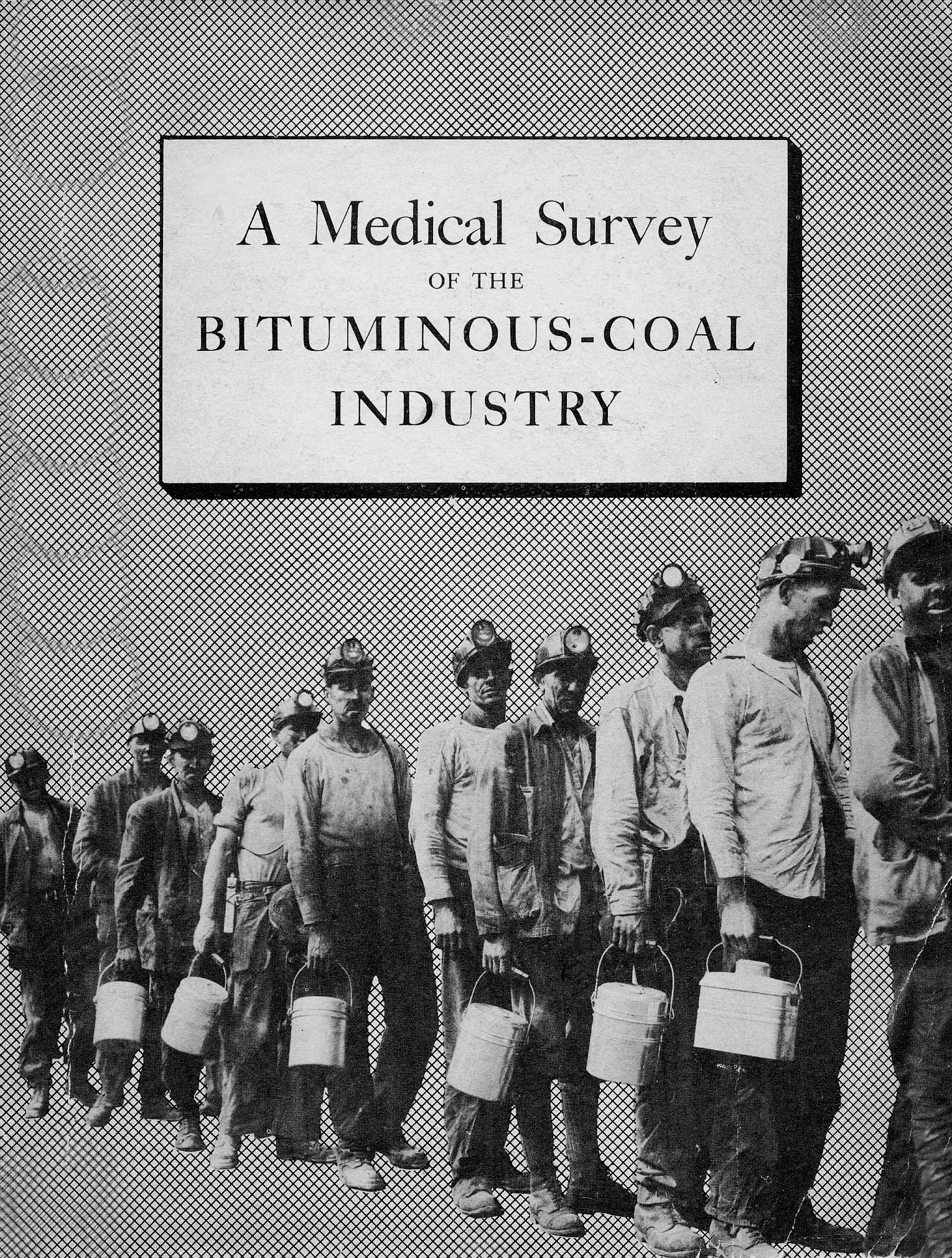
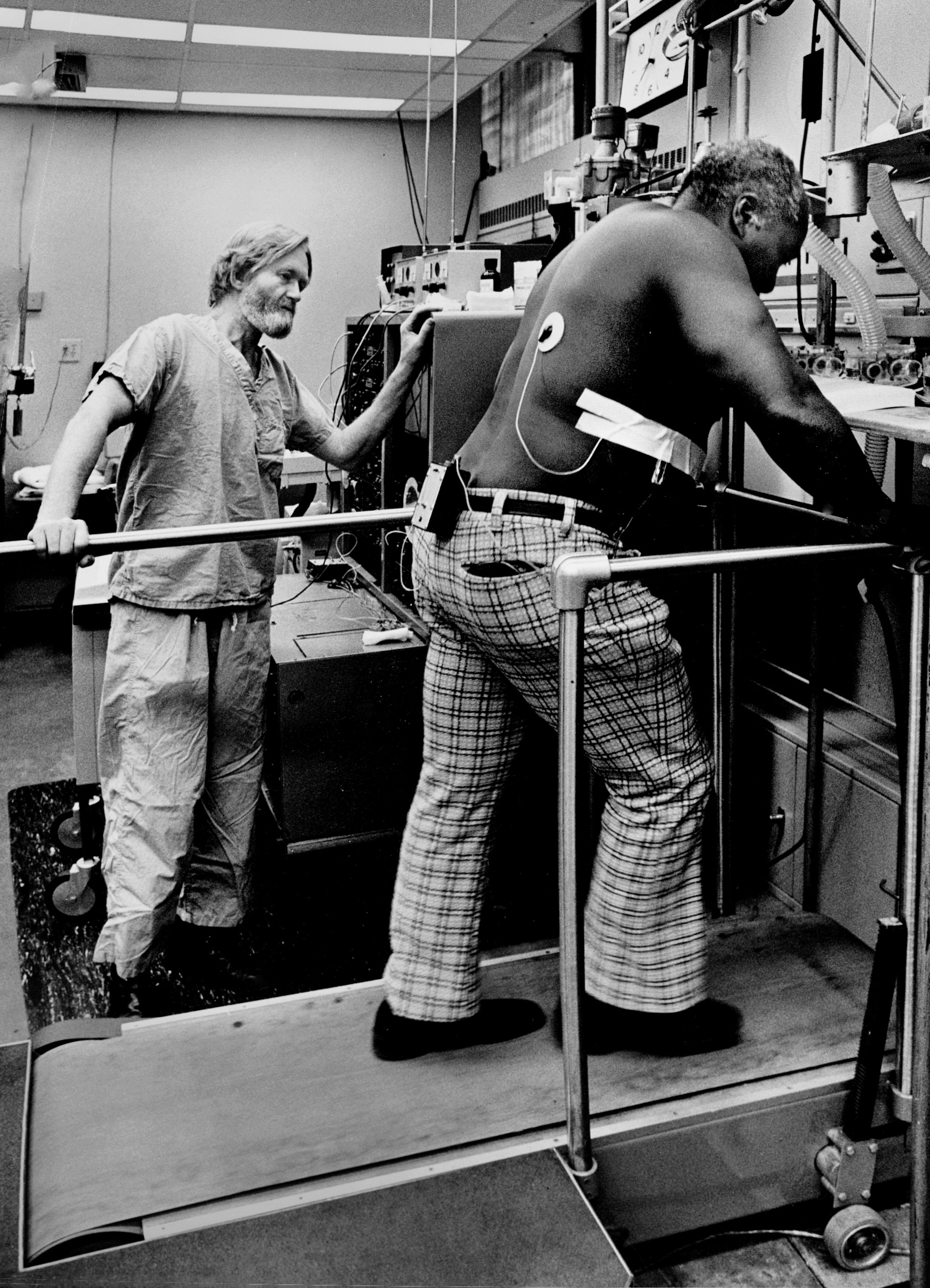



Apart from such individual physicians' political and medical predispositions, however, there remain epistemological tendencies within scientific medicine that militate against the understanding of disease advanced by black lung activists.9This summary of miners' perspectives on the origins of black lung and the role of physicians in advocating a restrictive view of work-related, compensable disease is based on the author's interviews and observations in southern West Virginia at different moments during the past five decades. Within the restrictive medical viewpoint that requires conclusive, scientific proof of occupational causation, black lung is in fact coal workers' pneumoconiosis, a single clinical entity, disabling only in advanced and, even today, relatively rare stages. The disease acquires legitimacy—indeed, effectively comes into existence—only when visible to trained personnel viewing objective diagnostic evidence, that is, X-rays, of an individual miner's lungs. The thousands of miners who believe themselves disabled by black lung yet exhibit no X-ray evidence of advanced CWP might legitimately be considered "disabled"—if the quantitative results of certain tests confirm such a condition. However, the origin of their disability is nonoccupational, above all their own cigarette smoking, or, if nonsmokers, other sources outside the workplace. Although this scientific definition of disease is quite different from physicians' earlier construction of a benign "miners' asthma," the result, in the eyes of many victims, is the same: black lung is trivialized. What many miners view as a collective problem becomes, from the perspective of scientific medicine, individual, quantifiable cases. What they experience as part of the shared social world of coal mining becomes occasional, biological events. What they attribute to their class relationship with the coal operators becomes the product of a single physical agent, dust. In sum, what is collective becomes individual, what is social becomes biological, what is produced by human action becomes the outcome of inert material.
Certain tendencies intrinsic to clinical medical practice are also at stake in the seemingly incommensurable perspectives of miners and certain physicians. Scientific medicine situates disease spatially, within the individual body, and temporally, at the point when signs, symptoms, or other physical alterations develop. Disease is ahistorical as well as asocial; it has no history except a "natural," that is, physical, history. It is said to exist when experienced by the individual and diagnosed by the physician, not at the point when it is being produced. The possibilities for prevention are thus constrained within the very definition of disease.10Howard S. Berliner and J. Warren Salmon, "The Holistic Health Movement and Scientific Medicine: The Naked and the Dead," Socialist Review 9, no. 1 (January–February 1979): 31–52.
Clinical medicine reflects this understanding of disease on a practical level: individual patients present the physician with their distinctive symptoms and complaints; they appear as random, disconnected "cases," and they are granted therapeutic treatment as individuals. There is no social meaning to disease in the sense of an internal relationship between social relations and the individual experience of ill health; primarily individual behaviors, such as diet, exercise, and smoking habits, command attention. Yet, in quantifying disability and allocating it to occupational or nonoccupational sources, physicians implicitly assess the conditions in which miners have lived and worked all their lives. That most physicians have never been in a coal mine (much less worked in one), and that some have never even been in the coalfields, serves to intensify the conflict between physicians and coal miners, who experience the superior legitimacy automatically granted scientific medical knowledge as a complex and powerful form of social control.
The authority of physicians to pronounce miners "healthy" or "disabled" carries important financial consequences. In the context of federal black lung compensation, doctors' assessments of coal miners' health can be decisive in the award or denial of financial benefits that are allocated in large part according to medical eligibility criteria. Doctors act as gatekeepers in a more generic sense as well: they control access to the "sick role," the sole avenue by which adults may legitimately escape the daily responsibilities of their class, race, and gender.11See Talcott Parsons, The Social System (New York: Free Press, 1951). Parsons's conceptualization of the sick role was neither class nor historically specific. For coal miners, as for other workers, the preeminent requirement of their class position is to perform wage labor. Medical criteria for assessing disability (and determining compensation eligibility) that take as the standard for health the functional capacity to work explicitly enforce this requirement. Even if damaged by work, coal miners still must provide medically sanctioned evidence of their "total disability"—i.e., complete inability to continue working—in order to receive financial compensation and legitimate relief from wage labor. In pushing against the limits of this compensation policy, miners and their families implicitly contest not only the ideological authority of physicians to define disease and assess disability; they ultimately threaten the economic power of coal operators by pressing for a broad definition of black lung and relaxed standard of disability that would provide unhealthy miners an alternative to labor in the mines.
This convergence between the restrictive scientific view of black lung and the economic interests of the coal industry is, for many miners and their families, an ultimate source of distrust and conflict with physicians. The narrow definition of disabling black lung as a relatively rare, complicated pneumoconiosis is highly functional to the industry: it circumscribes the scope of occupational lung disease and correspondingly diminishes both the cost of compensation benefits and the importance of prevention. In the context of policy formation, scientific medicine plays a mediating role between the interests of the coal industry and the actions of the state. It facilitates apparent distance between corporate power and public policy, and seems to ground political decision-making in the neutral, technical knowledge of a third party.
The lessons of the protracted struggle over black lung disease encompass both caution and inspiration, loss and hope. In an era of science denialism, when defense of factual truths and scientific knowledge seems obviously necessary, the case of black lung still stands as a warning about the presumed neutrality and appropriate scope of scientific and technical solutions: beware of technical fixes for problems that ultimately derive from economic exploitation and grossly unequal political power. Activists' original quest for redress through the workers' compensation system offers a related caution: the sprawling administrative machinery of the state, which presents the customary, sanctioned route for institutionalizing reform, entails embedded interests that can thwart activists' aims even as it seems to grant their demands. Finally, the long history of black lung suggests that effective prevention of occupational disease, injury, and death ultimately resides in the ever-changing power relations of the workplace and workers' collective, organized capacity to defend themselves. For these and many other reasons, victories are never secure, achieved once and for all; they must be defended, expanded, critiqued, and revised, as black lung activists have doggedly done for some five decades now.
Today, the industry that for more than a century has defined central Appalachia is dying. Those who would chart a post-coal future must grapple with the industry's legacy of incalculable human and environmental destruction, but they would do well to learn from the additional legacy of coal mining families' solidarity and resistance. Ever since the first investors laid claim to the coal of Appalachia, the people of this region have been revolting in various forms against the appropriation of their land, their labor, and even their lives. Those who fought in the black lung movement are both heirs and contributors to this long history of resistance. Today, many miners pay the cost of coal production in the currency of their very breath, but they also continue to resist. Danny Whitt: "We don't never give up. You know when I'll stop? When the last breath leaves my body."12Author's interview with Danny Whitt, Matewan, WV, September 4, 2019.
About the Author
Barbara Ellen Smith is professor emerita of women's and gender studies in the Department of Sociology at Virginia Tech. She has been active in and writing about movements for social and economic justice in Appalachia and the US South for more than 45 years. Her recent publications include a co-edited book with Stephen L. Fisher, Transforming Places: Lessons from Appalachia (University of Illinois, 2012) and Digging Our Own Graves: Coal Miners and the Struggle over Black Lung Disease (Haymarket Books, 2020).
]]>Christina Sharpe, scholar of English literature and Black studies, articulates the concept of "the wake" as a way of thinking about the long term impact of slavery upon African American life. In her work on symbolism in African American literature and visual culture, Sharpe argues that the wake symbolizes the "endurance of anti-Blackness . . . the on-going problem of Black exclusion from social, political and cultural belonging; our abjection from the realm of the human."1Christina Sharpe, In the Wake: On Blackness and Being (Durham, NC: Duke University Press, 2016). More than a metaphor, and sparing no spaces or institutions, the wake exemplifies the ways that white people have constructed African Americans as deviant, criminal, and pathological. As much as any professional group, medical practitioners have contributed to the construction of African Americans as physically, intellectually, and mentally inferior to white people.2Rana A. Hogarth, Medicalizing Blackness: Making Racial Difference in the Atlantic World (Chapel Hill: University of North Carolina Press, 2017); Christopher D. E. Willoughby, "Running Away from Drapetomania: Samuel Cartwright, Medicine and Race in the Antebellum South," Journal of Southern History 84, no. 3 (August 2018): 579–614; Sharla Fett, Working Cures: Healing, Health and Power on Southern Slave Plantations (Chapel Hill: University of North Carolina Press, 2002); Todd Savitt and James Harvey Young, Disease and Distinctiveness in the American South (Knoxville: University of Tennessee Press, 1988); Marli F. Weiner with Mazie Hough, Sex, Sickness, and Slavery: Illness in the Antebellum South (Urbana: University of Illinois Press, 2012). These attitudes continue to plague current approaches to health care, so that many African Americans live every day in the wake of racism that shapes their physical and mental health.
Recently historians have begun to consider the role of psychiatry in the making of these disparities, exploring the intersection of racism and mental health in Harlem, Pennsylvania, and Washington, DC.3Dennis Doyle, Psychiatry and Racial Liberalism in Harlem 1936-1968 (Rochester, NY: University of Rochester Press, 2016); Jay Garcia, Psychology Comes to Harlem: Rethinking the Race Question in Twentieth-Century America (Baltimore, MD: Johns Hopkins University Press, 2012); Martin Summers, Madness in the City of Magnificent Intentions: A History of Race and Mental Illness in the Nation's Capital (New York: Oxford University Press, 2019); Martin Summers, "'Suitable Care of the African When Afflicted with Insanity': Race, Madness and Social Order in Comparative Perspective," Bulletin of the History of Medicine 84, no. 1 (2010): 58–91; Matthew Gambino, "'These Strangers within Our Gates': Race, Psychiatry and Mental Illness among Black Americans at St. Elizabeth's Hospital in Washington DC, 1900-1940," History of Psychiatry 19, no. 4 (2008): 387–400; Gabriel N. Mendes, Under the Strain of Color: Harlem's Lafargue Clinic and the Promise of an Antiracist Psychiatry (Ithaca NY: Cornell University Press, 2015); Anne E. Parsons, From Asylum to Prison: Deinstitutionalization and the Rise of Mass Incarceration after 1945 (Chapel Hill: University of North Carolina Press, 2018). This scholarship builds on the work of psychiatrist and historian Jonathan Metzl. At the Ionia Asylum in Michigan, Metzl documented the ways that the diagnosis of schizophrenia began to skew disproportionately towards Black men in the wake of the Civil Rights movement. Metzl argues that this was an intentional act occurring at the same time as pharmaceutical advertising which cast the Black man as pathologically aggressive, rather than rightfully angry.4Jonathan M. Metzl, The Protest Psychosis: How Schizophrenia Became a Black Disease (Boston, MA: Beacon Press, 2010). Besides Peter McCandless's study of insanity in South Carolina,5Peter McCandless, Moonlight, Magnolia and Madness: Insanity in South Carolina from the Colonial Period to the Progressive Era (Chapel Hill: University of North Carolina Press, 1996). little scholarship has centered on southern states. Two recent books by Wendy Gonaver and Mab Segrest explore some of this missing history. Gonaver's The Peculiar Institution and the Making of Modern Psychiatry 1840–18806Wendy Gonaver, The Peculiar Institution and the Making of Modern Psychiatry 1840–1880 (Chapel Hill: University of North Carolina Press, 2018). traces the linked histories of the Eastern Lunatic Asylum and the Central Lunatic Asylum in Virginia in the context of slavery and emancipation. Segrest's Administrations of Lunacy: Racism and the Haunting of American Psychiatry at the Milledgeville Asylum7Mab Segrest, Administrations of Lunacy: Racism and the Haunting of American Psychiatry at the Milledgeville Asylum (New York, The New Press, 2020). deals with the first hundred years of Georgia's Central State Hospital in Milledgeville from its establishment in 1842.8This review uses the words for the mentally ill that are prevalent in the literature at the time which did not differentiate between the developmentally disabled and mentally ill in the same way we do today. Therefore, words like "Lunatic" and "Idiot" appear in both the names of asylums and in medical literature. They used here only in the ways they are used in the original sources. I consider these books together because they deal explicitly with the impact of racial thinking on psychiatric practices and seek to place state hospitals in the broader context of slavery and its consequences. They also present an intriguing comparison in their access and approach to sources. What we can know about the past is always limited by the silences of the archive, requiring the expertise of historians to read between the lines or seek hidden voices elsewhere.9Britt Peterson, "A Virginia mental institution for Black patients, opened after the Civil War, yields a trove of disturbing records," Washington Post, March 29, 2021, https://www.washingtonpost.com/lifestyle/magazine/black-asylum-files-reveal-racism/2021/03/26/ebfb2eda-6d78-11eb-9ead-673168d5b874_story.html. The challenges of the psychiatric archive are well demonstrated by the work in progress related to the Virginia asylums after the Civil War. Both of these books demonstrate the challenges and the potential of reading in and beyond the archives. Gonaver's The Peculiar Institution and the Making of Modern Psychiatry is an intimate and detailed telling of the multiple lives contained within a forty-year history of Virginia's institutions based on a discrete set of sources. Segrest's Administrations of Lunacy is a history of Georgia writ large, a weaving of scattered and disparate sources from official archives to newspaper reportage that demonstrate the pivotal role that the hospital at Milledgeville played in the state's history. Both authors seek to answer larger questions about the relationship between slavery and psychiatry, and the wake created as they trace the impact of racism on the lives of the mentally ill.
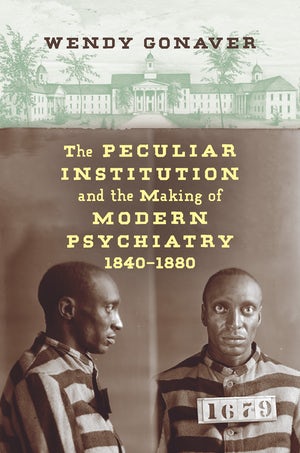
Gonaver's book is based on the kind of access to sources that historians dream of. The records from Eastern Lunatic Asylum in Williamsburg, Virginia (still operating as Eastern State Hospital) remained hidden in a storage closet in the patient library of the hospital. Gonaver undertook training as a volunteer to work in the hospital, where she was then given access to the records which she then organized and assembled into a coherent collection now housed at the Library of Virginia. The collection includes correspondence and drafts of reports but also, significantly, personal diaries and journals from both workers and patients—a rare find in the psychiatric archive. Gonaver supplements these materials with records from official state sources as she seeks to demonstrate the complex network of relationships between the asylum and its local antebellum community, and between its second superintendent, Dr. John M. Galt II, and the field of medicine. Gonaver arranges the book both topically and chronologically and in doing so demonstrates the way that debates about slavery, and about Black-white relations, track with the expansion of the asylum.
Established in 1773 as the first public institution for the mentally ill in the US, Virginia's Eastern Lunatic Asylum was initially a small institution that housed three hundred patients when John M. Galt became the superintendent in 1841. Gonaver starts her history of the asylum at this point because Galt took over at a time of reform in the care of the mentally ill and he sought to bring new ideas to the way he ran the institution. These ideas quickly placed Galt at the margins of American psychiatry, largely because of his attitude towards race. Before the Civil War, Eastern Asylum employed free Black and enslaved people as attendants and staff and admitted both Black and white patients. Gonaver explains Galt's approach to having an interracial clientele, in which "no peculiar strictness is observed" in terms of accommodations for Black and white patients.10Gonaver, The Peculiar Institution, 33. In an 1848 report Galt wrote that African Americans would always be a minority of patients anyway, and that he saw no detriment to their intermingling. This attitude reflected the entwined lives of Blacks and whites at that time, especially in settings of health and healing where there were small numbers of Black patients.11Fett, Working Cures. Gonaver warns us not to read Galt's attitude as any kind of emancipatory rhetoric, but as representing the practical reality of running an institution with limited space and funding.12See Summers, Madness in the City of Magnificent Intentions. In his work on St. Elizabeth's Hospital in Washington DC, for example, Martin Summers explains how segregation based on race rather than diagnostic category finally became untenable when the space would no longer hold.

Gonaver's goal is to show that ideas about race and slavery were central to the formation of American psychiatry. The existence of enslaved people as patients or as workers doesn't in itself tell us a great deal about how that process unfolded. To do that, we need to understand more about how psychiatry itself was evolving in the mid-1800s, and here Gonaver unpacks the contradictions in the therapeutic regimen at Eastern Asylum under Galt. The prevalent treatment practice in the more progressive institutions in Europe and the US at the time was known as moral therapy, which stressed the importance of clean air and physical activity for recovery. Drawing on the example of places such as the York Retreat in the UK, American reformers designed institutions set among acres of landscaped gardens and outdoor grounds.13Nancy Tomes, The Art of Asylum-Keeping: Thomas Story Kirkbride and the Origins of American Psychiatry (Philadelphia: University of Pennsylvania Press, 1984). For paying white patients, moral therapy usually meant walking or light gardening in outdoor spaces, or needlework or carpentry inside. For Black patients, "moral therapy" meant something else entirely, and it is here that we learn the way that mental institutions operated in the wake of slavery. Despite Galt's insistence on 'intermingling,' Gonaver shows that Black patients in Virginia's asylums were effectively separated from white patients through demarcations in labor posing as therapy along lines of race and gender. At Eastern Asylum Black female patients worked in the kitchen and the laundry and Black male patients worked in the fields and farm gardens. This was not work as occupational therapy; it was work as day-long, back-breaking labor without which the institution would not have existed, and the white patients would have gone unfed.
Gonaver describes how Galt used enslaved people to care for Black and white patients, again reflecting patterns of healing relationships that existed on the plantation.14Fett, Working Cures. While Galt did not believe that the African American was equal to the white person in terms of intelligence or emotion, he did defend the work of his Black staff who he felt were just as capable of providing excellent care to patients. This bought him into direct conflict with other psychiatrists, in particular Thomas Kirkbride, a Pennsylvania physician at the vanguard of a movement to reform and modernize the psychiatric institution.15Tomes, The Art of Asylum-Keeping. Kirkbride's large and rambling architectural designs were based on the segregation of patients by gender, race, and diagnostic category. He argued publicly with Galt that it was entirely unsuitable for Black patients to be housed alongside whites, or enslaved people to be used as carers.16Summers, "'Suitable Care of the African When Afflicted with Insanity': Race, Madness and Social Order in Comparative Perspective." Kirkbride's concern was for the reputation of the psychiatric institution. His mission was to sell his new asylum plans to potential buyers (i.e., state governments) concerned with white respectability—the Black patient or attendant was anathema to that idea.
As Galt gave up trying to convince psychiatry's professional bodies of his method's efficacy, Gonaver moves away from an exploration of race relations to include materials that demonstrate intersections with religion and gender. The science of the causes of mental illness in the nineteenth century was hardly precise. Gonaver explores how Galt and his contemporaries were concerned with, as they described it, sensory overstimulation, often taking the forms of excessive religious feeling or female "hysteria." Psychiatry's concern with religious excitement formed part of a large effort to establish scientific knowledge and expertise in place of folk belief (considered superstition), especially in the South in the wake of slavery. This played out in different ways for Black and white patients, and differently again for men and women. As Sharla Fett and other historians have shown, physicians throughout the US were keen to replace traditional healing practices of enslaved Africans as well as the Catholic religiosity of Irish immigrants with what passed for modern scientific rationale.17Fett, Working Cures; Willoughby, "Running Away from Drapetomania;" Deidre Cooper Owens, Medical Bondage: Race, Gender and the Origins of American Gynecology (Athens: University of Georgia Press, 2017). Those deemed excessively religious were barely delineated from the mentally ill in the 1800s and they were frequent admittees to Galt's asylum. His approach to women demonstrated the gender bias inherent to psychiatric and medical practices, where genuine problems such as domestic violence, unhappy marriages, and abandonment were too often read as problems of female hormones. Religious excess in women was considered particularly problematic, as it challenged both domestic and public male authority. Gonaver's discussion of gender speaks to the undercurrent of violence in the nineteenth-century South, the burden of which was borne primarily by Black women. She writes: "The asylum expressly denied women's authority in religious matters, paid inordinate attention to female reproductive organs as the cause of insanity, and promoted a racialized vision of healthy womanhood that ignored the trauma of abuse. In so doing, administrators fostered dependency or passivity in white women, and disproportionately characterized black women as recalcitrant imbeciles, laying the foundation for late nineteenth-century medical and political discourse that . . . portrayed black women as naturally promiscuous."18Gonaver, The Peculiar Institution, 113.


The final chapters of The Peculiar Institution and the Making of Modern Psychiatry deal with the impact of the Civil War on Eastern Lunatic Asylum, which was left vulnerable and chaotic when Galt died from suicide via laudanum overdose in 1862. Caught in the mayhem of Confederate and Union struggles over Richmond and Williamsburg, the asylum was ransacked by both sides. The fate of patients and enslaved workers gave way to broader concerns about the status of freed African Americans in postbellum Virginia. This moment coincided with the emergence of a mental health reform movement across the US. Dr. Kirkbride was assisted in his efforts to reform institutional settings by the work of philanthropic campaigner Dorothea Dix, who advocated for state spending for the construction of new asylums. Neither Kirkbride or Dix cared particularly for the African American patient, and it was in this context that Galt's ideas of an interracial institution came to an end. In 1869, the Freedmen's Bureau took over Howard Grove Hospital in Richmond, and the thirty-six African American patients at Eastern Asylum were moved to this facility. In 1870, it became "Central Lunatic Asylum" and was dedicated solely to the care of African Americans. As Gonaver explains, this was the trend across the country, marking the beginning of Jim Crow segregation in health care. The Peculiar Institution and the Making of Modern Psychiatry concludes with a discussion of how psychiatric discourses about Black patients at the end of the nineteenth century centered around false ideas about biological difference and inherent deviance, setting the scene for a century of neglect, underfunding, and abuse.
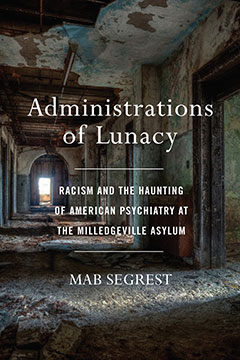
This idea that the Black patient was somehow less than human is also a central theme in Mab Segrest's Administrations of Lunacy: Racism and the Haunting of American Psychiatry at the Milledgeville Asylum. Segrest uses Sharpe's metaphor of the "wake of slavery" to explore how a place designed to treat the mentally ill inevitably manifested social relations that were shaped and haunted by the violence of slavery. This is a history that runs in blood and sweat down the walls of Milledgeville—which, as the state of Georgia used the asylum as a dumping ground for a multitude of social problems—housed more than 12,000 people by 1960.
When the Georgia State Asylum for Lunatics, Epileptics and Idiots (sometimes referred to as Milledgeville State Hospital) opened in 1842, racial segregation was central to its design and function. Unlike Galt in Virginia, Milledgeville's first superintendent, David Cooper, knew that racial segregation was essential. As Segrest documents in this vast and ambitious book, administrations of lunacy were also expressions of social relations rooted in dispossession, violence, and white supremacy. Segrest demonstrates the way that people are labelled "crazy" is a function of politics and ideology, in which the meaning of the "South" becomes the cause and symptom of the original disease.
Instead of Gonaver's intensive analysis of the institutional archive, Segrest's work is wider-ranging—due to the kinds of sources she has access to and her own interdisciplinary approach. As a historian, Gonaver strives to stay within the bounds of the archive she has uncovered, and contextualizes that archive with other formal archival sources. While she is theoretically informed and definitely interpretive, the style of writing is much more what we would expect from a "traditional" historian. As a literary scholar, Segrest takes a more creative approach. She builds on work she has written elsewhere about Milledgeville's place in the Georgia imagination—a symbol of the gothic and the grotesque.19Mab Segrest, "The Milledgeville Asylum and the Georgia Surreal," Southern Quarterly; Hattiesburg 48, no. 3 (2011): 114–150,158; Segrest, "Exalted on the Ward: 'Mary Roberts,' the Georgia State Sanitarium, and the Psychiatric 'Speciality' of Race," American Quarterly 66, no. 1 (2014): 69–94, https://doi.org/10.1353/aq.2014.0000. And she is in some ways forced to be so: the records she uses are limited, extending from the mid-1800s to the early twentieth century, and no longer available to the public. They are not systematic or comprehensive institutional records, but contain important fragments from the hospital that Segrest uses to great effect.
Segrest first sets the scene for the antebellum construction of the Georgia asylum, in the small town of Milledgeville that was the state capital at the time. As we saw with Gonaver's history of Eastern Asylum in Virginia, large estates removed from the hustle and bustle of city life were becoming the preferred place for institution-building in the context of moral therapy which stressed the importance of fresh air and clean living for recovery. Milledgeville State Hospital was built in the context of emerging concerns about the poor, indigent, and "feeble minded" as a threat to society. It also emerged at the intersection with new ideas about the capacity of medicine to "cure" the insane, rather than simply hold them in poorhouses.
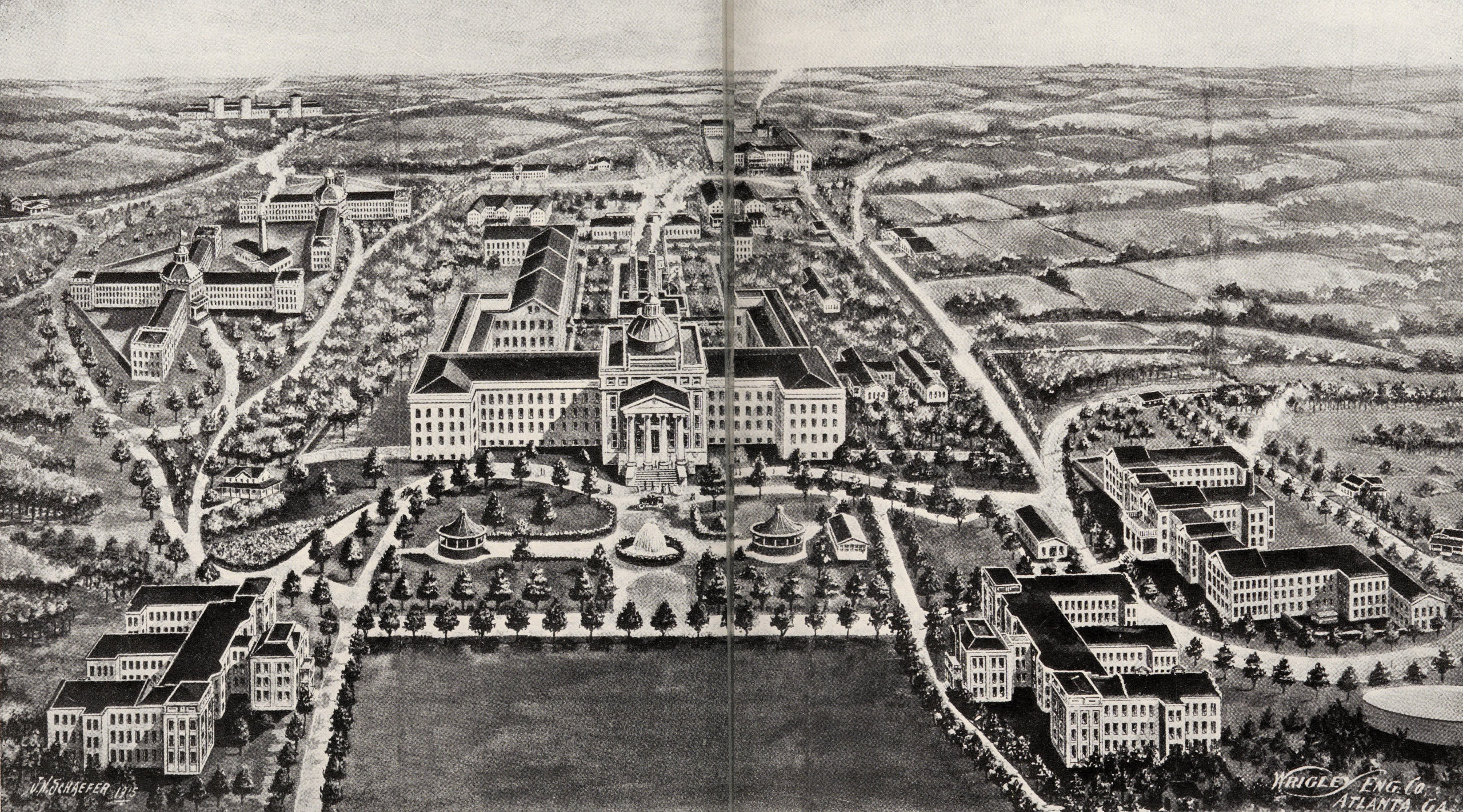

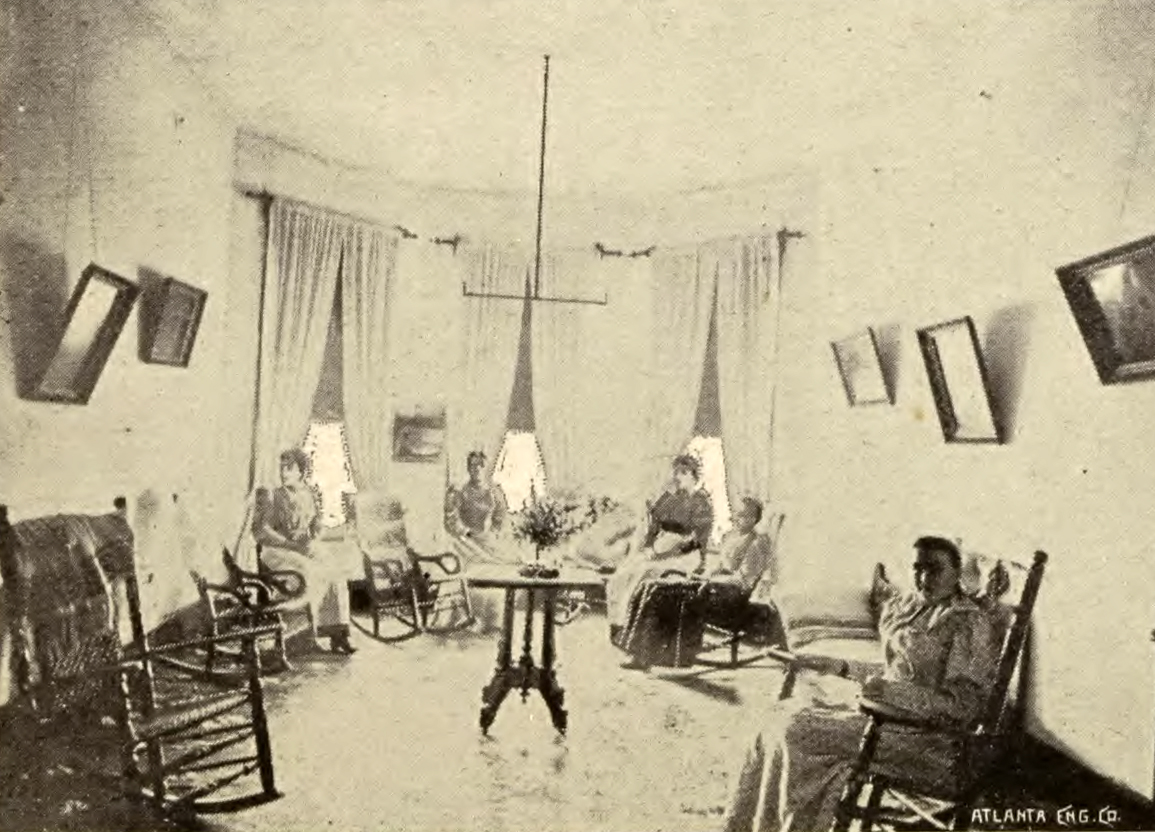
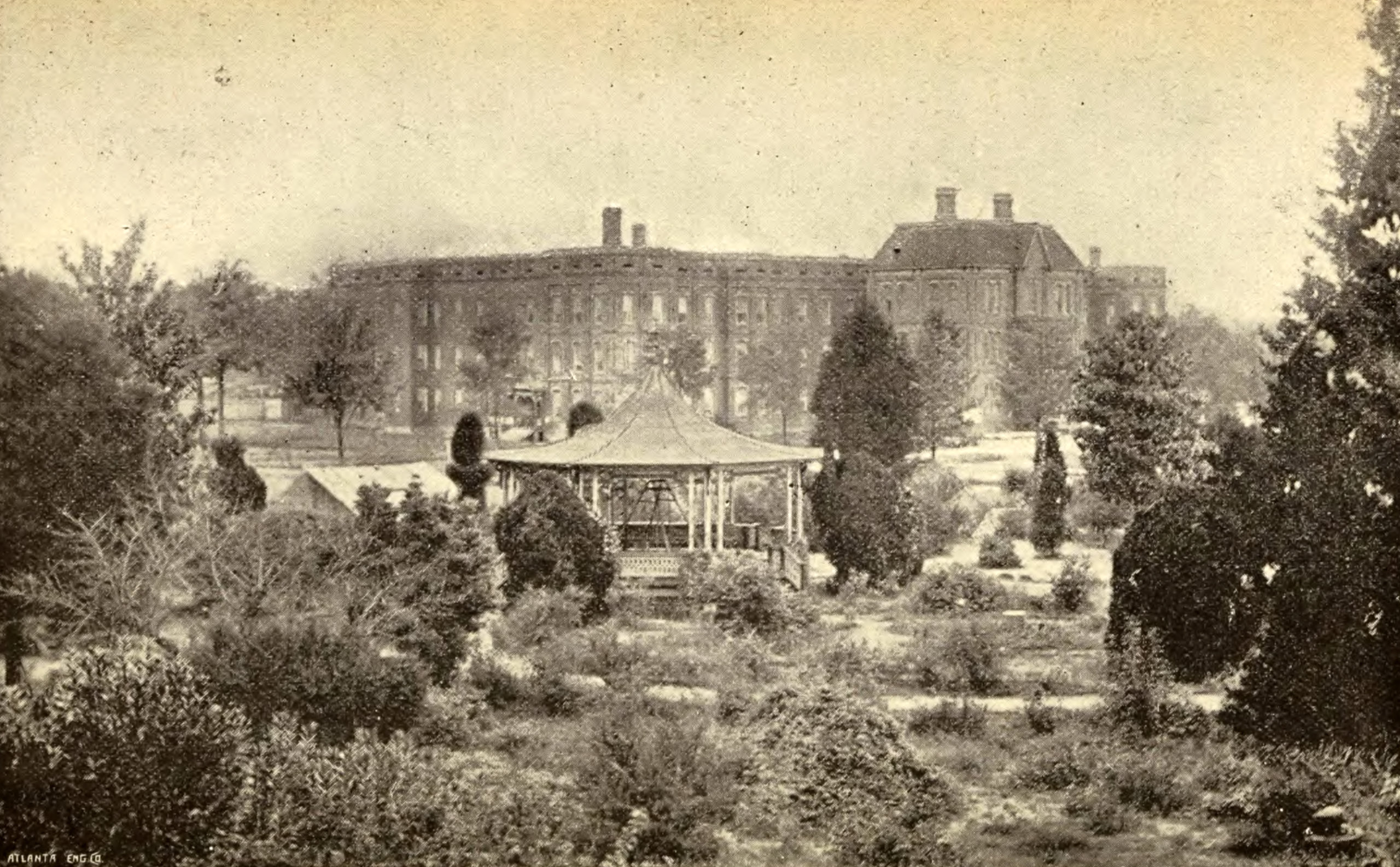
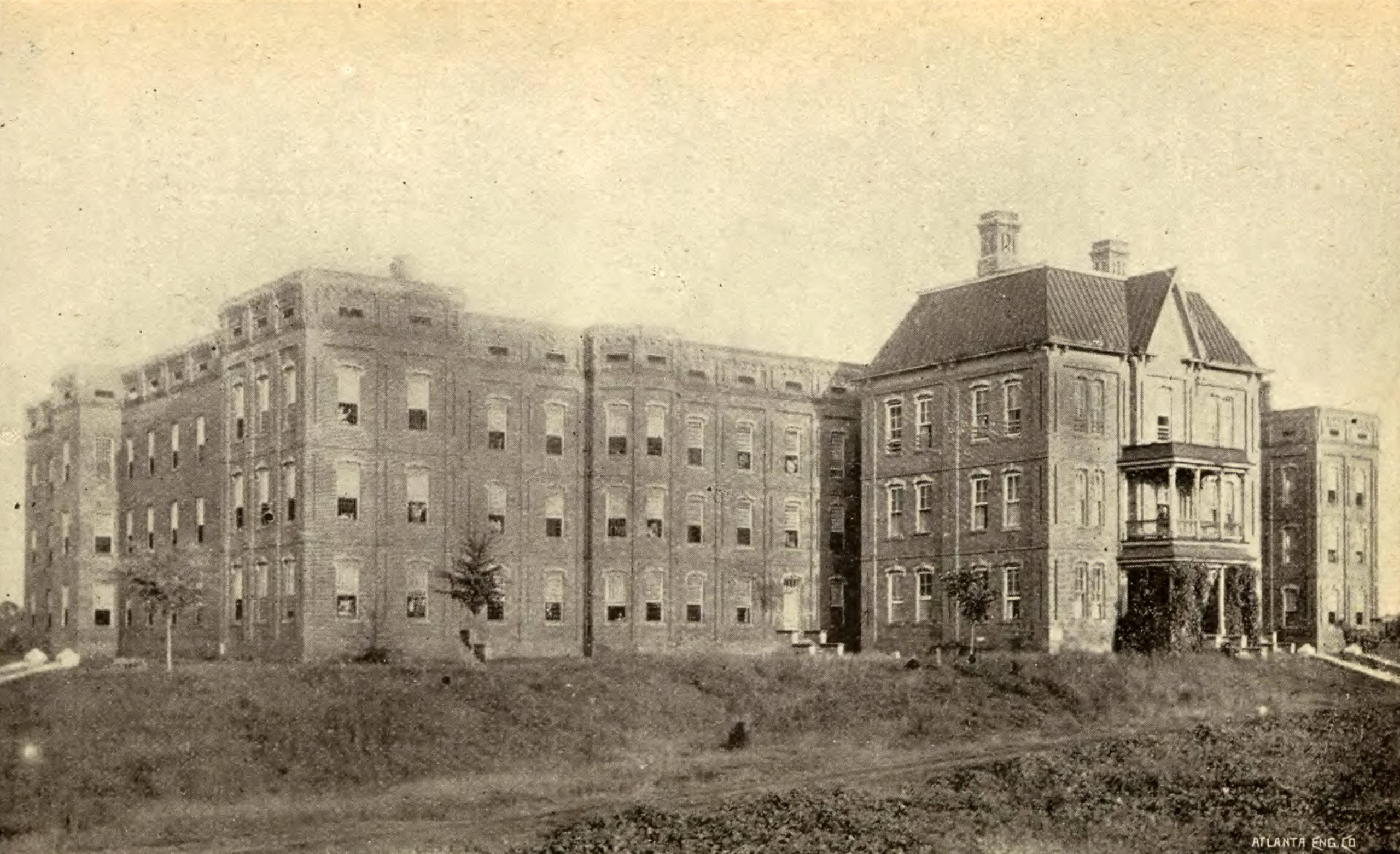
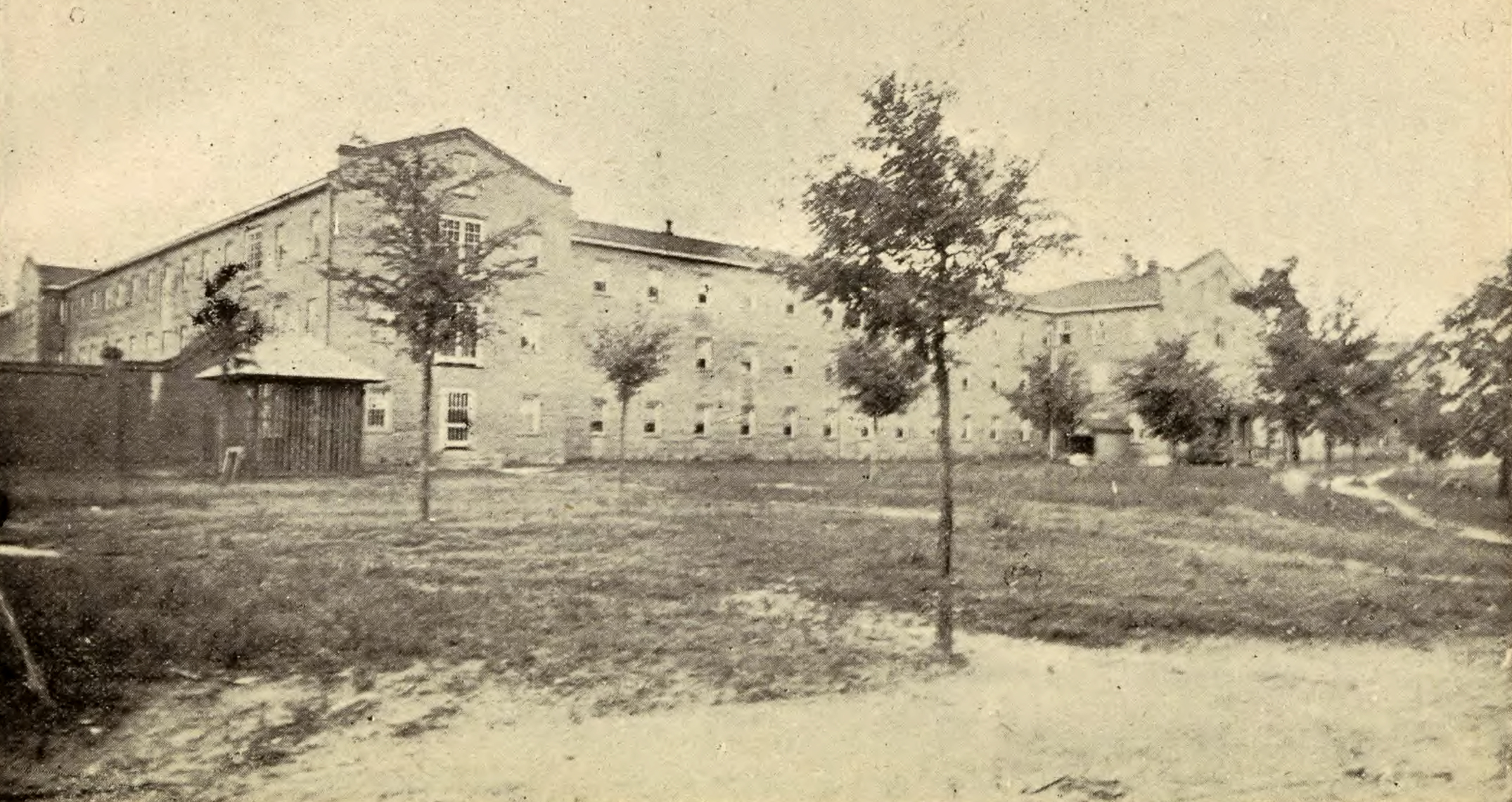
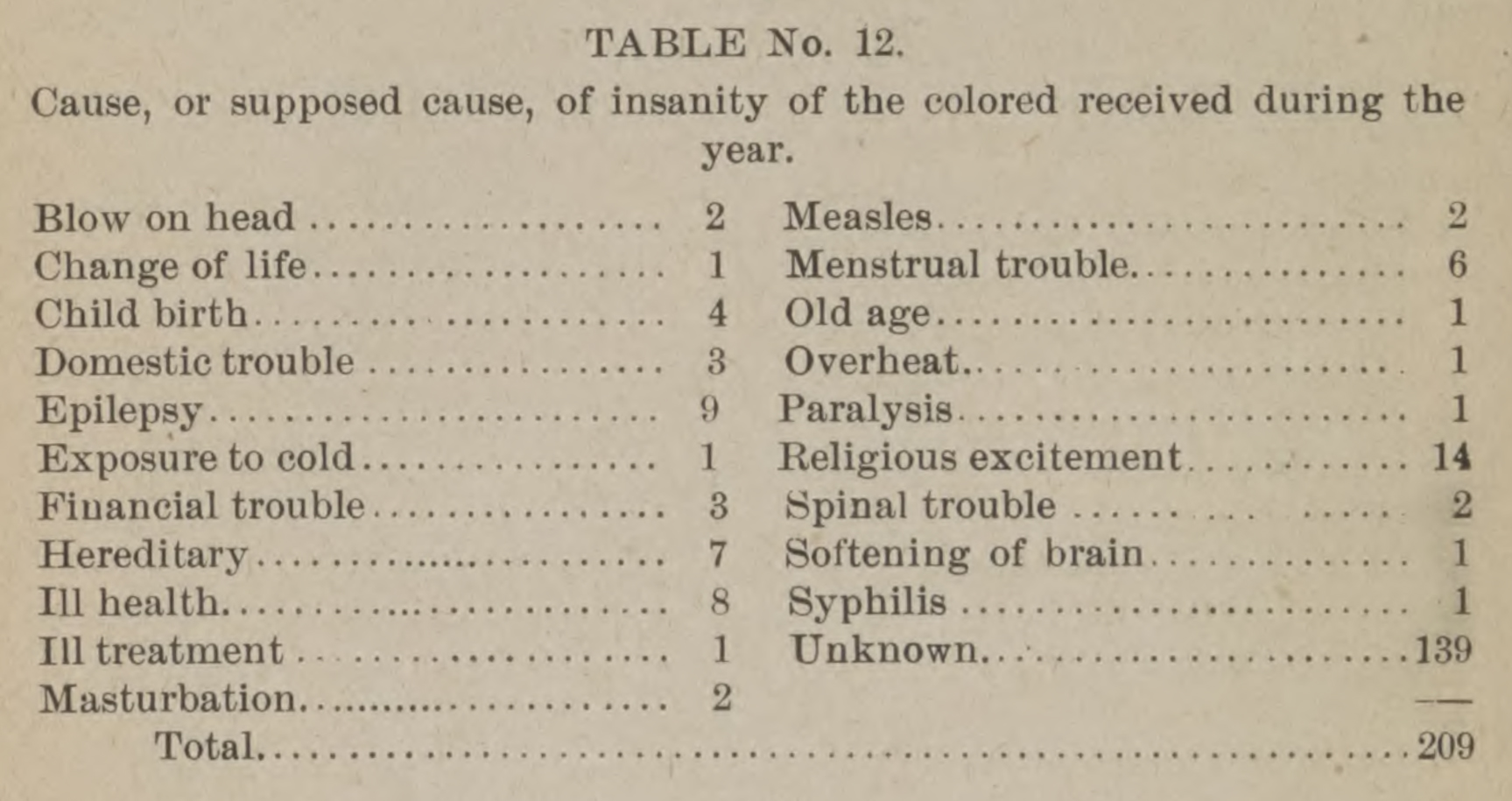
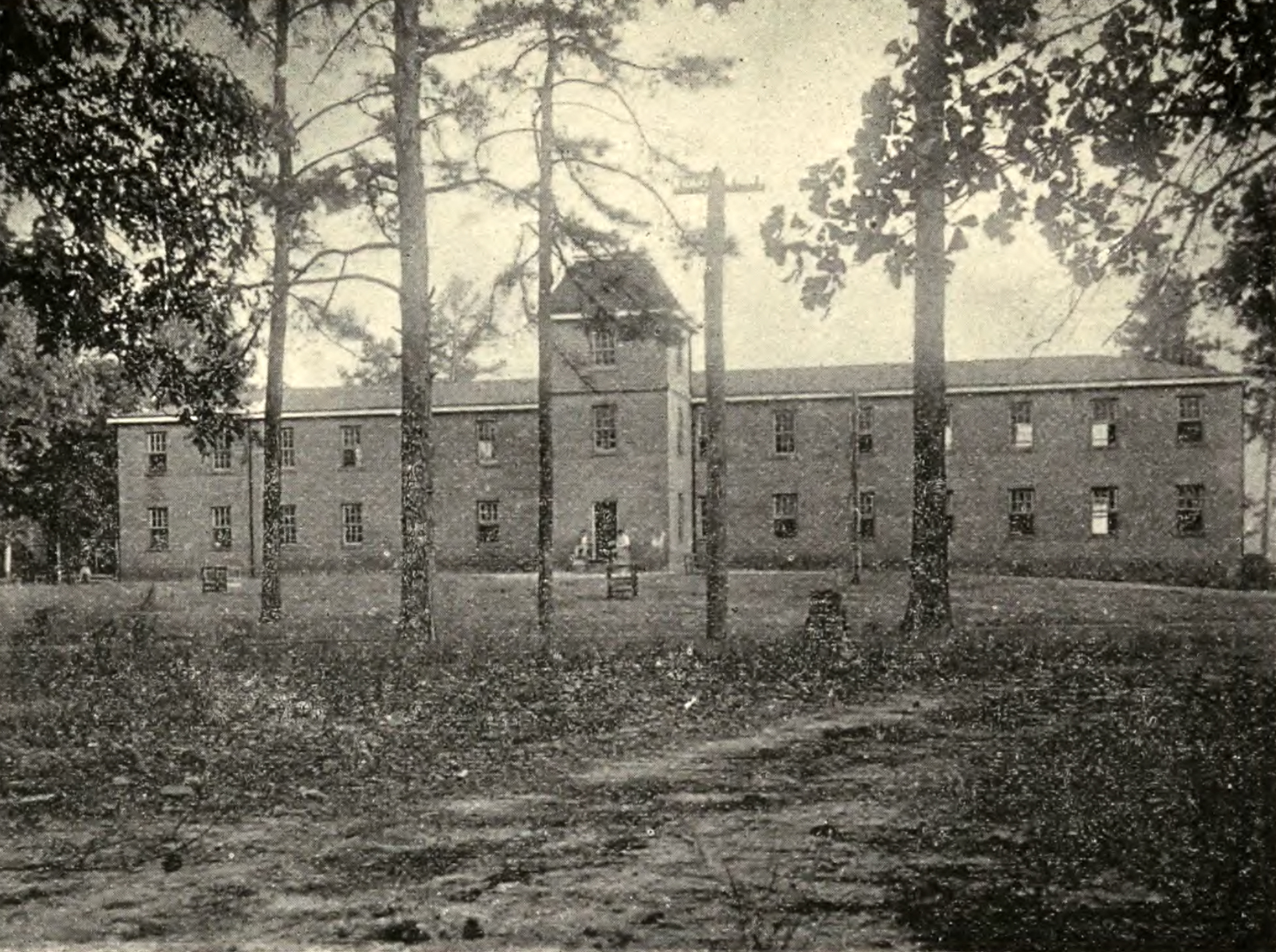
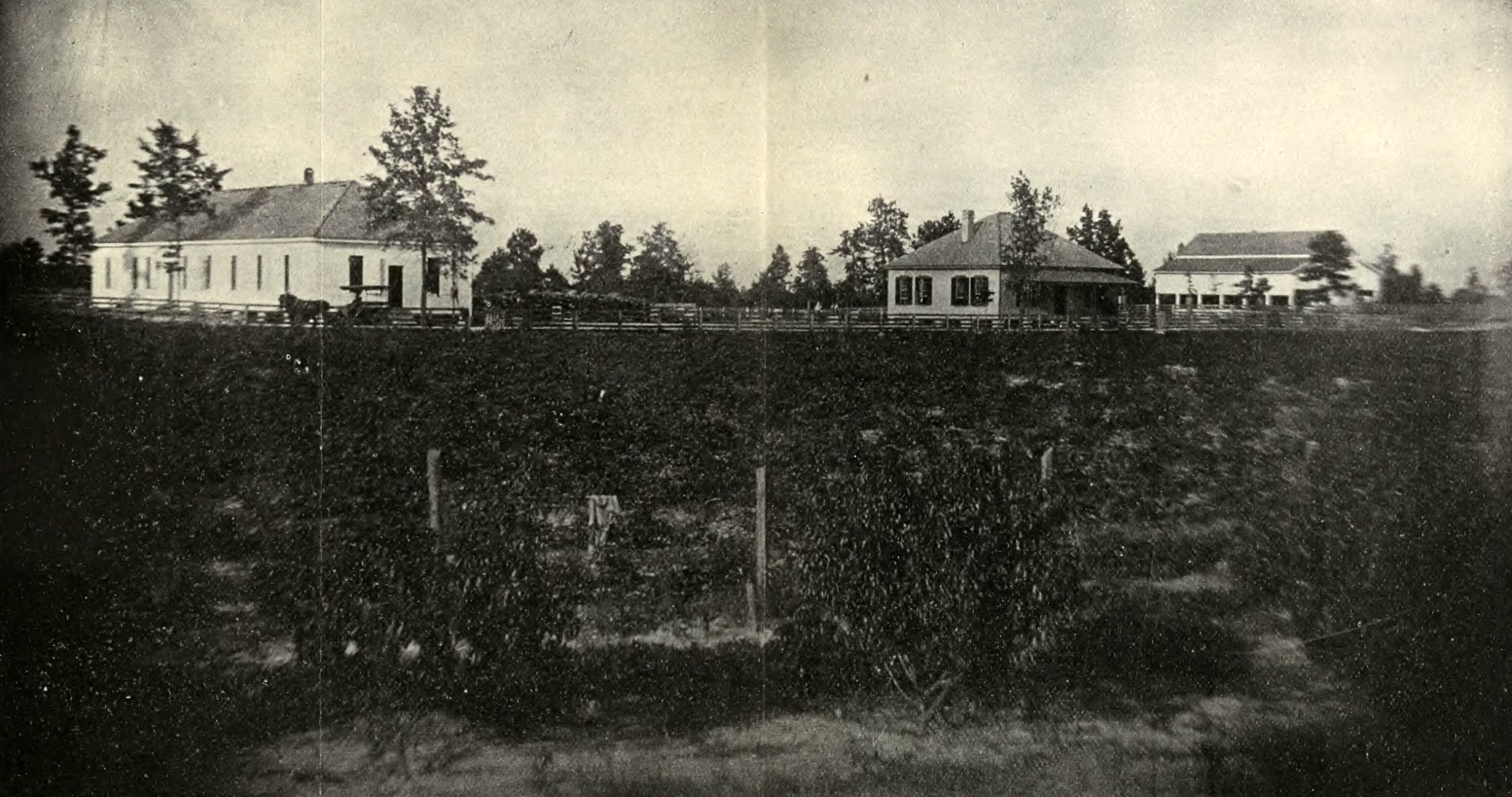
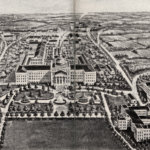

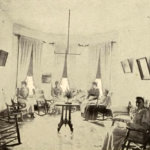
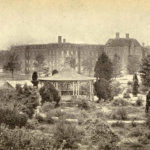
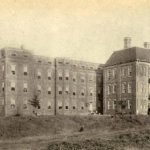
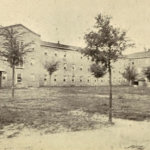

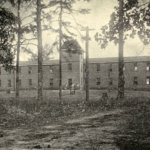
Any noble intentions in the establishment of Milledgeville were immediately undercut by the legislature's choice to eschew a Kirkbride-style facility complete with sweeping vistas and sculptured gardens, for the much cheaper single main building which housed all types of patients together, poorly constructed and badly ventilated. And much like Dr. Galt at Eastern Asylum in Virginia, Milledgeville's first superintendent, Dr. Cooper, was his own kind of eccentric. When he sent his first report for publication in the superintendents' association's journal, he made the mistake of telling the truth about his approach to treatment, which was highly aggressive, using all means of restraint at his disposal, and in a style of prose that his northern colleagues found excessive and unprofessional. He earned a severe scolding from the profession's leaders, which saw him removed within his first three years. But, valuable for Segrest, Cooper's report also included extensive case histories. She uses this "opening" to locate the patients he refers to and trace their own histories to tell us something about the lives that brought them to the insane asylum. Her intent is to read "patient narratives through and against the hospital records, newspaper accounts, literary texts, geographical journeys, and oral histories." Her goal is to overlay the history of one hospital with "the dense historical contexts that shaped its patients" and in so doing to write a "restorative history to its Georgia patients, from whose experiences and our own we can continue to understand slavery's afterlives and shape ecologies of sanity in these also turbulent times."20Segrest, Administrations of Lunacy, 10–11.
In order to show connections between the history of the South and the history of psychiatry, and between the past and the present, Segrest divides the book into five parts, from origins of the asylum to "modernity." Each centers around narratives of patients she identified in the records, and whom she traces with diligence through newspapers and census records to place them in their communities and families of origin. This approach serves to humanize the people whose lived experience was shaped by their contact with the Milledgeville Asylum, but it also shows how that asylum itself acted as a tool of social control in the context of white supremacy. The asylum provided substandard conditions for African American patients while it recreated plantation gender roles by putting Black female patients to work in the kitchen and laundry and Black men in the fields. Segrest points out the close relationship between the nearby Georgia Prison Farm. The word "Milledgeville" becomes synonymous with a multitude of ways in which Black bodies can be put to work in what Douglas Blackmon calls "slavery by another name."21Douglas Blackmon, Slavery by Another Name: The Re-Enslavement of Black Americans from the Civil War to World War II (New York: Anchor Books, 2008).
Segrest locates these practices in the context of psychiatric and medical science that itself descended from the plantation. The turn of the nineteenth into the twentieth century bought scientific obsessions with genetics, heritability, and the problem of the feeble-minded for racial purity. Drawing on writings from racist superintendents such as Doctors Green and Powell, Segrest shows how the attitudes about, and approaches towards, Black patients were "new science, old ideas." It is not simply that Black patients were routinely provided with less rations, less clothing, and inferior buildings, but that these conditions were supported by ideologies of eugenics and mental hygiene, justifying the long term confinement and reproductive sterilization of thousands of people whom the elected politicians of Georgia saw as little more than burdens on the state. Segrest demonstrates the impact of new tools such as the Binet IQ Test and the kind of surveys that put the average Georgian IQ at the bottom of national rankings and led to a rise in admissions and sterilizations numbering in the thousands. In this expansion of psychiatric technologies, the asylum acted as a catch-all for Georgia's disabled who were feared and shunned rather than cared for.

Administrations of Lunacy reaches across disciplines and sources making connections between people and institutions where records are often silent. At times Segrest's approach seems a stretch—she can only guess or hypothesize about motivations or connections that are not made explicit in the records. The book is at its best when Segrest stays grounded in the patient case files she is privy to, bringing to life some of Georgia's most forgotten and marginalized people. Because she is not a traditional historian of psychiatry, she glosses over various internal debates within the profession that shaped its mid-twentieth century approach, especially as a consequence of WWII. Her discussion of links to modernity can feel patched together from other sources, moving far beyond the walls of Milledgeville. But again, this is partly due to the limited records available.

Gonaver's primary source collection ends in 1880, Segrest's in the 1920s. While both authors attempt to make connections between their histories and the present situation in psychiatric and mental health care, neither are experts about the incredibly complex array of forces since the 1960s that have created the current set of disparities for minorities with mental illness.22Kylie M. Smith, "How bigotry created a Black mental health crisis," Washington Post, July 29, 2019. https://www.washingtonpost.com/outlook/2019/07/29/how-bigotry-created-black-mental-health-crisis. The community mental health movement of the 1960s led to the closing of massive institutions like the state asylums in Virginia and Georgia. The chronic lack of funding for alternative services has given way to what has been called "trans-institutionalization."23Bernard E. Harcourt, "From the Asylum to the Prison: Rethinking the Incarceration Revolution," Texas Law Review 84 (June 2006): 1751. Attitudes about racial differences continue to plague modern mental health services where Black and minority patients are over-diagnosed with psychotic disorders, underdiagnosed with depressive disorders, and continue to be underrepresented in service utilization data.24M. Alegria, et al., "Disparity in depression treatment among racial and ethnic minority populations in the US", Psychiatric Services, 59 no. 11 (2008): 1264–1272; D. M. Barnes and L.M. Bates, "Do racial patterns in psychological distress shed light on the Black-White depression paradox: A systematic review," Social Psychiatry and Psychiatric Epidemiology, 52 no. 8 (2017): 913–928; J. Breslau, et al., "Racial/ethnic differences in perception of need for mental health treatment in a US national sample," Social Psychiatry and Psychiatric Epidemiology, 52 no. 8 (2017): 929–937. These are national concerns. Many of the problems of Virginia and Georgia's state hospitals were endemic to all large institutions across the US. What Gonaver and Segrest's studies reveal is how the long history and peculiar institutions of Jim Crow segregation ripple through the decades, finding ways to reap themselves on the minds and bodies of Black Americans. Both books are more than partial histories of psychiatry. They are important studies of the ways that institutions such as psychiatric hospitals act as sites through which we can understand broader social relations particular to time and place. They reveal the multiple ways that the wake—the legacy of slavery—continues to shape our national society.
About the Author
Kylie Smith is an associate professor and the Andrew W. Mellon Faculty Fellow for Nursing and the Humanities in the Emory University School of Nursing. She is also associate faculty in the Department of History at Emory University. Her book Jim Crow in the Asylum: Psychiatry and Civil Rights in the American South will be published by the University of North Carolina Press in 2023.
]]>Excerpt
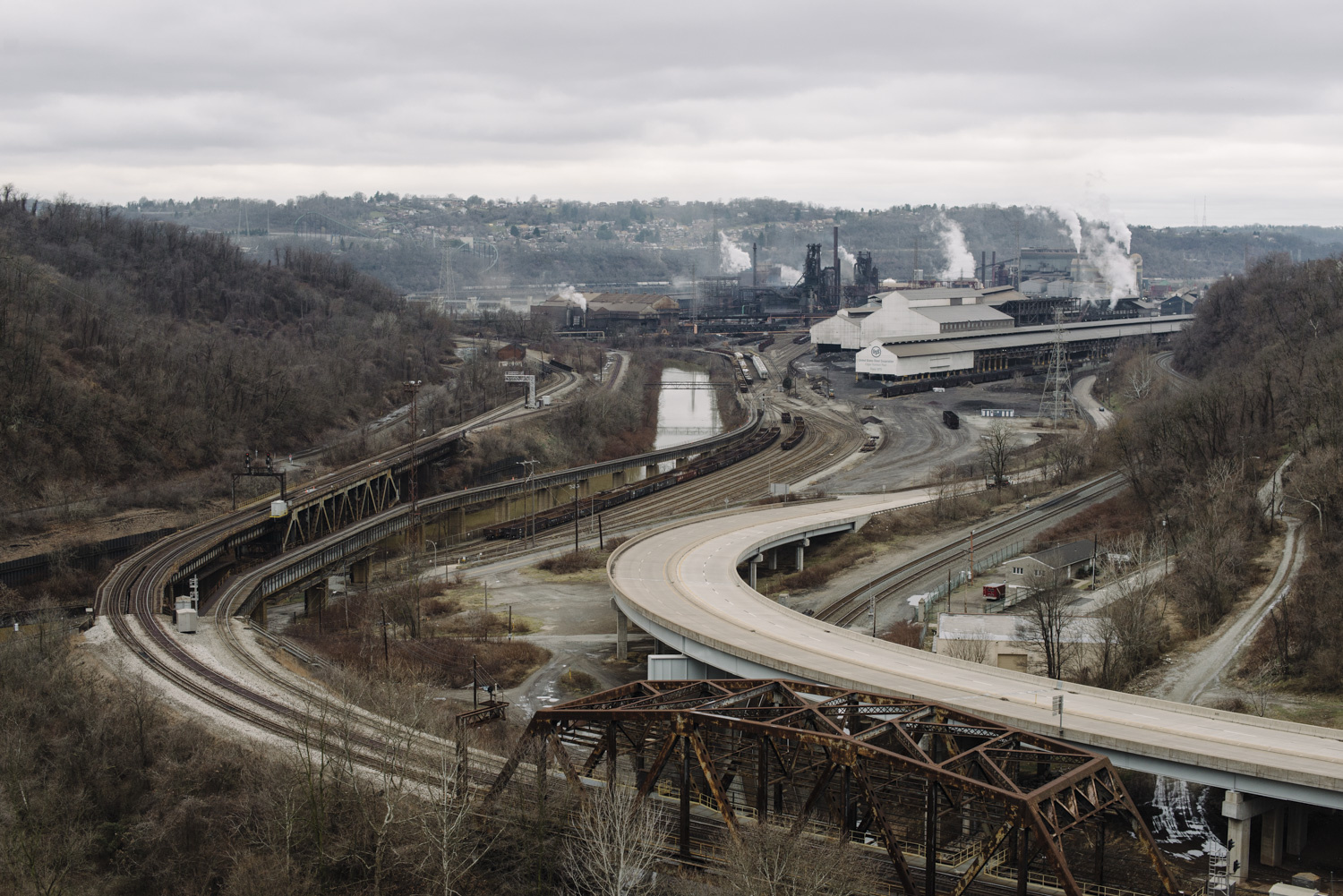
Appalachian literature is thriving. From the earliest oral traditions to print accounts of frontier exploration, from local color to modernism and postmodernism, from an exuberant flowering in the 1970s to its high popular and critical profile in the twenty-first century, Appalachian literature can boast a long tradition of delighting and provoking readers. Yet as anyone who enjoys reading or teaching this literature knows, finding an anthology that offers a representative selection of authors and texts from the earliest days to the present can be difficult. What you are now holding in your hands, or accessing through an electronic device, is the result of our efforts to assemble that book.
We are especially aware of the need to have a representative selection of Appalachian texts in one book because we teach Appalachian literature and have wished for such a book. The problem is not that the region's literature isn't available. Poems, short stories, and novels are available electronically from a myriad of websites; however, even today's computer-savvy readers and students can flounder when the material they seek is scattered to the four quarters of the internet.1Websites for locating Appalachian writing include Documenting the American South (docsouth.unc.edu) and Making of America (quod.lib.umich.edu/m/moagrp/). Additionally, many specialized anthologies of Appalachian literature have appeared over the past few decades. Yet by their very nature, specialized anthologies cannot cover the full sweep of Appalachian literature and must be supplemented by other readings.2Outstanding specialized anthologies include W. K. McNeil, ed., Appalachian Images in Folk and Popular Culture (1995); Sandra L. Ballard and Patricia L Hudson, eds., Listen Here: Women Writing in Appalachia (2004); Felicia Mitchell, ed., Her Word: Diverse Voices in Contemporary Appalachian Women's Poetry (2003); Kevin E. O'Donnell and Helen Hollingsworth, eds., Seekers of Scenery: Travel Writing from Southern Appalachia, 1840–1900 (2004); Marita Garin, ed., Southern Appalachian Poetry: An Anthology of Works by Thirty-Seven Poets (2008); Jessie Graves and William Wright, eds., The Southern Poetry Anthology: Contemporary Appalachia (2010); Chris Green, ed., Coal: A Poetry Anthology (2006); and Anthology of Appalachian Writers (a journal-like, serial publication of contemporary Appalachian writing published by Shepherd University).
Good older anthologies of Appalachian literature exist. Robert J. Higgs and Ambrose Manning's Voices from the Hills: Selected Readings of Southern Appalachia (1975) was an important, groundbreaking work that provided an excellent selection of Appalachian writings in one volume. But by the mid-1990s, changing ideas about Appalachia and literary theory, along with the remarkable number of fine authors whose works had appeared since the book's publication, made that collection feel incomplete. Aware of those gaps, Higgs and Manning, along with scholar and poet Jim Wayne Miller, published a two-volume sequel, Appalachia Inside Out, in 1995.
But to date, no one collection provides the historical depth and range of Appalachian literature, from Cherokee oral narratives to fiction and drama about mountaintop removal and prescription drug abuse, that contemporary readers and scholars seek. What is really needed, we feel, is a one-volume anthology of Appalachian literature that is comprehensive, reflects contemporary ideas about authorship and Appalachia, and brings readers well into the twenty-first century. That is what this book attempts to do.
In creating this anthology, we had a twofold task. Like all anthologists, we had to decide what principles would govern our selection of authors and, given those principles, what authors and texts we should include. But even before wrestling with those difficult decisions, we faced the conundrum that anyone working on our region confronts: just what do we mean when we say "Appalachia"? Geographically and conceptually, debate over this question runs high.
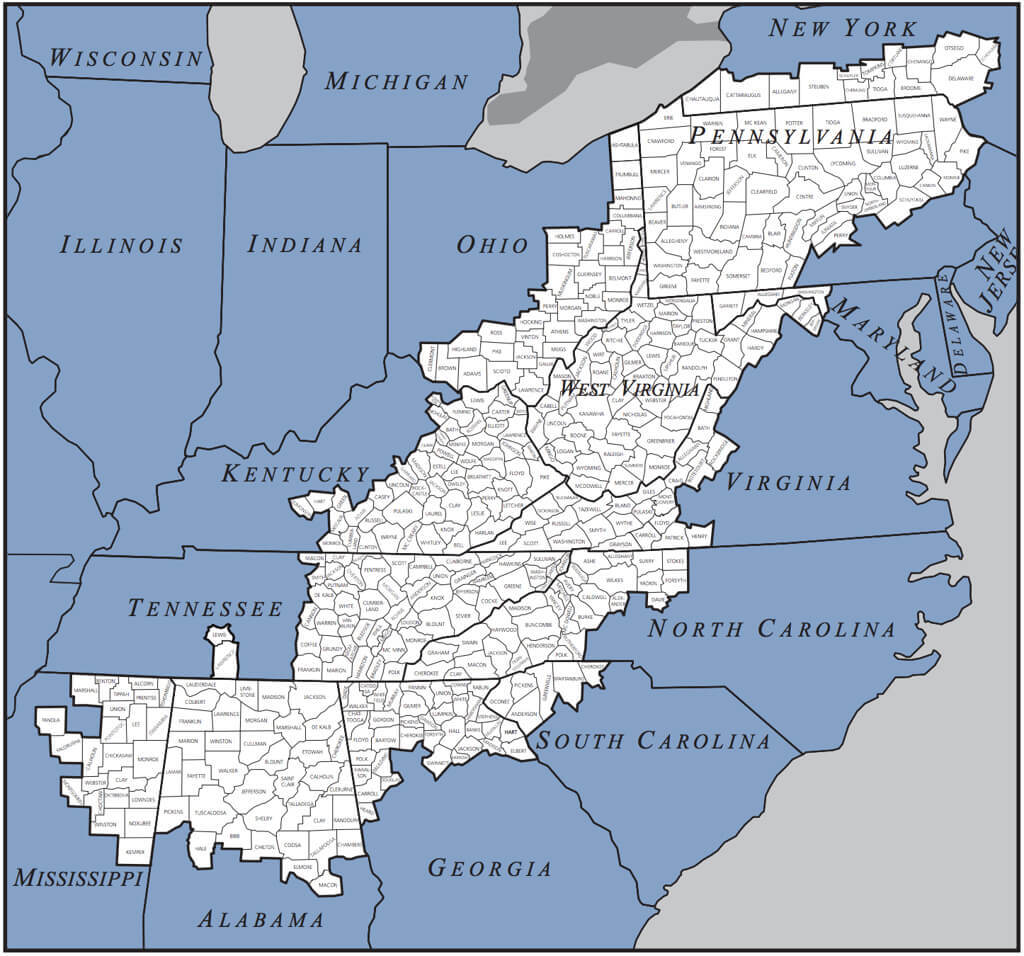
Merely determining the territory encompassed by the term "Appalachia" has been a matter of contention. Geographers' maps delineating the physiographic province of Appalachia, for example, outline a region stretching from central Alabama and Georgia northeast to the Atlantic Ocean off the coast of Labrador, and from the Piedmont through the western rim of the Cumberland Plateau as far as Ohio. However, late nineteenth- and early twentieth-century attempts to trace the region's boundaries, such as the map included in John C. Campbell's The Southern Highlander and His Homeland (1921), place the region within the borders of the slaveholding South with the Mason-Dixon Line demarcating the northern border, the Ohio and Mississippi Rivers marking off the western border, and elevation (the Blue Ridge) delimiting the eastern. The Appalachian Regional Commission's 1965 and subsequent maps of the region, guided by political and economic forces at play in the War on Poverty years, identify an area that incorporates portions of thirteen states, from the southern-tier counties of western New York to central Alabama and northeastern Mississippi, including significant parts of Ohio and a small chunk of the northwest South Carolina Piedmont. In sharp contrast to all of the above, folklorists and cultural geographers such as Henry Glassie and Terry Jordan-Bychkov insist that culturally, Southern and Central Appalachia are part of the Upland South, which runs from the eastern Piedmont of Virginia and the Carolinas west through Tennessee and Kentucky to include the Ozarks (Jordan-Bychkov argues that shared cultural traits extend the Upland South through East Texas); Northern Appalachia, they assert, is part of the mid-Atlantic and midwestern cultural regions.3 John C. Campbell, The Southern Highlander and His Homeland (1921); Henry Glassie, Pattern in the Material Folk Culture of the Eastern United States (1968); Terry G. Jordan-Bychkov, The Upland South: The Making of an American Folk Region and Landscape (2003).
As with maps, the popular conception of the region has also been subject to vicissitudes and controversy. Prior to the mid-nineteenth century, the southern mountains were viewed as just that: southern, with a high elevation and a whiff of the backwater. Since the southern backwater had once lain as far east as the coastal plain, frontier rustication was not yet synonymous with mountain. Yet beginning in the mid-nineteenth century and flowering fully in the post–Civil War era, fueled by an enormous body of writing in the popular press, Appalachia became known as a land apart, home to what William Goodell Frost, president of Berea College, identified in 1899 as America's "contemporary ancestors." These curious creatures were alternately viewed either as a genetic and cultural reservoir of America's best (noble poor rural white people of northern European ancestry who spoke Elizabethan English and lived a lifestyle like that of the colonial era), or as a sad example of America's worst (degenerate poor rural white moonshiners and feudists who spoke substandard English).4William Goodell Frost, "Our Contemporary Ancestors in the Southern Mountains," Atlantic Monthly, 1899. A recent controversial literary example that reinforces the degenerate-culture vision of Appalachia is J. D. Vance's Hillbilly Elegy: A Memoir of a Family and Culture in Crisis (2016). Vance's book has generated so much popular attention on the region that several Appalachian authors, including many of the authors featured in this anthology, decided to write back against Vance's portrayal of Appalachia in Appalachian Reckoning: A Region Responds to "Hillbilly Elegy" (2018). Examples of the degenerate-culture representation in the contemporary media include The Wild and Wonderful Whites of West Virginia (https://www.youtube.com/watch?v=AQBiXDNVeSA); Buckwild (http://www.mtv.com/shows/ buckwild/series.jhtml), Squidbillies (https://www.adultswim.com/search?q=squidbillies), and Saturday Night Live's "Appalachian Emergency Room" (http://www.nbc.com/saturday-night-live/video/appalachian-emergency-room/n12005/). Distorted though they may be, those two views of Appalachia are still present in the popular imagination, as best-seller lists and television shows indicate.5The contemporary popular media engage less in romanticization of Appalachians, although the trope abounds in the literature. Nothing seems to be filling the beloved shoes of The Waltons (serialized from 1972 to 1981 and made into television movies three times in the 1990s) or Christy, the 1994–1995 television series about a stoic young city girl teaching in the Tennessee mountains in 1912 who gently guides the mountain people away from their bad ways, bringing out their natural goodness. The character Kenneth Parcel, played by Jack McBrayer, on the television comedy 30 Rock (2006–2013) may be the best example of contemporary media's embracing of the "good" qualities of Appalachian people, albeit couched within the all-too-familiar hillbilly stereotypes. Kenneth, from Stone Mountain, Georgia, is unfailingly cheerful, kind, and honest. He is also misogynistic and religiously narrow-minded. He rejects science and supports the Confederacy. References to incest abound when Kenneth is around.
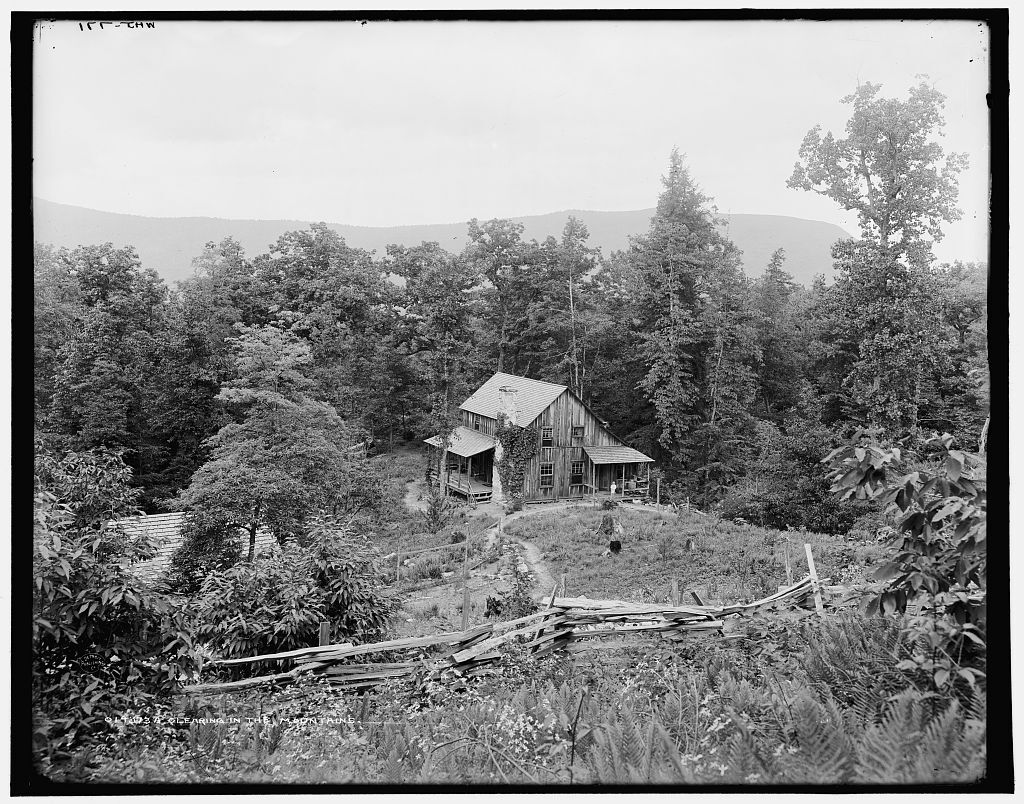
That dichotomy—the romanticized and the degenerate—remained operative through the better part of the twentieth century, with few attempts at complicating it. (Horace Kephart, John C. Campbell, and Harry Caudill are notable exceptions.) Then, in the 1970s, under the influence of the civil rights movement and similar ideological initiatives among women, Native Americans, and other marginalized groups, Appalachian residents, together with activists and scholars, developed an Appalachian studies movement to challenge this distorted image of Appalachia and provide an accurate account of the region's history and contemporary situation.6Chad Berry, Philip J. Obermiller, and Shaunna L. Scott, eds, Studying Appalachian Studies: Making the Path by Walking (2015). This effort has produced outstanding writing, although in some quarters there has remained a tendency to continue romanticizing the region as a haven for old-time living and, as Ronald D. Eller notes, "A flourishing minor industry has developed to fabricate such oddities as dulcimers, quilts, log cabins, and 'Hillbilly Chicken.'"7Eller, Miners, Millhands, and Mountaineers: Industrialization of the Appalachian South, 1880–1930 (1982), xvii. For a discussion of the commodification and fetishization of Appalachia, see Allen W. Batteau, The Invention of Appalachia (1990). Some of the best statements on the conflicting narratives comprising the "invention" of Appalachia appear, of course, in the literature of the region and the scholarship on that literature.8Batteau, The Invention of Appalachia. See also Henry Shapiro, Appalachia on Our Mind: The Southern Mountains and Mountaineers in the American Consciousness, 1870–1920 (1978).
In navigating these turbulent waters, we also had to ask ourselves what story of the region we wanted to tell. In answering this question, we were influenced by current ideas about anthologies and the literary canon. Whereas most early- to mid-twentieth-century American anthologies attempted to produce a master narrative—a collection of canonical authors whose work and biographies support one particular vision of the nation, region, or group represented—contemporary critical theory's expanded ideas of authorship have challenged that approach, which tends to exclude writers who fail to conform to the master narrative, such as women or ethnic minorities.9For a discussion of master narratives in late nineteenth- and early twentieth-century anthologies of southern literature, see Susan Harrell Irons, "Southern Literary Reconstructionists: Shaping Southern Literary Identity, 1895–1915" (Ph.D diss., University of North Carolina, Chapel Hill, 2001). Hence, anthologists today (ourselves included) tend to view their collections as dialogues or debates among sometimes conflicting voices.10William Andrews, preface to The Literature of the American South: A Norton Anthology (1998), xxii.
Indeed, in Appalachia, as in other regions, the culture, like the geographic configuration, can be seen as porous—that is, the boundaries are constantly changing. The result is that no one can definitively say what Appalachia is or is not, even though almost everyone seems to try. As Douglas Reichert Powell observes, "Regions are not so much places themselves but ways of describing relationships among places. These descriptions serve particular purposes for the people doing the describing."11Douglas Reichert Powell, Critical Regionalism: Connecting Politics and Culture in the American Landscape (2007), 10. It is precisely this unsettled definition and the controversies it continues to inspire that is the story we wish to tell in this anthology. Appalachia is complicated, and this rich complexity is worth celebrating and studying.
What is the traditional master narrative of Appalachian literature and scholarship? Higgs and Manning summarize it succinctly: "the mountaineer, [and] his struggles with himself, nature, and the outside world."12Robert J. Higgs and Ambrose Manning, Voices from the Hills: Selected Readings of Southern Appalachia (1975), xvii. While it is undeniably true that this story of the (white male) mountaineer has been important throughout the region (and is represented in this anthology), many other stories have existed as well, and we do not want to leave them out—to perpetuate what Edward Cabbell calls black "invisibility" in Appalachia, for example, or to relegate women to "walk-ons in the third act," as Barbara Ellen Smith characterizes the region's historiography, or to deny the experiences of LGBTQ Appalachians.13Edward J. Cabbell, "Black Invisibility and Racism in Appalachia: An Informal Survey," in Blacks in Appalachia, ed. William H. Turner and Edward J. Cabbell (1985); Barbara Ellen Smith, "Walk-Ons in the Third Act: The Role of Women in Appalachian Historiography," Journal of Appalachian Studies (1998); Jeff Mann, Loving Mountains, Loving Men (2005). Hence, diverse voices of gender, sexuality, ethnicity, and race speak throughout this anthology through authors such as Elias Boudinot, Frank X Walker, August Wilson, Dorothy Allison, Jeff Mann, and Blake Hausman.
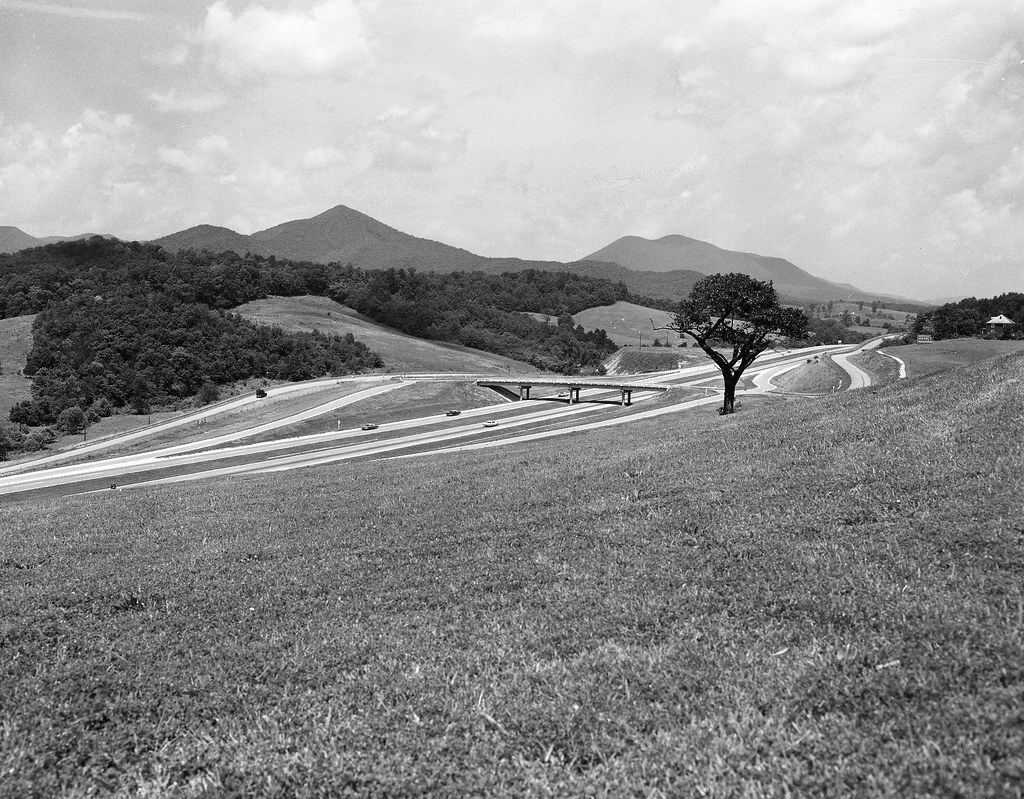
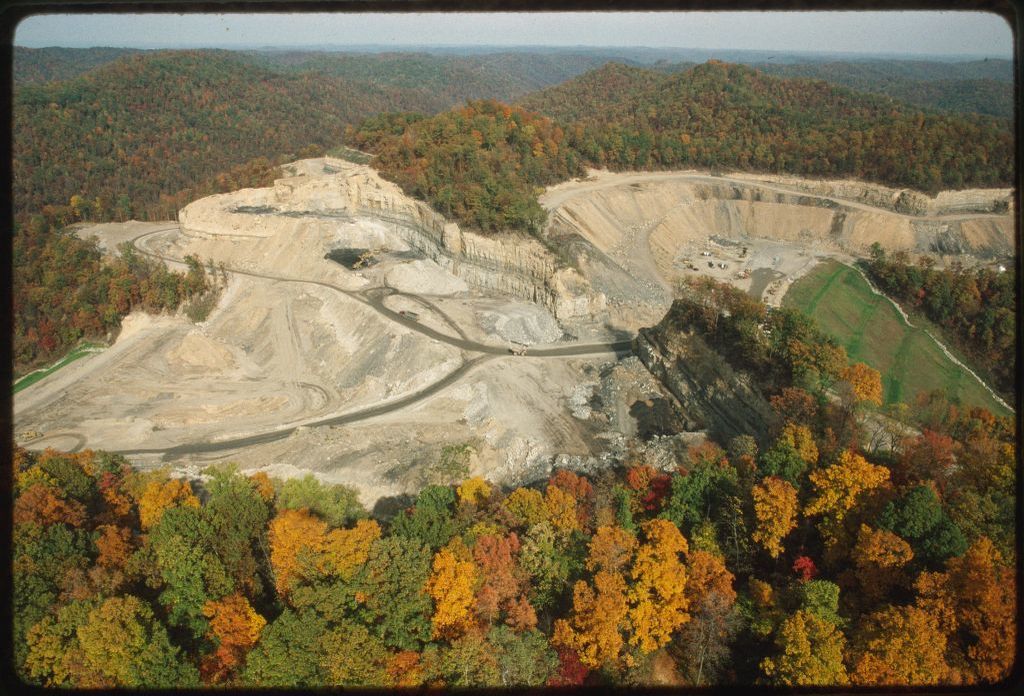
In addition to correcting the obvious omission of a multitude of voices from the traditional Appalachian master narrative, we wanted to avoid miring this anthology in what Theresa Lloyd calls "mama and biscuits literature"—texts that for good or ill stereotype Appalachia as a land of simple agrarian folklife. Not that we fail to represent regional folklore—those looking for it will be pleased to find Jack tales, traditional songs, snake lore, and a great deal more. But along with an important agrarian heritage, our region has long had an urban and suburban dimension. Art historian Betsy White, for example, has demonstrated the presence of a thriving fine arts tradition fully reflective of international trends in western Virginia and East Tennessee towns along the Great Road, a heavily traveled trade route running along the contemporary I-81 corridor from Pennsylvania to Southern Appalachia.14Betsy K. White, Great Road Style: The Decorative Arts Legacy of Southwest Virginia and Northeast Tennessee (2006). In 1858, (West) Virginia artist and author David Hunter Strother confirmed this blend of backwoods and urbane, noting that in East Tennessee one could find both "the prints of the deer-skin moccasin and the French kid slipper," or "the mud-chinked cabin of the pioneer" beside "the elegant villa from a design by Downing or Vaux."15Strother, "A Winter in the South, Fifth Paper," Harper's New Monthly Magazine (1858), 721. In the twentieth and twenty-first centuries, the region has felt the full effects of industrialization, modern transportation, consumerism, migration, the centralization of American agricultural production in agribusiness enterprises outside the region, suburbanization, the global connections of the internet, and the multiple genres of electronic media. These forces have virtually obliterated traditional agrarian Appalachia, although an interest in local foods in the region, part and parcel of a larger local foods movement in the United States, is fueling a return to home gardening and small-scale, specialized farming. This anthology includes not only the canonical texts that have constructed the idea of Appalachia as a rural, isolated folk society—such as work by Jesse Stuart and James Still—but also writings that challenge that stereotype by portraying the region as urban or suburban, and as fully engaged with the social, intellectual, economic, and political world beyond the mountains—as in texts by Thomas Wolfe, Lisa Alther, Jayne Anne Phillips, and many others.16Rudy Abramson and Jean Haskell, eds., The Encyclopedia of Appalachia (2006), which emphasized the region's urban as well as rural dimensions, pioneered this multi-tiered approach to Appalachian studies. We follow this lead.
One non-agrarian facet of the Appalachian experience that has been fully documented in its literature is the effects of the extractive and manufacturing industries, such as coal and textiles. This anthology tells that story through both conventional and more radical texts. Represented are genres and authors such as fiction by Rebecca Harding Davis, Thomas Bell, and Denise Giardina; poetry by Don West, Irene McKinney, and Ron Rash; nonfiction by Mary Harris "Mother" Jones and Harry Caudill; protest songs by Aunt Molly Jackson and Ella May Wiggins; and a strike narrative collected from "Bloody" Harlan County in the 1930s.
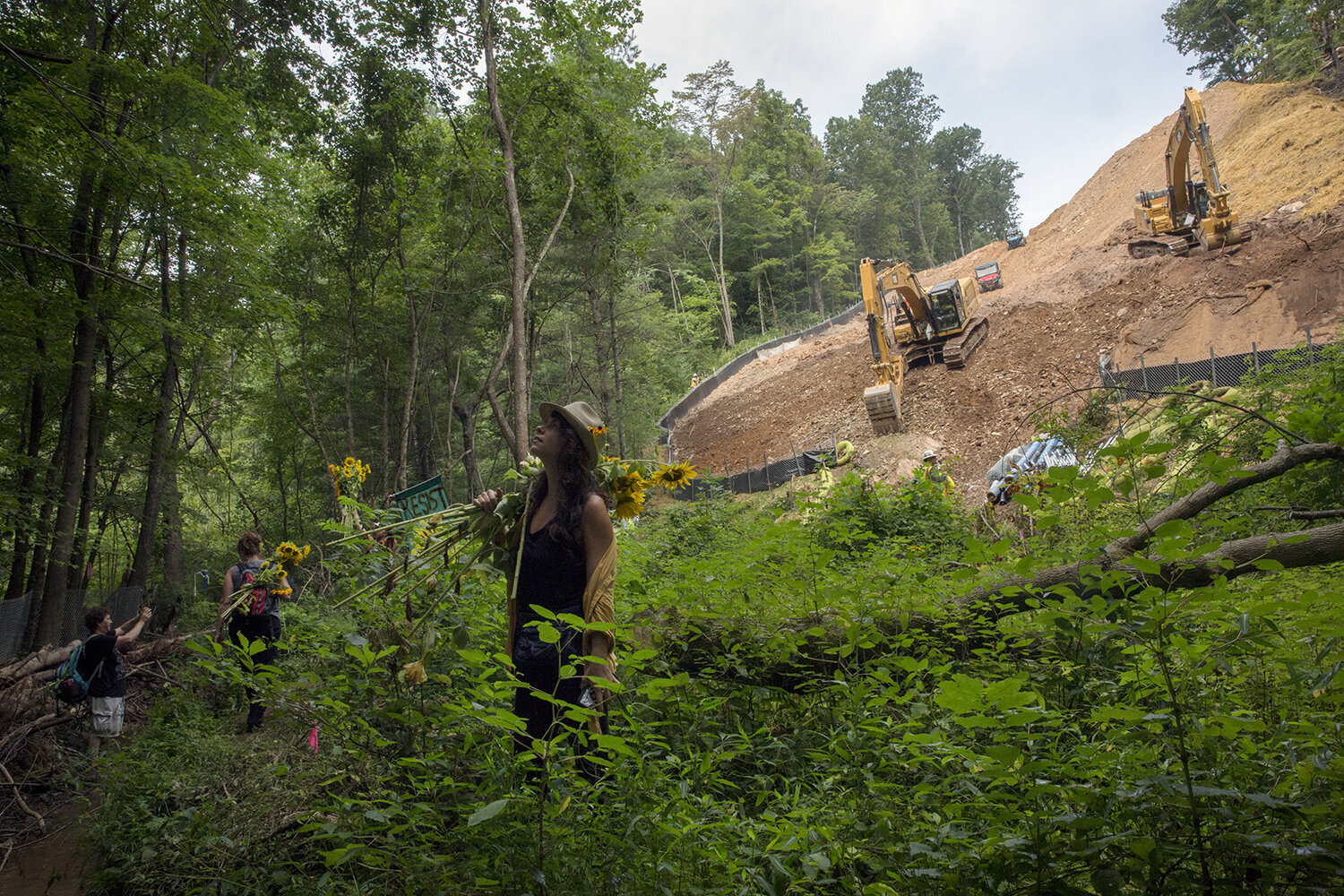
Another story that we felt was important to tell was that of the Appalachian environment. Nowhere is human stewardship of the environment more pressing than in the region's coalfields, where people and nature suffer the effects of mining and mountaintop removal, as articulated here by Ann Pancake, Robert Gipe, and Wendell Berry. Yet nowhere more than in our mountains is the possibility of an intimate human-nature relationship as obvious, as witnessed by the writing of Harvey Broome, Harry Middleton, Marilou Awiakta, and bell hooks, among others. Presenting a new vision of agrarianism, Barbara Kingsolver argues the importance of local farming for Appalachia's people and environment, as Sandor Katz and Shannon Hayes encourage readers to relearn homemaking and fermentation skills as a form of activism.
Having explored the stories of Appalachia that we wanted this anthology to tell, we still faced a vexatious problem: who would get to tell those stories? That is, just who is an Appalachian author? The simple answer would be writers born in the region who write about regional topics—for example, Mildred Haun, Harriette Arnow, Wilma Dykeman, Robert Morgan, Fred Chappell, Lee Smith, Harry Caudill, and Jo Carson. However, that definition would have forced us to leave out important writings about the region by authors not born here, such as William Bartram, George Washington Harris, Mary Noailles Murfree, Horace Kephart, and others. It could also have led us to omit significant authors born here but whose writings are not obviously regional, such as Charles Wright. Ultimately, we decided to follow the lead of the Appalachian Writers Association in defining Appalachian authors: writers who were born in the region, adopted the region, or wrote about a significant experience in the region.
Nonetheless, decisions about whom to include were hard to make. We wanted to satisfy expectations by including authors who have a following among the region's readers and scholars, but we also wanted to break new ground by introducing authors who had been marginalized or ignored in the discourse of Appalachian literature. Furthermore, especially since the 1970s, that era of literary outpouring that some scholars identify as the Appalachian Renaissance, so many outstanding authors have been publishing that we were forced to omit many worthy candidates. (Our publisher wisely insisted that we keep the book to one reasonably sized volume.) We know that readers will lament the absence of one favorite author or another, but we hope that our suggestion of the range of Appalachian literature is broad enough to accommodate the region's multitudinous stories. We rely on the excellent specialized anthologies of Appalachian writing to flesh out the stories for those readers who seek more.
Another way that we wanted to break new ground was by including authors from Northern Appalachia. We acknowledge that there are strong arguments for not doing so and for focusing instead on what John Alexander Williams calls "core" Appalachia—that is, the southern mountains as defined by Campbell and others.17John Alexander Williams, Appalachia: A History (2002), 13. Aside from the precedent set by previous anthologies and collections of scholarship, along with the southern-focused expectations of readers who encounter the word "Appalachia," it is in writings from the southern highlands that one finds the "shared themes and narrated stances, . . . [the] repeated and revised tropes" that, according to Henry Louis Gates, are the hallmark of a literary movement.18Henry Louis Gates Jr., The Signifying Monkey: A Theory of African-American Literary Criticism (1988), 127. But as Katherine Ledford notes, incorporating Northern Appalachian authors invites us to engage in comparative regional studies—for example, to examine the concept of the American frontier in the writings of New Yorker James Fenimore Cooper as well as in the southern account of Anne Newport Royall, or to study the effects of extractive industrial economies in Jason Miller's Pennsylvania and Harry Caudill's Kentucky.
Scholars of the South may wonder how we distinguish Appalachian literature from its non-montane cousins of the Upland South. Hugh Holman raised the question in his 1976 review of Voices from the Hills, and it still has relevance.19C. Hugh Holman, "Appalachian Literature? Two Views," Appalachian Journal (1976), 79. There are, for example, obvious similarities between the poor mountain whites of Murfree and Fox, and their counterparts in the work of lowland southern authors Caldwell and O'Connor, who are not included in this Appalachian anthology.20See, for example, Sylvia Jenkins Cook, From Tobacco Road to Route 66: The Southern Poor White in Fiction (1976). But southern literary studies have tended to give short shrift to Appalachian authors, as Fred Chappell and Rodger Cunningham have noted, making the need for Appalachian literary studies of continuing relevance.21Fred Chappell, "The Shape of Southern Literature to Come: An Interview with Will Hickson"; and Rodger Cunningham, "Writing on the Cusp: Double Alterity and Minority Discourse in Appalachia," in The Future of Southern Letters, ed. Jefferson Humphries and John Lowe (1996). Even more important is the obvious fact of a demonstrable, self-conscious literary tradition in the southern highlands.
As for the genres we have included, they range from the traditional belles-lettres—fiction, poetry, and drama—to nonfiction, diaries, interviews, song lyrics, and oral literature. We have a preference for complete units—for example, short stories over selections from novels, essays over portions of nonfiction books or, when we simply could not ignore an important book, whole chapters or excerpts that provide a sense of completeness.
The difficulties of acquiring copyright permissions, the bane of the anthologist, vexed us as well. We had to make some hard choices when permissions trails went cold or when manageable deals could not be struck with copyright holders. Some writing we wished to include was off-limits to us due to copyright restrictions increasingly imposed by large commercial publishing houses. Within these restrictions, we have tried to construct an anthology that covers much ground and does so in a representative manner. We acknowledge that this anthology is only the beginning of the Appalachian story, and we encourage readers and instructors to supplement this anthology with a complete long work such as a novel or a collection of short stories or poems for a more sustained experience with an author and her or his craft.

As our story of creating this anthology suggests, we have been concerned with simultaneously representing, complicating, and furthering the discourse on the Appalachian region and its cultures. The complexity that we have struggled to understand and represent here speaks to the undeniable value of regional studies. Particularly since the rise of critical theory in the 1990s, some scholars have brushed off regional studies as a type of soft scholarship, inferior to studies of race, class, gender, sexuality, or the environment. The richness represented in these pages reveals that this assumption is simply not true.
This, then, is the vision of Appalachia and its literature represented in our anthology. Mountain and valley, rural and urban, folkloric and postmodern, traditional and au courant, northern and southern, white people and people of color, straight and gay, insiders and outsiders, sinners and saints—the dualisms multiply, endlessly and excitingly, and maybe, on some level, are not dualistic at all.
About the Authors
Katherine Ledford is professor of Appalachian studies at Appalachian State University and coeditor of Back Talk from Appalachia: Confronting Stereotypes.
Theresa Lloyd is coeditor of the literature section of the Encyclopedia of Appalachia and professor emerita at East Tennessee State University.
]]>Video and Essay
Ossabaw Island is a barrier island on the Georgia coast. The island, which trends northeast–southwest, is about 14.5 kilometers (9 miles) long and 10.5 kilometers (6.6 miles) wide. It is located between latitudes 31° 49.5' and 31° 43.2' N. Of the Georgia barrier islands, Ossabaw is the most geologically unusual. Like the major Georgia islands south of it—Cumberland, Jekyll, St. Simons, Sapelo, and St. Catherines—Ossabaw is a composite island, in which sediments from Pleistocene and Holocene shorelines are directly adjacent or superimposed. However, sediments of the Pleistocene (Silver Bluff) and Holocene shorelines on Ossabaw split near its southern portion, with the Pleistocene trending north–south and the Holocene trending northeast–southwest. The modern shoreline, which formed only in the past few thousand years, wraps around the southern and northeastern corners of the island.
Ecosystems on Ossabaw include salt marshes, maritime forests, beaches, and a few freshwater ponds. Salt marshes are widespread west of Ossabaw, but also occupy much of the middle and eastern parts of the island between sediments of the Pleistocene and Holocene shorelines, dividing its maritime forests. The climate of Ossabaw is temperate to subtropical, with temperatures ranging from an average high of 32° C (90° F) in the summer to 10° C (50° F) in the winter. Average rainfall is about 50 centimeters (20 inches) per year, with most precipitation during the hurricane season (May–September). Hurricanes have rarely affected the Georgia barrier islands until recently, when Ossabaw was hit by Hurricane Matthew (2016), then later Hurricane Irma (2017). Hurricane Matthew, in particular, uprooted many of the older live oaks on the island and otherwise dramatically altered its landscape.
Although Ossabaw is often labeled as "pristine," humans have transformed its landscapes for at least 4,000 years. Its human history is similar to that of its island neighbor, St. Catherines, beginning with Native Americans (the Guale). The Guale had occupied Ossabaw since about 2000 BCE, but European colonization began when the Spanish arrived in the late sixteenth century. A lasting remnant of Spanish colonization on Ossabaw is the presence of feral hogs, some of which are linked to Spanish stock. This relatively large population of hogs has disrupted or otherwise altered ecosystems throughout the island.
The British took control of Ossabaw in the 1730s, by which time the Guale had mostly moved inland or suffered near extinction under the pressure of colonization. Early treaties reserved Ossabaw as hunting and fishing ground for the Creek people until 1758. The British also began enslaving African people for their plantation economy, and in the late eighteenth century American settlers continued using enslaved people as laborers for growing cotton and indigo. Most inland ecosystems of Ossabaw, especially the maritime forests and salt marshes, were altered considerably by this agriculture. Following the American Civil War, a significant population of African Americans stayed on the island, but most moved to the mainland after the Sea Island Hurricane of 1893. Many of their descendants today comprise the Gullah-Geechee community in Pin Point, Georgia.
Through the early to late twentieth century, Ossabaw's ownership changed several times, but the island remained largely undeveloped and sparsely inhabited. The last private owners were members of the Torrey family, starting with Dr. Henry Norton Torrey and Nell Ford Torrey, and ending with their daughter, Eleanor Torrey ("Sandy") West. The Torreys oversaw the building of a large home for themselves, as well as hunting lodges, a beach house, and unpaved roads. In 1961, after Sandy West inherited the island, she and her husband Clifford West began the Ossabaw Island Project. This project brought luminaries of the arts and sciences to the island as a retreat center for study and discussion; notable participants included composer Aaron Copeland, writers Ralph Ellison, Margaret Atwood, and Annie Dillard, as well as ecologist Eugene Odum. This creative initiative also resulted in the Genesis Project, which focused more on the natural sciences and hosted scientists for on-site studies of and education about the archaeology, ecology, and geology of the island.
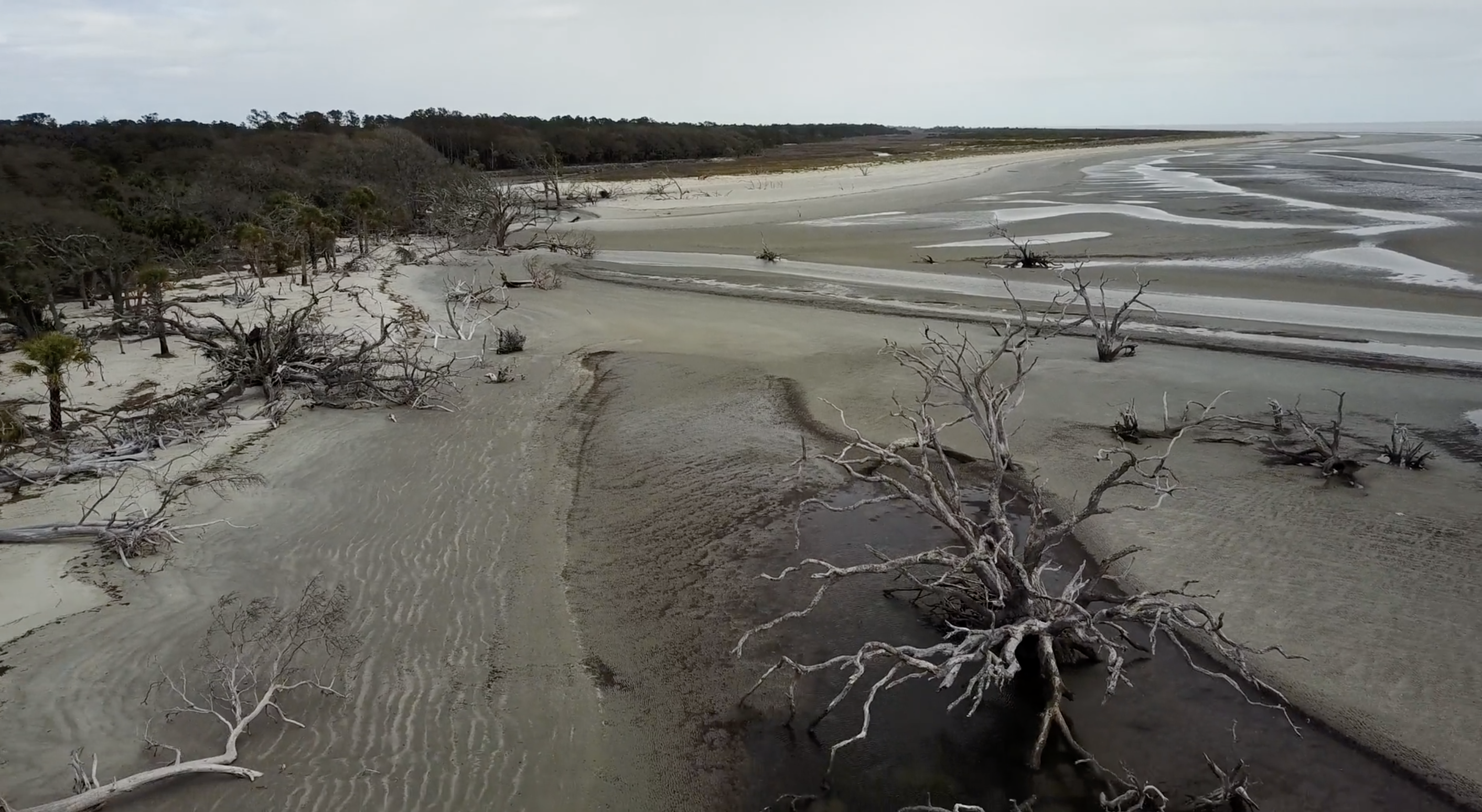

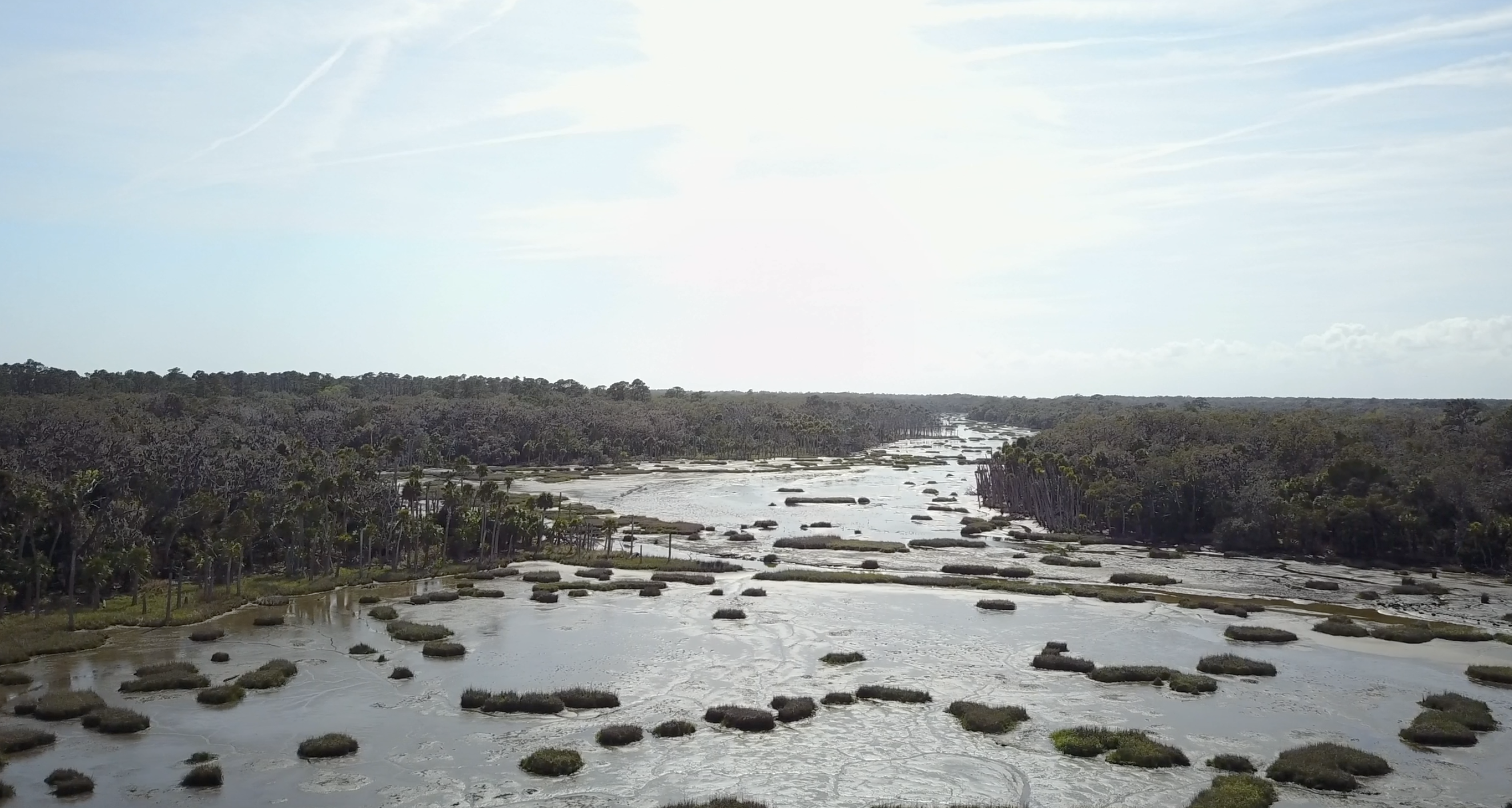
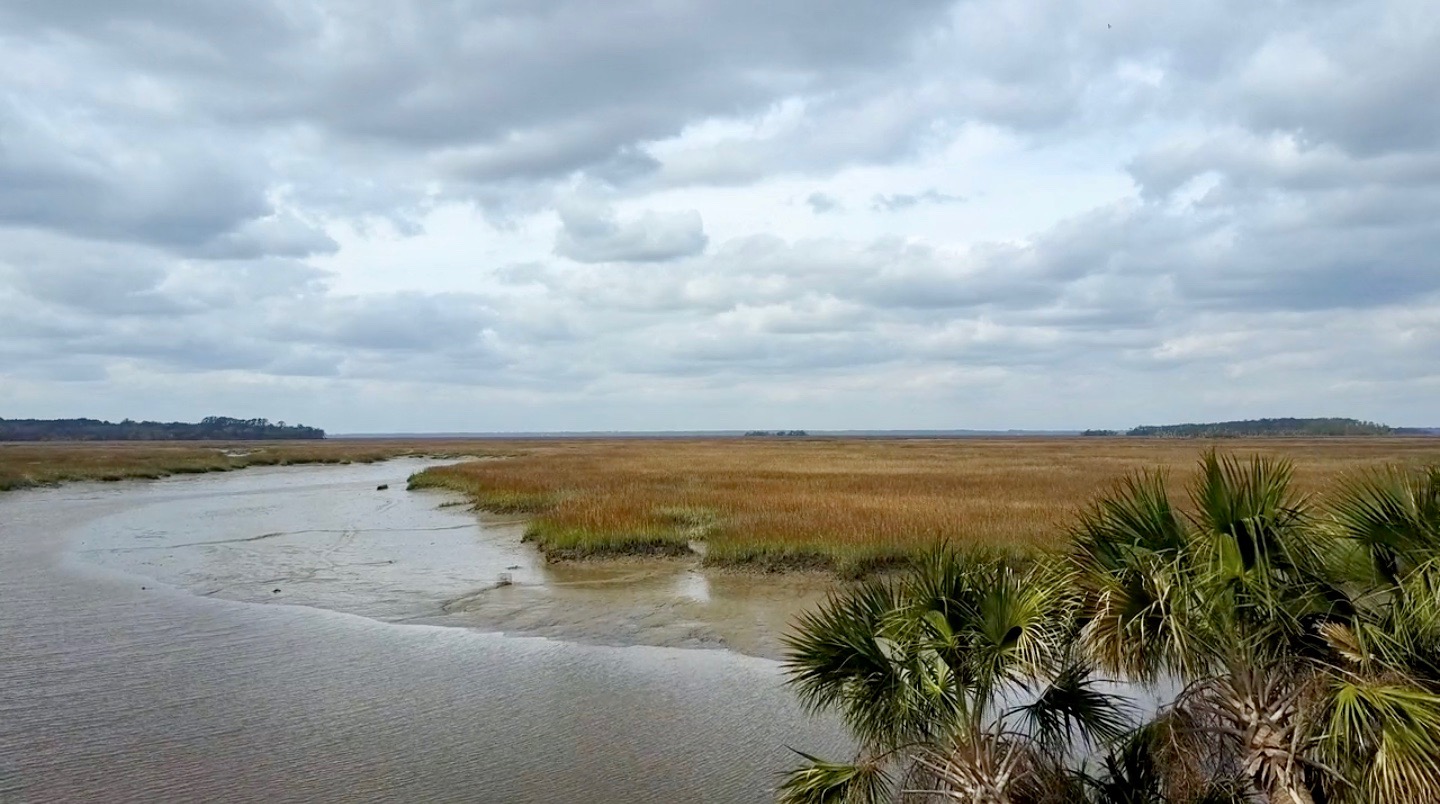










In 1978, Sandy West sold Ossabaw to the state of Georgia to establish it as the state's first heritage preserve, and it has been managed since by the Georgia Department of Natural Resources (DNR). The Ossabaw Island Foundation was established afterwards as a non-profit organization working with DNR to encourage educational, cultural, and scientific programs on the island. Sandy West continued living on the island until just recently; at the time of this writing (January 2020), she was living in nearby Savannah, Georgia, and had just celebrated her 107th birthday.
This Ossabaw flyover video provides a visual sample of the many interconnections between natural and human histories on Ossabaw. Featuring sweeping aerial views and audio annotations explaining the island's varied environmental features, this video is organized around four sequential but overlapping themes: fauna, flora, landscapes, and human structures.
Acknowledgment
Thanks to the Ossabaw Island Foundation for their support on this piece.
About the Authors
Anthony "Tony" Martin is a professor of practice in the Department of Environmental Sciences at Emory University. His publications include Life Traces of the Georgia Coast (Bloomington: Indiana University Press, 2013).
Steve Bransford is the senior video producer at the Emory Center for Digital Scholarship. His documentary feature film The Well-Placed Weed is available on the PBS website and app.
Michael Page is lecturer in Geospatial Sciences and Technology at Emory University.
Leotie Hakkila is an MPH student at the Rollins School of Public Health, Emory University.
Anandi S. Knuppel is a visiting assistant professor in the Department of Religious Studies at Lawrence University.
]]>Review
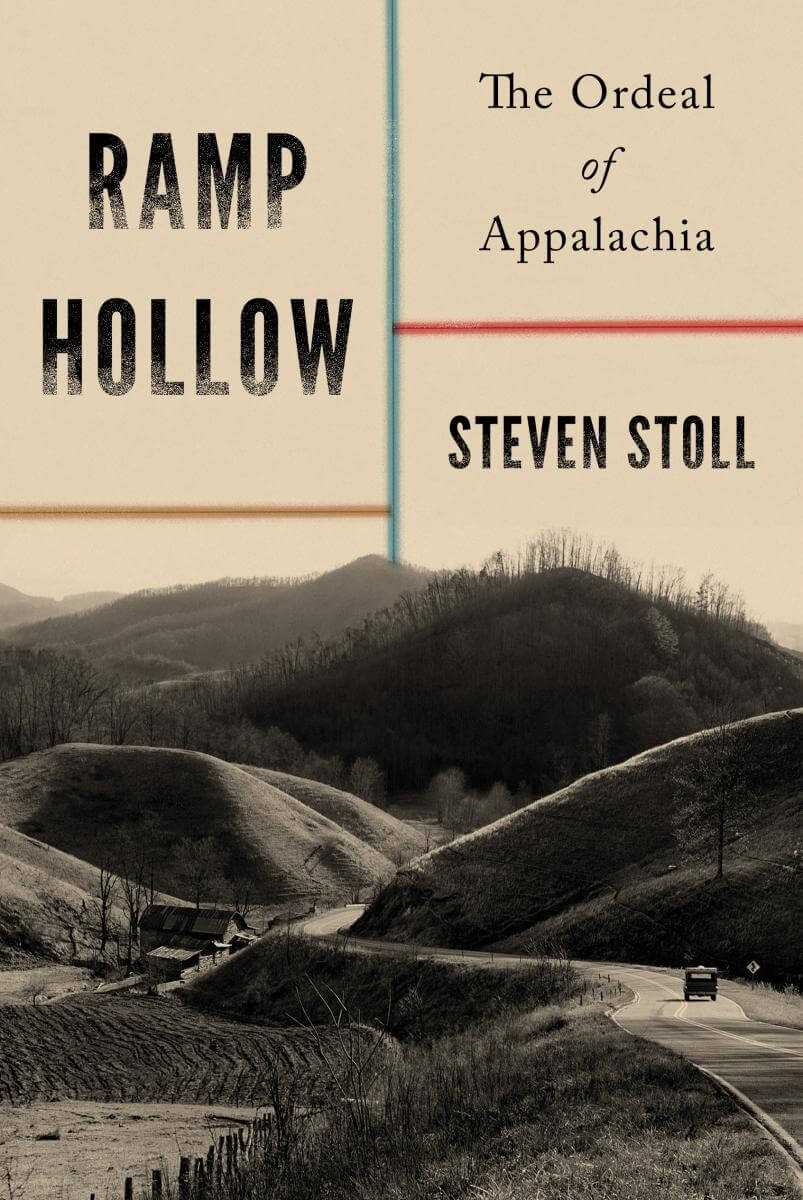
The yeoman farmer is a central figure in debates over the historical dispossessions that created the place we now call Appalachia. For historians like Ron Eller, these self-sufficient small landholders dominated the agrarian past, and first became exploited as residents of company towns when coal, timber, and other corporate interests began in the late nineteenth century to appropriate the land and wealth of the mountains for their own profit.1See Ronald D. Eller, Miners, Millhands, and Mountaineers: Industrialization of the Appalachian South, 1880–1930 (Knoxville: University of Tennessee Press, 1982). During the 1960s and 1970s, activists promoted a related golden-age vision of egalitarian pastoralism in pre-industrial Appalachia, which they contrasted with the ugliness of strip mining, black lung disease, and other contemporary depredations to amplify their calls to "save the land and people." Then, in 1996, Wilma Dunaway swept aside romantic visions of the Appalachian past with prodigious quantitative research, an earlier historical timeline (back to 1700), and the perspective of world systems theory. "On the eve of the Civil War," she concluded, "Appalachians were much more likely than other Americans to be impoverished, illiterate, and landless."2Wilma A. Dunaway, The First American Frontier: Transition to Capitalism in Southern Appalachia, 1700–1860 (Chapel Hill: University of North Carolina Press, 1996), 21.


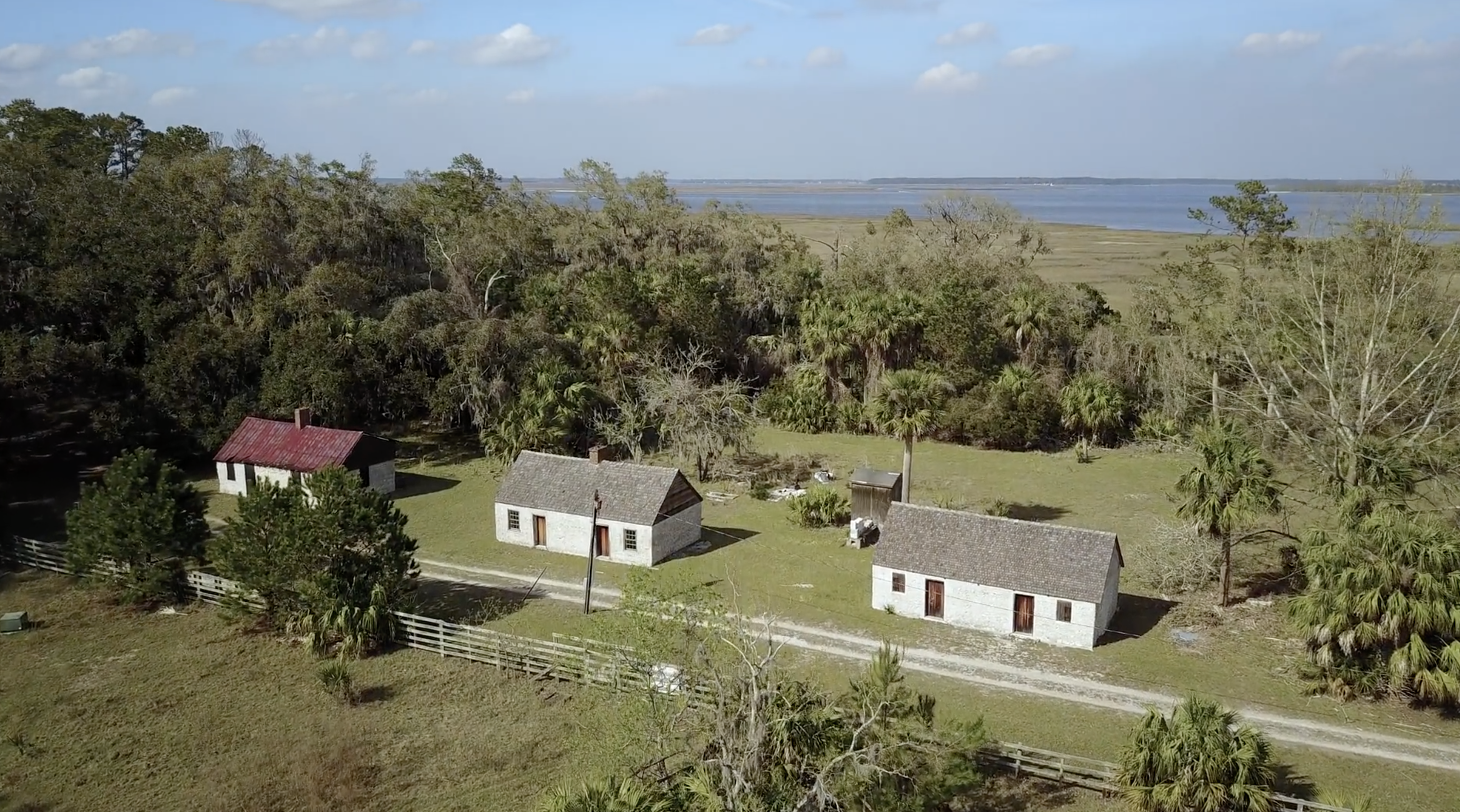
Steven Stoll's Ramp Hollow intervenes in these and related debates by recasting the nature of agriculture and the meaning of land ownership among the European colonialists and their descendants who settled the Appalachian frontier. Stoll likens Appalachia's early settlers to peasants all over the world, who depend on access to a common "ecological base." In the Appalachian instance, this "base" is the forest: "This is a vast renewable fund of resources that provides spaces for fields, food for gathering, fodder for cattle, and habitat for wild game. The base gives everything but costs nothing" (33). Through the practice of swidden, sometimes pejoratively called slash-and-burn agriculture, settlers cleared portions of the forest and cultivated crops, but their clearings were limited; more importantly, they utilized the forest as a source of wild plants, game, and mast for their free-ranging livestock. Although their economy was "makeshift," without extensive surplus or accumulation, these early settlers rarely starved, Stoll asserts, and they should not be considered poor.
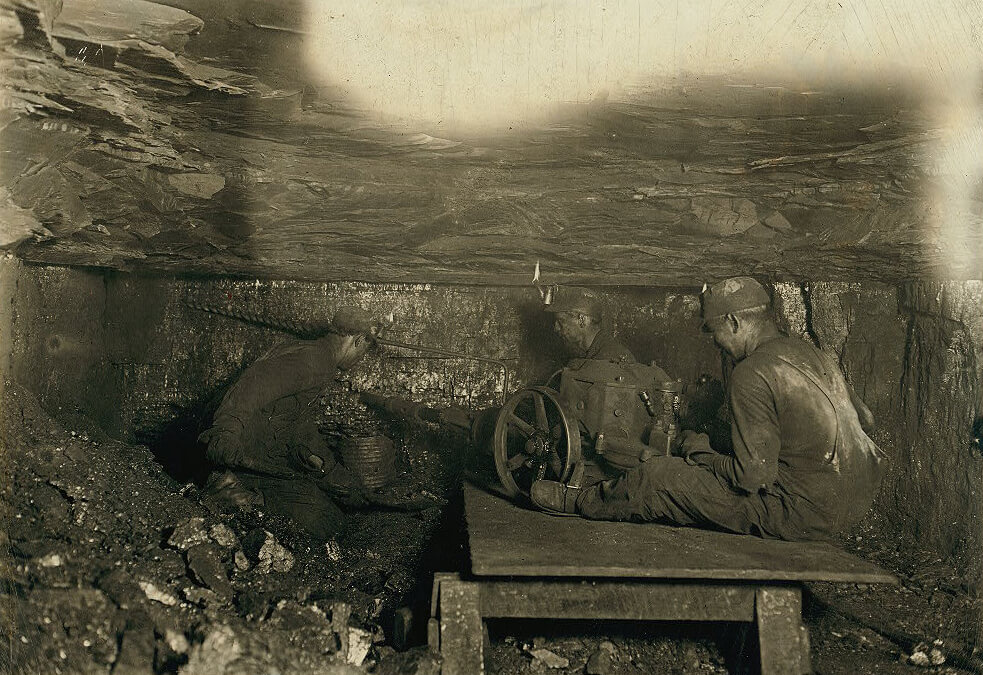
As the western edge of European settlement, the mountainous backcountry of eighteenth-century Appalachia briefly represented a space of relative freedom from state enforcement of property rights. Although elites gained formal title to millions of mountainous acres through grant or purchase, they tended to view the land as "wilderness" and unworthy of investment or even much attention, according to Stoll. A chaos of competing land claims emerged, as well as, in effect, the practice of "land to the tiller." Use-rights prevailed. Squatters and small landholders utilized the vast forest without regard to absentee elites and their abstract legal instruments, which went unenforced, thereby irrelevant, and they engaged in a vigorous barter economy with one another.
Although historians and activists have focused largely on the land-grabbing actions of coal companies in the late nineteenth century as the definitive dispossession of Appalachia, Stoll takes us back to the federalism of Alexander Hamilton in the early republic. Taxation—an obligation that could only be fulfilled in legal currency—was the means to force subsistence agrarians toward a cash economy and extend the administrative reach of centralized government into the recesses of the mountains. "Taxation does not merely fund the state," Stoll observes, echoing the arguments of James C. Scott and other anti-statist anarchist scholars. "It creates its territorial and financial power" (122).3See James C. Scott, The Art of Not Being Governed: An Anarchist History of Upland Southeast Asia (New Haven, CT: Yale University Press, 2009). Armed resistance to Hamilton's tax on distilled spirits, which did not distinguish between commercial and household production, arose from the high value of whiskey in barter exchanges and the onerous compulsion to send money from a cash-poor economy to a distant central government—all on the heels of a war for "independence." Although the Whiskey Rebellion succeeded in discontinuing the excise tax, the coercive extension of a sovereign state—with a unified system of land ownership, property rights, law, currency, taxation, and administrative regularity—would eventually facilitate destruction of the ecological base and subsistence practices of Appalachian agrarians.
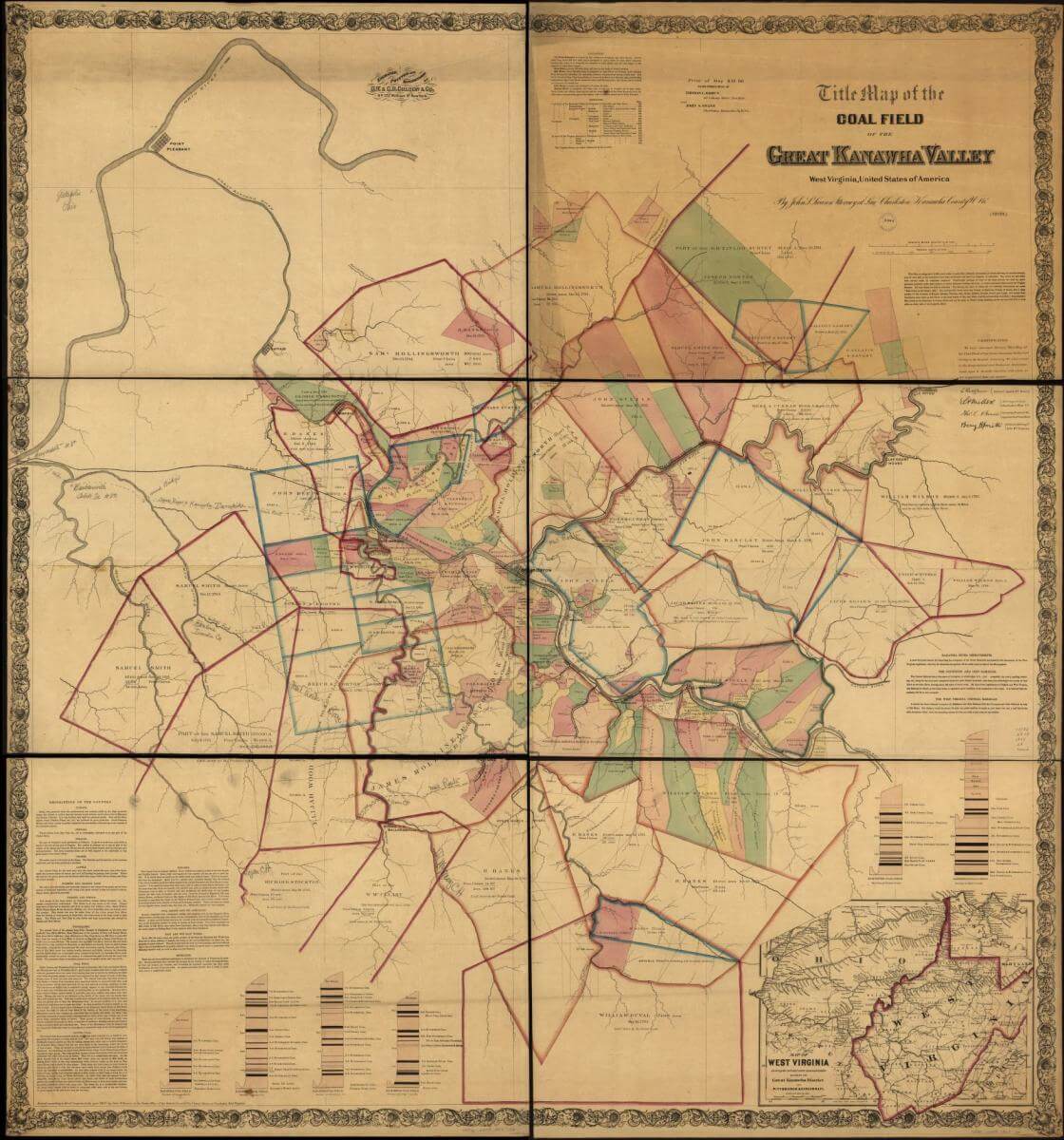
Stoll's tale of rural industrialization in the second half of the nineteenth century focuses on what became West Virginia, and is familiar to scholars and many residents of central Appalachia: extension of the railroads into southern West Virginia, corporate acquisition of mineral rights and vast landholdings, opening of the "billion dollar coalfields," growth of company towns and the exploitative trap of scrip (non-legal tender in which miners received wages), company stores, occupational death, the mine guard system of private security thugs. True to his emphasis on subsistence agrarians, however, Stoll builds on work by Ron Lewis to emphasize the wholesale timbering of the mountains, which accompanied coal mining and devoured the ecological base of the forest.4See Ronald L. Lewis, Transforming the Appalachian Countryside: Railroads, Deforestation, and Social Change in West Virginia, 1880–1920 (Chapel Hill: University of North Carolina Press, 1998). Combined with the contradiction of a growing population seeking sustenance from a shrinking base of land (analyzed in detail by Dwight B. Billings and Kathleen M. Blee), these multiple dispossessions spelled an end to the makeshift agrarian economy.5See Dwight B. Billings and Kathleen M. Blee, The Road to Poverty: The Making of Wealth and Hardship in Appalachia (Cambridge: Cambridge University Press, 2000).
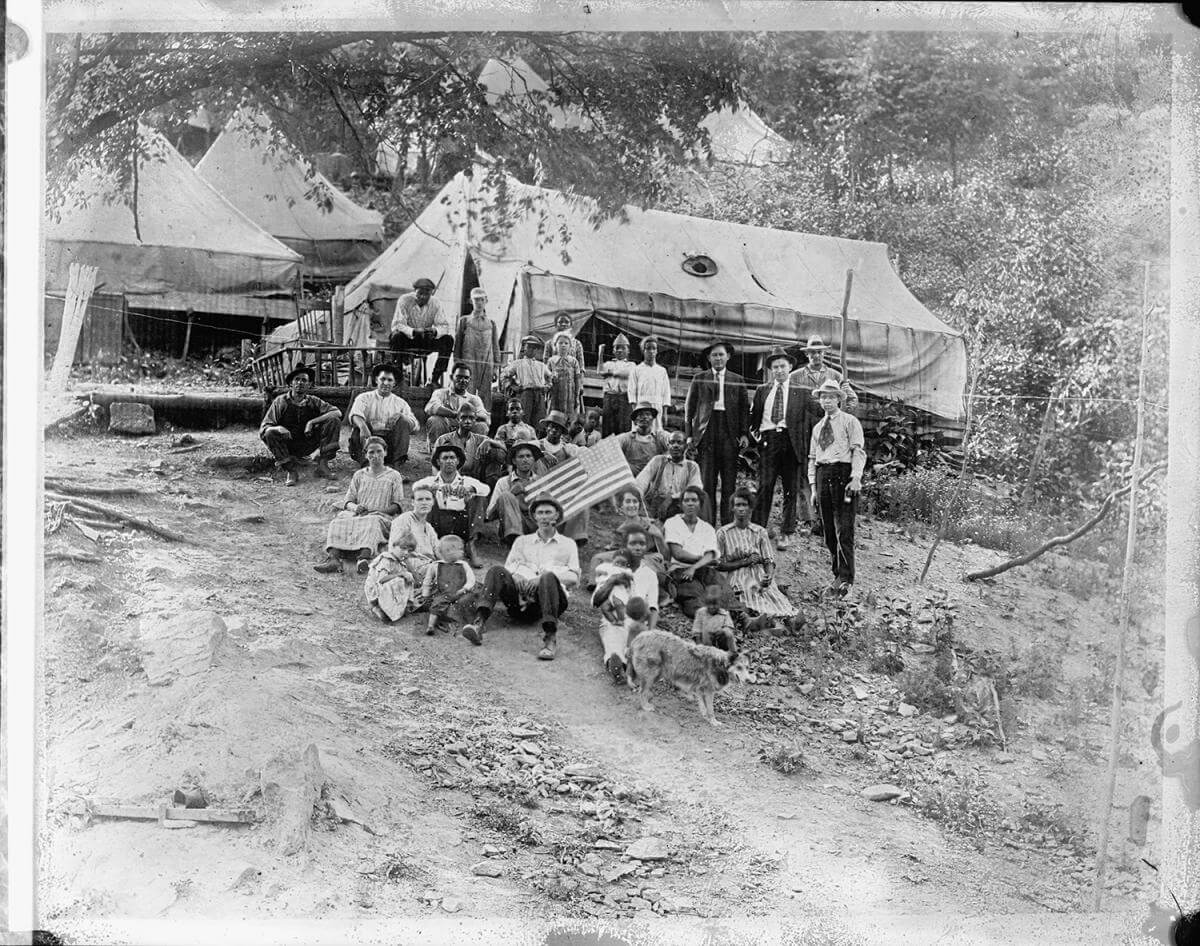
Stoll directs special attention—and some of his most blistering critique—to the ideologues of capitalist modernity, those self-interested promoters of the benefits of wage labor, efficiency, discipline, and "productive" (i.e., profitable for them and their kind) use of the land. Declaring makeshift agricultural practices a miserable, impoverished throwback that impeded the self-evidently desirable processes of modernization, "Atlantic elites" gradually appropriated the means of subsistence of mountain farmers, then pronounced them miserable and poor. This critique of dominant ideology forms an important bridge toward Stoll's larger purpose in Ramp Hollow, which is to defend the integrity of peasants and the viability of their agricultural practices—when not disrupted by various "development" schemes—all over the world. Indeed, the book begins in West Virginia and ends in West Africa, where Stoll decries the contemporary enclosure movement whereby governments are dispossessing entire peasant villages by transferring "idle" common lands to corporations that produce agricultural commodities for global markets.
Reviewers typically feel an obligation to register a complaint or two about a book, and I am no exception. I was disappointed by Stoll's lack of attention to gender relations and the gendered division of labor, especially in view of his definition of the makeshift agricultural economy as a household mode of production. Although he acknowledges that the agrarian household was a "coercive institution" (216), what he means by that is the authority of patriarchs over their children, who "owed their families a certain term of labor before gaining the right to strike out for themselves" (216). Neither patriarchal authority over wives nor the fact that daughters never gained "the right to strike out for themselves" seems to occur to him. Consistent with his Marxist analytic (and neglect of Marxist-feminism), Stoll focuses exclusively on class relations; in the context of coal camps, this includes analyzing the contradictory role of the household garden as a means to lower the cost of miners' and their families' social reproduction (and thus wages) as well as potentially sustain them during strikes. The labor in those gardens, as in social reproduction more generally, remains unexplored.
To its great credit as a work of history, Ramp Hollow is unusual in its direct relevance to contemporary politics. This is true for not only areas of the world where land grabs and enclosures proceed apace, but also central Appalachia, where the struggle to envision and create post-coal—and potentially "post-capitalist"—futures is ongoing. In his final chapter, Stoll offers a "thought experiment" in the form of "The Commons Communities Act" (272–274), which proposes publicly-owned commons, complete with a variety of incentives and protections for those who live there, each with an ecological base sufficient to sustain residents through "hunting and gathering, cattle grazing, timber harvesting, vegetable gardening, and farming" (272). Although his proposal is understandably crafted for rural contexts, given Stoll's concerns throughout the book, the commons is not necessarily so. Indeed, the argument that different forms of public commons may be key to the reinvigoration of civic life and the prospects for democratic, place-based economies seems to be spreading.6See Herbert Reid and Betsy Taylor, Recovering the Commons: Democracy, Place, and Global Justice (Urbana and Chicago: University of Illinois Press, 2010); Kathryn Newfont, Blue Ridge Commons: Environmental Activism and Forest History in Western North Carolina (Athens: University of Georgia Press, 2012); and George Monbiot, Out of the Wreckage: A New Politics for an Age of Crisis (New York: Verso, 2017). Regardless of the specifics of such proposals, they reinforce Stoll's overarching argument: capitalist hegemony is not inevitable, and collective access to land is key to the future of Appalachia.
About the Author
Barbara Ellen Smith is professor emerita at Virginia Tech and a member of the editorial board of Southern Spaces. She has long studied and participated in economic justice movements in Appalachia.
]]>Review
On June 19, 1911, the quiet evening descending on Thorndale, Texas, shattered suddenly when a group of men exiting a saloon attacked a youth they found whittling wood. Eyewitnesses reported that the saloon's owner grabbed fourteen-year-old Antonio Gómez and tossed him to the street. As a crowd closed in around Gómez, he defended himself and fatally stabbed the man striking him. Enraged that Gómez's age made his legal execution impossible, a mob decided to lynch him after first dragging him through the streets by a chain fastened around the boy's neck.
Nicholas Villanueva, Jr. contributes to the emerging scholarship on Anglo mob violence against ethnic Mexicans in the United States in this concise, well-written book. While in Forgotten Dead, William D. Carrigan and Clive Webb show the breadth of anti-Mexican violence in the US West between 1848 and 1928, Villanueva details what this meant for targeted individuals.1William D. Carrigan and Clive Webb, Forgotten Dead: Mob Violence against Mexicans in the United States, 1848–1928 (New York: Oxford University Press, 2013). In particular, he examines Anglo attacks against Mexicans in the 1910s, the decade of the Mexican Revolution. Not limiting his account to civilian attacks, Villanueva contends that "law officers acting as jury, judge, and executioner acted beyond their authority," thereby lynching for the state (6).
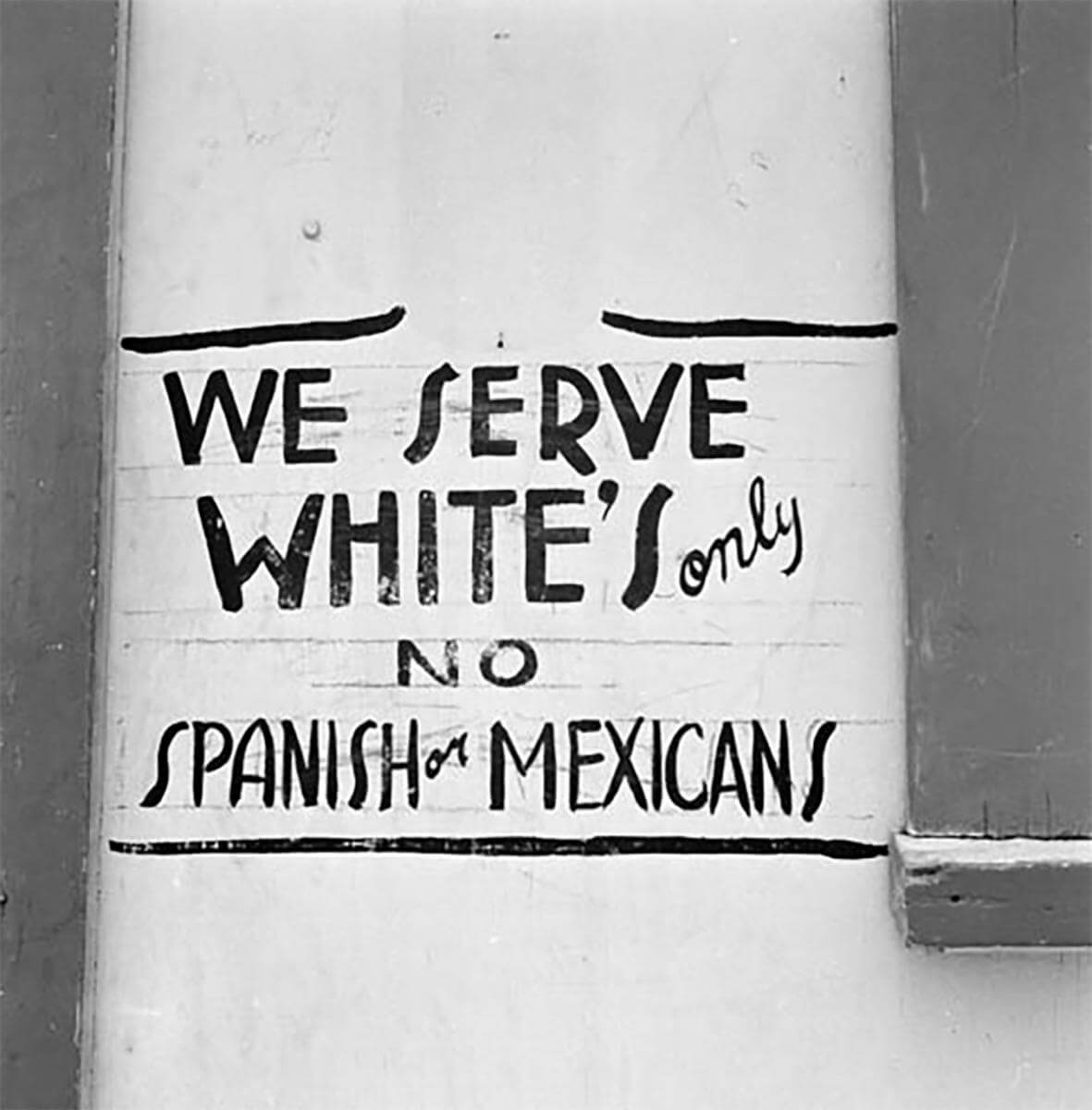
If mobs lynched African Americans for alleged offenses that challenged white supremacy, Villanueva argues that Anglos lynched Mexicans to police "citizenship and sovereignty" (5). Although Mexican Americans were "white by law" since 1848 when the Treaty of Guadalupe Hidalgo granted citizenship to the Mexican inhabitants of the newly acquired territory, Anglo immigrants to Texas viewed Mexicans as "greaser[s]," undeserving of equal rights (11). Unable to impose Jim Crow policies on Mexican Americans legally, a less formal "Juan Crow" pattern of prejudice emerged (33). In 1893 and 1905, Texas passed a series of English-only laws that paved the way for the segregation of Mexicans in public schools. Outraged over the unequal treatment of their children, Mexican Americans in San Angelo protested, asserting their rights as US citizens. In an early example of non-violent protest that would characterize later civil rights efforts to desegregate the classroom, Mexican families withheld the names of their school-age children from federal census takers to deny money to a system that discriminated against them. Rather than accept Juan Crow, Mexican Americans advocated for their civil rights and boycotted separate and unequal schooling (37). Their protests made headlines across the state, but international events derailed the effort and plunged the borderlands into the deadliest decade in the state's history.
In a series of case studies Villanueva makes clear that violence against Mexicans in Texas must be understood in a borderlands context, with events in one country affecting race relations in the other. The Mexican Revolution of 1910 played out transnationally, with leaders hiding in exile in Texas, and sedicioso raiders striking US settlements along the border. News reports of attacks on Anglos in Mexico fueled anti-Mexican sentiment in the United States. In November 1910, an Anglo mob in Rocksprings, Texas, stormed the jail and seized Antonio Rodríguez. Claiming that the young migrant worker had raped a white woman, the mob doused him in oil and burned him alive. Anti-American riots broke out across Mexico following news of the lynching and further fueled anti-Mexican sentiment in the borderlands. Anglo Texans viewed refugees of the Mexican Revolution—mostly poor, dark-skinned, working class people—as potential enemies whom they felt free to attack. These changing demographics occurring in the midst of international tensions exacerbated racist fears and help to explain why approximately 20 percent of the documented lynchings of Mexicans in the United States occurred between 1910 and 1920 (6).
Villanueva's boldest argument is his consideration of state-level forces in Texas as lynchers. In 1911, an Anglo mob surrounded the west Texas jail holding Leon Martínez, Jr. Believing him guilty of murdering a young white school teacher, the local sheriff demanded the fifteen-year-old confess or be turned over to the mob outside. Martínez confessed, but asserted his innocence after the mob dispersed. Despite efforts by Mexican American advocates and the Spanish language press, the Texas justice system refused to consider the circumstances which led to the confession and executed the young man in 1914. Villanueva makes a compelling argument for Martínez's coerced confession as a state complicit "legal lynching" (80). In examining another incident—a murderous village assault—Villanueva stretches this argument.
On January 28, 1918, an armed group of Texas Rangers and Anglo ranchers entered El Porvenir, a community of approximately 140 ethnic Mexicans deep in the Big Bend. Accusing the inhabitants of sheltering raiders who had attacked an Anglo ranch, the strike force searched the village. Upon the discovery of two firearms and a pair of boots similar to ones reported stolen, officers led fifteen of the villagers, Mexican Americans, and Mexican refugees away and shot them. The men killed that night ranged in age from sixteen to seventy-two.
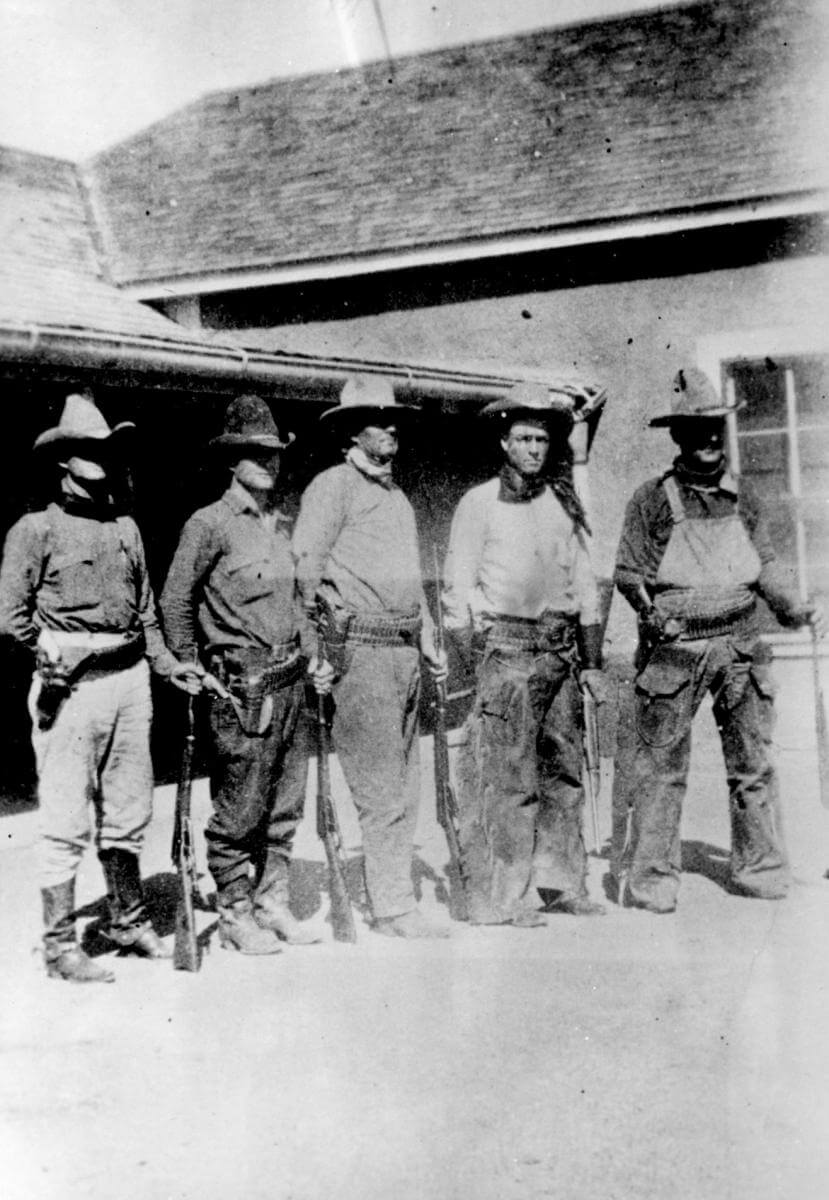
In labeling state attacks as lynching, Villanueva goes further than his predecessors. Chicana/o and borderlands historians have well-documented the institutional racism of the Texas Rangers and their role as state enforcers of white supremacy.2Miguel Antonio Levario, Militarizing the Border: When Mexicans Became the Enemy (College Station: Texas A&M University Press, 2012), 17; and Américo Paredes, With His Pistol in His Hand: A Border Ballad & Its Hero (Austin: University of Texas Press, 1958), 24. Other historians have considered this police force's attacks as state-sanctioned violence.3Gary Clayton Anderson, The Conquest of Texas: Ethnic Cleansing in the Promised Land, 1820–1875 (Norman: University of Oklahoma Press, 2005), 7; and Benjamin Heber Johnson, Revolution in Texas: How a Forgotten Rebellion and Its Bloody Suppression Turned Mexicans into Americans (New Haven: Yale University Press, 2003), 168. Villanueva classifies the Texas Rangers as part of a posse of "jingo bandits," whom he defines as "persons who attack a community or a group of people without a warrant, and who punish their victims through extralegal measures" (123). These "bandits," however, wore badges which shielded them of their crimes. Disavowing Texas's sanction of the attack, the state's adjutant general James Harley asked for the resignation of the Ranger captain responsible for the massacre and discharged all officers involved. Although an investigation exonerated the victims of any crimes, no law enforcement officer or member of the posse who took part in the atrocity faced charges for the murders.
In detailing the suffering that individuals and communities endured, Villanueva treats his subjects with care, ensuring that readers regard the victims as human beings rather than statistics. Scholars of lynching looking for a comparative analysis of racial violence against ethnic Mexicans with other groups should look elsewhere. Villanueva's work fills a gap in unapologetically Mexican American and borderlands scholarship. Although high school and college history textbooks mention mob attacks against African Americans, US textbooks fail to admit similar assaults against Latinx people. In providing a substantive and unflinching examination of mob violence a century ago, The Lynching of Mexicans in the Texas Borderlands gives much needed context to the contemporary demonization of ethnic Mexicans implicit in current cries for "border security."4Matthew Haag, "Border Patrol Agent Killed in Texas in What Senator Calls an Attack," New York Times, November 19, 2017, https://www.nytimes.com/2017/11/19/us/border-patrol-killed-texas.html.
About the Author
George T. Díaz is an assistant professor of history at the University of Texas Rio Grande Valley where he teaches courses on United States, Mexican-American, and borderlands history. His first book, Border Contraband: A History of Smuggling across the Rio Grande, was published by the University of Texas Press in 2015.
]]>Introduction
At present, the people of Appalachia continue to endure the contraction and retreat of extractive industry with little more than big-box retail for employment. They work for local hospitals and county governments at a time when both depend on a withering tax base. Many residents hunt, fish, and garden to make up the shortfall in their household incomes. The Appalachian Regional Commission has not come up with a solution; neither has the leadership of the United States. It seems unlikely, though I would not say impossible, that corporations will show up in southern West Virginia or eastern Kentucky and open factories and offices. I wrote the Commons Communities Act after months of thinking about how the people of the southern mountains might find work with dignity, working for themselves and their families without owing their existences to corporations. I thought that government could help to solve this problem and do what it should do: stand between citizens and the power of capital.
It is difficult to find anything Appalachians have gained by voting for Republicans. Yet a majority in every county in West Virginia voted for Donald Trump in 2016. His promise to revitalize the coal industry lacks a footing in reality. Sensing this, one voter gave him a desperate endorsement, saying, "He's the only shot we got." If Trump studies West Virginia's congressional delegation, he might conclude that he doesn't need to do very much. But the people can do better than that. They can make their representatives justify the trust placed in them. They can demand more of their government. They can assert a right to land and livelihood and reparations from the corporations that used and abused them for so long. Maybe that can be the basis for a positive political identity.1For an argument in favor of collective identities in the service of an ethical politics, see Critchley, Infinitely Demanding. I have especially learned from David Whisnant's "Developments in the Appalachian Identity Movement," which though published in 1980 still resonates. "At its worst . . . regional identification is an isolationist impulse." He deconstructs an essentialist mountain identity. And yet, "The political value of regional identity lies in its usefulness as a basis for broad solidarity and coalition." Whisnant, David. "Developments in the Appalachian Identity Movement: All is Process." Appalachian Journal 8, no. 1 (1980): 41–47.
I favor democratic socialism and a reinvention of the nation-state as a conduit for meeting human needs rather than for accumulating capital. I also favor a realm of democratic autonomy, and that might have more political traction. If Congress and the president can cooperate, such a realm can exist as a function of the United States itself. But it can also exist outside of centralized government, sponsored by West Virginia or Kentucky or Tennessee. Or people can do it themselves, by squatting on abandoned land and defending their right to the commons.2In the words of two historians, "Making visible activities that neoliberalism renders invisible expands the range of ideas for producing social livelihoods and economic development." Amanda Fickey and Michael Samers, "Developing Appalachia: The Impact of Limited Economic Imagination," in Studying Appalachian Studies: Making the Path by Walking, ed. Chad Berry, Phillip J. Obermiller, and Shaunna L. Scott (Urbana: University of Illinois Press, 2015), 123.
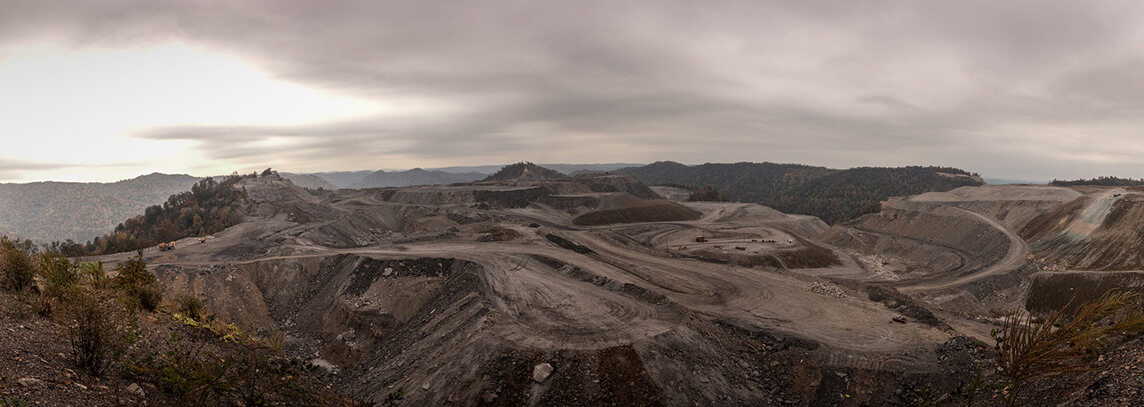
There is talk and some action regarding returning land. Various organizations have held public meetings to elicit policies directly from citizens. Even Congress is thinking along these lines. In 2016, Representative Harold Rogers, a Kentucky Republican, introduced the Reclaim Act. The law would empower the Department of the Interior to distribute funds to states and Indian nations aimed at developing land in communities "adversely affected by coal mining." I would push this thinking toward creating a reconstituted commons. What if people who wished to do so lived by hunting and gardening as part of a social project that encouraged political participation? What if citizens possessed use-rights over a sustaining landscape?
Historians don't often write legislation. My attempt is consistent with the argument of this book. Consider it more a thought experiment than a ready-made policy. Any actual solution would require the knowledge of people who live in the mountains and the sponsorship of organizations and activists working on these questions. The following owes something to the New Deal economist Milburn Wilson, the geographer J. Russell Smith, the historian Lewis Cecil Gray, the Kentucky farmer and writer Wendell Berry, and also to Mahatma Gandhi, Lewis Mumford, and E. F. Schumacher.3Appalachian Voices is one such organization. The Reclaim Act is H.R. 4456, 114th Congress. Introduced in the House in February 2016. I call it . . .
THE COMMONS COMMUNITIES ACT
Whereas coal mining is diminishing in the southern mountains, leaving thousands unemployed, and whereas coal contributes to climate change and the disruption of human societies all over the world; whereas a rural policy should incorporate ecological principles with food production on a small scale, and whereas the United States once included millions of households engaged in production for subsistence and exchange; whereas when people take care of landscapes, landscapes take care of them,
SECTION 1. The United States shall create a series of commons communities, each designed to include a specified number of households within a larger landscape that will be managed by them, the residents. This landscape will provide the ecological base for hunting and gathering, cattle grazing, timber harvesting, vegetable gardening, and farming. The ecological base will be owned as a conservation easement or land trust under the authority of the states and/or counties where each community resides.
SECTION 2. Commons communities would be organized according to the design principles developed by the economist Elinor Ostrom, who was awarded the Nobel Prize in Economic Sciences in 2009 for her work on the economic governance of common resources. Each community shall include well-defined boundaries and members. Each will devise rules for appropriation suitable to the environment, along with sanctions and penalties for those who violate the rules and take too much or otherwise abuse the resource. Each must establish a means of conflict resolution and governance. In the event that residents need to sue the community or other residents, they would use the county, state, or federal courts.4Ostrom (1933–2012) shared the Nobel Prize with Oliver E. Williamson. The act would rely on Ostrom's Governing the Commons: The Evolution of Institutions for Collective Action (Cambridge: Cambridge University Press, 1990). For design principles, see pages 90–101.
SECTION 3. Commons communities will not be limited to Appalachia but could be established anywhere a sufficient ecological base exists, including the outskirts of cities and suburbs. This law must not be construed to favor one location or ethnic group.
SECTION 4. Social services and education will be paid for by an income tax on the top one percent of household incomes in the United States and an Industrial Abandonment Tax, attached to any corporation that closed its operations in any city or region of the United States within the last twenty years of the date of this Act and moved elsewhere, leaving behind toxic waste and poverty.
SECTION 5. Resident households with incomes under $50,000 a year will pay no federal income tax. Residents will own their own homes, paying for them with low-interest mortgages and a $1.00 down payment.
SECTION 6. No nonresident, trust, or corporation is permitted to purchase property in a commons community.
SECTION 7. The organization of commons communities will proceed through the Department of Agriculture. The Department will initiate the identification of suitable lands for condemnation by eminent domain or land already owned by counties, states, or the United States. The Department will determine how much land is needed to sustain a given number of residents.
SECTION 8. Allied Programs.
SUB-SECTION A. Income tax incentives will encourage teachers and medical doctors to live in commons communities and work in the schools and nearby hospitals.
SUB-SECTION B. College-age members of any commons household may apply for free tuition at their state university. Tuition shall be paid for by the Industrial Abandonment Tax.
SUB-SECTION C. Commons communities will receive special programs intended to link them to the Internet. Cooperation between communities will incorporate schools, artists and writers in residence, and scientists engaged in the study of the environment. This Act provides funds for the publication of a journal or magazine of commons life to be written and published by the residents of the various communities.
SUB-SECTION D. Another program will link gardeners with markets for their produce, including grocery stores and restaurants. Proceeds from this Market Garden Initiative will not be subject to state or federal income tax.
SUB-SECTION E. University experiment stations in every state where commons communities exist will send representatives to teach the latest methods of garden production, with the approval and consent of residents.
SECTION 9. If the members of a commons community no longer wish to be associated with the federal government, they may become independent at any time with a majority vote consisting of two-thirds of adult residents, at which time all federal programs associated with this Act will cease. Ownership of the commons would not change and residents would keep their homes.
The act might look like Arthurdale and the Division of Subsistence Homesteads all over again. But it has no factory, no originating debt, and no presumption that people must subsist entirely from gardens. It emphasizes scientific conservation, cultural expression, entrepreneurship, and democracy. It would not prevent any resident from earning money in any job or profession. Some within Appalachia might object to the participation of the federal government. But government can do things that communities cannot by themselves, like purchase land, relieve taxes on citizens and levy them on corporations, advance citizen participation, and pay for college. Government can help the residents of commons communities remain connected to the wider world of economic opportunity and political participation. But the act allows for its own dissolution. Residents would have the authority to end the government's participation and keep their gains.5On corporate subsidies, Niraj Chokshi, "The United States of Subsidies," Washington Post, March 18, 2015, www.washingtonpost.com/blogs/govbeat/wp/2015/03/17/the-united-states-of-subsidies-the-biggest-corporate-winners-in-each-state/?utm_term=.314361798972.
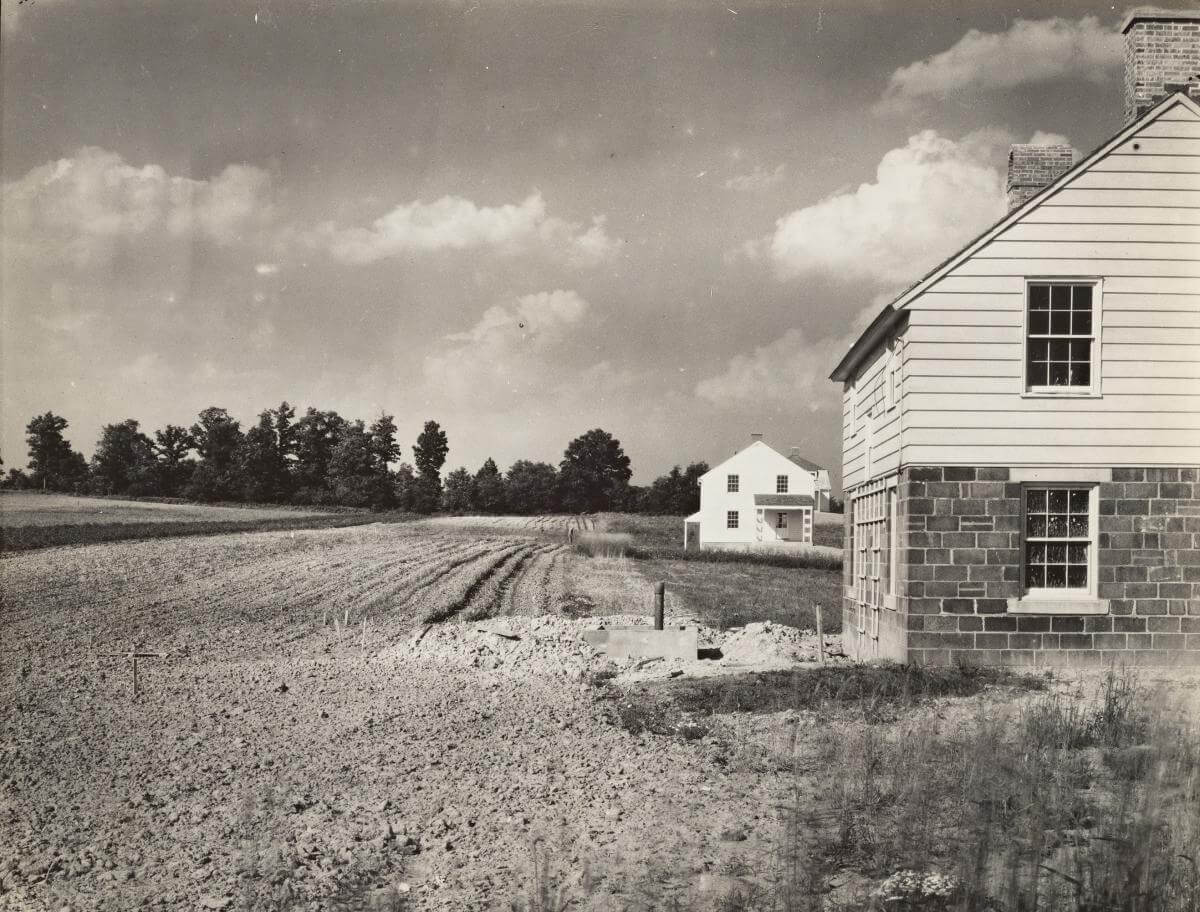
Top, View of Arthurdale project, Reedsville, West Virginia, 1935. Photograph by Walker Evans. Courtesy of the New York Public Library Miriam and Ira D. Wallach Division, digitalcollections.nypl.org/items/96818680-baca-0132-6504-58d385a7b928. Bottom, Homes and land cultivation, Arthurdale project, Reedsville, West Virginia, 1935. Photograph by Walker Evans. Courtesy of the New York Public Library Miriam and Ira D. Wallach Division, digitalcollections.nypl.org/items/94ba4f90-baca-0132-01de-58d385a7b928.
The act seeks to preserve and encourage a makeshift economy that has been practiced for two centuries among mountain farmers, as well as among people in other parts of the United States. Readers in New York, Chicago, or Los Angeles might not appreciate the extent to which rural Americans depend on forests and other environments for food and cash. In the 1980s, Timothy Lee Barnwell photographed and interviewed Appalachians who practiced agrarian economy. Charlie Thomas of Bush Creek, North Carolina, said, "Even when I was growing up we raised almost everything we ate. You'd buy a little coffee if you wanted it, but we never drank it, and buy or trade for what sugar you needed, and we used honey for that. We've always kept bees for our own honey." A series of interviews conducted in southern West Virginia during the 1990s is now part of the Library of Congress. "People around here . . . on Coal River, just about every one of them does the same thing," explained Dave Bailey. "They pick the grains, they pick the black berries, they fish, they hunt . . . they get the molly moochers [the morchella or morel mushroom] . . . They do that, their kids is going to do it, their grandkids is going to do it, and that's the way it is on Coal River." Others interviewed detailed their extensive knowledge of trees and plants. None of these West Virginians need the Commons Communities Act to continue living as they always have, from whatever forested commons they can still find. The act is meant to promote this social ecology. By combining land and livelihood—by fostering possession against a history of dispossession—it would reconnect communities and landscapes in a structure for sustaining both.6Tim Barnwell, The Face of Appalachia: Portraits from the Mountain Farm (New York: W. W. Norton, 2003), 121, 122, 126. The project is Tending the Commons: Folklife and Landscape in Southern West Virginia in cooperation with the Coal River Folklife Project and the American Folklife Center at the Library of Congress. Dave Bailey interviewed by Mary Hufford on April 12, 1996 (AFC 1999/008), http://hdl.loc.gov/loc.afc/afccmns.104007; Virgil Jarrell interviewed by Mary Hufford on May 23, 1996 (AFC 1999/008), http://hdl.loc.gov/loc.afc/afccmns.117004.
The political economy of the act combines private and communal property. Residents may buy and sell their homes, pass them to the next generation, and do anything else with them permitted by local law. They would act differently in their role as managers of common woods and waters. Economists have rarely understood the logic of collective use. The most common argument says that every user has an incentive to cut every last tree, shoot every last large-bodied mammal, and let his cattle graze every last acre of wild meadow, leaving nothing for anyone else. The forest is reduced to stumps; the high meadow is overrun with thistle. This is the misleading parable of the "Tragedy of the Commons," most famously described by the biologist Garrett Hardin in 1968.7Garrett Hardin, "The Tragedy of the Commons," Science 162 (December 13, 1968): 1243–48.
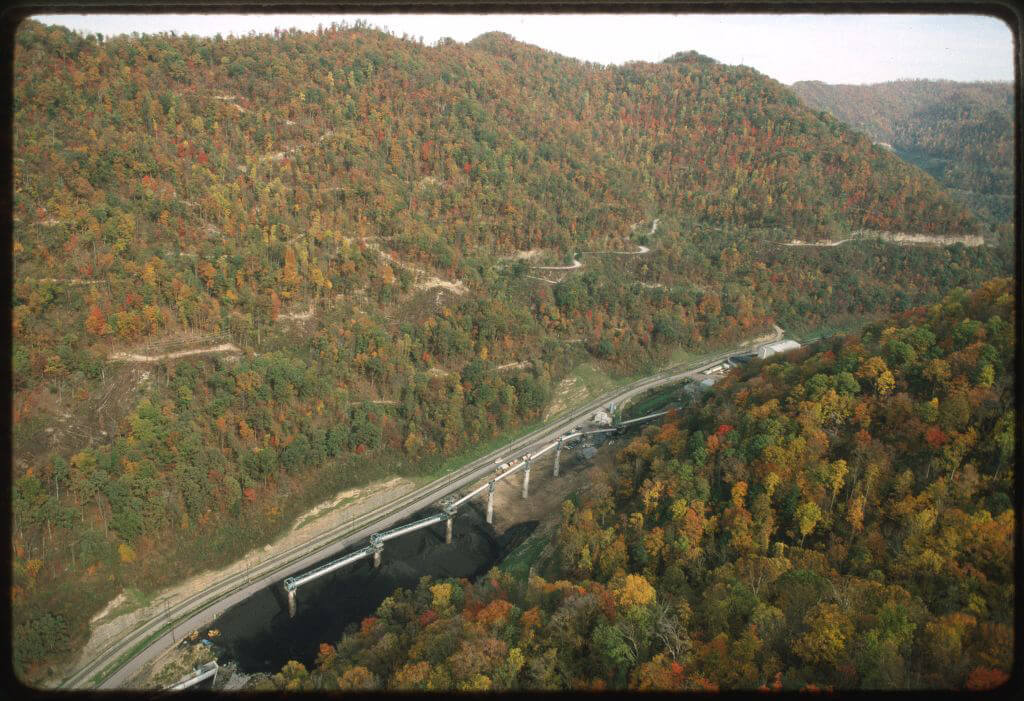
Hardin based his model on a self-serving conception of human nature. His essay has nothing to do with how actual people govern actual shared resources, cases that Hardin seems to have known little about. His first mistake was to think that a commons is a free-for-all. No such set of resources is open to everyone, but only to members, defined in various ways. Consider the forests of New England in the nineteenth century. Colonial towns owned them and controlled access, allowing some to cut trees and others to hunt and fish with permission. Lobster fishermen in Maine operate according to their own rules and institutions, with little government involvement, resulting in one of the most successful fisheries in the world. But they decide who can and cannot benefit. Thus everyone who depends on common property has an incentive to maintain it. This is not to say that everyone is always satisfied. Community management requires governance to mediate disagreement and limit the consequences of conflict. The point is that it's simply not true that common property always degenerates into scarcity.8According to Richard Judd, "These local common resource regimes established two central principles for the emerging New England conservation tradition: communities bore collective responsibility for managing their resources in a productive fashion, and they were to allocate these resources equitably." Judd, Common Lands, Common People: The Origins of Conservation in Northern New England (Cambridge, MA: Harvard University Press, 1997), 7–8, 41–45; James Acheson, Capturing the Commons: Devising Institutions to Manage the Maine Lobster Industry (Hanover, NH: University Press of New England, 2003), 206; Allan Greer, "Commons and Enclosure in the Colonization of North America," American Historical Review 117, no. 2 (April 2012): 365–86.
But Hardin cannot be dismissed altogether. His fable reasonably describes resources that no group can manage, like the open ocean and the atmosphere. And not all collective uses of land have succeeded. (In fact, we know very little about how the functional forest commons fared in West Virginia, how well users governed themselves.) Without regulations and penalties, without clear borders and firm institutions, they can result in devastation. This is why Elinor Ostrom studied them—to figure out why some failed and others thrived.9Kathryn Newfont, Blue Ridge Commons: Environmental Activism and Forest History in Western North Carolina (Athens: University of Georgia Press, 2012), 276.
We all live in communities. In a sense, no one really lives in the United States but in neighborhoods, towns, and counties. Strengthening those bonds within environments that allow for economic autonomy seems like a way of creating space between people and the nation-state. It might also offer a way to endure during times of climate disruption, when the United States might not be capable of compensating for any number of possible disasters. The Commons Communities Act proposes land reform and collective governance. It proposes nothing new, but rather something very old, a sense of ownership without the enclosure and the abuse of power characteristic of private property.10Ibid.
And yet, I have my own objections to the Commons Communities Act. Small-scale development programs appeared decades ago, with mixed results. The same reformers and intellectuals who rediscovered the small town and the Indian pueblo during the New Deal urged communitarian approaches all over the world. But these schemes harbored certain false assumptions, well described by the historian Daniel Immerwahr. Development agencies believed that the members of a village acted from shared principles and that local elites would fairly apportion money entrusted to them. But villages in the Philippines and India turned out to be more complicated—and divided—than the sanguine Americans had thought. Immerwahr suggests another problem. When a nation-state invests in a community, where does its influence end? What role would the United States play in a commons community?11Daniel Immerwahr, Thinking Small: The United States and the Lure of Community Development (Cambridge, MA: Harvard University Press, 2015).
The act might also be criticized for shunting the problem of industrial abandonment onto the poor, just like the Division of Subsistence Homesteads. In this way, it seems like a neoliberal policy intended to reduce the cost of state services and lower taxes on the rich. And while under the act the corporations that caused so much human and ecological ruin would be required to pay for houses and schools, this doesn't change or challenge a political economy in which humans and environments serve as inputs in the circulation of capital. For corporations, compensating for social destruction is merely part of the cost of doing business. Eliminating these contradictions so that citizens benefit would require a government and a set of laws dedicated to human welfare.
The act includes scholarships so that the children of Appalachian households might attend college, but it does not come close to addressing the larger cultural problem of why high school kids in Appalachia often don't apply. In Hillbilly Elegy (2016), J. D. Vance eloquently explains why it's so difficult for Appalachians to find a way out of unemployment and improve the quality of their lives. Some see themselves as different from those outside their families or counties. People in other parts of the country view them harshly, with many of the same racialized stereotypes present a century ago. All of this makes geographic and social mobility difficult. Vance's own story suggests that a strong mentor with the capacity to see beyond limited local opportunities can overcome self-defeat. Vance's mentor was his grandmother. "She didn't just preach and cuss and demand. She showed me what was possible . . . and made sure I knew how to get there." Her home provided Vance stability and peace, "not just a short-term haven but also hope for a better life."
Vance got out. He graduated from Ohio State University, the Marines, and Yale Law School before joining a Silicon Valley investment firm. But his very success implies the depth of the problem he confronted. The most unsettling currents in Hillbilly Elegy lie in the necessity of leaving and in its emphasis on a strong and uncompromising grandmother. If meaningful work and a decent occupation only exist elsewhere, then most Appalachians will be abandoned. If escape depends on someone who rises above despair and abuse, then most will be stuck. The role of public policy and a political solution to poverty is to attempt to help everyone in the same situation rather than rely on extraordinary circumstance and plain luck to produce successful individuals. Vance's book is inspiring as a memoir, but it might be construed as saying that the tragedy of Appalachia is the sum of its individual failings or the insularity of its families.12J. D. Vance, Hillbilly Elegy: A Memoir of a Family and Culture in Crisis (New York: Harper Collins, 2016): 148–49, 206. Domestic violence, drug abuse, and hopelessness on such a scale have social causes. They require solutions that do not place the burden on the sufferers themselves to transcend their circumstances.
About the Author
Steven Stoll is a professor of history at Fordham University and the author of The Great Delusion (Hill and Wang, 2008) and Larding the Lean Earth (Hill and Wang, 2002). His writing has appeared in Harper's Magazine, Lapham's Quarterly, and the New Haven Review.
]]>
Whenever the concepts of diaspora and indigeneity come together, scholars tend to ascribe oppositional power to them. Diaspora implies transnational if not global movement, displacement, and attenuation while indigeneity connotes originality, belonging, and rootedness. In drawing together diaspora and indigeneity to compass the complexities and ambiguities of indigenous peoples' lives, scholars of indigenous diasporas have closed the gap between the two concepts. They suggest that in spite of diasporic indigenous persons' relationships to multiple places—a lost homeland, a current abode, a far-away site of work—and to multiple identities—clan, tribal, historical, racial, and political—diasporic indigenous peoples can and do remain rooted in common memories, traditions, and pasts.1William Safran, "Diasporas in Modern Societies: Myths of Homeland and Return," Diaspora 1 (July 1991): 83–99; Michele Reis, "Theorizing Diaspora: Perspectives on 'Classical' and 'Contemporary' Diaspora," International Migration 42 (June 2004): 41–60; Robin Cohen, Global Diasporas: An Introduction (Seattle: University of Washington Press, 1997); Rogers Brubaker, "The 'Diaspora' Diaspora," Ethnic and Racial Studies 28 (January 2005): 1–19; Paul Burke, "Indigenous Diaspora and the Prospect for Cosmopolitan 'Orbiting': The Warlpiri Case," Asia Pacific Journal of Anthropology 14 (August 2013): 304–7; James Clifford, "Indigenous Articulations," Contemporary Pacific 13 (Fall 2001): 470–72, 478–79; Robin Delugan, "Indigeneity across Borders: Hemispheric Migrations and Cosmopolitan Encounters," American Ethnologist 37 (February 2010): 41–2.
Gregory D. Smithers's The Cherokee Diaspora offers one of the first diasporic studies of Native North America. The idea of diaspora allows Smithers to remove Cherokee history from the usual linear settler/colonial paradigm that frames the subject and to instead address long and recurring cycles of Cherokee dislocation, movement, and coalescence. The problems that beset any diasporic people—a sense of belonging, of identity, and of home—have confronted Cherokees for centuries. How they responded to such challenges has varied over time as sense of self and place shifted from the sacred fires that centered each town in the eighteenth century to engagement with the federal government's so-called "civilization" policy in the early nineteenth century, to the valorization of blood quantum later in the nineteenth century, to federal law and competing indigenous notions of what it means to be Cherokee today. While such different formations enabled Cherokees to maintain a sense of peoplehood, there was often little agreement over who counted across time and space as a Cherokee. Contests over Cherokee identity became an insistent theme, but, Smithers concludes, one basic determinant above all others has defined being Cherokee since the 1830s: their shared history of expulsion from an ancestral homeland and their arduous and deadly forced march to the West along what is known as the Trail of Tears.
Scholars have wrestled with how to interpret and depict the cyclical unity of time, space, and place that gives indigenous peoples powerful identities and senses of place.2William Cronon, Changes in the Land: Indians, Colonists and the Ecology of New England (New York: Hill and Wang, 1983); Keith H. Basso, Wisdom Sits in Places: Landscape and Language Among the Western Apache (Albuquerque: University of New Mexico Press, 1996); James Taylor Carson, "Ethnogeography and the Native American Past," Ethnohistory 49 (Fall 2002): 765–784; Robbie Ethridge, Creek Country: The Creek Indians and Their World (Chapel Hill: University of North Carolina Press, 2003). Smithers makes a promising start when he grounds his study in two Cherokee sensibilities, tohi and osi, which embody notions of flow, equanimity, and power. An individual's actions always implicate him or her in the flow of the world, posing a constant challenge to remain balanced and to flow well (53–4). By setting in motion a space where people flow, where rivers and mountains are alive, where the East is associated with the beginning of life and the West with its inevitable end, Smithers embeds Cherokees within a cosmological space that holds great promise as an interpretive entry into their past.
Such an auspicious spatial framing wanes over the course of The Cherokee Diaspora. As Smithers' explication of diaspora and modern identity becomes unmoored from the senses of space and place that tied them with great depth and specificity to their ancestral homeland, what remains is a fairly conventional narrative of post-removal Cherokee history. Cherokees, however, had emerged from the earth, their mother. What we gloss as trees, rocks, mountains, springs, streams, animals, and plants knit the Cherokees' knowledge of the world and its origins into a tight narrative that informed everything: how a child should behave, how to make a medicine, how to achieve peace. They were not people who inhabited a natural world; instead, the Cherokees were so implicated within the workings of the world that their lives played out in a complex mixture of time, space, and place that can be neither imagined nor perceived when disaggregated. The text also neglects a register of the profound, unexplored impact of losing their homeland. Loss of place often triggers drastic transformations in a sense of past, self, and future. Reconstituting themselves in Indian Territory was not just a struggle to resettle, build new homes, plant new gardens, and learn about new weather patterns. It demanded a reimagination of who the Cherokee were, how they connected to the world, and how they connected to their former ancestral home—all processes that lie at the core of the diasporic experience and demand closer attention.3Andrea L. Smith and Anna Eisenstein, Rebuilding Shattered Worlds: Creating Community by Voicing the Past (Lincoln: University of Nebraska Press, 2016), 3–4, 11–13.
In a longer history, Cherokees arrived in the southern Appalachians about four-thousand years ago, having left their Iroquoian homeland, which itself was once a place of arrival for ancestors thousands of years before. The Cherokee diaspora that concerns Smithers began at the end of the American Revolution when a handful of prescient leaders in mountain towns of what is today Tennessee, Georgia, and North Carolina ascertained that the long knife republic was not going to abide by borders negotiated by the crown they had just overthrown. In anticipation of this invasion, Cherokees began to head west in search of places to ensure that they could remain in flow and balance. Over the following decades many more followed while others headed for the Mexican province of Texas in search of respite from Anglo-American encroachments. By 1830, Texas Cherokees numbered several hundred while around five thousand western Cherokees settled in present-day western Arkansas and eastern Oklahoma. Many of the 16,500 who still inhabited their ancestral homeland in the states of Georgia, Tennessee, and North Carolina regarded their far-flung kin as either outsiders or as rivals who had abandoned them in their fight against the federal and state governments and who had turned their backs on the adoption of Anglo-American cultural norms. But when in 1838 and 1839 the US army expelled the remaining eastern Cherokees from Tennessee, with the exception of a few hundred who remained in western North Carolina, the relocation of the nation to what became known as Indian Territory was complete.
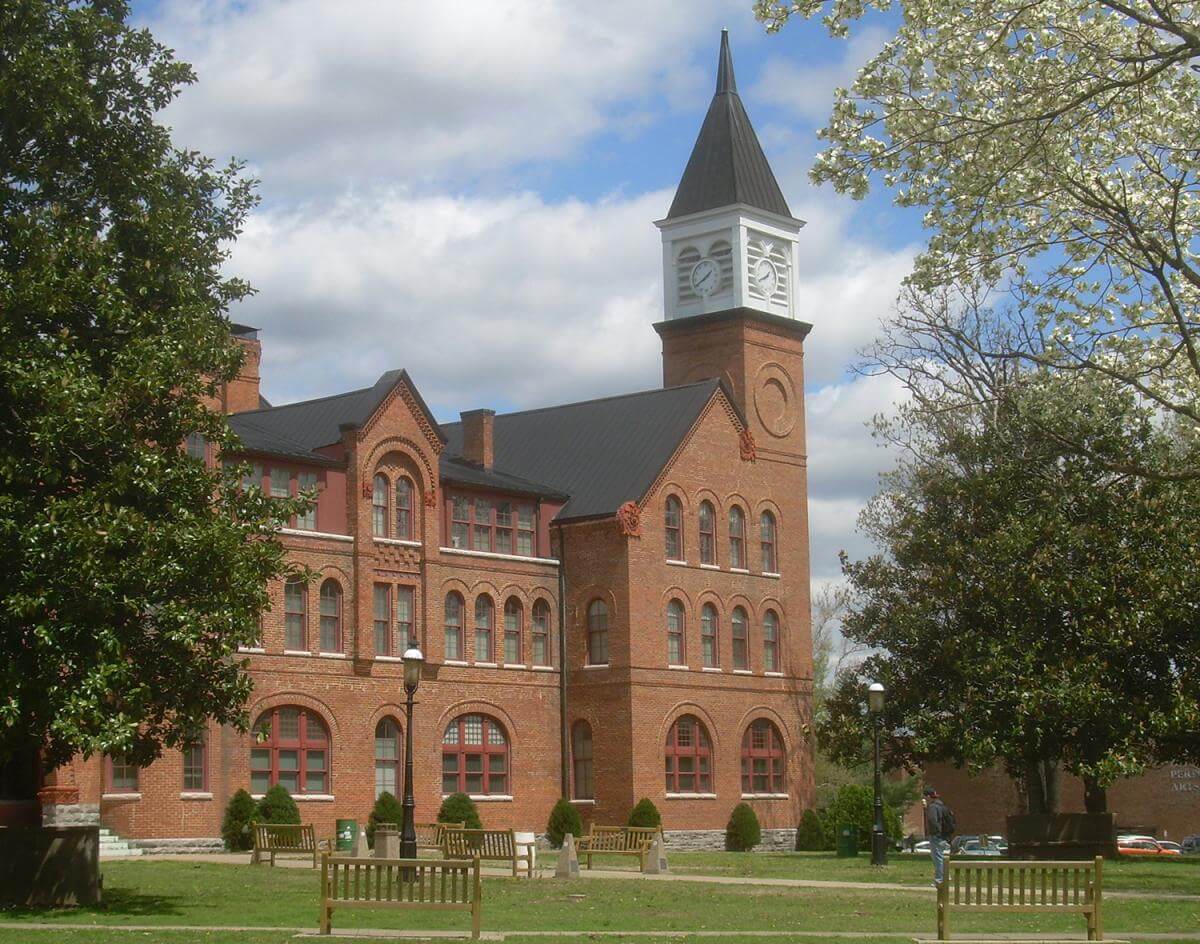
The land once home to a few thousand western Cherokees (what is today southeastern Oklahoma) transformed in the early 1840s into the site of a new nation that had to remake itself out of a population segmented by different histories of movement, identity, and resistance. In the wake of assassinations and bitter civil strife, the former leader of the eastern Cherokees, John Ross, forged a coalition in defense of their new homeland, a renewed sovereignty, and a proactive adaptation to life in Anglo-America. Over time the people who remained in North Carolina found themselves estranged from their western kin and increasingly excluded from the new nation's exclusive claims to Cherokee identity.
Two subsequent events, abolition and allotment, undermined the Cherokee identity fashioned in Indian Territory. Emancipation at the end of the Civil War created a new set of Cherokees out of the nation's enslaved population whose skin color made them anathema to most other Cherokees. The freed peoples' claims to certain legal rights and benefits hastened the nation's embrace of US racial norms and laws in order to exclude freed people from the census rolls that determined membership in the nation. Then, in the early 1900s, the federal government allotted most of the Cherokees' western land for sale to speculators and homesteaders. Allotment transformed the nation from a place that could be mapped on the ground to a space of the mind and heart that could only be felt and enacted through cultural rites, church services, and social gatherings. How Cherokees remained conscious of themselves as a people and how they reformulated a sense of self after allotment demands a deeper investigation than Smithers offers. It is unclear whether and how a sense of spatiality informed debates over who belonged and who did not. In eliminating formerly enslaved men, women, and children from the nation's rolls, Cherokees undertook a purging of collective genealogy and a restructuring of the spaces they inhabited. A different kind of removal required the political and racial separation of neighbors and kin.
Two world wars and the Great Depression further disrupted Cherokee life. Poverty, urban opportunities, and service overseas pushed and pulled Cherokees across the country as they sought belonging and work in US cities. By the 1970s, most still called Oklahoma home but thousands had sought better opportunities in California and other states. Some made it as far as Hawaii and a few even lodged applications with the Australian government. Meanwhile, the Cherokees in North Carolina had rebuilt their land base as the Qualla reserve and gained separate federal recognition to set themselves up as a second Cherokee nation.
In spite of confusing and complicated histories of dislocation, violence, and rivalry, Smithers argues that there is still a Cherokee people whose identity transcends a myriad of political, racial, and geographical divisions. Cherokees are, Smithers argues, defined by their shared diasporic experiences of the Trail of Tears. His inability to anchor consistently his interpretation in indigenous concepts of flow and propriety fails to clarify how understanding their expulsion can be usefully explored as a diaspora. At the heart of the story of the Cherokee diaspora sit the brute facts that they lost most of their ancestral homeland, were driven by force of arms from their homes, reconstituted themselves in a new homeland which they subsequently lost, and then underwent bitter struggles over who counted as a member of the nation and who did not. When held apart from specific ethnogeographic considerations, such a narrative comports well with other such studies. If, however, Smithers had probed more deeply the interdependence of peoplehood, place, and memory, and pushed his analysis back to the much earlier migration that brought the Cherokees to their southern homeland, he might have better represented the pain of expulsion from not just an ancestral homeland but from a living being that had borne and nurtured the Cherokees for millennia.
Consider the Cherokee dead, the ghosts that haunt TVA reservoirs, inhabitants of ancient cemeteries that lie beneath economic development projects, and occupants of forlorn mounds—the beings who tie the living to the past and to the land. They have stories to tell. According to notions of tohi and osi the dead are never really dead but cohabit with the living and the unborn. When real estate development and other forms of excavation disturb or destroy the Cherokee dead, Cherokee life is imperiled. The life that Cherokee ghosts enact draws time, space, and self into one conceptual and existential field, making stories about survival, endurance, hope, and belonging possible. They ensure that life continues to flow well and that Cherokees remain Cherokees and, above all else, grounded.4James Taylor Carson, "Cherokee Ghostings and the Haunted South," The Native South: New Histories and Enduring Legacies, eds. Tim Alan Garrison and Greg O'Brien (Lincoln: University of Nebraska Press, 2017), 238–62.
It is not, in the end, altogether clear how the concept of diaspora reframes the standard story of Cherokee dispossession. Lacking a deeper exploration of place and space, Smithers' interpretive angle never closes on the emotional depth and psychic pain of removal and allotment, nor does it open a view into the transformative creativity needed to remake a homeland, both real and remembered, over and over. Nevertheless, Smithers has tried something new, seeking to set the history of Native North America on a different footing that engages with broader inquiry into transnational themes of identity, memory, and history. He demonstrates that the trauma of ethnic cleansing remains today in Cherokee minds and memories and at the core of their collective identity. That such trauma reaches out across almost two centuries indicates the need to find ways to open the past so that well-worn narratives can recover some of their original power to provoke and to disturb.
About the Author
James Taylor Carson is head of the school of Humanities, Languages and Social Science at Griffith University, Brisbaine, Australia. His research and writing has focused largely on issues related to contact between European invaders and first peoples in North America. His books include Making an Atlantic World: Circles, Paths, and Stories from the Colonial South (Knoxville: University of Tennessee Press, 2007).
]]>