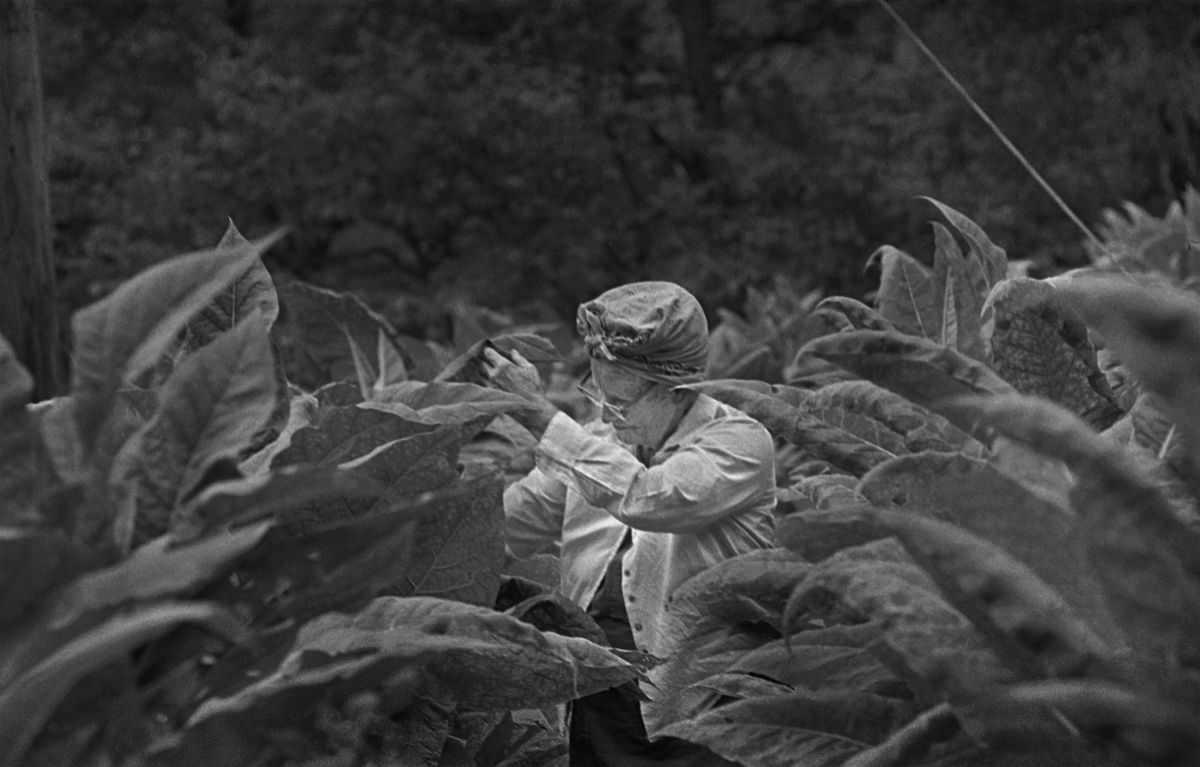
Renowned documentary photographer Rob Amberg presents in Little Worlds an inventive and utterly immersive portrait of a place, the last in a trilogy that feature his longtime home. An expansive, rural, and dramatically beautiful locale buttressed in the mountains of southern Appalachia, Madison County sits just thirty miles north of cosmopolitan Asheville, but retains a feeling of being slightly wild, even after decades of change have brought more infrastructure, modern technology, and newcomers, like myself, into its fold. Amberg traded his middle-class, suburban upbringing in D.C. for the allure of a life lived closer to the land, however difficult, uncertain, and foreign it may have seemed upon his arrival in 1973. The place enthralled him. So did the people. Two years after moving to the mountains, Amberg met Dellie Norton, a tobacco-growing, ballad-singing woman with deep ties to the area and a friendly curiosity for outsiders. That fortuitous meeting grew into a long-lasting friendship and set Amberg on a course of documenting the people and places of Madison County that he has continued, diligently.
We learn about Amberg’s introduction into Madison County in his first book, Sodom Laurel Album (2002). “Photographs can teach us to look at the very texture and feeling of life around us,” he writes and then skillfully reveals.2Rob Amberg, Sodom Laurel Album (Chapel Hill: University of North Carolina Press, 2002), xii. Through intimate photographs of Dellie, her family and neighbors, as well as the land she tended, Amberg portrays a people and a way of life awash in riptide of change. In the twenty-five years between the beginning of that project to the time it was published, most people of Dellie’s generation had passed on. People in Madison County, for the most part, no longer grew tobacco, milked cows, or gathered at country stores to socialize. Yet plenty continued to sing ballads, play instruments, and raise gardens. The culture that Dellie Norton represents, Amberg claims, “has not so much vanished as continued to evolve in new and unexpected ways.”3Rob Amberg, Sodom Laurel Album, xxii.
Amberg offers a complex depiction of Sodom Laurel and Madison County, an approach that, he admits, also evolved over time. Initially he was intrigued by the old-timers exclusively, people whose connection to the land seemed stoic and stubbornly rooted in the past. Newcomers, many former suburbanites like himself, did not interest him. Nor did he want to depict anything negative he witnessed, for fear that he would perpetuate well-worn tropes of dangerous or deranged holler-dwellers. Once he came to know Dellie Norton and her broader community more intimately, his own “preconceptions …about romantic mountaineers” faded away, and he began to tell stories of real people and places that hold lightness and darkness simultaneously, an approach that remains consistent throughout all of his work.4Rob Amberg, Sodom Laurel Album, xx.
In Sodom Laurel Album, for instance, we see an especially disturbing photograph that Amberg made during a Ku Klux Klan meeting in 1976. Madison County was—and remains—a strikingly white place, and this image depicts a subset of the community that sought to keep it that way. Although the Klan did not have a lot of success in the mountains, Amberg learned, they occasionally held recruitment rallies, like one where a group of children appear in the center of the frame as the sought-after recruits. When Amberg shared his experience with Dellie Norton, she responded, ‘That’s them damn Rebels, ain’’t it?’ and followed up with a story about how her own grandmother’s life had been threatened, and her uncle’s life taken, by some Rebels years before because of their Unionist affiliations.
Norton’s reaction reveals one of the many divisions that existed within the cultural terrain of Madison County, which linger into the present day. Just a few months ago, for example, I encountered the twisted legacy of the Klan in conversation with a community member whose family has deep roots to this place. He shared that his grandfather had been a Wizard in the local chapter, but believed that his ancestor’s mission was fueled less by racism than by a desire to uphold American values and protect their women. I wonder how Dellie Norton, or her grandmother who dodged the Rebels’ bullets, would have responded to his interpretation, which manages to erase both violence perpetrated against women as well as animosity directed toward racial minorities. Amberg’s decision to include the photograph, however shameful it may have been to some of his contemporaries who held more egalitarian views, portrays Madison County as a place where some condone violence, or the threat of it, to preserve whiteness as the norm. At the same time, through the accompanying stories about Dellie Norton, he reveals two competing mentalities that he saw co-existing within the culture: fear of the racialized "other" and curiosity toward the incoming "outsider."
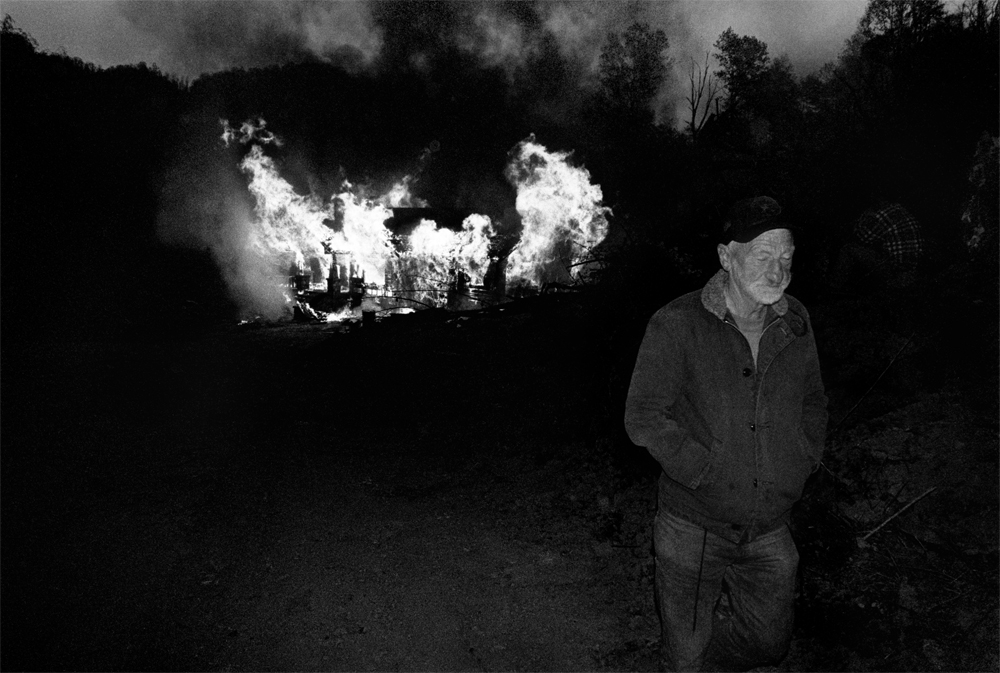
In Amberg’s second book, The New Road (2009), he continues to explore the complexity of place by delving deeper into themes of transformation and progress. What imprints are left when a mountain is pummeled to build an interstate highway, he asks. At this point in Amberg’s life, he had lived in Madison County for over three decades and had become embedded there. He was one of the residents, not simply an observer making photographs of it. The images and stories within the book depend upon his connections and the trust he had developed with neighbors. He interviewed more than thirty people about their opinions of the I-26 corridor that cut through their county, exposing complicated feelings and contradictory implications of development. Through Amberg’s images, we see a governor, a beauty queen, and a group of veterans celebrate the highway upon its completion at a new Visitor’s Center, hopeful for the convenience and access that will accompany it. We also learn of Howard and Lucille Babbitt, an elderly couple, who pick apples from their old family orchard for the last time before it is bulldozed to make room for the road. In perhaps the most heartbreaking photo of the book, JD Thomas walks away from the house where he was raised, his eyes gazing downward as flames engulf the old structure. “Bye, bye, old home place,” Amberg heard him utter.5Rob Amberg, The New Road (Chicago: Center for American Places at Columbia College, 2009), 31.
The New Road ends with Amberg’s own nuanced, yet ultimately troubled perspective of the changes he had witnessed over the decades: “all in all, Madison County has been able to find and maintain an acceptable balance between old and new….But some of what has come in the highway’s wake—the gated communities, the steep-slope development, the loss of wildness, the acres of land being bulldozed and paved, and the speed with which these things are happening—are real and symbolic evidence of a massive upheaval in our community. For me, they link us to the wider world I chose to leave behind years ago, and they are representative of a place out of balance.”6Amberg, The New Road, 175.
Fifteen years later, in Little Worlds, Amberg considers what the future may hold for a place unsteadied by perpetual growth, divided by fears (real and imagined), and occasionally ravaged by natural disasters. The book is a tribute to a life lived in a region in flux. It is a colorful collage of stories layered one over another, distinct moments of time feeding into each other, leading one to wonder where the lines between reality and fiction, or past and present, reside. Its structure follows Amberg’s previous works in its reliance on the interplay of words and images to tell a rich tale about a complicated place. But, otherwise, it takes a different approach. As Amberg told me, “I really wanted to break out of the documentary model…to break completely away from any pretense of objectivity.”7Amberg interview with Maia Surdam, March 13, 2025. He succeeds.
The storyteller’s imprint is everywhere. Amberg includes decades-old journal entries, filled with recollections of his daily life; there are vulnerable memories of divorce, remarriage, and building a life with his second wife Leslie; we see his son and daughter’s childhood photographs. Even the fictional story woven throughout was fashioned from a tale he once told his daughter Kate as part of their bedtime ritual. And, in one of the most touching final scenes I have encountered in a book, Rob Amberg depicts his future death. He has chosen a peaceful place for himself—under a shady tree in the Lost Cove, “holding [a] box of stories and memories close,” gazing at the night sky and listening for the sounds of an owl in the darkness.8Amberg, Little Worlds, 174. More than a photography book, it is a dramatic culmination of Amberg’s long-term commitment to document Madison County with insight, specificity, and imagination.
Though Little Worlds completes Amberg’s trilogy, it stands firmly on its own, offering contributions to multiple genres. History lovers, especially those of us interested in the transformation of rural life, have much to learn from Amberg’s recollections of fifty years of life in Appalachia. His work at the Rural Advancement Fund, which allowed him to travel throughout and document the rural South in the ‘80s, gave him a greater understanding of these complex changes. We feel the emotional blow of losing one’s farm when we look at his powerful photograph of a farmer holding a painting of an old farmhouse during an estate auction. We sense the massive impact that the building of the Marshall bypass had on one community’s social and spatial customs. We consider the innovation of rural people who repurpose old buildings in new ways, giving inspiration to those trying to remake small towns suited to the twenty-first century. And we see the risk of a fractured society when newcomers isolate themselves from local residents or culture, whether out of fear, indifference, or false assumptions of superiority.
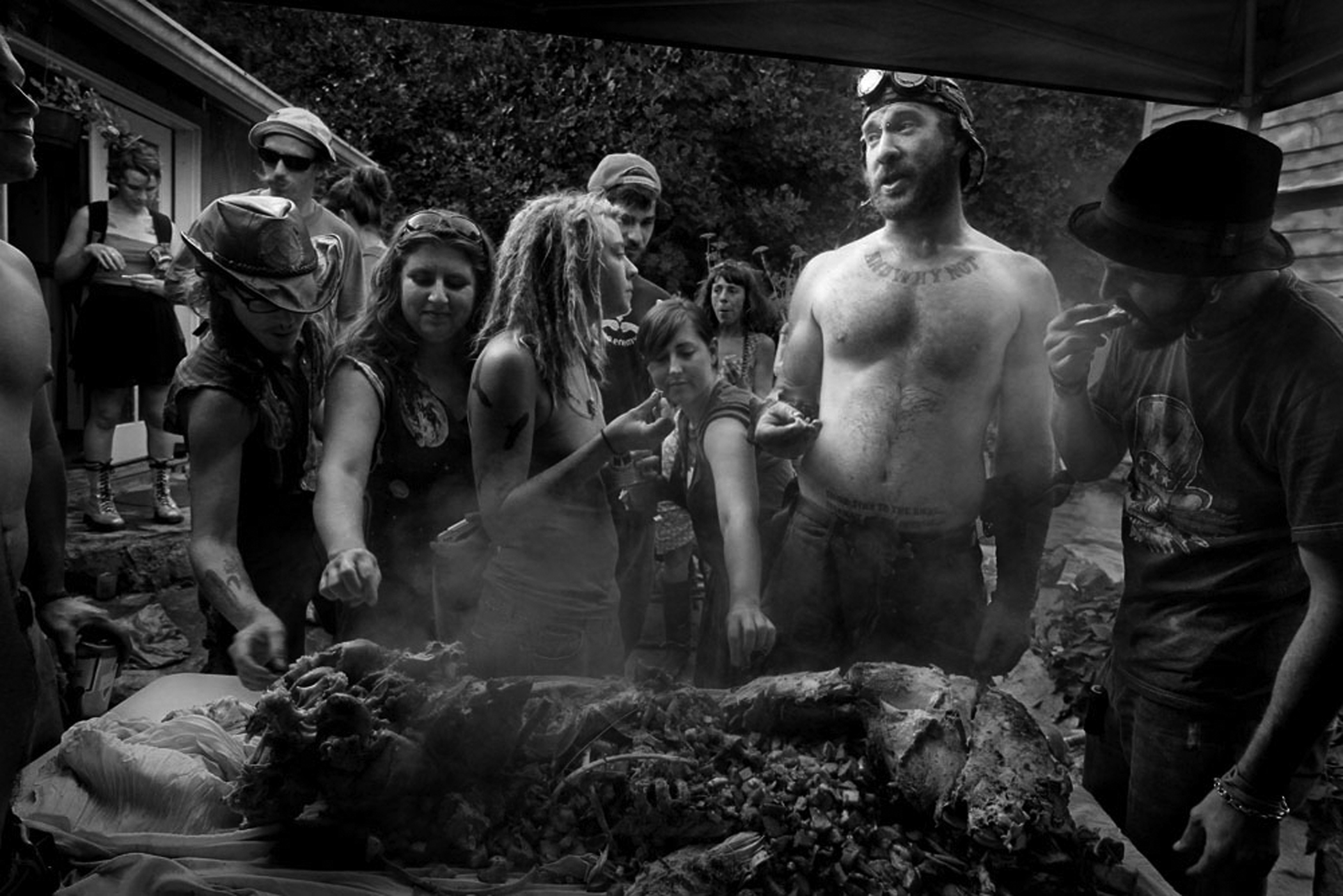
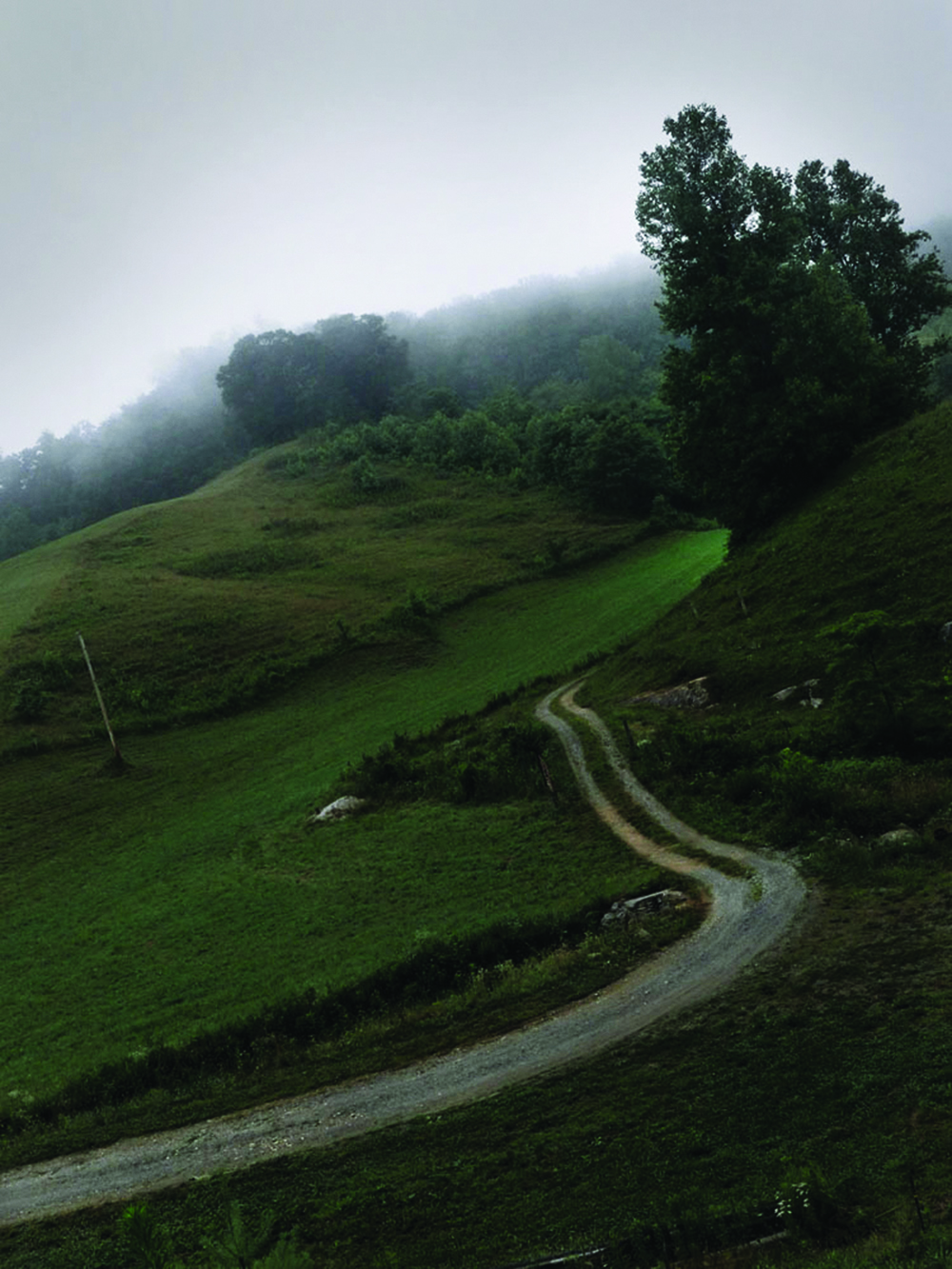
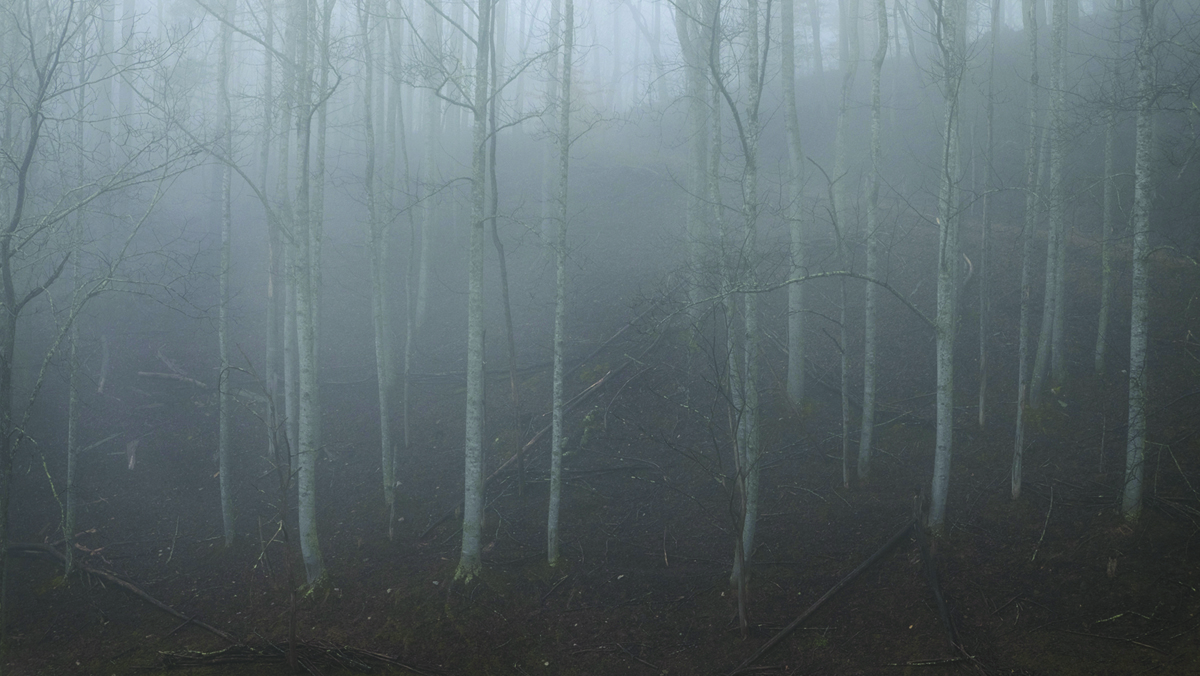
Students of visual art will appreciate how Amberg continues to use photography to convey the “texture and feeling of life.” Landscape photos signify Madison County as Appalachian, yet evoke a different scale of time. A two-track road disappearing into a foggy mountain curve. A soft green valley, edged with trees and textured with the interplay of light and shadow. A thick forest blanketed with snow, peaceful and cold. We see moments of people’s daily lives that reveal the vitality of the human existence, no matter how ordinary. Dancers stomp their feet as fiddlers strum their bows. Young, hungry party-goers pull pieces of meat from a roasted hog. A woman proudly displays her jar of canned vegetables, suggesting the great effort it took to bring forth this food.
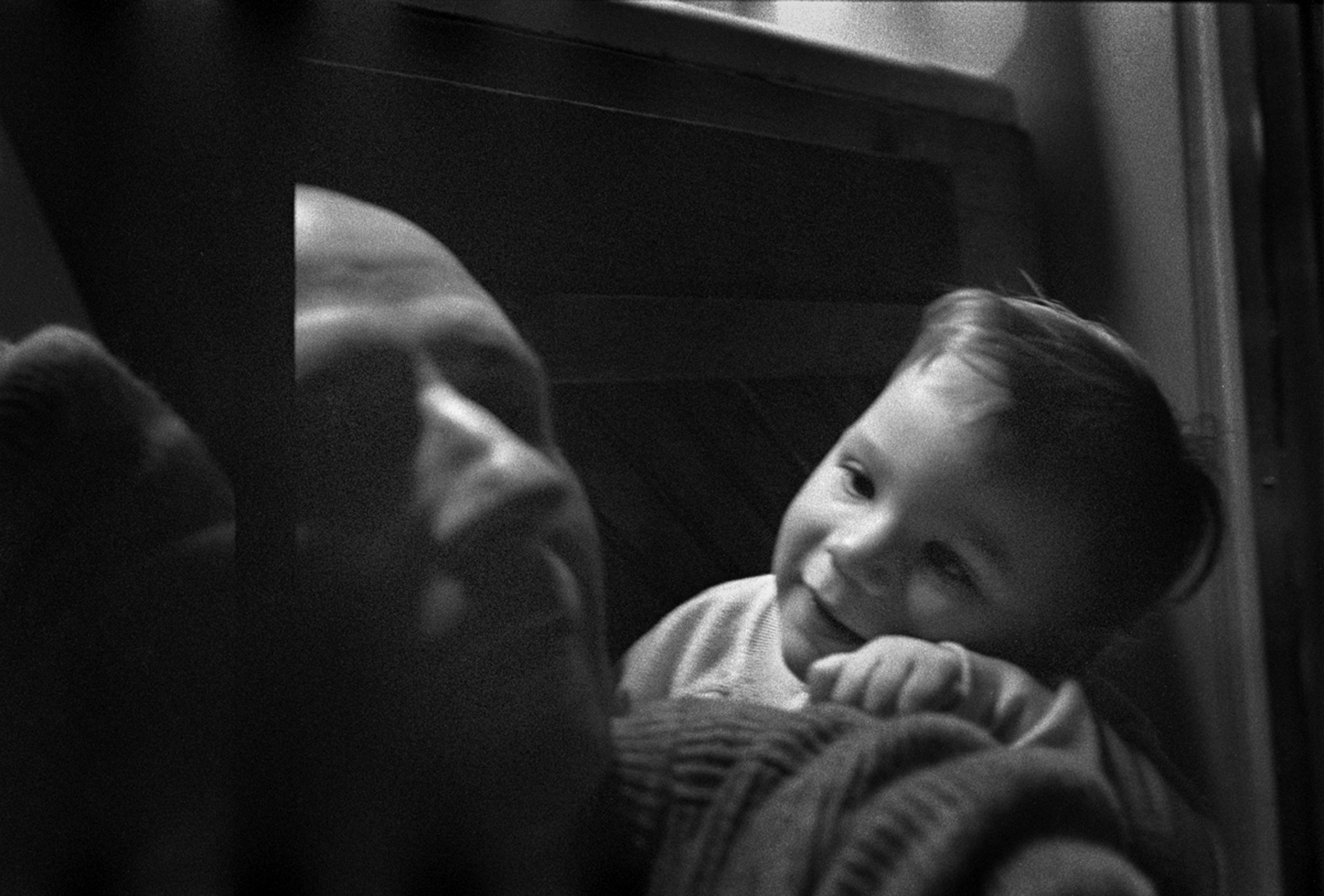
Other photographs deliberately show the passage of time, like the portraits of his daughter, which begin each chapter and show her grow from an infant into a young woman. As Amberg explained to me, “I wanted to remind the viewer that this was a story I was telling Kate…And, number two…she was my muse for years and I’ve got all these incredible photographs of her.”9Amberg interview with Maia Surdam, March 13, 2025.We sense, then, not only the evolution of a daughter listening to a bedtime story, but the changing seasons of an artist who has found creative freedom in the latter part of his career to include photographs that reveal tender moments of his parental journey. In this way, Little Worlds feels like a family heirloom, a loving gift from father to child, a collection of poignant photos and cherished memories.
As a writer and storyteller, Amberg ambitiously ventures into the realm of fiction, but this is no ordinary bedtime story. Readers will find interspersed in Little Worlds a compelling tale set in a dystopian future, reminiscent of Cormac McCarthy’s The Road or Octavia Butler’s Parable of the Sower. In this imagined world, Amberg’s descendants seek refuge in a place similar to Dellie Norton’s early days, both physically and socially, when people walked across dense mountains on foot and neighbors worked the land together out of necessity. With much of the world plagued by urban violence, incessant climate disasters, and systemic social decay, the characters in Amberg’s story, a blend of old-timers and newcomers, look to the past to build a better future in the mountains. They have a lot to learn.
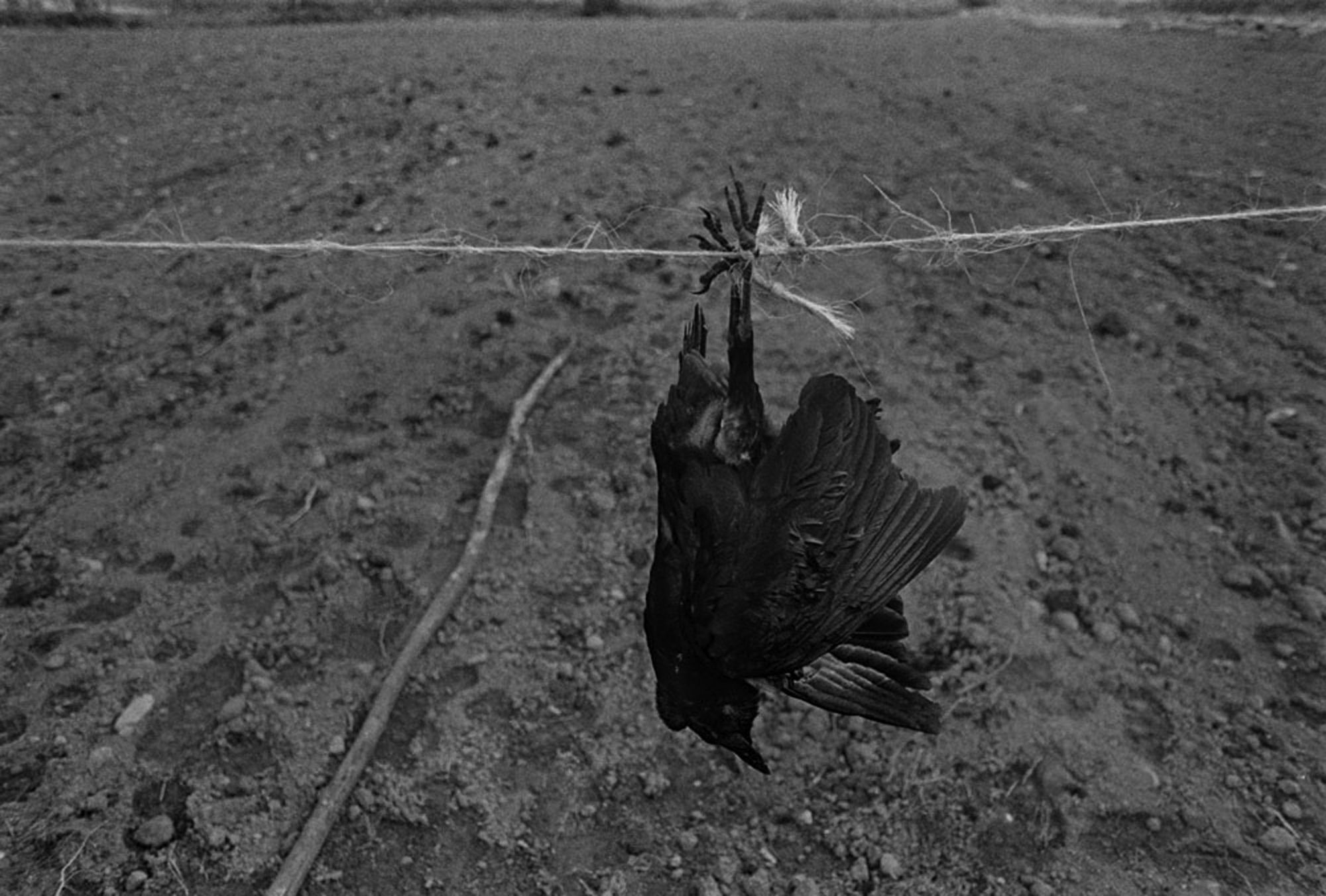
Amberg includes a plethora of images that counter the familial ones of his daughter, and, at first glance, appear as disturbing as the chilling future he imagines. We see children playing with knives, a bow and arrow, and guns, à la Lord of the Flies. We see an animal skull attached to a pickup truck. We see a rebel flag displayed prominently on Main Street; a spooky religious figure surrounded by antlers; a row of disembodied squirrel tales hanging on a wall; and a bench lined with bloody sheep heads. Surely, the stories behind these individual photos would reveal details that forgo a simple, dire understanding (animals must be slaughtered before they are consumed, of course) but, collectively, they acknowledge the “hard and harsh” aspects of Madison County. Or, as he observed in his first book, “the meanness of the place was hard to ignore.”10Amberg, Sodom Laurel Album, 35.
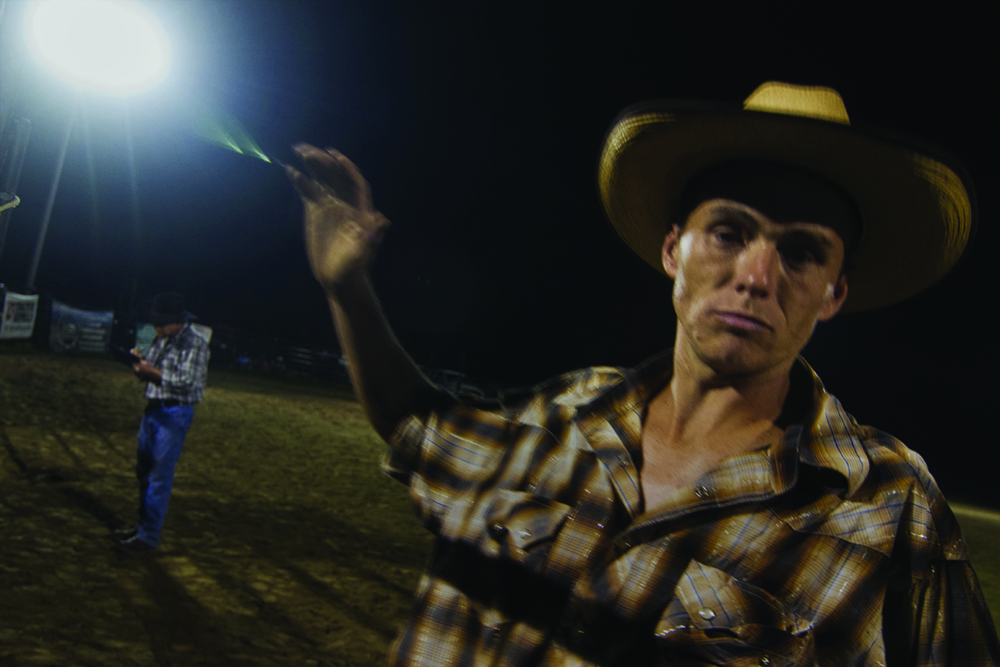
In a clever narrative move, Amberg inserts himself within the fictional tale by having his imaginary descendants, Frank and Wright, discover a trunk of his writings and photographs inside their abandoned ancestral homeplace. In their search for peace and stability, the trunk and its precious contents provide evidence of the society that had existed before their world fell into chaos. To readers, these contents are Amberg’s personal memoirs and documentation of life in Madison County that spans over fifty years, with some overlap of what we have seen in his previous two books. To Frank and Wright, they are a treasure map that helps them connect a distant past, filled with its own set of challenges, to a future that might still be salvageable from their dismal present. Up until that point, their lives had been plagued by fear, distrust, and isolation. Environmental disaster, especially floods and wildfires, made life more uncertain. Perpetual migration became an act of survival for most. Within the time capsule left by their ancestor, they consider a different path forward. They see photographs of handmade quilts made for newborn babies. There is evidence of a vibrant social life, where people gathered for parties, town hall meetings, rodeos, and even something called a Mermaid Parade. Many photographs show people working on their land to produce food to eat, supplies to use, or commodities to trade. Their initial reaction to the trunk, and its stories of a functional community rooted in place, is hopeful.
Later in the story, as the numbers of refugees grow and the community becomes more racially and culturally diverse, tensions rise as well. The characters grapple with humanity’s shadowy sides. “There are those among us holding onto the past, as divisive as that old world had been,” one person observes. “They want to exclude those different from themselves and have threatened violence if they don’t get their way.”11Amberg, Little Worlds, 165. By weaving together fictional and historical storylines—and photos that range from beautiful to ordinary to provocative to downright unsettling—Amberg once again rejects notions of a romanticized Appalachian past where everyone lived in harmony. Through his personal entries, Amberg’s descendants learn that divisiveness and violence had been a consistent part of the landscape. “In Madison County,” Amberg writes, “the divides have always been sharp, but they’ve mostly stayed beneath the surface.”12Amberg, Little Worlds, 164. As the fictional settlers consider how to respond to ruptures in their new community, Amberg’s memoir laments the virulent political culture that is taking root in his longstanding one, especially with the rise of the first Trump presidency. With a president that explicitly “encourag[es] violence and anger,” old norms of civility seem to be rotting away on the local level too. “Neighbors—people I’ve known and liked for forty years are suddenly distant and angry. It’s as if my outsider status and points of view make me an enemy.”13Amberg, Little Worlds, 164.
The narrative arc in Little Worlds is a circuitous one, as the story ends close to where it begins, with the revelation of Amberg’s trunk and documentary contents. The experience of reading this book feels appropriate for our times. It is bewildering. Are we looking backward or forward? Where are the lines between reality and fiction? Madison County, like many rural places in the US, remains mostly, but not entirely, white, a demographic fact reflected in Amberg’s visual record. Today, there are few Black people living here, around 1% of the population, but there is a rising population of Latino immigrants, as well as more people who identify as bi- or multi-racial.14Around 3.5% of the county's population identifies as Latino or Hispanic, and 5% as “two or more races.” https://data.census.gov/profile/Madison_County,_North_Carolina?g=050XX00US37115#race-and-ethnicity Politically, this county votes predominantly, but not entirely, Republican, thus supporting the fear-based ideology of Trump that feeds on division, champions a narrative of white superiority, and enacts policies that are anti-immigrant.15For a decades’ long perspective on the shifting political climate of the western North Carolina county of Transylvania, see Dan T. Carter, “Good-Bye to All That,” Southern Spaces, December 19, 2014. And like the Madison County we glimpsed in Amberg’s earlier works, we continue to witness contradictory reactions by those in the racial majority, with anti-"other" fears and animosity (with threats of ICE raids targeting Latinos as the most alarming example), as well as acts of neighborly benevolence. As far as our physical environment, which has seen dramatic transformation due to direct and indirect human interventions, including the recent climate-change-related disaster, Hurricane Helene16See Amberg’s “Hurricane Helene Visits Marshall, North Carolina,”August 11, 2025.,we are grappling with questions of how to rebuild. In the immediate wake of natural disasters, divisions may fade in lieu of pressing needs for collective survival. But how can we remake ravaged places that will sustain us in the long run if we live divided from our neighbors, whether out of custom, ignorance, or fear? How do we heed lessons from the past without being tethered to its stubborn foundation of inequality and extraction? Though Little Worlds does not answer these questions, it extends them for our contemplation as we move toward the future.
Amberg’s personal narrative is winding, too, and somewhat ambivalent. He has journeyed from outside observer to resident photographer to “an enemy” among neighbors to a man digging his imaginary grave in the beloved mountains he calls home. As he explains it, Little Worlds “spelled a story of me moving here, being here, becoming part of this place [and] leaving my own footprint here…But recognizing at the same time that I really ain’t from around here.”17Amberg interview with Maia Surdam, July 12, 2025. His is an uneasy position, but one that he occupies bravely and honestly. Little Worlds is an expansive rendering that portrays a multidimensional place where various, opposing elements coexist, however uncomfortably. As such, his story presents no clear directions on how to avoid the catastrophic future he imagines. What Amberg does give is the insight that thriving societies must cultivate vulnerability among its people. As he models for us, we must courageously share our stories, in their most truthful forms, however ambiguous, and graciously receive and reflect on those shared by others. This lesson is part of Rob Amberg’s legacy, applicable to us all, no matter what little worlds we inhabit. 
About the Author
Maia A. Surdam earned a Ph.D. in US History from the University of Wisconsin-Madison. An independent scholar of underrepresented histories of rural America, she recently contributed essays to Affrilachia: Testimonies (University Press of Kentucky, 2024). Surdam resides in the mountains of western North Carolina and serves as the Programs Director for Partnership for Appalachian Girls' Education (PAGE).
Banner image: Carnival on the Island, Marshall, 1983. All photos copyright © Rob Amberg and used by permission.
]]>Thursday, September 26, 2024
In Marshall talking with Joel and Josh. Very real concerns about the river, which is at ten feet, fierce, and rapidly rising. The island is already under water. At fourteen feet the river would be in town. At nineteen feet there would be extensive flooding and costly repairs.
Our niece Jody arrives at the house. She’s going to do a soap-making tutorial with Leslie for the weekend. We lose power later this evening and with it our water. Cell and internet are also out.
My concern is the wind. The ground is saturated from three days of rain. A windstorm could bring down thousands of trees lining our driveway, the road into town, and the forests that make up 73% of the land in Madison County.
Friday, September 27
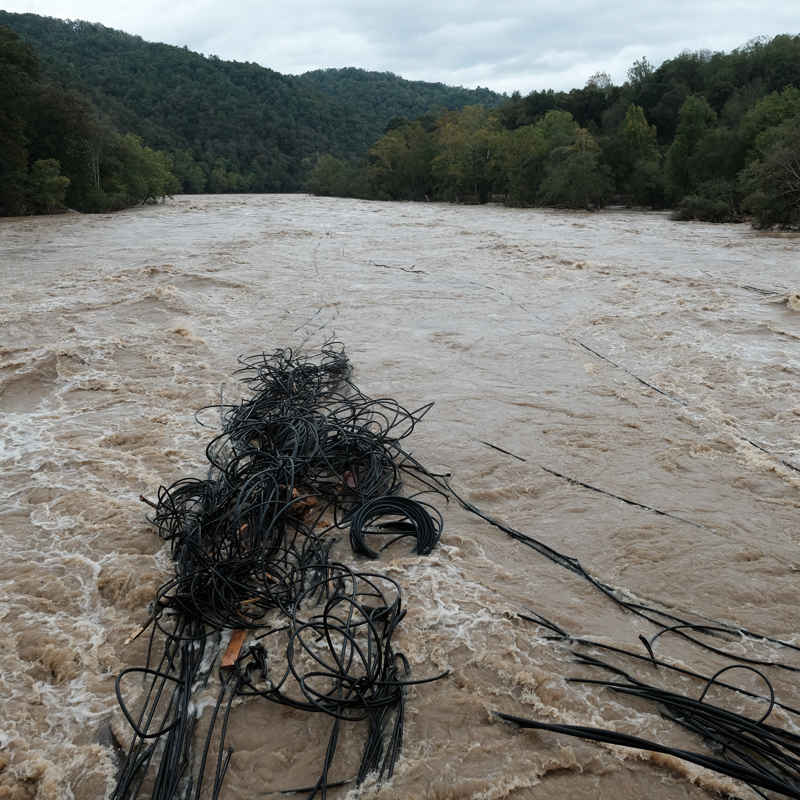
The river crested early this morning at twenty-seven feet, four feet higher than the previous record set in 1916. Yesterday’s concerns are facing today’s reality — the town’s total destruction. The wind never materialized at the house. It’s still raining. Our friend Maia has joined us after being evacuated out of Marshall.
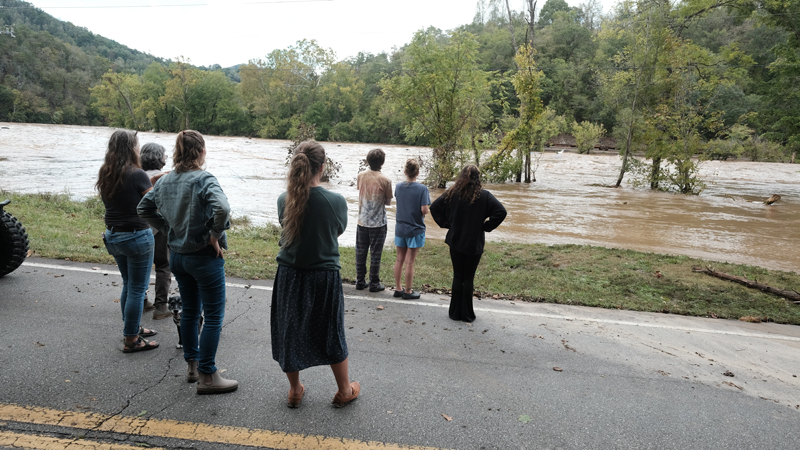
We pile into our car and drive down Little Pine, thinking we’ll go into Marshall. We’re stopped before we get to the Redmon bridge. Neighbors are lining the road looking at the river, which has become one with the road. Fuel tanks, giant tangles of PVC piping, shipping containers — swept away.
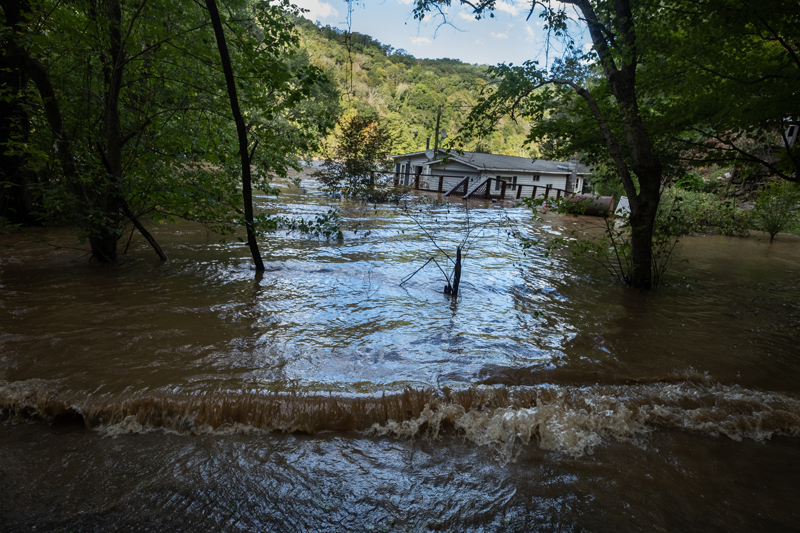
We turn around and drive down Anderson Branch to Barnard. There, worse. Over five feet of water covers the road. Ronnie Meadow’s house inundated. Neighbors wading waist-high water to get his prescriptions and photographs.
Stop at Paul and Laurie’s and get water from their spring. Go home and start cooking and the power comes on. Internet and cell service spotty.
Saturday, September 28
Drive down to Barnard to see if we can get out, and do. Stop at the bridge. Meet some neighbors, make some pictures, come home. Chris, Maia’s boyfriend, got in from Atlanta. We make supper.
Sunday, September 29
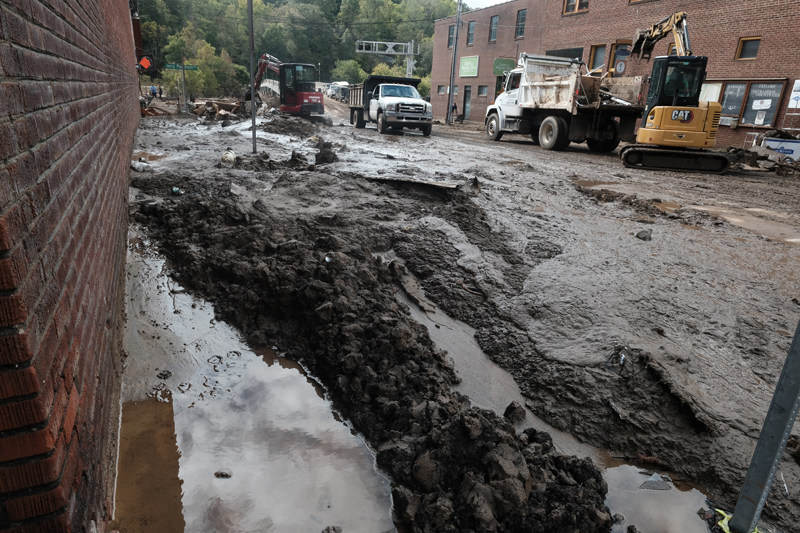
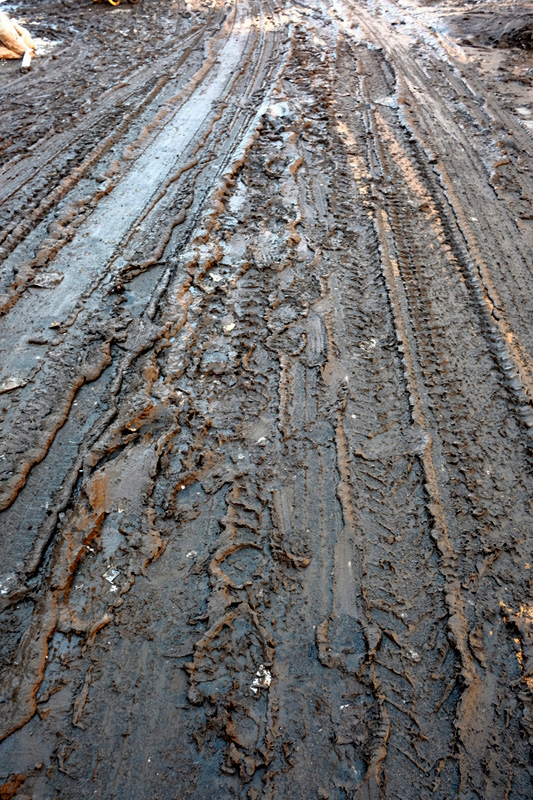
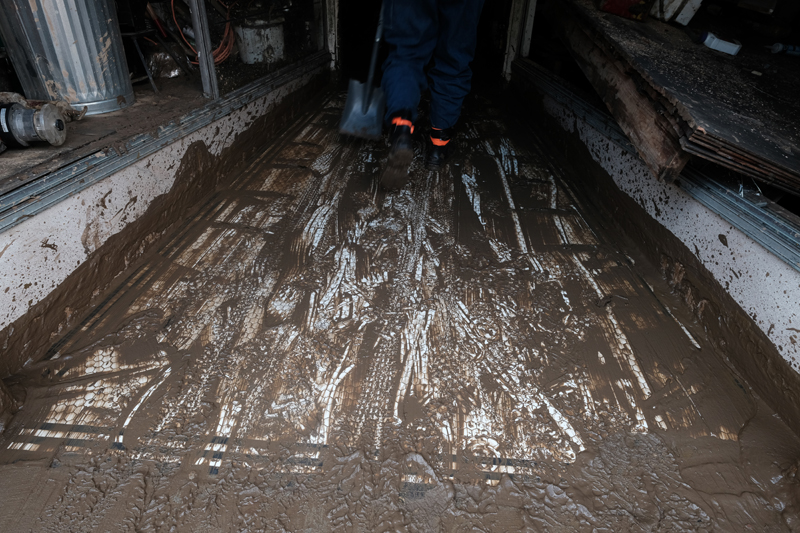
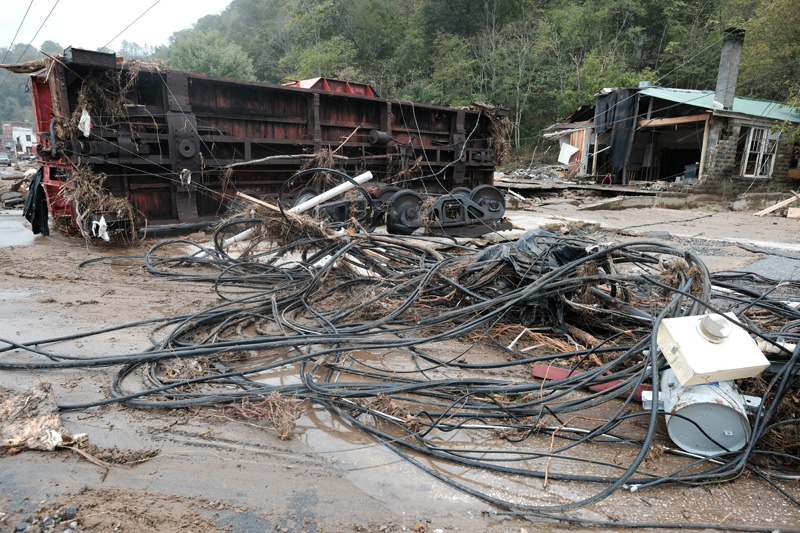
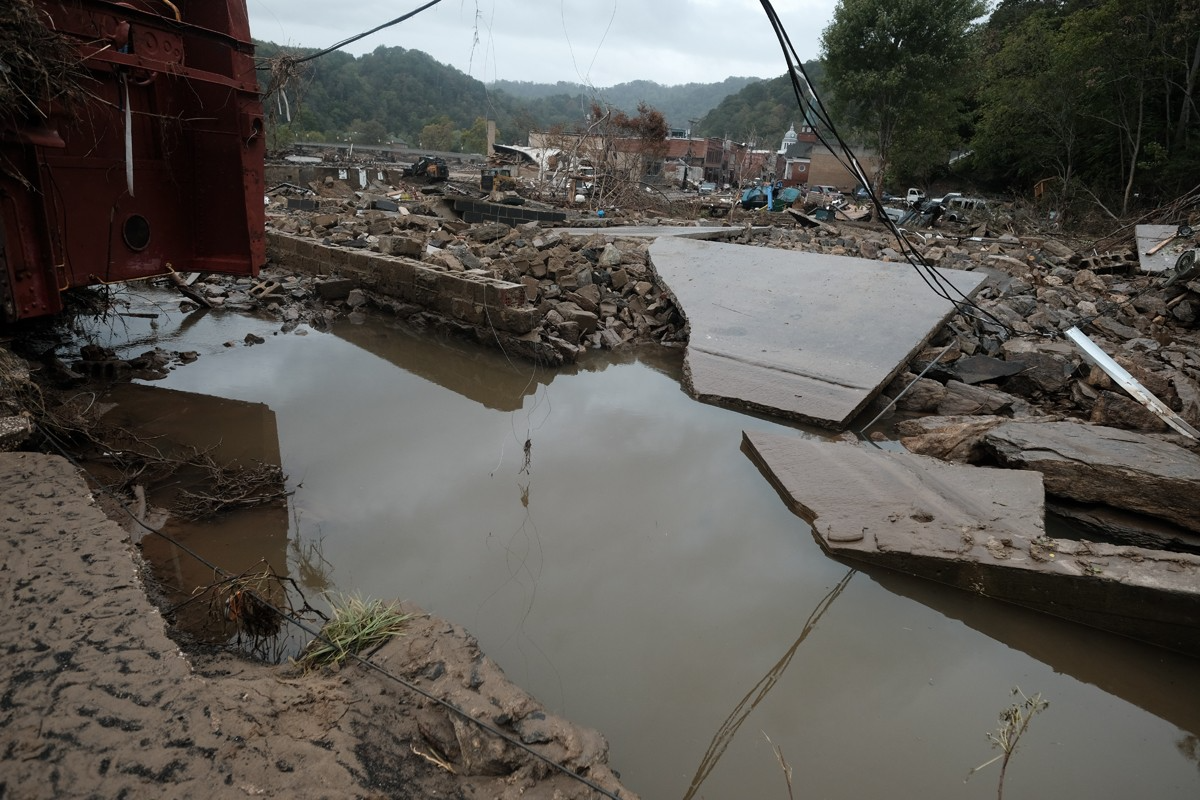
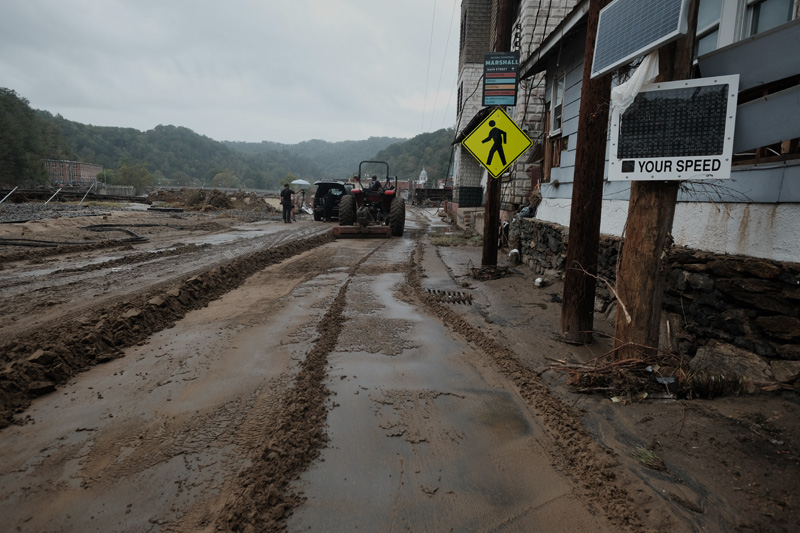
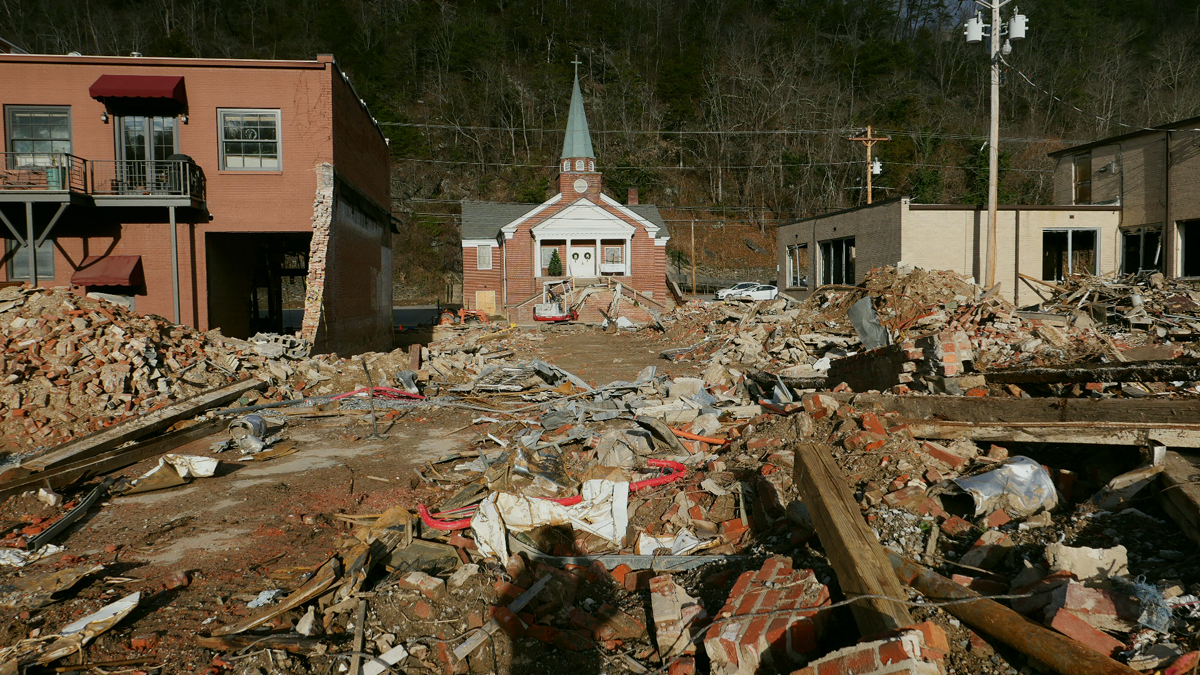
A first look at Marshall. The mud. Everywhere, impossible to avoid. Heavy, sticky. The kind of mud that sucks you in and holds you close. The beginnings of debris piles. Submerged cars and trucks. Rubble where buildings once stood. Stores and restaurants where we’d visited just days before, windows broken, spewing mud from their orifices. And the smell, a mix of water and mud, and propane, a general sense of toxicity.
This is the fourth hurricane related flood I’ve photographed in the last twenty years — Katrina in New Orleans, Hugo in South Carolina, Floyd in Eastern North Carolina, and now, Helene in my backyard.
There are similarities between the four. The mud. The displaced buildings and houses and subsequent debris fields. People’s faces and eyes, at once unbelieving and resilient.
But this is different. It is home, it is friends, neighbors, it is music and dancing, it is church if you want, art most everywhere, eccentricity abounding. It is gone.
I see Morgan, in the midst of mud and debris. Forlorn. No doubt realizing she’s lost her job to the flood. We hug. I move on.
The uniqueness of each building has taken on a sameness of look. Broken windows, water lines above the doorways, stuff beginning to line the street — books, chairs, a sewing machine, an elk head, furniture, boxes of dripping files in front of a lawyers’ office — and mud.

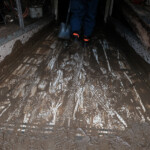

Monday, September 30
For many people, town residents and storeowners, this is a first look at the town, their places of business, their homes. The shock is palpable. The enormity of the destruction incomprehensible and impossible to accept. There’s tears, many, and embraces. What else to do? It’s a reckoning of what once was and what it has become in the blink of an eye. And what lies ahead.
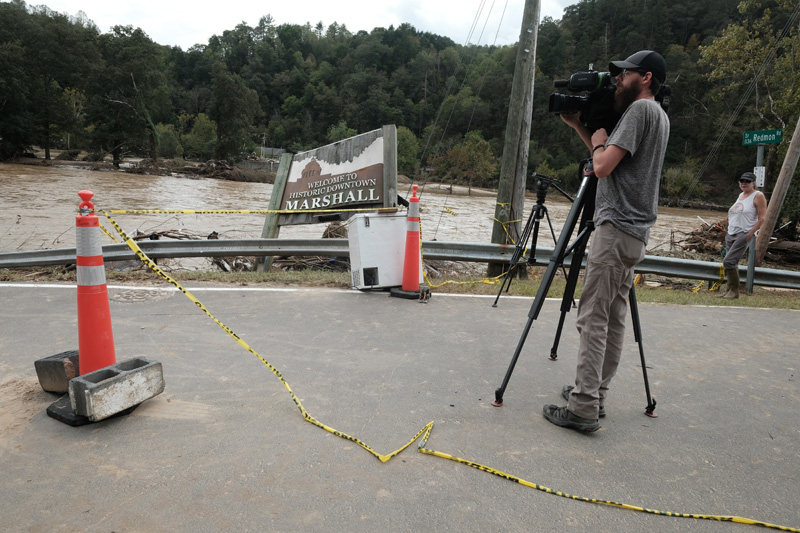
Western North Carolina has long been considered a climate haven. The Southern Appalachian mountains are among the oldest on earth and they offer protection from tornados and hurricanes and other natural disasters. We’ve had floods and landslides in the past, and memorable snowstorms, droughts, and fires. But Helene was unique and has been termed a “geological event” because the accompanying flooding, landslides, and tree damage will have a lasting impact on the landscape. It certainly has had a lasting impact on Marshall and the twenty western counties of North Carolina.
I walk through town for three or four hours, making photographs, talking to friends and neighbors. I think about shoveling mud, but feeling how dense and heavy it is, I realize that it’s a heart attack waiting to happen. I’m clearly the oldest person out there and the work is for the young.
I went to check on my books — 450 copies of my new book, Little Worlds —that were stored in a friend’s warehouse in town. The road in front of the building is foot deep in mud but seems firm at first step. With the second I am shin deep and locked in place, unable to lift my feet. John and Kirsten pull me out, sans shoes, which Kirsten pulls out by laying flat on the ground.
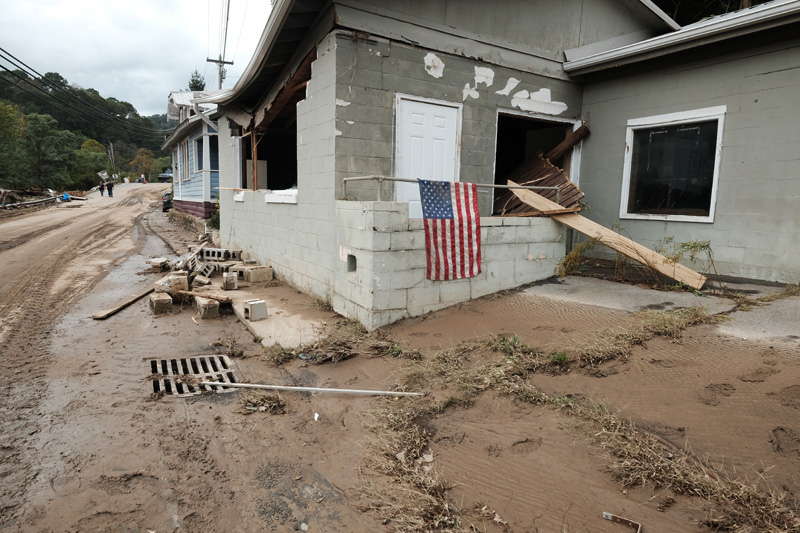
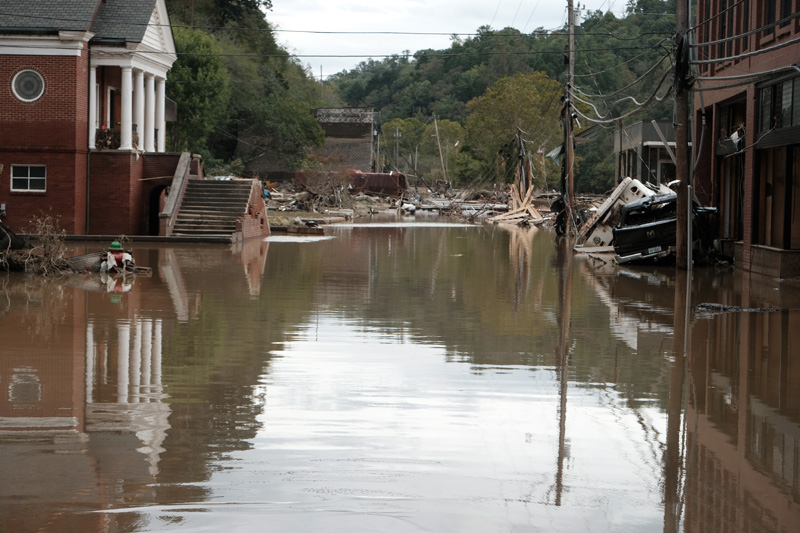
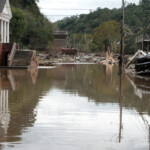
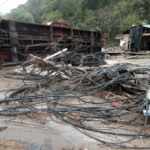
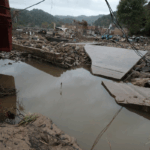
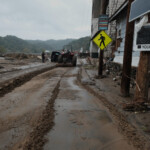
Tuesday, October 1
There’s more people in town today, beginning the task. Some are clearing buildings, adding to debris piles. Others are shoveling and scraping mud. Some are salvaging what little there is to salvage. There’s heavy machinery and a steady line of dump trucks heading to the landfill. The mud remains slick, never-ending, clinging to whatever it touches.
I talk with Jamie Smith and his wife who own the French Broad Exchange, our local used bookseller. They’ve lost over 15,000 volumes to the flood, almost their entire inventory. They’re older, of retirement age, and questioning a return. They don’t own the building and the owner is reluctant to commit to doing any repairs.
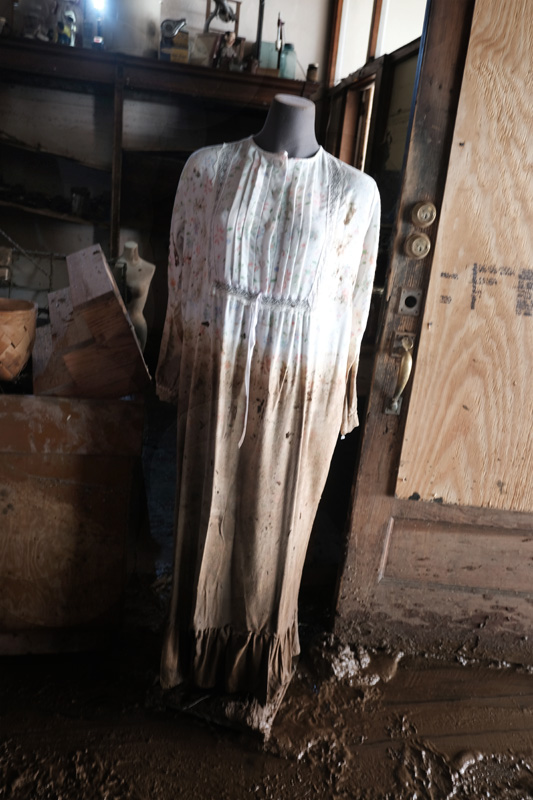
At Penland & Sons Store, the interior looks like a giant has gone in with huge salad forks and stirred the contents — clothing, books, jams and jellies, fresh vegetables. Georgette takes me to a moveable counter with two baskets of my wife’s soap resting on top. The flood lifted the counter to the ceiling and rested it in a new location in the store, never disturbing the soap.
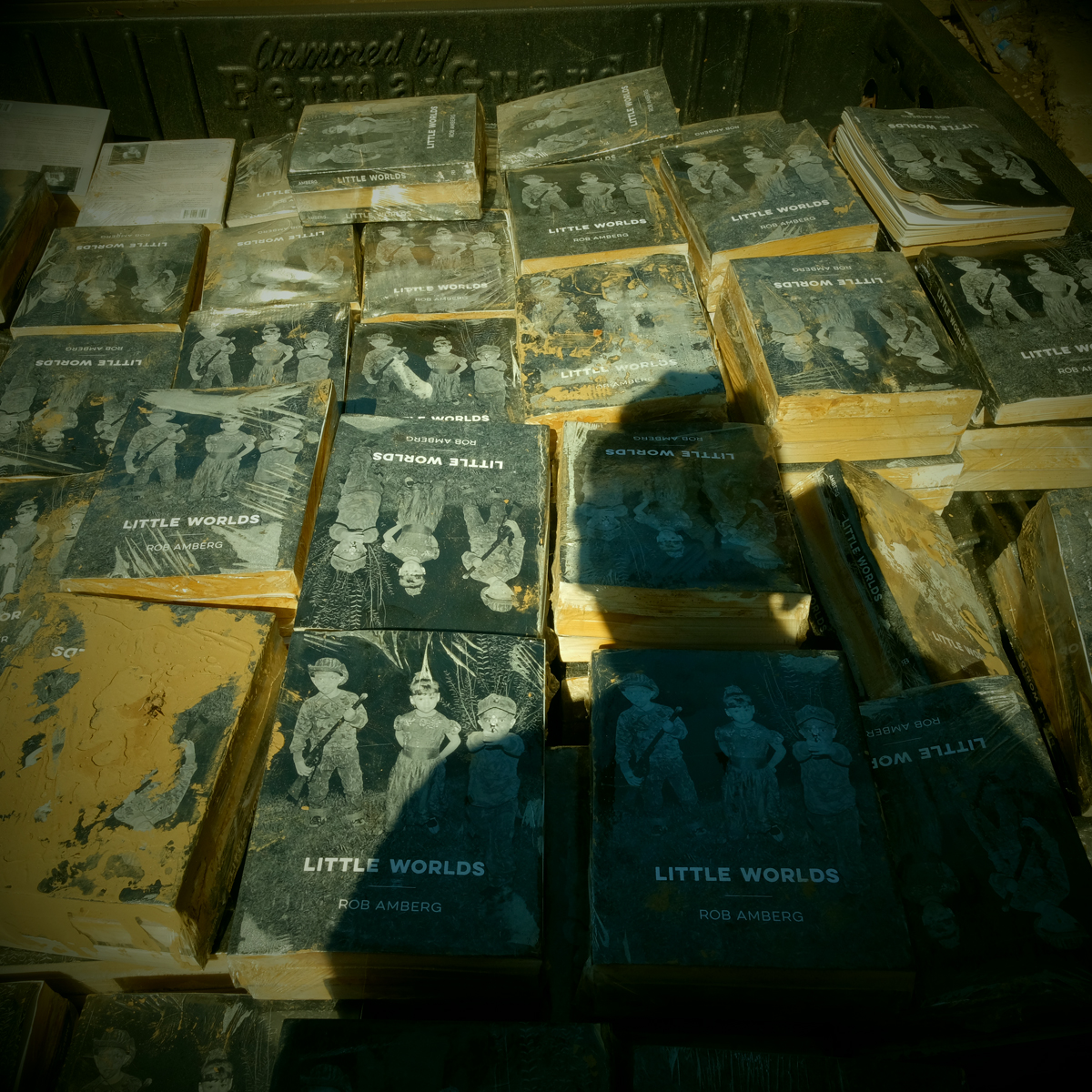
With help from Todd I make it into the building to check on my books. It’s dark inside the warehouse, the floor carpeted with mud and water, tools, lumber. Two-by-ten boards have been placed throughout the building and we walk gingerly to the back. The pallet of books has been moved and is resting on its side in a puddle of water and mud. The covers appear untouched, protected by the cellophane covering. But when I cut into the pallet and pull out a small bundle of books, I see they are all sealed shut, only opened by tearing pages. Disheartening.
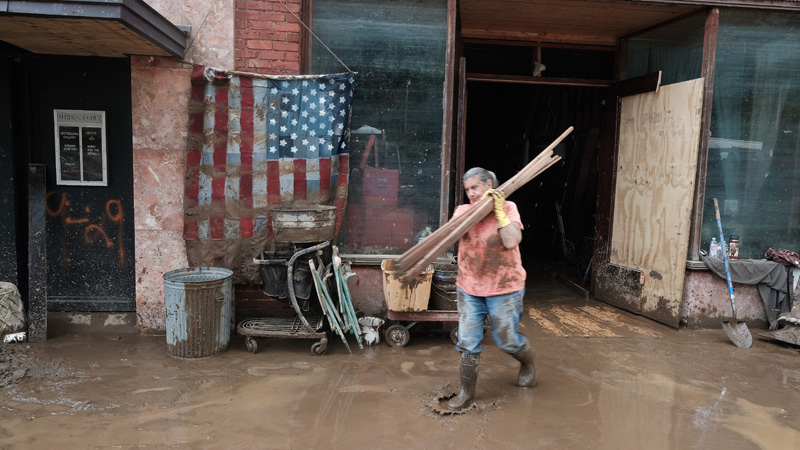
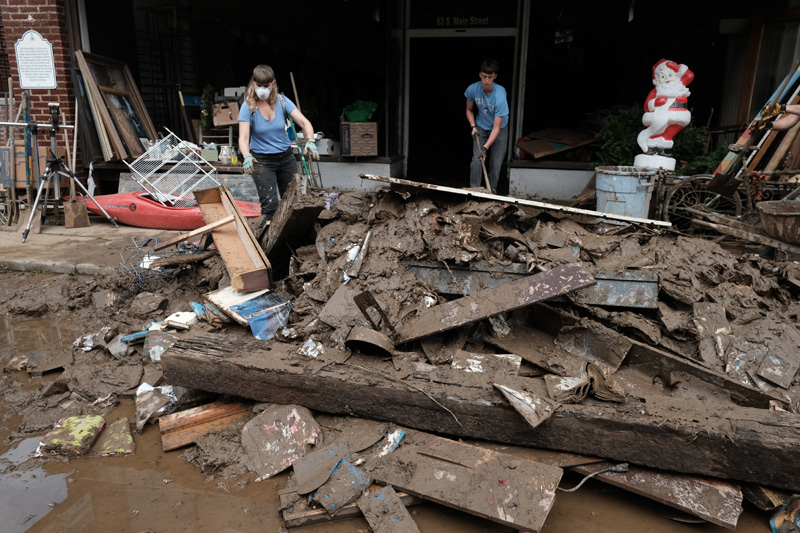
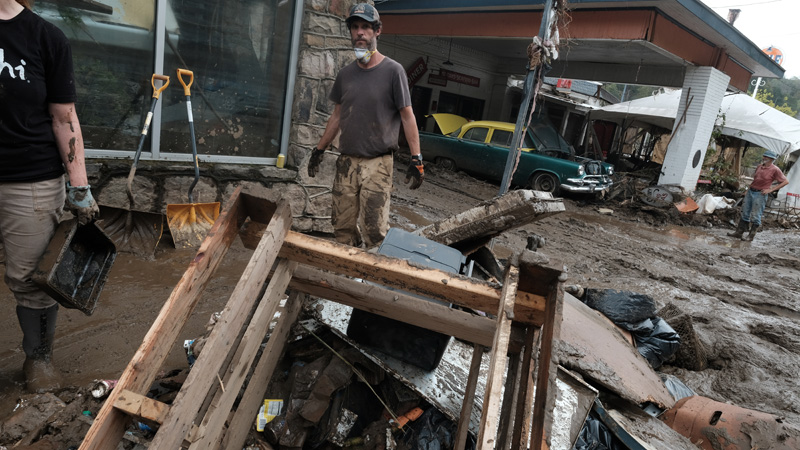
Wednesday, October 2
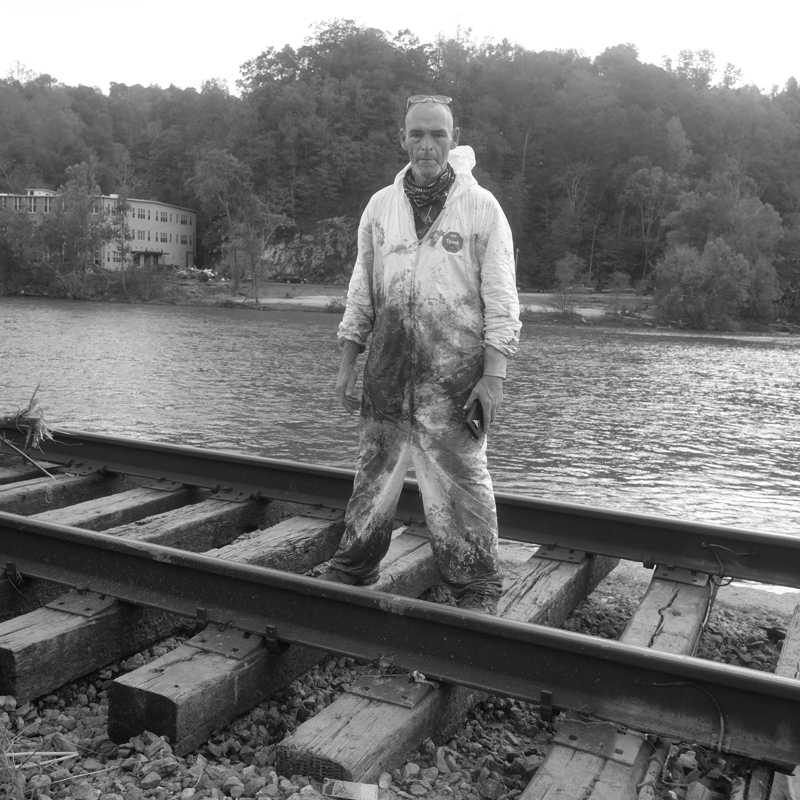
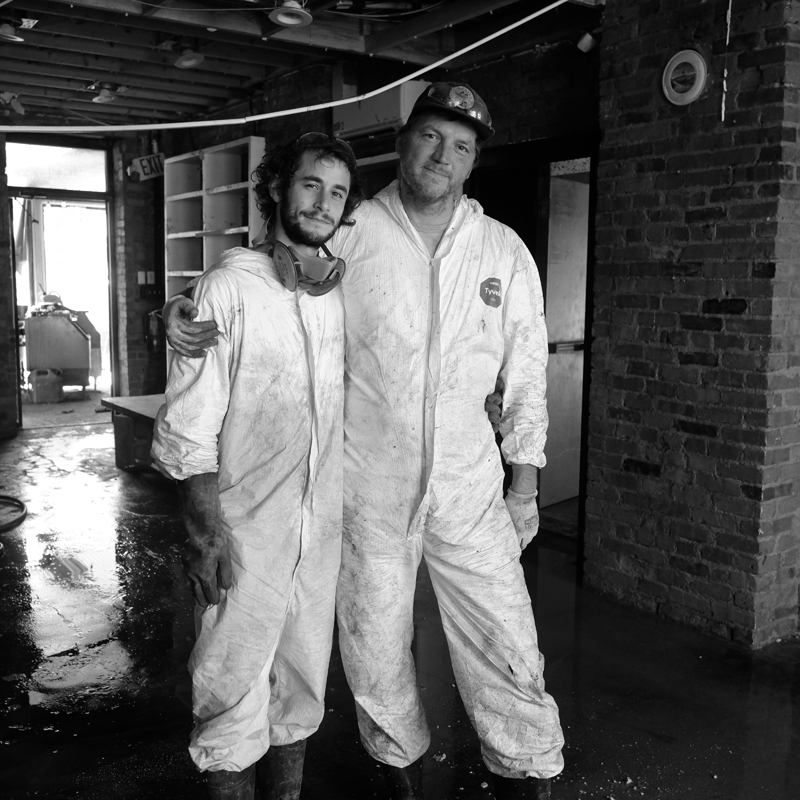
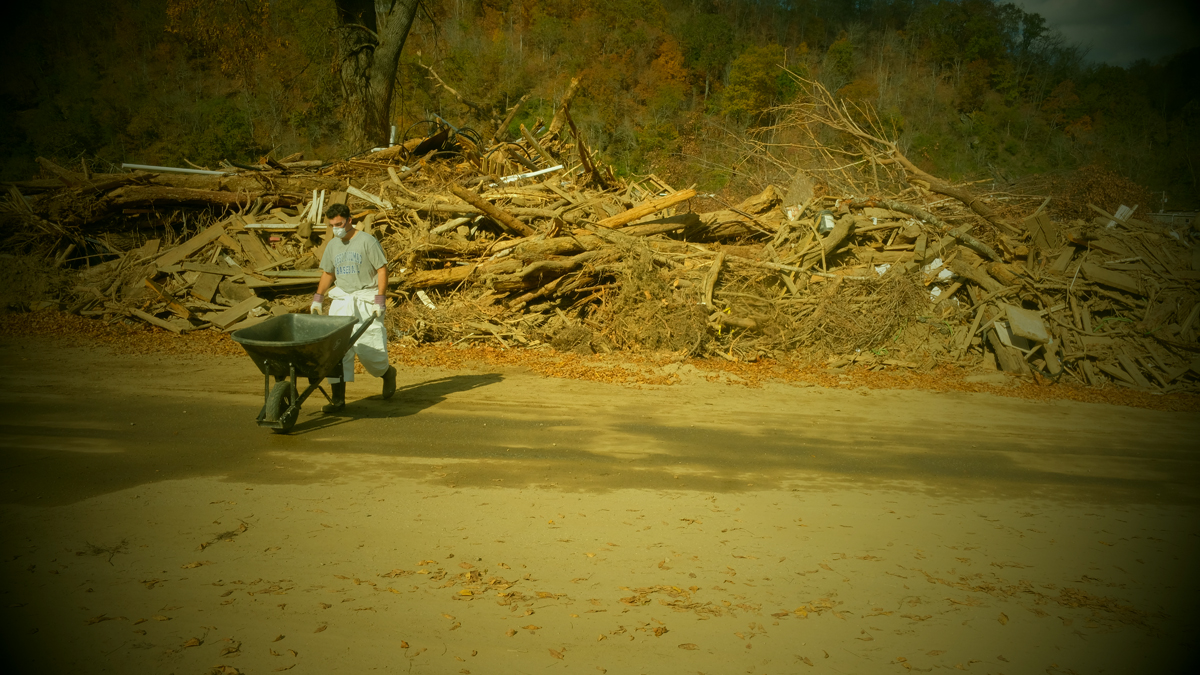
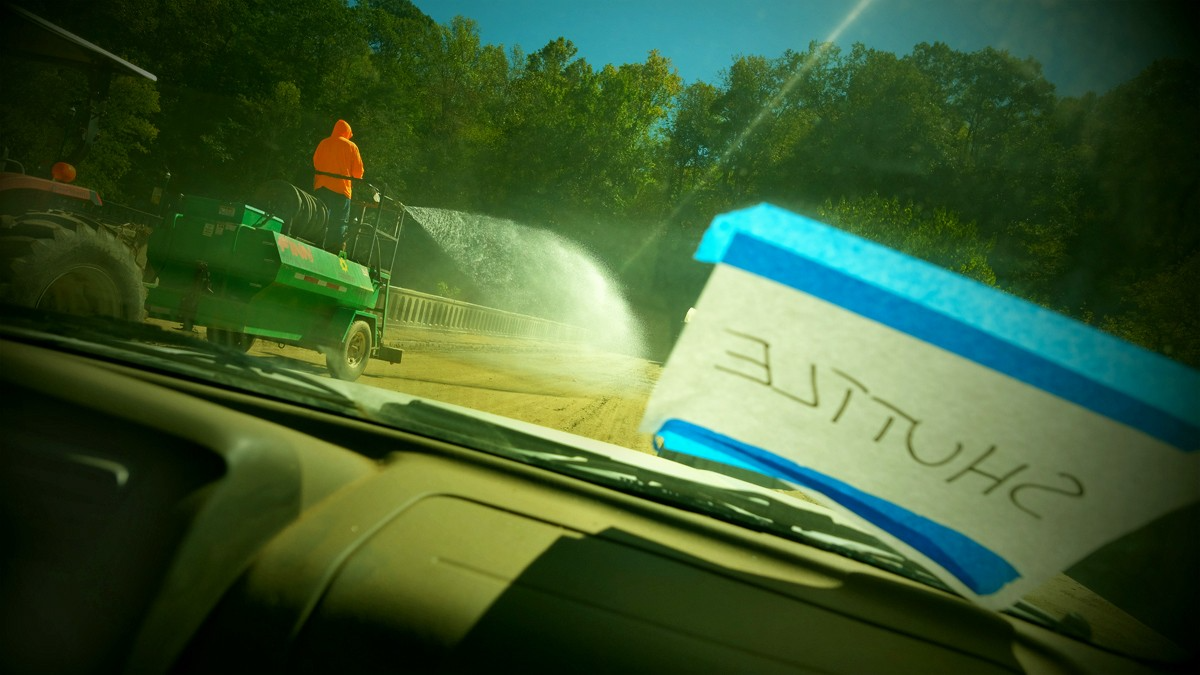
Staging ground has been set up at Nanostead on the Marshall bypass and it is immediately flooded with supplies, equipment, food, and volunteers. The volunteers are coming from all over and they are a diverse group — church groups, college students, elderly retirees, and county residents not impacted by Helene. They don Tyvek suits with boots, gloves and respirators as there are concerns about the toxicity of the mud. They’re shuttled into Marshall in the back of trucks, their gleaming white outfits blinding in the sunlight.
The town is a hub of activity. I’m reminded of stories about Marshall before the coming of I-40 and the bypass. Then, it was on the most direct route between Knoxville and Asheville. This small mountain town had three car dealerships, three grocery stores, two hardware stores, two florists (Sunnyside and Shadyside}, a library, the courthouse, countless attorneys, the jail, and restaurants and general stores.
Now, the streets are crowded and dangerous with an abundance of heavy machinery — track hoes, front end loaders, bulldozers — all piling and loading a steady stream of dump trucks, some with mud, others with debris, and still others with remains of trees. Smaller tractors with scrape blades try to keep the mud at bay.
Inside the buildings the owners, along with friends and volunteers, push and bucket mud into the street. The concern now is mold. A series of warm sunny days heightens the fear. Piles of soggy, stinky, just plain nasty, insulation and sheetrock begin lining the street.
The mood is different today. The townspeople remain depressed and angry. But I also sense an adrenaline rush, a feeling of resilience and determination to rebuild. Perhaps it’s the volunteers, the added hands and young energy. Or the visible evidence of the recovery moving forward. Or how the town is working together.
Food stands are set up to feed the workers. Water. Washing stations.
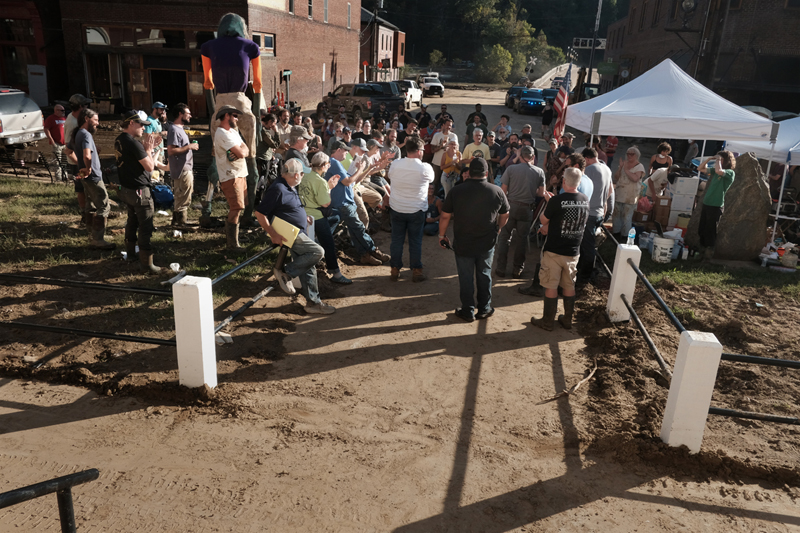
There is a town meeting every evening. An accounting of what was accomplished that day. How many truckloads of debris. The number of buildings mucked out. And also plans for the next day. Who needed what? What could be improved?
The town is shut down after the meeting. No power, no water, standing water throughout, massive and growing debris piles. Ghostly. Police patrol the streets at night. There has been looting.
Thursday, October 3
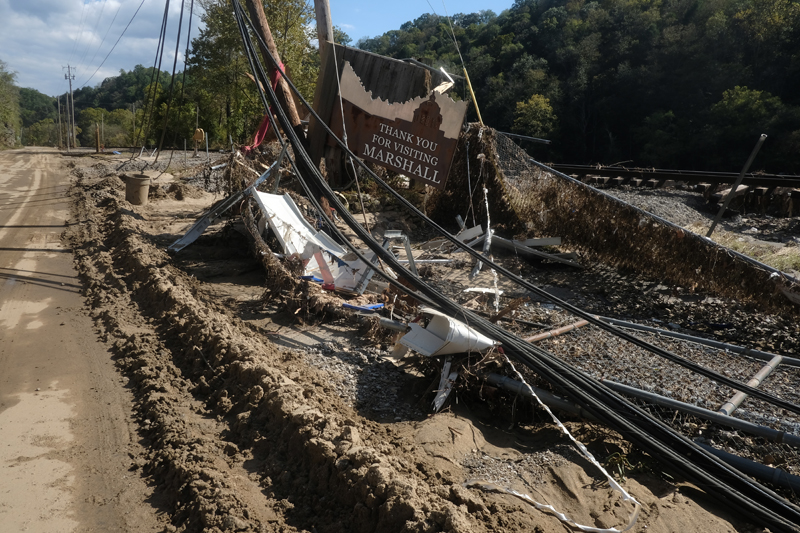
After the storm hit and the level of destruction to our region became evident my ex-Catholic guilt kicked in. I thought my book, Little Worlds, which speaks of a worldwide collapse, had somehow caused the flood. I could hear myself in confession — “Bless me father for I have sinned. I wrote a book that predicted an apocalypse and it came true. I’ve ruined a town and the lives of many people.” But, soon, I realized that, unlike the federal government of Marjorie Taylor Greene’s imagination, I could not control the weather.
But at the same time, both Leslie and I are experiencing survivors’ guilt; the knowledge that we faired well in the storm compared with friends who’ve lost everything. Yes, I lost a lot of books, income. seven years of sweat equity. But the books can be replaced. And a look around Marshall, helps me understand I’ve lost very little.
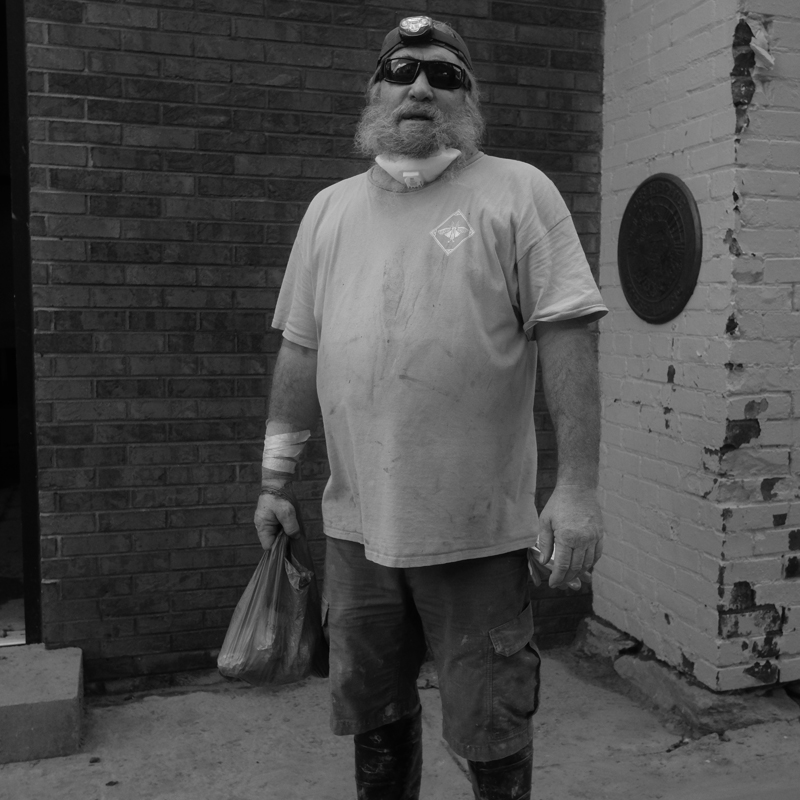
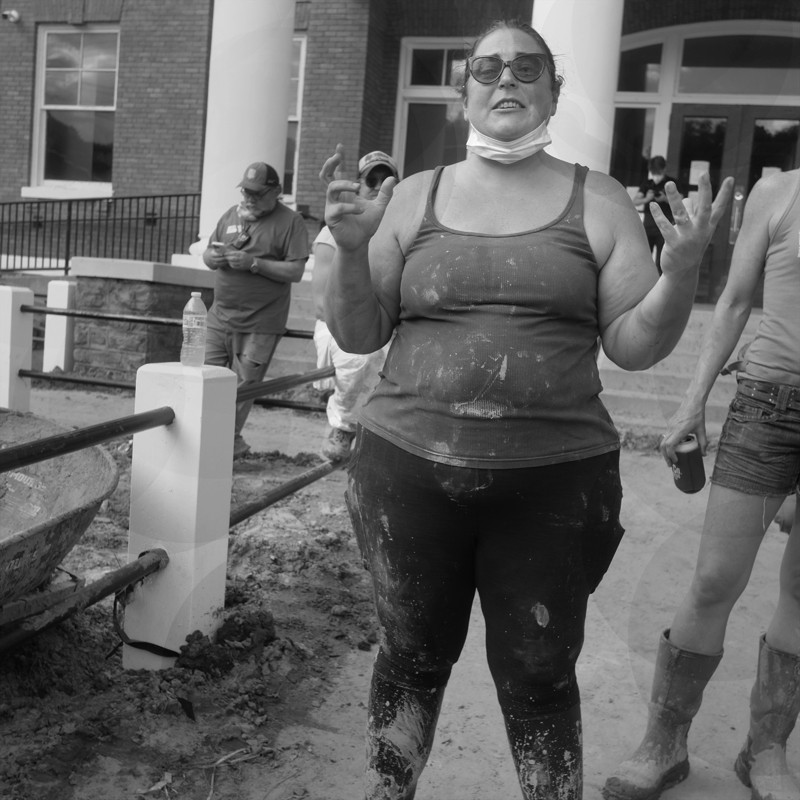
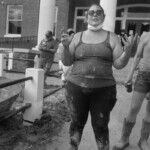
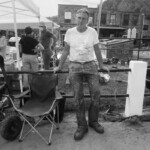
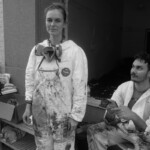
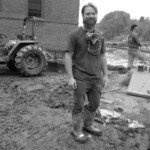
Shooting portraits today. Square format, b/w. Tight. Faces. Some objects. The black and white takes me back to my beginnings in photography and my belief that color can be so distracting. The monochrome heightens the emotions.
One of the real ironies of this catastrophe is water. The tremendous amount of water that flowed through town to cause this level of destruction. And now the tremendous amount of water being used to rid the town of what the flood left. Pressure washing — walls, floors, machinery, salvageable items.
As I walk through town, doorways seem to vomit debris. The piles of rubble, cinderblocks, and brick remind me of a walk with my son through the Valley of the Temples in Agrigento, Sicily. Some of the twenty-five hundred year old Greek temples had been meticulously restored to mimic their one-time magnificence. Others were mounds of crumbling limestone columns, left where nature had placed them. Both here and there, in Marshall and Sicily, I see fractured memories of what once was.
Cars looking like relics dug from a different era. A telephone pole perches over Main Street, hanging by the wires that it once supported.
At Penlands Store, Georgette and Susan and their families sort through mounds of water and mud-soaked pants, shirts, dresses, scarves, hats, belts, boots. Trying to lighten the mood of despair, I jokingly ask Georgette if she has a 42-long sport coat. She gives me the finger.
My books have been moved to the upper floor of the warehouse, in the dry and out of the way. I can see them for what they are, and are not. What they are is artifacts, remnants of the great flood of 2024. The covers are readable, clean. What they are not is useable. The pages are glued shut, only opened by tearing. There looks to be 350 of them.
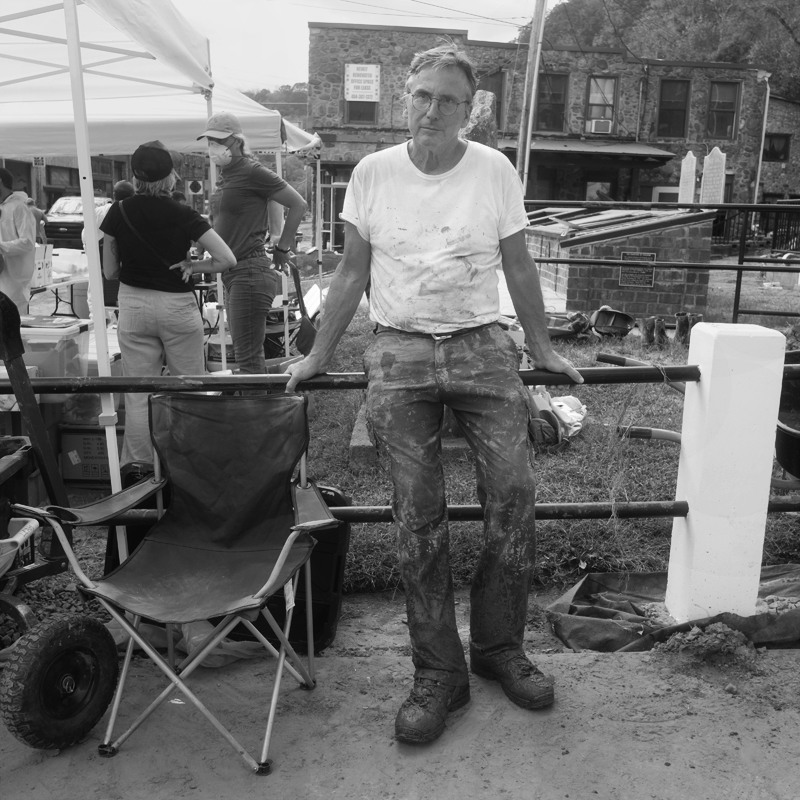
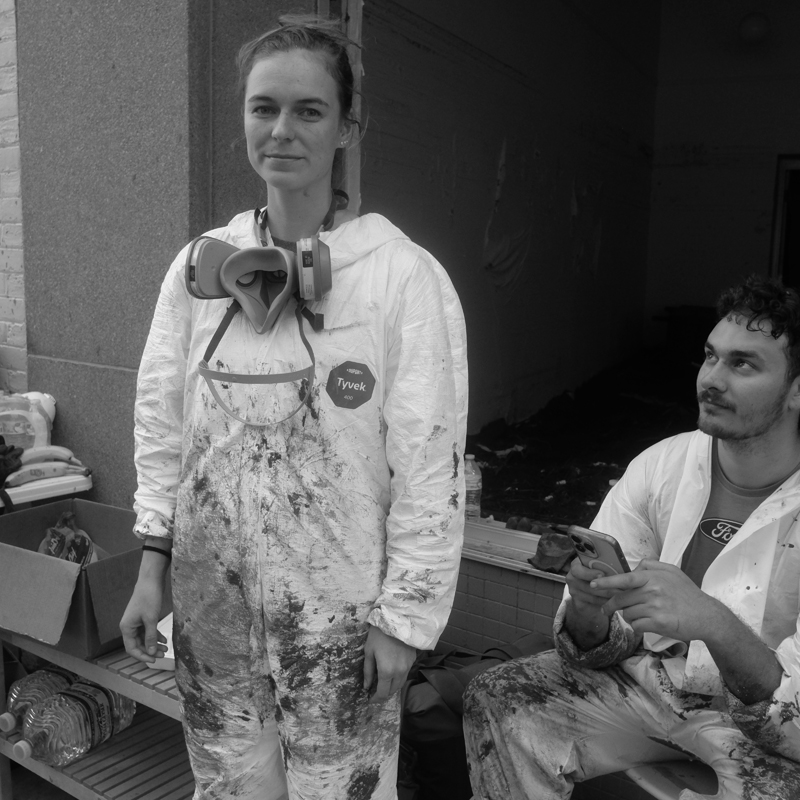
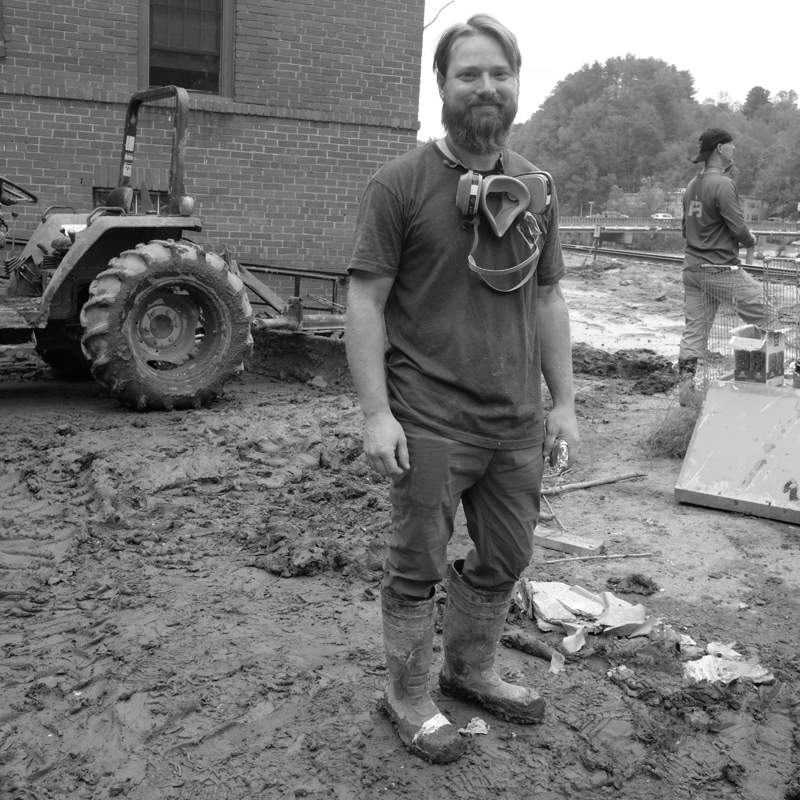
Friday, October 4
The town is crawling with journalists, photographers, videographers, all looking for the defining image or story. Some are working with major publications or media outlets, others are rubber-necking, disaster tourists. All are afraid to get close, to engage, choosing to keep their distance with their long lenses and removed personalities.
Volunteers are here in earnest today, hundreds of them. Arriving to Nanostead, the staging area, and donning brilliant white Tyvek and boots, heavy gloves, masks and respirators. They’re driven by shuttle into town and turned loose. Students from all over, elderly people here with church groups from Oklahoma, California, and Louisiana with memories of Katrina. A soul food truck operated by a family from Florida who stay a week and then have to beat it back to Florida to help with Hurricane Milton. The best fried catfish I’ve ever eaten. Other trucks arrive in regular fashion, bringing food, water, chain saws, generators, more Tyvek.
Throughout the day I see people — hugging, holding hands, crying together, hugging some more. The look remains one of disbelief, confusion, anger, emotional exhaustion. Yet, people are here — together — mucking, hauling debris, ripping out sheetrock and insulation, helping each other. I see my friend Matt, a local building contractor, who sends a crew down to the Natural Foods store where they demo the sheetrock and insulation throughout the store in ninety minutes — a job that would’ve taken the owners days to finish.
Sunday, October 6

There are fewer people in town today and I don’t stay long.
Deb and Jerry Burns at Engine House Design are mucking and removing debris but already thinking about how to redesign the building.
Jamie at French Broad Exchange isn’t sure what he’s doing. The buildings’ owner is not helping with the clean-up and restocking will be a long, slow and expensive process. But he loves the town and being part of it.
Josh has a small crew pressure washing the kitchen at the Old Marshall Jail. I’m mesmerized by their movement with hose and brush, like an elegant dance of light and space. And for a time I dance with them, moving, seeking the right spot, stopping time.








Tuesday, October 8
The town is humming with activity today. Food stations at Nanostead preparing for the noon rush. Downtown, mud remains the ever-present problem. Inside the buildings, pressure washing and sweeping the liquid muck into the street, where it will be piled, picked up, and hauled off. There is a sense about the mud that it will never go away, as if it’s been imprinted and will forever be a part of the town.
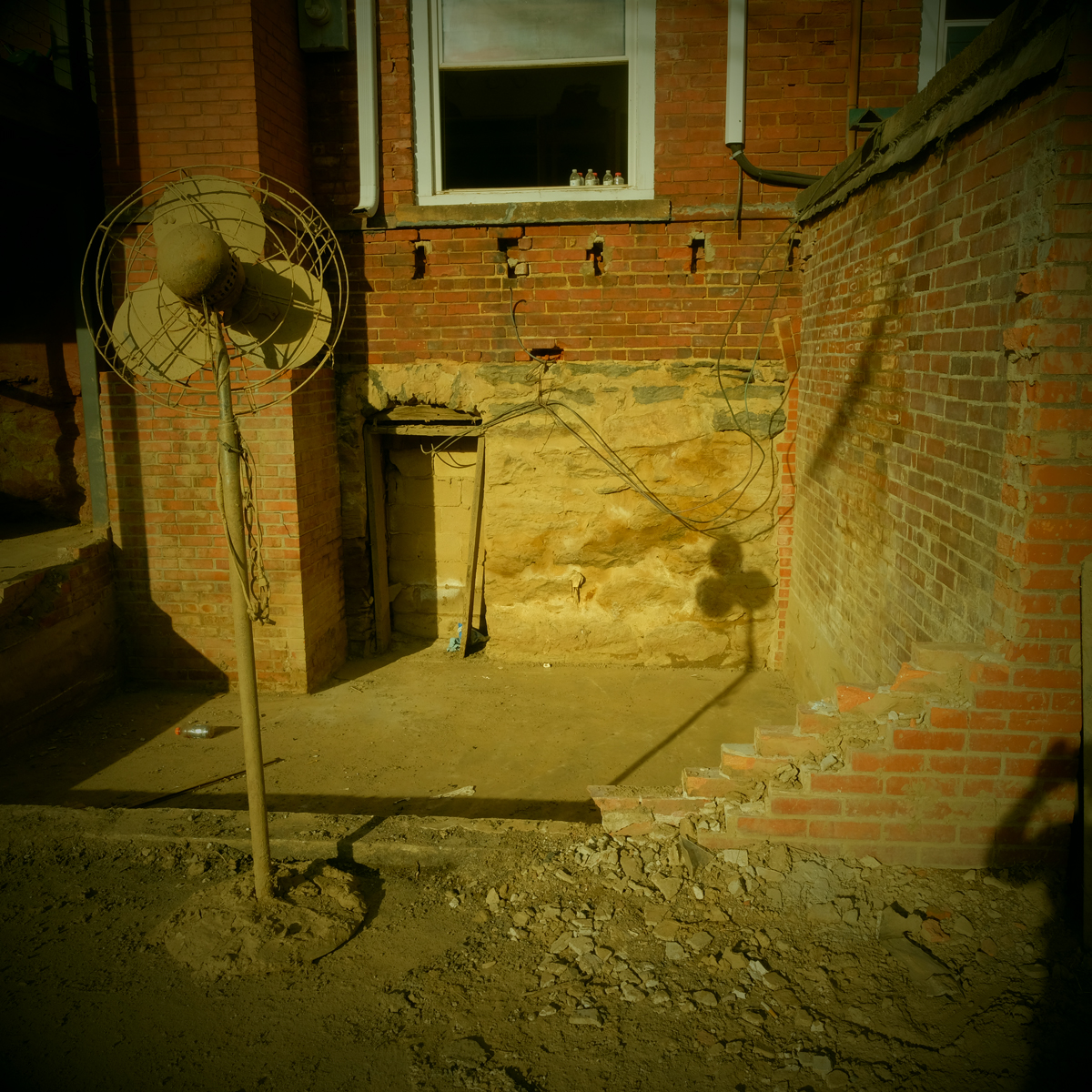
There are some buildings, farther along in their rebuild, that have fans set up in their open doorways, drying the building and clearing the air.
There are more volunteers, their gleaming white Tyvek soon to turn brown. They’re mostly young, many students, some from close by, others from far away. It’s heartening.
And the Army has arrived. Probably a couple of platoons of men and women from the 101st Airborne Division from Fort Campbell, Kentucky. They, too, are very young, some not long out of high school. Fit, with shoulders and arms meant for work.
I walk through town hunting artifacts. They’re everywhere. Still-life expressions of what once was.
Wednesday, October 9
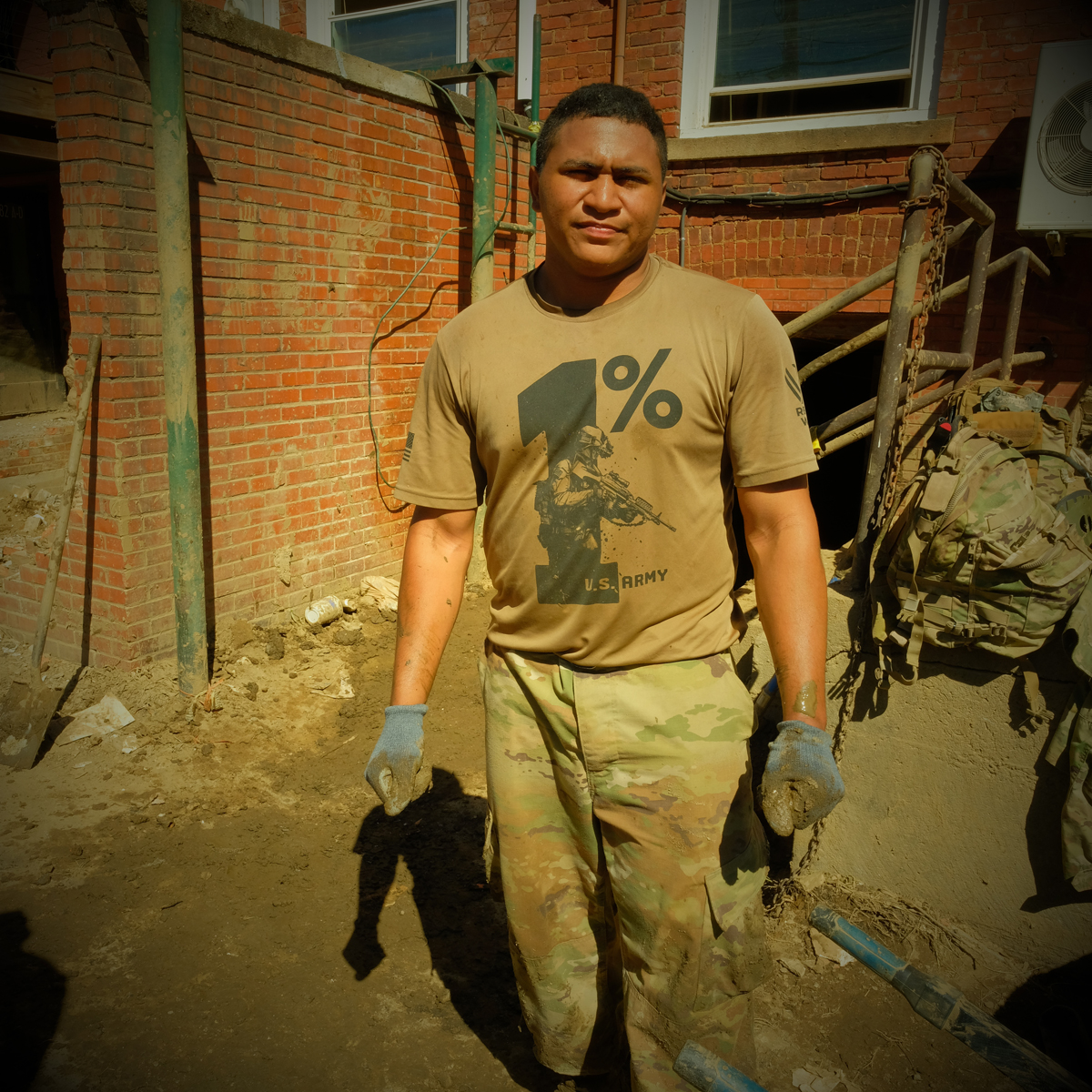
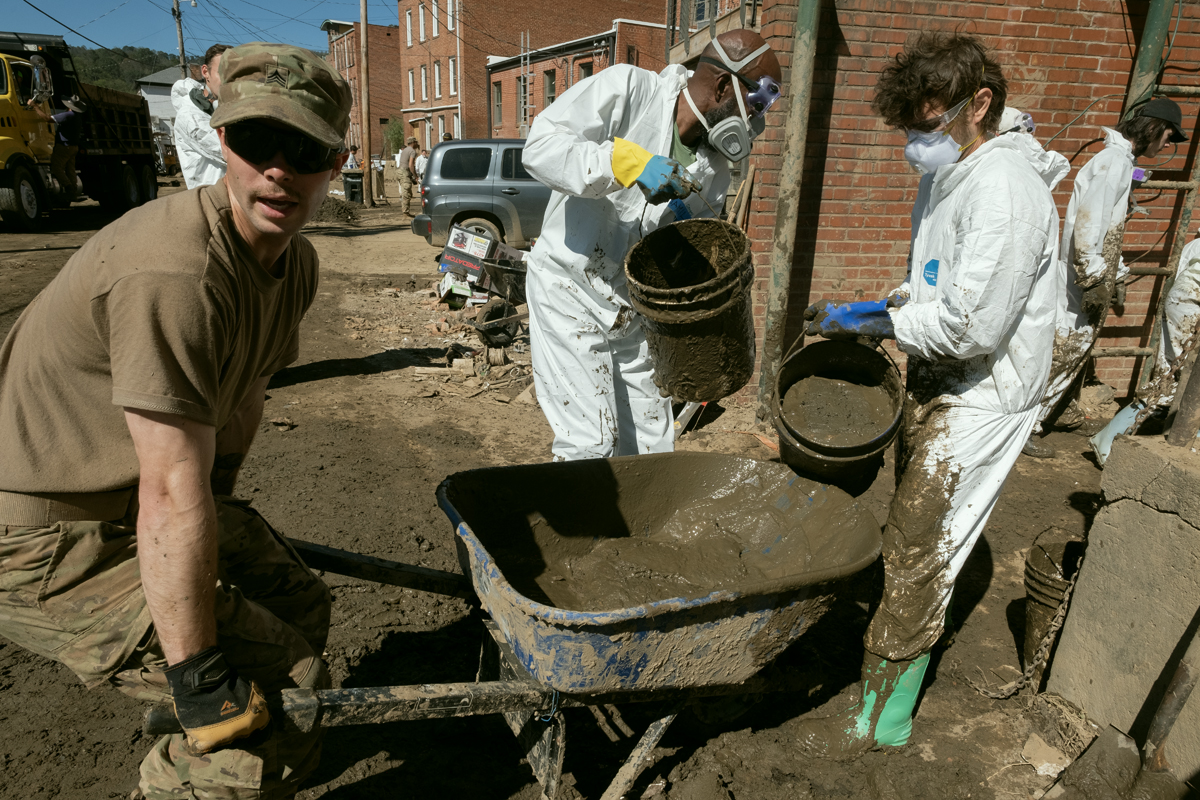
The Army seems to have found its purpose in the basements of downtown Marshall. In those tight, low-ceiling, airless dungeons, up to three feet of river mud has settled. In most cases the only access to the basements is through suspect steps and narrow doorways with no room for machinery.
I have a long history with the Army. My father was a veteran of World War II and both of my parents worked for the Department of the Army throughout their careers. I was an Army enthusiast and went to an all-boys, Catholic, military high school. I considered a career in the military as a potential life goal. I enrolled in advanced ROTC in college and was preparing to enter the Army as a second lieutenant upon graduation.
But change happens if you are open to it. I began reading a broader body of history and literature and hanging out with a more diverse group of people (teachers and students) who introduced me to new ideas and ways of seeing the world. A trip to Italy with my grandmother sealed my distaste for Catholicism and opened me to European opinions of America.
So, when the 101st Airborne marched into Marshall, I was prepared to be resistant at worst, mistrustful at best. But change happens.
At the Madison County Arts Council building, a crew of fifteen soldiers are gathered around the stairs and doorway to the basement. A group of six or eight of them, two mud buckets each, go into the dark, dank room and begin shoveling. The mud is thick, heavy with water, and stinks; a half a bucketful is almost too heavy to lift. At the doorway stands Lopez. He handles all the buckets, hauling them to the stairs, and handing them to two men above him who empty them into wheelbarrows. It is grueling, nasty work. They work in thirty-minute shifts, a fifteen-minute break, then back at it. It takes two days to clear the building.
There is a side of me that is in awe of these young men and women — their focus, work ethic, stamina, and their ability to find the best solution to a problem and then just doing the work. At the same time I know that when they signed up for the Army they didn’t really have a choice as to what work they did. And I much prefer they are in Marshall, rather than in some far away place shooting up the local population and countryside. The whole town is thankful they are here.
Friday, October 11
The river’s flow looks almost normal today. Nothing else about it is the same. New channels and sandbars. The river banks are stripped clean or a tangle of downed trees, miscellaneous debris, and a gelatinous mix of sand and mud. There’s a shipping container wrapped around one of the bridge pilings. Those trees that survived the flood are festooned with plastic sheeting and bundles of PVC pipe.
The Army and the volunteers are back at it, but roles have changed. The soldiers have been ordered out of the basements by their superiors for fear of mold and toxicity. They’ve been replaced by the young volunteers.
I wade into the warehouse to check on my books. They’ve been moved upstairs, safe and dry, and out of the way. Sealed shut and unreadable.
Saturday, October 12
Al and I go back to the warehouse and gather the books into the back of my truck. We’re going to park them in our barn for some undetermined future use.
I make a photograph of the books in the truck that speaks to me of the totality of my loss. The image filled with mud-splattered books — black and white and brown. In the corner, looming, is my head and torso’s shadow, the books’ covers living in my body’s trace.
Tuesday, October 15
A late afternoon walk through town. Streets mostly empty of people, not the mud, which maintains a lessened but constant presence.
Years ago, when I lived in downtown Marshall, in converted warehouse space on the third floor of what is now the Flow building, the town emptied at 5 o’clock. Dave, the town custodian who doubled as Santa Claus in the Christmas parade, would begin his walk through town with pushcart, shovel and broom. And Marshall would shut down for the night.
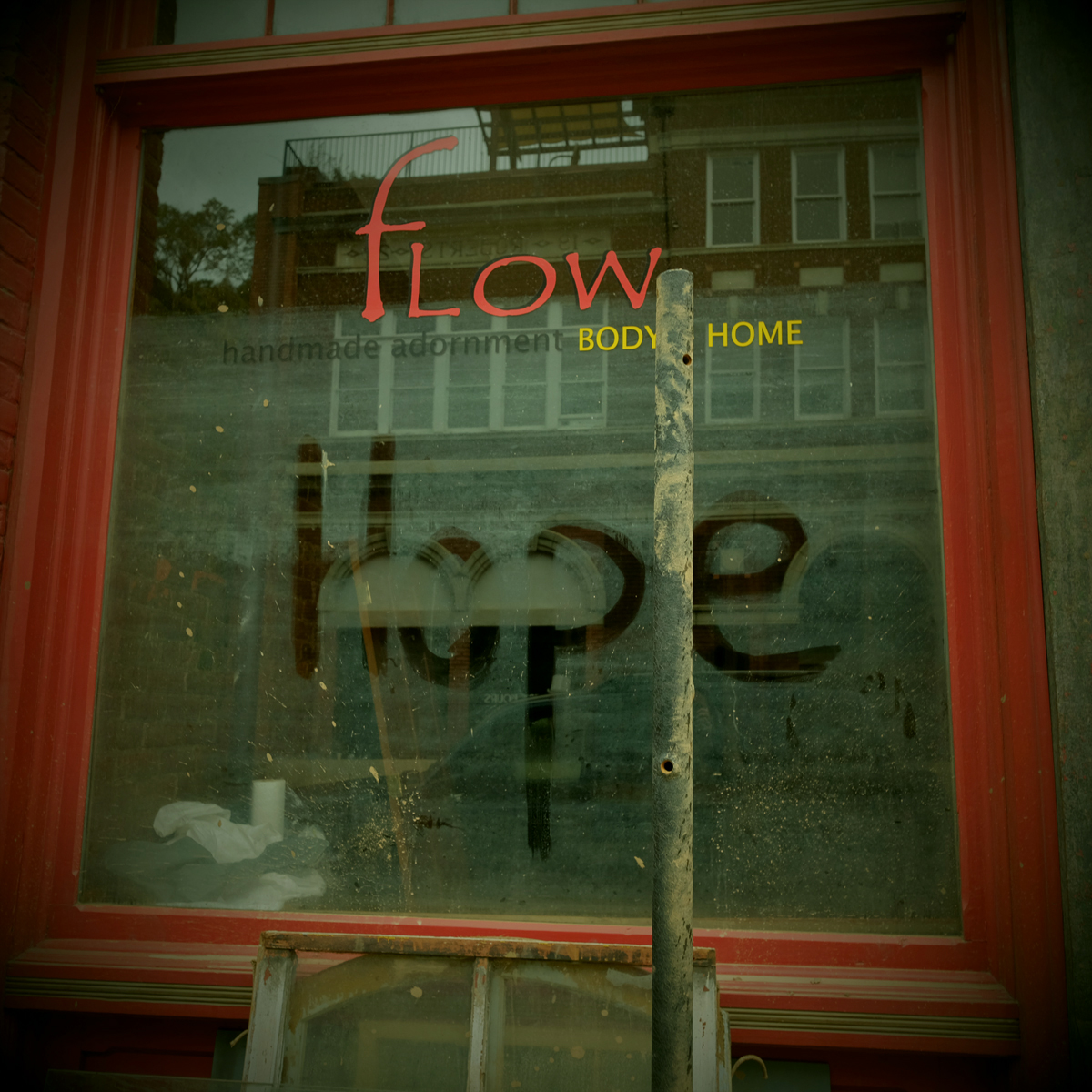
This town closure, of course, is different. Involuntary. Streets passable but slick with mud, buildings open to the air, no power, the town not just shuttered for the night, but essentially dead.
But I do faintly hear music and follow it to the courtyard behind the old Rock Cafe. It’s a small gathering celebrating Deb Burn’s birthday. There’s a chocolate cake, and music, and people dancing around a portable heater.
Saturday and Sunday, October 19 & 20
It’s mostly quiet as I walk through town. There’s people, but not many. Thomas and Mark are washing and sweeping, getting ready to mitigate for mold. The Shadyside florist guy is stunned, everything that was inside his store is now piled high outside.
The relative lack of sound, the quiet of the place, offers the opportunity to see quietly, without the urgency of the cleanup dominating most images. There’s time to feel the light and taste the wind, hear the now muffled sound of the river. There’s beauty in the stillness of the destruction, life as the river has left it.
The roads are dusty now, the recurring mud dry from lack of rain. It’s been three weeks since the storm.
Monday, October 21
A quick visit with Georgette and Susan at Penlands Store. They’ve torn the flooring out of the building and I bring some home with me to maybe use in an art project.
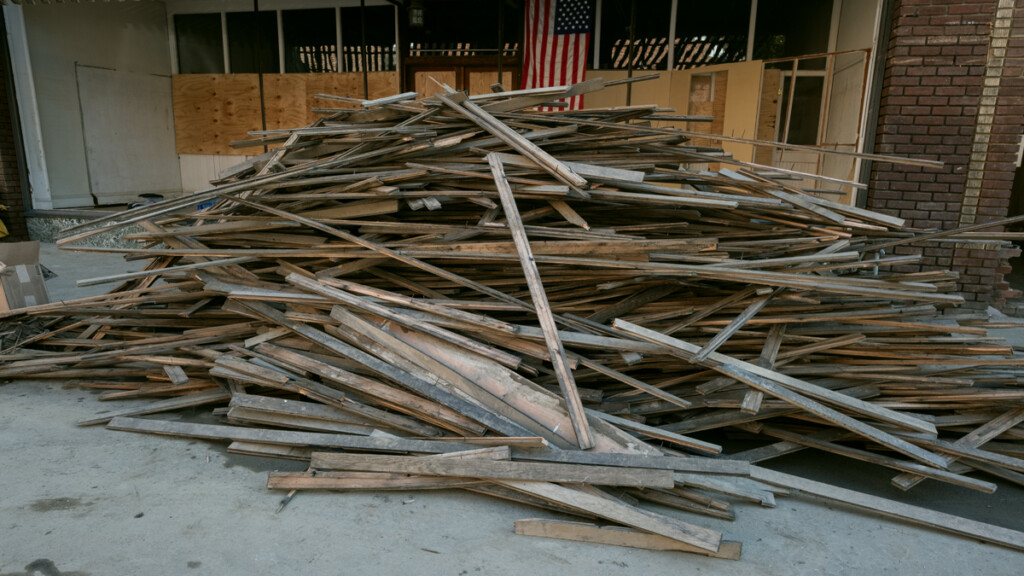
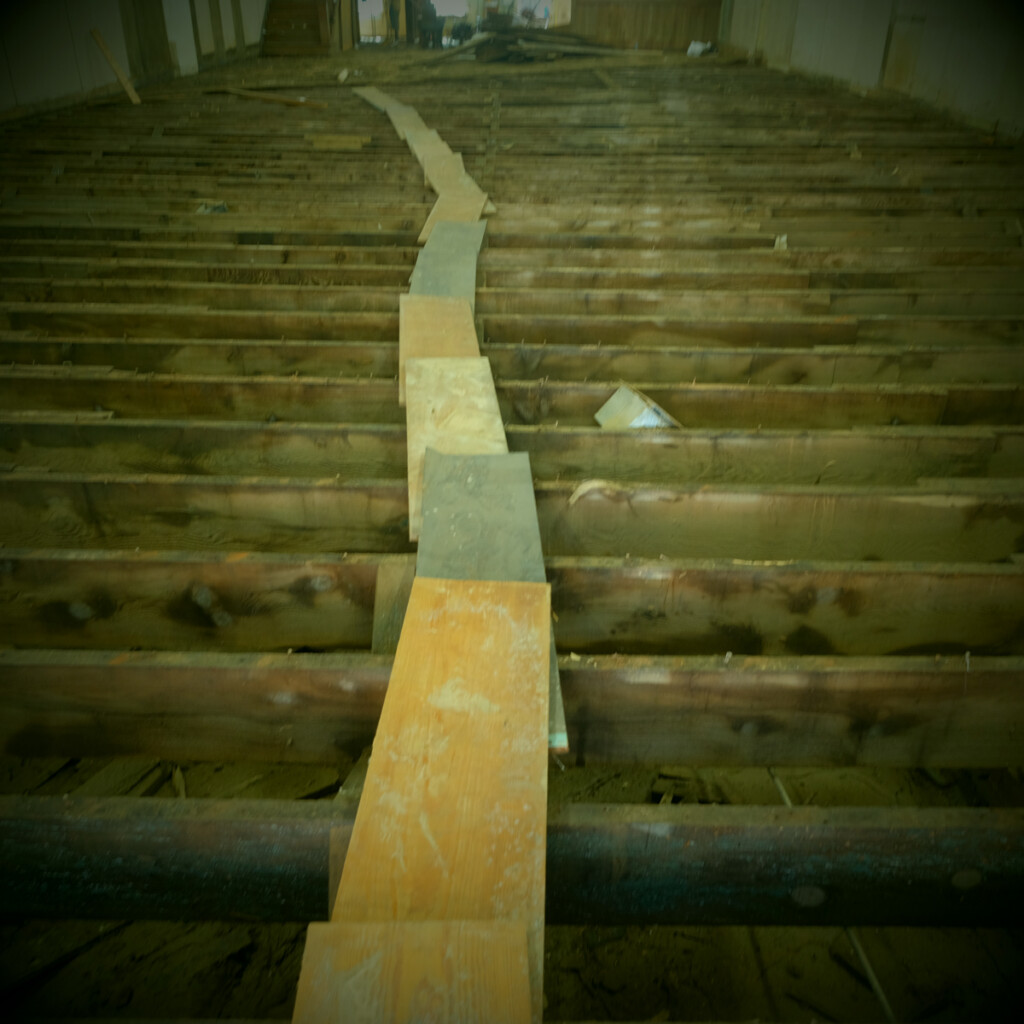
Sunday, October 27
Town has become emotionally exhausting for me and I’ve been staying away more and more. The constant reminder of the loss of my books and the utter destruction of the town. Plus, the upcoming election has me and my friends on edge. We’re hopeful Harris will win but not without fear of a bad ending. We know Madison County will vote Republican.
Wednesday, October 30
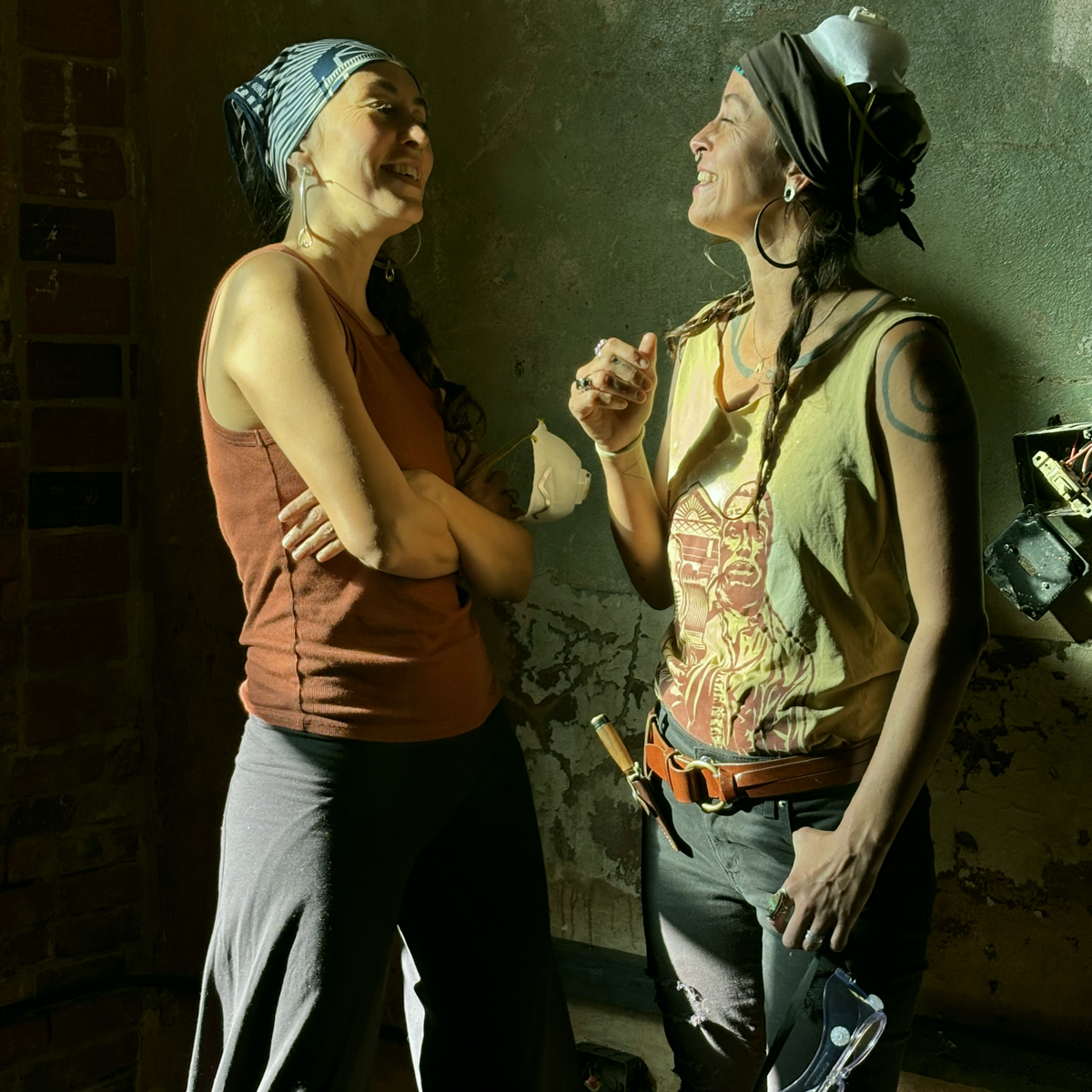
I’m not quite sure how he’s done it but Josh is having ballad swap at the Jail tonight. Balladry has a long and storied tradition in Madison County and the county, especially the community of Sodom, is considered a rich source for acapella ballad singing. Since Josh Copus opened the Old Marshall Jail as a boutique hotel, restaurant and bar, he has been hosting a monthly ballad swap. Six to ten singers, some with multi-generational roots in the tradition, gather at the Jail to swap songs and stories.
It’s pretty much the first event in town since the flood a month ago and the symbolism is hard to miss — the community’s ancient tradition responding to the wrath of our most ancient river, the French Broad.
It's primitive at the Jail, no food, a portable tap serving free beer, limited seating, highly emotional. Everyone is glad to be among other people. Hopeful. Closes with “I’ll Fly Away.”
Saturday, November 2
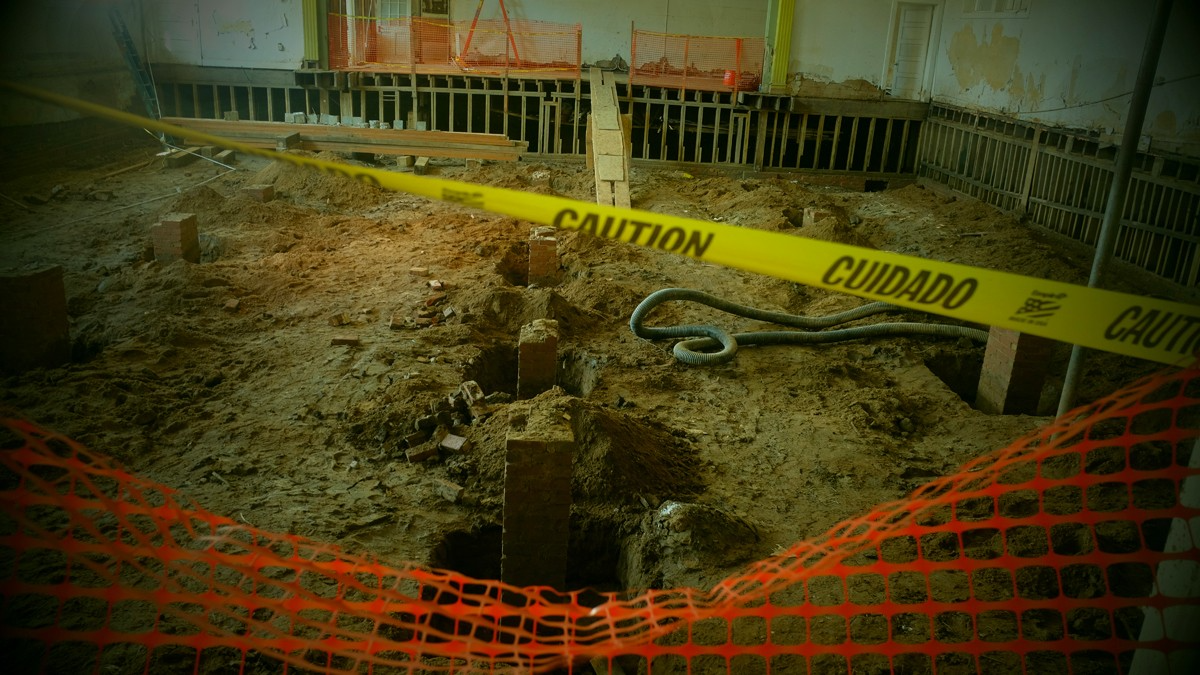
Meet up with Jack Cecil from the Biltmore Estate and his wife and sister and do a walk around town. He is on the board of trustees for the Duke Endowment, which has donated millions to the rebuilding effort in the region and wants to do more. They’ve asked me to come to their monthly meeting and do a presentation about Marshall.
We walk over to the island for a look at the Marshall High Studios. The grounds — the walking trail, basketball court, swing sets, picnic tables, maybe a hundred trees — denuded and gone. Replaced with debris piles, mountains of trees, and a heavy layer of sand. Inside the building — like every other place in town — but bigger, more complicated, very expensive.
The dust. It’s dry. People beginning to worry about fires with all the downed trees, fuel.
Saturday, November 16
The mud is mostly gone, not entirely, but out of the majority of the buildings and off the streets. Debris and dead trees remain a work-in-progress with any one day better than the day before. Many places have been pressure washed and mitigated for mold, swept, and open to the dry air outside.
The town has been feeding on a shared energy to get to this visible progress and today is the expression of that bursting energy. Party is in the air. Not quite two months since the flood and Marshall is ready to cut loose, take a break from the doom and gloom, catch our collective breath and ready ourselves for the next, hardest push.
My friend Lois, a fellow artist and thirty-year resident of the county has decided to have her annual found art fashion show. Lois lost everything to the storm—her home and studio, and every trace of her seventy years of life and fifty years of art. Her response to the grief of losing the physical memory of her life—make more art.
I photographed Lois’s first fashion show at the Madison County Arts Council and many more since then. Funny, outrageous, creative, the shows take full advantage of the overwhelming number of artists in the community. This year is no different in that respect—a celebration of the power of art, and resilience. This year's theme — Tyvek.

Spring, 2025
I think about Helene a lot. Was this our “Get Right With God” moment? Retribution for past sins? Noah? Or was it a random, freak-of-nature storm that devastated the western third of our state. Was nature humbling us? Letting us know that while we consider ourselves safe from most of nature’s fury, it isn’t a sure thing. When I think about the frequency and intensity of these natural and manmade disasters in places like Paradise, California, Maui, Hawaii, Gaza, Ukraine, Los Angeles, it may simply have been our turn.
The adrenaline wore off months ago, about the time winter set in. It carried the town through the intensity of the cleanup — the mucking and striping and pressure washing and mitigating. There is still evidence of the recent destruction — lingering piles of debris, or trees, or mud — but Main Street is clean, drivable, and gives the appearance of nothing being amiss.
But peoples’ moods have darkened with the season; money to rebuild being the main concern. Insurance monies are slow to arrive and federal dollars that flowed quickly during the previous administration are being delayed or rejected by the current crowd in office.
People sit and wait and get frustrated.

Also there’s a shortage of sub-contractors with the entire region devastated. Plumbers, electricians, carpenters, laborers, heavy equipment operators, all hard to find.
Major questions about the rebuild of the town, which lost over a quarter of its buildings, and still lies in the floodplain, something that won’t change. And there is the very idea of the town itself — what is it, who is it for, how is it paid for?
Marshall has been reborn in recent years. What had been the economic, political, and cultural hub of the county for many decades had mostly died during the 1980s and 1990s with better access to the outside world and changing demographics. The 2000s brought new money, ideas, and energy to town and Marshall and the county emerged as a destination for art, cultural tourism, and outdoor adventure. The flood changed all of that.
Some people/businesses will leave. Some will stay. Of the original businesses in town, Penlands Store, Shadyside Florist, maybe Bowman’s Hardware, the VFW building, will stay. Every other business is new within the last twenty-five years and most of them are coming back.
I continue walking. Often through town looking for traces of improvement, or not. There are places in town where it looks like the flood happened yesterday, and others that are open for business. I went with Jim along a stretch of the railroad track near Redmon searching for debris and was not disappointed. Same in the woods and field next to Ronnie Meadow’s house.
There are gatherings in town. Mal’s bar has opened for music a few different times and there was a big Punk concert at the Arts Council. The venues are unfinished, almost primitive, without plumbing, but offering a place to come together. Everyone is hungry for it.
Summer, 2025
Was speaking with Pete the other day and we agreed that town felt different. And we couldn’t really say what that difference is. The physical changes are obvious, but beyond that, the emotional and attitudinal shifts areharder to identify. It seems the overall, never-ending need for money is dwarfing the strong sense of community that existed before the flood. And the uncertainty of what is coming next, knowing Marshall will be altered, possibly shattered beyond repair.
As I’m finishing this essay, I must acknowledge several of the catastrophes that have hit the nation since Helene devastated our region. Fires in Los Angeles and Maui, tornados in the Midwest and Plains, another flood in eastern North Carolina, and the unprecedented high-water disaster in Texas.
Storms are growing in frequency and intensity, with devastating effects on people, the natural world, and property. How to reverse course? How to rebuild? How will governments and insurance companies pay for ever-more-costly reconstructions? Our current national government seems intent on removing itself from the responsibilities of emergency management, leaving it up to the states who can’t afford the costs to clean up and rebuild.
Marshall and our neighboring town of Hot Springs are rebuilding, slowly. People are supportive. Music is regularly happening and a couple of restaurants are open. During the day the streets are busy with construction workers —carpenters, plumbers, electricians —putting the towns back together. There is no safe place. All of us are vulnerable; some people much more than others, but there is no hiding from the fact that we live in a deteriorating global environment. And as the scientists have predicted, it will only get worse.
About the Author/Photographer
Rob Amberg has photographed and written about western North Carolina since moving there in 1973. Internationally published and exhibited, his photographs are represented in numerous public and private collections. Rob has received fellowships and awards from the National Endowment for the Humanities, the John Simon Guggenheim Foundation, The Center for Documentary Studies, and others. His books include Quartet: Four North Carolina Photographers (2007); The Living Tradition: North Carolina Potters Speak (2009); and his Madison County trilogy: Sodom Laurel Album (2002), The New Road: I-26 and the Footprints of Progress in Appalachia (2009), and Little Worlds (2024). Books and prints are available on his website: robamberg.com. Amberg lives in Madison County, North Carolina.
Donations for Marshall’s recovery can be made to:
The Madison County Arts Council
The Downtown Marshall Association
]]>
Preface
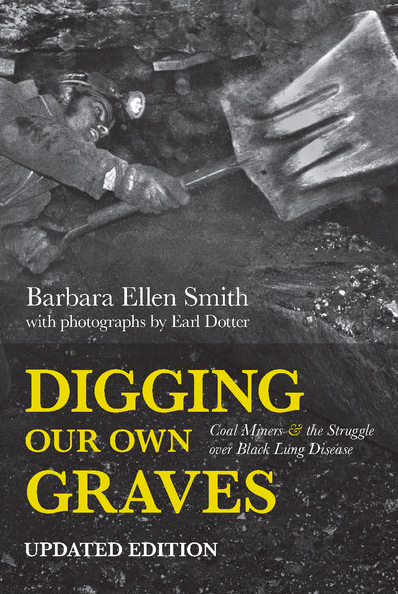
Digging Our Own Graves, first published in 1987, concluded with an ominous prediction: "Black lung disease awaits the younger generation of coal miners who are now at work underground." Would that I had been wrong! Today, not only do coal miners still suffer from this lethal but preventable lung disease, they do so at younger ages, some even in their thirties, and they are contracting the most advanced form of black lung at the highest rates ever recorded. More than fifty years after the US Coal Mine Health and Safety Act of 1969 imposed a respirable dust standard on the coal industry, designed to prevent black lung, why do such carnage and suffering persist? This updated version of the original book seeks answers to that question.
My own introduction to black lung began in the winter of 1971–1972, when I came to West Virginia to work for the Black Lung Association. I was barely twenty years old. Extraordinary political transformations were in the making: coal miners, miners' wives, and widows were challenging powerful institutions that had once commanded their acquiescence—the hierarchy of the United Mine Workers, the coal operators' association, county political machines, and the Social Security Administration.1The language of "miners' wives and widows" implies that all miners are male. However, since at the least the 1970s, women have worked in the mines, including underground, albeit in small numbers. I use the language of "wives and widows" because most black lung activists use this language in their organizing and their discussion of black lung compensation (e.g., "widows' claims"). For a young college student from the Midwest, these developments in the mountains of West Virginia beckoned with a romantic excitement. Besides, the mountains were my ancestral homeplace; now I could return to them, not on a summer vacation in the backseat of the family car, but on my own.
Working with the older coal miners and impatient young organizers who made up the Black Lung Association at that time was a formative political experience for me. Coming from a long line of southern subsistence farmers and circuit-riding preachers, I was instilled with a righteous, if vague, sense of populism that made me eager to join the struggles of "working people." But neither my political heritage nor my exposure to campus radicals prepared me for what I found in the coalfields of West Virginia: above all, the stark boundaries and clear perceptions of class antagonism. Virtually every coal miner over the age of sixty-five proudly claimed to have "fought in the battle of Blair Mountain with a machine gun" in 1921 to bring the union into southern West Virginia. They were up against the combined forces of coal company guards, the state police, county sheriffs and their deputies, aerial bombers, and, ultimately, the US Army. I was dumbfounded.
Fortunately, it didn't occur to me to write about any of these experiences until my age and the changing times helped to deepen my understanding of what they might mean. In 1978, more than six years after I had first worked for the Black Lung Association, I began the research for a dissertation on the black lung movement. The political atmosphere was altogether different. A reform movement in the United Mine Workers of America (UMWA) had arisen, succeeded in a special election for leadership of the union, then disintegrated; the black lung movement had seemingly disappeared; and a storm of reaction was sweeping the Appalachian coalfields. The setbacks were frightening, but they made possible a more sober and critical perspective on the earlier period of upheaval.
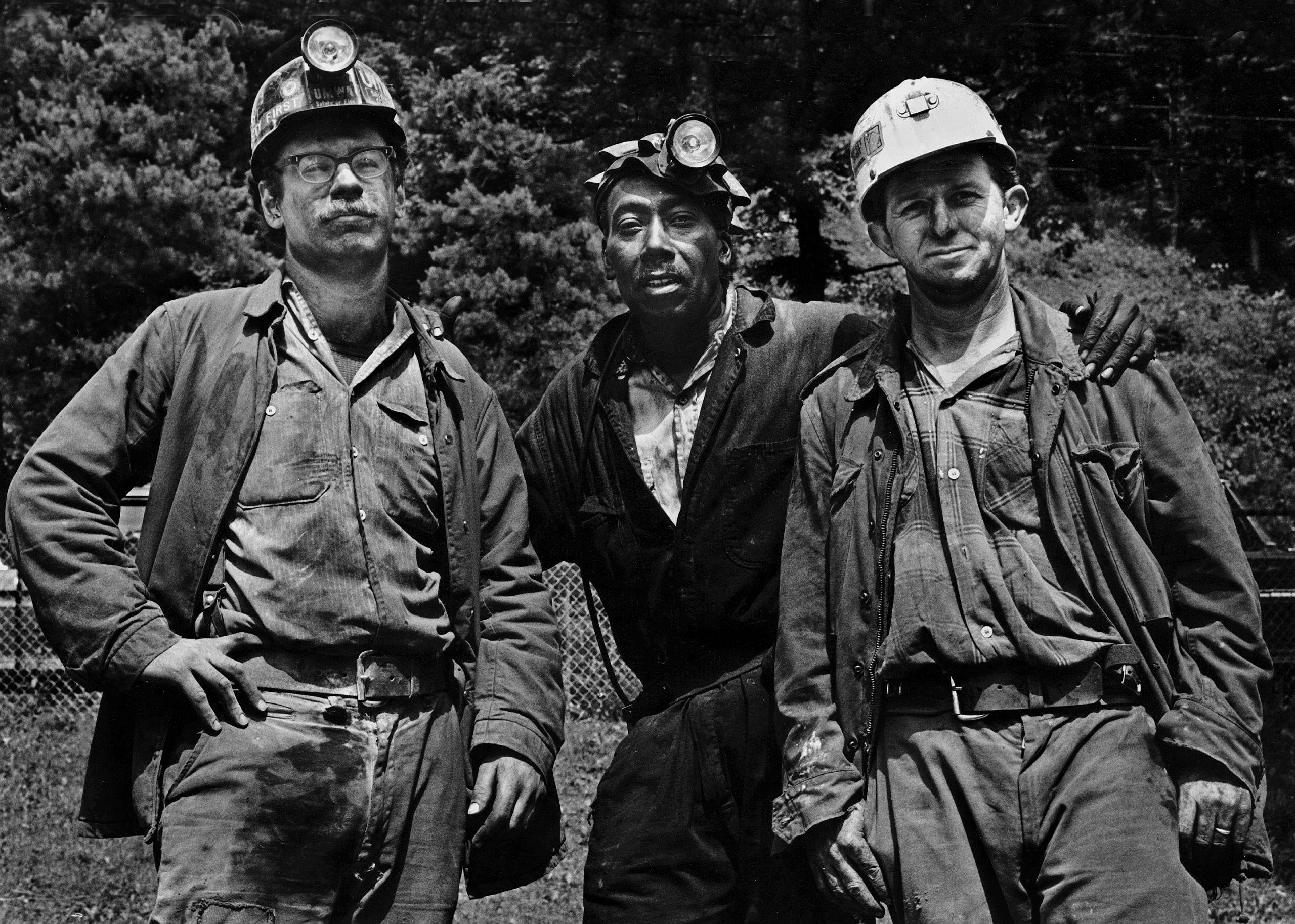
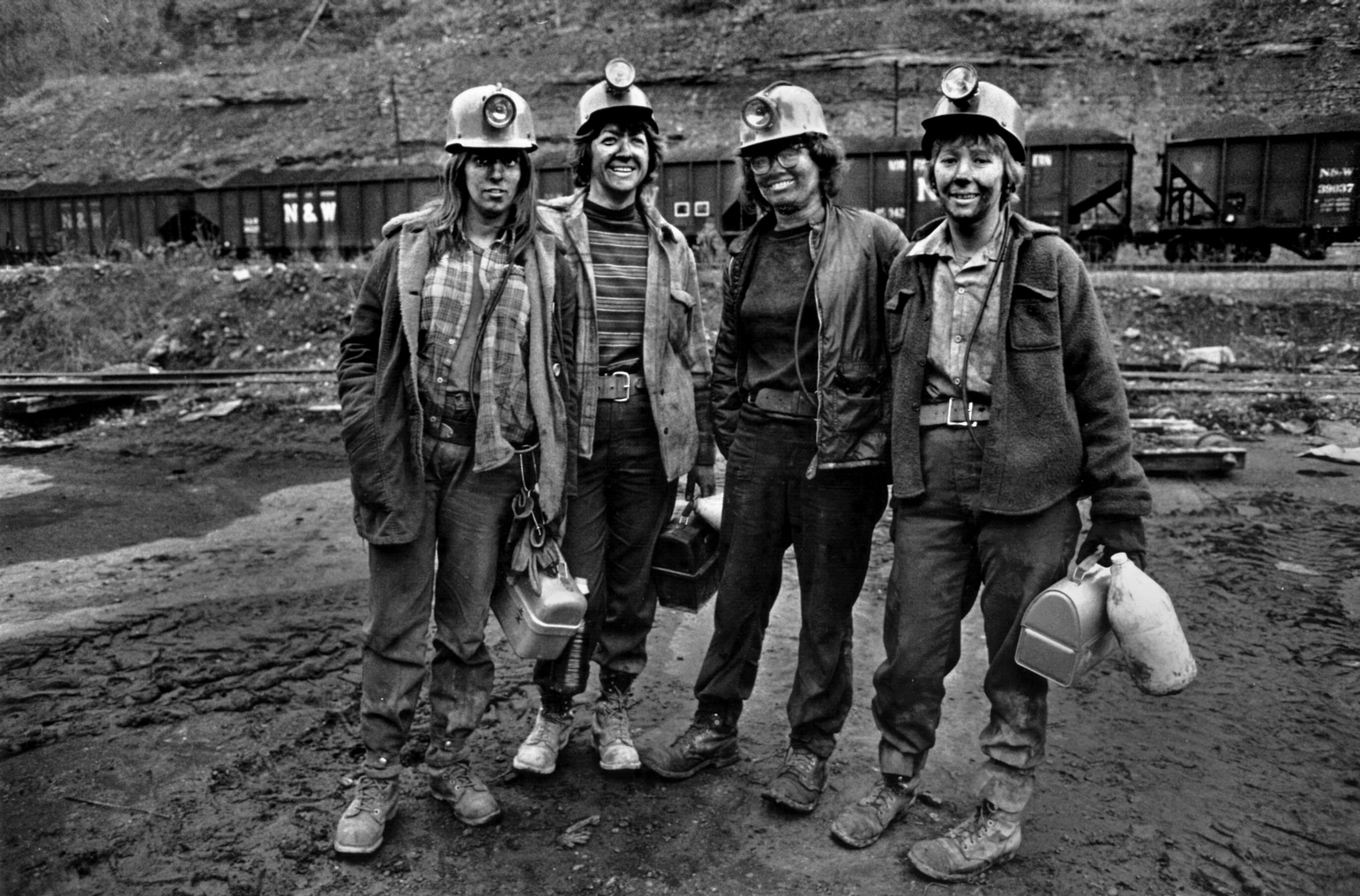
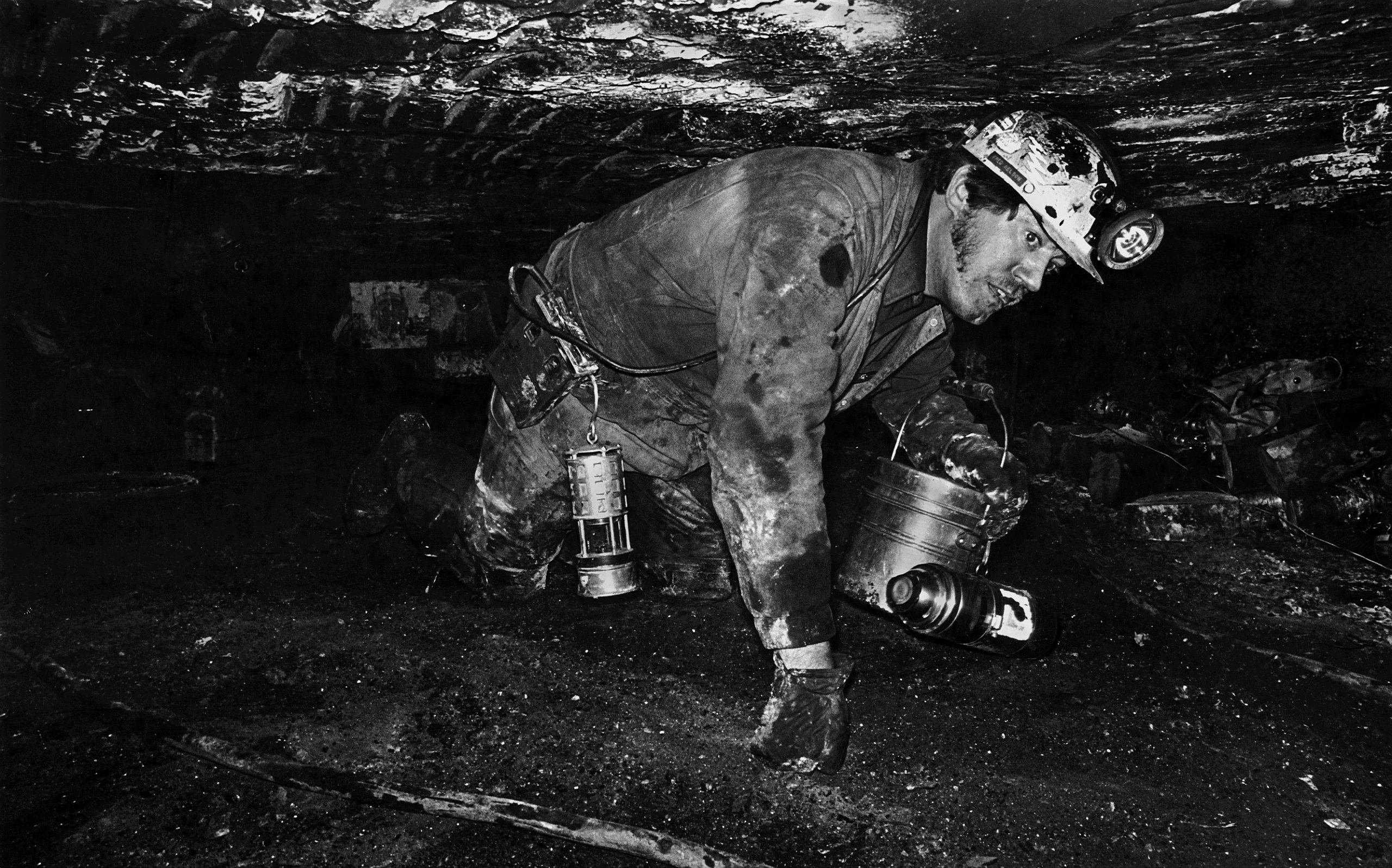
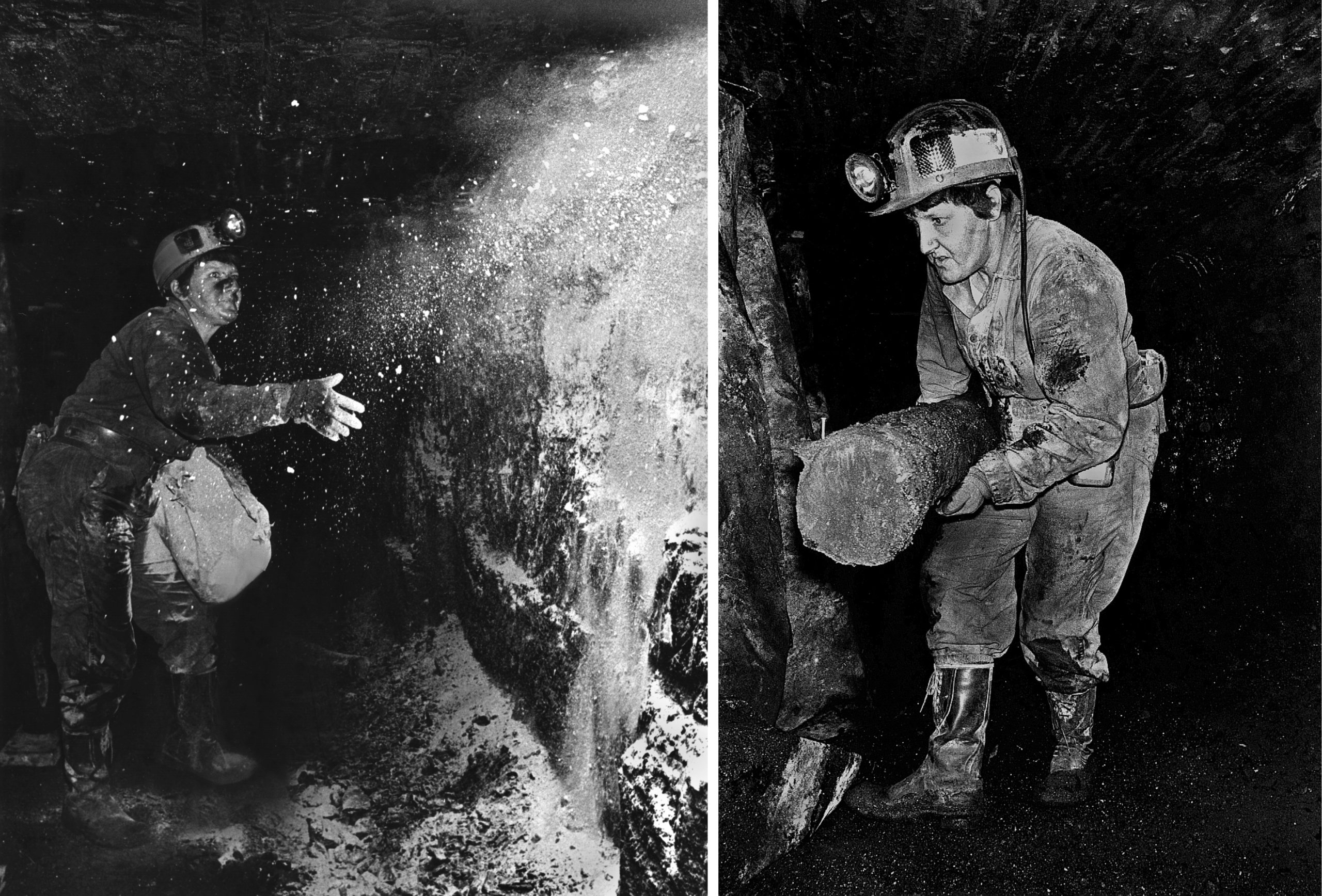
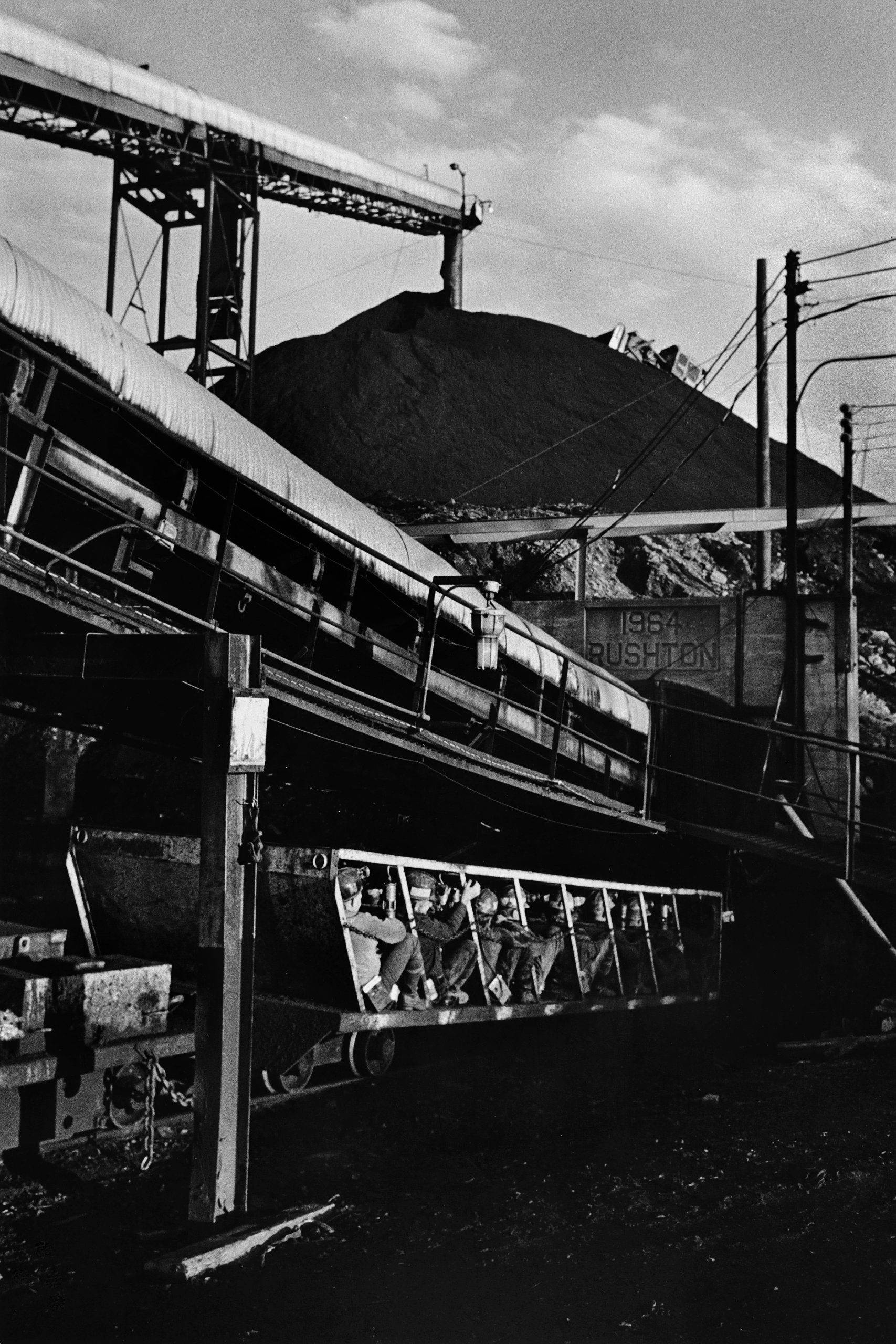
I began this book as a labor history, asking obvious questions that seemed most important at the time: Why did the movement end this way? What did it accomplish? How did it fail? Who or what was to blame? As I dug deeper into the history of the black lung movement, however, these apparently clear-cut questions about victories and defeats began to seem ambiguous, even misleading. The assessment of whether the movement had succeeded or failed depended a great deal on whose goals were used as the standard of measurement—and goals varied considerably among different participants. Moreover, what the larger political culture defined as the movement's greatest accomplishments often turned out to be mainly symbolic; they represented the visible outcomes of formal processes of reform (the passage of legislation, for example), but in and of themselves did not necessarily signify substantial and lasting change. The simplicity of my original questions faded as the labels of victory and defeat, success and failure, appeared more and more ephemeral. The central analytical problems increasingly seemed to involve the maddening complexity of social change itself, which prevented any person or group from controlling the course or outcomes of this movement.
As I delved further into the reforms sought and controversies engendered by the black lung movement, it became apparent that the movement was more than an important episode of labor resistance. At issue in the struggles over black lung, which have reemerged today, is not only how to prevent the disease or compensate those affected by it but also the very definition of black lung. Frequently, the most ideologically powerful opponents that miners have faced in their successive surges of activism are not coal operators or conservative politicians but physicians. At the center of the black lung controversy has been a profound power struggle between miners and physicians over who will control the definition of this disease.2See Daniel M. Fox and Judith F. Stone, "Black Lung: Miners' Militancy and Medical Uncertainty, 1968–1972," Bulletin of the History of Medicine 54, no. 1 (1980): 43–63, for an early framing of the black lung struggle as between miners and physicians over the definition of disease. Their emphasis on medical uncertainty differs from the analysis in my own article, which came out during the same time period: Barbara Ellen Smith, "Black Lung: The Social Production of Disease," International Journal of Health Services 11, no. 3 (1981): 343–359.
As a result of these and other shifts in emphasis, this book is a hybrid. It draws on diverse theoretical traditions in order to analyze not only the organization and development of the black lung movement, but also the history and conflict that underlie the brutal fact of coal miners' diseased bodies. Beginning with how and why black lung originates in the workplace, this book also explores the medical history of the disease and the conflicting meanings that miners and certain physicians, lawyers, and government administrators invest in black lung.
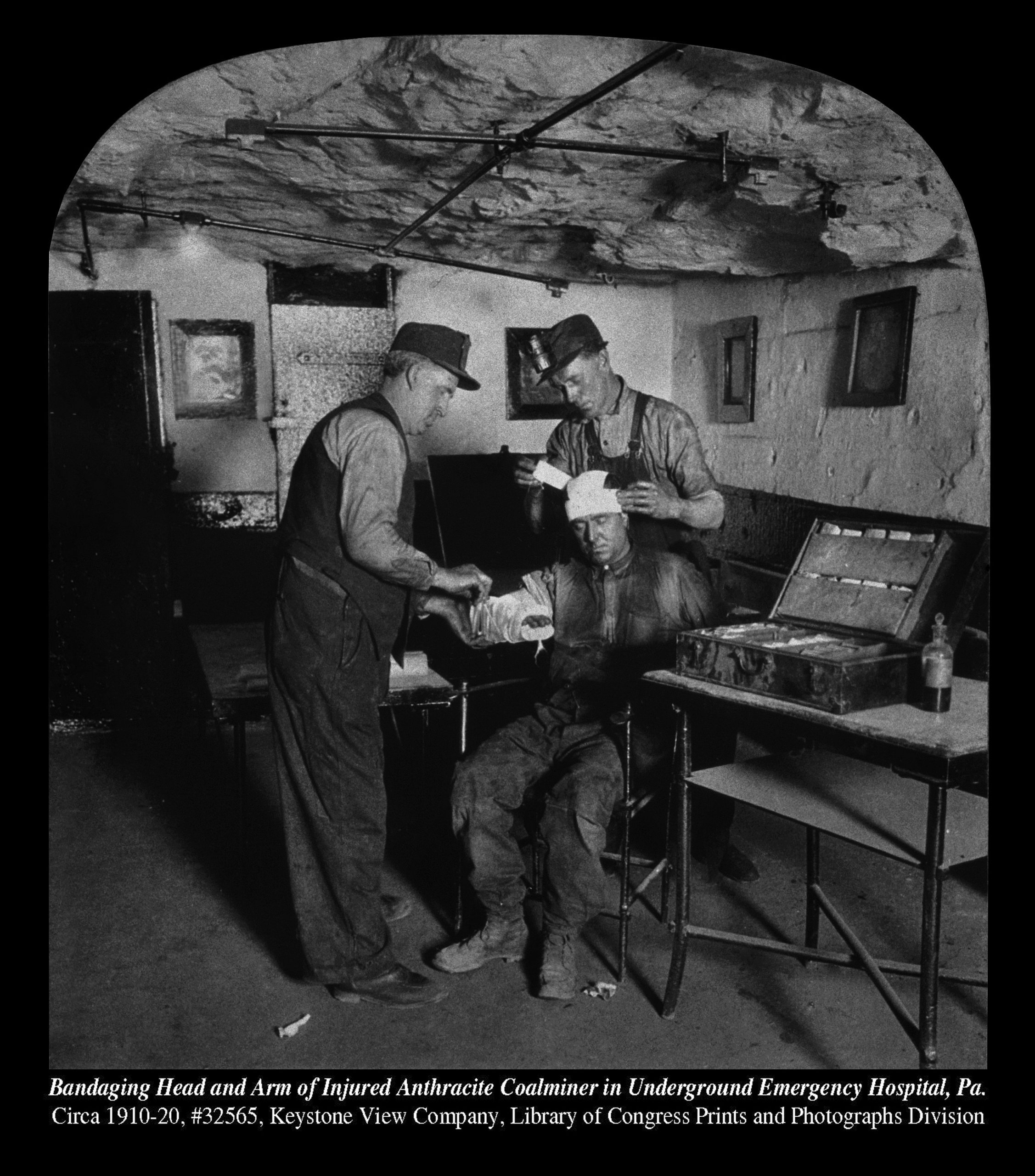
After moving away to a self-imposed exile some twenty-five years ago, I live once again in West Virginia. Contrasts with the 1970s heyday of working-class activism are evident throughout the rural landscape of abandoned gas stations, rusted coal tipples, and boarded-up union halls. The differences are personal as well: when I interviewed black lung activists in the 1970s, I was the age of their daughters and granddaughters; today, I am eligible for Medicare. As I conducted additional interviews in 2019, mostly with retired coal miners close to my age, their bodies as well as their words spoke the story of black lung disease and the physical toll of hard-labor jobs. Conditioned as a white woman to thinking of my embodiment primarily in terms of gender, I was struck again and again by how the privileges of class have shielded me from harm and become subsumed into my body. This updated and revised book, which includes two new chapters and a moving, evocative photo gallery by Earl Dotter, thus entails not only additional research into medical, legal, and economic materials relevant to black lung, but also historical reckonings both political and personal.
Today, as I write this preface, the power relations that miners experience on the job are dangerously asymmetrical, and their outcomes grim. Coal miners in southern West Virginia, once the stronghold of the UMWA in central Appalachia, where those who crossed a picket line invited ostracism if not assault, now work nonunion. Coal companies, facing shrinking domestic markets and in many instances bankruptcy, force workers, coal communities, and American taxpayers to bear the costs of their decline. Black lung can only be fully understood as part of this historical moment, when resistance, remarkably, persists. Digging Our Own Graves analyzes the dreadful resurgence of black lung within the long history of efforts to legitimate this disease and make it visible, prevent black lung in the workplaces where it is produced, and extend dignity and a measure of justice to those for whom prevention comes too late.
Conclusion: Class Power, Scientific Authority, and State Regulation
Nearly two centuries have passed since Dr. James Gregory opened up the lifeless body of John Hogg and hypothesized a connection between the miner's blackened lungs, his respiratory disability in later life, his occupation, and his death. For a time, physicians in Britain and the United States continued to investigate the relationship between occupational exposures and miners' respiratory distress. Toward the end of the nineteenth century, however, during a period of tight corporate control in the Appalachian coalfields and an increasingly restrictive scientific understanding of disease, black lung began to disappear from the medical literature of both countries. In the United States, coal miners eventually precipitated renewed medical attention to black lung by winning a union-controlled health care plan for themselves and their families. Even so, coal workers' pneumoconiosis—much less the broader ensemble of illnesses called black lung—was not accepted as a legitimate, occupationally related disease by the medical profession as a whole.3Journalistic and some scientific accounts equate coal workers' pneumoconiosis (CWP) with black lung. However, an essential component of the black lung movement was miners' and their families' struggle to broaden the definition, beyond CWP, of miners' disabling, occupationally related lung disease. Research by physicians and other scientists familiar with and sympathetic to miners and their health has validated this broader definition. See, for example, Edward L. Petsonk, Cecile Rose, and Robert Cohen, "Coal Mine Dust Lung Disease: New Lessons from an Old Exposure," American Journal of Respiratory and Critical Care Medicine 187, no. 11 (2013): 1178–85. Formal recognition required collective political intervention by coal miners themselves.
Even as social and economic factors have impinged on the medical construction of black lung, so have they shaped the actual production of disease. Black lung originates not simply from the physical presence of dust in coal mines, but from the relative power and respective actions of miners and operators, which influence conditions in the workplace. Miners' eventual success in unionization enhanced their collective power in the workplace, but, depending on UMWA leaders' priorities, unionism at times paradoxically undermined miners' capacity to make that workplace healthy and safe. In the years after World War II, the pact between larger operators and the UMWA produced unimpeded mechanization of the production process, high levels of unemployment, forced migration, and occupational death and disability from black lung. However, that industrial collaboration also produced massive rank-and-file upheaval and a successful effort to reform the union. In the present moment, union weakness and miners' lack of bargaining leverage in the workplace, combined with certain operators' endgame maneuvers to extract coal from thinner seams even while pressing for high levels of labor productivity, once again intensify the extent and severity of the disease.
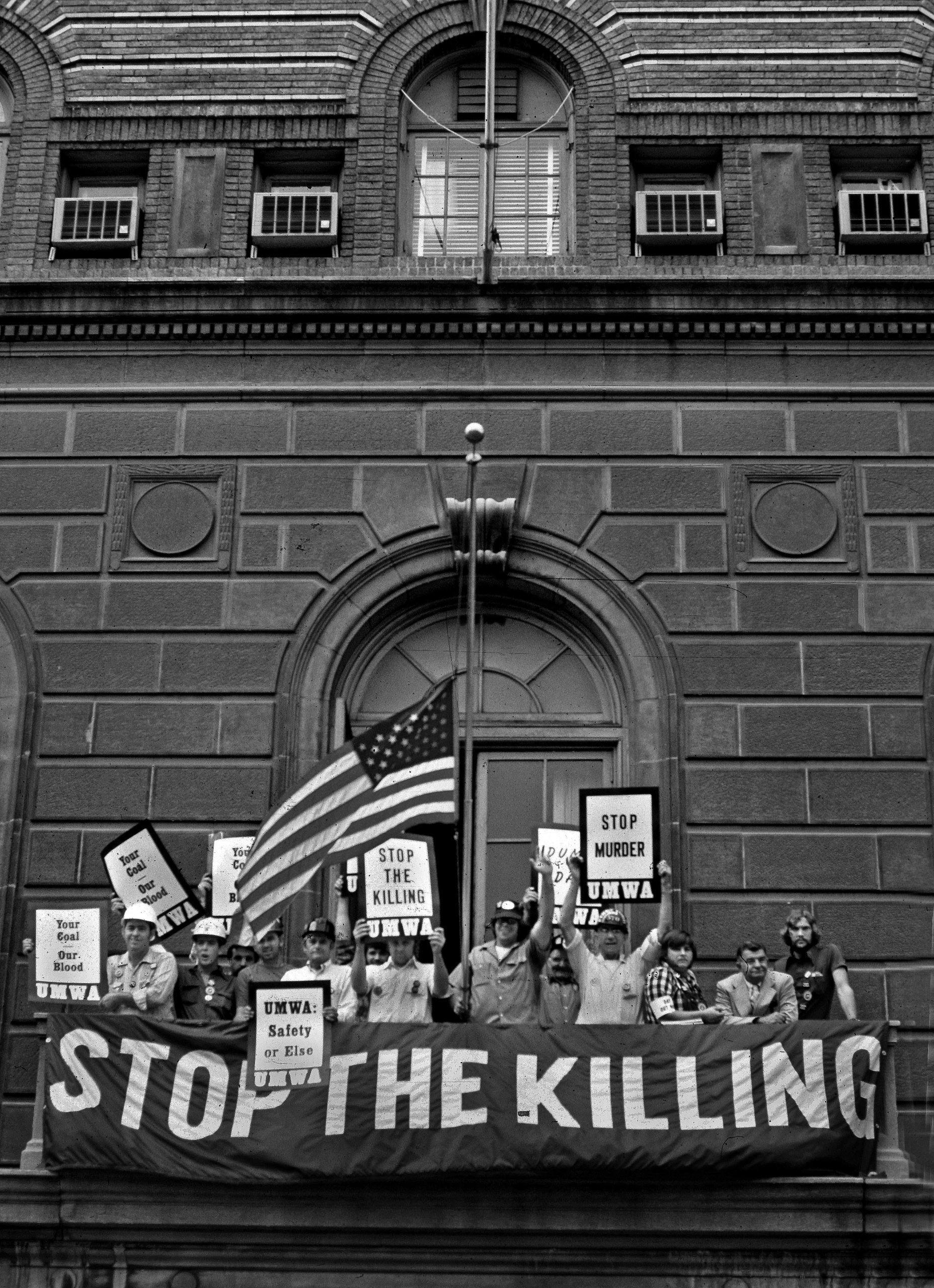
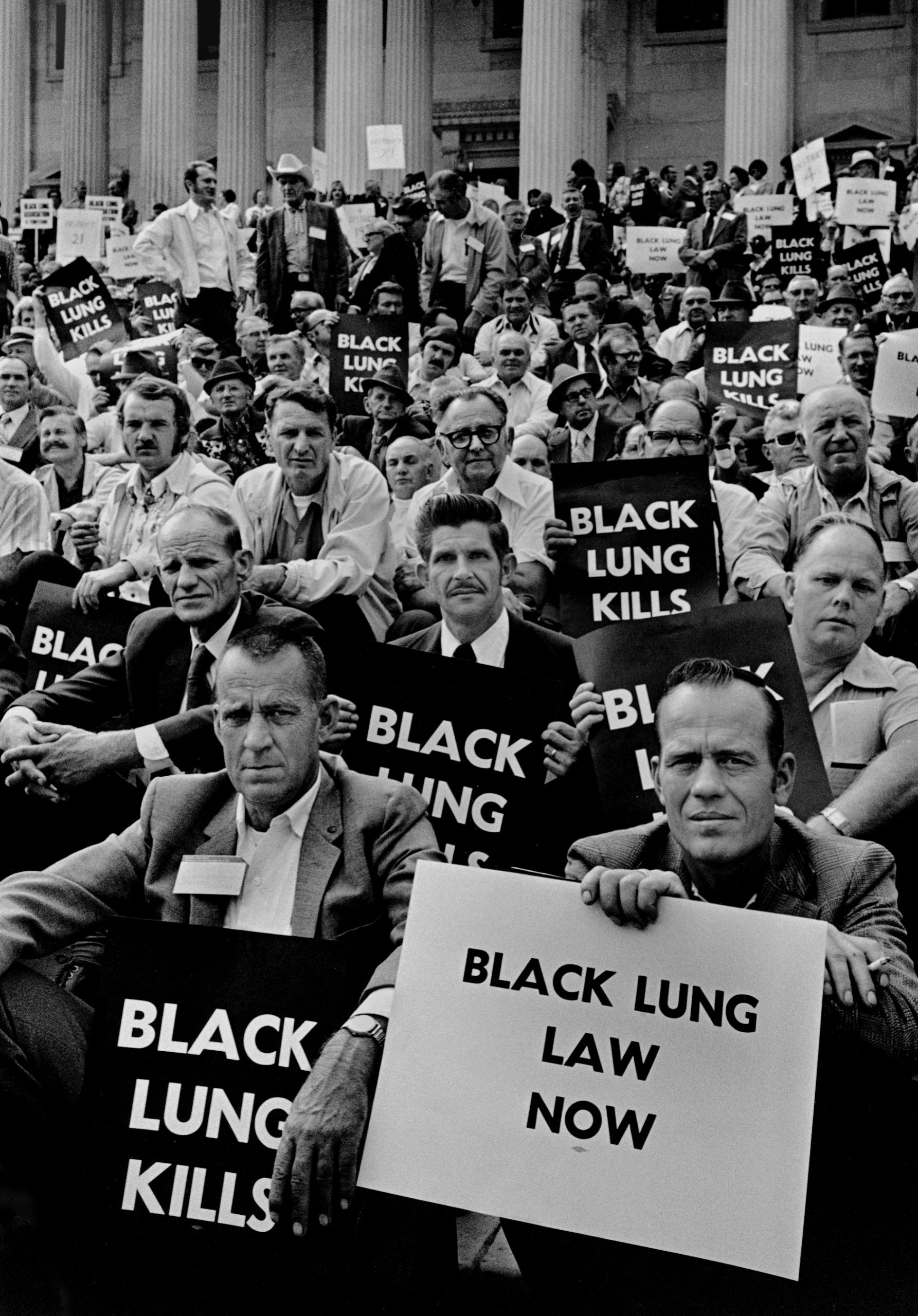
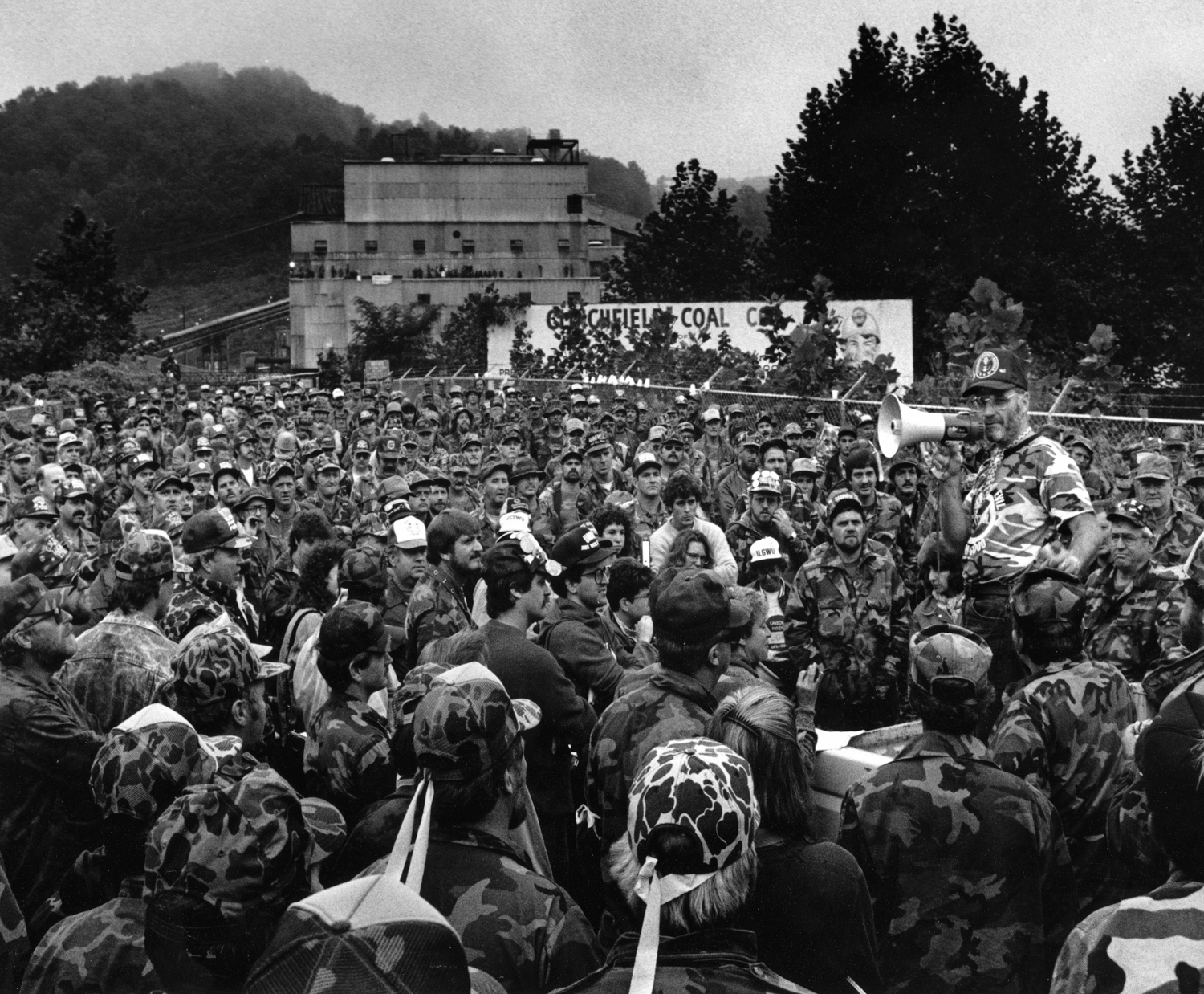
The virulence of black lung today—fifty years after it was supposedly destined for elimination—does not diminish what coal miners, their families, and their allies accomplished in the past. Rather, it attests to the enduring realities of labor exploitation that the black lung movement episodically managed to contest. For its constituents, the movement achieved a unique and unprecedented federal compensation program. Approximately half a million miners and widows have received compensation under the federal black lung program; especially for those ineligible for a pension or other benefits, the monthly payments can mean the difference between destitution and modest survival.4This estimate of the number of black lung beneficiaries is extrapolated from data on the number of claims filed each year, changing approval rates, the annual total cost of claims, and, for some years, reports from the administering federal agency. See, for example, Social Security Administration, Annual Statistical Supplement to the Social Security Bulletin, 2016 (Washington, DC, 2017), Table 9. Beneficiaries who are miners and those who are widows, added together, do not equal the total number of miners judged disabled by black lung, as a widow may receive her husband's benefits after his death. Further, the number of beneficiaries is reported each year as a rolling total, and thus cannot be summed. The coronavirus interrupted my efforts to obtain more precise data. As of December 2018, an individual beneficiary is entitled to receive $660/month, which increases up to a maximum of $1,320 for those with three or more dependents. US Department of Labor, Division of Coal Mine Workers' Compensation, "Benefit Rates Under Part C, 1973–2018," accessed August 16, 2019, https://www.dol.gov/owcp/dcmwc/statistics/PastPartCBenefitRates.htm. The respirable dust standard and other disease prevention measures in the US Coal Mine Health and Safety Act of 1969 are also attributable to the black lung movement. As one element in a larger upheaval throughout the coalfields, the movement contributed as well to the rank-and-file takeover of the United Mine Workers of America and renewal of union leaders' critical attention to occupational safety and health.
Originally and essentially, however, the black lung movement was a struggle over the recognition and, more implicitly, causation of an occupational disease. What seemed at first a straightforward task— achieving legal inclusion of a "new" dust disease under the workers' compensation system—turned out to be a far more complex undertaking. Miners and other activists learned early on that "black lung," as refracted through the lens of scientific medicine, was quite different from the disease for which they sought recognition, compensation, and prevention. In a struggle that has lasted more than fifty years, activists have persistently challenged physicians, lawyers, and policymakers over the meaning of this disease; at different times, they have been able to replace the restrictive scientific construction of a rarely disabling coal workers' pneumoconiosis with their own definition of "black lung." Although focused on arcane disputes over diagnostic methods, disability standards, legal presumptions, and other issues, this conflict over the definition and causation of black lung is intensely political: it involves the ideological content of medicine's view of disease, including the technical perspective that narrows causation to the inhalation of dust, and the powerful role of physicians in labeling work-related disability as legitimate. On the outcome of such conflict rests financial liability for the coal industry that potentially ranges into billions of dollars. The legacy of black lung activism thus entails unsettling questions about the relationship between scientific and technical knowledge, state regulation, and the exercise of class power.
It should be stressed at the outset that not all physicians subscribe to a narrow or purely technical understanding of black lung: recall the role of three doctors (Buff, Rasmussen, and Wells) in the first black lung mobilization during 1968 to 1969 in West Virginia. Dr. Donald Rasmussen continued to work with and advocate for coal miner patients out of his pulmonary lab in Beckley, West Virginia, for five decades, up until his death in 2015.5Sam Roberts, "Dr. Donald L. Rasmussen, Crusader for Miners' Health, Dies at 87," New York Times, August 2, 2015, accessed September 29, 2019, https://www.nytimes.com/2015/08/03/health/research/dr-donald-l-rasmussen-crusader-for-coal-miners-health-dies-at-87.html. Rasmussen's mantle now falls on Dr. Robert Cohen, a pulmonologist who directs the occupational lung disease unit at Northwestern University and frequently testifies before Congress on miners' behalf.6Dr. Cohen testified during the hearings on black lung, "Breathless and Betrayed." See "What is MHSA Doing to Protect Miners from the Resurgence of Black Lung Disease?" YouTube video, 2:58:39, June 20, 2019, House Committee on Education and Labor, https://www.youtube.com/watch?v=sJUDcTf0a_g. Other physicians in the coalfields, such as Drs. Gregory Wagner and Brandon Crum, have devoted much of their professional lives to caring for coal miners with lung disease. After practicing medicine at a clinic on Cabin Creek (West Virginia), Wagner eventually came to direct Respiratory Disease Studies at NIOSH when that agency issued the criteria document that legitimated a broad definition of black lung, inclusive of COPD (chronic obstructive pulmonary disease), and recommended much lower limits on miners' exposure to coal dust and silica.7NIOSH, Criteria for a Recommended Standard: Occupational Exposure to Respirable Coal Mine Dust, publication no. 95–106 (Washington, DC: US Government Printing Office, 1995), xxii, https:// www.cdc.gov/niosh/docs/95-106/default.html. Crum, a radiologist—and, not coincidentally, former coal miner—was first to sound the alarm over black lung's escalating severity, which in 2014 he began detecting among his patients in eastern Kentucky. Four years later, the coal-industry-beholden state legislature responded by disqualifying him from reading X-rays for miners' workers' compensation claims.8Austyn Gaffney, "As Black Lung Strikes Younger Coal Miners, Kentucky Restricts Medical Benefits," NRDC, September 24, 2018, accessed September 29, 2018, https://www.nrdc.org/stories/black-lung-strikes-younger-coal-miners-kentucky-restricts-medical-benefits.
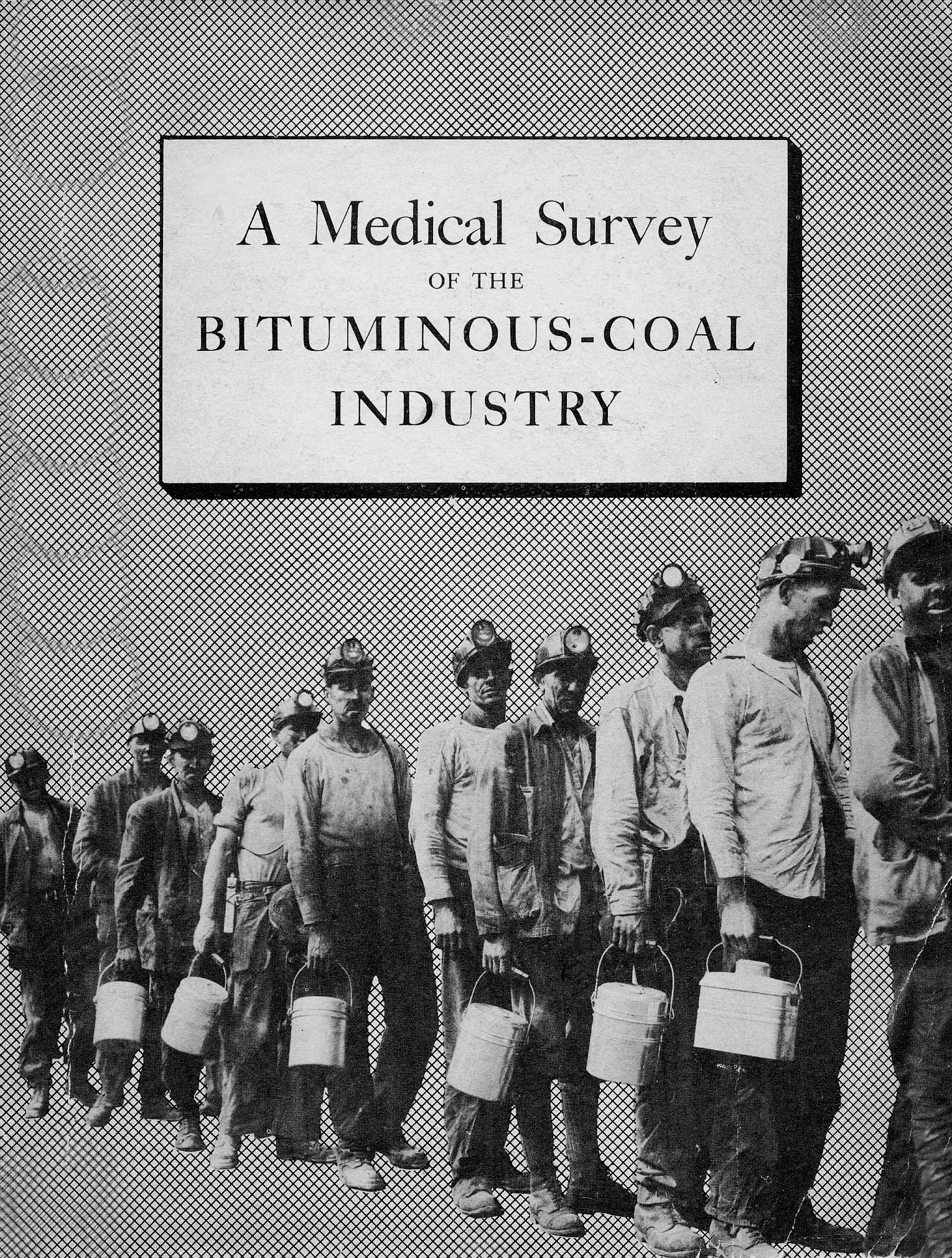
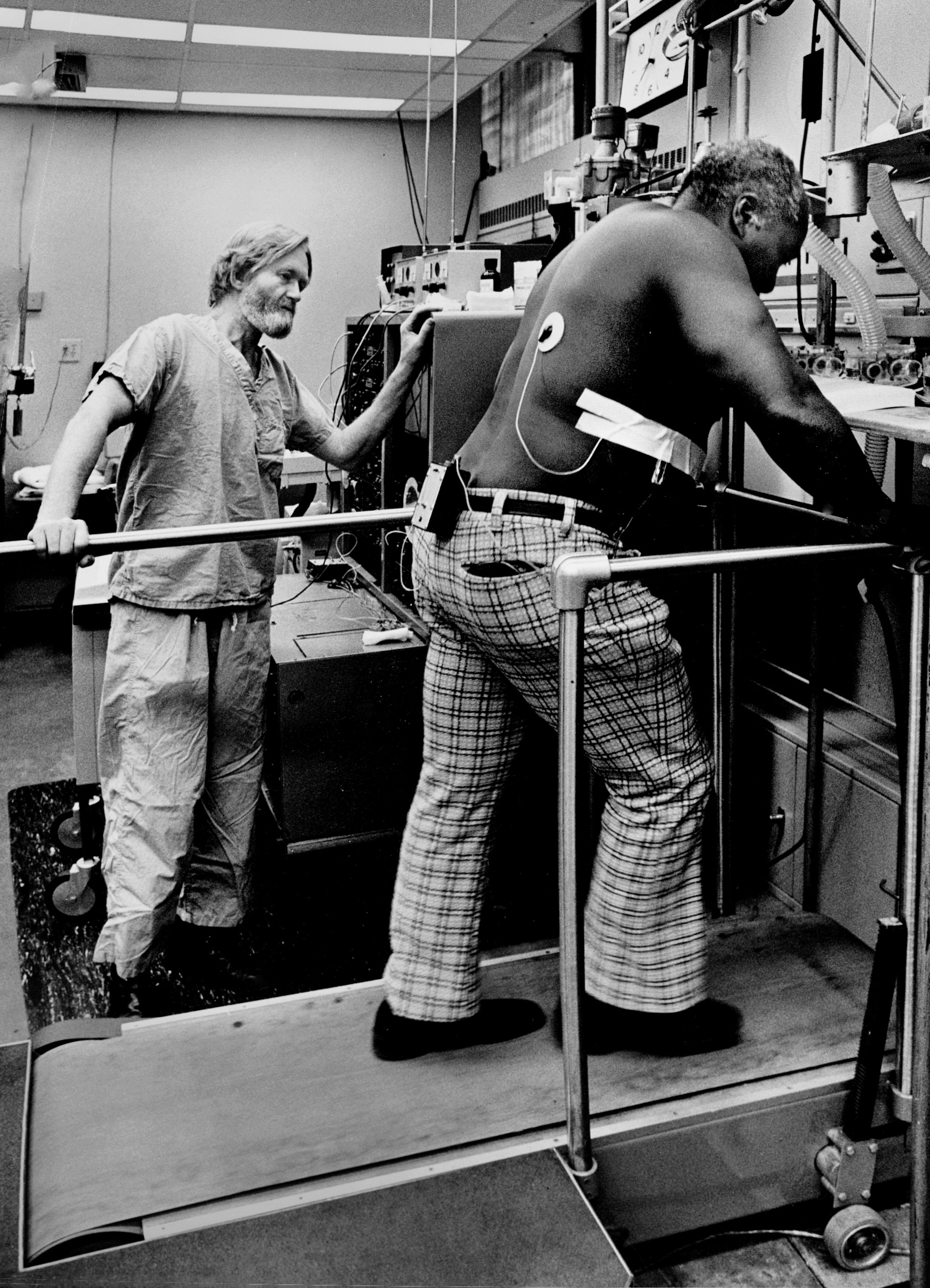
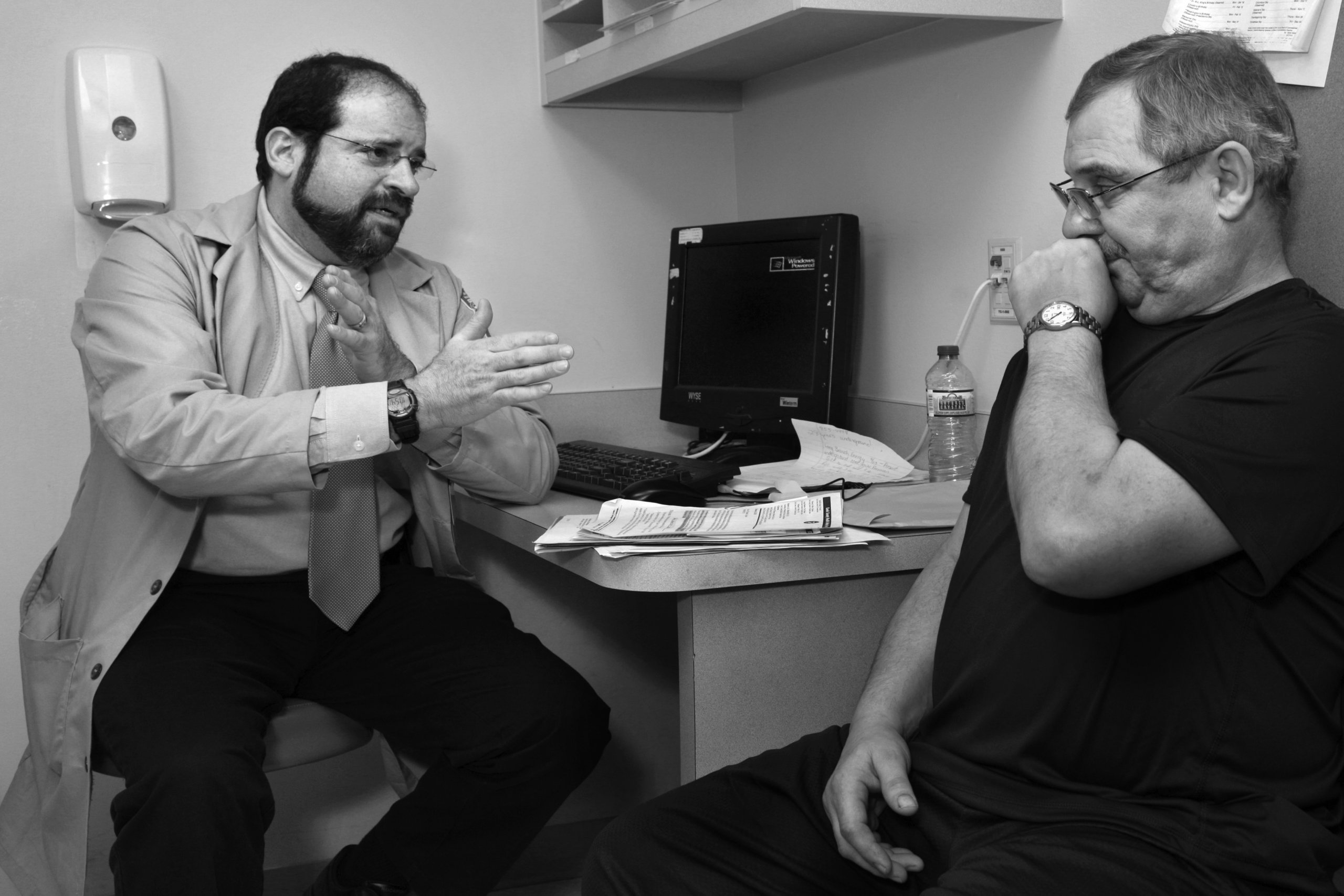
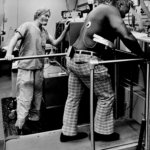

Apart from such individual physicians' political and medical predispositions, however, there remain epistemological tendencies within scientific medicine that militate against the understanding of disease advanced by black lung activists.9This summary of miners' perspectives on the origins of black lung and the role of physicians in advocating a restrictive view of work-related, compensable disease is based on the author's interviews and observations in southern West Virginia at different moments during the past five decades. Within the restrictive medical viewpoint that requires conclusive, scientific proof of occupational causation, black lung is in fact coal workers' pneumoconiosis, a single clinical entity, disabling only in advanced and, even today, relatively rare stages. The disease acquires legitimacy—indeed, effectively comes into existence—only when visible to trained personnel viewing objective diagnostic evidence, that is, X-rays, of an individual miner's lungs. The thousands of miners who believe themselves disabled by black lung yet exhibit no X-ray evidence of advanced CWP might legitimately be considered "disabled"—if the quantitative results of certain tests confirm such a condition. However, the origin of their disability is nonoccupational, above all their own cigarette smoking, or, if nonsmokers, other sources outside the workplace. Although this scientific definition of disease is quite different from physicians' earlier construction of a benign "miners' asthma," the result, in the eyes of many victims, is the same: black lung is trivialized. What many miners view as a collective problem becomes, from the perspective of scientific medicine, individual, quantifiable cases. What they experience as part of the shared social world of coal mining becomes occasional, biological events. What they attribute to their class relationship with the coal operators becomes the product of a single physical agent, dust. In sum, what is collective becomes individual, what is social becomes biological, what is produced by human action becomes the outcome of inert material.
Certain tendencies intrinsic to clinical medical practice are also at stake in the seemingly incommensurable perspectives of miners and certain physicians. Scientific medicine situates disease spatially, within the individual body, and temporally, at the point when signs, symptoms, or other physical alterations develop. Disease is ahistorical as well as asocial; it has no history except a "natural," that is, physical, history. It is said to exist when experienced by the individual and diagnosed by the physician, not at the point when it is being produced. The possibilities for prevention are thus constrained within the very definition of disease.10Howard S. Berliner and J. Warren Salmon, "The Holistic Health Movement and Scientific Medicine: The Naked and the Dead," Socialist Review 9, no. 1 (January–February 1979): 31–52.
Clinical medicine reflects this understanding of disease on a practical level: individual patients present the physician with their distinctive symptoms and complaints; they appear as random, disconnected "cases," and they are granted therapeutic treatment as individuals. There is no social meaning to disease in the sense of an internal relationship between social relations and the individual experience of ill health; primarily individual behaviors, such as diet, exercise, and smoking habits, command attention. Yet, in quantifying disability and allocating it to occupational or nonoccupational sources, physicians implicitly assess the conditions in which miners have lived and worked all their lives. That most physicians have never been in a coal mine (much less worked in one), and that some have never even been in the coalfields, serves to intensify the conflict between physicians and coal miners, who experience the superior legitimacy automatically granted scientific medical knowledge as a complex and powerful form of social control.
The authority of physicians to pronounce miners "healthy" or "disabled" carries important financial consequences. In the context of federal black lung compensation, doctors' assessments of coal miners' health can be decisive in the award or denial of financial benefits that are allocated in large part according to medical eligibility criteria. Doctors act as gatekeepers in a more generic sense as well: they control access to the "sick role," the sole avenue by which adults may legitimately escape the daily responsibilities of their class, race, and gender.11See Talcott Parsons, The Social System (New York: Free Press, 1951). Parsons's conceptualization of the sick role was neither class nor historically specific. For coal miners, as for other workers, the preeminent requirement of their class position is to perform wage labor. Medical criteria for assessing disability (and determining compensation eligibility) that take as the standard for health the functional capacity to work explicitly enforce this requirement. Even if damaged by work, coal miners still must provide medically sanctioned evidence of their "total disability"—i.e., complete inability to continue working—in order to receive financial compensation and legitimate relief from wage labor. In pushing against the limits of this compensation policy, miners and their families implicitly contest not only the ideological authority of physicians to define disease and assess disability; they ultimately threaten the economic power of coal operators by pressing for a broad definition of black lung and relaxed standard of disability that would provide unhealthy miners an alternative to labor in the mines.
This convergence between the restrictive scientific view of black lung and the economic interests of the coal industry is, for many miners and their families, an ultimate source of distrust and conflict with physicians. The narrow definition of disabling black lung as a relatively rare, complicated pneumoconiosis is highly functional to the industry: it circumscribes the scope of occupational lung disease and correspondingly diminishes both the cost of compensation benefits and the importance of prevention. In the context of policy formation, scientific medicine plays a mediating role between the interests of the coal industry and the actions of the state. It facilitates apparent distance between corporate power and public policy, and seems to ground political decision-making in the neutral, technical knowledge of a third party.
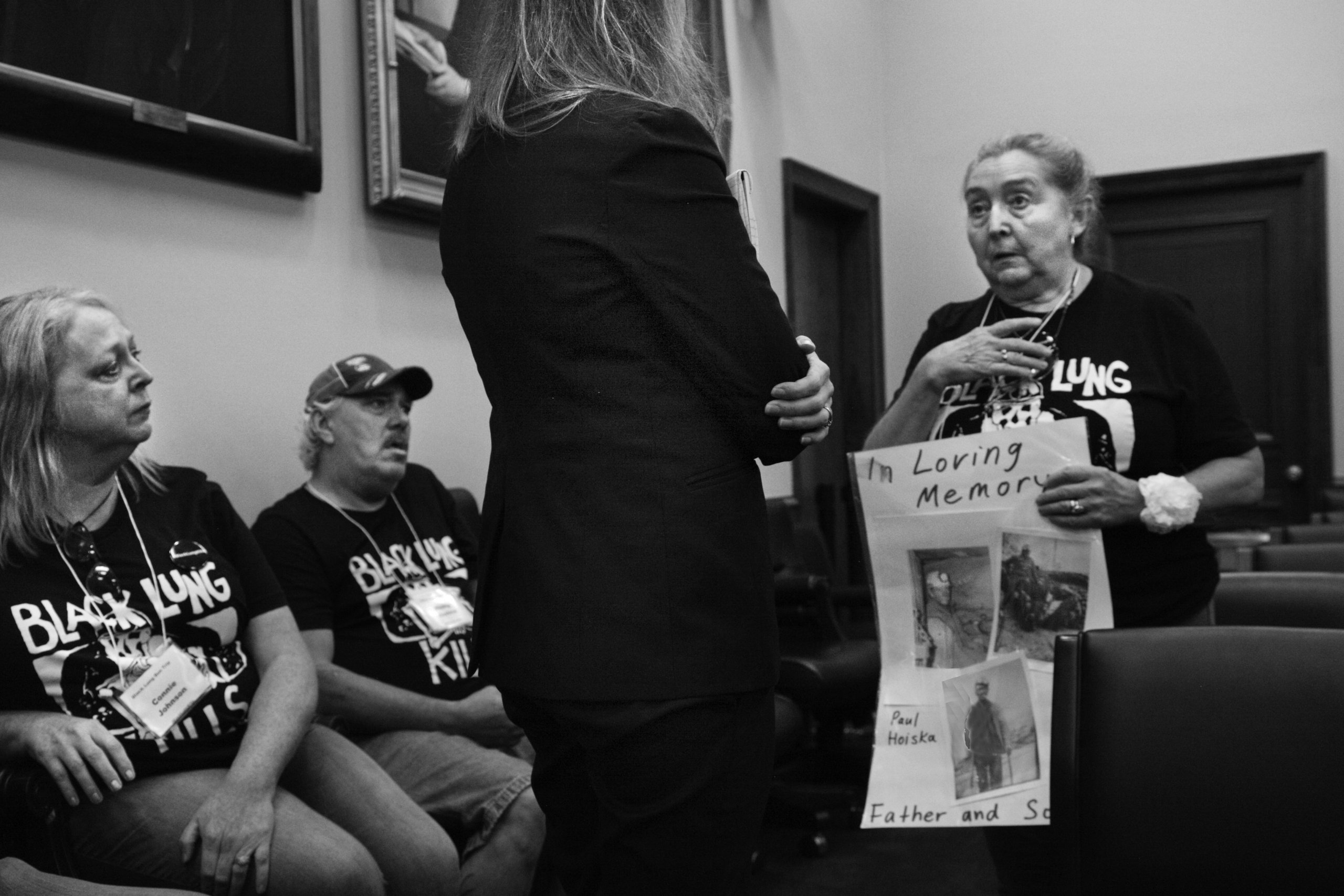
The lessons of the protracted struggle over black lung disease encompass both caution and inspiration, loss and hope. In an era of science denialism, when defense of factual truths and scientific knowledge seems obviously necessary, the case of black lung still stands as a warning about the presumed neutrality and appropriate scope of scientific and technical solutions: beware of technical fixes for problems that ultimately derive from economic exploitation and grossly unequal political power. Activists' original quest for redress through the workers' compensation system offers a related caution: the sprawling administrative machinery of the state, which presents the customary, sanctioned route for institutionalizing reform, entails embedded interests that can thwart activists' aims even as it seems to grant their demands. Finally, the long history of black lung suggests that effective prevention of occupational disease, injury, and death ultimately resides in the ever-changing power relations of the workplace and workers' collective, organized capacity to defend themselves. For these and many other reasons, victories are never secure, achieved once and for all; they must be defended, expanded, critiqued, and revised, as black lung activists have doggedly done for some five decades now.
Today, the industry that for more than a century has defined central Appalachia is dying. Those who would chart a post-coal future must grapple with the industry's legacy of incalculable human and environmental destruction, but they would do well to learn from the additional legacy of coal mining families' solidarity and resistance. Ever since the first investors laid claim to the coal of Appalachia, the people of this region have been revolting in various forms against the appropriation of their land, their labor, and even their lives. Those who fought in the black lung movement are both heirs and contributors to this long history of resistance. Today, many miners pay the cost of coal production in the currency of their very breath, but they also continue to resist. Danny Whitt: "We don't never give up. You know when I'll stop? When the last breath leaves my body."12Author's interview with Danny Whitt, Matewan, WV, September 4, 2019.
About the Author
Barbara Ellen Smith is professor emerita of women's and gender studies in the Department of Sociology at Virginia Tech. She has been active in and writing about movements for social and economic justice in Appalachia and the US South for more than 45 years. Her recent publications include a co-edited book with Stephen L. Fisher, Transforming Places: Lessons from Appalachia (University of Illinois, 2012) and Digging Our Own Graves: Coal Miners and the Struggle over Black Lung Disease (Haymarket Books, 2020).
]]>Excerpt
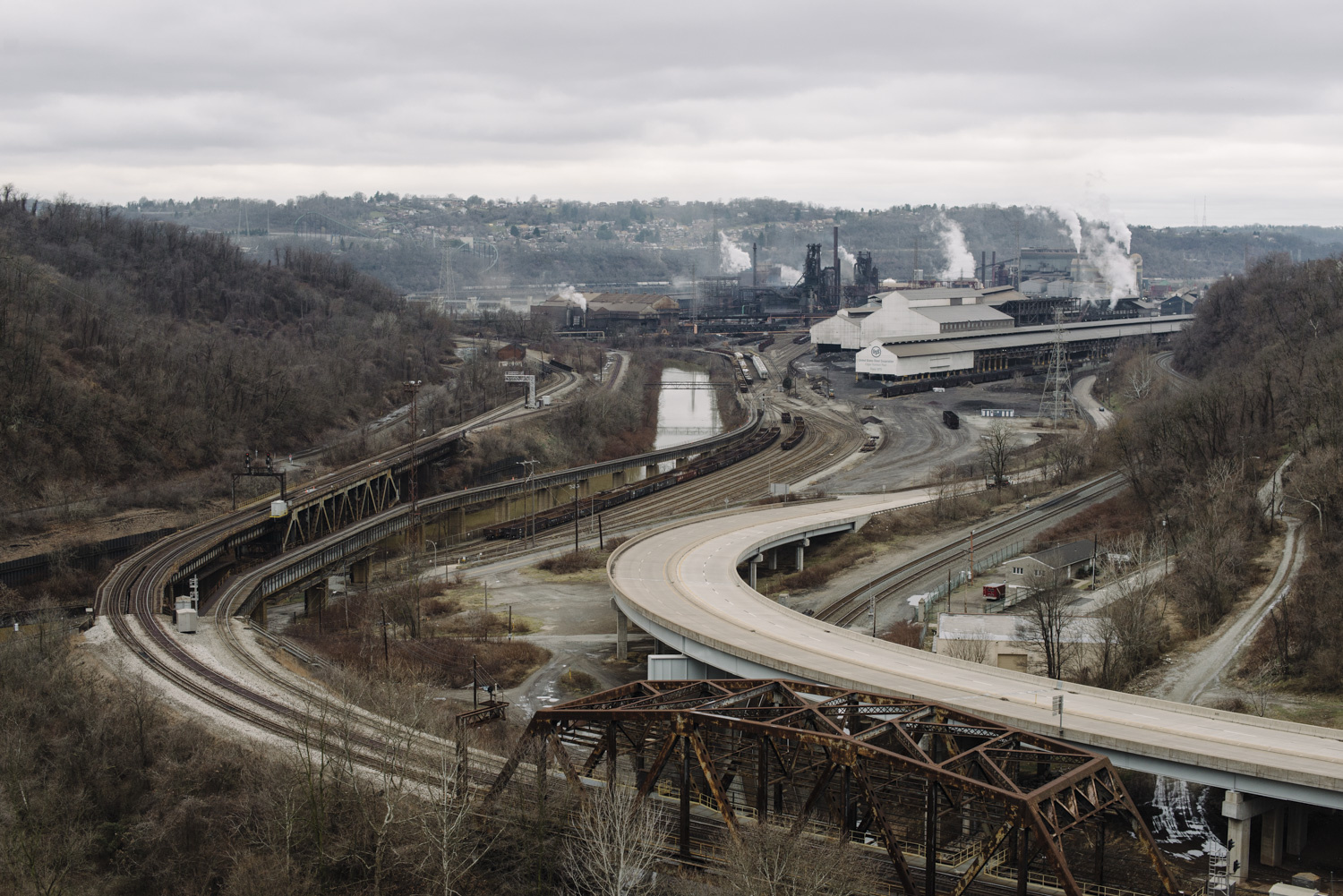
Appalachian literature is thriving. From the earliest oral traditions to print accounts of frontier exploration, from local color to modernism and postmodernism, from an exuberant flowering in the 1970s to its high popular and critical profile in the twenty-first century, Appalachian literature can boast a long tradition of delighting and provoking readers. Yet as anyone who enjoys reading or teaching this literature knows, finding an anthology that offers a representative selection of authors and texts from the earliest days to the present can be difficult. What you are now holding in your hands, or accessing through an electronic device, is the result of our efforts to assemble that book.
We are especially aware of the need to have a representative selection of Appalachian texts in one book because we teach Appalachian literature and have wished for such a book. The problem is not that the region's literature isn't available. Poems, short stories, and novels are available electronically from a myriad of websites; however, even today's computer-savvy readers and students can flounder when the material they seek is scattered to the four quarters of the internet.1Websites for locating Appalachian writing include Documenting the American South (docsouth.unc.edu) and Making of America (quod.lib.umich.edu/m/moagrp/). Additionally, many specialized anthologies of Appalachian literature have appeared over the past few decades. Yet by their very nature, specialized anthologies cannot cover the full sweep of Appalachian literature and must be supplemented by other readings.2Outstanding specialized anthologies include W. K. McNeil, ed., Appalachian Images in Folk and Popular Culture (1995); Sandra L. Ballard and Patricia L Hudson, eds., Listen Here: Women Writing in Appalachia (2004); Felicia Mitchell, ed., Her Word: Diverse Voices in Contemporary Appalachian Women's Poetry (2003); Kevin E. O'Donnell and Helen Hollingsworth, eds., Seekers of Scenery: Travel Writing from Southern Appalachia, 1840–1900 (2004); Marita Garin, ed., Southern Appalachian Poetry: An Anthology of Works by Thirty-Seven Poets (2008); Jessie Graves and William Wright, eds., The Southern Poetry Anthology: Contemporary Appalachia (2010); Chris Green, ed., Coal: A Poetry Anthology (2006); and Anthology of Appalachian Writers (a journal-like, serial publication of contemporary Appalachian writing published by Shepherd University).
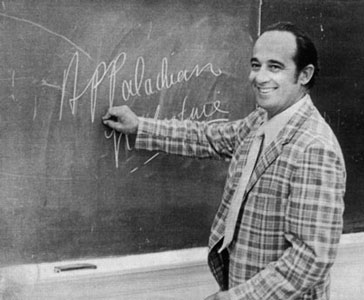
Good older anthologies of Appalachian literature exist. Robert J. Higgs and Ambrose Manning's Voices from the Hills: Selected Readings of Southern Appalachia (1975) was an important, groundbreaking work that provided an excellent selection of Appalachian writings in one volume. But by the mid-1990s, changing ideas about Appalachia and literary theory, along with the remarkable number of fine authors whose works had appeared since the book's publication, made that collection feel incomplete. Aware of those gaps, Higgs and Manning, along with scholar and poet Jim Wayne Miller, published a two-volume sequel, Appalachia Inside Out, in 1995.
But to date, no one collection provides the historical depth and range of Appalachian literature, from Cherokee oral narratives to fiction and drama about mountaintop removal and prescription drug abuse, that contemporary readers and scholars seek. What is really needed, we feel, is a one-volume anthology of Appalachian literature that is comprehensive, reflects contemporary ideas about authorship and Appalachia, and brings readers well into the twenty-first century. That is what this book attempts to do.
In creating this anthology, we had a twofold task. Like all anthologists, we had to decide what principles would govern our selection of authors and, given those principles, what authors and texts we should include. But even before wrestling with those difficult decisions, we faced the conundrum that anyone working on our region confronts: just what do we mean when we say "Appalachia"? Geographically and conceptually, debate over this question runs high.
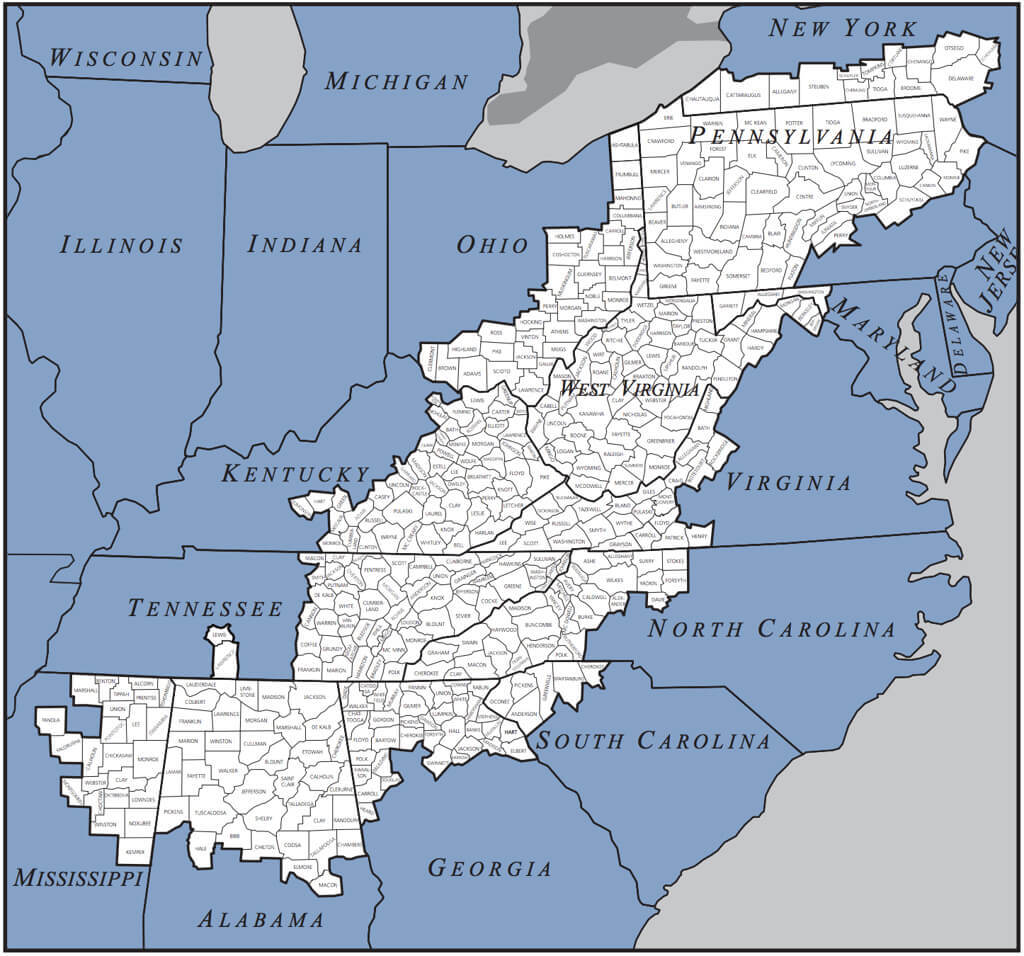
Merely determining the territory encompassed by the term "Appalachia" has been a matter of contention. Geographers' maps delineating the physiographic province of Appalachia, for example, outline a region stretching from central Alabama and Georgia northeast to the Atlantic Ocean off the coast of Labrador, and from the Piedmont through the western rim of the Cumberland Plateau as far as Ohio. However, late nineteenth- and early twentieth-century attempts to trace the region's boundaries, such as the map included in John C. Campbell's The Southern Highlander and His Homeland (1921), place the region within the borders of the slaveholding South with the Mason-Dixon Line demarcating the northern border, the Ohio and Mississippi Rivers marking off the western border, and elevation (the Blue Ridge) delimiting the eastern. The Appalachian Regional Commission's 1965 and subsequent maps of the region, guided by political and economic forces at play in the War on Poverty years, identify an area that incorporates portions of thirteen states, from the southern-tier counties of western New York to central Alabama and northeastern Mississippi, including significant parts of Ohio and a small chunk of the northwest South Carolina Piedmont. In sharp contrast to all of the above, folklorists and cultural geographers such as Henry Glassie and Terry Jordan-Bychkov insist that culturally, Southern and Central Appalachia are part of the Upland South, which runs from the eastern Piedmont of Virginia and the Carolinas west through Tennessee and Kentucky to include the Ozarks (Jordan-Bychkov argues that shared cultural traits extend the Upland South through East Texas); Northern Appalachia, they assert, is part of the mid-Atlantic and midwestern cultural regions.3 John C. Campbell, The Southern Highlander and His Homeland (1921); Henry Glassie, Pattern in the Material Folk Culture of the Eastern United States (1968); Terry G. Jordan-Bychkov, The Upland South: The Making of an American Folk Region and Landscape (2003).
As with maps, the popular conception of the region has also been subject to vicissitudes and controversy. Prior to the mid-nineteenth century, the southern mountains were viewed as just that: southern, with a high elevation and a whiff of the backwater. Since the southern backwater had once lain as far east as the coastal plain, frontier rustication was not yet synonymous with mountain. Yet beginning in the mid-nineteenth century and flowering fully in the post–Civil War era, fueled by an enormous body of writing in the popular press, Appalachia became known as a land apart, home to what William Goodell Frost, president of Berea College, identified in 1899 as America's "contemporary ancestors." These curious creatures were alternately viewed either as a genetic and cultural reservoir of America's best (noble poor rural white people of northern European ancestry who spoke Elizabethan English and lived a lifestyle like that of the colonial era), or as a sad example of America's worst (degenerate poor rural white moonshiners and feudists who spoke substandard English).4William Goodell Frost, "Our Contemporary Ancestors in the Southern Mountains," Atlantic Monthly, 1899. A recent controversial literary example that reinforces the degenerate-culture vision of Appalachia is J. D. Vance's Hillbilly Elegy: A Memoir of a Family and Culture in Crisis (2016). Vance's book has generated so much popular attention on the region that several Appalachian authors, including many of the authors featured in this anthology, decided to write back against Vance's portrayal of Appalachia in Appalachian Reckoning: A Region Responds to "Hillbilly Elegy" (2018). Examples of the degenerate-culture representation in the contemporary media include The Wild and Wonderful Whites of West Virginia (https://www.youtube.com/watch?v=AQBiXDNVeSA); Buckwild (http://www.mtv.com/shows/ buckwild/series.jhtml), Squidbillies (https://www.adultswim.com/search?q=squidbillies), and Saturday Night Live's "Appalachian Emergency Room" (http://www.nbc.com/saturday-night-live/video/appalachian-emergency-room/n12005/). Distorted though they may be, those two views of Appalachia are still present in the popular imagination, as best-seller lists and television shows indicate.5The contemporary popular media engage less in romanticization of Appalachians, although the trope abounds in the literature. Nothing seems to be filling the beloved shoes of The Waltons (serialized from 1972 to 1981 and made into television movies three times in the 1990s) or Christy, the 1994–1995 television series about a stoic young city girl teaching in the Tennessee mountains in 1912 who gently guides the mountain people away from their bad ways, bringing out their natural goodness. The character Kenneth Parcel, played by Jack McBrayer, on the television comedy 30 Rock (2006–2013) may be the best example of contemporary media's embracing of the "good" qualities of Appalachian people, albeit couched within the all-too-familiar hillbilly stereotypes. Kenneth, from Stone Mountain, Georgia, is unfailingly cheerful, kind, and honest. He is also misogynistic and religiously narrow-minded. He rejects science and supports the Confederacy. References to incest abound when Kenneth is around.
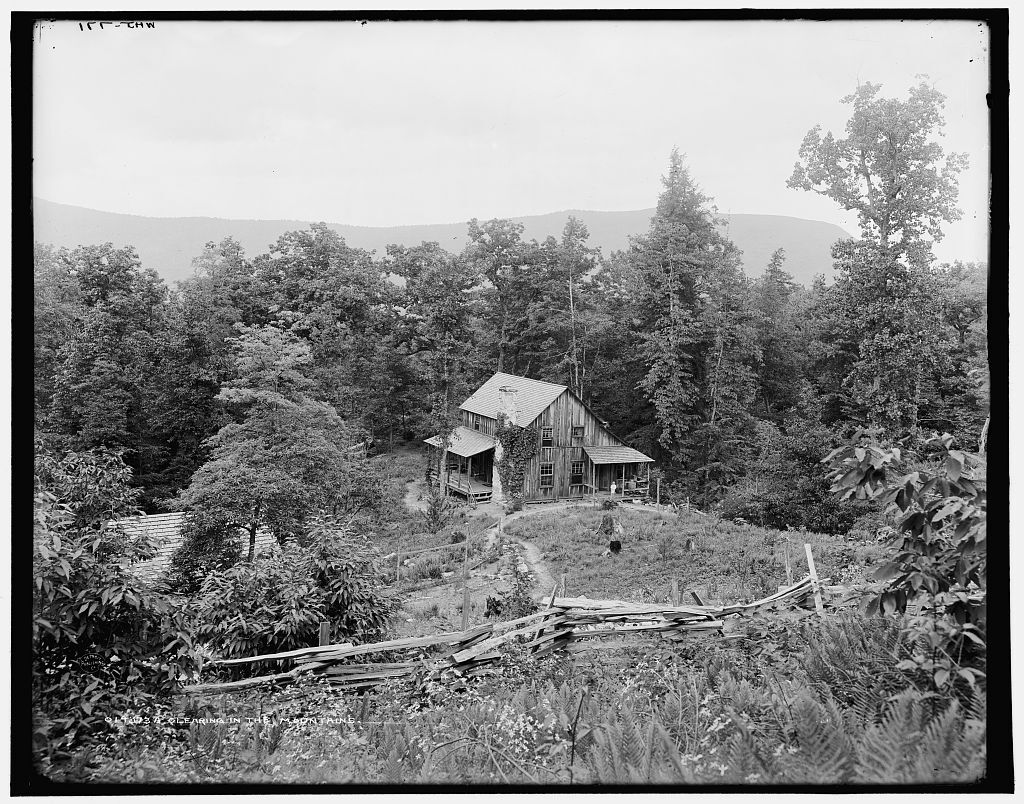
That dichotomy—the romanticized and the degenerate—remained operative through the better part of the twentieth century, with few attempts at complicating it. (Horace Kephart, John C. Campbell, and Harry Caudill are notable exceptions.) Then, in the 1970s, under the influence of the civil rights movement and similar ideological initiatives among women, Native Americans, and other marginalized groups, Appalachian residents, together with activists and scholars, developed an Appalachian studies movement to challenge this distorted image of Appalachia and provide an accurate account of the region's history and contemporary situation.6Chad Berry, Philip J. Obermiller, and Shaunna L. Scott, eds, Studying Appalachian Studies: Making the Path by Walking (2015). This effort has produced outstanding writing, although in some quarters there has remained a tendency to continue romanticizing the region as a haven for old-time living and, as Ronald D. Eller notes, "A flourishing minor industry has developed to fabricate such oddities as dulcimers, quilts, log cabins, and 'Hillbilly Chicken.'"7Eller, Miners, Millhands, and Mountaineers: Industrialization of the Appalachian South, 1880–1930 (1982), xvii. For a discussion of the commodification and fetishization of Appalachia, see Allen W. Batteau, The Invention of Appalachia (1990). Some of the best statements on the conflicting narratives comprising the "invention" of Appalachia appear, of course, in the literature of the region and the scholarship on that literature.8Batteau, The Invention of Appalachia. See also Henry Shapiro, Appalachia on Our Mind: The Southern Mountains and Mountaineers in the American Consciousness, 1870–1920 (1978).
In navigating these turbulent waters, we also had to ask ourselves what story of the region we wanted to tell. In answering this question, we were influenced by current ideas about anthologies and the literary canon. Whereas most early- to mid-twentieth-century American anthologies attempted to produce a master narrative—a collection of canonical authors whose work and biographies support one particular vision of the nation, region, or group represented—contemporary critical theory's expanded ideas of authorship have challenged that approach, which tends to exclude writers who fail to conform to the master narrative, such as women or ethnic minorities.9For a discussion of master narratives in late nineteenth- and early twentieth-century anthologies of southern literature, see Susan Harrell Irons, "Southern Literary Reconstructionists: Shaping Southern Literary Identity, 1895–1915" (Ph.D diss., University of North Carolina, Chapel Hill, 2001). Hence, anthologists today (ourselves included) tend to view their collections as dialogues or debates among sometimes conflicting voices.10William Andrews, preface to The Literature of the American South: A Norton Anthology (1998), xxii.
Indeed, in Appalachia, as in other regions, the culture, like the geographic configuration, can be seen as porous—that is, the boundaries are constantly changing. The result is that no one can definitively say what Appalachia is or is not, even though almost everyone seems to try. As Douglas Reichert Powell observes, "Regions are not so much places themselves but ways of describing relationships among places. These descriptions serve particular purposes for the people doing the describing."11Douglas Reichert Powell, Critical Regionalism: Connecting Politics and Culture in the American Landscape (2007), 10. It is precisely this unsettled definition and the controversies it continues to inspire that is the story we wish to tell in this anthology. Appalachia is complicated, and this rich complexity is worth celebrating and studying.
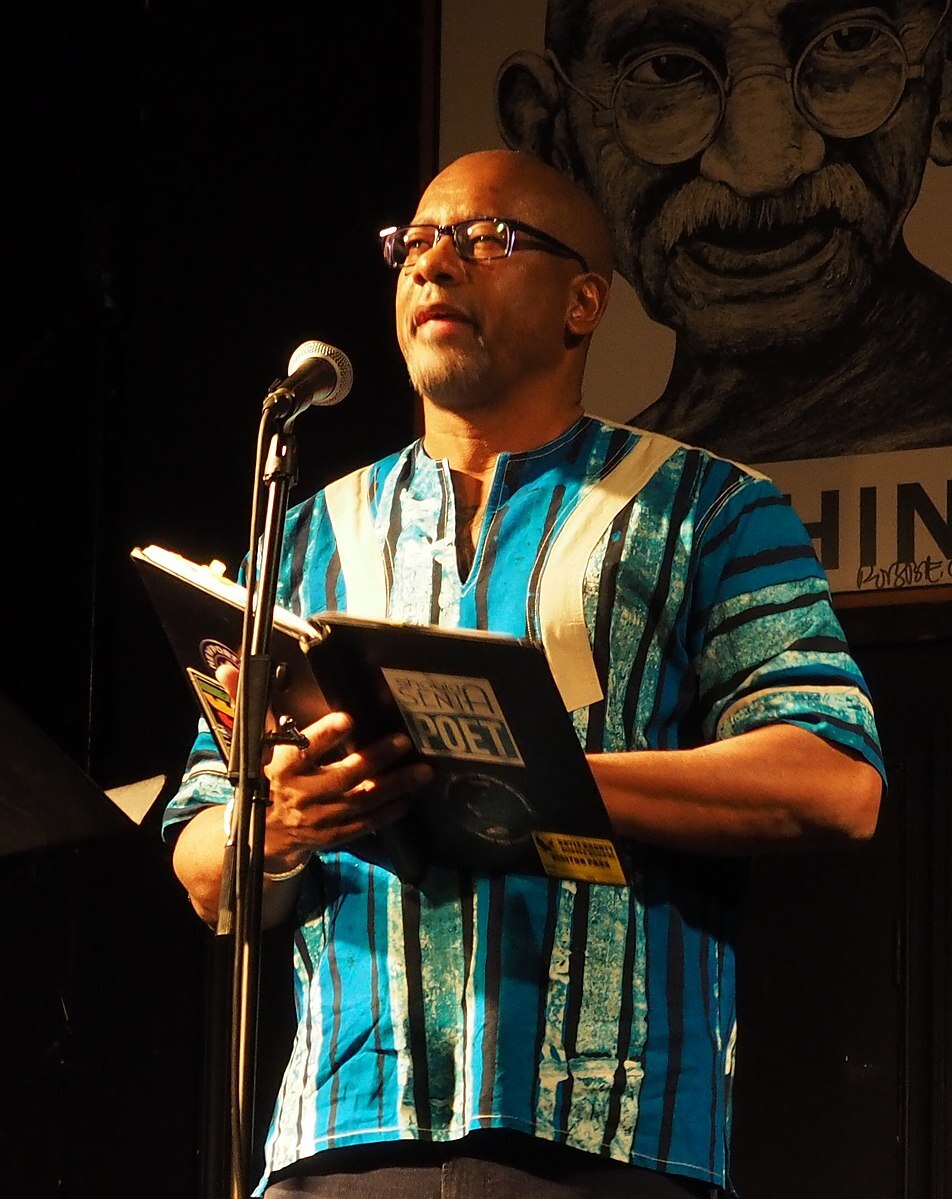
What is the traditional master narrative of Appalachian literature and scholarship? Higgs and Manning summarize it succinctly: "the mountaineer, [and] his struggles with himself, nature, and the outside world."12Robert J. Higgs and Ambrose Manning, Voices from the Hills: Selected Readings of Southern Appalachia (1975), xvii. While it is undeniably true that this story of the (white male) mountaineer has been important throughout the region (and is represented in this anthology), many other stories have existed as well, and we do not want to leave them out—to perpetuate what Edward Cabbell calls black "invisibility" in Appalachia, for example, or to relegate women to "walk-ons in the third act," as Barbara Ellen Smith characterizes the region's historiography, or to deny the experiences of LGBTQ Appalachians.13Edward J. Cabbell, "Black Invisibility and Racism in Appalachia: An Informal Survey," in Blacks in Appalachia, ed. William H. Turner and Edward J. Cabbell (1985); Barbara Ellen Smith, "Walk-Ons in the Third Act: The Role of Women in Appalachian Historiography," Journal of Appalachian Studies (1998); Jeff Mann, Loving Mountains, Loving Men (2005). Hence, diverse voices of gender, sexuality, ethnicity, and race speak throughout this anthology through authors such as Elias Boudinot, Frank X Walker, August Wilson, Dorothy Allison, Jeff Mann, and Blake Hausman.
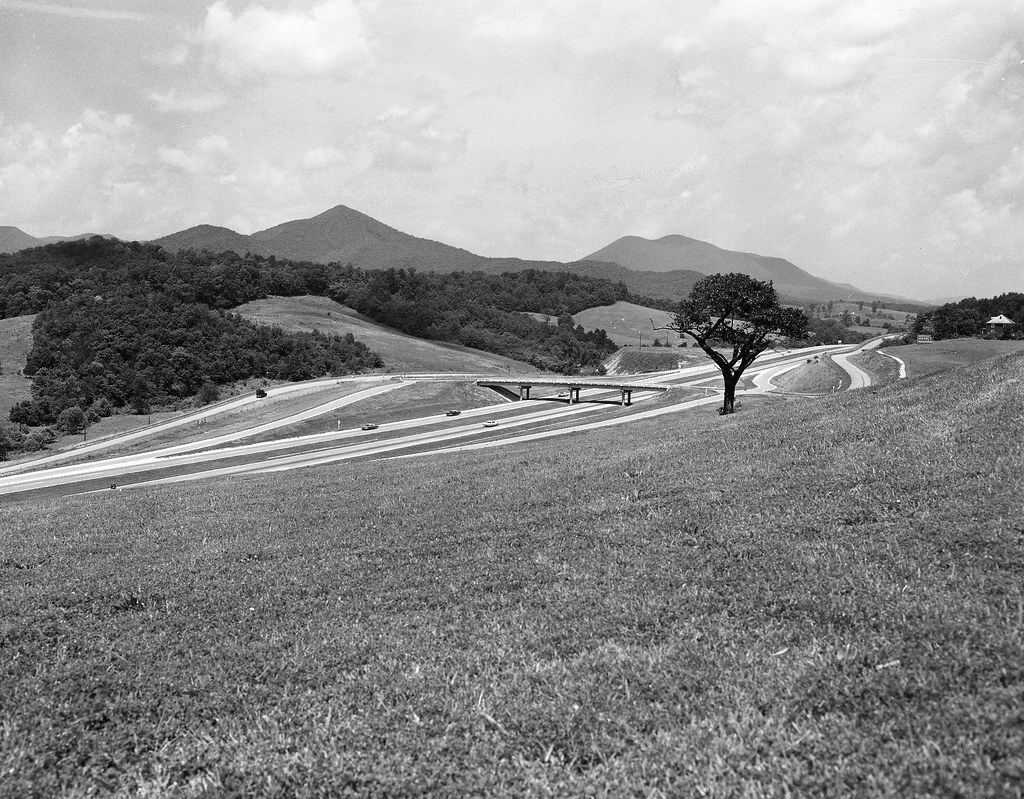
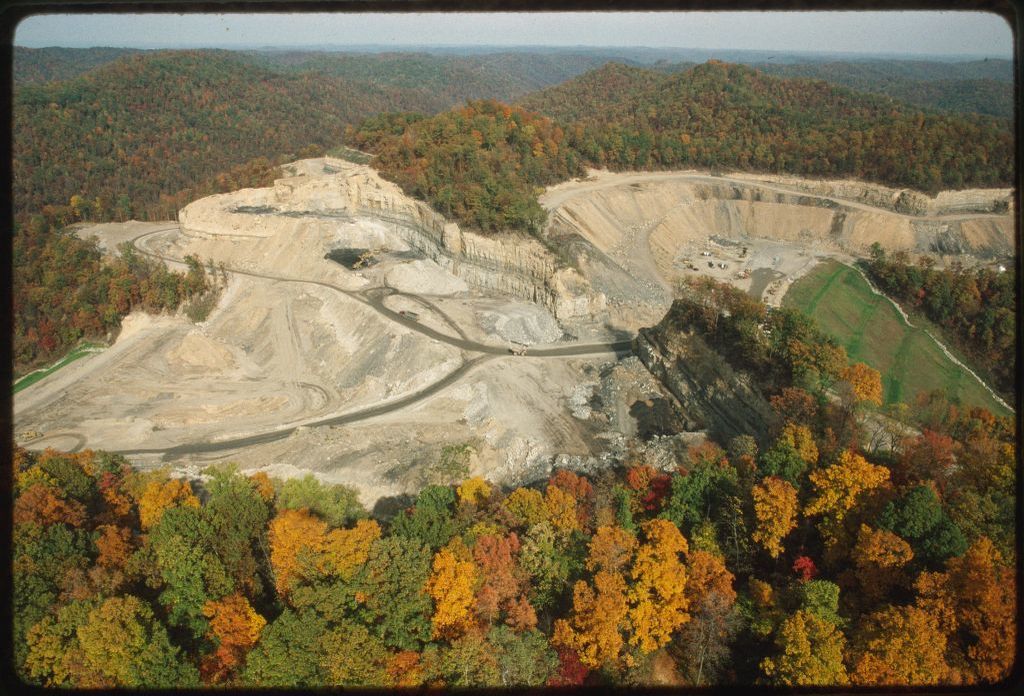
In addition to correcting the obvious omission of a multitude of voices from the traditional Appalachian master narrative, we wanted to avoid miring this anthology in what Theresa Lloyd calls "mama and biscuits literature"—texts that for good or ill stereotype Appalachia as a land of simple agrarian folklife. Not that we fail to represent regional folklore—those looking for it will be pleased to find Jack tales, traditional songs, snake lore, and a great deal more. But along with an important agrarian heritage, our region has long had an urban and suburban dimension. Art historian Betsy White, for example, has demonstrated the presence of a thriving fine arts tradition fully reflective of international trends in western Virginia and East Tennessee towns along the Great Road, a heavily traveled trade route running along the contemporary I-81 corridor from Pennsylvania to Southern Appalachia.14Betsy K. White, Great Road Style: The Decorative Arts Legacy of Southwest Virginia and Northeast Tennessee (2006). In 1858, (West) Virginia artist and author David Hunter Strother confirmed this blend of backwoods and urbane, noting that in East Tennessee one could find both "the prints of the deer-skin moccasin and the French kid slipper," or "the mud-chinked cabin of the pioneer" beside "the elegant villa from a design by Downing or Vaux."15Strother, "A Winter in the South, Fifth Paper," Harper's New Monthly Magazine (1858), 721. In the twentieth and twenty-first centuries, the region has felt the full effects of industrialization, modern transportation, consumerism, migration, the centralization of American agricultural production in agribusiness enterprises outside the region, suburbanization, the global connections of the internet, and the multiple genres of electronic media. These forces have virtually obliterated traditional agrarian Appalachia, although an interest in local foods in the region, part and parcel of a larger local foods movement in the United States, is fueling a return to home gardening and small-scale, specialized farming. This anthology includes not only the canonical texts that have constructed the idea of Appalachia as a rural, isolated folk society—such as work by Jesse Stuart and James Still—but also writings that challenge that stereotype by portraying the region as urban or suburban, and as fully engaged with the social, intellectual, economic, and political world beyond the mountains—as in texts by Thomas Wolfe, Lisa Alther, Jayne Anne Phillips, and many others.16Rudy Abramson and Jean Haskell, eds., The Encyclopedia of Appalachia (2006), which emphasized the region's urban as well as rural dimensions, pioneered this multi-tiered approach to Appalachian studies. We follow this lead.
One non-agrarian facet of the Appalachian experience that has been fully documented in its literature is the effects of the extractive and manufacturing industries, such as coal and textiles. This anthology tells that story through both conventional and more radical texts. Represented are genres and authors such as fiction by Rebecca Harding Davis, Thomas Bell, and Denise Giardina; poetry by Don West, Irene McKinney, and Ron Rash; nonfiction by Mary Harris "Mother" Jones and Harry Caudill; protest songs by Aunt Molly Jackson and Ella May Wiggins; and a strike narrative collected from "Bloody" Harlan County in the 1930s.
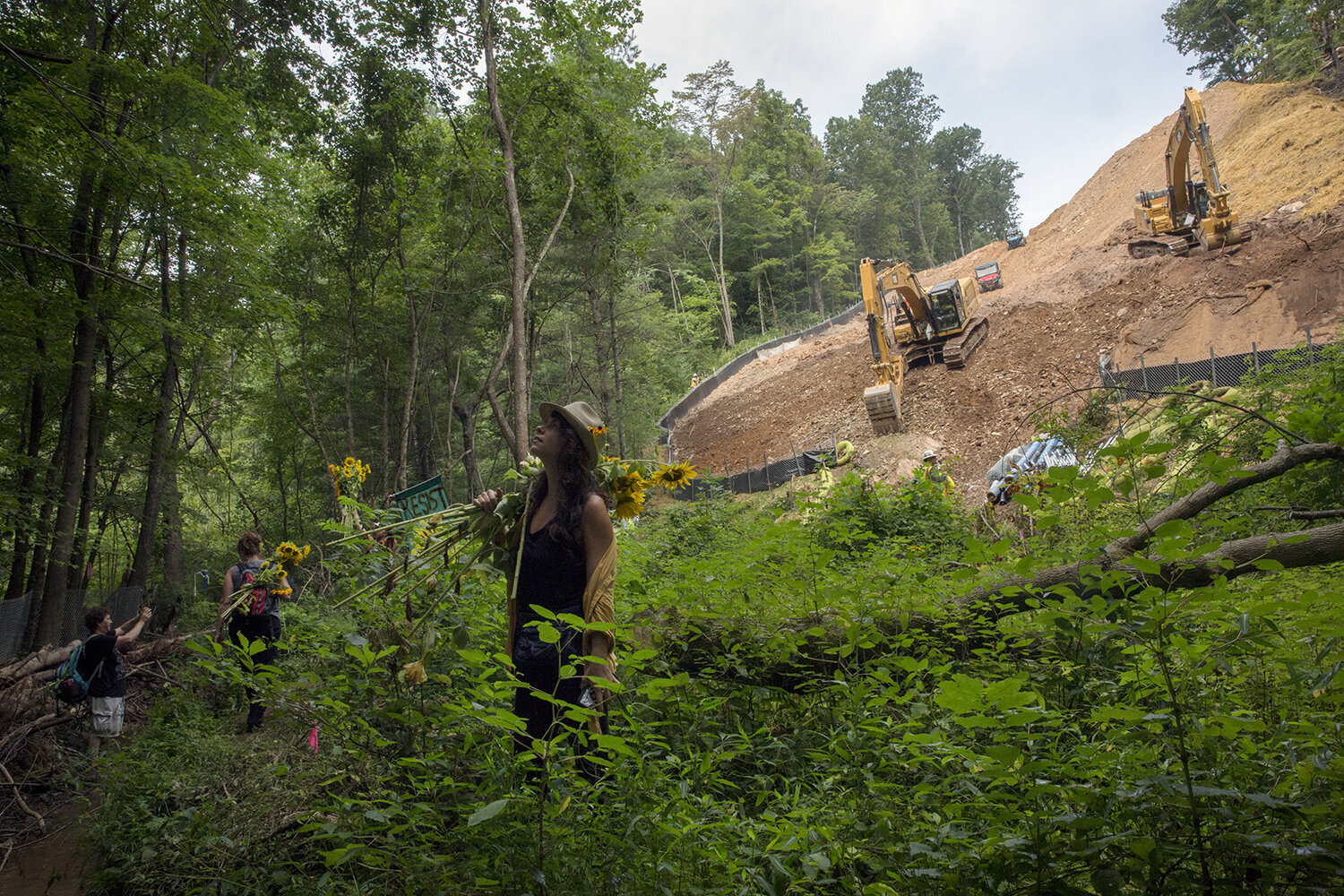
Another story that we felt was important to tell was that of the Appalachian environment. Nowhere is human stewardship of the environment more pressing than in the region's coalfields, where people and nature suffer the effects of mining and mountaintop removal, as articulated here by Ann Pancake, Robert Gipe, and Wendell Berry. Yet nowhere more than in our mountains is the possibility of an intimate human-nature relationship as obvious, as witnessed by the writing of Harvey Broome, Harry Middleton, Marilou Awiakta, and bell hooks, among others. Presenting a new vision of agrarianism, Barbara Kingsolver argues the importance of local farming for Appalachia's people and environment, as Sandor Katz and Shannon Hayes encourage readers to relearn homemaking and fermentation skills as a form of activism.
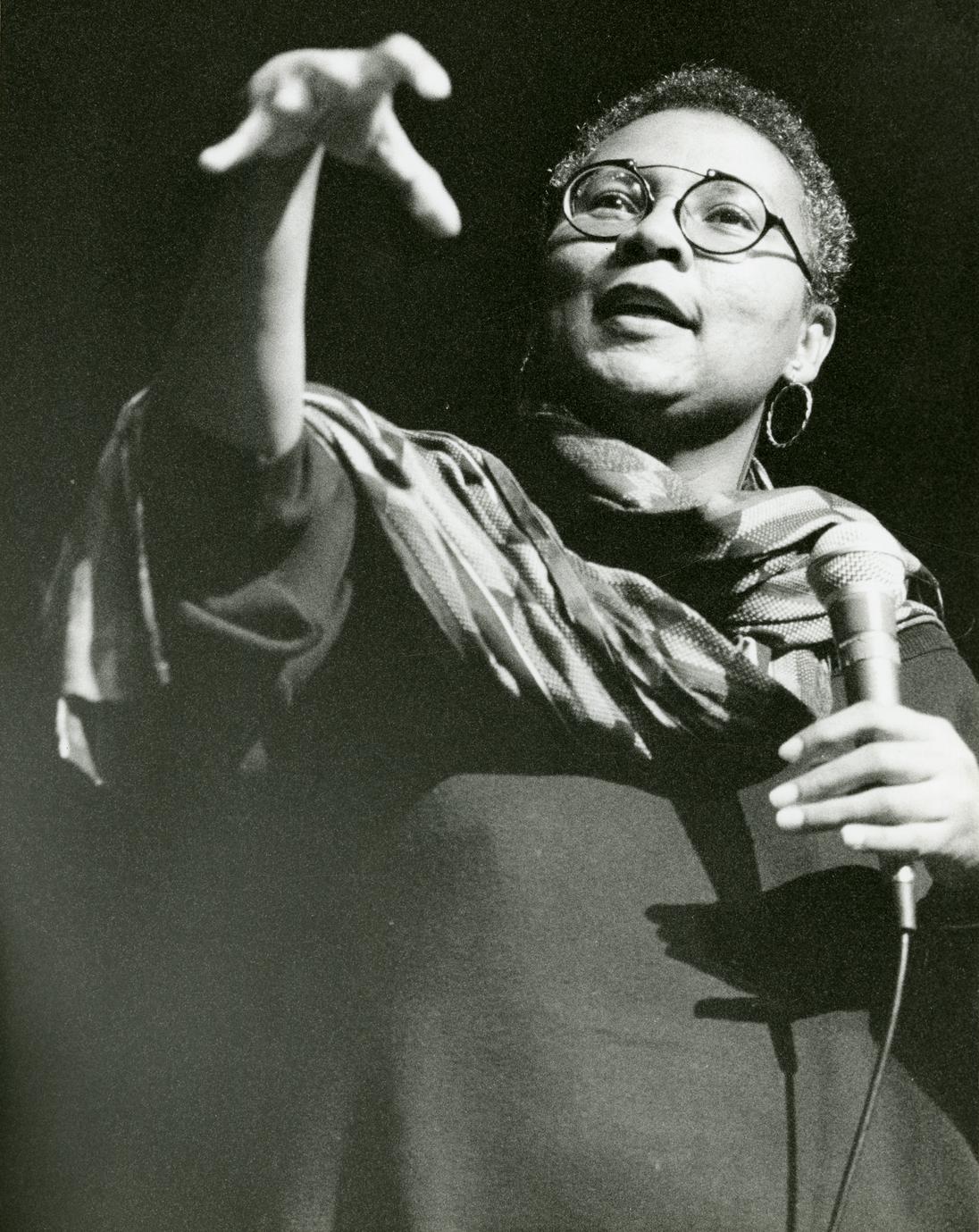
Having explored the stories of Appalachia that we wanted this anthology to tell, we still faced a vexatious problem: who would get to tell those stories? That is, just who is an Appalachian author? The simple answer would be writers born in the region who write about regional topics—for example, Mildred Haun, Harriette Arnow, Wilma Dykeman, Robert Morgan, Fred Chappell, Lee Smith, Harry Caudill, and Jo Carson. However, that definition would have forced us to leave out important writings about the region by authors not born here, such as William Bartram, George Washington Harris, Mary Noailles Murfree, Horace Kephart, and others. It could also have led us to omit significant authors born here but whose writings are not obviously regional, such as Charles Wright. Ultimately, we decided to follow the lead of the Appalachian Writers Association in defining Appalachian authors: writers who were born in the region, adopted the region, or wrote about a significant experience in the region.
Nonetheless, decisions about whom to include were hard to make. We wanted to satisfy expectations by including authors who have a following among the region's readers and scholars, but we also wanted to break new ground by introducing authors who had been marginalized or ignored in the discourse of Appalachian literature. Furthermore, especially since the 1970s, that era of literary outpouring that some scholars identify as the Appalachian Renaissance, so many outstanding authors have been publishing that we were forced to omit many worthy candidates. (Our publisher wisely insisted that we keep the book to one reasonably sized volume.) We know that readers will lament the absence of one favorite author or another, but we hope that our suggestion of the range of Appalachian literature is broad enough to accommodate the region's multitudinous stories. We rely on the excellent specialized anthologies of Appalachian writing to flesh out the stories for those readers who seek more.
Another way that we wanted to break new ground was by including authors from Northern Appalachia. We acknowledge that there are strong arguments for not doing so and for focusing instead on what John Alexander Williams calls "core" Appalachia—that is, the southern mountains as defined by Campbell and others.17John Alexander Williams, Appalachia: A History (2002), 13. Aside from the precedent set by previous anthologies and collections of scholarship, along with the southern-focused expectations of readers who encounter the word "Appalachia," it is in writings from the southern highlands that one finds the "shared themes and narrated stances, . . . [the] repeated and revised tropes" that, according to Henry Louis Gates, are the hallmark of a literary movement.18Henry Louis Gates Jr., The Signifying Monkey: A Theory of African-American Literary Criticism (1988), 127. But as Katherine Ledford notes, incorporating Northern Appalachian authors invites us to engage in comparative regional studies—for example, to examine the concept of the American frontier in the writings of New Yorker James Fenimore Cooper as well as in the southern account of Anne Newport Royall, or to study the effects of extractive industrial economies in Jason Miller's Pennsylvania and Harry Caudill's Kentucky.
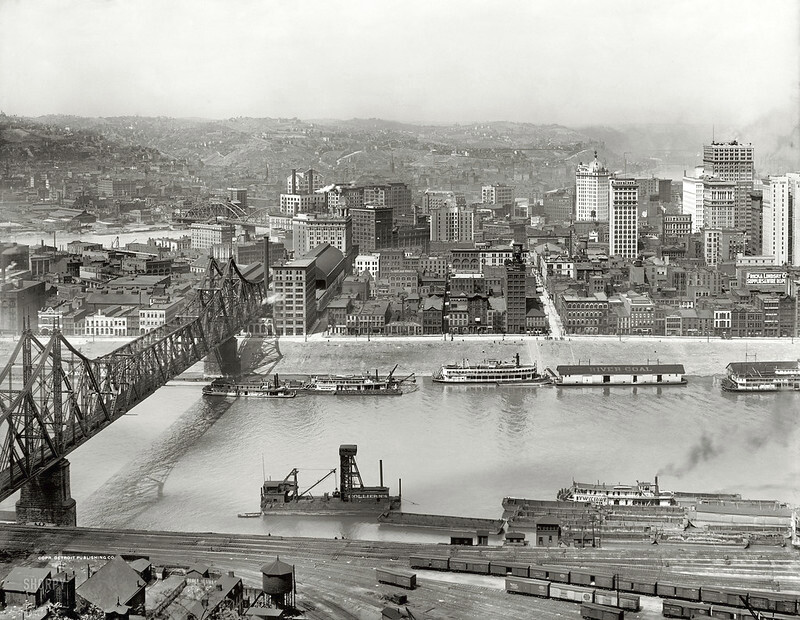
Scholars of the South may wonder how we distinguish Appalachian literature from its non-montane cousins of the Upland South. Hugh Holman raised the question in his 1976 review of Voices from the Hills, and it still has relevance.19C. Hugh Holman, "Appalachian Literature? Two Views," Appalachian Journal (1976), 79. There are, for example, obvious similarities between the poor mountain whites of Murfree and Fox, and their counterparts in the work of lowland southern authors Caldwell and O'Connor, who are not included in this Appalachian anthology.20See, for example, Sylvia Jenkins Cook, From Tobacco Road to Route 66: The Southern Poor White in Fiction (1976). But southern literary studies have tended to give short shrift to Appalachian authors, as Fred Chappell and Rodger Cunningham have noted, making the need for Appalachian literary studies of continuing relevance.21Fred Chappell, "The Shape of Southern Literature to Come: An Interview with Will Hickson"; and Rodger Cunningham, "Writing on the Cusp: Double Alterity and Minority Discourse in Appalachia," in The Future of Southern Letters, ed. Jefferson Humphries and John Lowe (1996). Even more important is the obvious fact of a demonstrable, self-conscious literary tradition in the southern highlands.
As for the genres we have included, they range from the traditional belles-lettres—fiction, poetry, and drama—to nonfiction, diaries, interviews, song lyrics, and oral literature. We have a preference for complete units—for example, short stories over selections from novels, essays over portions of nonfiction books or, when we simply could not ignore an important book, whole chapters or excerpts that provide a sense of completeness.
The difficulties of acquiring copyright permissions, the bane of the anthologist, vexed us as well. We had to make some hard choices when permissions trails went cold or when manageable deals could not be struck with copyright holders. Some writing we wished to include was off-limits to us due to copyright restrictions increasingly imposed by large commercial publishing houses. Within these restrictions, we have tried to construct an anthology that covers much ground and does so in a representative manner. We acknowledge that this anthology is only the beginning of the Appalachian story, and we encourage readers and instructors to supplement this anthology with a complete long work such as a novel or a collection of short stories or poems for a more sustained experience with an author and her or his craft.
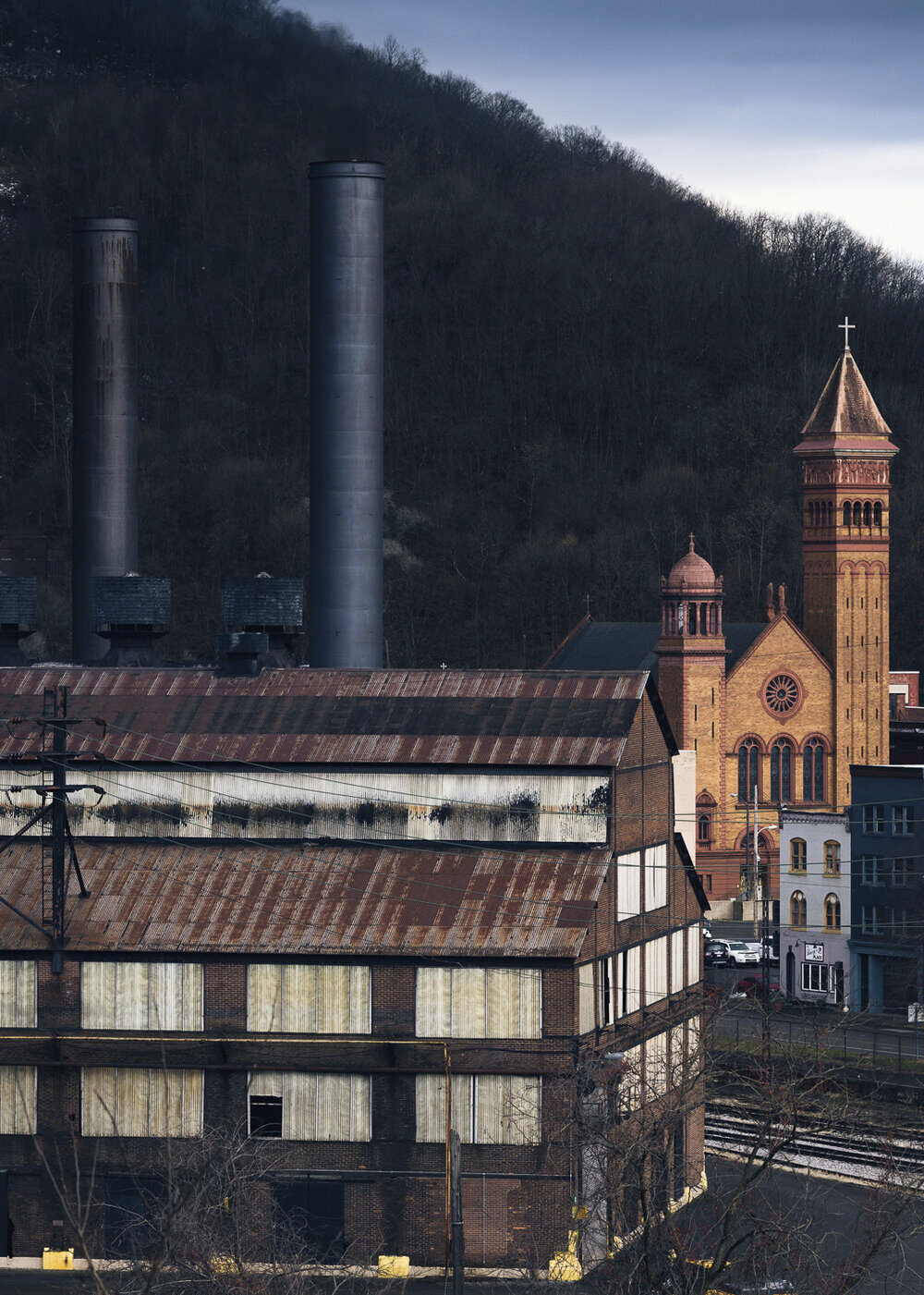
As our story of creating this anthology suggests, we have been concerned with simultaneously representing, complicating, and furthering the discourse on the Appalachian region and its cultures. The complexity that we have struggled to understand and represent here speaks to the undeniable value of regional studies. Particularly since the rise of critical theory in the 1990s, some scholars have brushed off regional studies as a type of soft scholarship, inferior to studies of race, class, gender, sexuality, or the environment. The richness represented in these pages reveals that this assumption is simply not true.
This, then, is the vision of Appalachia and its literature represented in our anthology. Mountain and valley, rural and urban, folkloric and postmodern, traditional and au courant, northern and southern, white people and people of color, straight and gay, insiders and outsiders, sinners and saints—the dualisms multiply, endlessly and excitingly, and maybe, on some level, are not dualistic at all.
About the Authors
Katherine Ledford is professor of Appalachian studies at Appalachian State University and coeditor of Back Talk from Appalachia: Confronting Stereotypes.
Theresa Lloyd is coeditor of the literature section of the Encyclopedia of Appalachia and professor emerita at East Tennessee State University.
]]>Blog Post
The activism of Appalachian women who took up the fight for justice in the 1960s and 1970s pulsed outward from a core ethic of care. Caregiving animated their understanding of politics and activism and infused their movements.1Berenice Fisher and Joan C. Tronto, "Toward a Feminist Theory of Caring" in Circles of Care: Work and Identity in Women's Lives, eds. Emily Abel and Margaret K. Nelson (Albany: State University of New York Press, 1990), 40. Historically, Appalachian women had tended to the broken bodies of miners and industrial workers, mourned the dead, raised children, and negotiated a subsistence economy. They did so not because women are inherently more nurturing than men but because culture, society, and law carved out these positions. Most caregivers do not become activists. The merging of an ethic of care with democratic struggle provided a powerful argument that caring is central to the fight for justice, fairness, rights, and democracy. Women drew upon their experiences in shaping movements for labor and welfare rights, environmental justice, access to healthcare, and women's rights.
In the last thirty years, working-class caregivers have faced a US political economy ever more hostile to their needs and concerns and increasingly demanding of their time and energy. Although overall poverty has decreased since the 1960s, many locations in the Appalachian South, like rural and working-class communities across the nation, have experienced the rise of extreme economic inequality, and a growing divide between rural and metropolitan residents.2See Ronald D. Eller, Uneven Ground: Appalachia since 1945 (Lexington: University Press of Kentucky, 2008), 232–233. In the Appalachian coalfields, the last decades of the twentieth century ushered in the final and most precipitous decline of that industry. Although mine owners and operators had long exploited workers, mining was for many years the best paying work around. When those jobs disappeared, no other industry filled the gap and more people entered the low-wage service economy, surviving with little in the way of workplace benefits or economic security.
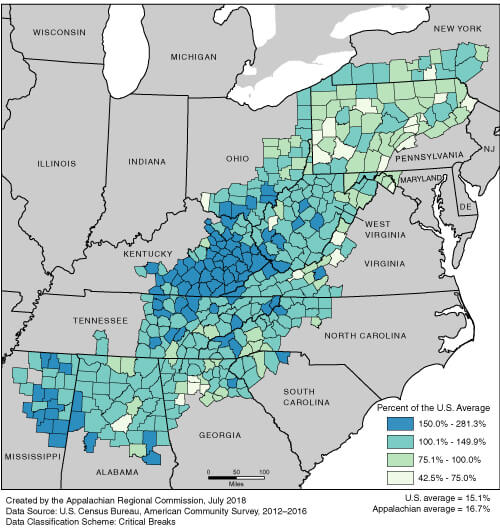
Relative Poverty Rates in Appalachia, 2012–2016 (County Rates as a Percentage of the US Average), July 2018. Map by the Appalachian Regional Commission. Courtesy of the Appalachian Regional Commission.
The loss of mining jobs and the transition to a global market and service economy paralleled the unraveling of the social safety net. In the 1990s, the bipartisan dismantling of Aid to Families with Dependent Children left poor families, and in particular women, on shaky ground and delivered a severe blow to decades of activism to guarantee welfare rights.3Deborah Thorne, Ann Tickamyer, and Mark Thorne, "Poverty and Income in Appalachia," Journal of Appalachian Studies 10, no. 3 (2004): 341–357. See also Debra A. Henderson and Ann R. Tickamyer, "Lost in Appalachia: The Unexpected Impact of Welfare Reform on Older Women in Rural Communities," Journal of Sociology and Social Welfare 35, no. 3 (2008): 153–171. Health clinics, legal aid services, and local organizations—the legacies of 1960s activism—stood as the only buffers in a political economy increasingly hostile to poor and working people.
In the popular imagination, "Appalachia" functions as shorthand for a white working class—coded as male industrial workers. For months before and after the 2016 election, journalists reported on various Trump Countries, as they were dubbed—Appalachian communities supposedly serving as ground zero for understanding working-class support for a billionaire who claimed to care about the "forgotten people" of America. This signposting allowed for an evasion of any deep analysis of racism or growing economic disparity, generations in the making and never contained to one region.4Roger Cohen, "We Need 'Somebody Spectacular': Views from Trump Country," The New York Times, September 9, 2016, accessed March 8, 2017, https://www.nytimes.com/2016/09/11/opinion/sunday/we-need-somebody-spectacular-views-from-trump-country.html; John Saward, "Welcome to Trump County, USA," Vanity Fair, February 24, 2016, accessed March 8, 2017, http://www.vanityfair.com/news/2016/02/donald-trump-supporters-west-virginia; Larissa MacFarquhar, "In the Heart of Trump Country," The New Yorker, October 10, 2016, accessed March 8, 2017, http://www.newyorker.com/magazine/2016/10/10/in-the-heart-of-trump-country. For a full list and analysis of this coverage see Elizabeth Catte, "There is No Neutral There: Appalachia as Mythic 'Trump Country,'" October 16, 2016, https://elizabethcatte.com/2016/10/16/appalachia-as-trump-country/.
Such portraits rely on exhausted tropes that erase the voices and experiences of working-class women, a multi-racial and -ethnic group, from history while wiping from historical memory the progressive activism long central to Appalachia's history. Such a narrative ignores the experiences of the vast majority of the region's workers (many of them women) who are not employed in heavy industry, but in the work of caring: health care support, education, and social services.
Conceptions of "workers" that exclude and marginalize caregiving, or cast Appalachia as an isolated, out-of-step place, have little chance of generating the kind of diverse, hopeful coalitional work that emerged in the late 1960s and 1970s.
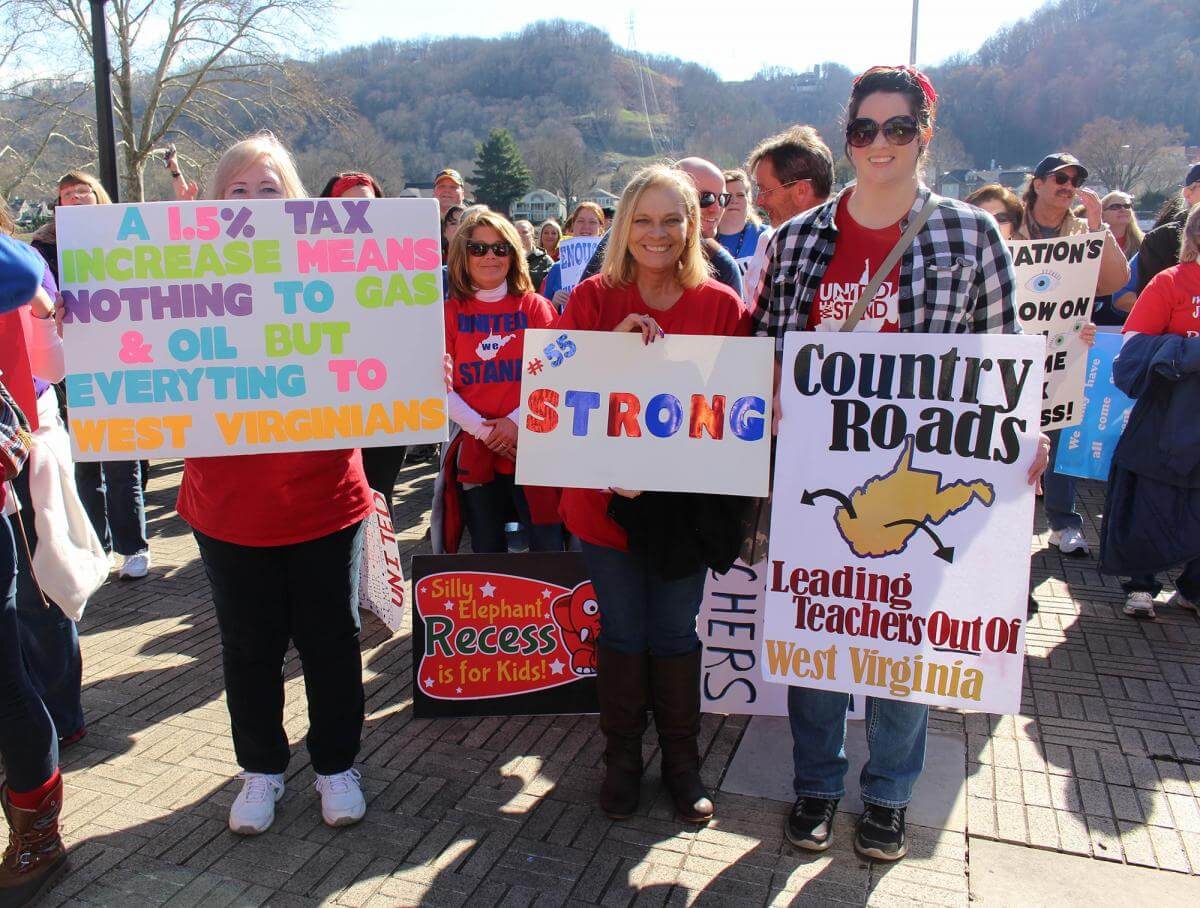
Women activists in Appalachia and their allies—civil rights activists, lawyers, doctors, union organizers, feminists, and students—worked for what they believed was possible: the common good in their communities, region, and nation. Their most potent tool was the knowledge that they carried from a lifetime of tending to families, surviving tragedies, bearing witness to the disasters of unregulated capitalism, advocating for their communities, and taking stands for fairness and justice. Their stories are tools for the present, charting a path to a society that centers and values life-sustaining labor.
About the Author
Jessica Wilkerson is assistant professor of history and southern studies at the University of Mississippi.
]]>Review
The yeoman farmer is a central figure in debates over the historical dispossessions that created the place we now call Appalachia. For historians like Ron Eller, these self-sufficient small landholders dominated the agrarian past, and first became exploited as residents of company towns when coal, timber, and other corporate interests began in the late nineteenth century to appropriate the land and wealth of the mountains for their own profit.1See Ronald D. Eller, Miners, Millhands, and Mountaineers: Industrialization of the Appalachian South, 1880–1930 (Knoxville: University of Tennessee Press, 1982). During the 1960s and 1970s, activists promoted a related golden-age vision of egalitarian pastoralism in pre-industrial Appalachia, which they contrasted with the ugliness of strip mining, black lung disease, and other contemporary depredations to amplify their calls to "save the land and people." Then, in 1996, Wilma Dunaway swept aside romantic visions of the Appalachian past with prodigious quantitative research, an earlier historical timeline (back to 1700), and the perspective of world systems theory. "On the eve of the Civil War," she concluded, "Appalachians were much more likely than other Americans to be impoverished, illiterate, and landless."2Wilma A. Dunaway, The First American Frontier: Transition to Capitalism in Southern Appalachia, 1700–1860 (Chapel Hill: University of North Carolina Press, 1996), 21.
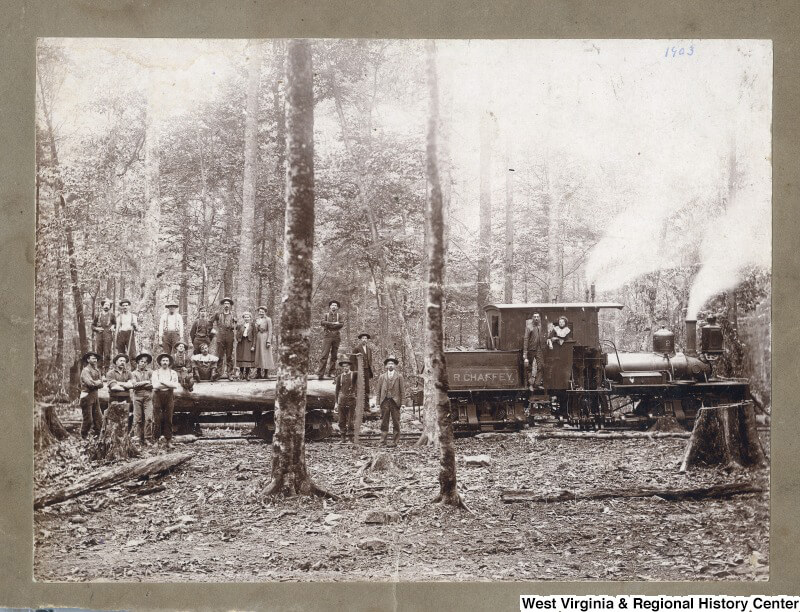
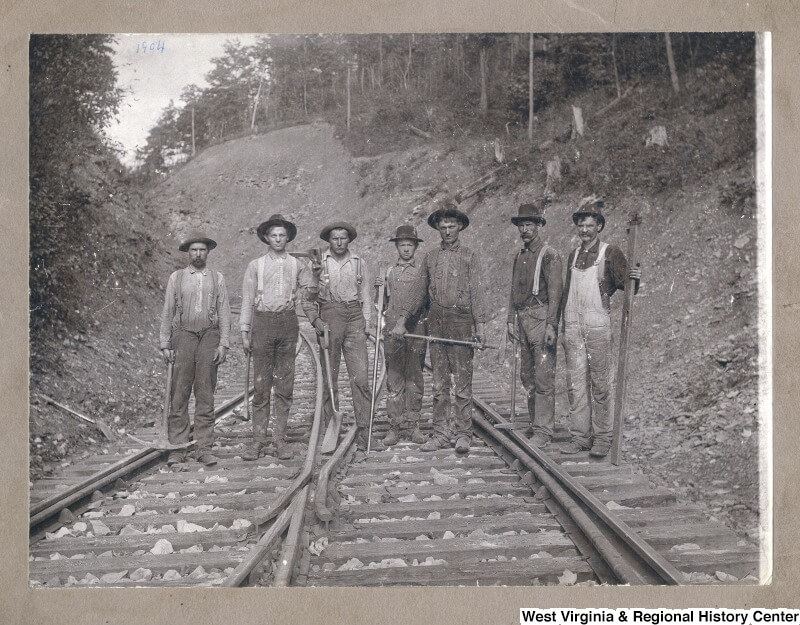
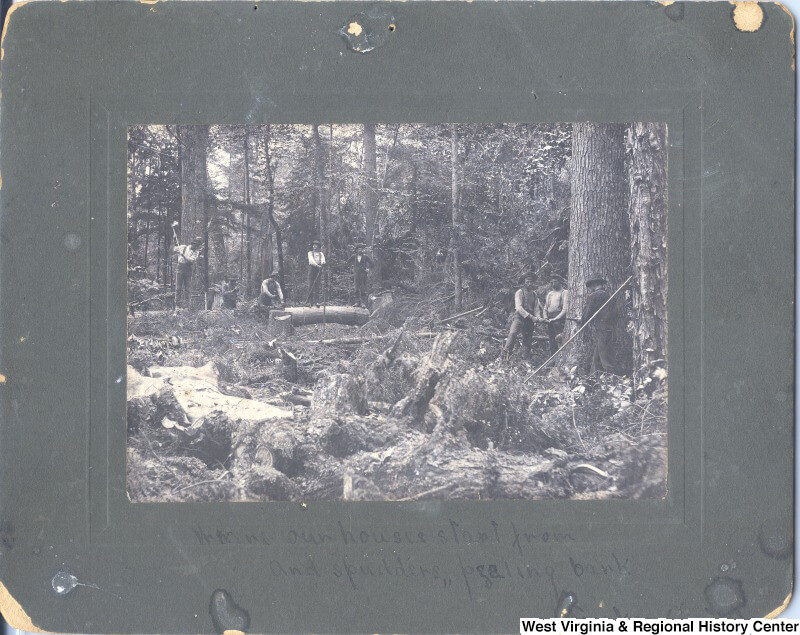
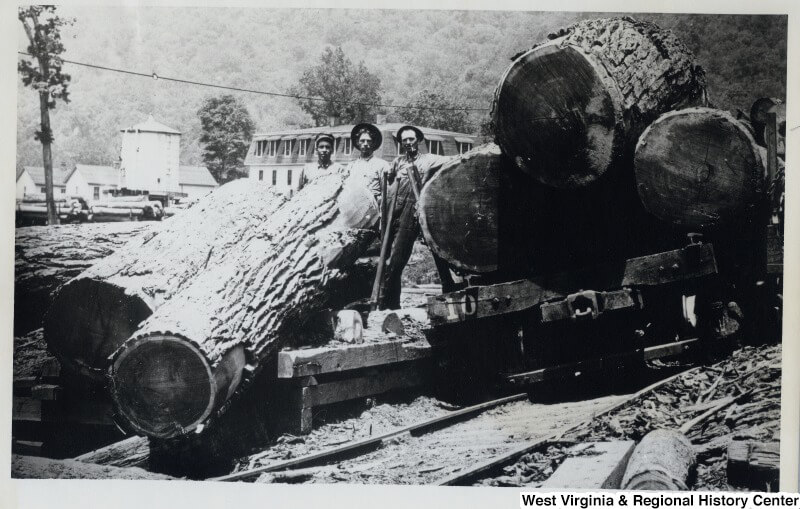
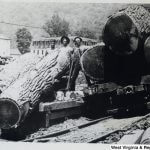
Steven Stoll's Ramp Hollow intervenes in these and related debates by recasting the nature of agriculture and the meaning of land ownership among the European colonialists and their descendants who settled the Appalachian frontier. Stoll likens Appalachia's early settlers to peasants all over the world, who depend on access to a common "ecological base." In the Appalachian instance, this "base" is the forest: "This is a vast renewable fund of resources that provides spaces for fields, food for gathering, fodder for cattle, and habitat for wild game. The base gives everything but costs nothing" (33). Through the practice of swidden, sometimes pejoratively called slash-and-burn agriculture, settlers cleared portions of the forest and cultivated crops, but their clearings were limited; more importantly, they utilized the forest as a source of wild plants, game, and mast for their free-ranging livestock. Although their economy was "makeshift," without extensive surplus or accumulation, these early settlers rarely starved, Stoll asserts, and they should not be considered poor.
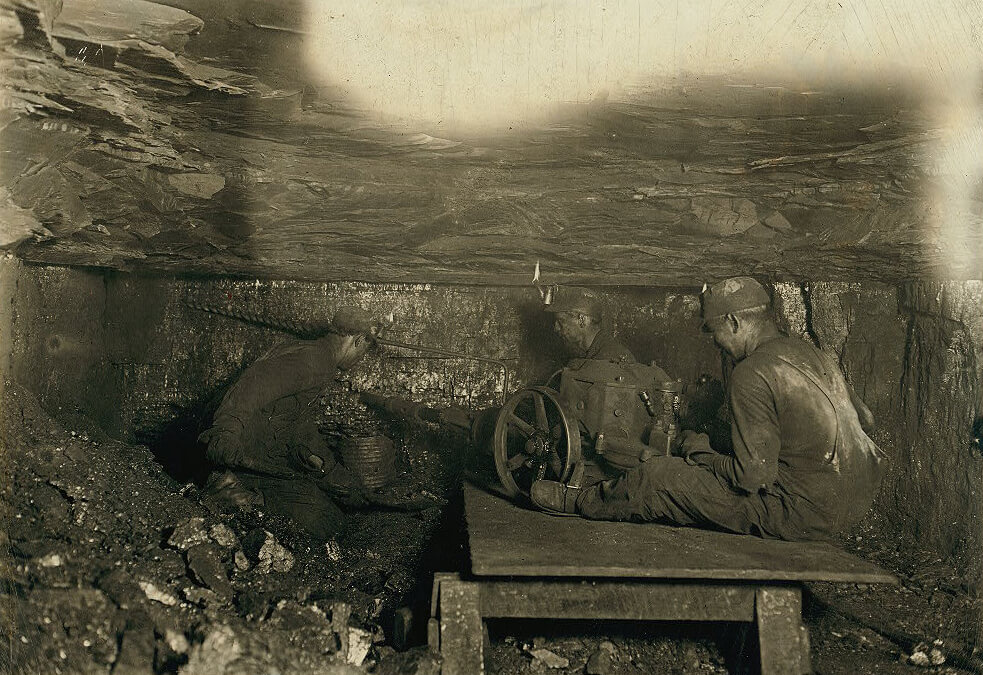
As the western edge of European settlement, the mountainous backcountry of eighteenth-century Appalachia briefly represented a space of relative freedom from state enforcement of property rights. Although elites gained formal title to millions of mountainous acres through grant or purchase, they tended to view the land as "wilderness" and unworthy of investment or even much attention, according to Stoll. A chaos of competing land claims emerged, as well as, in effect, the practice of "land to the tiller." Use-rights prevailed. Squatters and small landholders utilized the vast forest without regard to absentee elites and their abstract legal instruments, which went unenforced, thereby irrelevant, and they engaged in a vigorous barter economy with one another.
Although historians and activists have focused largely on the land-grabbing actions of coal companies in the late nineteenth century as the definitive dispossession of Appalachia, Stoll takes us back to the federalism of Alexander Hamilton in the early republic. Taxation—an obligation that could only be fulfilled in legal currency—was the means to force subsistence agrarians toward a cash economy and extend the administrative reach of centralized government into the recesses of the mountains. "Taxation does not merely fund the state," Stoll observes, echoing the arguments of James C. Scott and other anti-statist anarchist scholars. "It creates its territorial and financial power" (122).3See James C. Scott, The Art of Not Being Governed: An Anarchist History of Upland Southeast Asia (New Haven, CT: Yale University Press, 2009). Armed resistance to Hamilton's tax on distilled spirits, which did not distinguish between commercial and household production, arose from the high value of whiskey in barter exchanges and the onerous compulsion to send money from a cash-poor economy to a distant central government—all on the heels of a war for "independence." Although the Whiskey Rebellion succeeded in discontinuing the excise tax, the coercive extension of a sovereign state—with a unified system of land ownership, property rights, law, currency, taxation, and administrative regularity—would eventually facilitate destruction of the ecological base and subsistence practices of Appalachian agrarians.
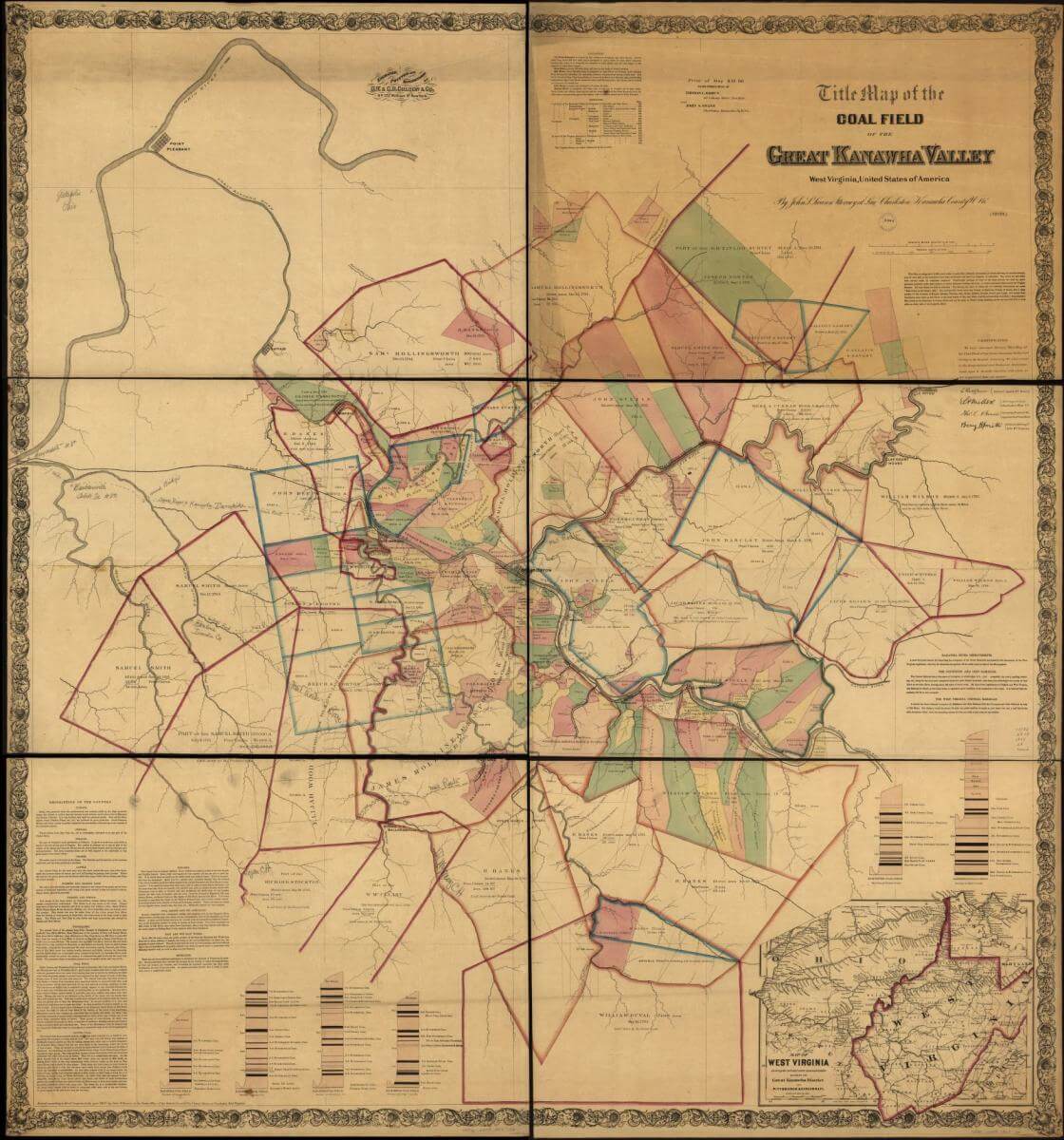
Stoll's tale of rural industrialization in the second half of the nineteenth century focuses on what became West Virginia, and is familiar to scholars and many residents of central Appalachia: extension of the railroads into southern West Virginia, corporate acquisition of mineral rights and vast landholdings, opening of the "billion dollar coalfields," growth of company towns and the exploitative trap of scrip (non-legal tender in which miners received wages), company stores, occupational death, the mine guard system of private security thugs. True to his emphasis on subsistence agrarians, however, Stoll builds on work by Ron Lewis to emphasize the wholesale timbering of the mountains, which accompanied coal mining and devoured the ecological base of the forest.4See Ronald L. Lewis, Transforming the Appalachian Countryside: Railroads, Deforestation, and Social Change in West Virginia, 1880–1920 (Chapel Hill: University of North Carolina Press, 1998). Combined with the contradiction of a growing population seeking sustenance from a shrinking base of land (analyzed in detail by Dwight B. Billings and Kathleen M. Blee), these multiple dispossessions spelled an end to the makeshift agrarian economy.5See Dwight B. Billings and Kathleen M. Blee, The Road to Poverty: The Making of Wealth and Hardship in Appalachia (Cambridge: Cambridge University Press, 2000).
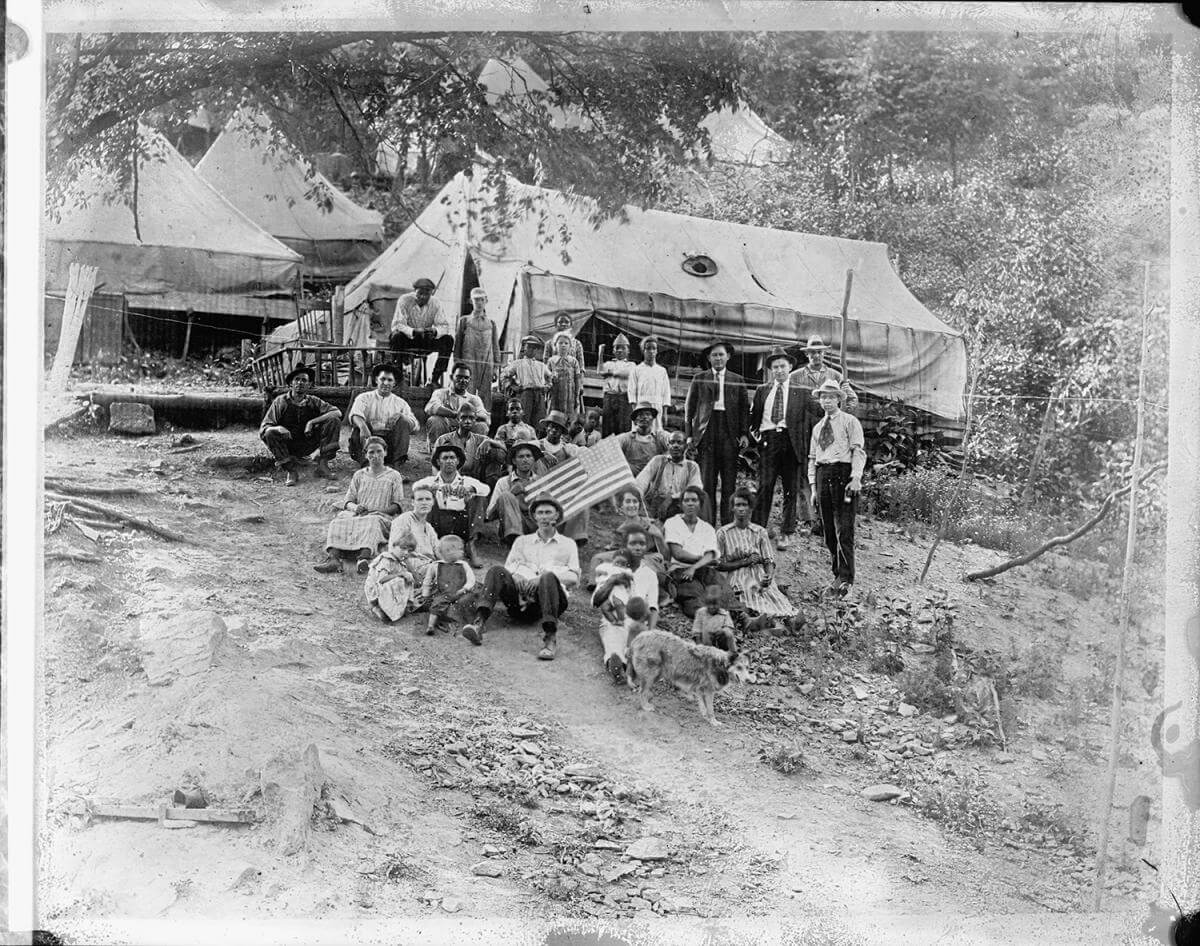
Stoll directs special attention—and some of his most blistering critique—to the ideologues of capitalist modernity, those self-interested promoters of the benefits of wage labor, efficiency, discipline, and "productive" (i.e., profitable for them and their kind) use of the land. Declaring makeshift agricultural practices a miserable, impoverished throwback that impeded the self-evidently desirable processes of modernization, "Atlantic elites" gradually appropriated the means of subsistence of mountain farmers, then pronounced them miserable and poor. This critique of dominant ideology forms an important bridge toward Stoll's larger purpose in Ramp Hollow, which is to defend the integrity of peasants and the viability of their agricultural practices—when not disrupted by various "development" schemes—all over the world. Indeed, the book begins in West Virginia and ends in West Africa, where Stoll decries the contemporary enclosure movement whereby governments are dispossessing entire peasant villages by transferring "idle" common lands to corporations that produce agricultural commodities for global markets.
Reviewers typically feel an obligation to register a complaint or two about a book, and I am no exception. I was disappointed by Stoll's lack of attention to gender relations and the gendered division of labor, especially in view of his definition of the makeshift agricultural economy as a household mode of production. Although he acknowledges that the agrarian household was a "coercive institution" (216), what he means by that is the authority of patriarchs over their children, who "owed their families a certain term of labor before gaining the right to strike out for themselves" (216). Neither patriarchal authority over wives nor the fact that daughters never gained "the right to strike out for themselves" seems to occur to him. Consistent with his Marxist analytic (and neglect of Marxist-feminism), Stoll focuses exclusively on class relations; in the context of coal camps, this includes analyzing the contradictory role of the household garden as a means to lower the cost of miners' and their families' social reproduction (and thus wages) as well as potentially sustain them during strikes. The labor in those gardens, as in social reproduction more generally, remains unexplored.
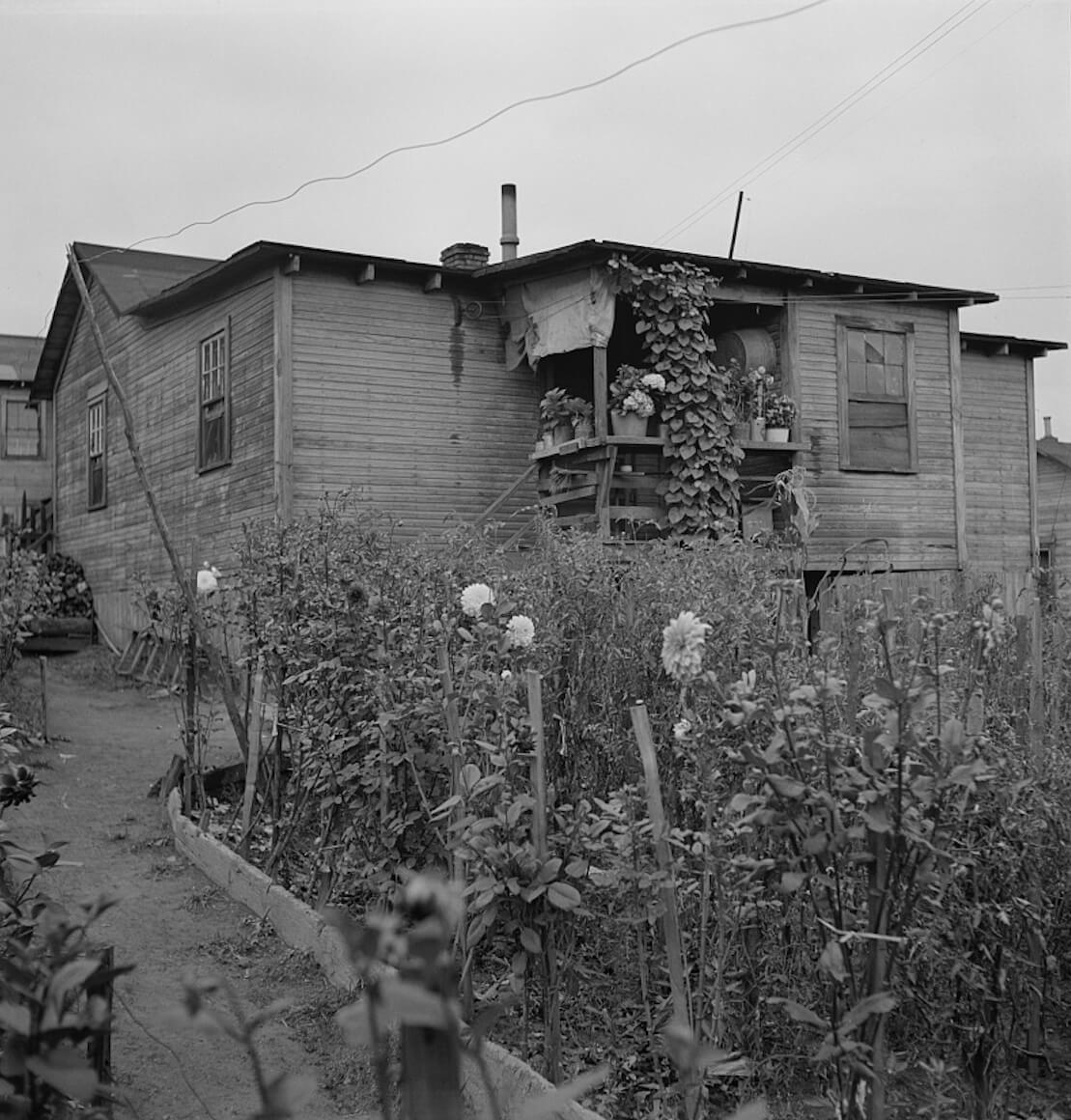
To its great credit as a work of history, Ramp Hollow is unusual in its direct relevance to contemporary politics. This is true for not only areas of the world where land grabs and enclosures proceed apace, but also central Appalachia, where the struggle to envision and create post-coal—and potentially "post-capitalist"—futures is ongoing. In his final chapter, Stoll offers a "thought experiment" in the form of "The Commons Communities Act" (272–274), which proposes publicly-owned commons, complete with a variety of incentives and protections for those who live there, each with an ecological base sufficient to sustain residents through "hunting and gathering, cattle grazing, timber harvesting, vegetable gardening, and farming" (272). Although his proposal is understandably crafted for rural contexts, given Stoll's concerns throughout the book, the commons is not necessarily so. Indeed, the argument that different forms of public commons may be key to the reinvigoration of civic life and the prospects for democratic, place-based economies seems to be spreading.6See Herbert Reid and Betsy Taylor, Recovering the Commons: Democracy, Place, and Global Justice (Urbana and Chicago: University of Illinois Press, 2010); Kathryn Newfont, Blue Ridge Commons: Environmental Activism and Forest History in Western North Carolina (Athens: University of Georgia Press, 2012); and George Monbiot, Out of the Wreckage: A New Politics for an Age of Crisis (New York: Verso, 2017). Regardless of the specifics of such proposals, they reinforce Stoll's overarching argument: capitalist hegemony is not inevitable, and collective access to land is key to the future of Appalachia.
About the Author
Barbara Ellen Smith is professor emerita at Virginia Tech and a member of the editorial board of Southern Spaces. She has long studied and participated in economic justice movements in Appalachia.
]]>Introduction
At present, the people of Appalachia continue to endure the contraction and retreat of extractive industry with little more than big-box retail for employment. They work for local hospitals and county governments at a time when both depend on a withering tax base. Many residents hunt, fish, and garden to make up the shortfall in their household incomes. The Appalachian Regional Commission has not come up with a solution; neither has the leadership of the United States. It seems unlikely, though I would not say impossible, that corporations will show up in southern West Virginia or eastern Kentucky and open factories and offices. I wrote the Commons Communities Act after months of thinking about how the people of the southern mountains might find work with dignity, working for themselves and their families without owing their existences to corporations. I thought that government could help to solve this problem and do what it should do: stand between citizens and the power of capital.
It is difficult to find anything Appalachians have gained by voting for Republicans. Yet a majority in every county in West Virginia voted for Donald Trump in 2016. His promise to revitalize the coal industry lacks a footing in reality. Sensing this, one voter gave him a desperate endorsement, saying, "He's the only shot we got." If Trump studies West Virginia's congressional delegation, he might conclude that he doesn't need to do very much. But the people can do better than that. They can make their representatives justify the trust placed in them. They can demand more of their government. They can assert a right to land and livelihood and reparations from the corporations that used and abused them for so long. Maybe that can be the basis for a positive political identity.1For an argument in favor of collective identities in the service of an ethical politics, see Critchley, Infinitely Demanding. I have especially learned from David Whisnant's "Developments in the Appalachian Identity Movement," which though published in 1980 still resonates. "At its worst . . . regional identification is an isolationist impulse." He deconstructs an essentialist mountain identity. And yet, "The political value of regional identity lies in its usefulness as a basis for broad solidarity and coalition." Whisnant, David. "Developments in the Appalachian Identity Movement: All is Process." Appalachian Journal 8, no. 1 (1980): 41–47.
I favor democratic socialism and a reinvention of the nation-state as a conduit for meeting human needs rather than for accumulating capital. I also favor a realm of democratic autonomy, and that might have more political traction. If Congress and the president can cooperate, such a realm can exist as a function of the United States itself. But it can also exist outside of centralized government, sponsored by West Virginia or Kentucky or Tennessee. Or people can do it themselves, by squatting on abandoned land and defending their right to the commons.2In the words of two historians, "Making visible activities that neoliberalism renders invisible expands the range of ideas for producing social livelihoods and economic development." Amanda Fickey and Michael Samers, "Developing Appalachia: The Impact of Limited Economic Imagination," in Studying Appalachian Studies: Making the Path by Walking, ed. Chad Berry, Phillip J. Obermiller, and Shaunna L. Scott (Urbana: University of Illinois Press, 2015), 123.
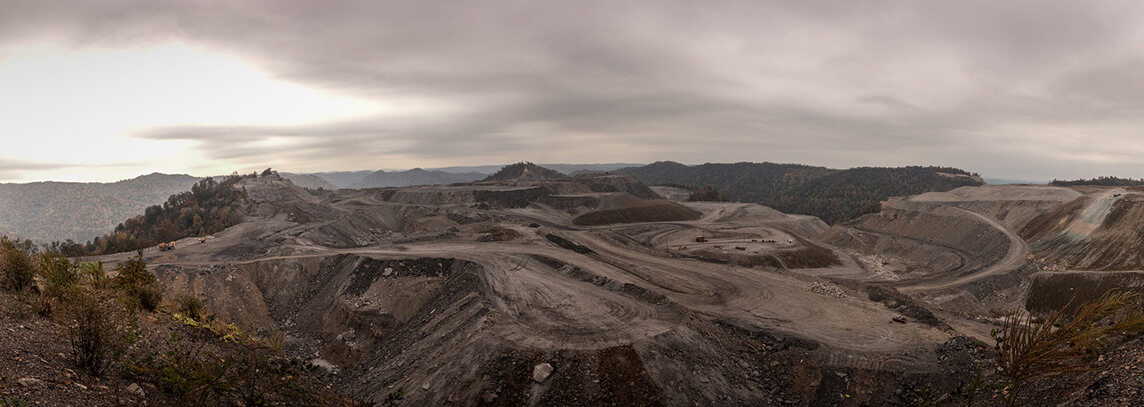
There is talk and some action regarding returning land. Various organizations have held public meetings to elicit policies directly from citizens. Even Congress is thinking along these lines. In 2016, Representative Harold Rogers, a Kentucky Republican, introduced the Reclaim Act. The law would empower the Department of the Interior to distribute funds to states and Indian nations aimed at developing land in communities "adversely affected by coal mining." I would push this thinking toward creating a reconstituted commons. What if people who wished to do so lived by hunting and gardening as part of a social project that encouraged political participation? What if citizens possessed use-rights over a sustaining landscape?
Historians don't often write legislation. My attempt is consistent with the argument of this book. Consider it more a thought experiment than a ready-made policy. Any actual solution would require the knowledge of people who live in the mountains and the sponsorship of organizations and activists working on these questions. The following owes something to the New Deal economist Milburn Wilson, the geographer J. Russell Smith, the historian Lewis Cecil Gray, the Kentucky farmer and writer Wendell Berry, and also to Mahatma Gandhi, Lewis Mumford, and E. F. Schumacher.3Appalachian Voices is one such organization. The Reclaim Act is H.R. 4456, 114th Congress. Introduced in the House in February 2016. I call it . . .
THE COMMONS COMMUNITIES ACT
Whereas coal mining is diminishing in the southern mountains, leaving thousands unemployed, and whereas coal contributes to climate change and the disruption of human societies all over the world; whereas a rural policy should incorporate ecological principles with food production on a small scale, and whereas the United States once included millions of households engaged in production for subsistence and exchange; whereas when people take care of landscapes, landscapes take care of them,
SECTION 1. The United States shall create a series of commons communities, each designed to include a specified number of households within a larger landscape that will be managed by them, the residents. This landscape will provide the ecological base for hunting and gathering, cattle grazing, timber harvesting, vegetable gardening, and farming. The ecological base will be owned as a conservation easement or land trust under the authority of the states and/or counties where each community resides.
SECTION 2. Commons communities would be organized according to the design principles developed by the economist Elinor Ostrom, who was awarded the Nobel Prize in Economic Sciences in 2009 for her work on the economic governance of common resources. Each community shall include well-defined boundaries and members. Each will devise rules for appropriation suitable to the environment, along with sanctions and penalties for those who violate the rules and take too much or otherwise abuse the resource. Each must establish a means of conflict resolution and governance. In the event that residents need to sue the community or other residents, they would use the county, state, or federal courts.4Ostrom (1933–2012) shared the Nobel Prize with Oliver E. Williamson. The act would rely on Ostrom's Governing the Commons: The Evolution of Institutions for Collective Action (Cambridge: Cambridge University Press, 1990). For design principles, see pages 90–101.
SECTION 3. Commons communities will not be limited to Appalachia but could be established anywhere a sufficient ecological base exists, including the outskirts of cities and suburbs. This law must not be construed to favor one location or ethnic group.
SECTION 4. Social services and education will be paid for by an income tax on the top one percent of household incomes in the United States and an Industrial Abandonment Tax, attached to any corporation that closed its operations in any city or region of the United States within the last twenty years of the date of this Act and moved elsewhere, leaving behind toxic waste and poverty.
SECTION 5. Resident households with incomes under $50,000 a year will pay no federal income tax. Residents will own their own homes, paying for them with low-interest mortgages and a $1.00 down payment.
SECTION 6. No nonresident, trust, or corporation is permitted to purchase property in a commons community.
SECTION 7. The organization of commons communities will proceed through the Department of Agriculture. The Department will initiate the identification of suitable lands for condemnation by eminent domain or land already owned by counties, states, or the United States. The Department will determine how much land is needed to sustain a given number of residents.
SECTION 8. Allied Programs.
SUB-SECTION A. Income tax incentives will encourage teachers and medical doctors to live in commons communities and work in the schools and nearby hospitals.
SUB-SECTION B. College-age members of any commons household may apply for free tuition at their state university. Tuition shall be paid for by the Industrial Abandonment Tax.
SUB-SECTION C. Commons communities will receive special programs intended to link them to the Internet. Cooperation between communities will incorporate schools, artists and writers in residence, and scientists engaged in the study of the environment. This Act provides funds for the publication of a journal or magazine of commons life to be written and published by the residents of the various communities.
SUB-SECTION D. Another program will link gardeners with markets for their produce, including grocery stores and restaurants. Proceeds from this Market Garden Initiative will not be subject to state or federal income tax.
SUB-SECTION E. University experiment stations in every state where commons communities exist will send representatives to teach the latest methods of garden production, with the approval and consent of residents.
SECTION 9. If the members of a commons community no longer wish to be associated with the federal government, they may become independent at any time with a majority vote consisting of two-thirds of adult residents, at which time all federal programs associated with this Act will cease. Ownership of the commons would not change and residents would keep their homes.
The act might look like Arthurdale and the Division of Subsistence Homesteads all over again. But it has no factory, no originating debt, and no presumption that people must subsist entirely from gardens. It emphasizes scientific conservation, cultural expression, entrepreneurship, and democracy. It would not prevent any resident from earning money in any job or profession. Some within Appalachia might object to the participation of the federal government. But government can do things that communities cannot by themselves, like purchase land, relieve taxes on citizens and levy them on corporations, advance citizen participation, and pay for college. Government can help the residents of commons communities remain connected to the wider world of economic opportunity and political participation. But the act allows for its own dissolution. Residents would have the authority to end the government's participation and keep their gains.5On corporate subsidies, Niraj Chokshi, "The United States of Subsidies," Washington Post, March 18, 2015, www.washingtonpost.com/blogs/govbeat/wp/2015/03/17/the-united-states-of-subsidies-the-biggest-corporate-winners-in-each-state/?utm_term=.314361798972.
Top, View of Arthurdale project, Reedsville, West Virginia, 1935. Photograph by Walker Evans. Courtesy of the New York Public Library Miriam and Ira D. Wallach Division, digitalcollections.nypl.org/items/96818680-baca-0132-6504-58d385a7b928. Bottom, Homes and land cultivation, Arthurdale project, Reedsville, West Virginia, 1935. Photograph by Walker Evans. Courtesy of the New York Public Library Miriam and Ira D. Wallach Division, digitalcollections.nypl.org/items/94ba4f90-baca-0132-01de-58d385a7b928.
The act seeks to preserve and encourage a makeshift economy that has been practiced for two centuries among mountain farmers, as well as among people in other parts of the United States. Readers in New York, Chicago, or Los Angeles might not appreciate the extent to which rural Americans depend on forests and other environments for food and cash. In the 1980s, Timothy Lee Barnwell photographed and interviewed Appalachians who practiced agrarian economy. Charlie Thomas of Bush Creek, North Carolina, said, "Even when I was growing up we raised almost everything we ate. You'd buy a little coffee if you wanted it, but we never drank it, and buy or trade for what sugar you needed, and we used honey for that. We've always kept bees for our own honey." A series of interviews conducted in southern West Virginia during the 1990s is now part of the Library of Congress. "People around here . . . on Coal River, just about every one of them does the same thing," explained Dave Bailey. "They pick the grains, they pick the black berries, they fish, they hunt . . . they get the molly moochers [the morchella or morel mushroom] . . . They do that, their kids is going to do it, their grandkids is going to do it, and that's the way it is on Coal River." Others interviewed detailed their extensive knowledge of trees and plants. None of these West Virginians need the Commons Communities Act to continue living as they always have, from whatever forested commons they can still find. The act is meant to promote this social ecology. By combining land and livelihood—by fostering possession against a history of dispossession—it would reconnect communities and landscapes in a structure for sustaining both.6Tim Barnwell, The Face of Appalachia: Portraits from the Mountain Farm (New York: W. W. Norton, 2003), 121, 122, 126. The project is Tending the Commons: Folklife and Landscape in Southern West Virginia in cooperation with the Coal River Folklife Project and the American Folklife Center at the Library of Congress. Dave Bailey interviewed by Mary Hufford on April 12, 1996 (AFC 1999/008), http://hdl.loc.gov/loc.afc/afccmns.104007; Virgil Jarrell interviewed by Mary Hufford on May 23, 1996 (AFC 1999/008), http://hdl.loc.gov/loc.afc/afccmns.117004.
The political economy of the act combines private and communal property. Residents may buy and sell their homes, pass them to the next generation, and do anything else with them permitted by local law. They would act differently in their role as managers of common woods and waters. Economists have rarely understood the logic of collective use. The most common argument says that every user has an incentive to cut every last tree, shoot every last large-bodied mammal, and let his cattle graze every last acre of wild meadow, leaving nothing for anyone else. The forest is reduced to stumps; the high meadow is overrun with thistle. This is the misleading parable of the "Tragedy of the Commons," most famously described by the biologist Garrett Hardin in 1968.7Garrett Hardin, "The Tragedy of the Commons," Science 162 (December 13, 1968): 1243–48.
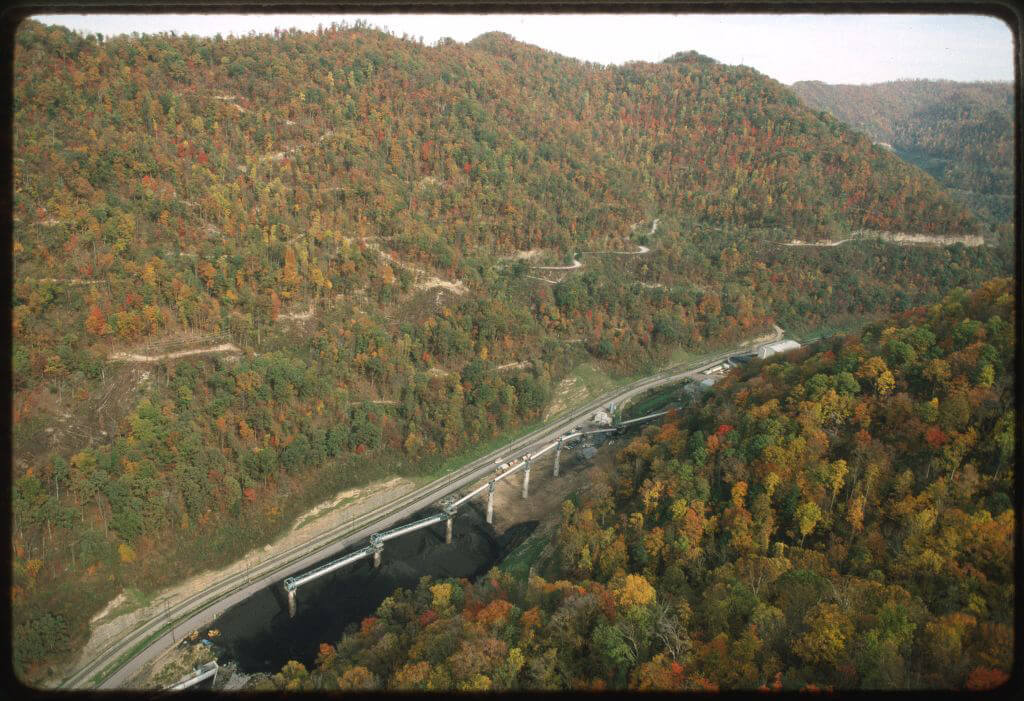
Hardin based his model on a self-serving conception of human nature. His essay has nothing to do with how actual people govern actual shared resources, cases that Hardin seems to have known little about. His first mistake was to think that a commons is a free-for-all. No such set of resources is open to everyone, but only to members, defined in various ways. Consider the forests of New England in the nineteenth century. Colonial towns owned them and controlled access, allowing some to cut trees and others to hunt and fish with permission. Lobster fishermen in Maine operate according to their own rules and institutions, with little government involvement, resulting in one of the most successful fisheries in the world. But they decide who can and cannot benefit. Thus everyone who depends on common property has an incentive to maintain it. This is not to say that everyone is always satisfied. Community management requires governance to mediate disagreement and limit the consequences of conflict. The point is that it's simply not true that common property always degenerates into scarcity.8According to Richard Judd, "These local common resource regimes established two central principles for the emerging New England conservation tradition: communities bore collective responsibility for managing their resources in a productive fashion, and they were to allocate these resources equitably." Judd, Common Lands, Common People: The Origins of Conservation in Northern New England (Cambridge, MA: Harvard University Press, 1997), 7–8, 41–45; James Acheson, Capturing the Commons: Devising Institutions to Manage the Maine Lobster Industry (Hanover, NH: University Press of New England, 2003), 206; Allan Greer, "Commons and Enclosure in the Colonization of North America," American Historical Review 117, no. 2 (April 2012): 365–86.
But Hardin cannot be dismissed altogether. His fable reasonably describes resources that no group can manage, like the open ocean and the atmosphere. And not all collective uses of land have succeeded. (In fact, we know very little about how the functional forest commons fared in West Virginia, how well users governed themselves.) Without regulations and penalties, without clear borders and firm institutions, they can result in devastation. This is why Elinor Ostrom studied them—to figure out why some failed and others thrived.9Kathryn Newfont, Blue Ridge Commons: Environmental Activism and Forest History in Western North Carolina (Athens: University of Georgia Press, 2012), 276.
We all live in communities. In a sense, no one really lives in the United States but in neighborhoods, towns, and counties. Strengthening those bonds within environments that allow for economic autonomy seems like a way of creating space between people and the nation-state. It might also offer a way to endure during times of climate disruption, when the United States might not be capable of compensating for any number of possible disasters. The Commons Communities Act proposes land reform and collective governance. It proposes nothing new, but rather something very old, a sense of ownership without the enclosure and the abuse of power characteristic of private property.10Ibid.
And yet, I have my own objections to the Commons Communities Act. Small-scale development programs appeared decades ago, with mixed results. The same reformers and intellectuals who rediscovered the small town and the Indian pueblo during the New Deal urged communitarian approaches all over the world. But these schemes harbored certain false assumptions, well described by the historian Daniel Immerwahr. Development agencies believed that the members of a village acted from shared principles and that local elites would fairly apportion money entrusted to them. But villages in the Philippines and India turned out to be more complicated—and divided—than the sanguine Americans had thought. Immerwahr suggests another problem. When a nation-state invests in a community, where does its influence end? What role would the United States play in a commons community?11Daniel Immerwahr, Thinking Small: The United States and the Lure of Community Development (Cambridge, MA: Harvard University Press, 2015).
The act might also be criticized for shunting the problem of industrial abandonment onto the poor, just like the Division of Subsistence Homesteads. In this way, it seems like a neoliberal policy intended to reduce the cost of state services and lower taxes on the rich. And while under the act the corporations that caused so much human and ecological ruin would be required to pay for houses and schools, this doesn't change or challenge a political economy in which humans and environments serve as inputs in the circulation of capital. For corporations, compensating for social destruction is merely part of the cost of doing business. Eliminating these contradictions so that citizens benefit would require a government and a set of laws dedicated to human welfare.
The act includes scholarships so that the children of Appalachian households might attend college, but it does not come close to addressing the larger cultural problem of why high school kids in Appalachia often don't apply. In Hillbilly Elegy (2016), J. D. Vance eloquently explains why it's so difficult for Appalachians to find a way out of unemployment and improve the quality of their lives. Some see themselves as different from those outside their families or counties. People in other parts of the country view them harshly, with many of the same racialized stereotypes present a century ago. All of this makes geographic and social mobility difficult. Vance's own story suggests that a strong mentor with the capacity to see beyond limited local opportunities can overcome self-defeat. Vance's mentor was his grandmother. "She didn't just preach and cuss and demand. She showed me what was possible . . . and made sure I knew how to get there." Her home provided Vance stability and peace, "not just a short-term haven but also hope for a better life."
Vance got out. He graduated from Ohio State University, the Marines, and Yale Law School before joining a Silicon Valley investment firm. But his very success implies the depth of the problem he confronted. The most unsettling currents in Hillbilly Elegy lie in the necessity of leaving and in its emphasis on a strong and uncompromising grandmother. If meaningful work and a decent occupation only exist elsewhere, then most Appalachians will be abandoned. If escape depends on someone who rises above despair and abuse, then most will be stuck. The role of public policy and a political solution to poverty is to attempt to help everyone in the same situation rather than rely on extraordinary circumstance and plain luck to produce successful individuals. Vance's book is inspiring as a memoir, but it might be construed as saying that the tragedy of Appalachia is the sum of its individual failings or the insularity of its families.12J. D. Vance, Hillbilly Elegy: A Memoir of a Family and Culture in Crisis (New York: Harper Collins, 2016): 148–49, 206. Domestic violence, drug abuse, and hopelessness on such a scale have social causes. They require solutions that do not place the burden on the sufferers themselves to transcend their circumstances.
About the Author
Steven Stoll is a professor of history at Fordham University and the author of The Great Delusion (Hill and Wang, 2008) and Larding the Lean Earth (Hill and Wang, 2002). His writing has appeared in Harper's Magazine, Lapham's Quarterly, and the New Haven Review.
]]>Introduction
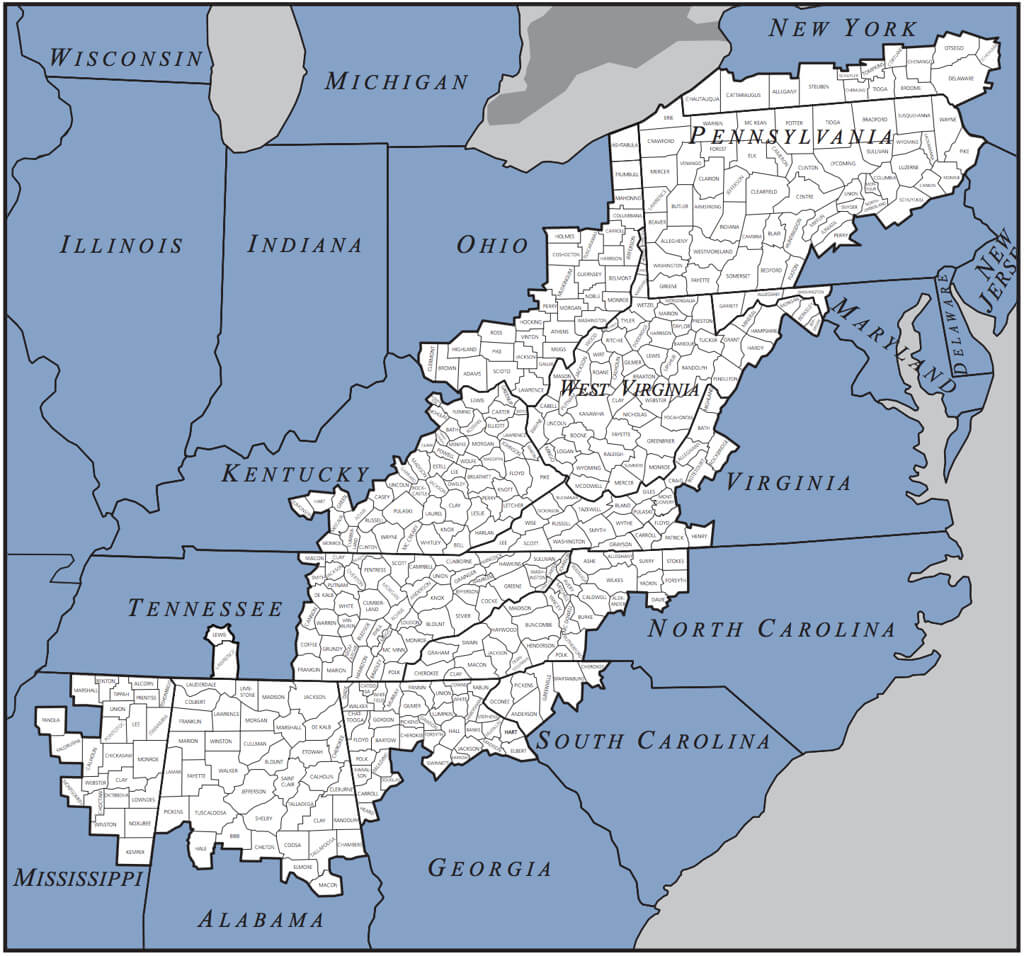
Of countless images over the last century, attempts to frame Appalachia's landscape and people have drawn on a limited number of tropes. Whether Bayard Wootten's photographic illustrations for Cabins in the Laurel,1Muriel Earley Sheppard, Cabins in the Laurel (Chapel Hill: University of North Carolina Press, 1935, 1991 reprint). or the Farm Security Administration (FSA) images of Walker Evans, Elmer Johnson, and Marion Post Wolcott, or photojournalists' frontline depictions of the War on Poverty, the visual encoding of Appalachia has reinforced and recirculated images of a rugged, yet pristine landscape, and a people who are portrayed in equal mixtures of pride and deprivation, perseverance and lack. Without question Appalachia "as a whole" presents a rather problematic construct, embracing a diverse cultural and physical geography with multiple, conflicting borders and covering—by the Appalachian Regional Commission's (ARC) definition—420 counties in thirteen states. The volume of images depicting Appalachia belies diversity, reinforcing instead a homogenized depiction of the "region." That such a broad space and numerous people—congressionally constructed—becomes reduced to one region is itself an oversimplification. A Google image search of "Appalachian photography" reveals visual stereotypes in present-day action, and their limited scope.
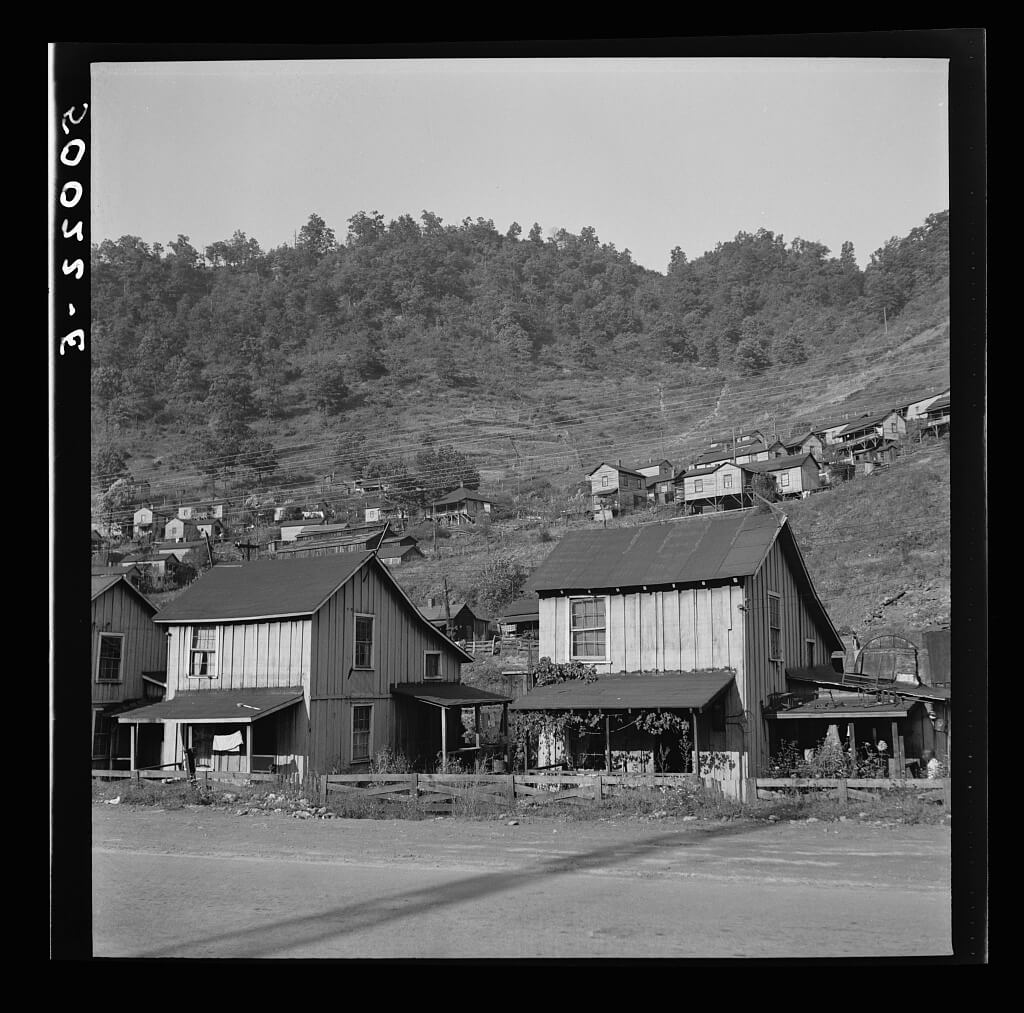
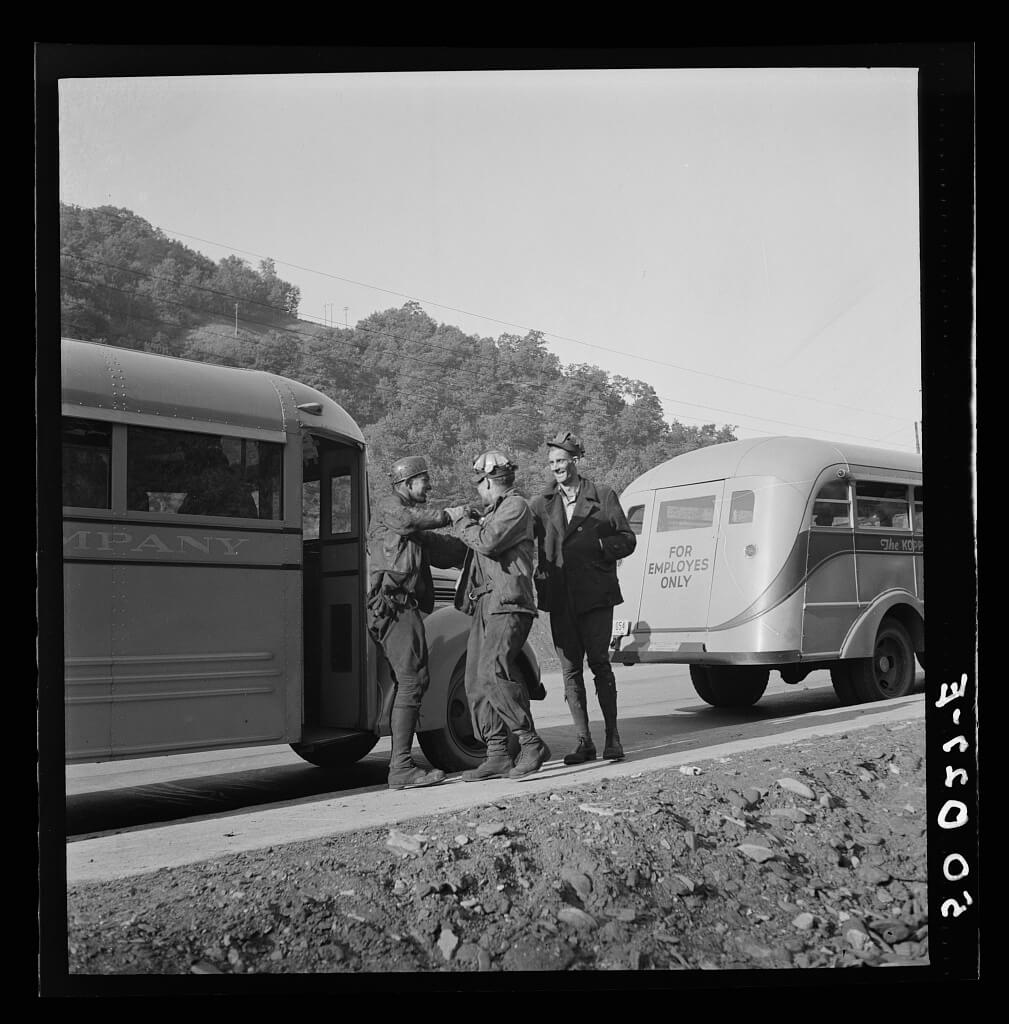
While these stereotypical depictions of the region exist across a broad range of media, photography has a way of literalizing this act of framing certain images at the expense of others. But alongside the many attempts to traffic in Appalachian images for commercial or political gain, projects exist that question how photography frames Appalachia: what is contained and what excluded. This effort dates back to some of those images of the FSA Photographic Unit. As Marion Post Wolcott noted, "Constantly we were asked [by Unit Director Roy Stryker] and [we were] asking of ourselves, 'In what direction are we going; are we doing the whole job? How can we fill in the gaps, round out the file…?'"2Betty Rivard, ed. New Deal Photographs of West Virginia, 1934–1943 (Morgantown: West Virginia University Press, 2012), 143. In a similar spirit, Roger May's crowdsourced photography project, Looking at Appalachia (begun in 2014, and ongoing) seeks a broader picture. This collection of images engages in a multivalent and ambivalent approach to framing Appalachia, presenting over four hundred photographs taken by more than one hundred photographers across multiple counties in thirteen states. To visit this collection is to experience "unseeing" the region through multiple frames and lenses. This strategy of "visual counter point," as May describes it, attempts to create a complex and contradictory "crowdsourced image archive [that] will serve as a reference that is defined by its people as opposed to political legislation."3Roger May, "Overview," Looking at Appalachia, 2014, http://lookingatappalachia.org/overview.
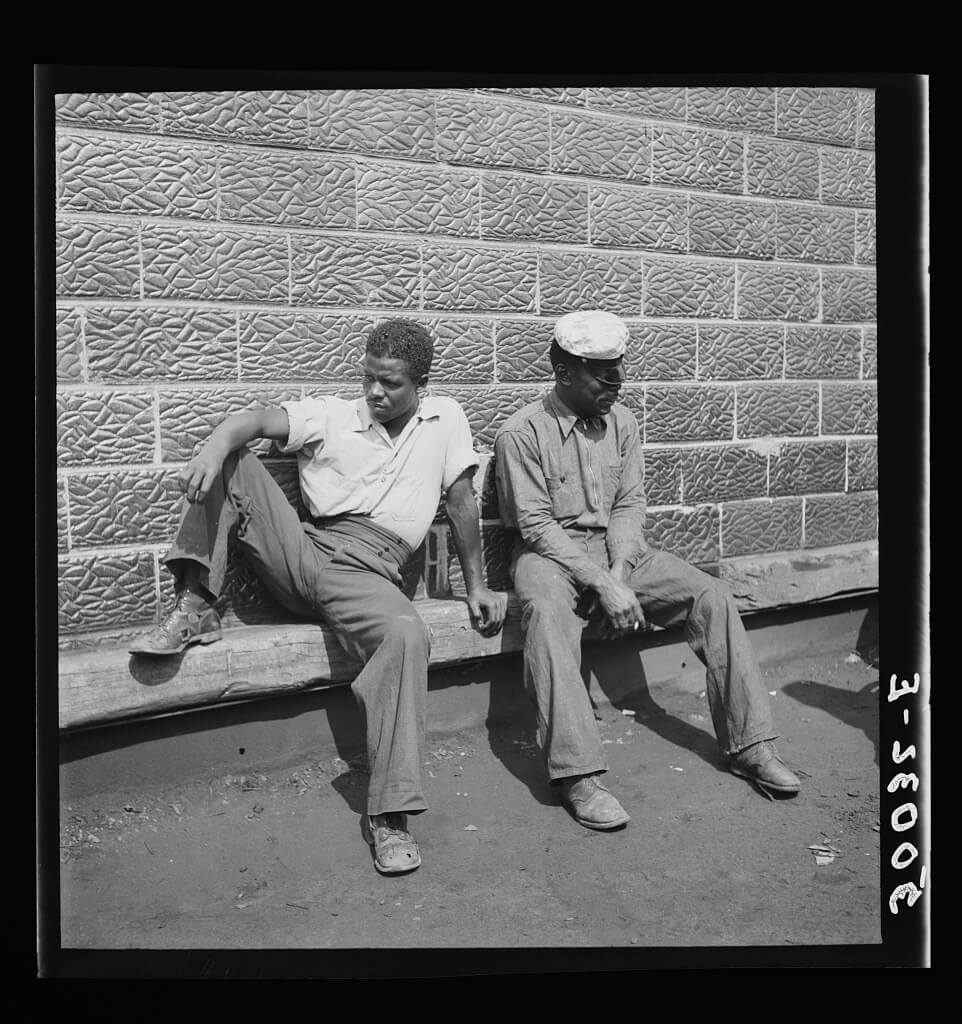
Most striking in this "visual counter point" is the degree to which the project is fundamentally frustrating. Each time an image seems to frame Appalachia in a particular way, other images unsettle the frame. As Susan Sontag suggests in Regarding the Pain of Others (2003), "the photographic image… cannot be simply a transparency of something that happened. It is always the image that someone chose; to photograph is to frame, and to frame is to exclude."4Susan Sontag, Regarding the Pain of Others (New York: Picador, 2003), 46. Unlike Wolcott and Stryker's challenge of "doing the whole job," Looking at Appalachia's use of multiple, competing frames undermines any attempt to portray a region in its entirety, or to pin this floating signifier within a fixed, defined border. But, at the same time, each of these images invites us to look at Appalachia—to see Appalachia and what it signifies in this particular image. These multiple, at times contradictory perspectives yield an increasingly complex sense of speakers and voices; as Looking at Appalachia contributor Lou Murrey explains in her commentary on May's project and several other online, collaborative photography projects: "All around Appalachia there are photographers engaged in a dialogue to change and expand perception of the region, allowing folks to declare 'hey, I'm Appalachian too.'"5Lou Murrey, "Out of Frame: Regional Stereotypes in Photography." Appalachian Voices, December 19, 2015. http://appvoices.org/2015/12/19/regional-stereotypes-in-photography/. What is particularly compelling about Looking at Appalachia is that the dialogic qualities of this crowdsourced work find expression in both form and content. Individual pictures declare "I'm Appalachian too," by calling attention to the frames that select these images. As William Schumann has noted in "Place and Place-Making in Appalachia," region is a social and historical construct, emerging through "a process of selectively cultivating some narratives of belonging while erasing other meanings from public discourse."6William Schumann, "Introduction: Place and Place-Making in Appalachia." In Appalachia Revisited: New Perspectives on Place, Tradition, and Progress, ed. William Schumann and Rebecca Adkins Fletcher (Bowling Green: University of Kentucky Press, 2016), 9. The project is fundamentally unsettling to the extent that powerful and idiosyncratic framings do not coalesce into any easy sense of what "Appalachia" signifies, but call attention to acts of inclusion and exclusion. By design, viewers are left in productive confusion, wondering what "region" means in this mixing of frames and images. The project intentionally draws upon the highly problematic ARC-defined boundary for Appalachia for its submission criterion at the same time that it challenges how these borders have framed a regional imaginary. "Appalachia's boundaries," David Whisnant writes, "have been drawn so many times by so many different hands that it is futile to look for a 'correct' definition of the region."7David E. Whisnant, Modernizing the Mountaineer: People, Power and Planning in Appalachia (Boone, NC: Appalachian Consortium Press, 1980), 134. Looking at Appalachia does not offer a "correct" narrative of belonging. It strives to provide a crowdsourced corrective to the dominant visual tropes for Appalachia through its use of multiple, competing frames.
The diversity of images in Looking at Appalachia also reveals the degree to which photographic meaning-making depends upon the power of visual citation. The crowdsourced call to photographers produces clusters of family resemblances in a manner not unlike the same-yet-different clustering that emerges through the social media practice of tagging photographs (for example, the #appalachia hashtag on Instagram.) As Sontag notes, "photographs echo other photographs"8Sontag, Regarding the Pain of Others, 84.; we recognize something in Tamara Reynolds's portrait of a Tennessee man's face (Figure 1), a semiotic resemblance that, when framed as "a face of Appalachia" contributes to the "substantiating archives of images, representative images, which encapsulate common ideas of significance and trigger predictable thoughts, feelings." In these moments of recognition, ideologies take visual form that "commemorate—in no less blunt fashion than postage stamps"—embedded values.9Ibid., 84–86. But as the number of photographers creating these images increases, commemoration becomes an increasingly granular—and increasingly ordinary—act. As Fred Ritchin writes in his discussion of the impact of social media on contemporary photojournalism, the proliferation of images documenting any single event tends to create not only greater variation in the images recorded, but also a greater number of photographs that are "more detail-oriented and everyday, with fewer elaborately constructed attempts at the larger, synthesizing statement."10Fred Ritchin, Bending the Frame: Photojournalism, Documentary, and the Citizen (New York: Aperture, 2013), 11. While an editorial board curates content included in Looking at Appalachia, the project taps into the diffusive power of crowdsourcing with the same intent: to use multiple, idiosyncratic perspectives from professional and amateur photographers alike to refract Appalachia, resisting reduction of these multifaceted photographs into a blunt commemoration.

Visual Dialogues: A Mosaic of Appalachia
In After Photography (2009), Ritchin suggests that the digital photograph acts less as "window" than "mosaic," not only because any digital image consists of pixels, but because once digital, any image exists as a link within a larger network.11Fred Ritchin, After Photography (New York: Norton, 2009), 70. Photography in a networked environment "is far from a mechanical recording; it becomes a collaborative, multivocal interrogation of both external and internal realities in which the initial exposure is only a minimalist starting point."12Ibid., 75. In Looking at Appalachia each photograph speaks to "Appalachia" in its own way, while commenting upon the reality that other images purport. Looking at Appalachia offers a mosaic of disparate images in dialogue with one another. Any image added to the mosaic does not move us closer to completion but only complicates attempts to define a "region." Because the network is always an open-ended structure, an open call for additional contexts, commentaries, and contributions, the project can never be "finished"—even after the editorial board stops adding images. It is in those gaps and contradictions among a large array that the project succeeds in evoking a sense of Appalachia while offering less and less certainty as to what exactly Appalachia contains.
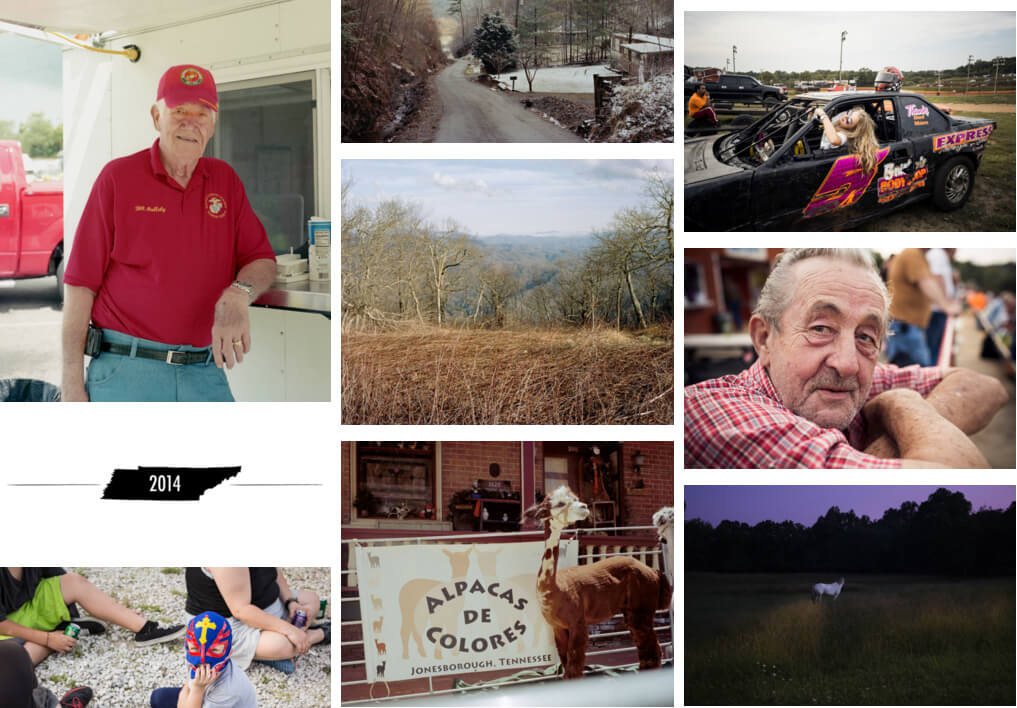
Looking at Appalachia also challenges the power to exclude through the framing of visual design, juxtaposing photographs in a grid layout reminiscent of other photosharing social media services, such as Instagram, Trover, or Flickr. To return to Tamara Reynolds's portrait: this image does not present itself in isolation when we first encounter it. It is already in dialogue with other images—some sharing the same echoes of recognition (perhaps Jaclyn Brown's portrait of Bill Mullaly from Knoxville), while others (an image from the Corazon Latino Festival in Jonesborough) calling attention to all that falls outside the frame of this photograph (Figure 2). Appearing directly above in the image grid is a photograph of a young, blonde-haired woman in sunglasses, head hanging out of a demolition derby car at the Crossville Raceway in Cumberland County. While this image may echo well with other visual tropes for (Southern) Appalachia by way of NASCAR and its mythologized connection to moonshine running, it is not an image that speaks in the same semiotic registers as Reynolds's portrait. Yet both photographs—taken at the same location by the same photographer—contribute to the Appalachian imaginary. Juxtaposed and conflicting images of the same scene call attention to what Judith Butler has termed "frames of recognition"—normative structures that allow recognition of a subject as such, but only through an attempt to exclude or cast off aspects of the subject that "exceed the normative conditions of its recognizability."13Judith Butler, Frames of War: When is Life Grievable? (New York: Verso, 2009), 4. As with the playful series of photographs that went viral in 2015, in which images of a beautifully crafted meal, a woman seated on an empty beach, and a solitary bicycle on an empty road appear in their Instagram frame and in a broader frame that captured everything just outside of that "perfect shot," viewing iconic face and demolition derby car side by side in a grid of competing images reveals how framing is anything but a neutral act, and how any frame depends as much on visual citations of norms that give rise to recognition as it does excluding everything "already outside, which made the very sense of the inside possible, recognizable."14Ibid., 9.
If the imperative of the frame insists, "Look at this (and not that)," then the design strategy of juxtaposing images by diverse photographers with divergent visions compels recognition of what is just beyond the frame—to "look at this and that." The website's overall hypertextual design reinforces this visual tension between framing and what falls outside. Looking at Appalachia greets visitors with a cover image, a logo, links to information about the project, and a menu that invites users to choose a state within the thirteen-state ARC-designated region. The site directs users to select—to frame by state—one set of images of Appalachia over other sets. How viewers engage with the site determines their initial frame of context—whether proceeding alphabetically (Alabama), or via a state considered more central to their understanding (West Virginia) or perhaps beginning with a state that they might only marginally connect with Appalachia (Mississippi). While the site has many points of entry, it offers no final resting point, only a growing number of juxtaposing images, and an increasingly complex mosaic of Appalachia.
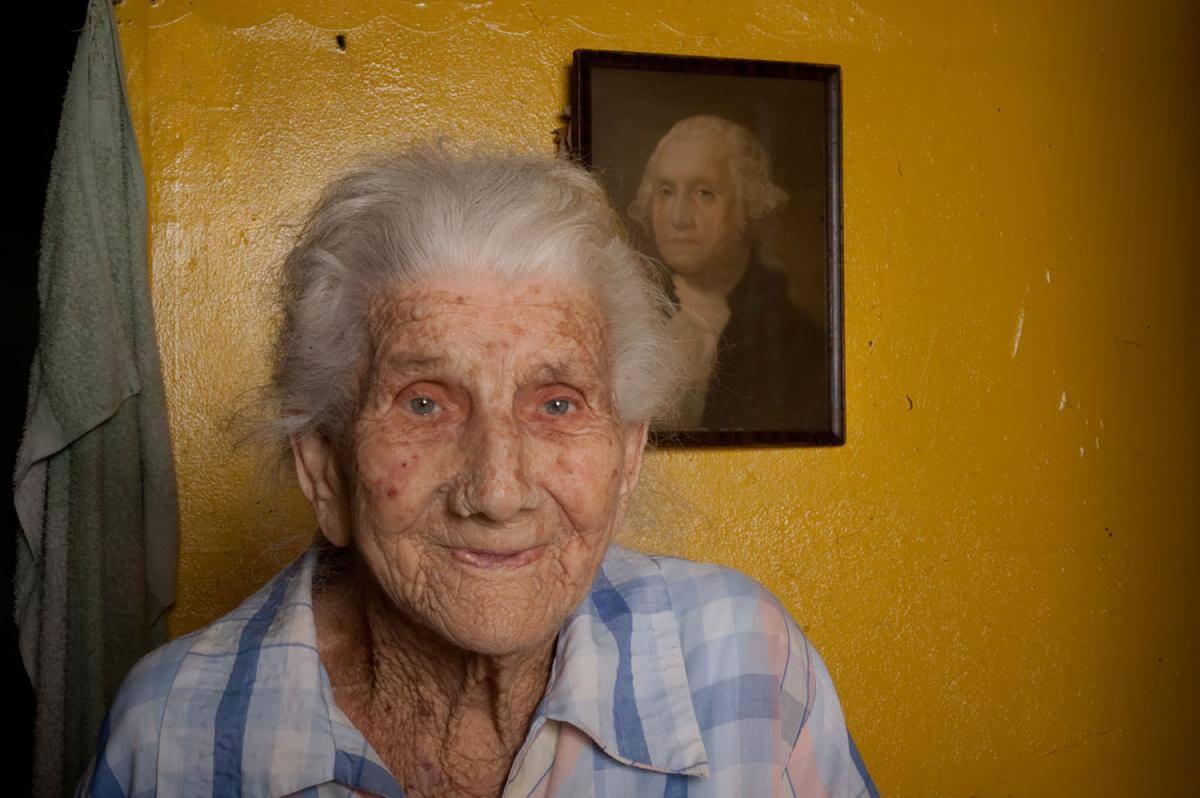
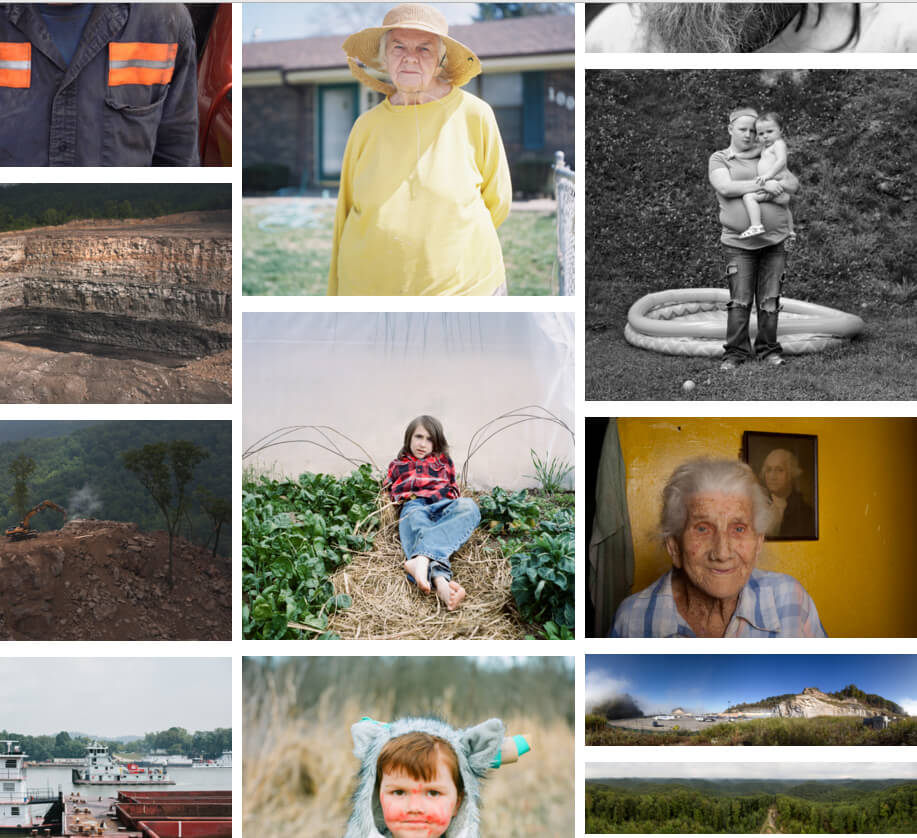
Certain images in Looking at Appalachia affirm and commemorate popular cultural assumptions. Consider the contribution of Shelby Lee Adams, a photographer of Central Appalachia who, since the mid-1970s, has garnered considerable attention—and criticism—for creating portraits that would seem to perpetuate stereotypical images of rural deprivation and depravity—what Jason Huettner has called "poverty porn."15Jason Huettner, "Capitalist Realism or Poverty Porn?" Hyperallergic, July 7, 2011, https://hyperallergic.com/28555/capitalist-realism-or-poverty-porn. See also Larry Vonalt, "The Dignity of Shelby Lee Adams's 'Disturbing' Family Photography." Studies in Popular Culture 29.2 (October 2006): 110–121. Adams has only one work included in the project, which, for those only familiar with his more controversial images, may seem a departure of sorts, though one still resonant with Appalachian stereotypes: A portrait of one-hundred-year-old Barbara, from Perry County, Kentucky. The image affirms deeply inscribed indices of the Appalachian "granny" stereotype: her aged face, whiteness, and rugged cheer. But in the mosaic presentation of images on the Kentucky page, her portrait abuts Trey Jolly's landscape of the Daniel Boone Plaza, also in Perry County—a mountaintop removal reclamation site (Figures 3, 4, 5). The nostalgia framing recognition for one photograph only maintains itself as a stereotypical image of Appalachia through exclusion of other images that lie outside the frame—images of extraction and reclamation that are just as much a normative frame as Barbara's weathered and aged face. At the same time, Adams's portrait of this mountain woman asserts itself with equal weight as a counterpoint to the stereotypical framing of Appalachia as a sacrifice zone. Photographs echo one another in ways that both cancel and amplify resonant spatial representations. No single frame can contain Appalachia and its competing significations.
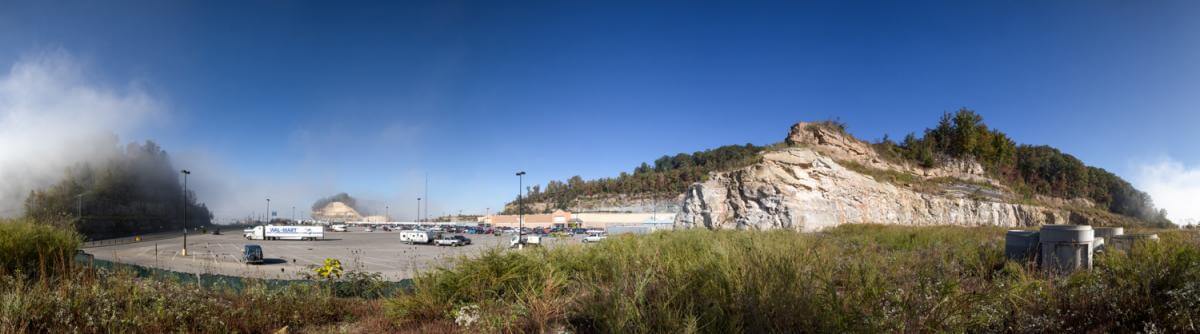
There is reason to closely consider this stereotypical photograph by Adams. In a June 2016 email exchange, May describes Adams as "the first living photographer I entered into conversation with" regarding what it meant to "look at" Appalachia through the lens of a camera and frame it in a particular way. In an essay published on May's blog, Walk Your Camera, Adams situates his work as a visual response to the War on Poverty imagery of the 1960s, which he describes as an ongoing "embarrassment to all."16Shelby Lee Adams, "The Work of Looking." Walk Your Camera, September 7, 2012, http://walkyourcamera.com/looking-at-appalachia-shelby-lee-adams-part-one/. Like Adams, May casts Looking at Appalachia—launched to mark the fiftieth anniversary of the War on Poverty—as an attempt to unravel the "visual definition of Appalachia" that codified over the ensuing half century through the heavy circulation and citation of those images in the mass media.17May, "Overview." While Adams's photographs, like the portrait of Barbara included in Looking at Appalachia, may seem to operate within the same echo chamber of iconic images and visual tropes captured in these Great Society-era photographs, Adams explains that the visual stereotypes that structure Appalachia in the popular imagination are likewise part of his own emplacement in this space. They operate as normative frames that give rise to recognizability. Acknowledging this provides an opportunity to engage in what Adams describes as "the work of looking" in photography:
Our ancestral mountain people are mythologized into our greater existence from our beginnings, a part of our childhood and permanent memories. If we are truly honest with ourselves, we know this cannot be erased. If you are from these mountains, your and my dreams and reality itself are engraved within this collective group consciousness forever. One can choose to repress, but sooner or later, the lives and images of our mountain people will return to us and keep returning until we come to terms with their importance, not just the ones we chose, but all. 18Adams, "The Work of Looking."
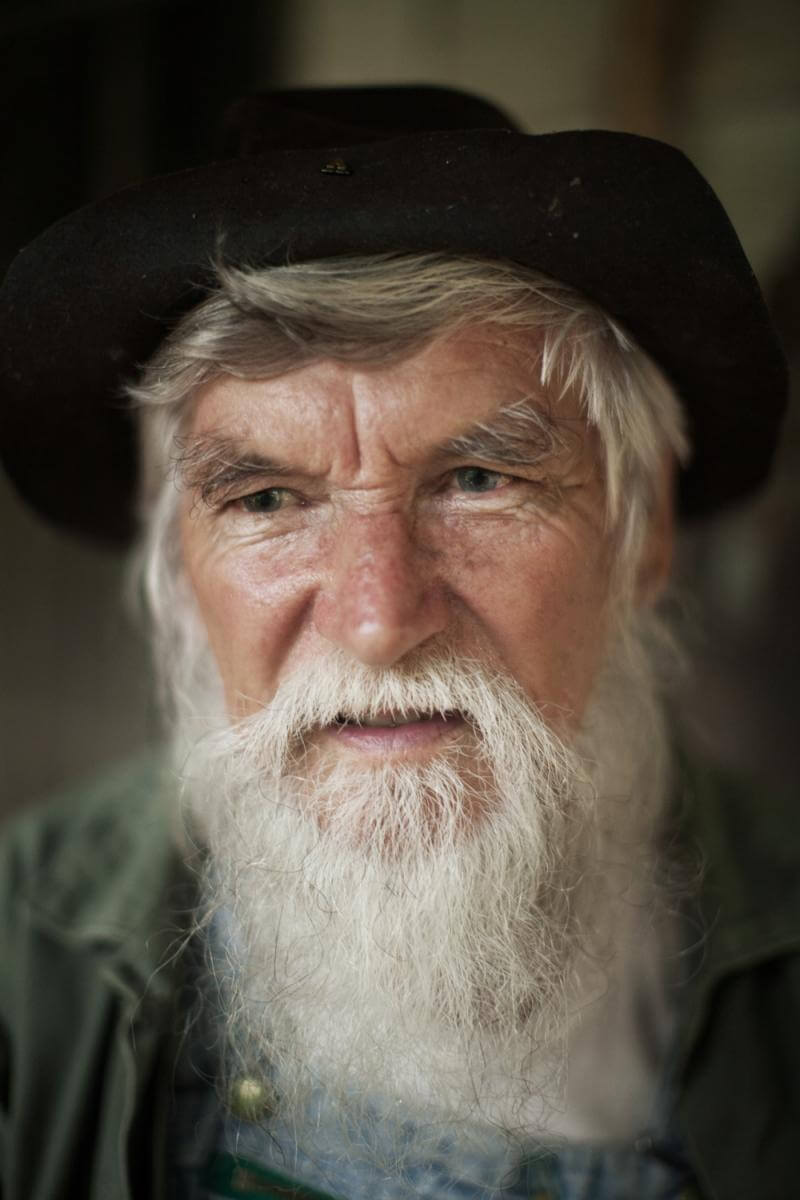
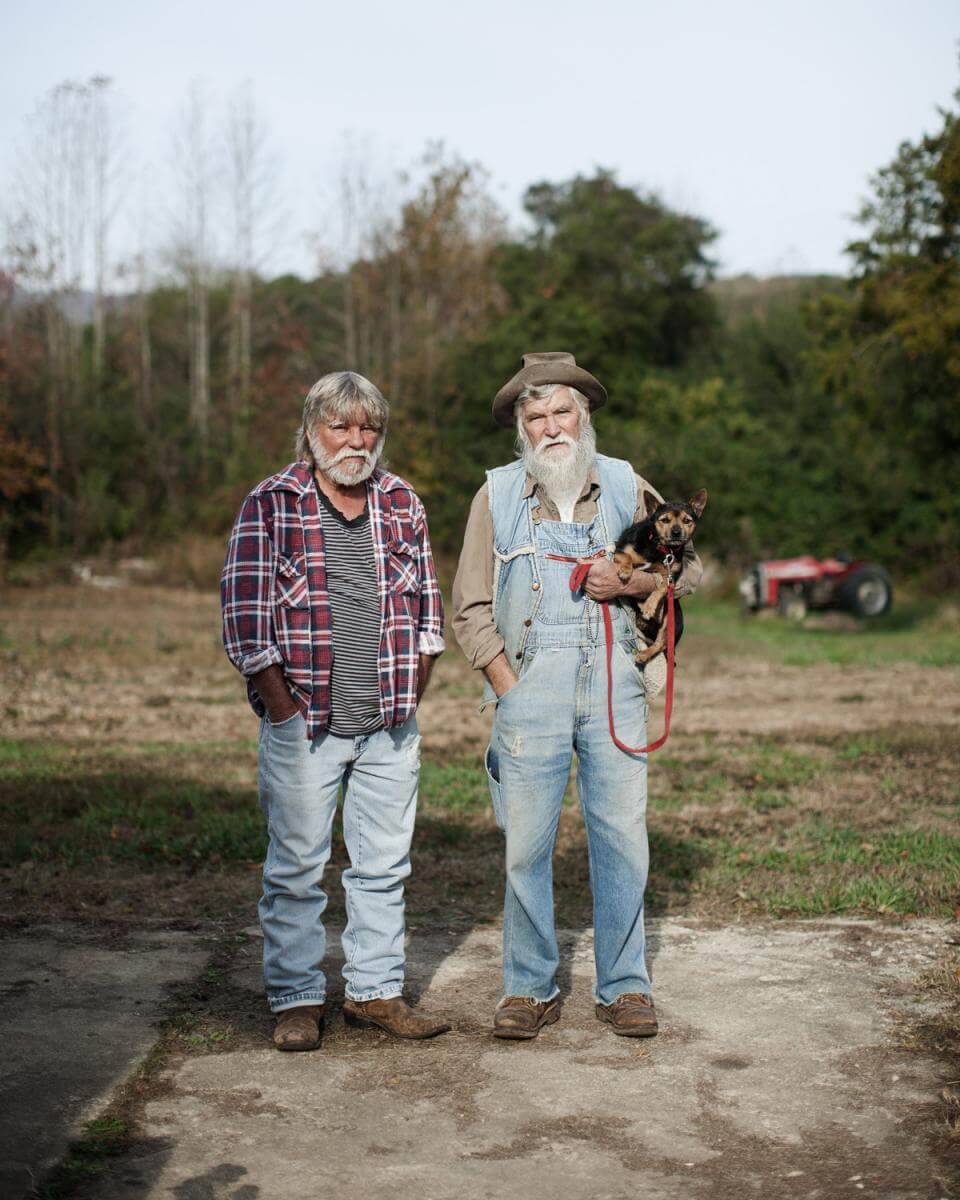
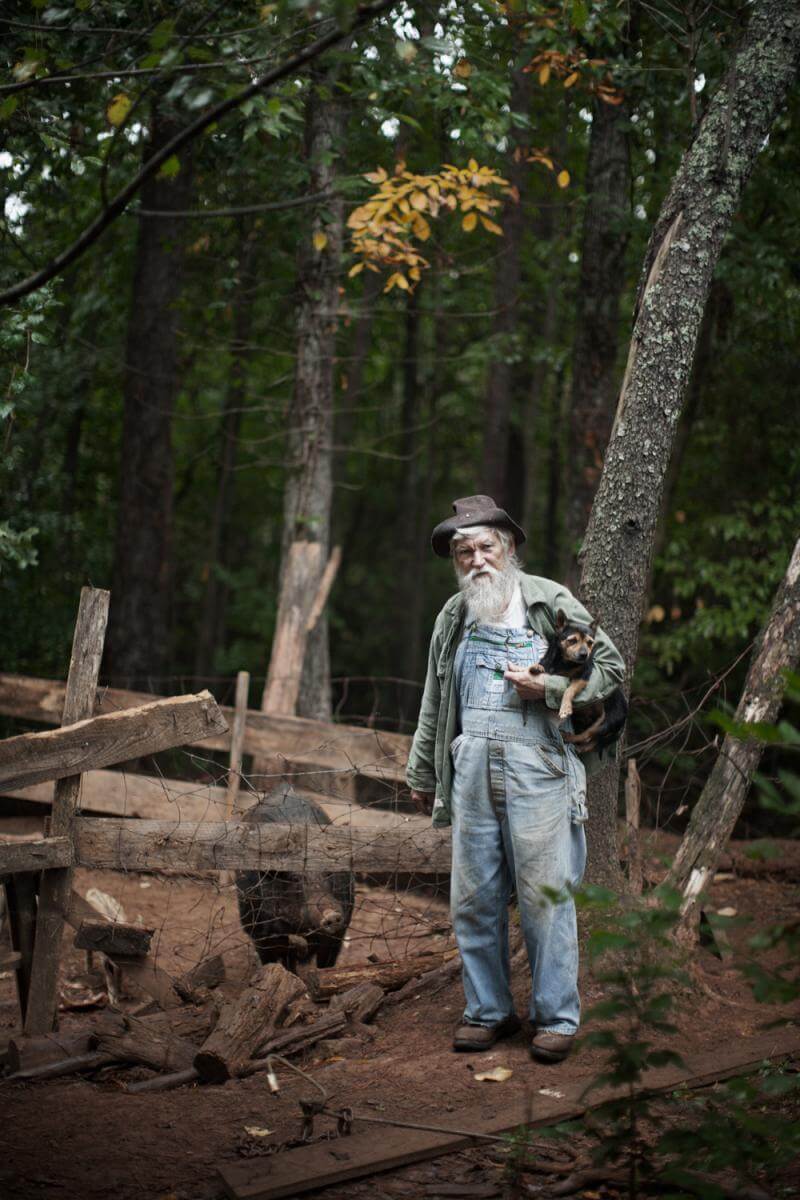
He goes on to describe photographs as "catalysts" that can complicate these stereotypes through this work of looking.19Ibid. May admits that his initial response to Adams's photographs was to "dismiss the work as typical stereotyping of Appalachia," yet in confronting those photographs, he likewise had to come to terms with his own embedded stereotypes.20Roger May, "Looking at Appalachia: Shelby Lee Adams—Part Two," Walk Your Camera, September 15, 2012. http://walkyourcamera.com/looking-at-appalachia-shelby-lee-adams-part-two/. By including Adams's portrait of Barbara alongside other photographs that echo competing, iconic images of Appalachia, the project offers its audience an opportunity to catch themselves in the act of recognition, and to question what it is they are recognizing. This play of frames serves as a central feature of how Looking at Appalachia operates, in concept and design—"fram[ing] the frame" that attempts to delimit Appalachia in each of these juxtaposed images. 21Butler, Frames, 9.
It should come as no surprise that Looking at Appalachia traffics in some of the frames of recognition that the project might be expected to attempt to undo. But this crowdsourced collection of images functions collaboratively within a mosaic that shows the recognizable as well as the frame that allows its recognition. Consider the cluster of images depicting bearded men, and the frame of reference within which these images operate. The mountaineer beard is an iconic image of Appalachian masculinity, repeated in university mascot as well as hillbilly stereotype. As beards echo other beards, a visual exchange develops, offering a complex portrait of Appalachian masculinity. A series of three images by photographer Elle Olivia Andersen of Robert Pickens, from Pickens County, South Carolina, offers a frame for the mountaineer that seems to confirm the stereotype—gray-bearded, capped, and wearing overalls (Figures 6, 7, 8). The photographs assert a documentary authority, capturing an "authentic portrait" of Appalachian life. But these images—and this beard—stand in dialogue with other images of bearded men that work against the authority of any one frame. As counterpoint, consider the portrait from Madison, Kentucky, of a younger mountaineer, bearded, but in a hat one would never confuse with an iconic "toboggan" (Figure 9). Other beards appear in other semiotic constellations that suggest an Appalachia outside the frame of any singular attempt to define the "mountain man" (Figures 10, 11, 12). The same visual conversation occurs when the gendered "granny" stereotype in Adams's portrait of Barbara is repeated and contradicted in other photographers' images of Appalachian women, old and young. With each echo of recognition, viewers see "mountain women" and "beards of Appalachia," but as these framed portraits engage one another, they ask, rather than answer: What makes these images recognizable? When you look at Appalachia, what is it that you see?
Frames of Recognition
Butler suggests how frames operate as normative structures giving rise to recognizability and representability: "When a picture is framed, any number of ways of commenting on or extending the picture may be at stake. But the frame tends to function, even in a minimalist form, as an editorial embellishment of the image, if not a self-commentary on the history of the frame itself."22Ibid., 8. Framing is an interpretive act, embedded in the photograph, a material instantiation of various norms of recognizability. "Even the most transparent of documentary images is framed, and framed for a purpose," she writes, "carrying that purpose within its frame and implementing it through the frame."23Ibid., 70. Recognizability is "both jettisoning and presenting" the norms of representation and interpretation, "doing both at once."24Ibid., 73. The "iterable structure" of the frame—the fact that "the frame breaks with itself to reproduce itself"—gives rise to an inherent instability in this interpretive moment.25Ibid., 24. In one sense, Butler notes, "to be framed" implies that one has been set up—the subject of a "false accusation"; but because the frame is always vulnerable to exposing itself, to showing how this interpretive "break" in context operates (jettisoning and presenting), it also marks a potential for "breaking out" of normative structures of recognizability.26Ibid., 11 She writes of these moments of destabilization: "What happens when a frame breaks with itself is that a taken-for-granted reality is called into question, exposing the orchestrating designs of the authority who sought to control the frame. This suggests that it is not only a question of finding new content, but also of working with received renditions of reality to show how they can and do break with themselves."27Ibid., 12.
In a similar move, Looking at Appalachia breaks with itself by offering and destabilizing recognizable norms of Appalachian photography. Returning to the portraits of Robert Pickens (Figures 6, 7, 8), the frame seems to affirm the "quaint but stalwart mountaineer."28John Alexander Williams, Appalachia: A History (Chapel Hill: University of North Carolina Press, 2002), 199. The project as a whole, however, provides multiple iterations of this normative structure that break with themselves through multiple, contradictory framings. Even before Horace Kephart's popular depiction of "mountain whites" in Our Southern Highlanders (1922), the recognizable mountaineer identity has featured a normative whiteness exclusive of the racial and ethnic diversity significant in Appalachian demography.29Williams, Appalachia, 210–211; Horace Kephart, Our Southern Highlanders: A Narrative of Adventure in the Southern Appalachians and a Study of Life Among the Mountaineers (Knoxville: University of Tennessee Press, 1922, 1984 reprint). See also: Patricia D. Beaver and Helen M. Lewis, "Uncovering the Trail of Ethnic Denial: Ethnicity in Appalachia." In Cultural Diversity in the U.S. South: Anthropological Contributions to a Region in Transition, ed. Carol E. Hill and Patricia D. Beaver (Athens: University of Georgia Press), 51–68; Schumann, "Introduction."
Figures 13–16
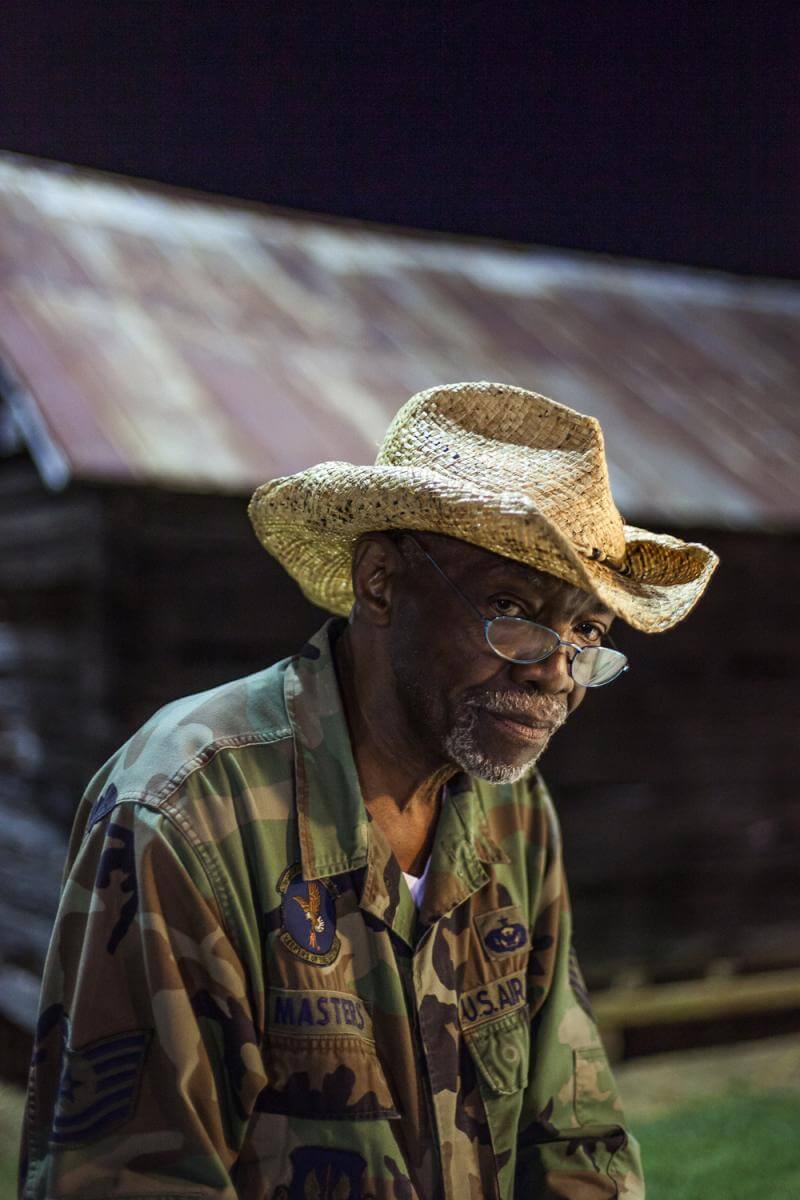
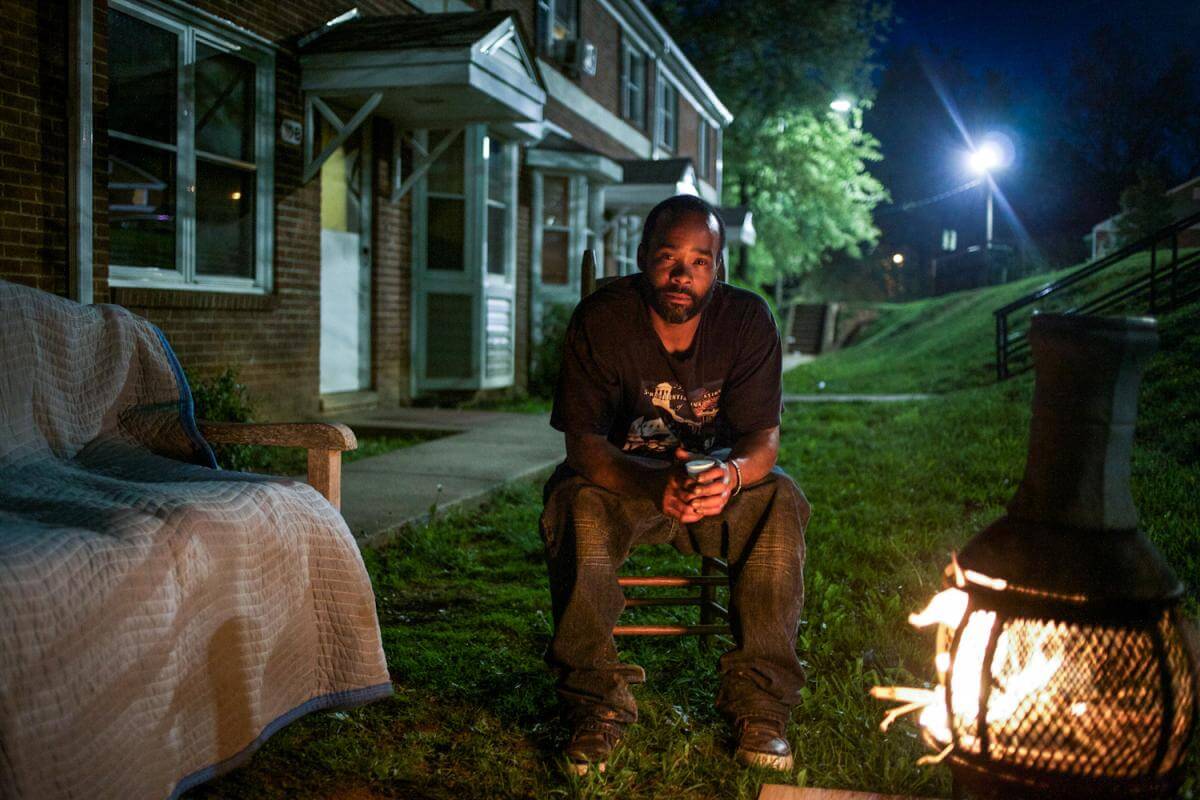
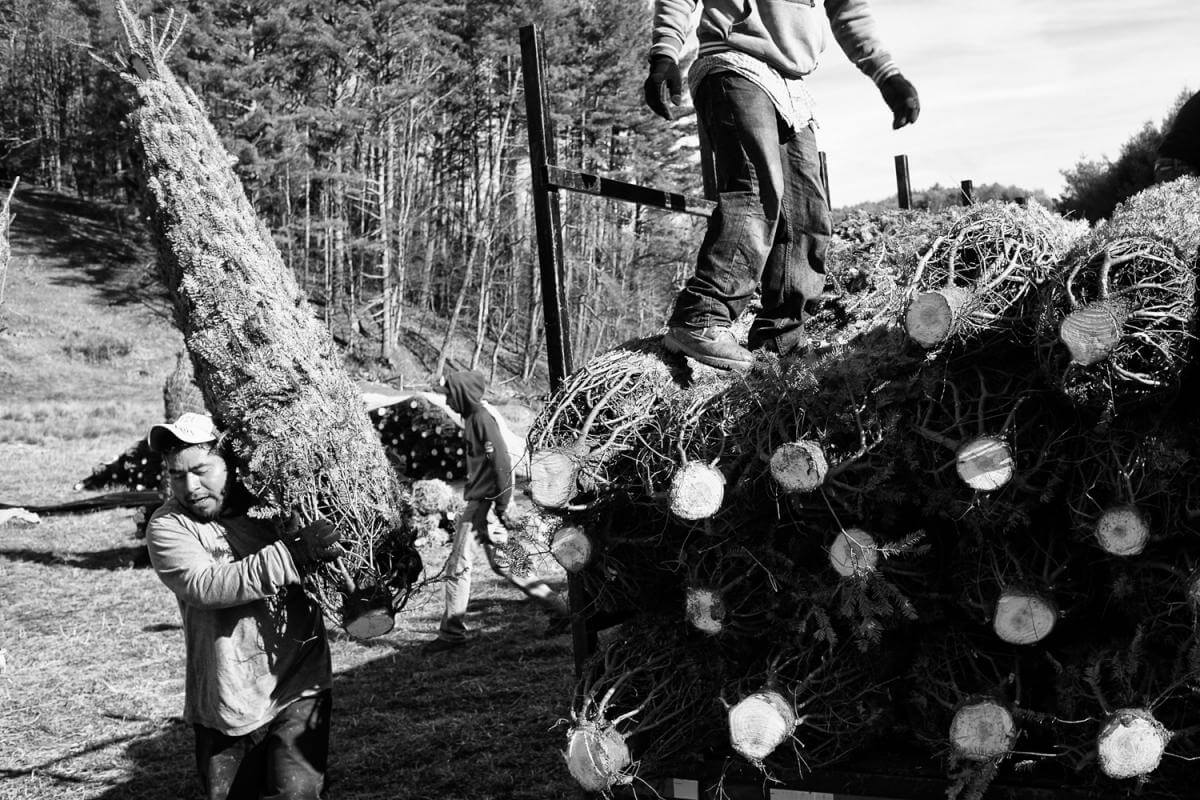
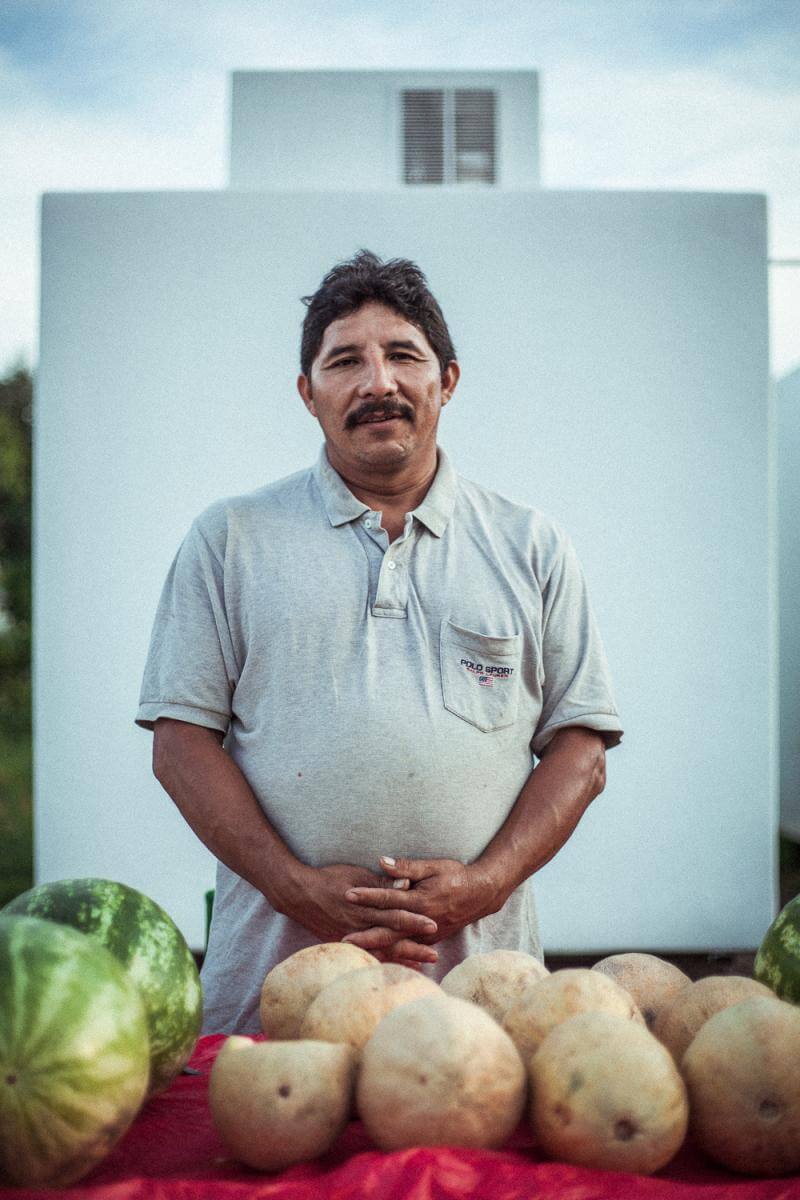
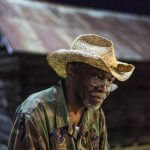
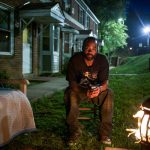

Numerous portraits within this collection of photographs speak directly to this erasure, and do so by asking viewers to question the recognizability of an Appalachia that reveals its racial and ethnic diversity. To see echoes of the same norms of representation that give us the "stalwart mountaineer," presented in portraits of African American Appalachian men, offers the normative frame of recognition and a break with its own terms for recognizability (Figures 13, 14). Similarly, while immigrant labor populations have moved into and out of the mountains throughout the nineteenth and twentieth centuries, and found their way, for example, into FSA documentation of Appalachian coal towns, ethnic diversity frequently falls outside of the frame of recognizability for "mountain folk."30Rivard, New Deal, 2012. Looking at Appalachia returns these often-erased and overlooked images to a visual dialogue, and does so within recognizable frames that reveal "received renditions of reality" at the same time that they destabilize the authoritative claim of these normative structures. Contemporary photographs of Hispanic mountaineers affirm and destabilize norms of representation (Figures 15, 16). "To learn to see the frame that blinds us to what we see is no easy matter," writes Butler.31Butler, Frames, 100.
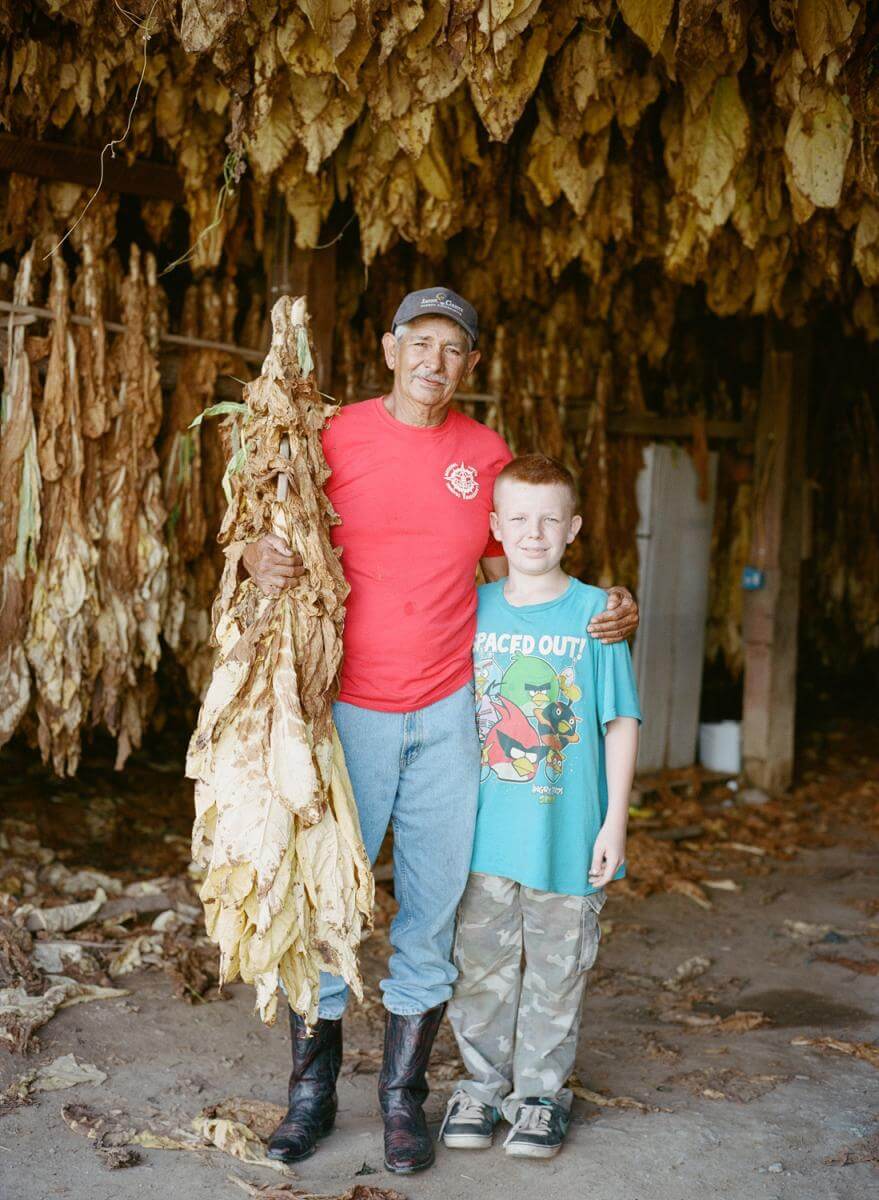
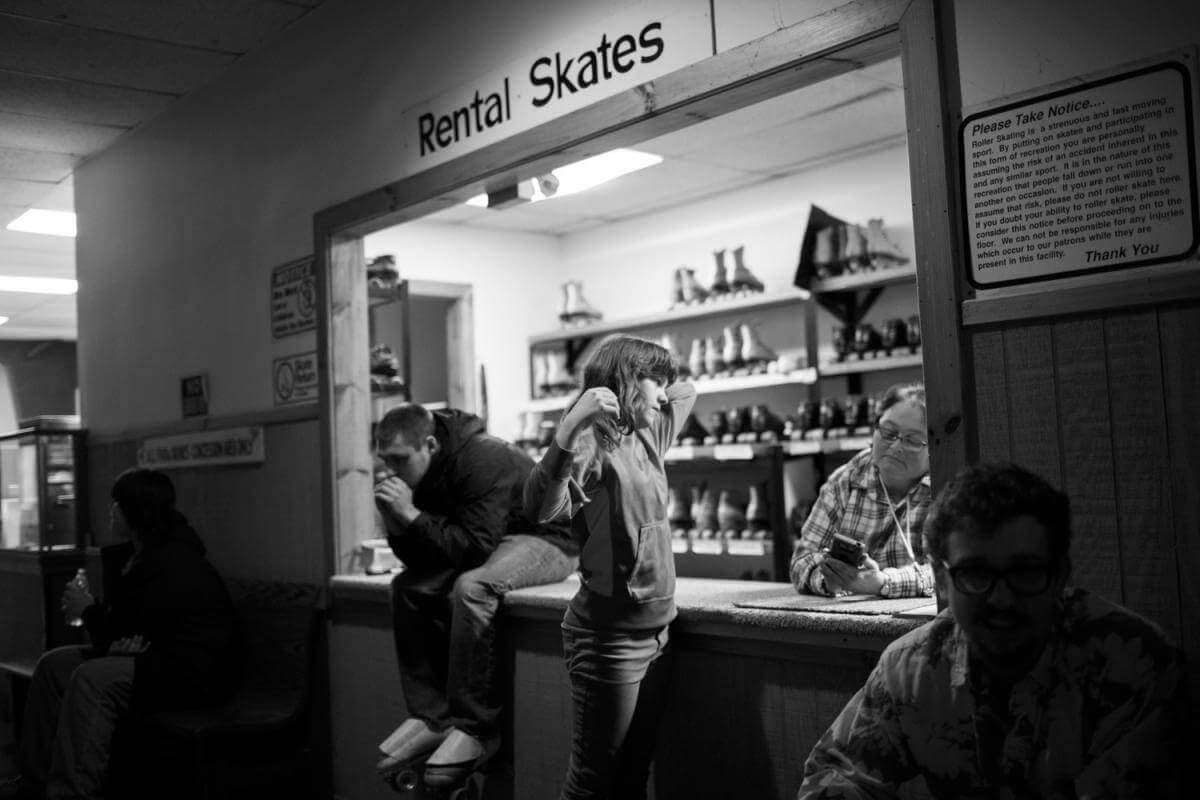
Looking at Appalachia's contemporary, crowdsourced images destabilize normative frames of Appalachian nostalgia through photographs of a more mainstream place that works its way in and through recognizable visible tropes of quaint and simple country life. As Williams and others have noted, from the local color writers movement of the late 1800s onward, Appalachia appears as a "reservoir of American folk culture."32Williams, Appalachia, 204. Images outside of this framing reveal acts of selective focus. As Watkins notes of Wootten's 1930s photographs of Spruce Pine and Bakersville, North Carolina, her choice of camera angles and framing emphasized quaintness over development: "Had the camera been placed further back up the street," he notes, in his reading of one image, "the picture would have shown, among other things, a newer department store and a movie theater, more recognizable signs of modernity."33Charles Alan Watkins, "Merchandising the Mountaineer: Photography, the Great Depression, and 'Cabins in the Laurel.'" Appalachian Journal 12.3 (Spring 1985): 227. Williams makes a similar observation: images that "placed [Appalachia] squarely in the American mainstream" historically have been marginalized to make room for more recognizable, nostalgic framings.34Williams, Appalachia, 300. As with depictions of grannies, beards, and mountaineers, Looking at Appalachia does present images that seem throwbacks. Consider Meg Wilson's portrait from Garrard County, Kentucky, of two generations (is it grandfather and grandson?) in a tobacco barn (Figure 17). There are echoes of nostalgia. But the Angry Birds image on the boy's T-shirt connects this scene to traditional Kentucky tobacco farming practices as well as global networks of mobile devices, digital games, and franchise marketing. Similarly, Lou Murrey's candid shot at Skate World in Vilas, North Carolina, frames Appalachia in ways that foreground nostalgia for an imagined simpler and remote American past (Figure 18). A closer look reveals the smartphone in the woman's hand behind the counter, locating this image squarely within the broader context of highly networked American mainstream culture. These moments of contradiction—within and between photographs—create a tension within the project that undermines the authority of these normative frames.
Figures 19–23
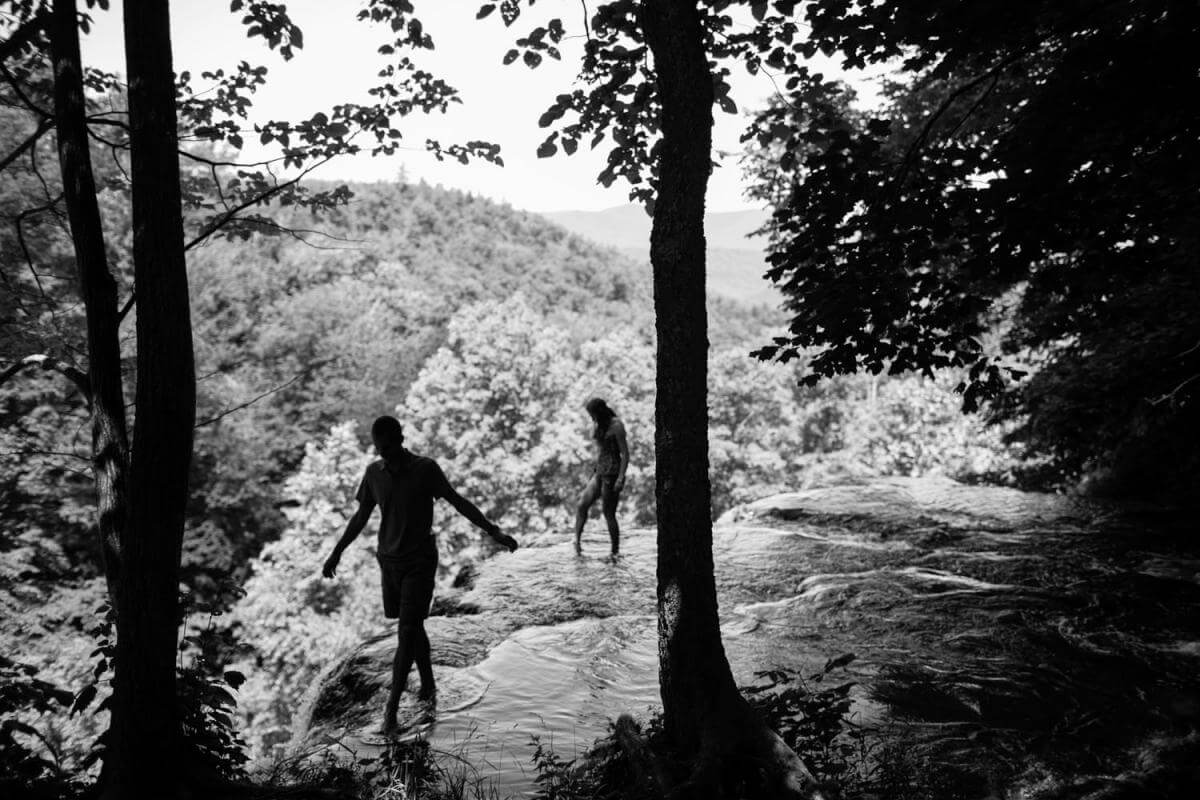
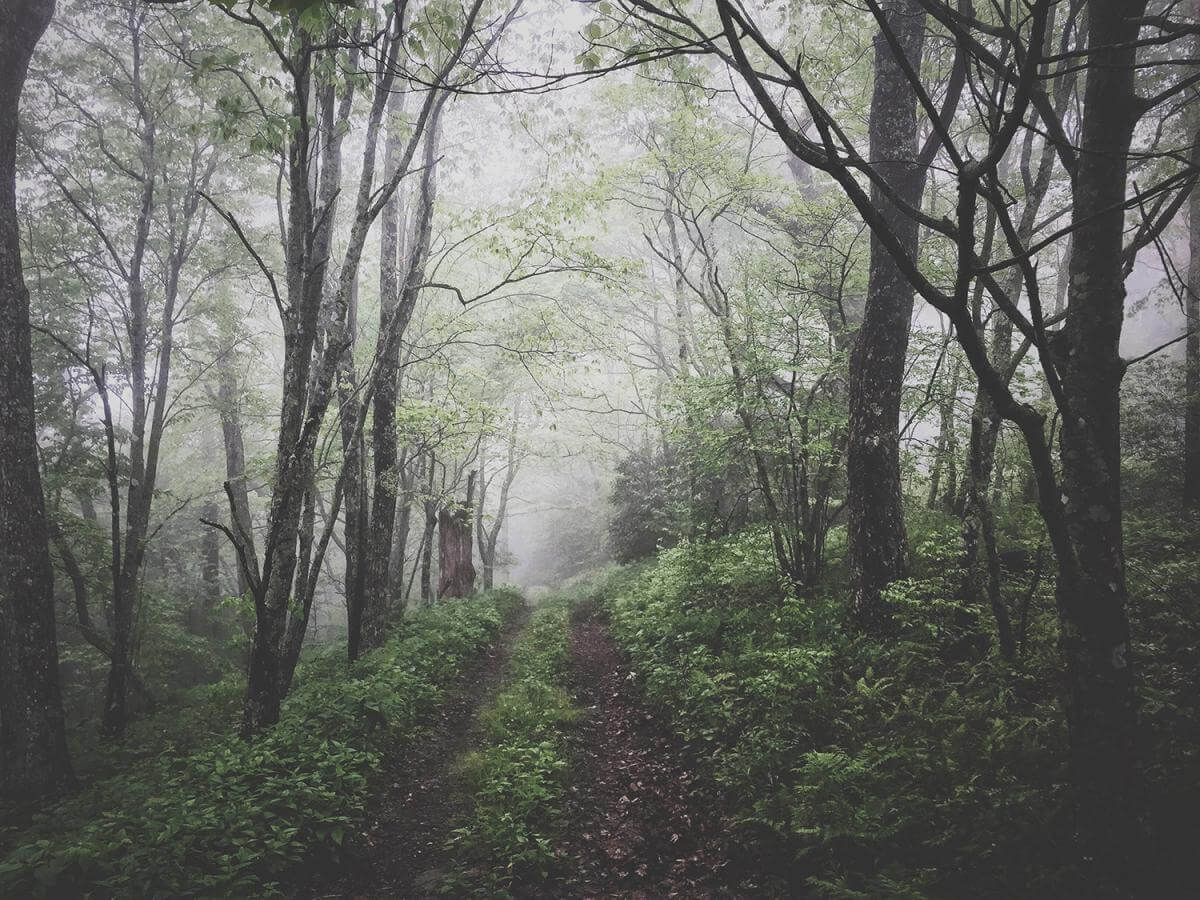
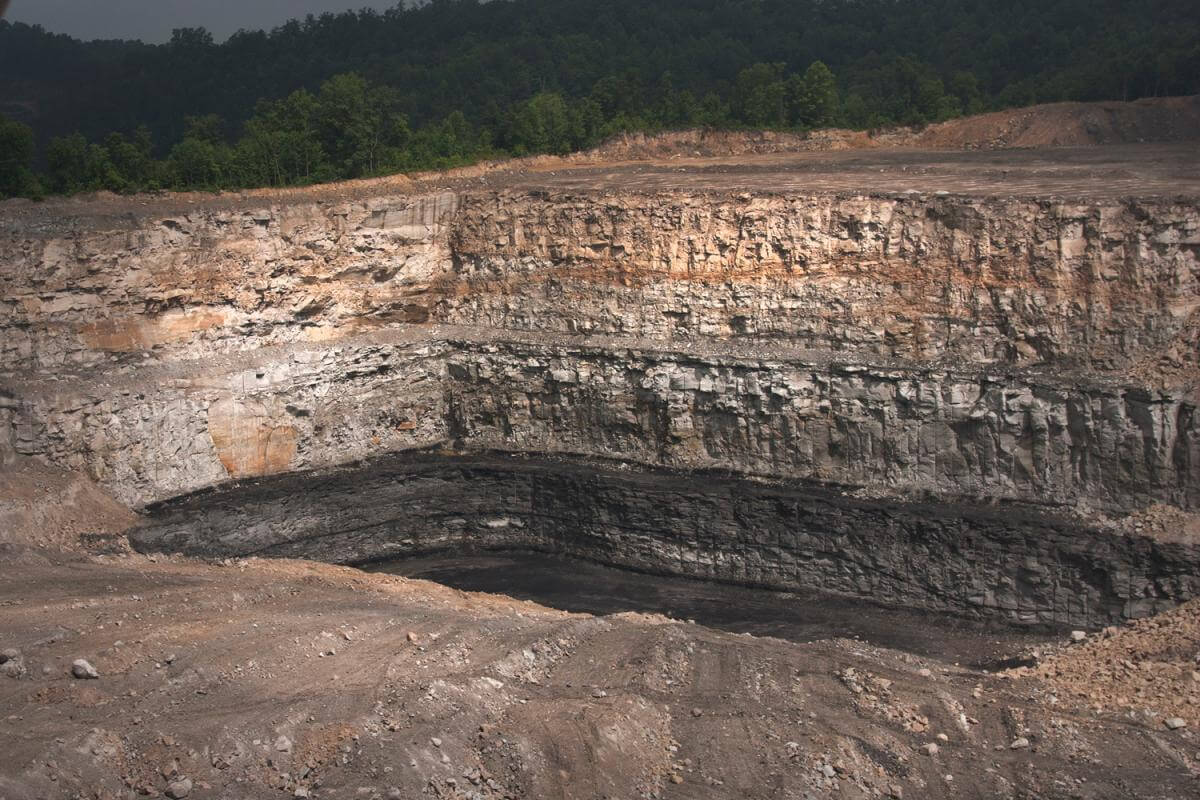
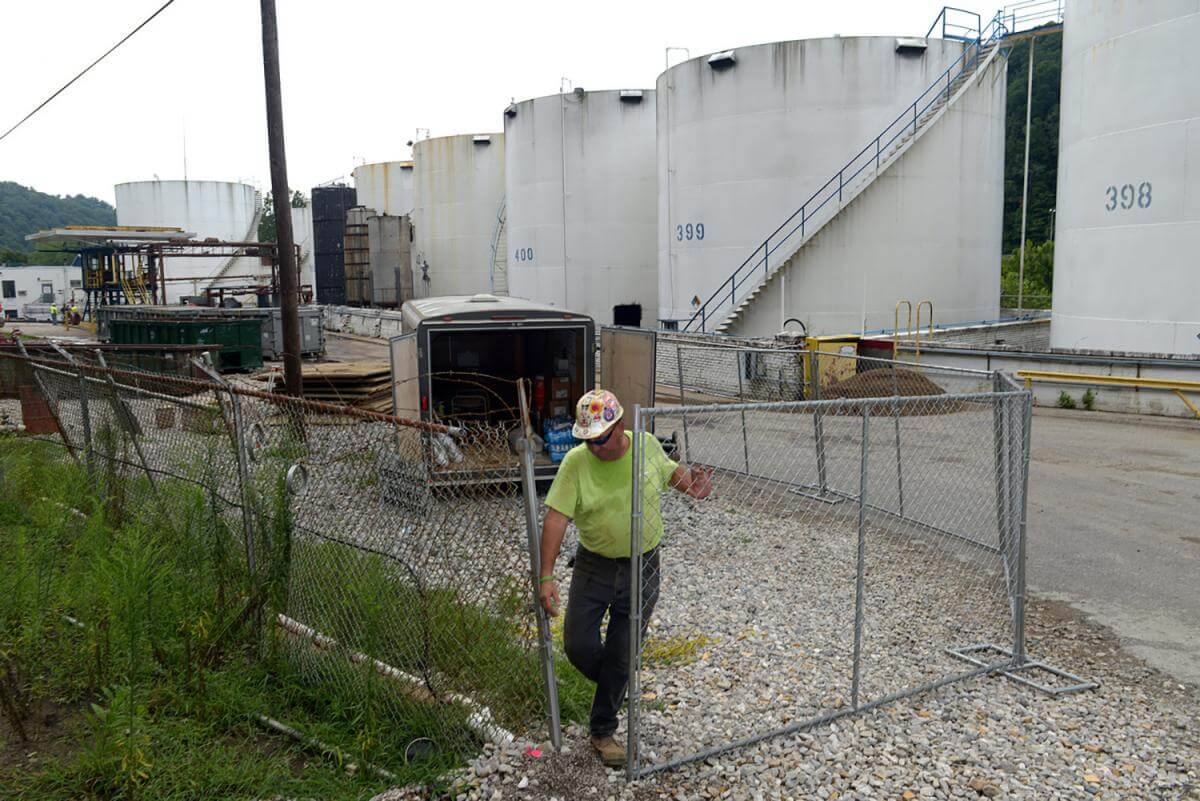
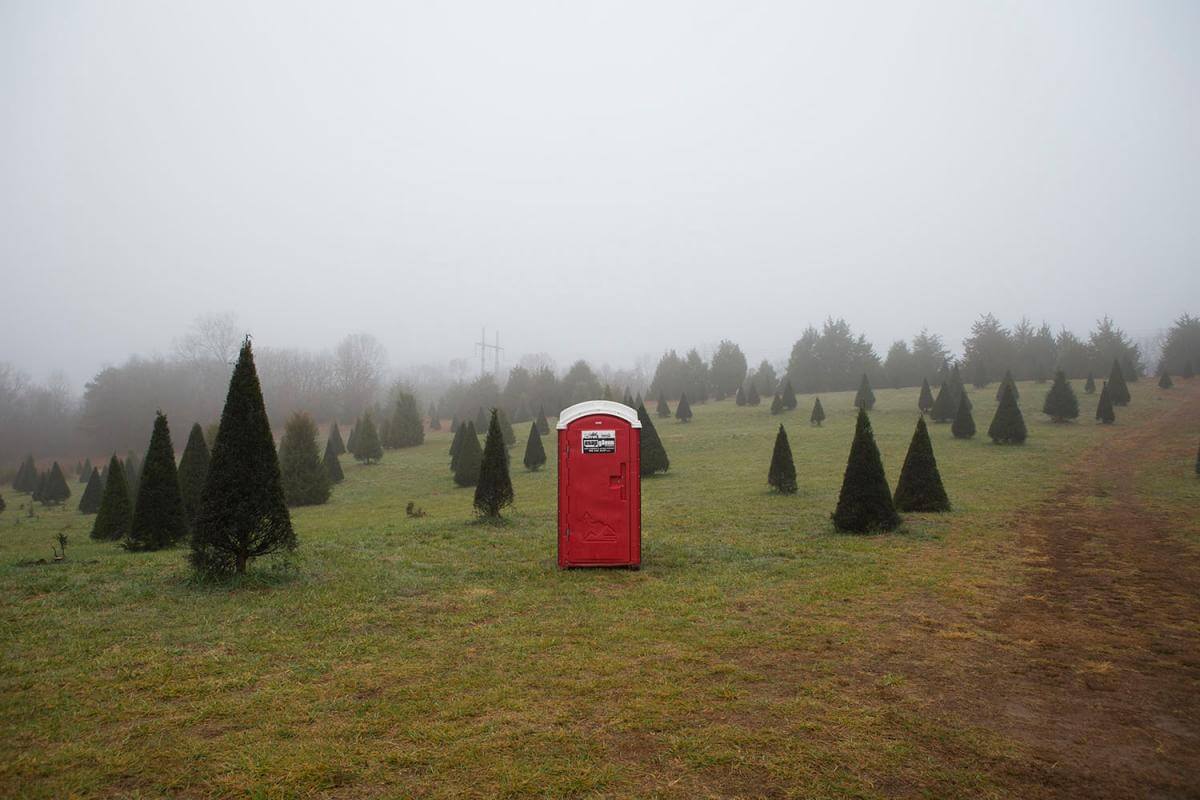



Similarly, nature photography in Looking at Appalachia complicates and questions received and expected visual tropes. Chris Jackson's portrait of a young couple walking at the edge of Virginia's Falling Springs waterfall, or Nathan Armes's image of a dirt road on Wayah Bald in North Carolina, echoes photographs framing Appalachian geography as wild refuge (Figures 19, 20). Images of Appalachia as a sacrifice zone reinforce these norms by presenting the opposite—such as Dobree Adams's active mining sites in Perry County, Kentucky, or Pat Jarret's photograph of the Freedom Industries' chemical spill site in Charleston, West Virginia (Figures 21, 22). Other "natural settings" alter these frames: does Amanda Greene's North Georgia Christmas tree farm landscape, with portable toilet in the foreground, offer an image of untouched nature, extractive economy, or something in between (Figure 23)? Or consider Wes Frazer's photograph of a youth in mid-swing over a river in Jefferson County, Alabama (Figure 24). Not only does this image echo other representations of the region as a locus of simple country pleasures (destabilized, of course, by other images in Looking at Appalachia—for example, another Frazer photograph of a tattooed youth huffing inhalants while standing in the same river) but it also depicts Appalachia as a wild and rural refuge from urban and suburban development. But this first Frazer photograph disrupts its own image of Appalachia as simple, rural refuge by including the large pile of trash on the shore. Cropping out the trash would present a very different image. It is not ironic contrast (no more so than an Angry Birds T-shirt within a tobacco barn); rather, it is an acknowledgement of both the complexity of the region and the norms that come into play when we frame Appalachia through these powerful structures of recognizability.
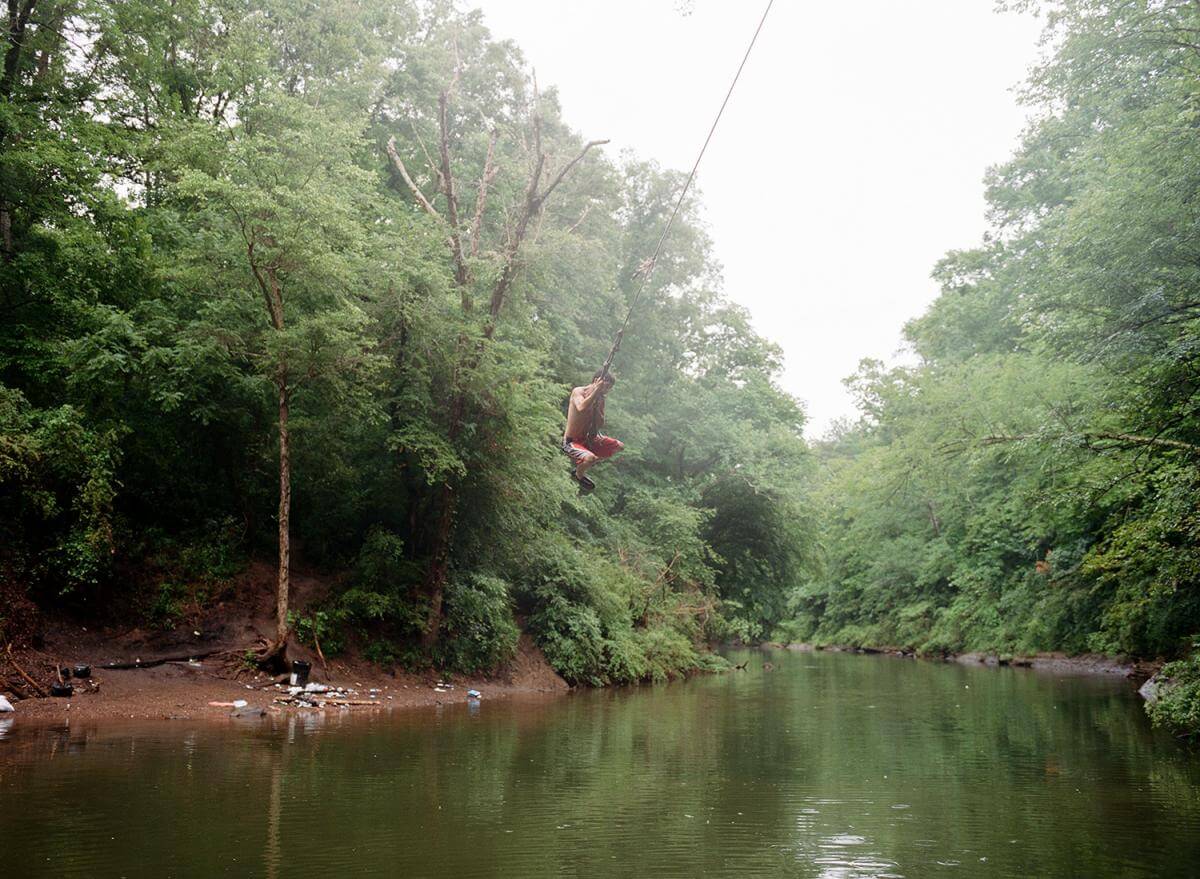
The logic and design of Looking at Appalachia includes as many images as possible in a collaborative mosaic. In a June 2016 email correspondence, May dates the origin of Looking at Appalachia to his reflection on the work of William Gedney, a War on Poverty-era photographer who managed to see more than most photojournalists. May wondered how Gedney "somehow…made photographs of grace, beauty, and simple existence all the while capturing the hardscrabble environs of his subjects."35Roger May, "Looking at Appalachia: William Gedney—Part One." Walk Your Camera, July 1, 2012. http://walkyourcamera.com/looking-at-appalachia-william-gedney-part-one/. May finds in Gedney's work "moments so obviously absent from most of the work…from Appalachia, that one has to wonder why so few photographs like this exist."36Roger May, "Looking at Appalachia: William Gedney—Part Two," Walk Your Camera, August 4, 2012. http://walkyourcamera.com/looking-at-appalachia-william-gedney-part-two/.
That Appalachia has operated far more as a narrative construct than a geographic location—as Williams phrases it, "a place that always will be—and never was"—makes Looking at Appalachia a powerful interrogation of how frames of recognition operate, and how photography can simultaneously affirm and destabilize these powerful visual tropes.37Williams, Appalachia. Looking at Appalachia succeeds in part because crowdsourcing has become a common practice. And perhaps, as Ritchin (2013) suggests, the superabundance of images and image recording devices has moved us into a "postphotographic" era in which "the image output from a camera is no longer thought of as being, or needing to be, above all a recording:
The photographer need not explain clearly, but can share his or her impressions with other viewers who might be able to help to figure it out. Images containing ideas not yet sufficiently explicated, based on the photographer's knowing or sensing that something of importance is happening, can be construed as invitations to a reader to join in the search for meanings. Thus the image becomes, in a sense, open source.38Ritchin, Bending the Frame, 49.
Looking at Appalachia encourages an open relationship to documenting and delimiting the boundaries of representation, suggesting that while we recognize Appalachia in these images, we recognize the possibility of other ways of seeing it.39Ibid., 50. Each photograph speaks to Appalachia in some way, but what it speaks to is often just outside the frame.
About the Author
Mark Nunes is the chair of the Department of Cultural, Gender, and Global Studies at Appalachian State University. He is author of Cyberspaces of Everyday Life (Minneapolis: University of Minnesota Press, 2006), which explores how the Internet restructures our everyday experience of the public and the private, and the local and the global. He is also editor of and contributing author for a collection of essays entitled Error: Glitch, Noise, and Jam in New Media Cultures (New York: Continuum, 2011), which examines how the concepts of "noise" and "error" structure modes of cultural resistance in a network society.
]]>Introduction
As a child, Ann Pancake dreamed of escaping from West Virginia. Achieving this goal as a young adult, however, only served to strengthen her emotional and cultural bonds to the Mountain State. Over the last two decades, Pancake has become one of the leading Appalachian writers of her generation. Her work addresses many themes in its concern with the everyday lives of West Virginians and the making of regional and national identities. Pancake engages the history of Appalachia and its people, revealing the impact of deindustrialisation, rural poverty, and environmental destruction.
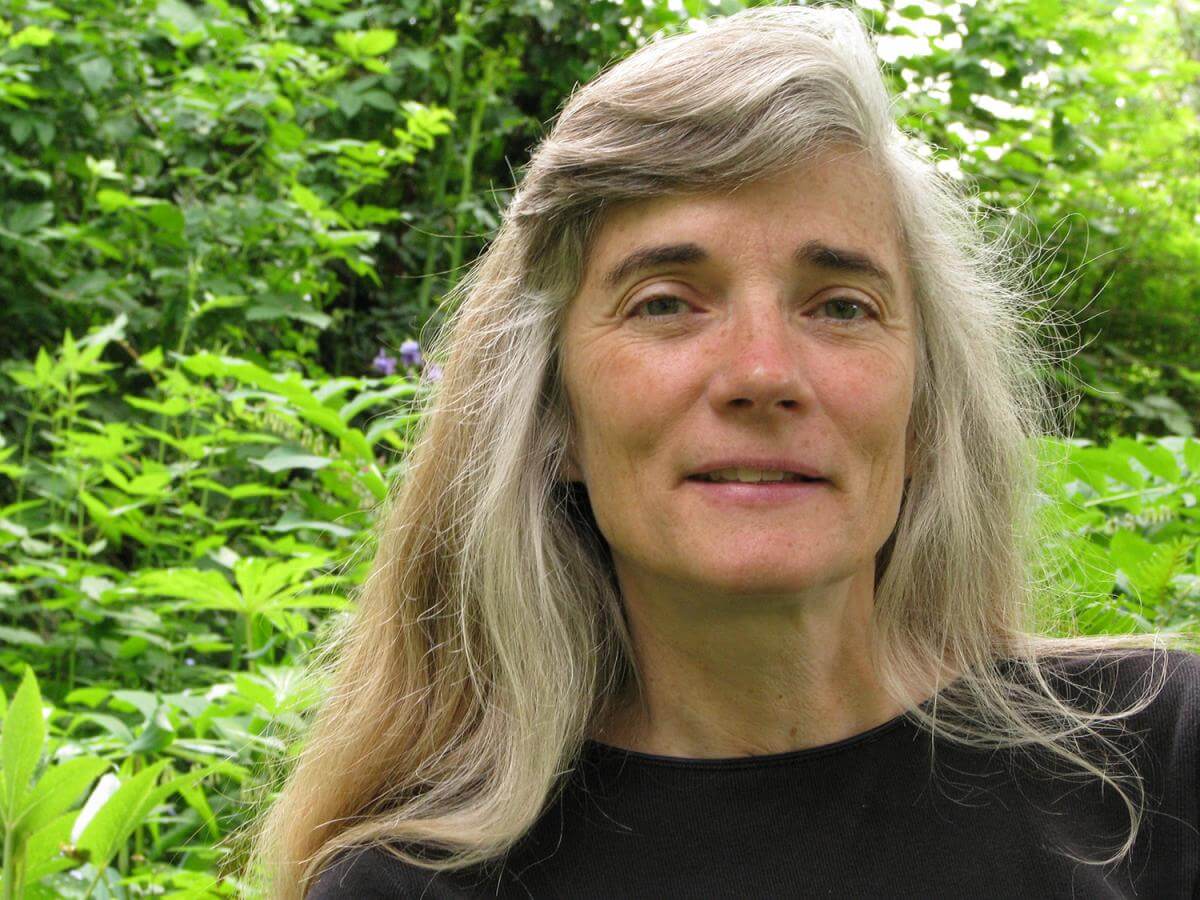
Ann Pancake, Seattle, Washington, 2014. Photograph by Catherine Alexander. Courtesy of the author.
Published by the University Press of New England in 2001, Pancake's first collection of short stories, Given Ground, earned the praise of Elizabeth Judd in the New York Times for "depicting an ignored part of the country with a clear and admiring eye." Pancake, wrote Judd, possesses the "unusual gift for portraying difficult lives with a plain-spoken accuracy that makes them seem suddenly exceptional."1Elizabeth Judd, "Books in Brief," New York Times, August 12, 2001. Six years after Given Ground came Pancake's first novel, Strange as this Weather Has Been.2Ann Pancake, Strange as this Weather Has Been (Berkeley, CA: Counterpoint Press/ Shoemaker & Hoard, 2007). Widely praised for its literary vision and striking language, the novel presents an unflinching portrait of a poor West Virginian family living in the shadow of a strip mine. Writing in the Iowa Review, Jeremy Jones declared Strange as this Weather Has Been to be "a true novel . . . brimmed with beauty and poetics but aimed at change and justice."3Jeremy Jones, "Ann Pancake's STRANGE AS THIS WEATHER HAS BEEN," Iowa Review, January 8, 2011. Pancake's most recent collection of short stories, Me and My Daddy Listen to Bob Marley, arrived in 2015 to considerable acclaim; Publisher's Weekly recommended it as a "gritty, stylish assembly."4"Me and My Daddy Listen to Bob Marley," Publisher's Weekly, December 8, 2014.
Cover of Ann Pancake's Strange as this Weather Has Been (Berkeley, CA: Counterpoint Press/Shoemaker & Hoard, 2007). Cover design by Gerilyn Attebery featuring Jeff Chapman-Crane's The Agony of Gaia, which was created in response to the devastation caused by mining techniques such as mountaintop removal.
Pancake's distinctive style and incisive portraits of Appalachian life have led to acclaim and awards. West Virginian novelist Jayne Anne Phillip characterised Pancake as "Appalachia's Steinbeck." Georgian writer and environmental activist Janisse Ray has described her writing as "shockingly pure, like holding gold in your hands." For critics such as Dan Chaon, Pancake's work is "astonishing . . . tender, alive, full of heart and empathy but never sentimental, full of clenched drama and secrets and surprises but always subtle."5Quotes taken from Pancake's personal website, http://www.annpancake.blogspot.com. Pancake has received the Bakeless Literary Award for short story writing, a Whiting Award, an NEA grant, a Pushcart Prize, and creative writing fellowships from Washington, West Virginia, and Pennsylvania. Strange as this Weather Has Been won the 2007 Weatherford Award by the Appalachian Studies Association, was a finalist for the 2008 Orion Book Award, and was chosen as one of Kirkus Review's ten best fiction books of 2007. Most recently Pancake was chosen as the first recipient of the Barry Lopez Visiting Writer Fellowship at the University of Hawaii.
This interview considers the formative role of Pancake's childhood in Appalachia, and the impact of her time in college and working abroad on her literary aesthetic. Pancake considers her work from a variety of perspectives, tackling questions of violence, historical memory, race, and culture, before discussing the publication of her most recent collection and her plans for the future.
[This interview took place on Wednesday, March 9, 2016 with supplementary correspondence in July and October. It has been edited for clarity. Many thanks to Ann Pancake for being so generous with her time and her willingness to talk about her life and work. Thanks also to the Hagley Museum in Wilmington, Delaware, for providing the setting and the equipment for this discussion.]
Growing Up
JAMES: Hi Ann. Thanks for taking the time to talk with me. Perhaps you can start by offering a brief introduction to readers who might be unfamiliar with your life prior to the publication of Given Ground.
Welcome to Romney, Romney, West Virginia, November 13, 2011. Photograph by Flickr user Ron Cogswell. Creative Commons license CC BY 2.0.
ANN: Sure. Until I was eight years old I lived in Summersville, West Virginia. That's in Nicholas County, an important coal producing part of the state. That was the period of my life in which I became aware of the coal industry and of strip mining, partly because we could see strip mining from our house, and my dad talked to me about strip-mining and the damage it caused. When I was eight we moved to Romney, West Virginia, which is where my dad's family has been for a couple hundred years, and it's agricultural—there's no coal up there. I lived in Romney until I was eighteen, and then I went to West Virginia University.
When I graduated with my BA at twenty-two, I went overseas, partly because I didn't think there was anything to write about in West Virginia, and also because I didn't have a job and the unemployment rate was really high in West Virginia. I got a job in Japan and taught there for a year. In my twenties I also taught in American Samoa for two years and I taught in Thailand for almost a year. I did a good bit of travelling in Asia and the South Pacific. I got my MA in English at the University of North Carolina at Chapel Hill and shortly after, went into the doctorate program at the University of Washington, where I was from 1993 until 1998.
JAMES: I've read about your wanting to get away from West Virginia when you were growing up.
Center of Romney, WV, Romney, West Virginia, April 24, 2004. Photograph by Flickr user Taber Andrew Bain. Creative Commons license CC BY 2.0.
ANN: By the time I was a teenager I really wanted to see other parts of the world and get out of West Virginia. I thought the state was boring and very limited . . . at the same time, my whole life I'd had this highly complicated relationship with it because I was also much prone to homesickness. So I was both deeply attached to West Virginia but also feeling very much the pull to see places outside. I still have that conflicted relationship. Appalachia has an almost mysterious pull on people who grow up there, even on people who aren't native but who have lived there a long time. As a teenager, I felt very strongly the push/pull relationship with West Virginia I feel still.
JAMES: Do your siblings have the same fraught relationship with West Virginia?
ANN: Yes, I'd say the five of us who left the state do have a deep attachment that is also fraught. My only sibling who stayed is my brother who has a lot of addiction problems, which is why he will never leave. My sister, as I think you know, made a documentary film about mountaintop removal in West Virginia called Black Diamonds – she lived in Baltimore while she made it and lives in Philadelphia now, but she feels a profound connection to West Virginia like I do. We're all pretty attached to it. West Virginia is like no other place I've ever been, culturally. You can't find it or replicate it.
JAMES: One of your brothers is an actor and your sister is involved in film and documentary production.6Sam Pancake and Catherine Pancake. Ann and Catherine collaborated on the production of Black Diamonds, a 2006 documentary film about mountaintop removal and the fight for coalfield justice in West Virginia. Did your parents encourage you to develop an interest in the arts as children and was that typical where you grew up?
ANN: My parents did encourage us in the arts, and it was not typical in our community, but my parents both went to college, which was also not typical. Only a small percentage of people in our home county finished college, even now, and that was even a smaller percentage in the 1970's. But my parents expected us to go to college, and we had access to many books, which a lot of families did not. My mom was an art teacher in high school so we were also given art materials from the time we were little. We were very fortunate that way. Most of us were born pretty creative, and I think it was wonderful to grow up playing all the time with these creative siblings because we could make up games and imagine things together. I believe this early kind of play was instrumental to how we later developed as artists, Sam and Catherine and I. At least it was for me. Growing up in West Virginia was poor in some ways, but it was rich in imaginative activity, and it was rich in its proximity to the natural world.
JAMES: What kind of literature did you read growing up?
ANN: Oh . . . stories about being outside. Books about dogs! Old Yeller, Where the Red Fern Grows, Sounder, that kind of thing.7Fred Gipson, Old Yeller (New York: Harper & Bros., 1956). Wilson Rawls, Where the Red Fern Grows (New York: Laurel-Leaf Books, 1961). William Armstrong, Sounder (New York: Harper Collins Publishers, 1969). It wasn't that common to get kids' books that were set in rural areas, most seemed to be set in cities, so if I got my hands on books with rural settings, they resonated more. Where the Lilies Bloom was important to me. It was set in Appalachia. My Side of the Mountain was another one I really liked.8Jean Craighead George, My Side of the Mountain (New York: Scholastic, 1959). Bill Cleaver and Vera Cleaver, Where The Lilies Bloom (New York: Harper Collins, 1969).
Cover of William H. Armstrong's Sounder (New York: Harper & Row, 1969). Cover illustrations by James Barkley.
JAMES: What kind of things would you write as a child?
ANN: When I began to write, I usually wouldn't finish things, but I would write the starts to disaster stories or adventure stories. I didn't understand what "literature" was or why you would read it, so as a teenager, I read authors like Stephen King. But by the time I was sixteen, along with the disaster stories and horror stories, I wrote a few pieces set in West Virginia, pieces that were realism and based on my own experiences. Even then, I knew that those stories felt different in my body.
JAMES: Living so close to the boundaries of other states, how did you identify as a West Virginian?
ANN: Growing up, many of us were very aware we were West Virginian. As a kid in West Virginia, you get a lot of messaging from the larger culture and from the states surrounding you that your place is more backwards, that you are hicks. And, of course, the media delivered that message all the time about "hillbillies." So I understood us as underdogs and I understood that others looked down on us. That sense of identity didn't come from my parents, it came more from the dominant culture. And anytime we ventured out of West Virginia (not that it was common) I was very aware of how West Virginia was different, and how people considered us lesser than them.
College and Travel
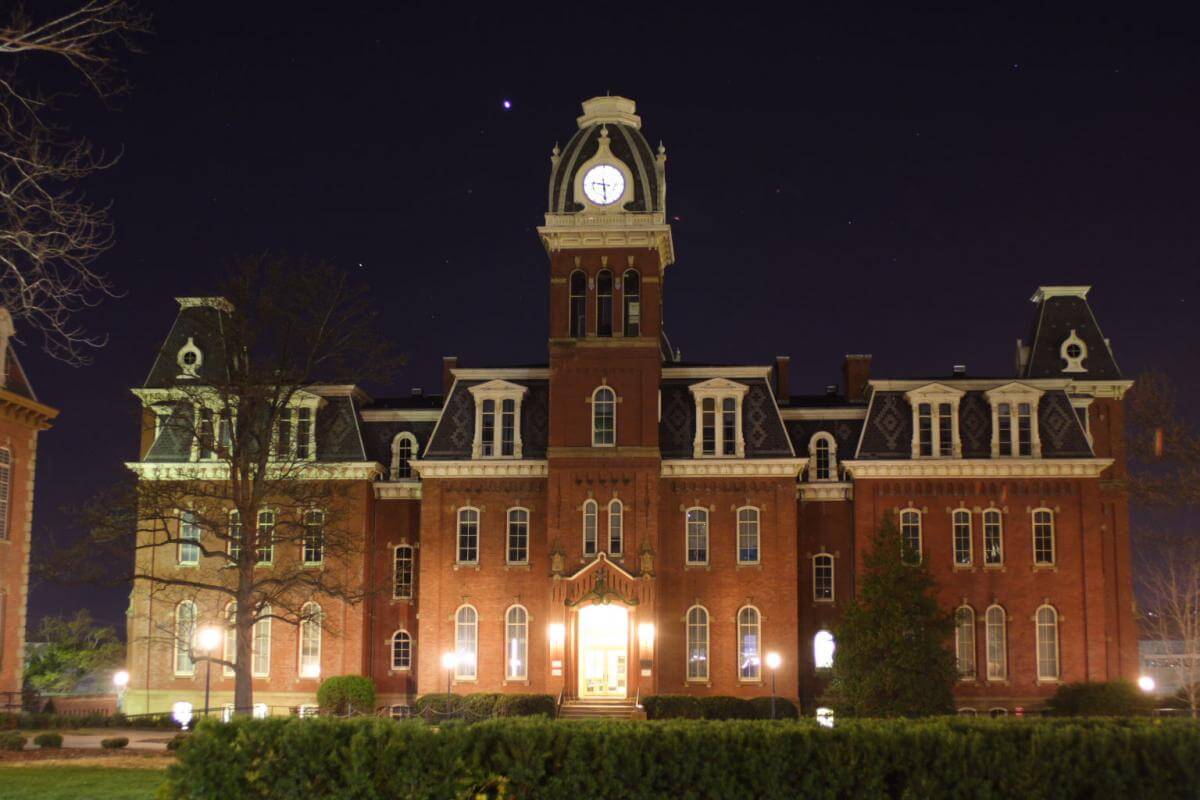
Nighttime shot of Woodburn Hall on the West Virginia University Campus, Morgantown, West Virginia, April 22, 2007. Photograph by Flickr user J. Robinson. Creative Commons license CC BY-NC-ND 2.0.
JAMES: Why did you decide to stay in West Virginia for college?
ANN: It was an economic thing. I didn't know how to get scholarships anywhere else, and my dad planned to pay for it, so he said we needed to go to school in state. I did get a good scholarship from WVU after my first semester.
JAMES: How was college? Was it strange being close to and yet apart from your family?
ANN: College was really difficult for me socially. I did fine academically, but going to Morgantown was a culture shock, even though it was only a hundred miles from Romney. Now I know a small college would have been much better for me. I don't know what WVU is like now, but at that time we had a large number of out of state students, partly because our tuition was so cheap, and the whole time I was there I only had one professor who was actually from Appalachia. I experienced a lot of culture clash at WVU and little sensitivity to that on the part of the faculty and the administration. I think it's different there now.
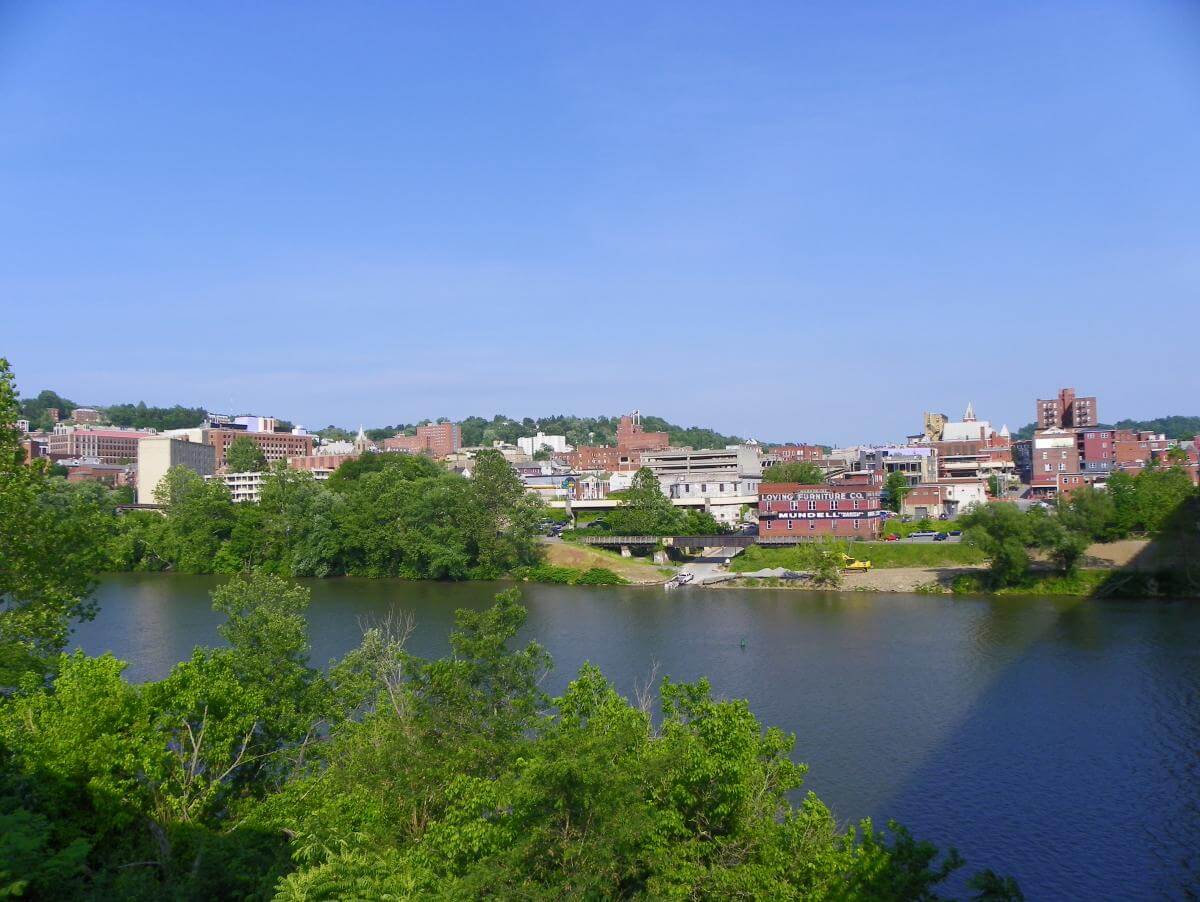
Morgantown, West Virginia Skyline, Morgantown, West Virginia, June 4, 2011. Photograph by Flickr user J. Stephen Conn. Creative Commons license CC BY-NC 2.0.
JAMES: In what ways did you experience this culture clash?
ANN: Our accents marked us. You'd open your mouth, and others would make assumptions about your intelligence and class and politics and your level of sophistication. It made you want to keep quiet. I think now about interviews Catherine and I did for her documentary, and how people in southern West Virginia would preface things by saying, "Now, I can't talk good," and then they'd say something incredibly insightful. In their accent.
JAMES: Early in Strange as this Weather Has Been you describe the loneliness of your protagonist Lace at West Virginia University in a way that feels intensely autobiographical.9"I told myself once I go to WVU, I'd never look back. Truth was, though, after a month away, I was feeling a kind of lonesomeness I'd never known there was…they had hills in Morgantown, but not backhome hills, and not the same feel backhome hills wrap you in. I'd never understood that before, had never even known the feeling was there." Pancake, Strange as this Weather has Been, 4.
ANN: Yeah it is very autobiographical. I mean, I stayed, I didn't quit, but yeah a lot of that is autobiographical.
JAMES: Lace ends up dropping out of West Virginia University to return to the mountains. Did you ever think about following that trajectory?
ANN: Oh yeah, I thought about dropping out, but again, the alternatives were worse. By that time in my life, I'd worked fast food and done line work and waited tables and worked in a grocery store—I realized that if I dropped out, those kinds of jobs would be my future.

Osaka Nightlife, Osaka, Japan, October 23, 2016. Photograph by Flickr user Pedro Szekely. Creative Commons license CC-BY-SA 2.0.
JAMES: After college you just split for Japan.
ANN: Yeah [laughs]
JAMES: Why?
ANN: I heard about a job there from a friend, heard that the owner of a language school in Japan was coming to campus to interview, and I interviewed, and I got it. I had never, ever thought about going to Japan. But I was working at Wendy's, after graduating with my BA in English, no teaching certificate. Unemployment in West Virginia was 12% then. It could have been anybody that showed up, from Norway or South Africa, I think I would have gone.
JAMES: In terms of teaching abroad, particularly teaching English as a foreign language, do you feel that process of thinking about the construction of language had an impact on your own writing?
ANN: Hmm . . . that's a really good question. I think what had an impact was less the actual teaching of English than being in cultures that weren't American and weren't Appalachian. By being in such a radically different culture, I recognized that Appalachia itself had its own distinct and interesting culture, and I started to understand how different our language was from Standard English. It's hard to describe how mind-expanding it was to go from West Virginia to Japan. I'd not even been on a commercial airplane. As an artist and a writer from West Virginia living in Japan, I would feel like I had eyes opening all over my head. Also the Japanese relationship to art and to perception . . . their attentiveness and receptiveness to beauty in the everyday was something they gave to me.10In an earlier interview with Robert Gipe for Appalachian Journal, Pancake cited the impact of the Japanese 'wabi sabi' aesthetic, noting its similarities with Appalachian culture—"an aesthetic that values the old and flawed and rusty." Robert Gipe and Ann Pancake, "Straddling Two Worlds," Appalachian Journal, 2011.
Language and Regional Dialect
ANN: When I first started writing about West Virginia, I wrote with dialect by default, more or less unconsciously, because I wasn't yet very aware that we spoke a dialect nor was I aware that our accent was as strong as it was. I became more aware of the dialect in my stories as I got older and left West Virginia. I write very intuitively. When I'm doing early drafts I hear the story in my head or I hear sounds in my head or the characters talking in my head, and if I'm writing about West Virginia, those voices and sounds naturally come as dialect. Over the decades I have come to think more consciously about the politics of dialect. Dialect in literature can be used in a demeaning way, to set aside the characters who use dialect as "less than" the writer, the reader, and the characters who don't use dialect. Or, one can use dialect in a culturally sensitive and less politically regressive way. I, of course, aim for the latter. I want to use dialect in ways that empower the people I write about and in ways that show how beautiful and inventive Appalachian language can be.
JAMES: It feels like there is a form of double movement here where, to teach English as a foreign language, you became very aware of your own dialect, and the pressure to mould your own patterns of language into a standardised form of English. How aware of that conflict were you?
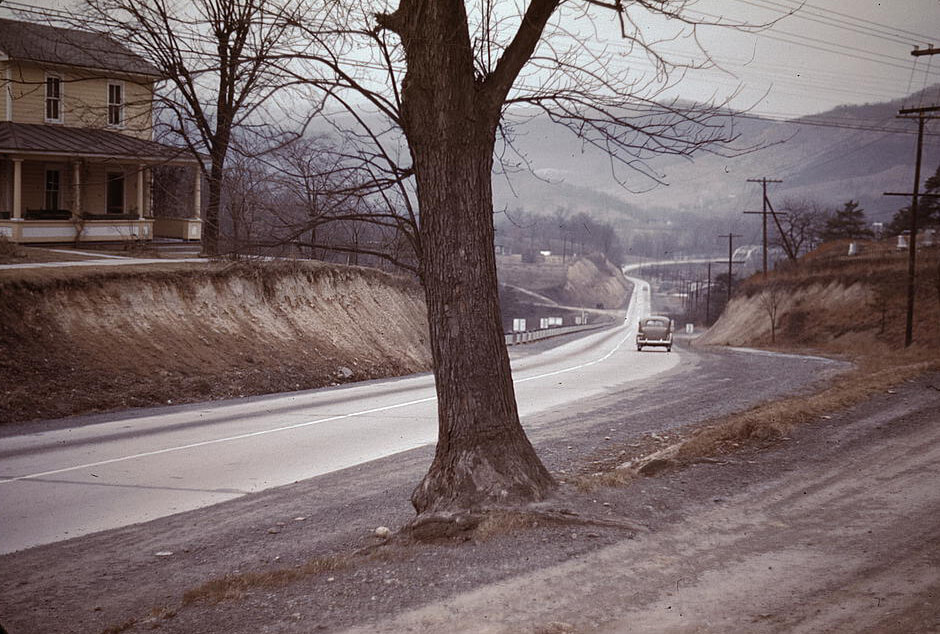
US 50 Looking West, Romney, West Virginia, 1942. Photograph originally published as part of the Farm Security Administration, Office of War Information Collection in the Library of Congress Prints and Photographs Division. Courtesy of Wikimedia Commons. Image is in public domain.
ANN: When I first left West Virginia and was teaching ESL and then attending graduate school, I felt compelled to use Standard English exclusively and to clean up my accent. Once in Japan when teaching kindergartners, I walked in a classroom after six months or so and said "Good morning, how are you?" And they came right back with, "Fahhhn, Thank you." And I was kind of horrified, that without my knowledge, I had taught these forty, five-year-old Japanese kids English with an Appalachian accent without knowing I was doing that. So certainly during my twenties and during graduate school I tried to mask or change my accent. I don't worry about that so much anymore, although I know when I'm not home, my accent is much diminished. But I'm lucky because I can go back and forth, speak without the accent and speak with it, whereas some of my siblings have lost their accent and can't get it back.
JAMES: Do you worry about losing your accent? How does your accent relate to your identification with West Virginia?"
ANN: I have worried about it. But I know now it's not going to be lost because I'm fifty-three and if I go home I can go right back into it. It's not as strong as when I was little, but it's still in there.
JAMES: And after Japan you returned to the States, and then went to teach in American Samoa?

"Welcome to American Samoa," Nu'Uuli, Eastern District, American Samoa, February 22, 2008. Photograph by Flickr user Ben Miller. Creative Commons license CC BY-ND 2.0.
ANN: Yes, after Japan, I lived in Albuquerque, New Mexico for a year. After that, I taught in American Samoa. This was again economic necessity and also a desire for adventure.
JAMES: Did living in American Samoa affect the way you felt about yourself as an American?
ANN: That's a good question. In American Samoa, I lived for the first time in a place that had been colonized by the United States. I became acutely aware of colonization in the South Pacific and also more aware of the relationship between the US and other countries, the way America exerts power over other countries and exploits them.
JAMES: Did you see similarities or connections between class inequalities or exploitation in West Virginia, and American Samoa as part of a larger colonial project?
ANN: I did, I did. The connections became even more clear to me when I started living in parts of the US that weren't Appalachia, and as I began to understand dominant middle class white culture in the US. As I came to recognize the class discrepancies within the US and realized how little economic and political power Appalachia had, I saw the relationship between Appalachia and exploited non-Western countries. I realized how Appalachia can be seen as a resource colony for the larger United States. And those connections became more defined during graduate school when I started to read postcolonial theory and post-Marxist theory. The only places I've seen people as poor as they are in parts of southern West Virginia was in Indonesia and Thailand.
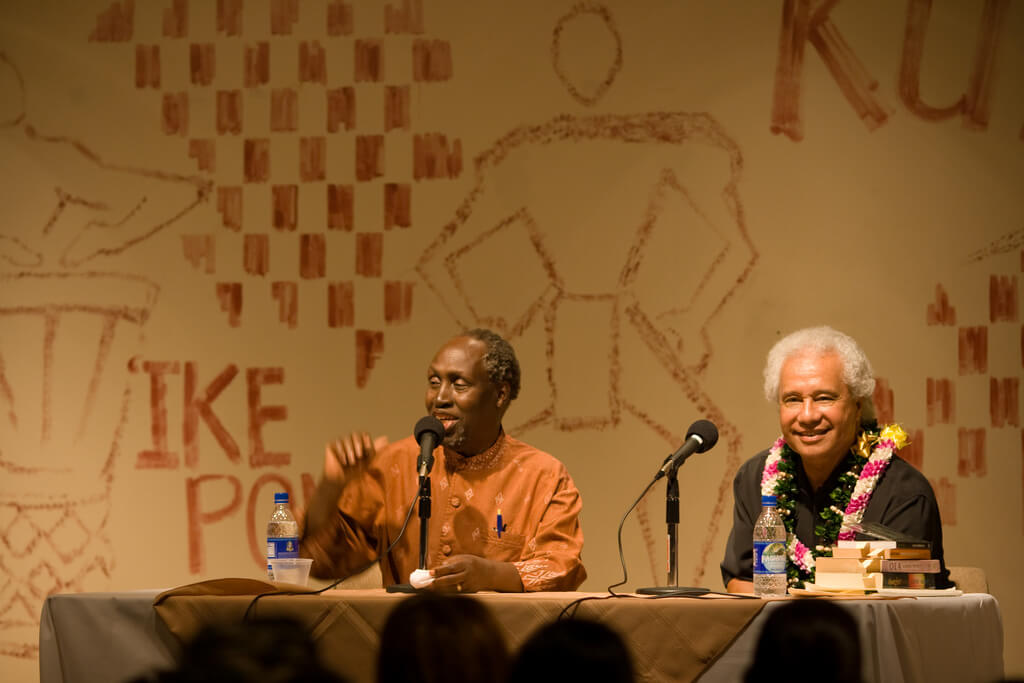
Samoan author Albert Wendt (right) with Kenyan writer Ngũgĩ wa Thiong'o (left), University of Hawaii at Manoa, Honolulu, Hawaii, April 30, 2008. Photograph by Flickr user Kanaka Rastamon. Creative Commons license CC BY-NC 2.0.
JAMES: Did that experience impact your direction in graduate school?
ANN: Yes. I wrote my master's thesis on a Samoan writer, Albert Wendt, using postcolonial theory. The driving question of my PhD dissertation was how Americans sustain their delusion that we have essentially a classless society given the glaring economic disparity in this country. I explored that question through nineteenth and twentieth-century literature and film. When Americans can't blame class discrepancy on racism, they often explain poverty as temporary. The idea is that the lower classes will eventually catch up, in time. This has been used to explain the "Appalachian problem," when Appalachia's poverty is not attributed to how dumb and lazy we are.
JAMES: Alongside your dissertation were you still writing fiction?
ANN: I was writing fiction whenever I could. That usually meant during breaks between quarters. While I was writing so much intellect-driven scholarly work, the pressure to write intuitive fiction would build, so when I had a break, the fiction would kind of come boiling out.
Early Work and Literary Style
Cover of Ann Pancake's Given Ground (Hanover, NH, Middlebury College Press, University Press of New England, 2001).
JAMES: Your first published collection Given Ground was released not too long after you finished graduate school. Was that writing you had been collecting and publishing over a period of time?
ANN: Yes. The oldest story in that book, "Getting Wood," I wrote in 1987. Those stories were not written as a collection but pulled together over a period of years.
JAMES: How did you pick the stories you wanted to put into the collection?
ANN: I pulled together Given Ground when I needed to publish a book for tenure. I put into it every story I'd written that seemed finished enough, and then received feedback from a few friends. I jettisoned one story, then wrote "Redneck Boys" to complete the book. Half of the stories had been published in literary journals already, so that was a kind of confirmation that they were solid enough to put into the collection. However, if I hadn't had the pressure of tenure, I wouldn't have tried to publish that book because I didn't think it was strong enough to find a publisher. Not yet.
JAMES: Did the reaction to the book surprise you? Or is critical acclaim not something you really put a lot of weight on?
ANN: The award, the Bakeless Prize, was a huge surprise. And I was surprised, too, by how the book has been received. It's not an easy book in a lot of ways. The sensibility and style are idiosyncratic, I think. The subject matter is dark. I've come to understand that it's not ever going to reach a broad audience, but those readers it does reach, it reaches deeply, and that's fine with me.
JAMES: To what extent can that idiosyncrasy be traced back to West Virginia? Or, to your broader nomadic experience as a young adult?
ANN: The idiosyncrasy in my writing is mostly rooted in having grown up in WV, although I may not have recognized those idiosyncratic parts without the perspective of having lived in wildly different cultures outside West Virginia. But part of the idiosyncrasy I think I was just born with.
JAMES: You've been praised for moving away from a literary tradition rooted in formula and caricature, and for the complexity of your characterisation of both Appalachia's land and people. Was that always explicit in your work?
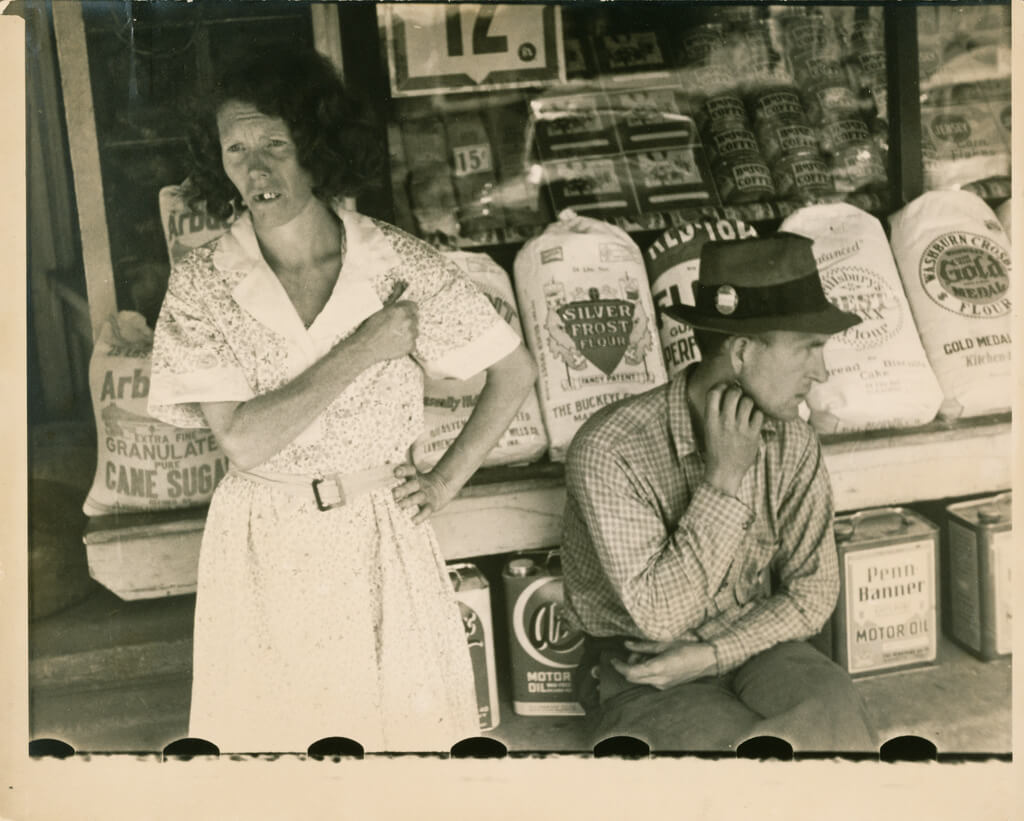
ANN: I was aware that I was resisting stereotype by the time I was writing in college. There are plenty of amazing Appalachian writers who work with complex representations of our region and who influenced me. Still, much writing about Appalachia over the past 150 years, especially writing that has gotten wide distribution, has been by outsiders, and a lot of that perpetuates the usual stereotypes. I've come to believe that the general reading public expects those stereotypes, so publishers expect them, too. But what I also understand are the political ramifications of stereotypes—they demean the people, make it easier to justify their exploitation, easier to see them as worthless. So I've always been very sensitive about complicating or overturning the usual caricatures and stereotypes.
JAMES: Could you name some of those writers, and say how their work appeals to you and what makes it unique?
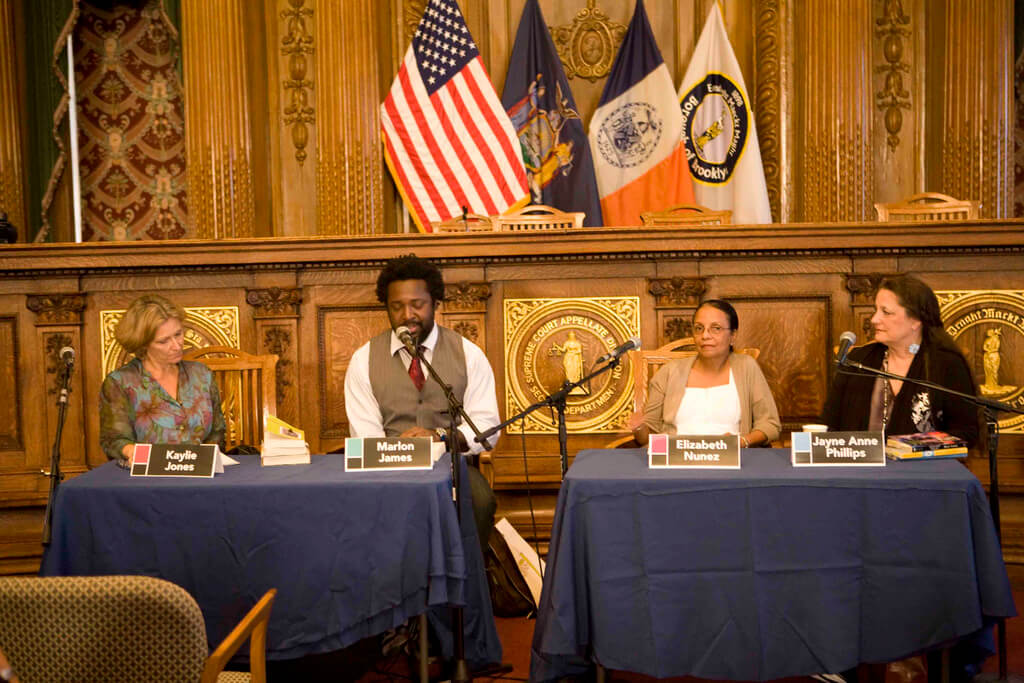
Jayne Anne Phillips (seated on far right) featured on a panel with (from left to right) Kaylie Jones, Marlon James, and Elizabeth Nunez at the Brooklyn Book Festival, Brooklyn, New York, September 12, 2010. Photograph by Flickr user Navdeep Dhillon. Creative Commons license CC BY 2.0.
ANN: Some writers from West Virginia who work with complex representations of the region and who influenced me as a younger writer include Breece Pancake, Jayne Anne Phillips, Denise Giardina, Davis Grubb, and Chuck Kinder.11Breece Pancake, The Stories of Breece D'J Pancake (Boston, MA: Little, Brown,1983). Jayne Anne Phillips, Black Tickets (New York: Dell Pub., 1979). Jayne Anne Phillips, Machine Dreams (New York: E.P. Dutton/Seymour Lawrence, 1984). Jayne Anne Phillips, Lark and Termite: A Novel (New York: Alfred A. Knopf, 2009). Denise Giardina, The Unquiet Earth: A Novel (New York: Norton, 1992). Denise Giardina, Storming Heaven: A Novel (New York: Ballantine Pub. Group, 1987). Davis Grubb, The Night of the Hunter (New York: Harper, 1953). Davis Grubb, The Voices Of Glory (New York: Scribner, 1962). Chuck Kinder, Snakehunter (New York: Knopf, 1973).All of these writers grew up in West Virginia. Each has a different vision of the place, but each vision presents our culture with a nuanced depth perception that complicates the one-note picture of Appalachia so often perpetuated by outsider writers. They offer characters struggling with internal contradictions; they provide context and history that help shed light on the state's darker elements; they carry a sense of place deep in their bodies; and they do amazing things with our language.
There are also West Virginia writers younger than I am who deserve far more recognition than they've received so far, writers who are writing better, in my opinion, than most of their peers outside the region: Jessie Van Eerden; Matthew Neil Null; Glenn Taylor. Only Glenn has received much notice from the wider literary establishment.12For recent work see Jessie Van Eerden, My Radio Radio (Morgantown, WV: Vandalia Press, 2016). Matthew Neill Null, Honey from the Lion (Wilmington, NC: Lookout Books, 2015). M. Glenn Taylor, A Hanging at Cinder Bottom (London Borough Press, 2015).
JAMES: The way you write about Appalachia is clearly very striking, but also something which can be co-opted into broader cultural/media narratives of Appalachian rural poverty that offer a simplistic and frequently unflattering image of Appalachian life—do you grapple with this as a writer, how aware of it are you, does it affect your craft or editing process?

ANN: I'm very aware of how easily one can lapse into stereotype when writing about Appalachia. Appalachian people in the world are confronted with stereotypes about themselves constantly, so we're sharply conscious of them. Still, in early drafts, I might fall into a stereotype because I haven't gotten to the stage of the work where I'm complicating things. So, to answer your question, when I'm writing about violence in Appalachia, I try to be careful to complicate the issue. I try to tell the truth, and I try to tell it with context and by offering different perspectives on the violence and by making the perpetrators and the victims full human beings as opposed to flat caricatures.
West Virginia is its own culture within Appalachian culture, and Appalachian culture, in turn, shares some qualities with US southern culture. If I'm around Southerners there is a feeling of familiarity and home, more so than if I'm around people from Pennsylvania, even though Pennsylvania is fifty miles from where I grew up. I've also been influenced as a writer primarily by writers from the South and from Appalachia.
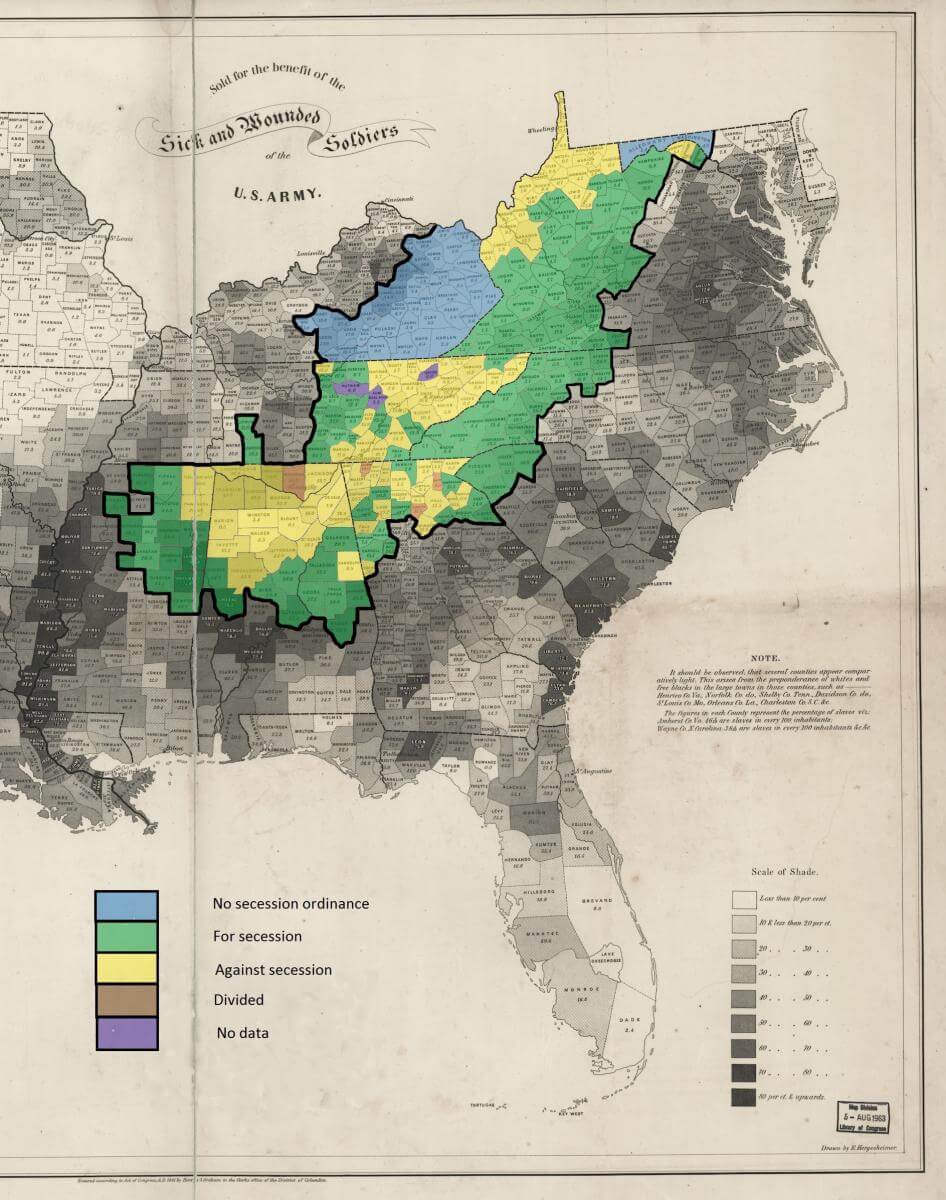
Map of county secession votes of 1860–1861 in Appalachia. Map drawn by E. Hergesheimer. Image courtesy of Wikimedia Commons. Creative Commons license CC BY-SA 4.0.
JAMES: I wanted to talk a little about your use of violence in your writing. One of the recurrent themes in your work is ghosts, especially in relation to the Confederacy and the Civil War. How does that historical violence, or its afterlife, translate into and overlap with physical or literal violence?
ANN: That's a good observation and a good question. I'm not sure how exactly to answer it. Appalachia does have a violent past: the violence of the Civil War and the "Indian" wars before that; the violence inflicted on the environment starting from the time of industrialization; the violence surrounding the labor movement in the early part of the twentieth century; the forms of violence the larger nation imposes on Appalachia in its appetite for Appalachian resources. Appalachian people are not more violent than other Americans, however, despite popular narratives to the contrary. In fact, before the drug epidemic, West Virginia consistently had the lowest violent crime rate in the nation. Still, I believe that all that violence in our past continues to manifest in our present.
The violence to the environment continues, and there is not the political will to stop it, and there is much violence suffered by Appalachia's people. Although often that's self-inflicted: addiction, overdose, suicide. I believe that self-inflicted violence is related to environmental destruction and economic exploitation. I recognize that my work contains a fair amount of literal violence. Some of that is just factual, reflecting the region's history. Some of the violence in my work, though, probably comes out of my love and hate for the region, my fears of and for the region, and my deep desires for the region. The violence may arise from all that conflicted unconscious material.
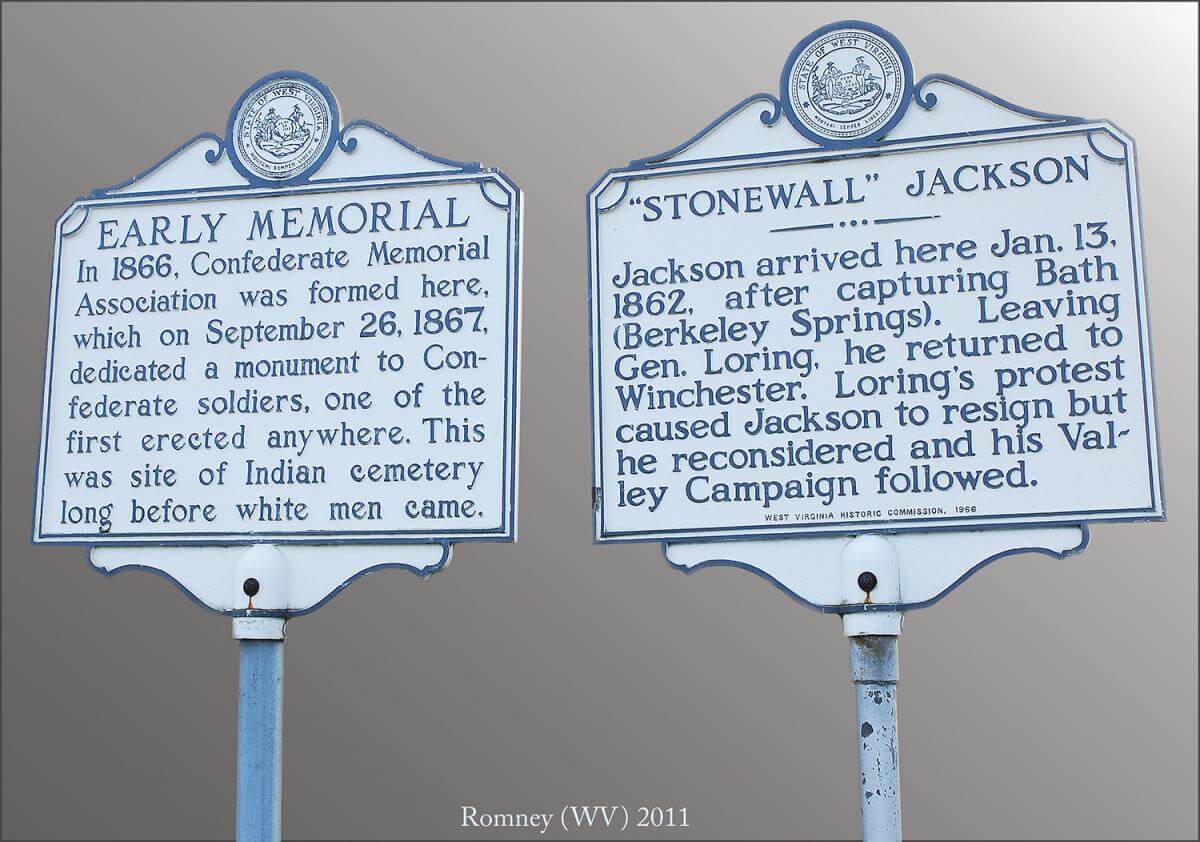
"Early Memorial" and "Stonewall Jackson," Interpretive Signage, Romney, West Virginia, November 13, 2011. Photograph by Flickr user Ron Cogswell. Creative Commons license CC BY 2.0.
JAMES: How much of that fear comes from a sense of displacement, or fracture? Earlier you talked about becoming aware of your identity as a West Virginian through interacting with people from surrounding states. You describe a sense of "we are this because we are not something else." How much of that can be traced back to the Civil War?
ANN: West Virginia's paradoxical place in the Civil War is one of the reasons I find West Virginia fascinating. The state separated from Virginia to be part of the Union in 1863, and popular belief is that we did this because we were against slavery. The truth about our secession is much more complicated and is tied also to the schemes of industrialists. There were certainly Union sympathizers in West Virginia and Union troops. My county, Hampshire, was very Confederate, though, with slave-owners, including my own family. Romney was right on the border, and Romney changed hands between the Union and the Confederacy fifty-four times during the war. I grew up playing in Civil War trenches a mile behind my house.13The trenches Pancake is describing are the Fort Mill Ridge Civil War Trenches, among the best preserved Civil War trenches in the nation. "Fort Mill Civil War Trenches", National Parks Service, http://www.nps.gov/nr/feature/places/13001121.htm.The remnants of the war were very present when I was growing up. And there are stories my family has passed down from the war—my family was Confederate identified, so their stories are about the Yankees coming in and raiding the farm.
JAMES: That feeds into another question I wanted to ask about the role of race in your work—I believe West Virginia is the third or fourth whitest state in the country.14According to the latest United States Census estimates, West Virginia is the fourth-whitest state in the Union.
ANN: West Virginia is very white, but there are and were African-Americans there. It's true, they don't often appear in my work, and I don't think I have any who are main characters. I believe this is the case because I don't want to misappropriate or misrepresent them. My personal relationship with race growing up taught me a lot. My county was very racist and still is, but my parents were much more liberal than most people there. My parents tried to bring us up with a "colorblind" philosophy: everyone is the same regardless of skin color, which also of course isn't true, but it was pretty enlightened for those times and that place. In junior high and high school I had an African-American boyfriend. I haven't talked about that or written about it much, I probably should. That certainly opened my eyes to racism, by the time I was fourteen, because of the kinds of insults I would receive and also because I started to see through my boyfriend's perspective. It also called into question my belief in Christianity. I started to reject the church at that time in large part because I saw very clearly its hypocrisy concerning race, at least where I lived.
JAMES: In your work you're very aware of trying to offer a representative account of West Virginian life. Are you more reluctant to write about African American experience?
ANN: Yeah, I'm much more comfortable writing about class. It's good that you bring that up, people don't usually ask me about it. The truth is, I do have experience with race in Appalachia. I need to ask myself why I don't write more about it.
JAMES: I want to read a short moment from your short story "Ghostless" which encapsulates one of the reasons I enjoy your writing so much:
The cold came high in my chest, but the wind had finally laid and from some distance I could feel the heat off the horse. The hide-odor off the horse, that soily smell he carried even in winter. I pushed my face into it, into the hollow behind the shoulder, before the belly swell . . . . I still had horse on my hands, and I smeared them across my Sunday pants, listening, the wood fire brightening my back.
That's gorgeous. The physicality of your writing, its tactile nature, your relationship to senses and sensory language. Where does that come from and how has it developed over time?
ANN: I write by sinking myself as deeply as I can into a place or a person, then imagining how the character's senses would respond to a situation, or imagining how I personally would react sensorily to a place. Certainly touch and smell in particular are powerful for me in the way they evoke memories. The way they are more animal. I also revise a whole lot, so as I do more drafting, more of that sensory detail comes in.
Me Up the Hollow, Romney, West Virginia, December 14, year unknown. Photograph by Ann Pancake. Courtesy of Ann Pancake.
JAMES: And growing up in West Virginia played an important role in developing that detail in your work?
ANN: Now that I've lived out of West Virginia I've come to understand that growing up in Appalachia usually means growing up closer to the ground than one might in other places. Growing up in Appalachia in the 70's was pretty raw. You were not sheltered in the ways the middle-class is sheltered in Seattle. We had a lot of tactile interaction with the natural world, plants and animals, we were raised working big gardens and running the woods, and we saw our food get killed and skinned out and butchered. We ate that. I think as little kids we were very directly in touch with our senses. We weren't inside, we weren't on computers. I could also identify how poor people were by how they smelled, because the really poor people didn't have plumbing, so couldn't wash like we could. I see this as a metaphor for how white poverty is sometimes invisible in this country.
JAMES: How do you keep that visceral relationship to West Virginia in your writing?
ANN: I try to get home at least twice a year, and the place is very deeply embedded in my memory and in my body, so it's present to some extent even when I'm not there. When I do return, I can settle back into the land pretty quickly. At the same time, the culture in West Virginia has changed since I was a kid. Also, at this point in my life and my career, I'd like to be writing more about places that aren't West Virginia. That'll happen some in my next book.
Presents, Pasts, and Futures
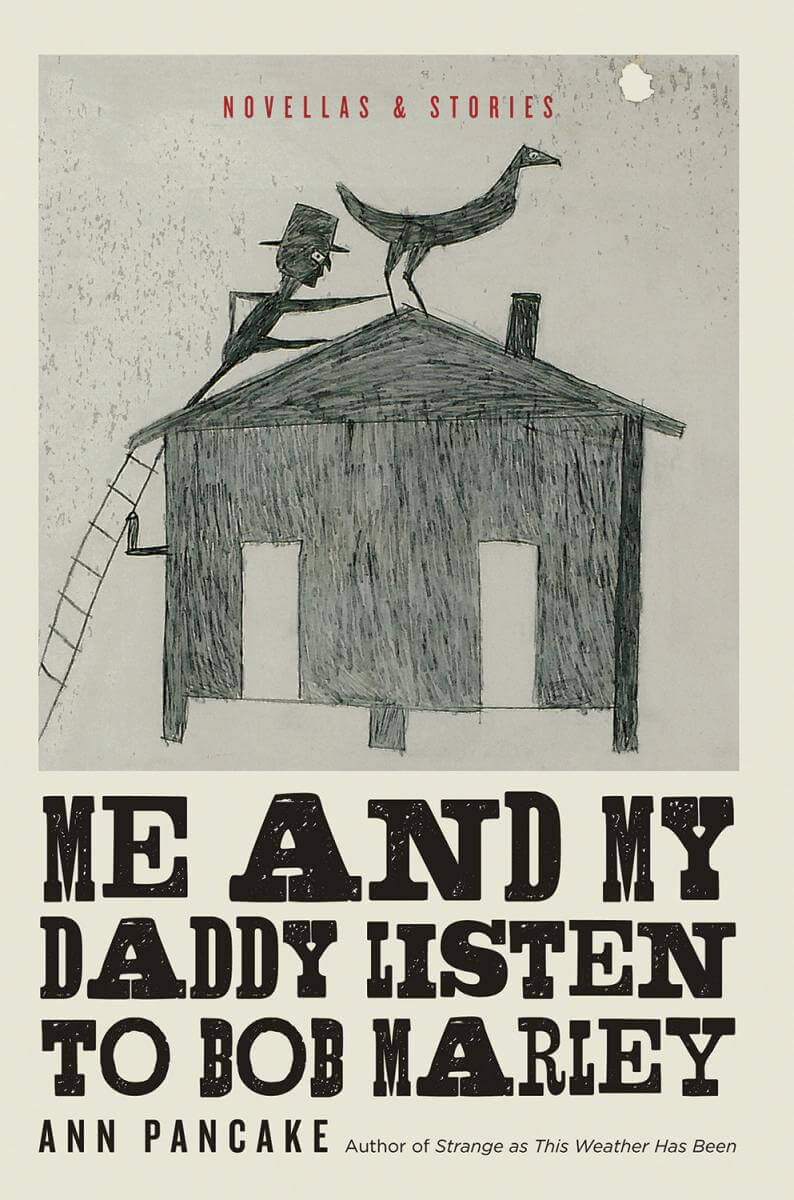
Cover of Ann Pancake's Me and My Daddy Listen to Bob Marley (Berkeley: Counterpoint Press/Shoemaker & Hoard, 2015). Cover design by Briar Levit.
JAMES: Your latest collection Me and My Daddy Listen to Bob Marley remains centered in West Virginia, but in a different way. There seems to be more scope for hope or forward momentum than in your earlier writing.
ANN: I'd agree with that, I think part of it is time of life. I'm at a point in my life where I just can't bear to be spending all that time in darkness like I could while writing Given Ground and some of my earlier work. I also think that, just in order to survive as an American in 2016, I've had to try to figure out ways to look towards light exactly because we are in such a dark time, from a certain perspective. I also think—I wrote about this in an essay for the Georgia Review—I'm finished with writing about how things are hurt in Appalachia.15Ann Pancake, "Towards Light," Georgia Review, 2009. I'm tired of documenting destruction. I'm committed to writing that imagines unconventional ways to relate to the natural, including the natural world in Appalachia. Some of the stories in Me and My Daddy Listen to Bob Marley such as "Sab" or "The Following" play with redefining relationship with the natural world.
JAMES: In the story that opens Me and My Daddy, "In Such Light," that progression definitely comes through. Trauma and hurt persist, but it holds more scope for maturation than many of your earlier stories.
ANN: I'd agree.
JAMES: Do you think that literary shift is connected to a broader recognition within the United States that the country needs to move away from a reliance on coal and seek less destructive and more sustainable forms of energy?
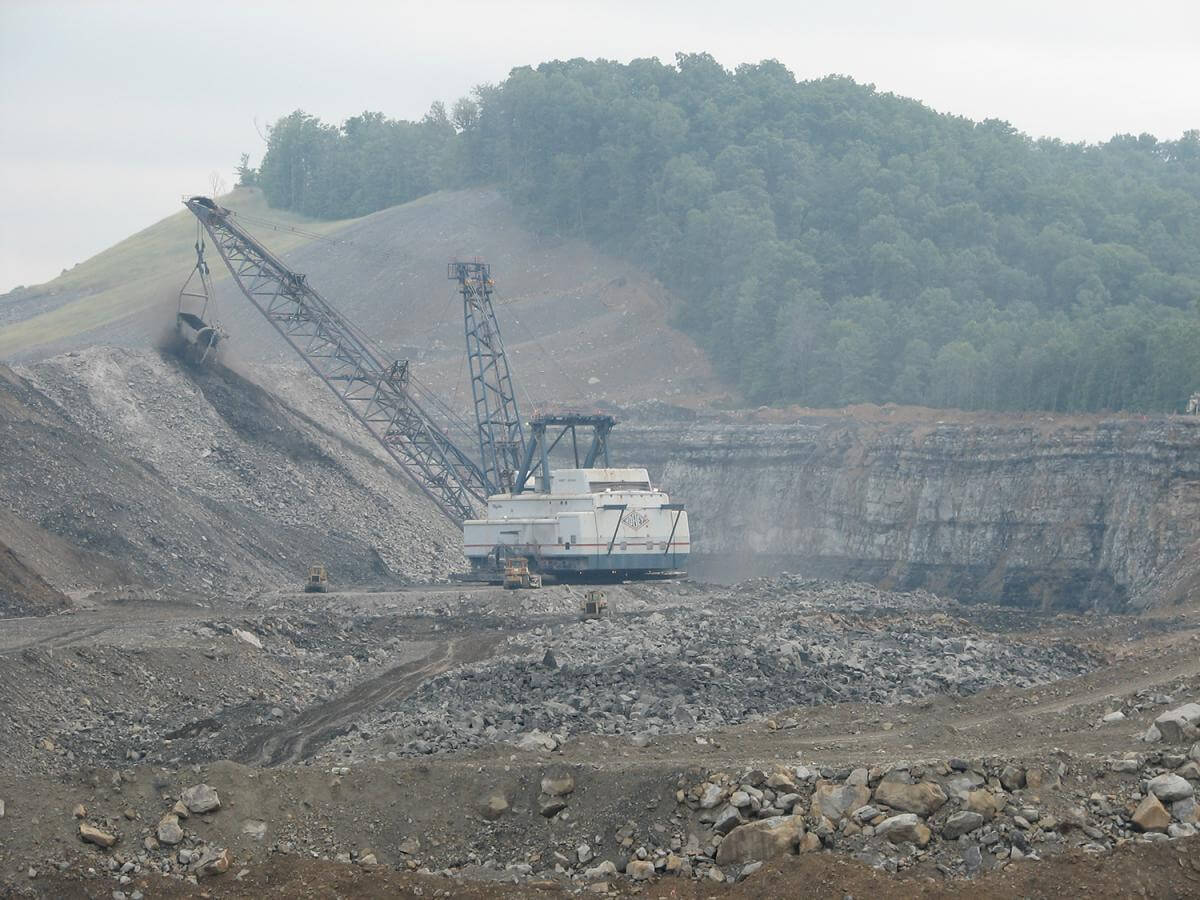
Dragline, West Virginia, ca. 2007. Photograph by Vivian Stockman. Courtesy of Ann Pancake.
ANN: I think my literary shift is connected to a recognition that we won't survive as a species unless we think very, very differently about live beings that aren't human in this world. As for the shift away from coal, it is true that in Appalachia less coal is being mined now, but that's in part because of the boom in natural gas. Areas of West Virginia that were untouched by coal mining are now being devastated by hydrofracking. However, I do think we're at the beginning of the end of coal. And I think there is a wider movement, particular among younger generations in West Virginia, which understands that our state must move beyond dependence on natural resource extraction if we are to survive as a culture and as a people. This gives me optimism.
JAMES: It's been almost fifteen years since the publication of your first short story collection. What do you think are the most notable differences between Me and My Daddy and Given Ground?
ANN: Given Ground was written almost entirely intuitively and without much consideration of an audience. I wrote that book mostly for myself, not because I'm a narcissist, but because I couldn't imagine that many people would want to read those stories. For those reasons, it's more music-driven, less concerned with plot, and less accessible than Me and My Daddy. Me and My Daddy I obviously wrote after finishing my novel, and the novel required that I learn how to work with plot and that I make my writing more accessible. I wanted an audience for Strange as this Weather Has Been. I think those influences and considerations bled over into my writing of Me and My Daddy. Teaching creative writing and writing a novel has made me more conscious of craft, has made me use a little more intellect when I write fiction. I'm not convinced, however, that that is a good thing.
JAMES: Why did you choose that particular title?
ANN: [Laughs] My publisher decided that. I had named the book "Bone Dowser" which was also the original name of the story in the collection now called "The Following." My publisher thought we'd sell more books with the title Me and My Daddy Listen to Bob Marley. I'm sure he's right.
JAMES: If that was a conversation which had happened fifteen years ago, do you think the outcome would have been the same?
ANN: [Laughs] would I have been as malleable do you mean? No I probably would have been more resistant. I've become less resistant, and I don't have as much investment in that kind of stuff anymore. That's a good question!
JAMES: Part of maturing is coming to terms with what exactly you are able to do through your work and through your activism, and being able to channel that in ways and into things which are productive.
ANN: Yeah, exactly.
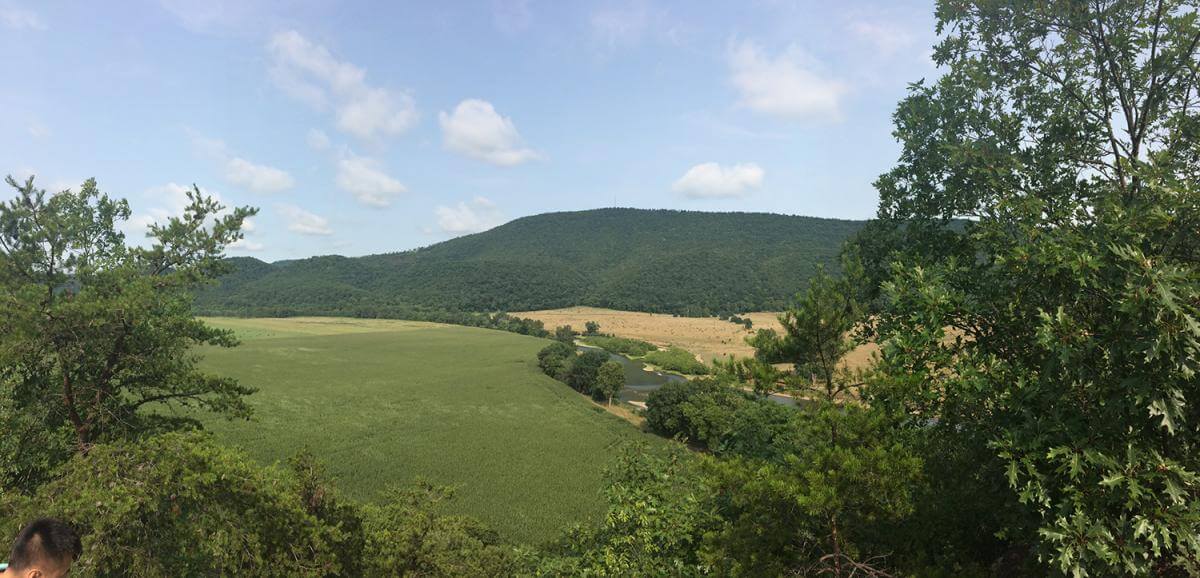
Breakneck Scenic Overlook, Romney, West Virginia, July 29, 2014. Photograph by Justin Wilcox. Courtesy of Wikimedia Commons. Creative Commons license CC BY-SA 4.0. Pancake family land appears in the lower section of the photo.
JAMES: Do you ever feel like you're writing about a West Virginia that doesn't exist in the same way anymore?
ANN: In some ways West Virginia has changed significantly since I grew up there. One change that I mourn is the way the dialect and accent are being lost among younger people. Exposure to mass media is homogenizing our language. The place is also under greater environmental attack and is suffering a drug addiction epidemic. Those changes, though, I understand very well, because of my research and experiences and because of addiction problems in my family, so when I write about that West Virginia, I'm writing about one that still exists.
JAMES: You live in Seattle now, quite far removed from Appalachia. Is your relationship with the land different now, and if so in what ways?
Seattle Skyline view from Queen Anne Hill, Seattle, Washington, February 17, 2010. Photograph by Wikimedia Commons user Daniel Schwen. Creative Commons license CC BY-SA 4.0.
ANN: I'm not immersed in the land here like I was growing up in West Virginia. Also, the land here doesn't speak to me like back home does. It doesn't give me sounds and stories. Still, I love the mountains in Washington. But it feels more like a friend, while back home land feels like family -- and that includes the way family can be fraught. My relationship to the land back home is very painful because there is so much ongoing destruction of it. In Washington, there is certainly destruction, but because of the kind of economic and political will here, there are vast tracts of land that aren't going to be destroyed, at least not anytime soon, and I can escape into those. That helps to ameliorate the pain I feel about back home. But I won't ever be rooted in the land in Washington like I am rooted in Appalachia.
JAMES: What's the next step? You mentioned that moving forward you are looking to write about Appalachia, but in different ways, and then looking to write about other things as well.
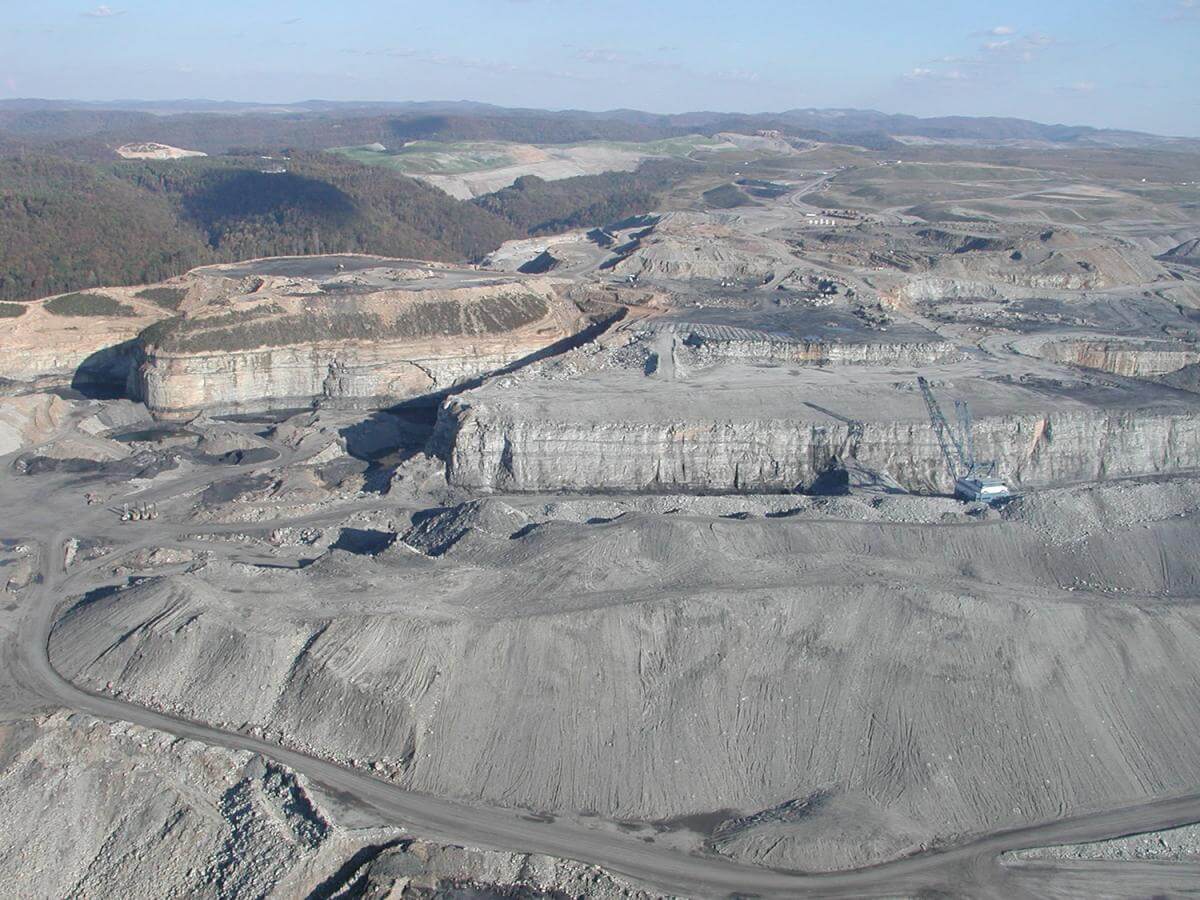
ANN: I can't be really specific about the project I'm working on now because it's in its very early stages, but it's a book that explores the ways we can have different relationships with the natural world and with things that aren't human. It's nonfiction. So there's that strand of it, which runs simultaneously with the ways I see Appalachia as a microcosm of what's happening globally in terms of the environment and as a harbinger of where we're headed without a revolution in our common sense. Finally, there' s a thread about my family, whom I see as a kind of microcosm of Appalachia, in the ways my family's addiction, fear, economic exigencies, and mental illness have caused the destruction of land I love where I grew up.
The book is part memoir, part imagining forward. It asks how we might live well in a time of mass extinction. A modest thesis, I know. I'm obsessed with the question because I've witnessed all my life a place I love be destroyed. Appalachia has always been called backwards, but in the last couple of decades, the rest of the country caught up with Appalachia and recognized the natural environment everywhere is being devastated.
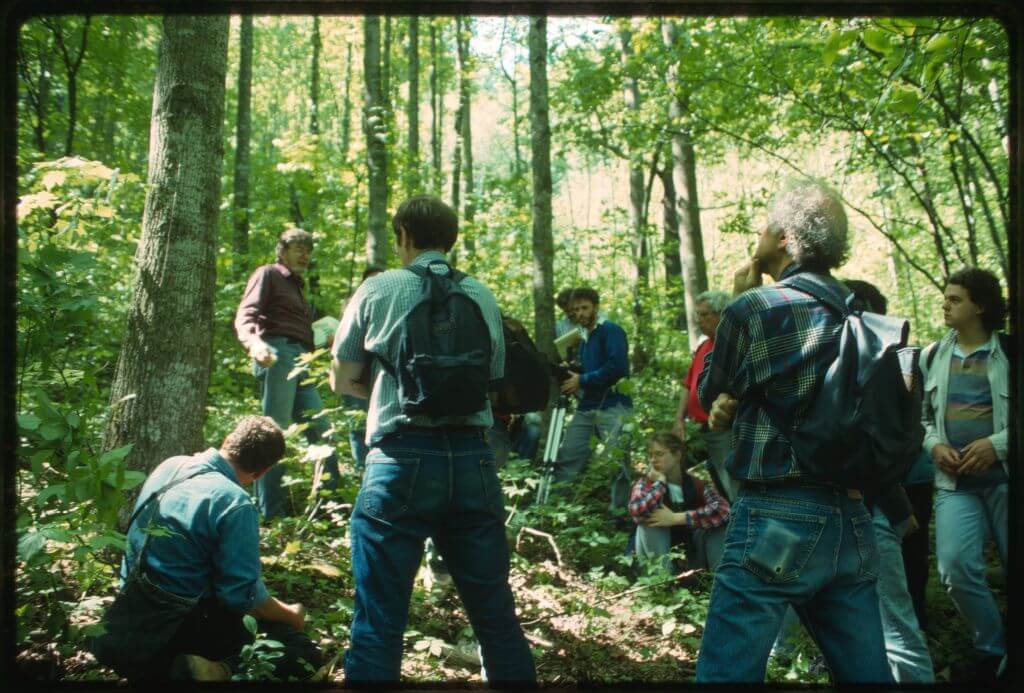
Appalachia Forest Action Project volunteers learning about the land, Rock Creek, West Virginia, May 21, 1994. Photograph by Mary Hufford. Image courtesy of the Library of Congress American Folklife Center.
Most recently, the land where I grew up, in Romney, has been destroyed by the parts of my family who are entangled in my brother's drug addiction. I see this family dynamic and tragedy as a microcosm of larger destructive forces in Appalachia. I see Appalachia, in turn, as a microcosm of larger destructive forces in the United States, especially capitalist corporate forces. So in this new book, I plumb that question—"how do we live well while natural places and beings are being annihilated at an unprecedented rate?"—by tracing my own personal history of loss as a West Virginian.
Part of my answer to the question involves radically reconceiving our relationships with natural beings. To do that, we need to become intellectually flexible enough to see rationalism and mechanistic science as just one way of knowing among several, with no one way superior to the other, and each with its own purpose. In other words, I'm suggesting we give more validity to intuition, the unconscious mind, the imagination, and ideas of the sacred.
About the Interviewer
E. James West is a teaching fellow in the Department of History at the University of Birmingham and a postdoctoral fellow at the Eccles Centre for American Studies at the British Library. His research centers upon on African American history and literature since 1865, with a particular interest in African American media and print culture.
]]>Review
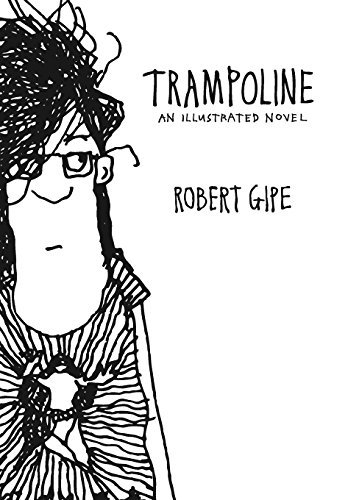
Since the late nineteenth century, Appalachia has been exploited, sensationalized, or deeply romanticized across literature, art, and popular culture. The "local color" authors after the Civil War depicted stereotypes of the region that still endure; think of the toothless, bearded hillbilly with a jug of moonshine, or simple folks carving wood or making quilts. A hundred years later, James Dickey's Deliverance didn't help things— portraying Appalachian people as menacing, stupid, and inbred. The damaging stereotypes of Appalachia persist, as Emily Satterwhite explains in Dear Appalachia: Readers, Identity, and Popular Fiction Since 1878: "Appalachia in the national geographic imaginary . . . has largely remained an essentialist vision of the region—white, rural, poor or working-class mountain people with highly specific cultural traditions that range from quilts and handmade crafts to moonshining and snake handling" (3).
But perhaps as we move into the twenty-first century, the many complicated, rich, and diverse depictions of Appalachia that shatter these stereotypes will take a more prominent place in the national imagination. In particular, Appalachian literature is vast, and encompasses a wide range of voices and subjects. Some of Appalachian literature's most acclaimed and best-known authors include James Still, Harriette Simpson Arnow, Wendell Berry, Jim Wayne Miller, Denise Giardina, and Lee Smith. Younger Appalachian authors include Silas House, Ann Pancake, Amy Greene, and David Joy, among many others. Appalachian authors of color including Nikky Finney, Crystal Wilkinson, Jacinda Townsend, and Frank X Walker dispel pervasive beliefs that Appalachia is white and homogenous. These many diverse voices of Appalachia challenge the idea of a singular Appalachian experience or identity, and Robert Gipe's Trampoline now joins the rich tapestry of Appalachian literature.
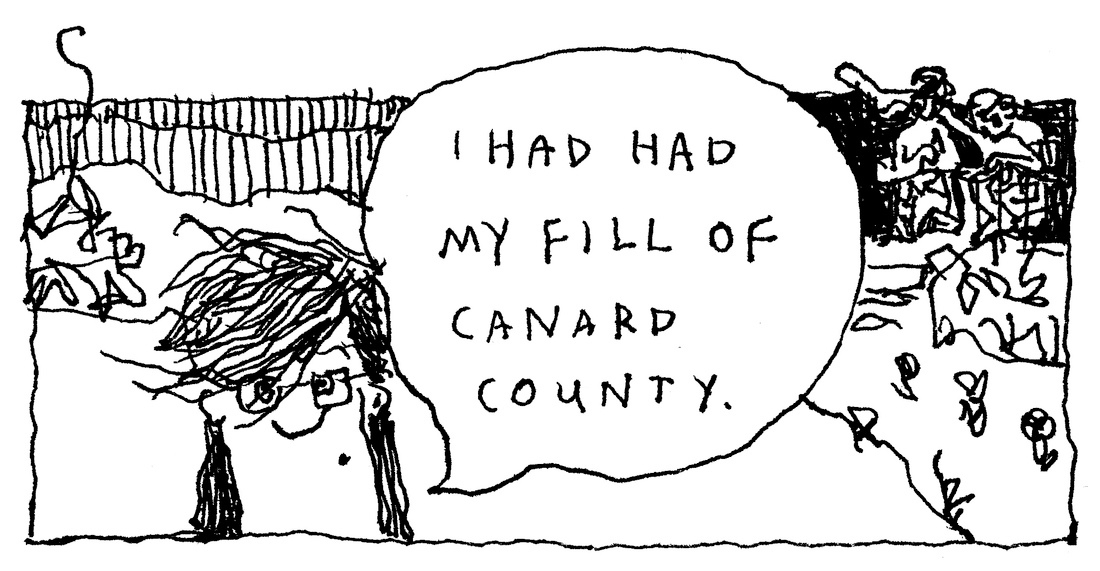
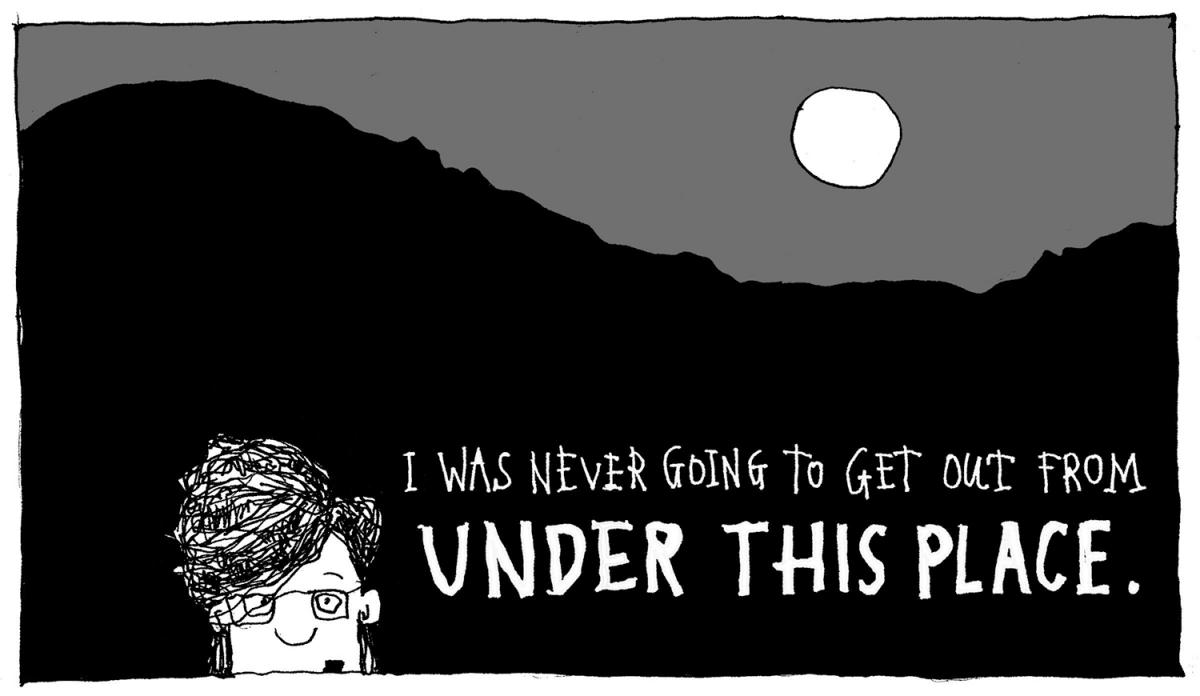
"I had had my fill of Canard County," fifteen-year-old Dawn Jewell proclaims in the opening cartoon panel of Trampoline (1). Canard County is a fictional county in Eastern Kentucky. It's rural, poor, and white. Coal mining, unemployment, drug addiction, and religious fervor dominate the landscape and the culture. It is, in other words, straight-up Appalachia. But as Trampoline embraces its Appalachian-ness, it also questions commonly held notions of what it means to be Appalachian. Its combination of prose narrative and quirky illustrations delivers a unique storytelling form, and the insightful, hilarious, and honest protagonist Dawn Jewell makes Trampoline unforgettable.
Appalachian literature commonly explores themes of place, community, and identity. In Trampoline, Canard County is both a source of chaos and comfort for Dawn, and it's deeply tied to her family—it's impossible to separate the two. Most of Dawn's family lives in the region, but don't offer much stability—a ragged bunch of cousins and "outlaw" uncles and family friends with wonderful names, by the way: Crater, Decent, Pickle, Cinderella, Big Jan. Dawn rarely sees her flighty mother who started "grieving out of a Heaven Hill bottle" after Dawn's father was killed in a mining accident, and she fights constantly with her brother (35). Her aunt June now lives in Kingston, Tennessee, in a "hippie" community; after she disentangled herself from the family, she had to "build herself a fortress of solitude" (220). And, yet, June admits that she misses the family "racket." Most of the time Dawn stays with her grandmother, who is leading a grass-roots effort to petition the governor to stop the stripmining of Blue Bear Mountain, which rises behind the family's home place. Her grandmother is the most stable, and heroic, member of the family.
Trampoline explores the tenacity of ties—in the ways that they offer love and protection, and the ways in which they suffocate. Dawn reaches a point of exhaustion and clarity when she crashes her uncle's car and everything spills out from the glove box; she envisions herself as "the cowboy in the movie when he gets trapped under his horse, except instead of a horse I was trapped under a pile of my family's shit" (42).
Trampoline is a story about Appalachia, and a coming-of-age tale about a teenager trying to find her voice. Dawn wants to figure out who she is and where she belongs. It's refreshing to read an Appalachian novel in which the protagonist is a smart and sharp-tongued young woman who doesn't mince words. Discussing other kids at school, Dawn attests, "The retardation around here staggers the mind" (129), and she describes a classmate's eyes as "dull as social studies, and she had no idea men had been to the moon" (166). Dawn is as tough as Ree Dolly in Daniel Woodrell's Winter's Bone, but not as grim—her wry humor brings a note of levity to the narrative, reminiscent of Gurney Norman's Kinfolks. Dawn's world is difficult, but not hopeless or humorless.
The characters in Trampoline may be Appalachian, but that doesn't mean they fit neatly into any particular mold. Dawn, for example, isn't interested in making quilts or playing a fiddle. She prefers punk to bluegrass, and wears black nail polish. When she hears a Black Flag song for the first time, something awakens in her: "The guitars sounded like power tools being run too hard. I'd never heard such before" (3). She drinks liquor, gets in fights, and cuts school. "I was a freak, soft and four-eyed," Dawn describes herself (70). Trampoline celebrates weirdness and difference. Dawn falls for dorky Willett Bilson—a chubby guy with a drooling problem, whom she first hears over the radio waves. Bilson deejays at his family's community radio station out of Tennessee and plays punk records. He's smart and kind, and like Dawn, a misfit: "Willet stood in front of me, breathing through his mouth, and I wanted to squeeze his big soft head. The feeling was new and strange" (258).

The hand-drawn illustrations, over two hundred of them, emphasize Dawn's strong, memorable voice, and give us a picture of what she looks like, or at least how she views herself—her big messy hair that later turns into a mowhawk, her glasses, and exaggerated chin. Trampoline isn't a traditional graphic novel; the drawings slip in and out of the narrative prose. The comic panels typically depict Dawn speaking; they add intimacy and emphasis to her voice, and give readers another way to hear her. As the illustrations let readers get a look at Dawn, she looks back at the reader, redirecting the gaze.
Just as coal mining has indelibly impacted the Appalachian landscape, it haunts the pages of Appalachian literature. In Trampoline, Dawn's grandmother leads the fight to stop the stripmining of Blue Bear Mountain. The novel takes place in 1998 (we don't find this out until late in the narrative), when mountaintop removal coal mining, an extreme version of the already devastating stripmining, was growing more prevalent. The novel foreshadows the intense fights between coal supporters and environmentalists that occurred as more massive MTR operations amped up across Appalachia. In a mountaintop removal operation, the coal company uses millions of tons of explosives to blast the mountain, removing up to six hundred feet off the mountain in order to get to the coal seams. The "overburden," which includes the mountains and toxic mining waste, is then dumped into streams and valleys. The valley fills "have buried more than two thousand miles of headwater streams and polluted many more," according to the environmental organization Appalachian Voices. In addition, "Mountaintop removal mining has destroyed more than five hundred mountains, encompassing more than one million acres of central and southern Appalachia" (Appalachian Voices). The mining has not only destroyed mountains and diverse forests, but ruined drinking water, caused flash floods, forced people to leave their ancestral homes, and cut jobs (since mining companies have mechanized, they need fewer miners). Despite the loss of jobs and the destruction of the land, loyalty to the coal companies still runs high; the industry's strong hold over minds and hearts persists.
As the granddaughter of a "treehugger," Dawn doesn't win many friends at a high school where most of the students have family working for the coal company and Friends of Coal stickers decorate the principal's office. When she stands up for her grandmother at a community meeting, Dawn gets pulled into the fight and—somewhat reluctantly—emerges as an environmental spokesperson.

Gipe doesn't sidestep the complexity of coal mining in the region, or the volatile emotions. For example, at a party in Kingston, populated by "hippie enviro fighters," Dawn recognizes that the Christmas lights depend on electricity and coal (222). At this same party, Dawn also learns about the Surface Mining Control and Reclamation Act, and about the history of her people—Appalachians who have been fighting the coal companies since the '60s, including the famous Widow Combs who sat down in front of bulldozer to stop strip-mining, and Uncle Dan Gibson, who held off the coal company with a shotgun. The region's lack of options and the citizens' lack of power make employment complicated, as Dawn realizes about her uncle and cousin, both coal miners: "They loved it here, and they had to tear it up to stay" (226).
As coal companies destroy the mountains and family homes, pill addiction ravishes communities across Appalachia. In Trampoline, drugs quell sadness and boredom; the novel foreshadows how the drugs' hold over a place and people will intensify. During the late '90s and early 2000s, Oxycoden started to enter Eastern Kentucky, and Gipe captures its looming presence in an illustration of the word in all capital letters; Dawn says, "It was the first time I ever heard the word." (302). Prescription pill addiction, and oxy in particular, hit Eastern Kentucky hard. Recently, many users have been turning to heroin, the cheaper alternative. In 2013, there were estimates of over a thousand deaths from opioid overdoses in Kentucky.
Dawn glimpses this impending devastation, and already knows how addiction wrecks families and destroys lives. Her mother steals money from her and from Dawn's grandmother, and tries to exploit Dawn's injury to obtain a prescription. Gipe doesn't romanticize or vilify his drug-addicted characters, but just presents them as they are: "There were new gaps between her teeth" (38). Gipe depicts the complex reality of loving an addict—the endless cycle of anger and heartache, such as in one poignant scene when Dawn's stoned mother climbs up a tree, and the family gathers around trying to coax her back down safely: "We were scared for her, but her buzz brought a tiredness, an about-wore-out-ness to our worry" (85). The moment exhibits fear and anxiety, but also tenderness as Dawn looks up at her mother: "She waved at me. Light flooded her from behind. In a way, I did not want her to come down. I was glad to see her so high up. She had not escaped, but she was closer" (86).
Gipe doesn't paint a romanticized picture of Appalachia, but he also doesn't exploit the region. He writes from inside. His ear for dialogue is outstanding. He writes the way people talk. When characters say, "Daggone… You're worser than me" (2), and "they's beer and pop in the cooler" (94), the dialogue doesn't make the characters sound uneducated. Instead, the vernacular dialect sounds natural and authentic, and makes you feel like you're in the room with the characters. Dawn says, "I wadn't done" (16), "I seen broken glass" (31), and "They all knew then Pickle was going to go ahead and get redneck" (99). Her dialect never undermines her sharp, often poetic observations, but reinforces their authenticity.
Gipe's prose delights with its directness and surprising, fresh images. For example, at the town meeting, where people have gathered to speak in favor or against coal mining, Gipe describes the government people in their suits: "The state people sat like prizes at a carnival game, eyes wide and blank, stuffed pink monkeys, green hippopotamuses piled too close together. Every once in a while they would take a note, but not that often" (12). Page after page demonstrates Gipe's imaginative prose, such as this wonderful line: "The skinned trees stood gray and clear like old people talking, no word wasted" (175). Or, when Hubert comes to pick up Dawn at the police station, "He looked like somebody in some low-ceiling white-light don't give-a-shit-how-bright-things-are church. Had he raised up a rattlesnake above his head and started speaking in tongues I wouldn't have been surprised" (195). Gipe takes overused Appalachian motifs, and defamiliarizes them in ways that are fresh and often hilarious.
Gipe is funny but not cynical, and compassionate without falling into sentimentality. Even when Dawn longs for a simpler time, the nostalgic yearning isn't cloying or sentimental, as in this moment when she thinks about her papaw Houston: "I could see him in my mind, surrounded by his music, fire going in the stove, not like pioneer days, not that old feeling, but like something you couldn't find no more in the world today" (58). Gipe doesn't sidestep the dire effects of poverty and addiction in a place where there just aren't many options. The world captured in these pages is often painful and often dark, but also lit by wry humor and tenderness. Gipe is a generous writer, and he gives his characters the gift of change and openness. There is a grace these characters possess, like fat Denny climbing so fast up the tree, like a bear, to save Dawn's mother. Trampoline portrays Appalachia at its most complex, heartbreaking, and beautiful.
About the Author
Carter Sickels is author of the novel The Evening Hour (New York: Bloomsbury, 2012), a finalist for the 2013 Oregon Book Award and the Lambda Literary Debut Fiction Award. He is recipient of the 2013 Lambda Literary Emerging Writer Award, a project grant from Oregon's RACC, and an NEA Fellowship to the Hambidge Center for the Arts. He's been awarded fellowships or scholarships to Bread Loaf Writers' Conference, the Sewanee Writers' Conference, and the MacDowell Colony. He is editor of the anthology Untangling the Knot: Queer Voices on Marriage, Relationships, and Identity. Carter is assistant professor of Creative Writing at Eastern Kentucky University and teaches in the Bluegrass Writers Studio low residency MFA program.
]]>